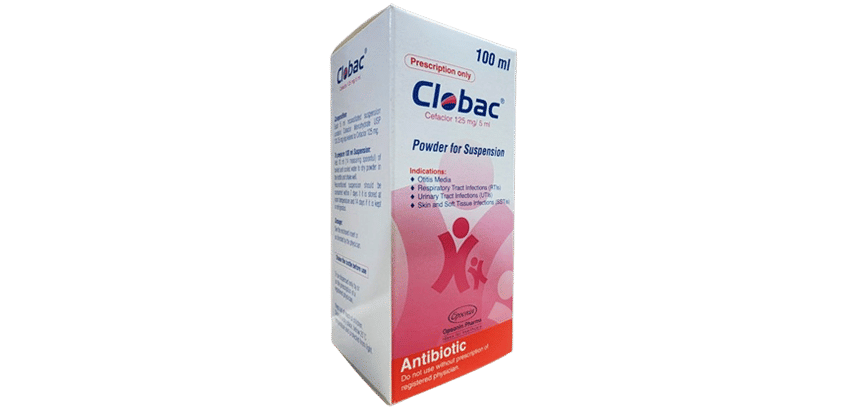
Clobac
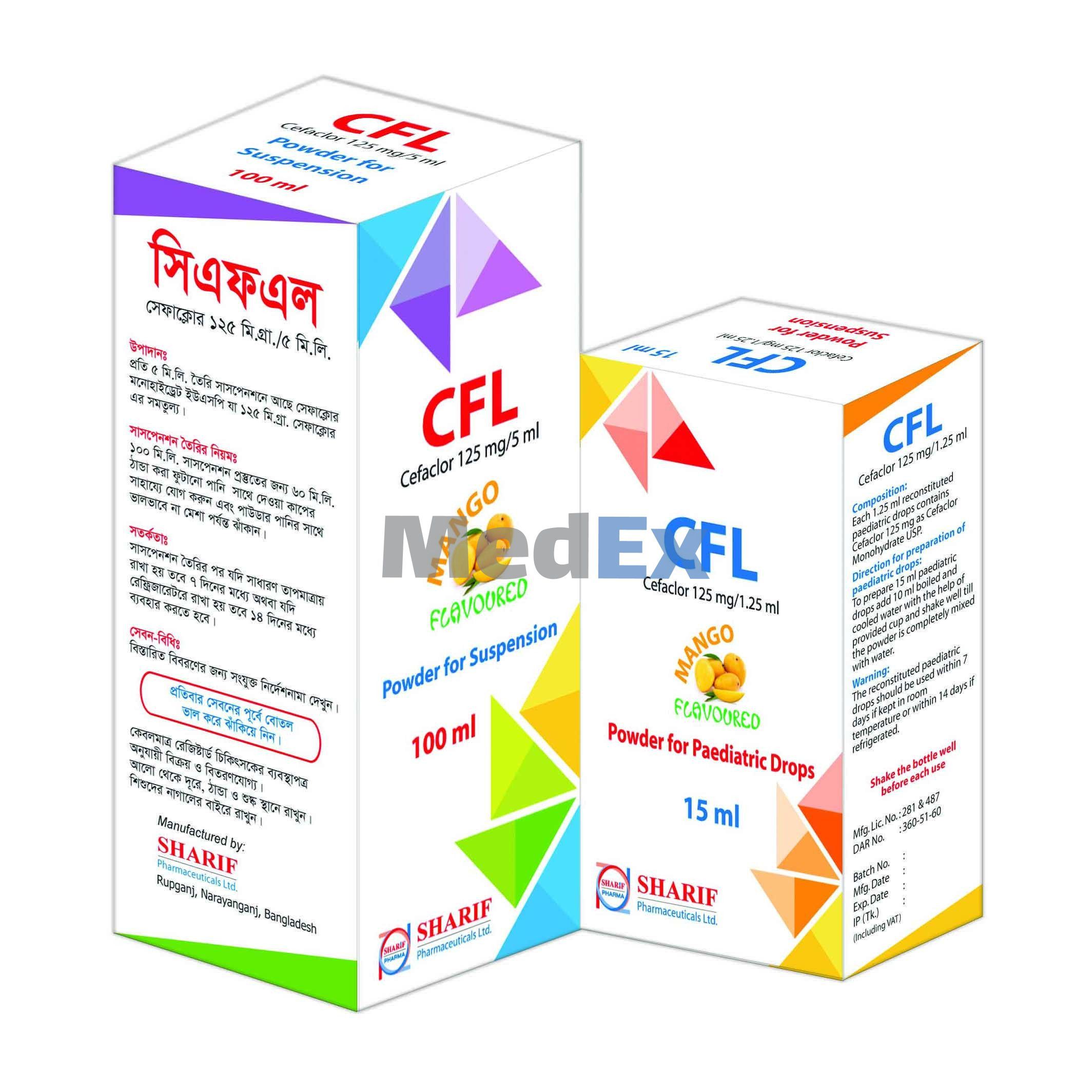
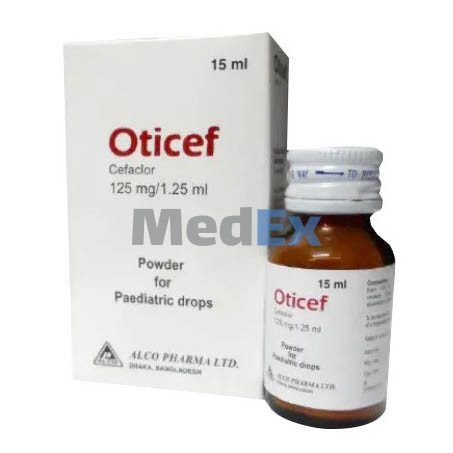
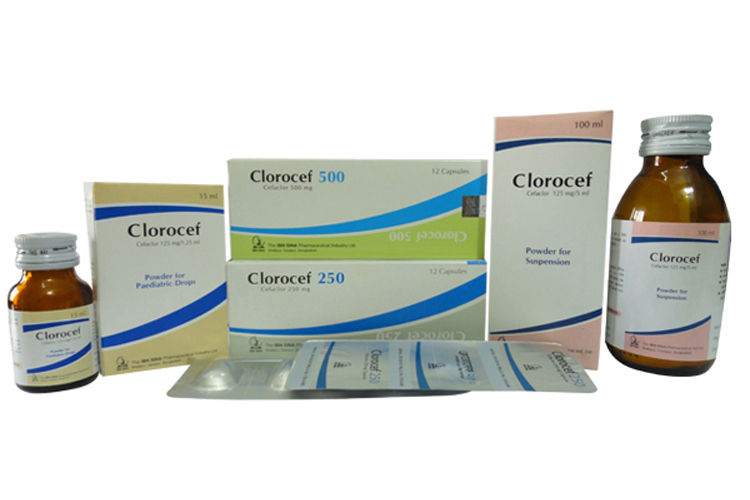
Cheaper & Alternative Brands
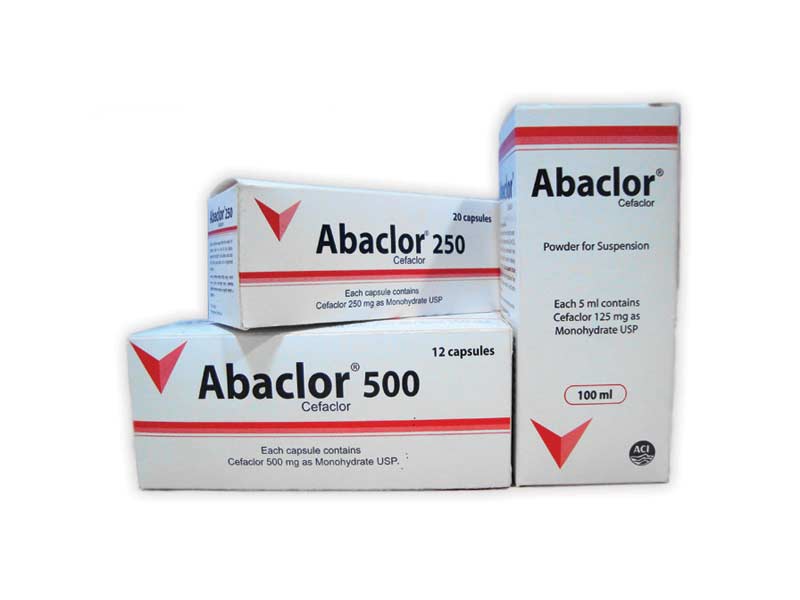
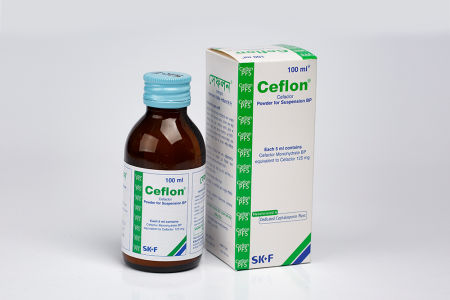
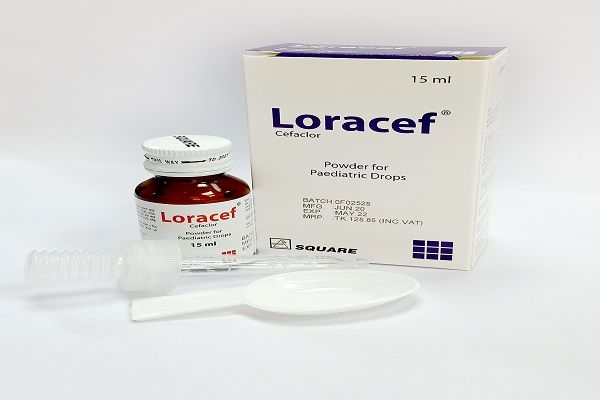
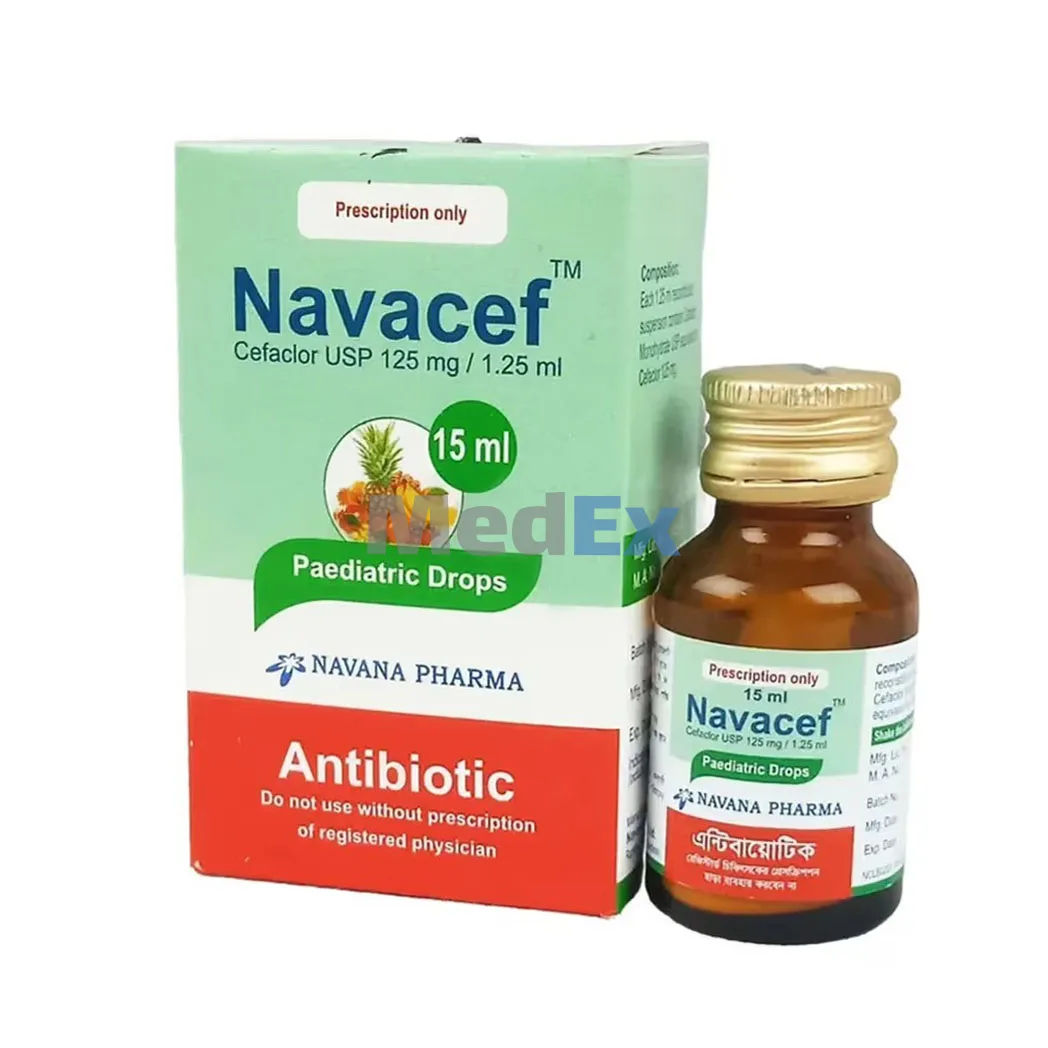
Same generic (Cefaclor Monohydrate), same form (Pediatric Drops)

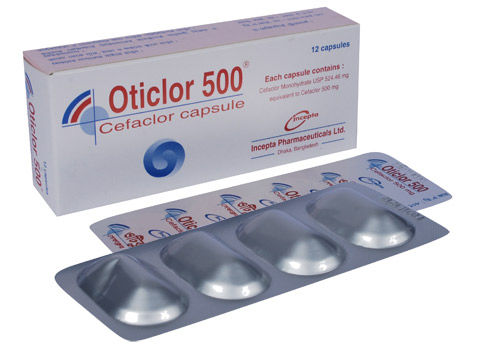
Clinical Prescribing Information
Medical monograph and safety information for healthcare professionals & patients.Indications & Clinical Uses
Abaclor is indicated for the treatment of the following infections:
Respiratory tract infections, including pneumonia, bronchitis, caused by Streptococcus Pneumoniae, Haemophilus Influenzae, and Streptococcus Pyogenes
Otitis media caused by Streptococcus pneumoniae, Haemophilus influenzae, Staphylococci, and Streptococcus pyogenes
... Read more
Abaclor is indicated for the treatment of the following infections:
Respiratory tract infections, including pneumonia, bronchitis, caused by Streptococcus Pneumoniae, Haemophilus Influenzae, and Streptococcus Pyogenes
Otitis media caused by Streptococcus pneumoniae, Haemophilus influenzae, Staphylococci, and Streptococcus pyogenes
Pharyngitis and Tonsillitis, caused by Streptococcus pyogenes
Urinary tract infections, including pyelonephritis and cystitis, caused by Escherichia coli, Proteus mirabilis, Klebsiella spp., and coagulase-negative Staphylococci
Skin and skin structure infections caused by Staphylococcus aureus and Streptococcus pyogenes.
Dosage & Administration
Capsule: Adult dose
: The usual dose is 250 mg every 8 hourly. For severe infections or those caused by less susceptible organisms, doses may be doubled with a maximum dosage of 4 g/day. In case of β-hemolytic Streptococcal infections, therapy should be administered for at least 10 days.
Powder for suspension & Pediatric drops: Children
: The usual daily dosage for paediatric patients over 1 month is 20 mg/kg/day in divided doses every 8 hours. In serious infections such as otitis media and infections caused by less susceptible organisms, 40 mg/kg/day are recommended, with a maximum dosage of 1 g/day. Safety and effectiveness of Cefaclor for use in infants less than 1 month of age have not been established.
<1 year (9 kg):
Powder for suspension
: ½ tsp three times daily
Pediatric drops
: 0.625 ml three times daily
1-5 years (9 kg-18 kg):
Powder for suspension
: 1 tsp three times daily
Pediatric drops
: 1.25 ml three times daily
Over 5 years:
Powder for suspension
: 2 tsp three times daily
In renal impairment
: Cefaclor may be administered in the presence of impaired renal function. Dose adjustments for patients with moderate or sever renal impairment are not usually required.
In patients undergoing haemodialysis
: Haemodialysis shortens serum half-life by 25-30%. In patients undergoing haemodialysis, a predialysis loading dose of 250 mg-1 g is recommended. A maintaining dose of 250-500 mg every 6 hourly during interdialytic period may be used.
Geriatric use
: Clinical experience has not identified differences in responses between the elderly and younger patients, but greater sensitivity of some older individuals cannot be ruled out.
Contraindications
Cefaclor is contraindicated in patients with known allergy to the Cephalosporin group of antibiotics.
Side Effects & Adverse Reactions
Gastro-intestinal symptoms may occur include diarrhea, nausea and vomiting in some patients receiving Abaclor. As with some penicillins and some other Cephalosporins, transient hepatitis and cholestatic jaundice have been reported rarely. Fever, abdominal pain, superinfection, renal dysfunction, toxic nephropathy, hemorrhage, elevated LDH and pancytopenia may occur.
Warnings & Precautions
Prescribing Abaclor in the absence of a proven or strongly suspected bacterial infection or a prophylactic indication is unlikely to provide benefit to the patient and increases the risk of the development of drug-resistant bacteria.
Prolonged use of Abaclor may result in the overgrowth of nonsusceptible organisms. If superinfection occurs during therapy, appropriate measures should be taken. As with other β-lactam antibiotics, the renal excretion of Abaclor is inhibited by Probenecid. Antibiotics, including Cephalosporins, should be prescribed with caution in individuals with a history of gastrointestinal disease, particularly colitis.
Before therapy with Abaclor is instituted, careful inquiry should be made to determine whether the patient has had previous hypersensitivity reactions to Abaclor, Cephalosporins, Penicillins or other drugs. If Abaclor is to be given to penicillin-sensitive patients, caution should be exercised. Abaclor should be administered cautiously to any patient who has demonstrated some form of allergy, particularly to drugs.
Pharmacology & Mechanism of Action
Cefaclor is a second generation cephalosporin antibiotic which has stability against b-lactamase inactivation and possesses a broad spectrum of activity. Cefaclor is active against the following organisms in vitro: Alpha and beta haemolytic Streptococci, Staphylococci; including coagulase-positive, coagulase negative and penicillinase-producing strains, Streptococcus pneumoniae, Streptococcus pyogenes (Group A b-haemolytic Streptococci), Branhamella catarrhalis, Escherichia coli, Proteus mirabilis, Klebsiella species Haemophilus influenzae, including ampicillin-resistant strains. Cefaclor is generally effective in the eradication of Streptococci from the nasopharynx.