
Cip-D
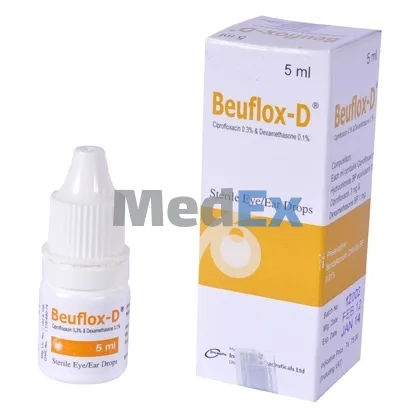
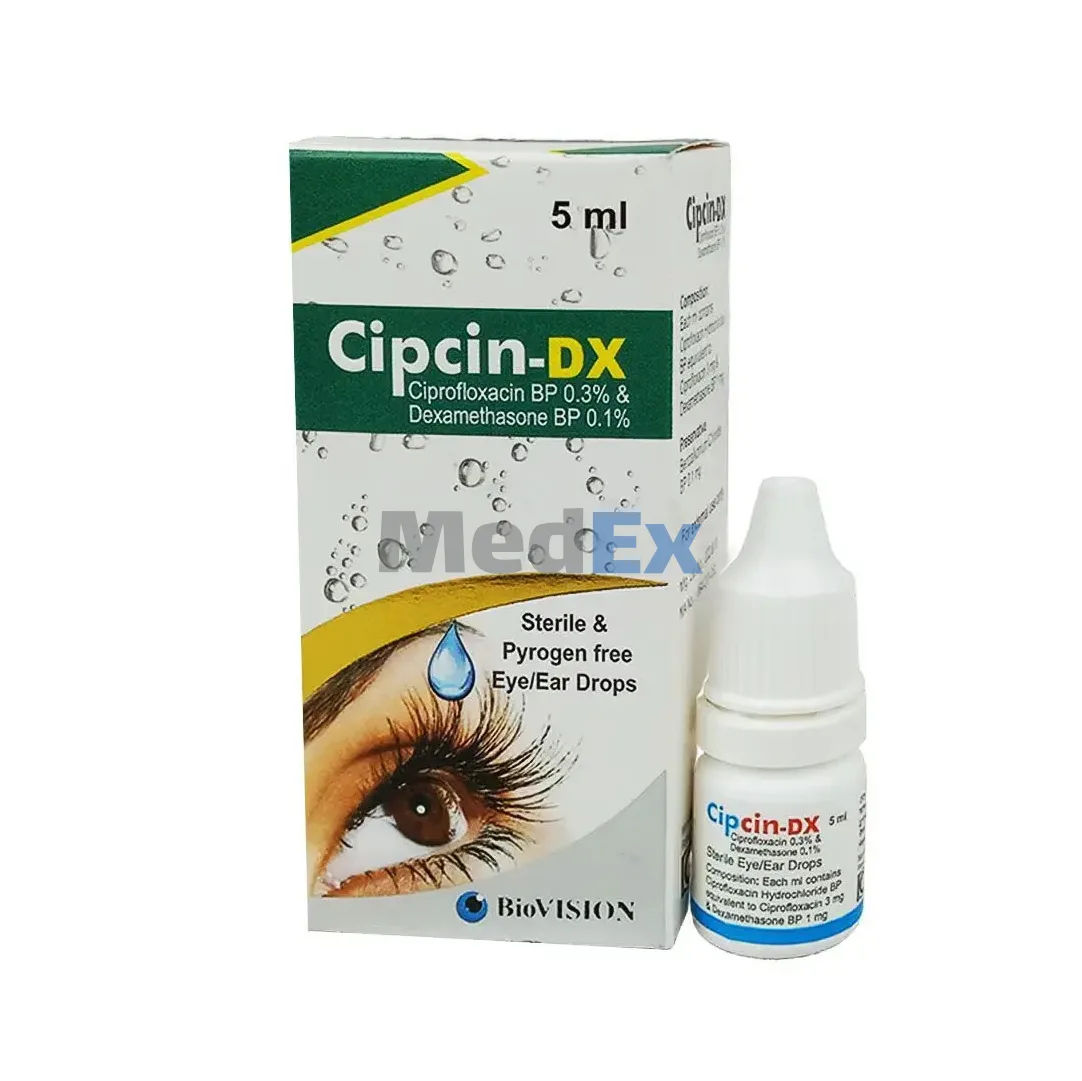
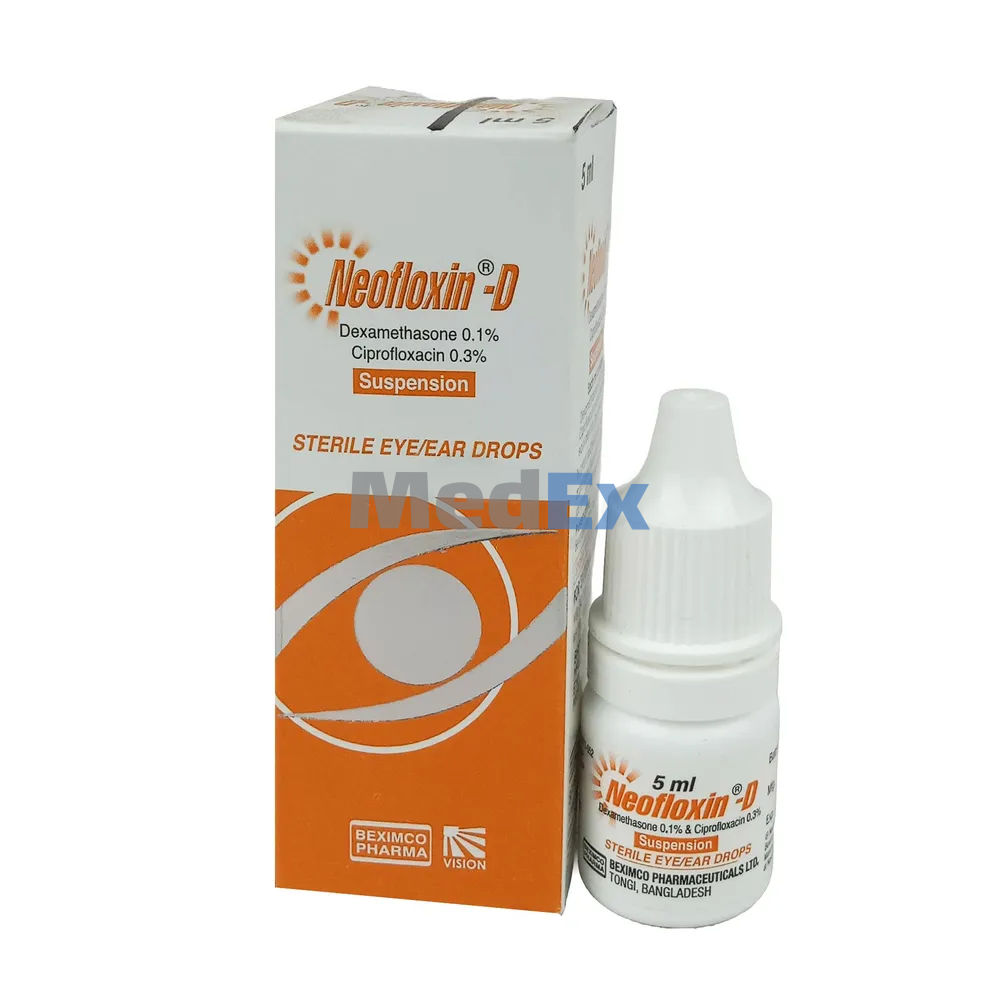
Cheaper & Alternative Brands
Same generic (Ciprofloxacin + Dexamethasone), same form (Ophthalmic Solution)

Clinical Prescribing Information
Medical monograph and safety information for healthcare professionals & patients.Indications & Clinical Uses
Eye
: This is indicated for the treatment of steroid responsive inflammatory ocular conditions where bacterial infections or risk of bacterial infections co-exist. The combination can also be used for post-operative inflammation and any other ocular inflammation associated with infection
... Read more
Eye
: This is indicated for the treatment of steroid responsive inflammatory ocular conditions where bacterial infections or risk of bacterial infections co-exist. The combination can also be used for post-operative inflammation and any other ocular inflammation associated with infection.
Ear
: This is also indicated in the treatment of ear infections accompanied by inflammation such as otitis externa, acute and chronic otitis media etc. The combination may also be used post-operatively in the ear.
Dosage & Administration
For Eye
: 1 drop to be instilled into conjunctival sac(s) every four to six hours. During the initial 24 to 48 hours, the dosage may be increased to 1 drop every two hours.
For Ear
:
Acute otitis media in pediatric patients with typanastomy tube: 4 drops instilled into the affected ear 2 times daily for 7 days.
Acute otitis externa: 4 drops instilled into the affected ear 2 times daily for 7 days.
Pediatric Use
: Safety and effectiveness in pediatric patients below 1 year have not been established.
Contraindications
Hypersensitivity to any ingredient of the product. Herpes simplex and other viral conditions, mycosis, glaucoma, newborn babies, fungal diseases of ocular or auricular structures.
Side Effects & Adverse Reactions
Eye
: The most frequently reported drug-related adverse reactions seen with Ciprofloxacin are transient ocular burning or discomfort. Other reported reactions include stinging, redness, itching, conjunctivitis/keratitis, periocular/facial edema, foreign body sensation, photophobia, blurred vision, tearing, dryness, and eye pain. Rare reports of dizziness have been received. The reactions due to the steroid component are elevation of intraocular pressure (IOP) with possible development of glaucoma, and infrequent optic nerve damage; posterior subcapsular cataract formation; and delayed wound healing.
Ear
: The most common adverse effects are discomfort and ear pain. Others reported reactions are irritability, dizziness, erythema etc.
Warnings & Precautions
The possibility of fungal infections of the cornea should be considered after long-term steroid dosing and in patients with persistent corneal ulceration. Prolonged use of antibiotic may result in overgrowth of non-susceptible organisms. Prolonged use of topical ophthalmic steroids may result in glaucoma, with damage to the optic nerve, defects in visual acuity and fields of vision and posterior subcapsular cataract formation. Intraocular pressure should be routinely monitored.
Pharmacology & Mechanism of Action
Dexamethasone
is glucocorticoid. It has an anti-inflammatory and anti-allergic action. It is used topically in the treatment of inflammatory conditions of the anterior segment of the eye. It reduces prostaglandin synthesis by inhibiting the enzyme phospholipase A2. Also, Dexamethasone inhibits the chemotactic infiltration of neutrophils into the site of inflammation.
Ciprofloxacin
has in vitro activity against a wide range of gram-negative and gram-positive organisms, possessing the greatest antibacterial activity of all quinolones. The bactericidal action of Ciprofloxacin results from interference with the enzyme DNA gyrase which is needed for the synthesis of bacterial DNA.