
Catopil
Cheaper & Alternative Brands
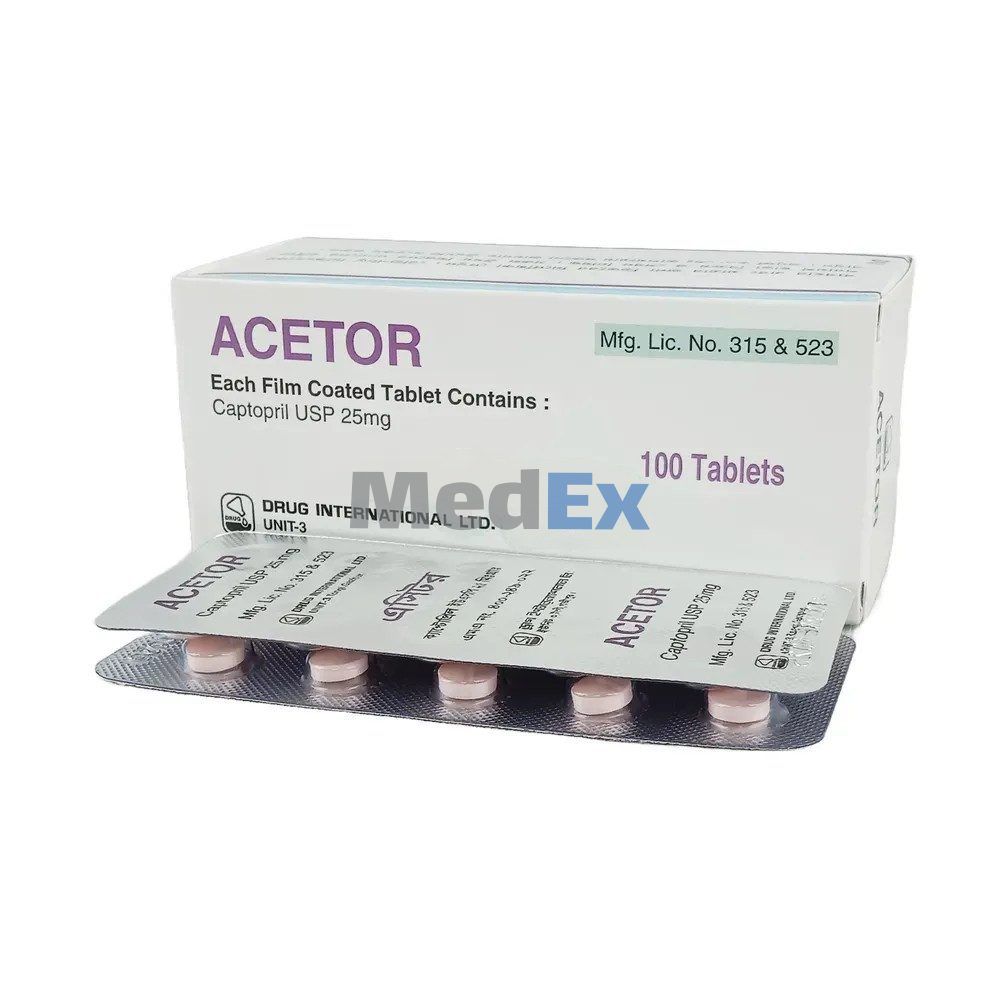
Same generic (Captopril), same form (Tablet)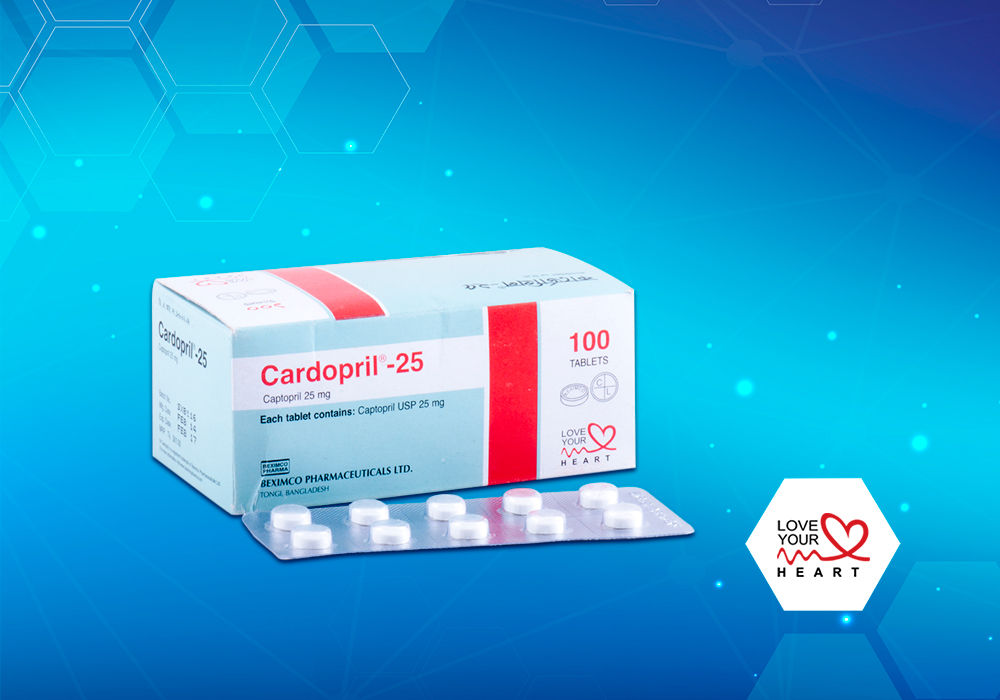
Clinical Prescribing Information
Medical monograph and safety information for healthcare professionals & patients.Indications & Clinical Uses
Mild-to-moderate hypertension
: As an adjunct to thiazide therapy in patients who have not responded effectively to thiazide treatment alone.
Severe hypertension
: Where standard therapy has failed.
Congestive heart failure
: Acetor is indicated for the treatment of congestive heart failure. The drug should be used together with diuretics and where appropriate, digitalis.
Dosage & Administration
Mild-to-moderate hypertension
: The initial dose is 12.5 mg twice daily. The usual maintenance dose is 25mg twice daily which can be increased incrementally, at two to four week intervals, until a satisfactory response is achieved, to a maximum of 50 mg twice daily.
Severe hypertension
: In severe hypertension the starting dose is 12.5 mg b.d. The dosage may be increased incrementally to a maximum of 50 mg t.d.s.
Heart failure
: A starting dose of 6.25mg or 12.5mg may minimise a transient hypotensive effect. The usual maintenance dose is 25mg three times a day. The usual maximum dose is 150 mg daily.
Captopril must be taken 1 hour before meals to ensure maximum absorption.
Use in Child
: Safety and effectiveness in pediatric patients have not been established.
Contraindications
A history of previous hypersensitivity to captopril. Captopril is contra-indicated in pregnancy and should not be used in women of child-bearing potential unless protected by effective contraception.
Side Effects & Adverse Reactions
Neutropenia, anaemia, proteinuria, hypotension, tachycardia, rashes, usually pruritic may occur. Gastric irritation and abdominal pain may occur.
Warnings & Precautions
Evaluation of the patient should include assessment of renal function before Acetor therapy and at appropriate intervals thereafter. Patients with renal impairment should not normally be treated with Acetor. Acetor should not be used in patients with aortic stenosis or outflow tract obstruction.
Pharmacology & Mechanism of Action
Captopril is a sulfhydryl-containing analog of proline with antihypertensive activity. Captopril competitively inhibits angiotensin converting enzyme (ACE), thereby decreasing levels of angiotensin II, increasing plasma renin activity, and decreasing aldosterone secretion. Approxiately 60-75% of an oral dose of captopril is repidly absorbed from the GI tract in fasting healthy individuals or hypertensive patients. More than 95% of a dose is excreted renally, both as unchanged (45-50%) drug and as metabolites.