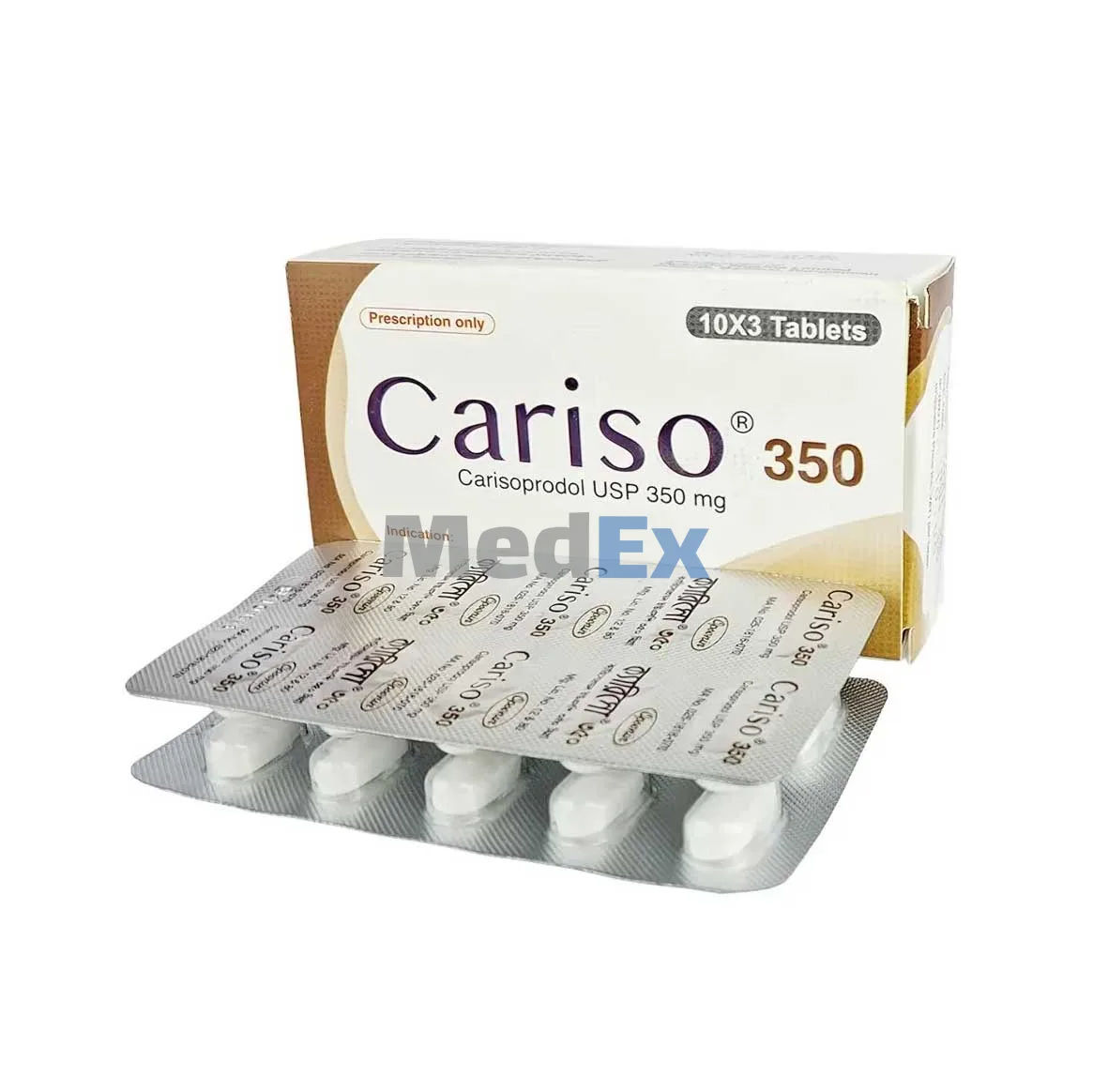
Cariso
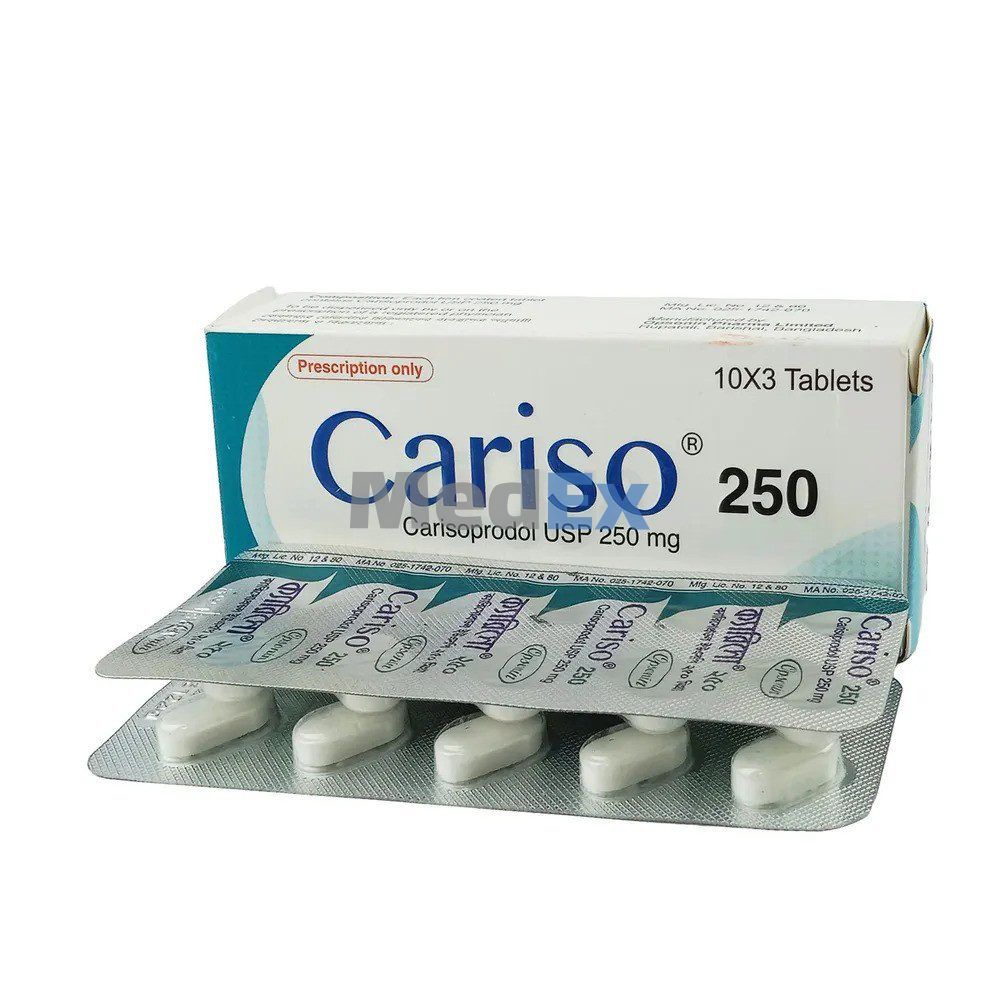
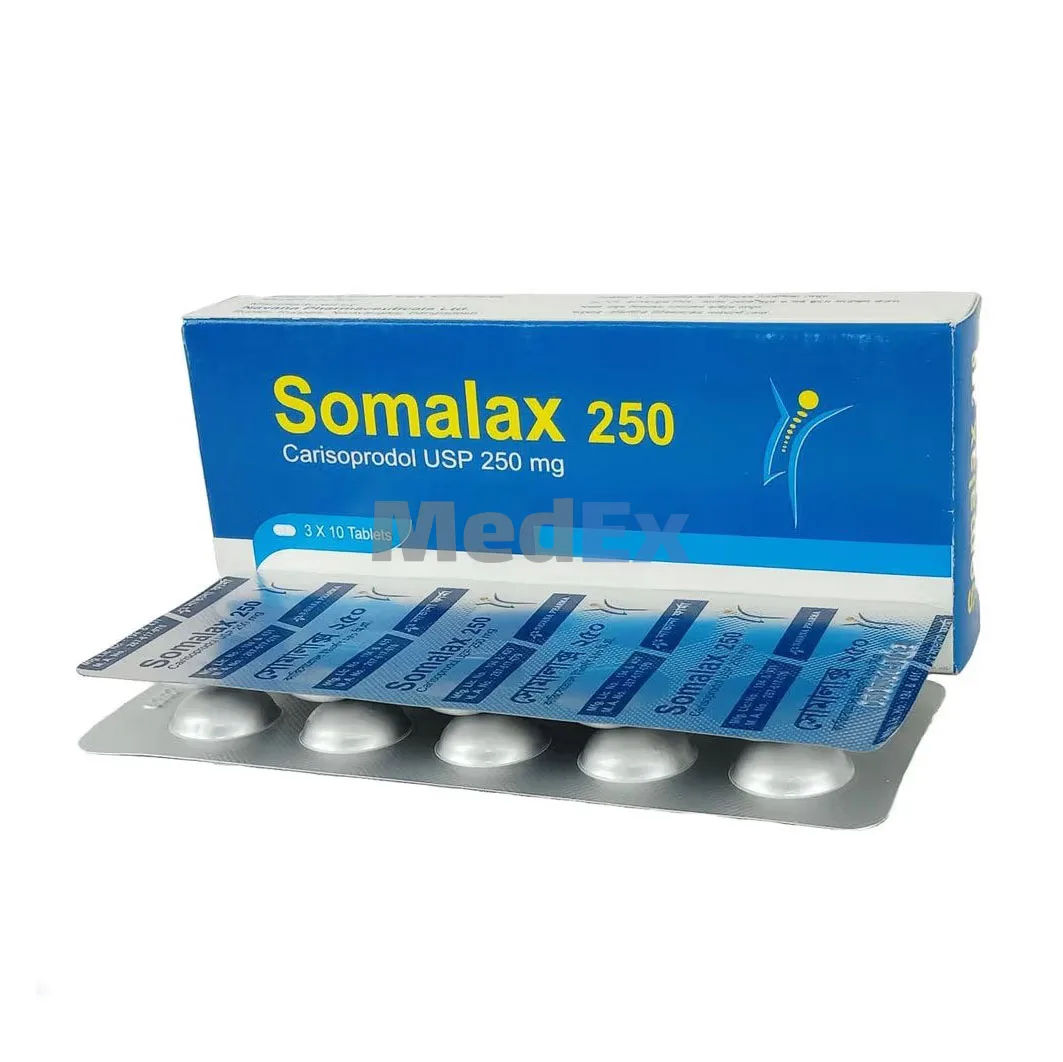
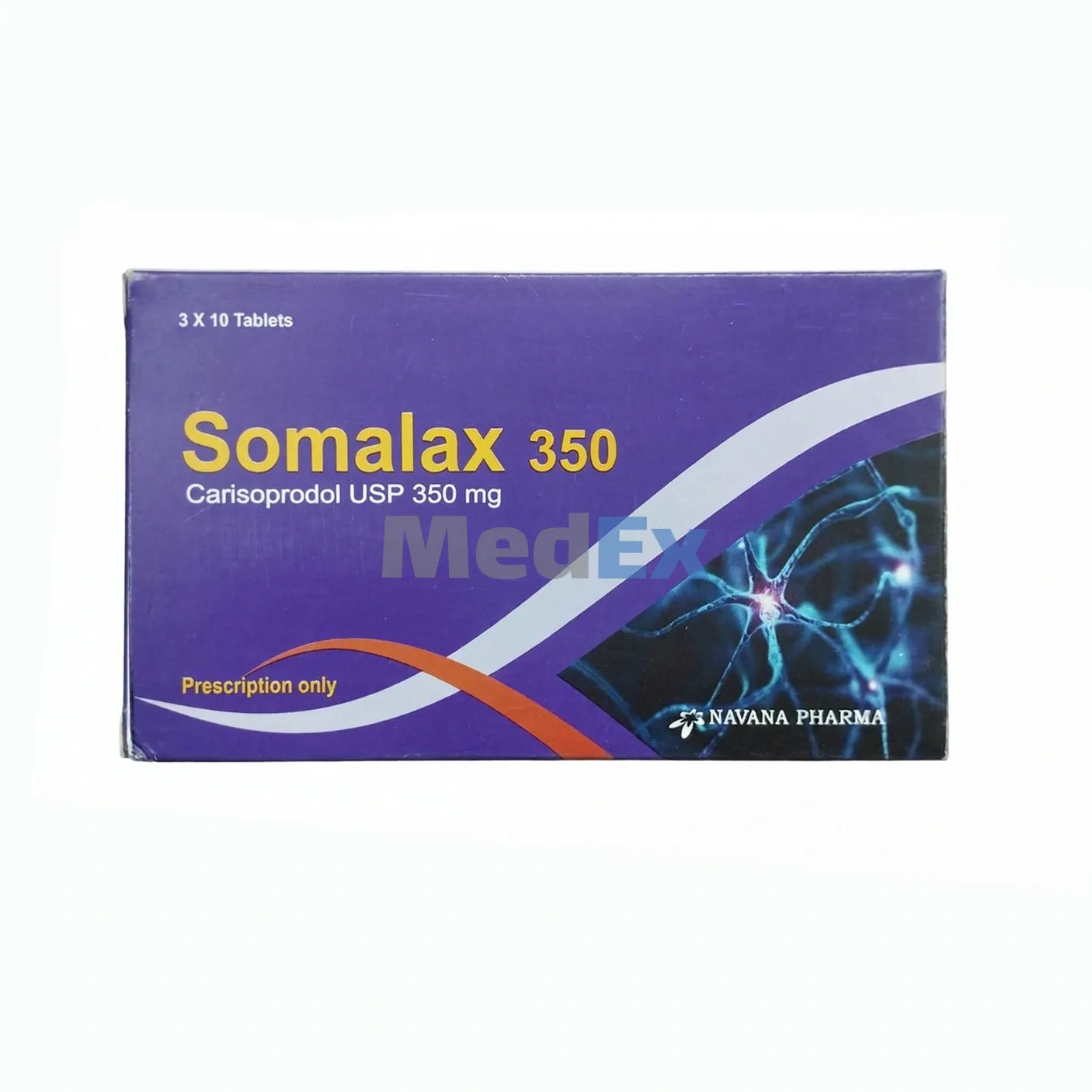
Cheaper & Alternative Brands
Same generic (Carisoprodol), same form (Tablet)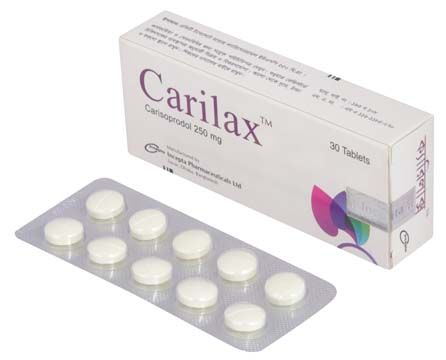
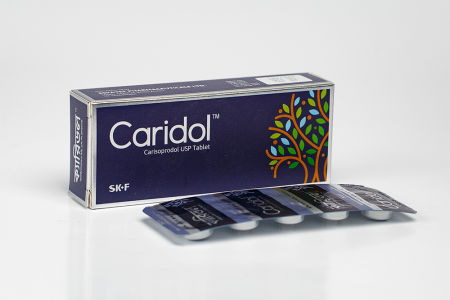
Clinical Prescribing Information
Medical monograph and safety information for healthcare professionals & patients.Indications & Clinical Uses
Caridol is indicated for-
The relief of discomfort associated with acute, painful musculoskeletal conditions in adults.
Sedation and decrease anxiety in patients with severe pain.
Used as an adjunct in physical therapy in injuries.
Dosage & Administration
Adults (18 years and older)
: The recommended dose of Carisoprodol is 250 mg to 350 mg three times a day and at bedtime. The recommended maximum duration of Carisoprodol use is up to two or three weeks. Caution should be taken in patients with renal and hepatic impairment and also with reduced CYP2C19 activity.
Contraindications
Carisoprodol is contraindicated in patients with a history of acute intermittent porphyria or a hypersensitivity reaction to a carbamate such as meprobamate.
Side Effects & Adverse Reactions
Common side effects are drowsiness, dizziness and headache.
Warnings & Precautions
Due to sedative properties, may impair ability to perform hazardous tasks such as driving or operating machinery. Additive sedative effects when used with other CNS depressants including alcohol. Cases of Drug Dependence, Withdrawal, and Abuse. Seizures
Pharmacology & Mechanism of Action
Carisoprodol is a GABA-A receptor indirect agonist with CNS chloride channel conductance effect. GABA receptor agonists typically produce sedative effect and may also cause other effects such as anxiolytic, anticonvulsant and muscle relaxant. Metabolite of Carisoprodol, Meprobamate, has anxiolytic and sedative properties. Carisoprodol decreases the impulses from brain and spinal cord to the muscle. This causes the muscle to relax and hence decrease the spasm. It has no direct action on muscle itself.