
Canarol
Cheaper & Alternative Brands
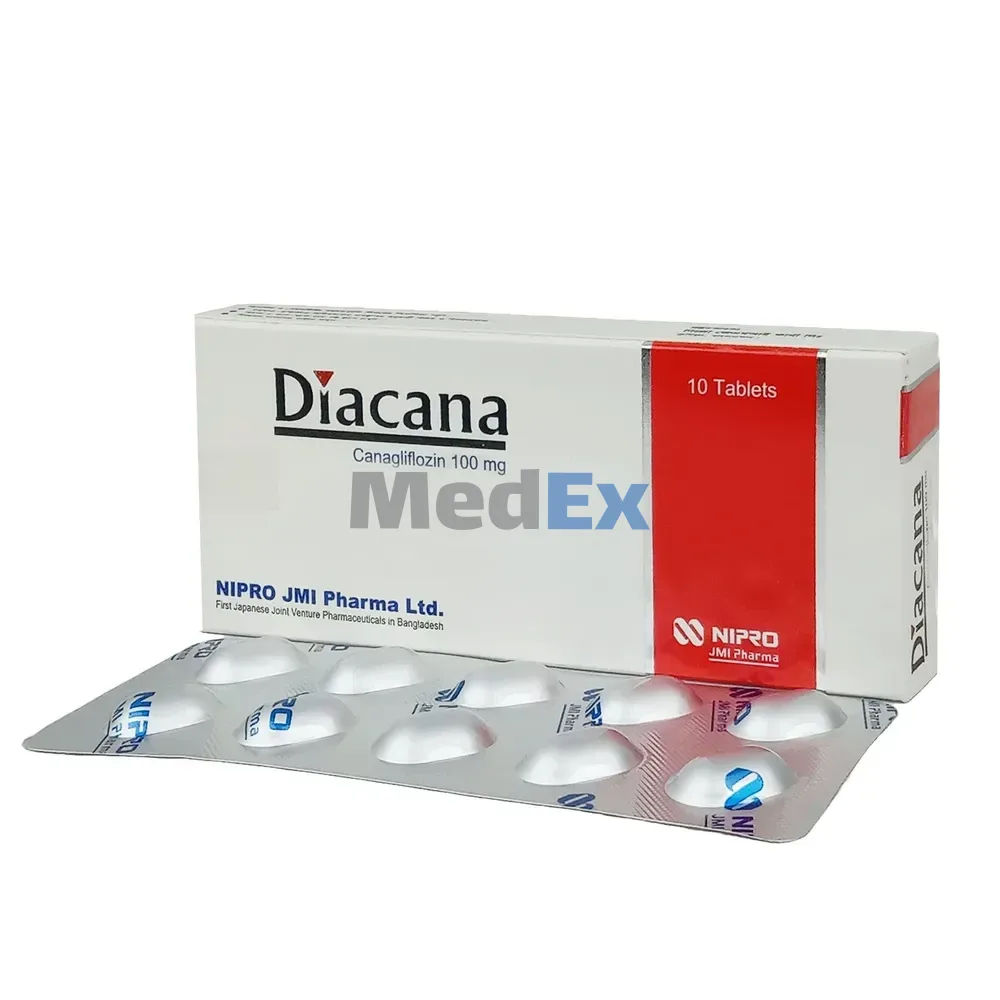
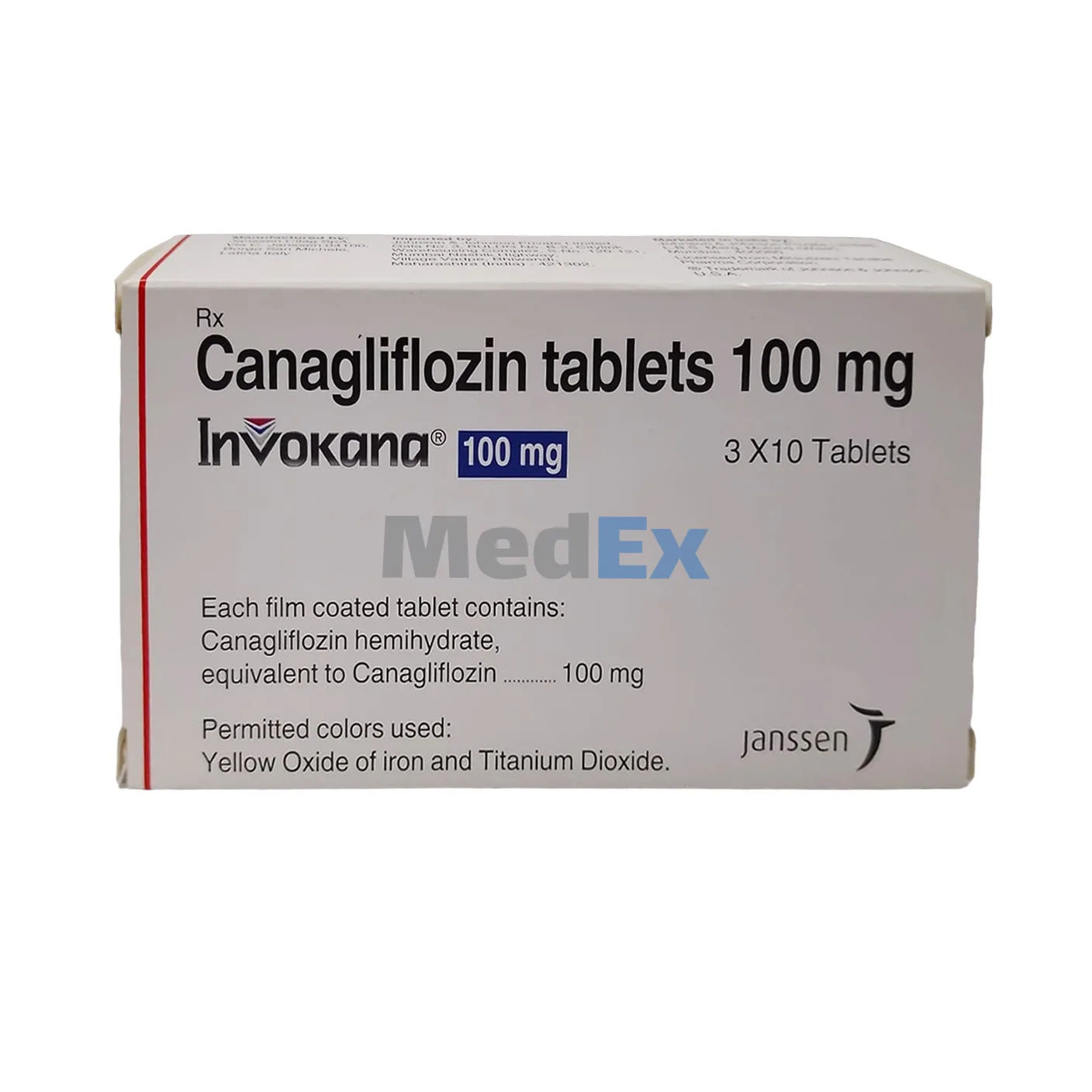
Same generic (Canagliflozin Hemihydrate), same form (Tablet)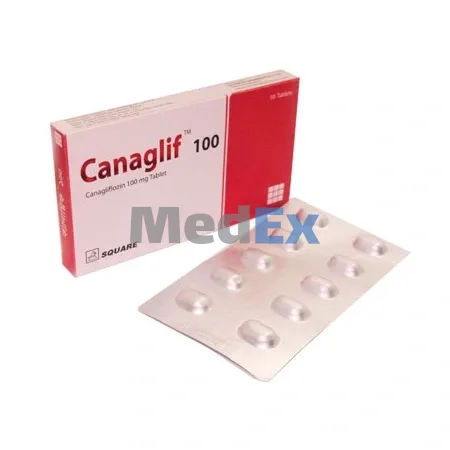
Clinical Prescribing Information
Medical monograph and safety information for healthcare professionals & patients.Indications & Clinical Uses
Canaglif is indicated as an adjunct to diet and exercise to improve glycemic control in adults with type 2 diabetes mellitus.
Dosage & Administration
The recommended starting dose is 100 mg once daily, taken before the first meal of the day. Dose can be increased to 300 mg once daily who have CrCl>60 ml/min or who requires additional glycemic control. No dose adjustment is required for mild renal impairment. For moderate renal impairment (CrCl 45-60 ml/min) Canagliflozin 100 mg is recommended.
Contraindications
History of serious hypersensitivity reaction to Canagliflozin, severe renal impairment, End Stage Renal Disease (ESRD), or on dialysis patients.
Side Effects & Adverse Reactions
The most common adverse reactions of Canaglif are female genital mycotic infections, urinary tract infection and increased urination. Other side effects of Canaglif include low blood pressure, increases potassium blood levels (hyperkalemia), low blood glucose and increases Low-Density Lipoprotein (LDL-C).
Warnings & Precautions
Not for the treatment of type 1 diabetes mellitus or diabetic ketoacidosis.
Pharmacology & Mechanism of Action
Canagliflozin is an inhibitor of subtype-2 sodium-glucose co-transport protein (SGLT2), which is responsible for at least 90% of the glucose reabsorption in the kidney. Blocking this transporter reduces the reabsorption of glucose from renal tubules, leading to more excretion of glucose in urine.