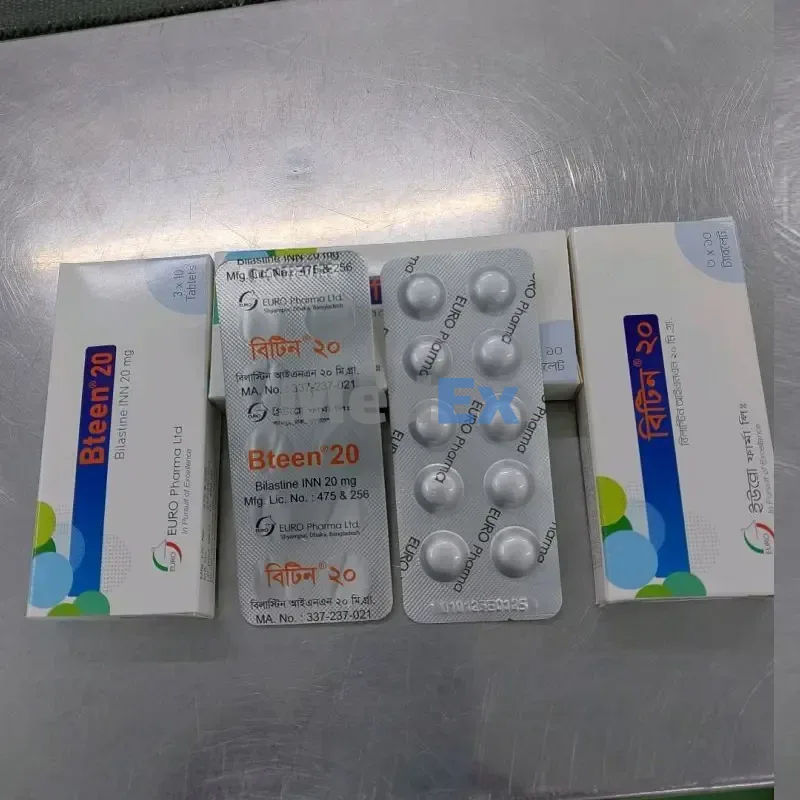
Bteen
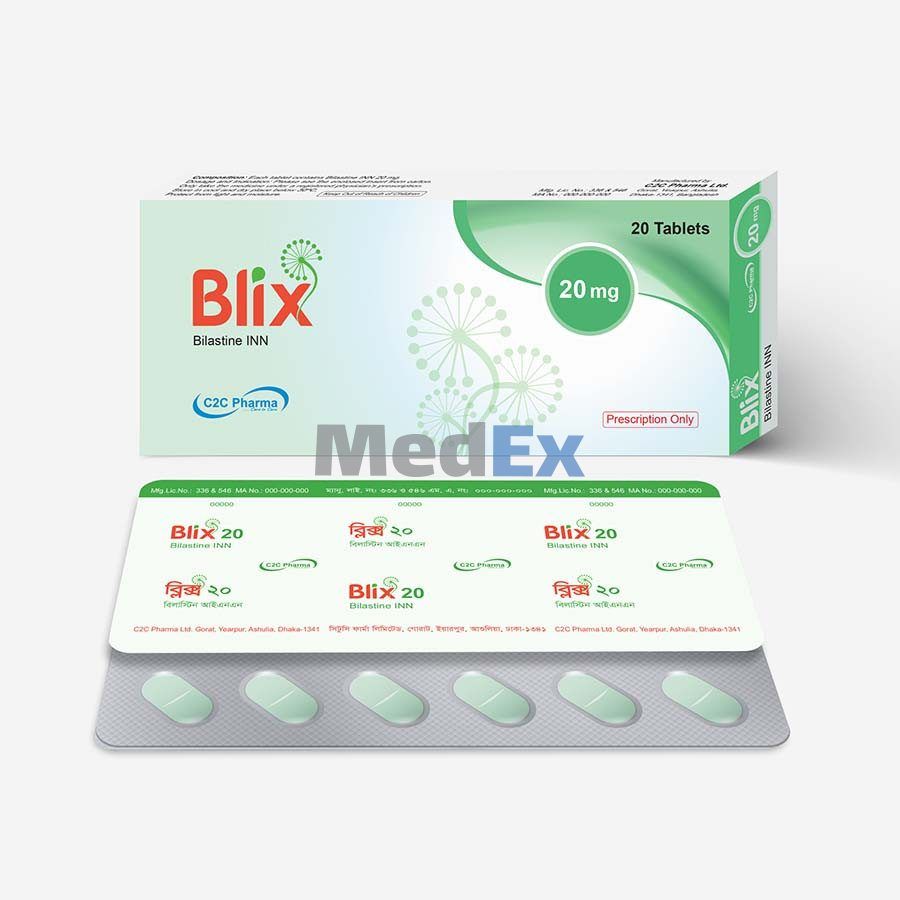
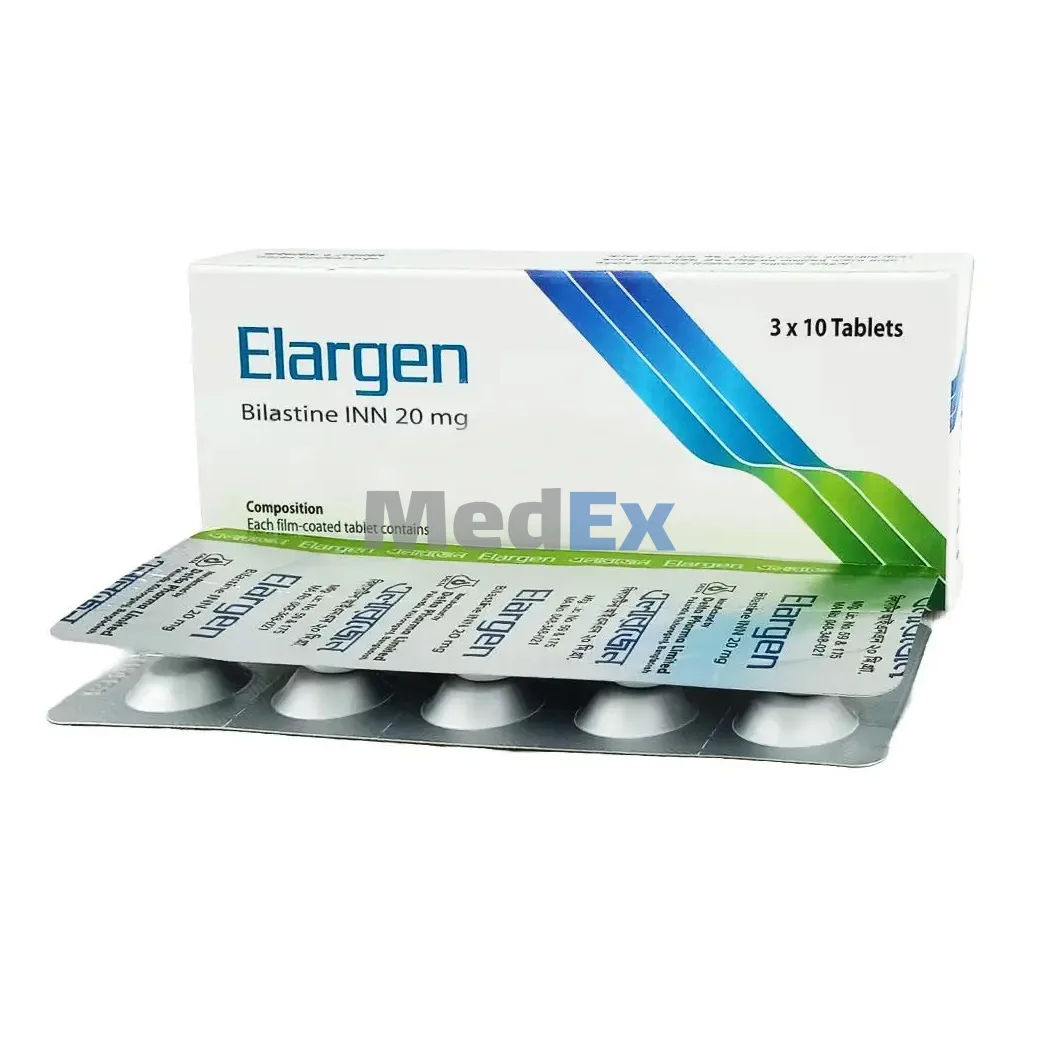
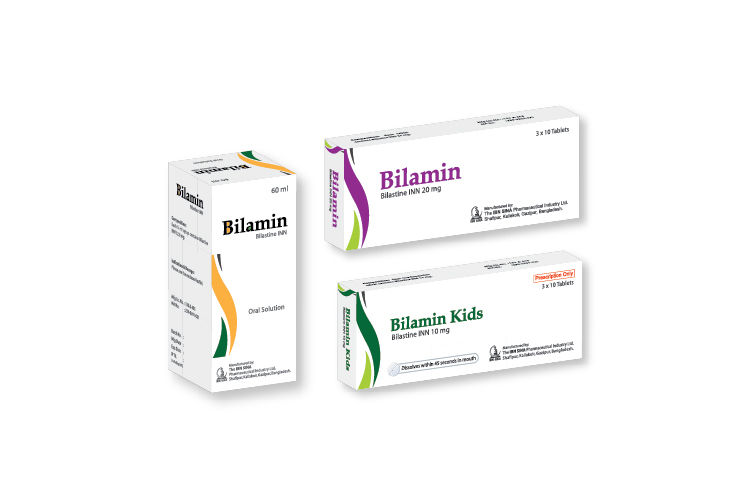
Cheaper & Alternative Brands
Same generic (Bilastine), same form (Tablet)


Clinical Prescribing Information
Medical monograph and safety information for healthcare professionals & patients.Indications & Clinical Uses
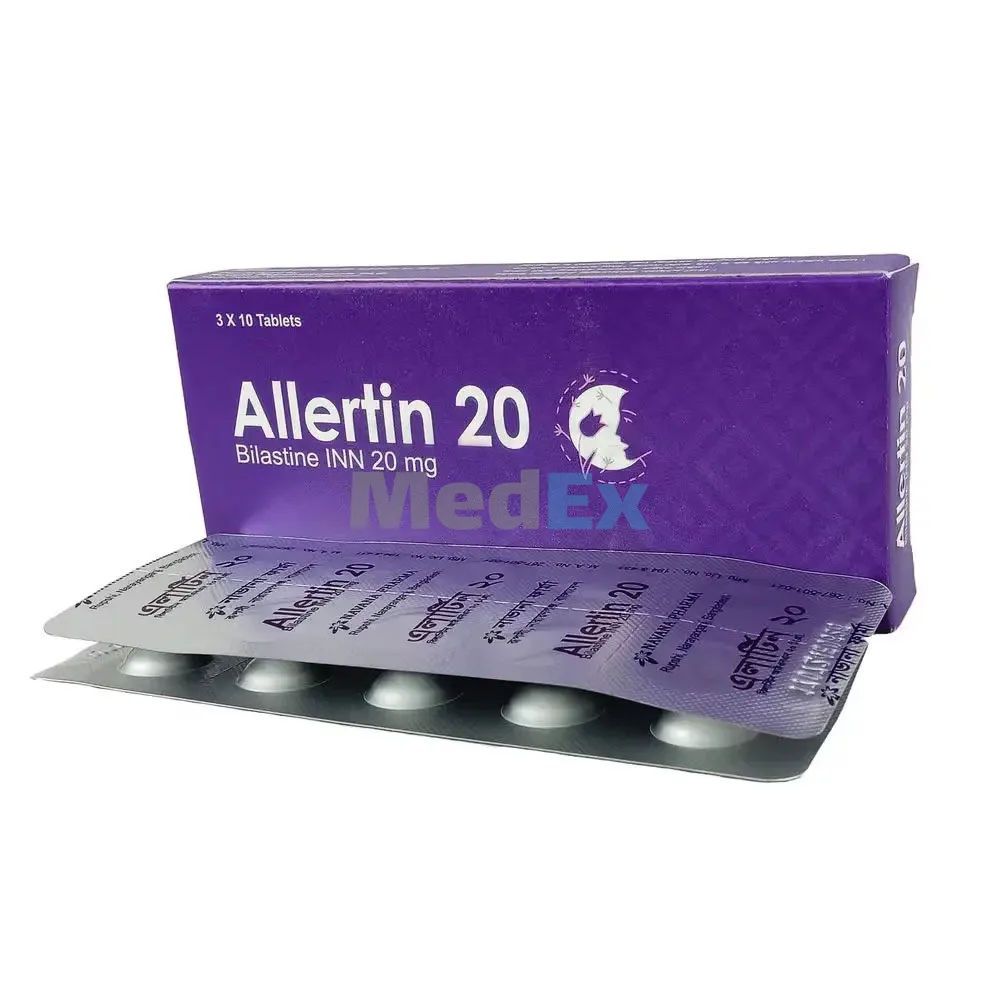
Allertin is indicated for the symptomatic treatment of-
Allergic rhino conjunctivitis (seasonal and perennial) and
Urticaria
Allertin is also used to relieve the symptoms of hay fever (sneezing, itchy, runny, blocked-nose and red and watery eyes).
Dosage & Administration
Adults & adolescents (12 years of age and over)
: 20 mg tablet once daily for symptomatic relief of allergic rhinitis, urticaria and allergic rhinoconjunctivitis. The maximum recommended daily dose is 20 mg Bilastine (1 tablet) and should not be exceeded. If a dose is missed, the next scheduled dose should be taken. An extra dose should not be taken. 20 mg Bilastine tablet (1 tablet) once daily should be swallowed with water on an empty stomach to achieve optimal exposure to Bilastine.
Children between 6 to 11 years
: 10 mg mouth dissolving tablet for the symptomatic relief of allergic rhinitis, allergic rhinoconjunctivitis and urticaria. The Mouth dissolving tablet is for oral use only. It should be placed in the mouth. It will disperse rapidly in saliva and can be easily swallowed. Alternatively, the mouth dissolving tablet can be dispersed in a tea spoon of water before being swallowed by the children. The maximum recommended daily dose for children in between 6 to 11 years is 10 mg Bilastine mouth dissolving tablet (1 tablet) and should not be exceeded. If a dose is missed, the next scheduled dose should be taken. An extra dose should not be taken.
Children between 2 to 11 years
: 4 ml once daily.
Contraindications
Bilastine is contraindicated in patients with hypersensitivity to the active substance or to any of the excipients of the tablet.
Side Effects & Adverse Reactions
The most commonly reported side effects in clinical trial are headache, dizziness, somnolence and fatigue. These adverse events occurred with a comparable frequency in patients receiving placebo.
Warnings & Precautions
Treatment with Allertin 20 mg does not affect the driving performance. However, patients should be informed that very rarely some people experience drowsiness, which may affect their ability to drive or use machines. In clinical trials elderly patients (≥65 years) showed no difference in effcacy or safety with respect to younger patients. The maximum plasma concentration of Allertin after administration of 20 mg in patients with severe renal impairment is below the safety threshold of most common adverse e?ects and cardiac or CNS safety. No dosage adjustment is necessary in patients with renal impairment. Allertin is not metabolized in human. Since renal elimination is the major excretion, biliary excretion is expected to be only marginally involved in the elimination of Allertin. Changes in liver function are not expected to have a clinically relevant influence.
Pharmacology & Mechanism of Action
Bilastine is a potent, effective, non-sedating, long-acting histamine antagonist with selective & high affinity to H1 receptor (3 times higher than Cetirizine and 5 times higher than Fexofenadine). Even at a high concentration, Bilastine does not show affinity for the 30 other receptors including muscarinic, serotonergic, dopaminergic and noradrenergic receptors, for the other histamine receptor subtypes (H2, H3 and H4). It shows excellent safety profile and very favorable pharmacokinetic characteristics. Bilastine doesn’t undergo any metabolism to be active. Bilastine is excreted by feces (non -systemic) & urine (systemic) approximately 66.35% & 28.31% respectively.