Brinzopt
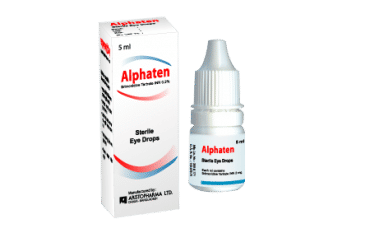
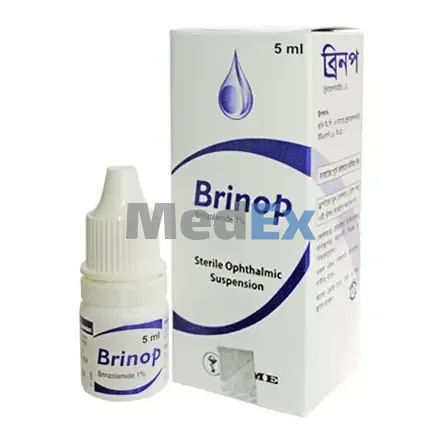
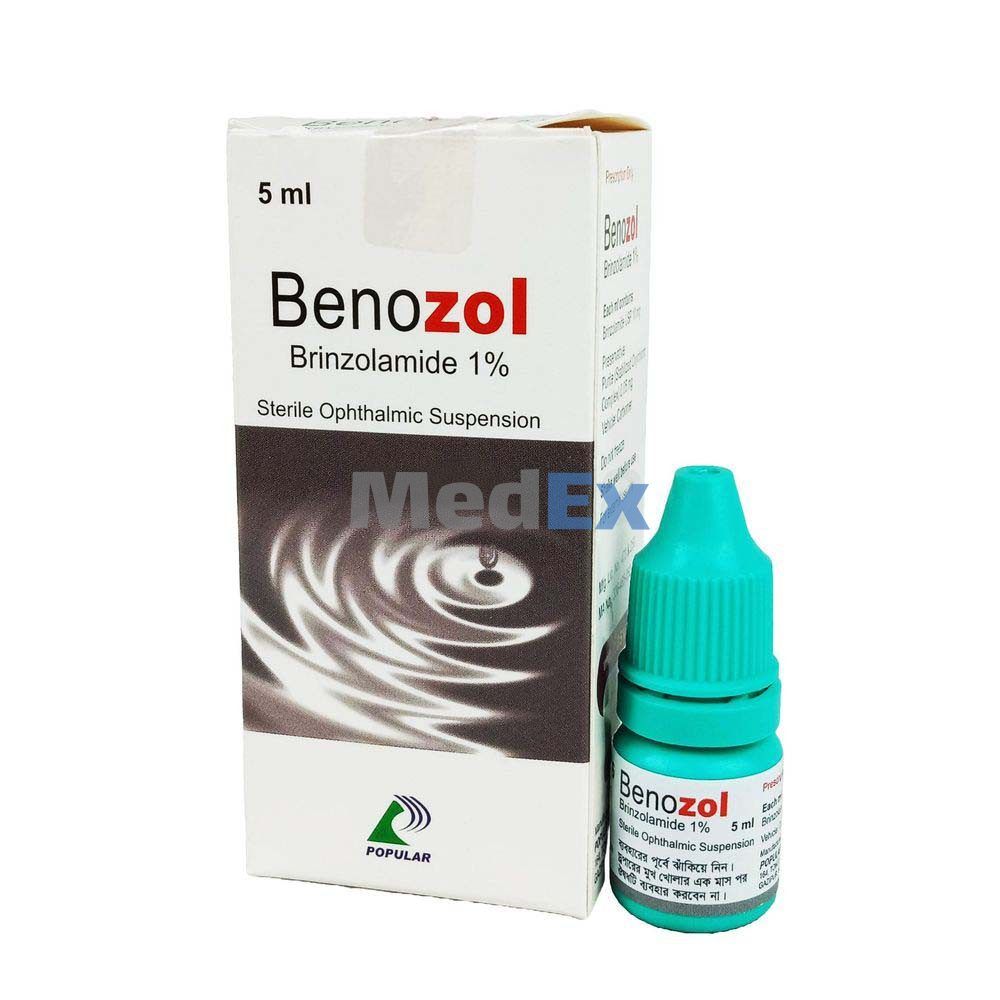
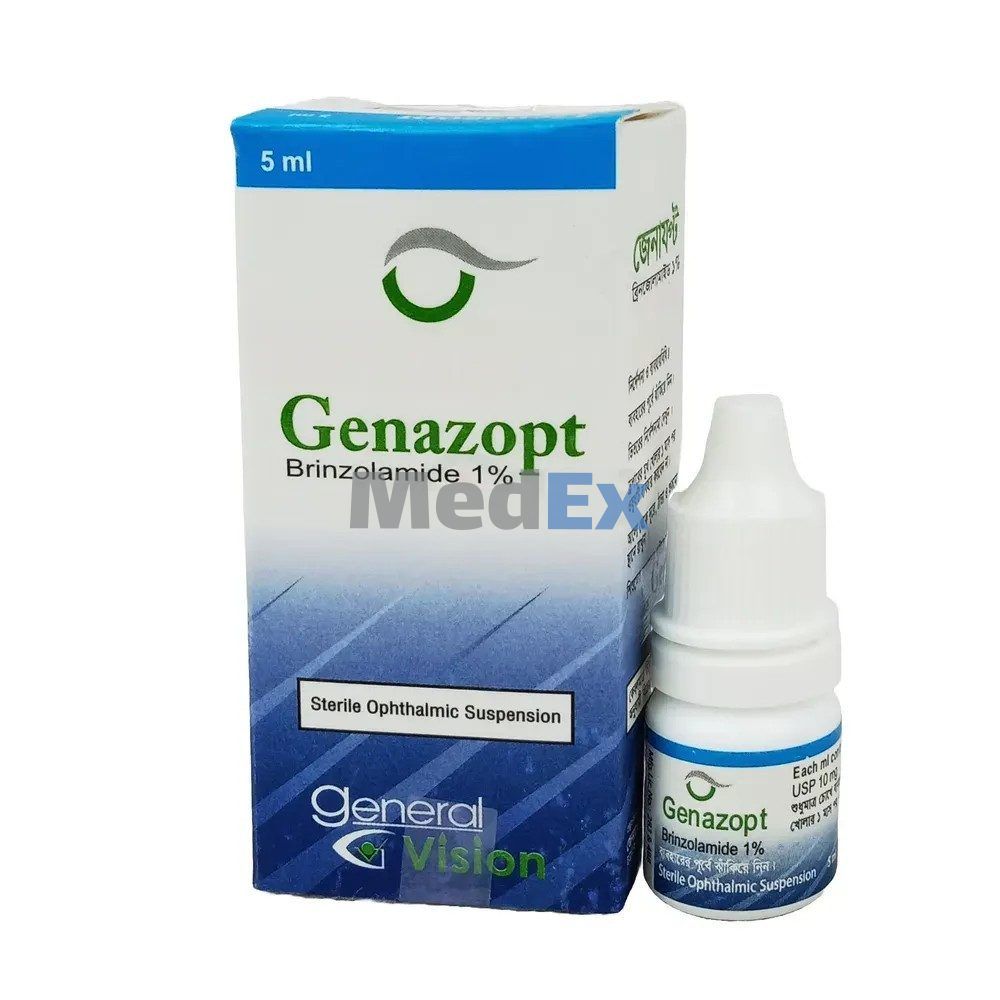
Cheaper & Alternative Brands
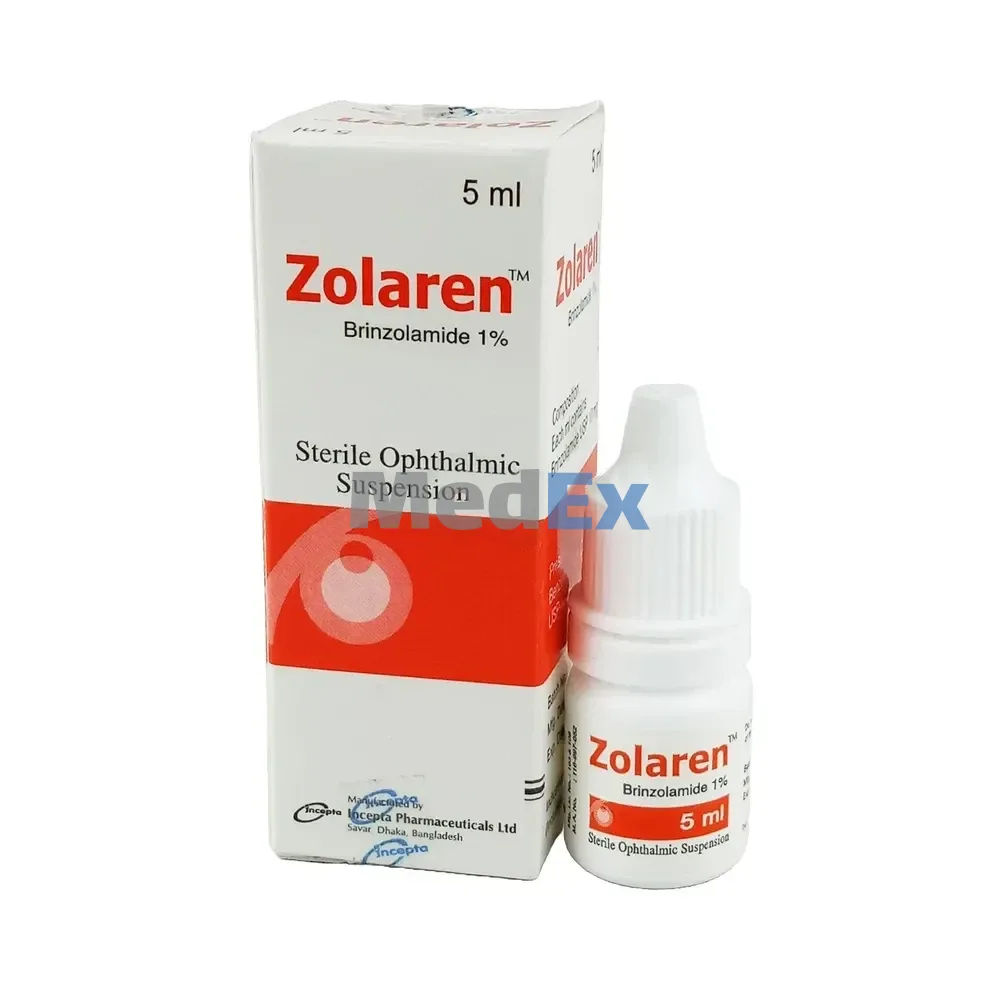
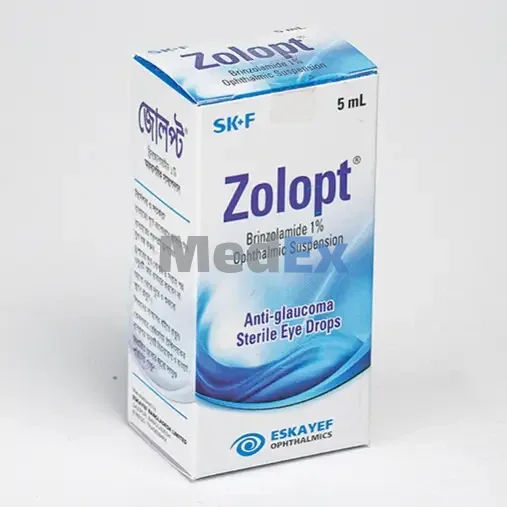
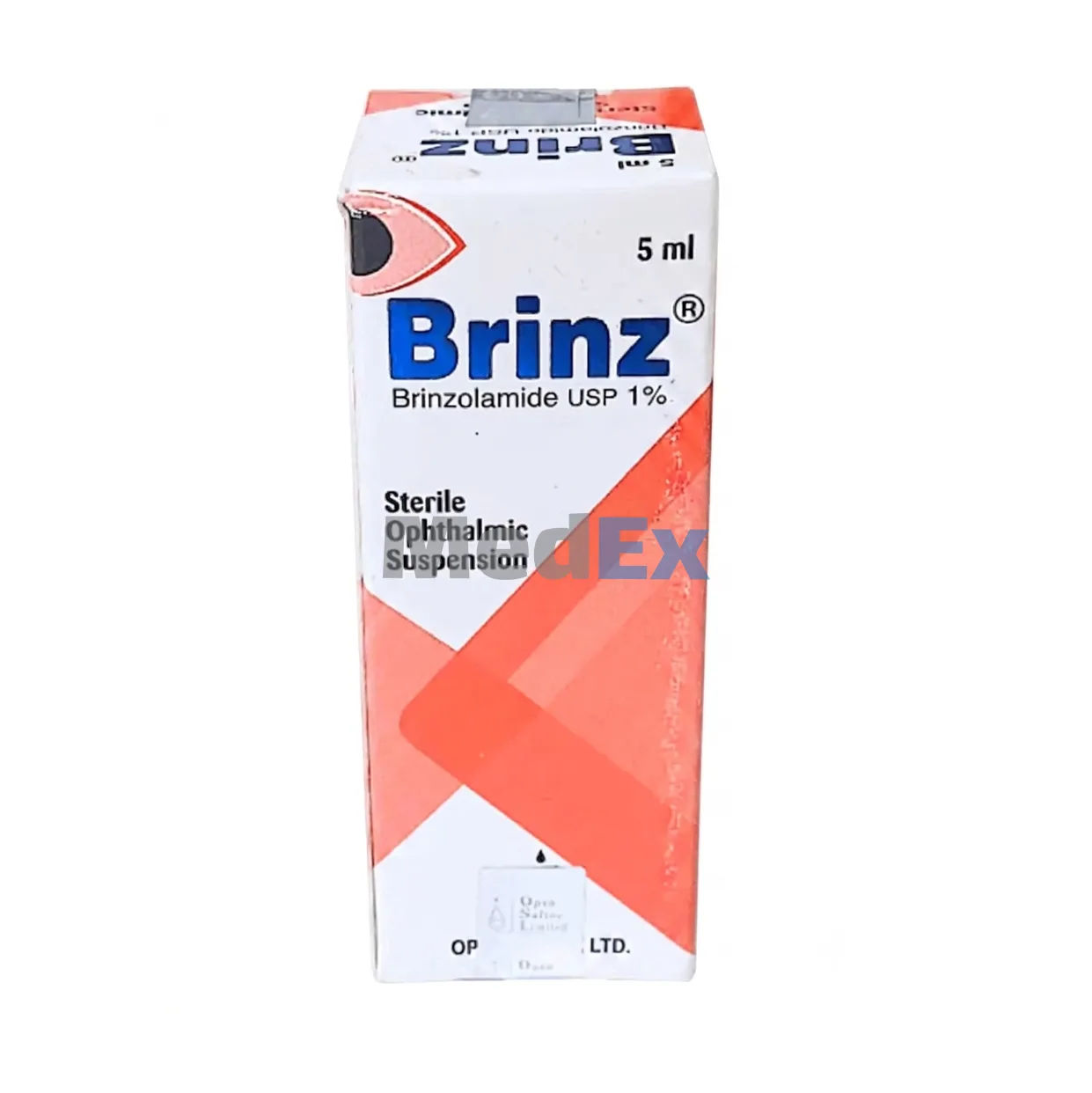
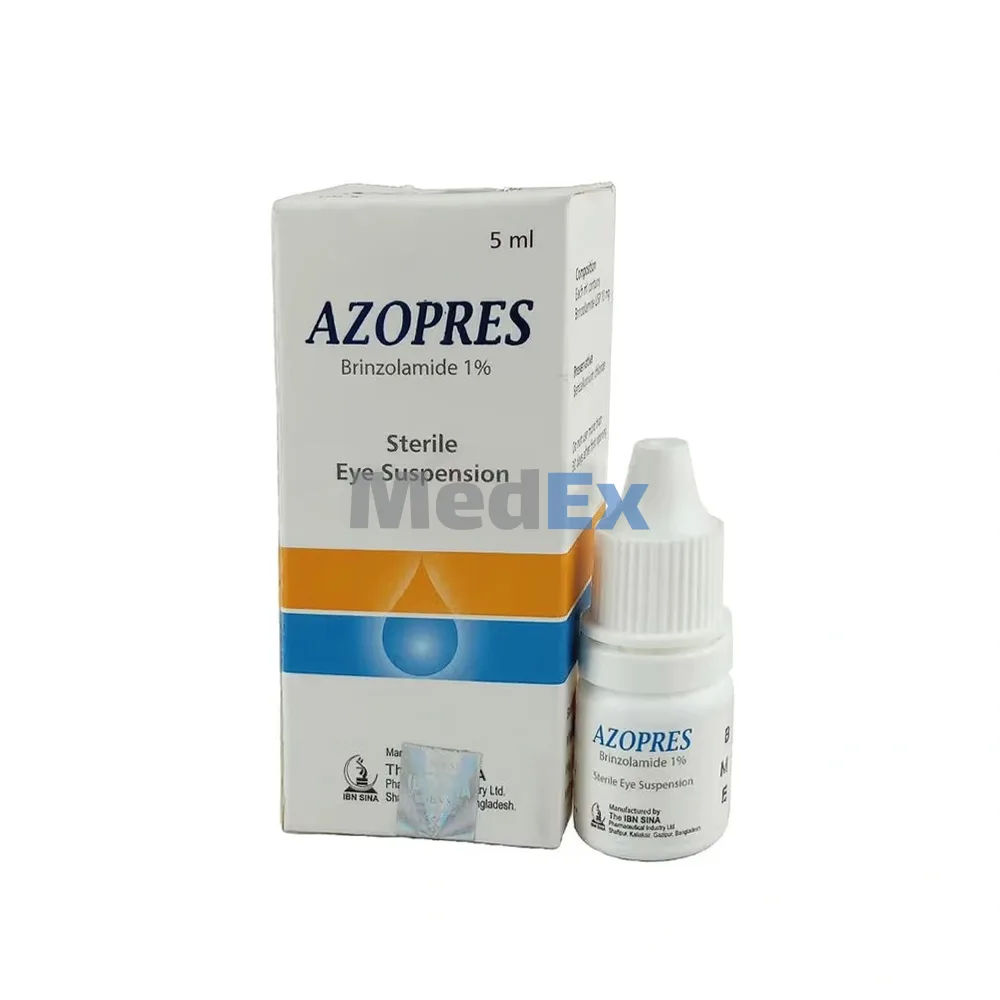
Same generic (Brinzolamide), same form (Ophthalmic Suspension)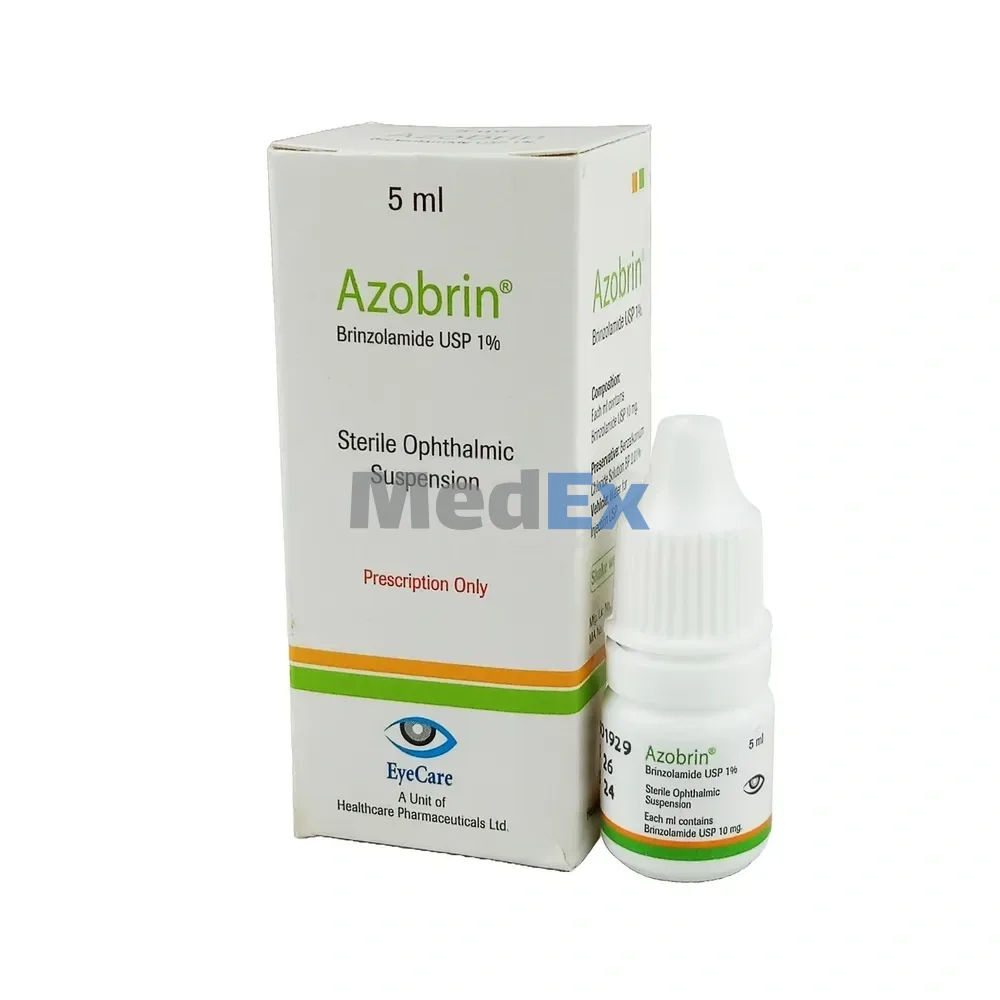
Clinical Prescribing Information
Medical monograph and safety information for healthcare professionals & patients.Indications & Clinical Uses
Azobrin Ophthalmic Suspension is indicated in the treatment of elevated intraocular pressure in patients with ocular hypertension or open-angle glaucoma.
Dosage & Administration
Shake well before use. Insert 1 drop in the affected eye(s) three times daily. It may be used concomitantly with other topical ophthalmic products to lower intraocular pressure. If more than one topical ophthalmic drug is being used, the drugs should be administered at least ten minutes apart.
Pediatric Use
: One drop in the affected eye(s) 2 times daily in pediatric patient (4 weeks to 5 years age)
Geriatric Use
: No overall differences in safety or effectiveness have been observed between elderly and younger patients.
Contraindications
It is contraindicated in patients who are hypersensitive to any component of this product.
Side Effects & Adverse Reactions
The most frequently reported adverse events associated with Azobrin were blurred vision and bitter, sour or unusual taste. These events occurred in approximately 5-10% of patients. Blepharitis, dermatitis, dry eye, foreign body sensation, headache, hyperemia, ocular discharge, ocular discomfort, ocular keratitis, ocular pain, ocular pruritus reactions were reported at an incidence below 1%: allergic reactions, alopecia, chest pain, conjunctivitis, dizziness, dry mouth, dyspnea, dyspepsia, eye fatigue, hypertonia, keratoconjunctivitis, lid margin crusting or sticky sensation, nausea, pharyngitis, tearing and urticaria.
Warnings & Precautions
Azobrin is a sulfonamide and although administered topically it is absorbed systemically. Therefore, the same types of adverse reactions that are attributable to sulfonamides may occur with topical administration of Azobrin. Fatalities have occurred, although rarely, due to severe reactions to sulfonamides including Stevens-Johnson syndrome, toxic epidermal necrolysis, fulminant hepatic necrosis, agranulocytosis, aplastic anemia, and other blood dyscrasias. Sensitization may occur when a sulfonamide is re-administered irrespective of the route of administration. If signs of serious reactions or hypersensitivity occur, discontinue the use of Azobrin. Because Azobrin and its metabolite are excreted predominantly by the kidney, Azobrin is not recommended in renal impairment patients. Azobrin- has not been studied in patients with hepatic impairment and should be used with caution in such patients.
Pharmacology & Mechanism of Action
Carbonic anhydrase (CA) is an enzyme found in many tissues of the body including the eye. It catalyzes the reversible reaction involving the hydration of carbondioxide and the dehydration of carbonic acid. Inhibition of carbonic anhydrase in the ciliary processes of the eye decreases aqueous humor secretion, presumably by slowing the formation of bicarbonate ions with subsequent reduction in sodium and fluid transport. The result is a reduction in intraocular pressure (IOP).