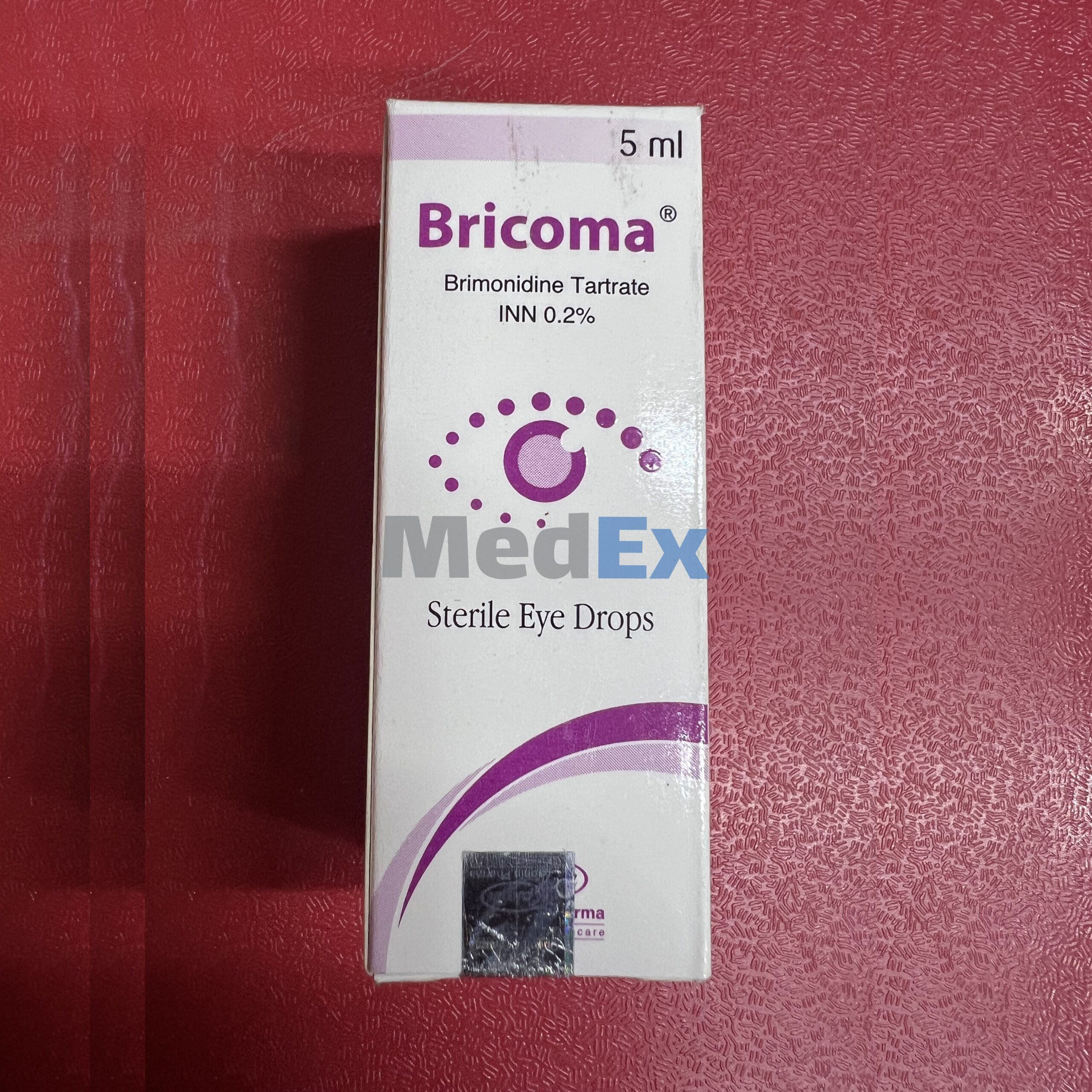
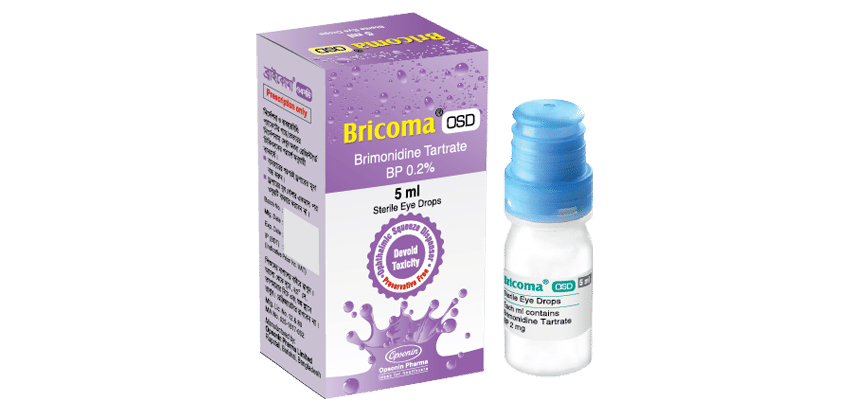
Bricoma
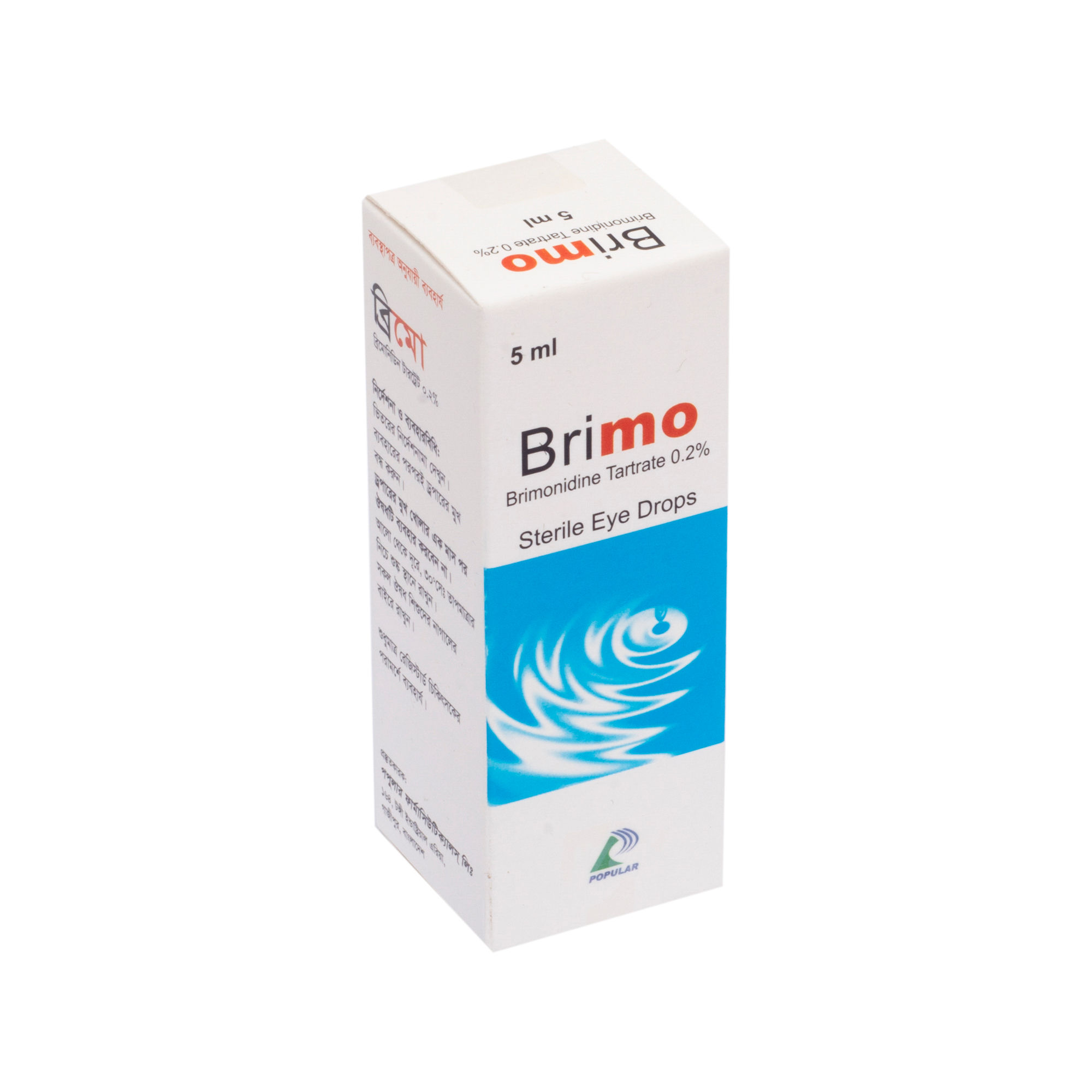
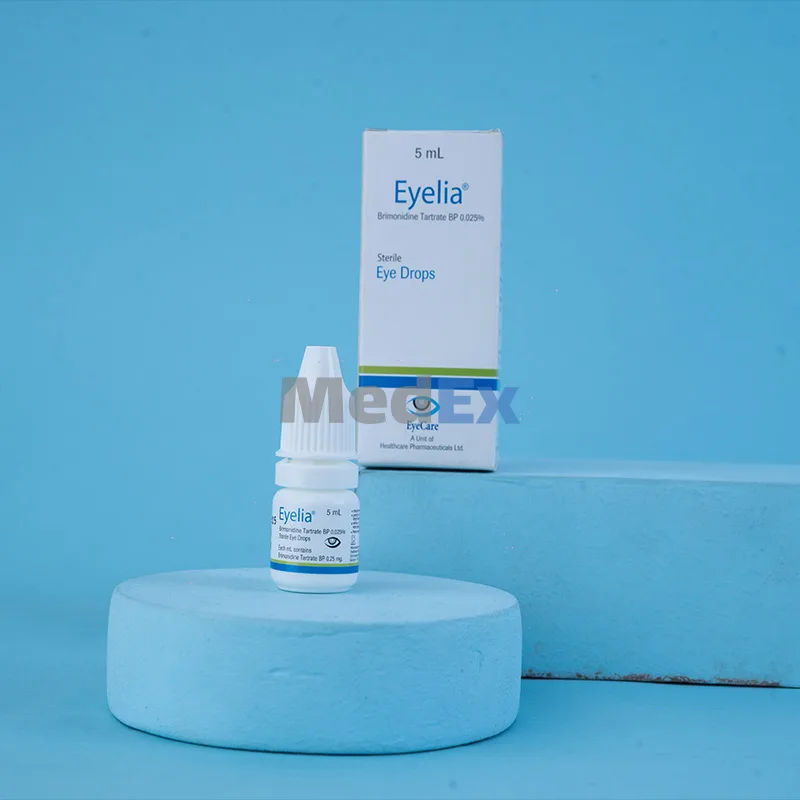
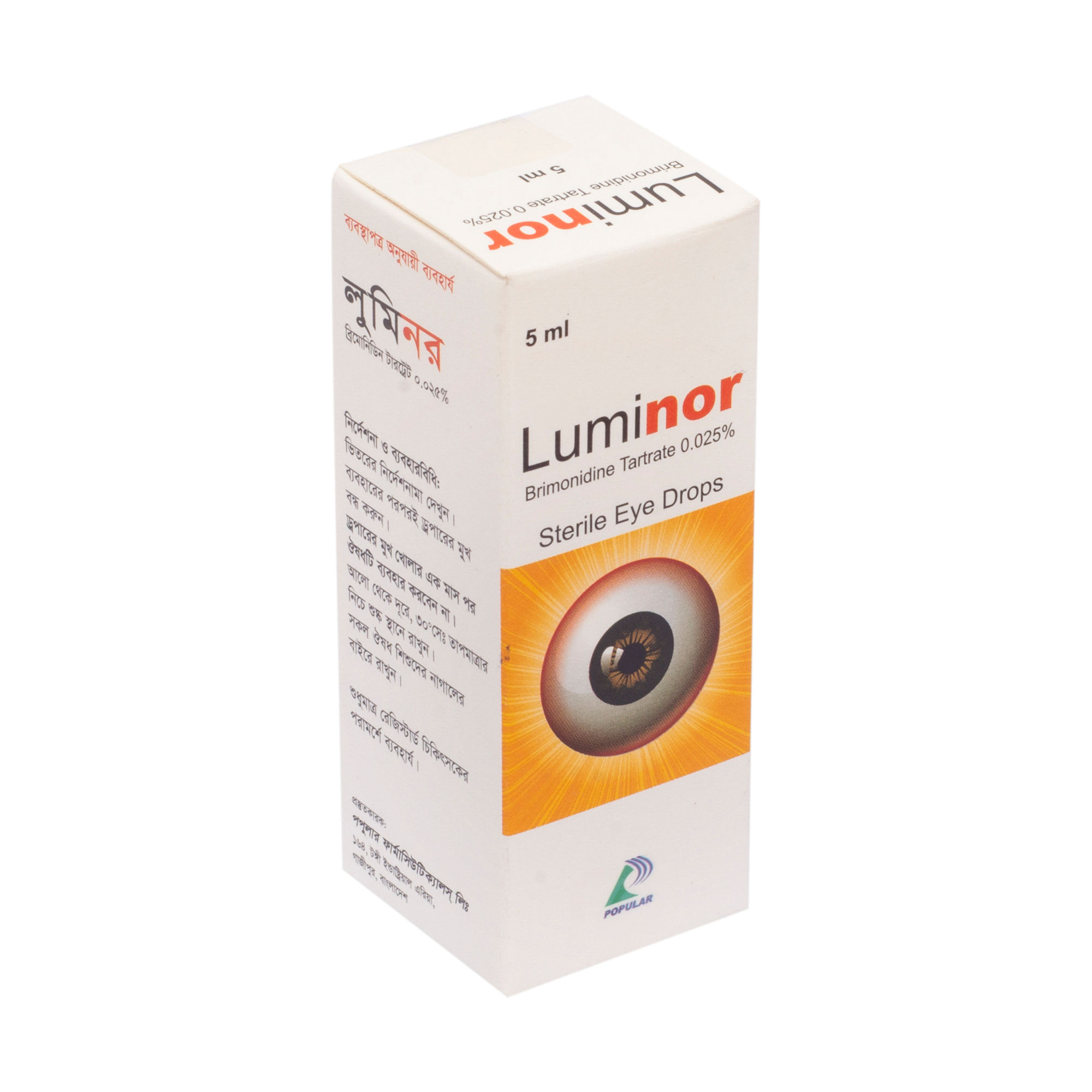
Cheaper & Alternative Brands
Same generic (Brimonidine Tartrate), same form (Ophthalmic Solution)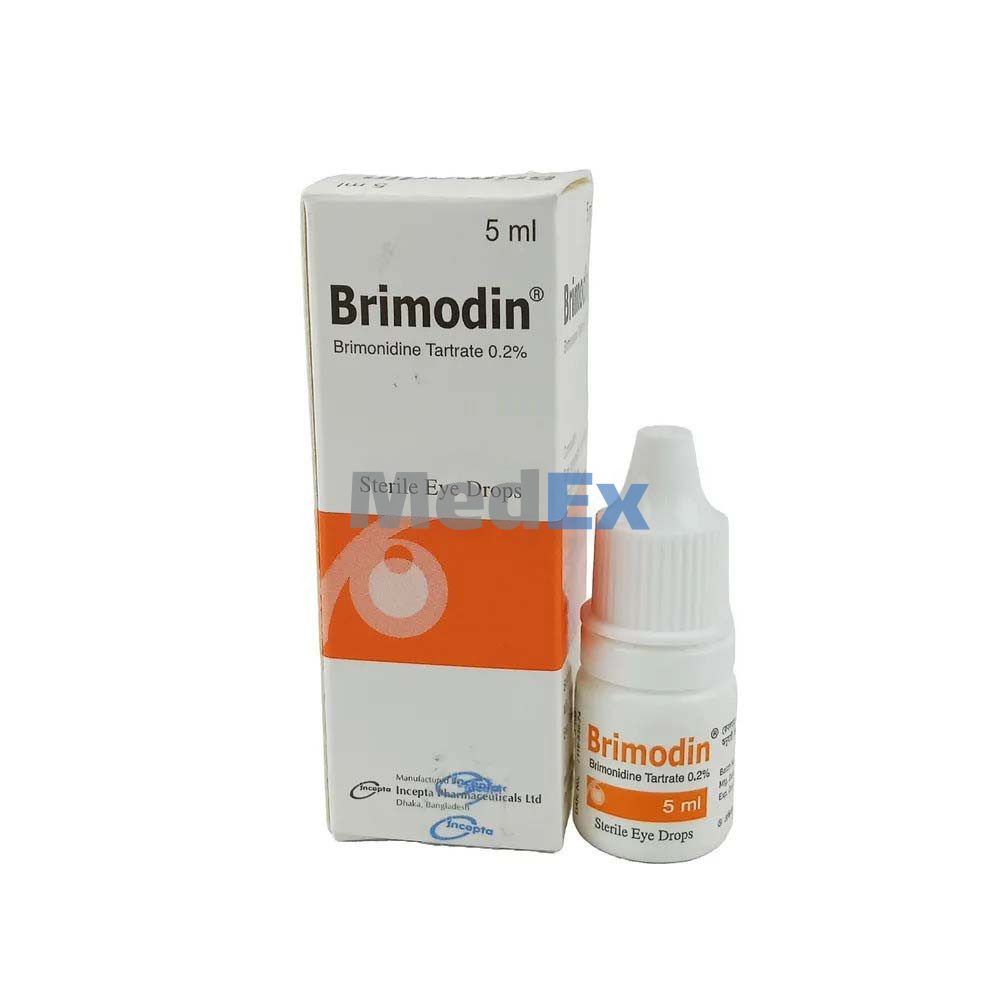
Clinical Prescribing Information
Medical monograph and safety information for healthcare professionals & patients.Indications & Clinical Uses
Alphagan P 0.2% ophthalmic solution is indicated for lowering intraocular pressure in patients with open-angle glaucoma or ocular hypertension.
Alphagan P 0.15% ophthalmic solution is indicated for the control of intraocular pressure in patients with chronic open-angle glaucoma or ocular hypertension.
Alphagan P 0.025% ophthalmic solution relieves redness of the eye due to minor eye irritations.
Dosage & Administration
0.2% ophthalmic solution
: The recommended dose is one drop of 0.2% ophthalmic solution in the affected eye(s) three times daily, approximately 8 hours apart. This ophthalmic solution may be used concomitantly with other topical ophthalmic drug products to lower intraocular pressure. If more than one topical ophthalmic product is being used, the products should be administered at least 5 minutes apart.
0.15% ophthalmic solution
: The recommended dose is one drop of 0.15% ophthalmic solution in the affected eye(s) three times daily, approximately 8 hours apart.
0.025% ophthalmic solution
: Instill 1 drop in the affected eye(s) every 6-8 hours. Do not use it more than 4 times daily. If more than one topical ophthalmic product is being used, the products should be administered at least 5 minutes apart.
Contraindications
Brimonidine Tartrate ophthalmic solution is contraindicated in patients with hypersensitivity to Brimonidine Tartrate. It is also contraindicated in patients receiving monoamine oxidase (MAO) inhibitor therapy.
Side Effects & Adverse Reactions
Adverse events occurring in approximately 10-30% of the subjects, in descending order of incidence, included oral dryness, ocular hyperemia, burning and stinging, headache, blurring, foreign body sensation, fatigue/drowsiness, conjunctival follicles, ocular allergic reactions, and ocular pruritus. Events occurring in approximately 3-9% of the subjects, in descending order included corneal staining/erosion, photophobia, eyelid erythema, ocular ache/pain, ocular dryness, tearing, upper respiratory symptoms, eyelid edema, conjunctival edema, dizziness, blepharitis, ocular irritation, gastrointestinal symptoms, asthenia, conjunctival blanching, abnormal vision and muscular pain. The following adverse reactions were reported in less than 3% of the patients: lid crusting, conjunctival hemorrhage, abnormal taste, insomnia, conjunctival discharge, depression, hypertension, anxiety, palpitations/arrhythmias, nasal dryness and syncope.
Warnings & Precautions
Although Alphagan P ophthalmic solution had minimal effect on the blood pressure of patients in clinical studies, caution should be exercised in treating patients with severe cardiovascular disease. Alphagan P ophthalmic solution should be used with caution in patients with depression, cerebral or coronary insufficiency, Raynaud's phenomenon, orthostatic hypotension or thromboangiitis obliterans.
Pharmacology & Mechanism of Action
Brimonidine is an α-2 adrenoreceptor agonist that is more selective for the α-2 adrenoreceptor than α-1. Topical administration of Brimonidine Tartrate eye drops decreases intraocular pressure (IOP) in humans. When used as directed Brimonidine Tartrate have the action of reducing elevated IOP with minimal effect on cardiovascular parametres. Brimonidine Tartrate eye drops have a rapid onset of action with the peak ocular hypotensive effect occurring at two hours post-dosing. The duration of effect is 12 hours or greater. Fluorophotometric studies in animals and humans suggest that Brimonidine Tartrate has a dual mechanism of action. Brimonidine Tartrate eye drops lower IOP by reducing aqueous humor production and enhancing uveoscleral outflow.