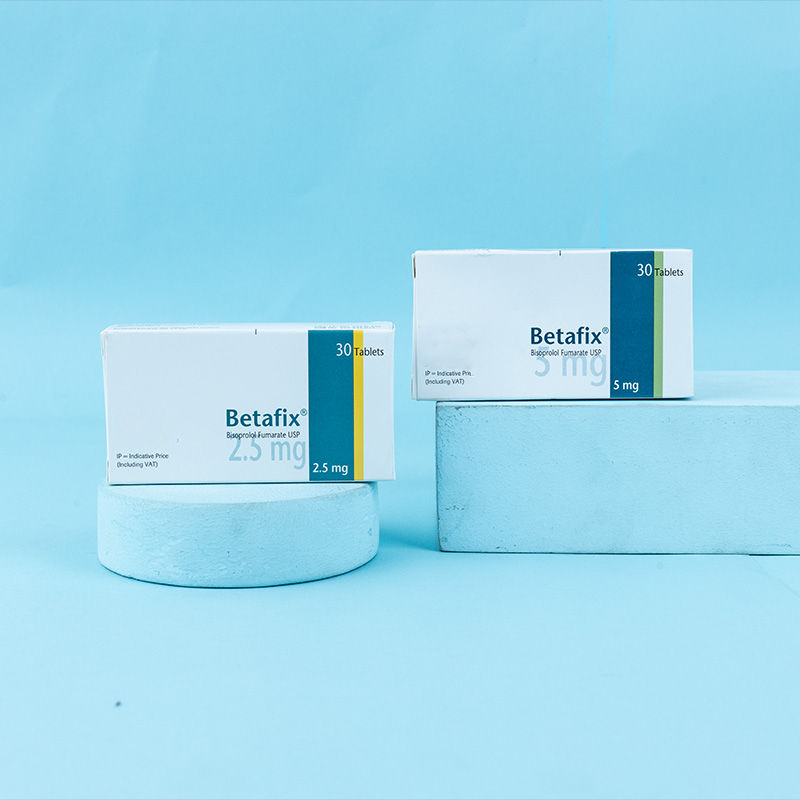
Betafix
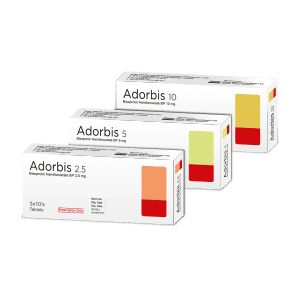
Cheaper & Alternative Brands
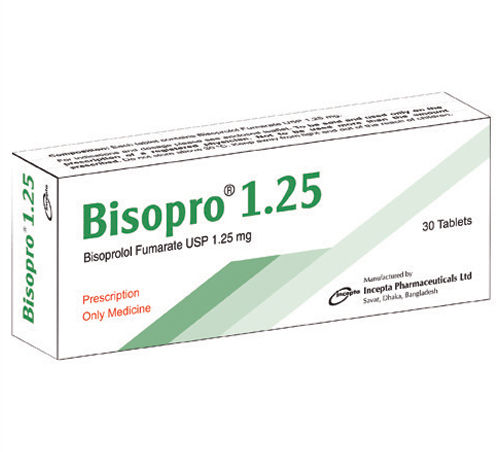
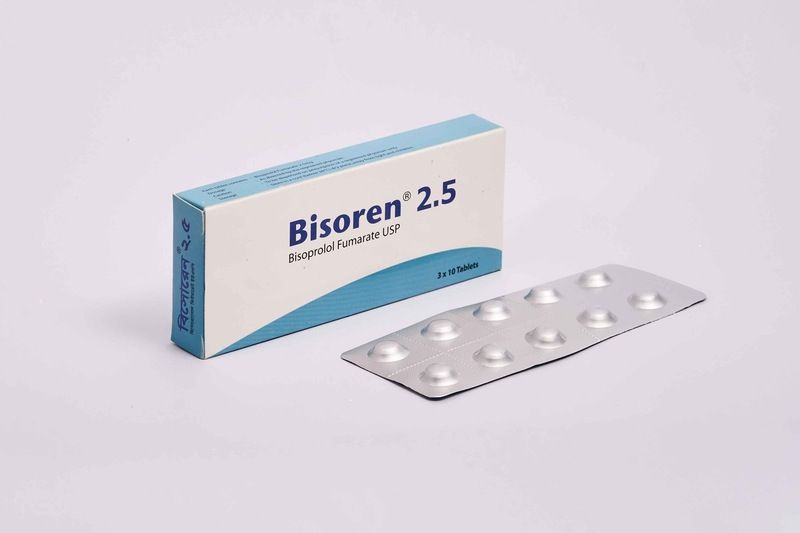
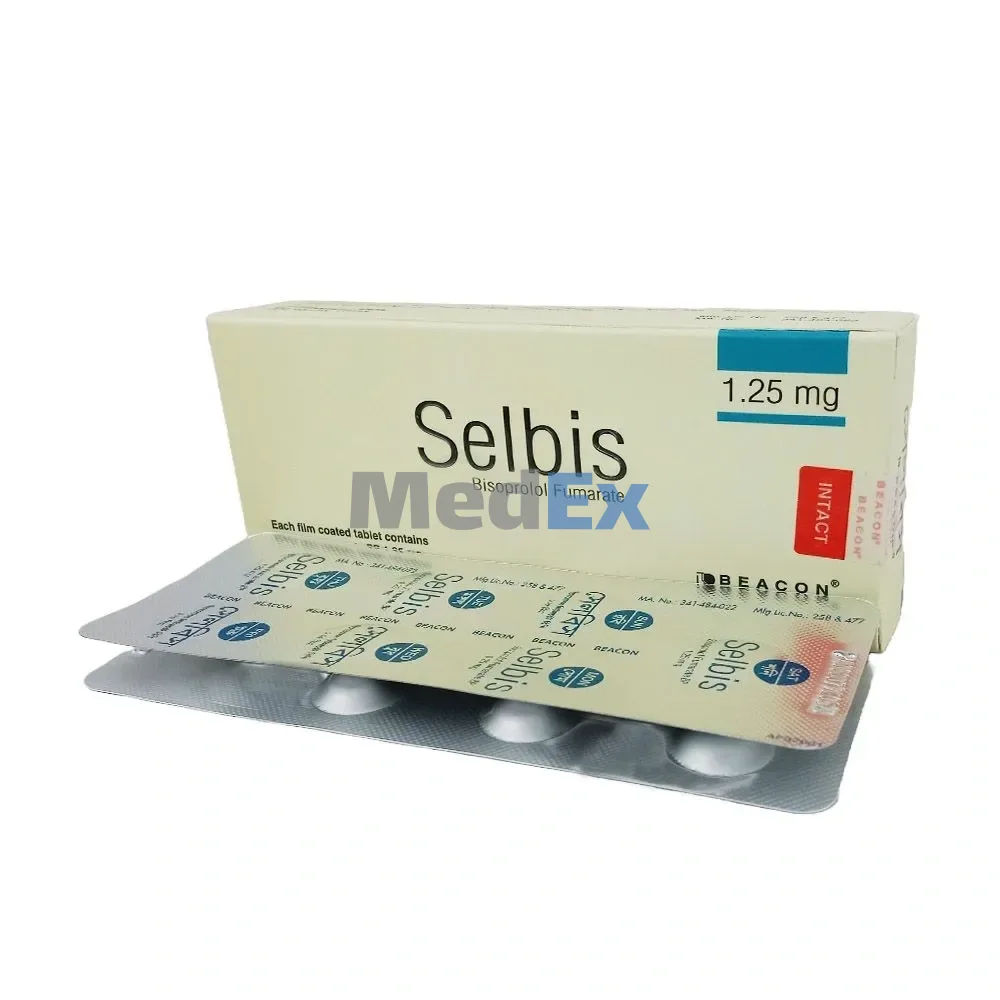
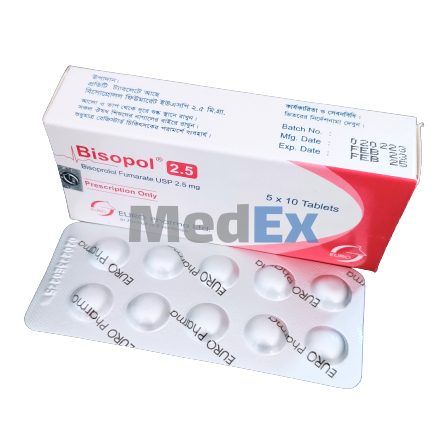
Same generic (Bisoprolol Fumarate), same form (Tablet)
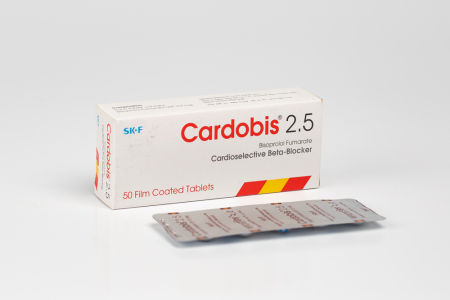
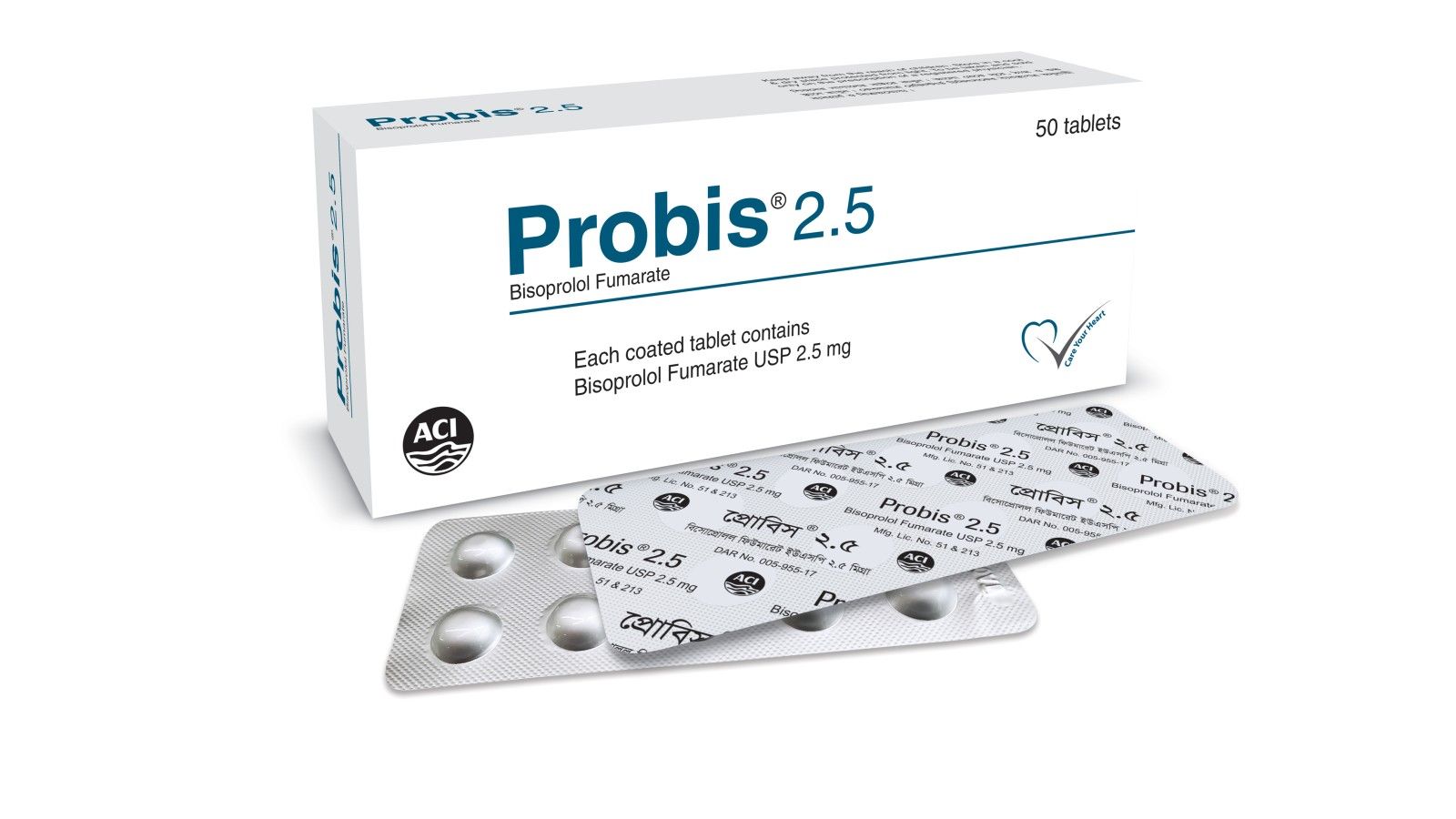

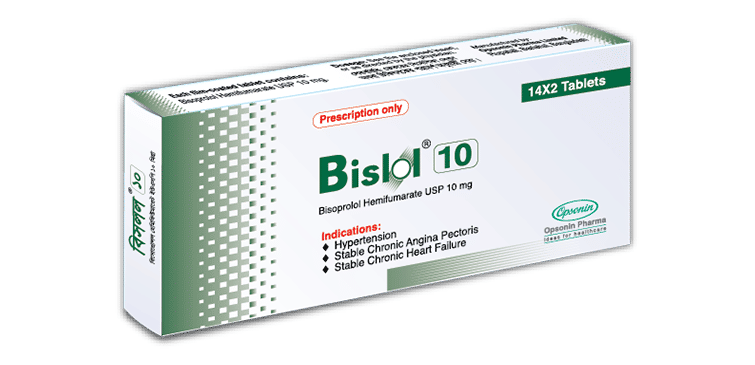
Clinical Prescribing Information
Medical monograph and safety information for healthcare professionals & patients.Indications & Clinical Uses
Acubis tablet is indicated in-
Hypertension
Angina
Moderate to severe heart failure
Acubis is not recommended for the emergency treatment of hypertensive crises.
Dosage & Administration
The dose of Bisoprolol must be individualized to the needs of the patient.
Starting dose of Bisoprolol is 2.5 mg & dose can be titrated up to 20 mg once daily for the management of Hypertension.
For the patients with Angina, Bisoprolol 5 mg-10 mg orally as a single daily dose.
For the patients with Stable Chronic Heart Failure, initial dose of Bisoprolol is 1.25 mg once daily for 1 week, Then 2.5 mg once daily for 1 week, then 3.75 mg once daily for 1 week, then 5 mg once daily for 4 weeks, then 7.5 mg once daily for 4 weeks. The dose can be increased faster for hospitalized patients. Maintenance dose: 10 mg daily.
Children
: Safety and effectiveness in children have not been established.
Patients With Renal or Hepatic Impairment
: In patients with hepatic impairment (hepatitis or cirrhosis) or renal dysfunction (creatinine clearance less than 40 mL/min) as in other patients, the initial daily dose should be 5 mg. Because of the possibility of accumulation, caution must be used in dose titration. Since limited data suggest that bisoprolol fumarate is not dialysable, drug replacement is not necessary in patients undergoing dialysis.
Geriatrics
: In the elderly, it is not usually necessary to adjust the dose, unless there is also significant renal or hepatic dysfunction.
Contraindications
In patients with cardiogenic shock, overt heart failure, second or third degree A-V block, right ventricular failure secondary to pulmonary hypertension and sinus bradycardia.
Side Effects & Adverse Reactions
Medicines and their possible side effects can affect individual people in different ways. The following are some of the side effects that are known to be associated with this medicine. Just because a side effect is stated here does not mean that all people using this medicine will experience that or any side effect. Fatigue, dizziness, headache, disturbances of the gut such as nausea, vomiting, diarrhea, constipation or abdominal pain. Cold or numb extremities, e.g; hands and feet. Muscle weakness or cramps. Slower than normal heart breathing difficulties due to a narrowing of the airways (bronchospasm) in people with asthma or COPD.
Warnings & Precautions
Impaired renal or hepatic function use caution in adjusting the dose of Acubis in patients with renal or hepatic impairment. While taking beta-blockers, patients with a history of severe anaphylactic reaction to a variety of allergens may be more reactive to repeated challenge, accidental, diagnostic, or therapeutic. Such patients may be unresponsive to the usual doses of epinephrine used to treat allergic reactions.
Pharmacology & Mechanism of Action
Bisoprolol Fumarate is the most selective ß1 blocker. It displays highest level of affinity for the ß1 receptor than any other beta-blocker available up to now. Selectively blocks ß1 adrenergic receptor in the heart and vascular smooth muscle and reduces heart rate and cardiac output resulting in decrease of arterial hypertension. Lipid metabolism can be adversely affected by ß-blockers, in patients with non-ß1 selective ß1-blocker, but Bisoprolol does not cause any change in the cholesterol fraction including the cardioprotective HDL-cholesterol, in long-term therapy.
The pharmacokinetic properties of Bisoprolol provide the prerequisite for a single daily dose and ensure an extremely low inter and intra-individual variability of the plasma concentration profiles. The high therapeutic reliability of Bisoprolol is based on these properties.
Absorption and bioavailability
: Bisoprolol is almost completely (>90%) absorbed from the gastrointestinal tract. The high absorption rate and the small first-pass effect (<10%) lead to an absolute bioavailability of 88%. Concomitant food intake does not affect the absorption. Distribution: Bisoprolol is extensively distributed. The medium distribution volume is 3.51/kg.
Metabolism
: Bisoprolol is metabolized via oxidative pathways with no subsequent conjugation. All metabolites, being very polar, are renally eliminated. The major metabolites in human plasma and urine were found to be without pharmacological activity. In vitro data from studies in human liver microsomes show that Bisoprolol is primarily metabolized via CYPSA4 (-95%) with CYP2D6 having only a minor role.
Elimination
: The clearance of Bisoprolol is balanced between renal elimination of the unchanged molecule (-50%) and hepatic metabolism (-50%) to metabolites which are also renally excreted. The total clearance of Bisoprolol is approximately 15 I/h. Bisoprolol has an elimination half-life of 10-12 hours.