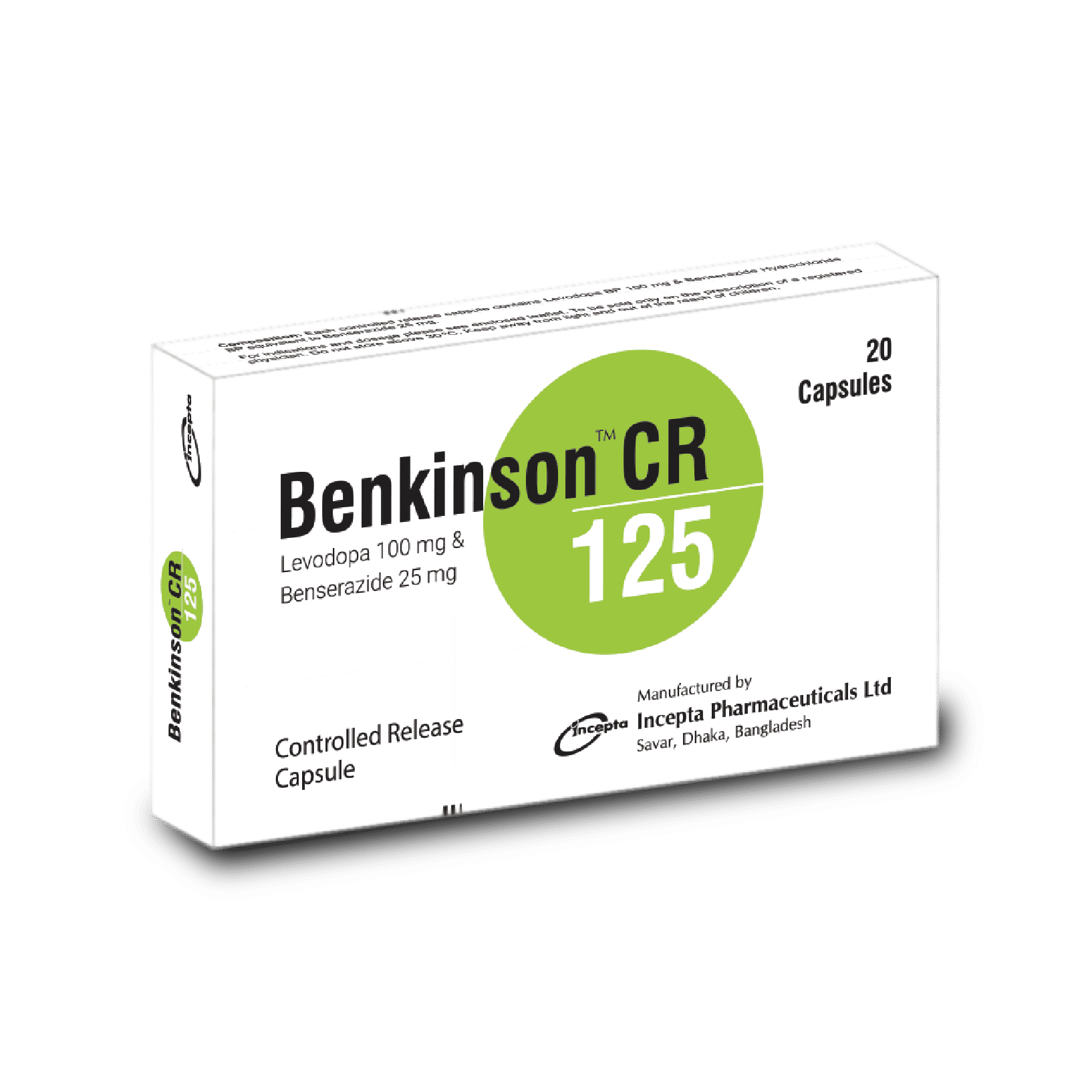
Benkinson
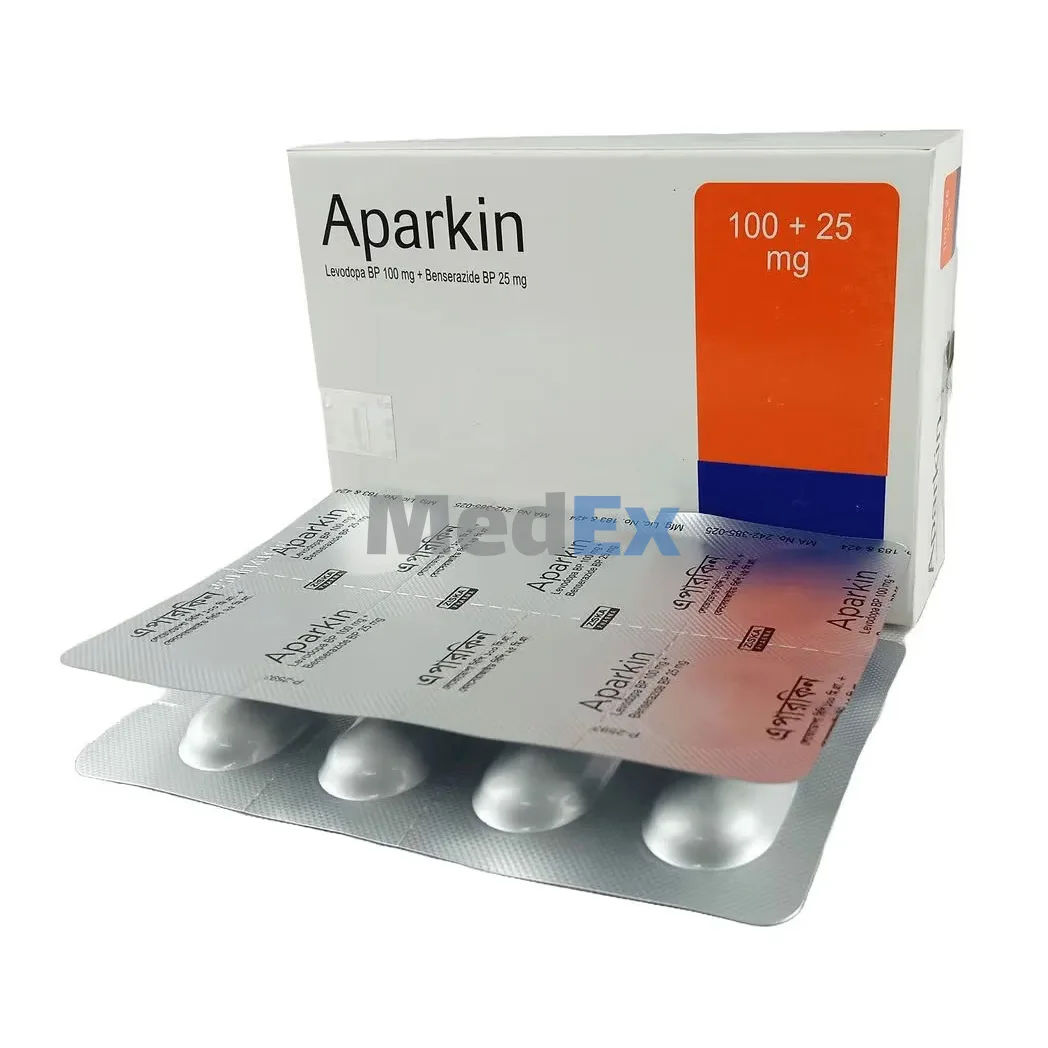
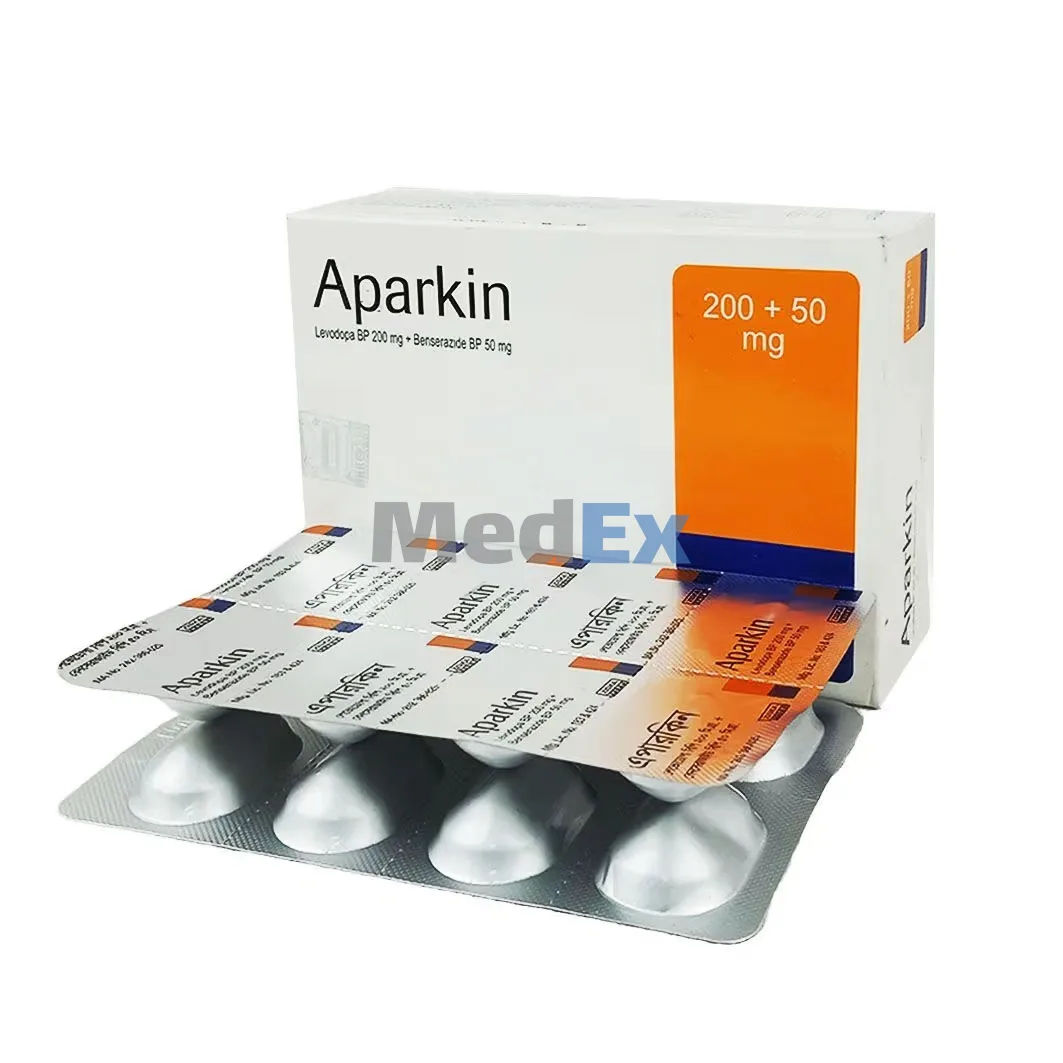
Cheaper & Alternative Brands
Same generic (Levodopa + Benserazide), same form (Capsule)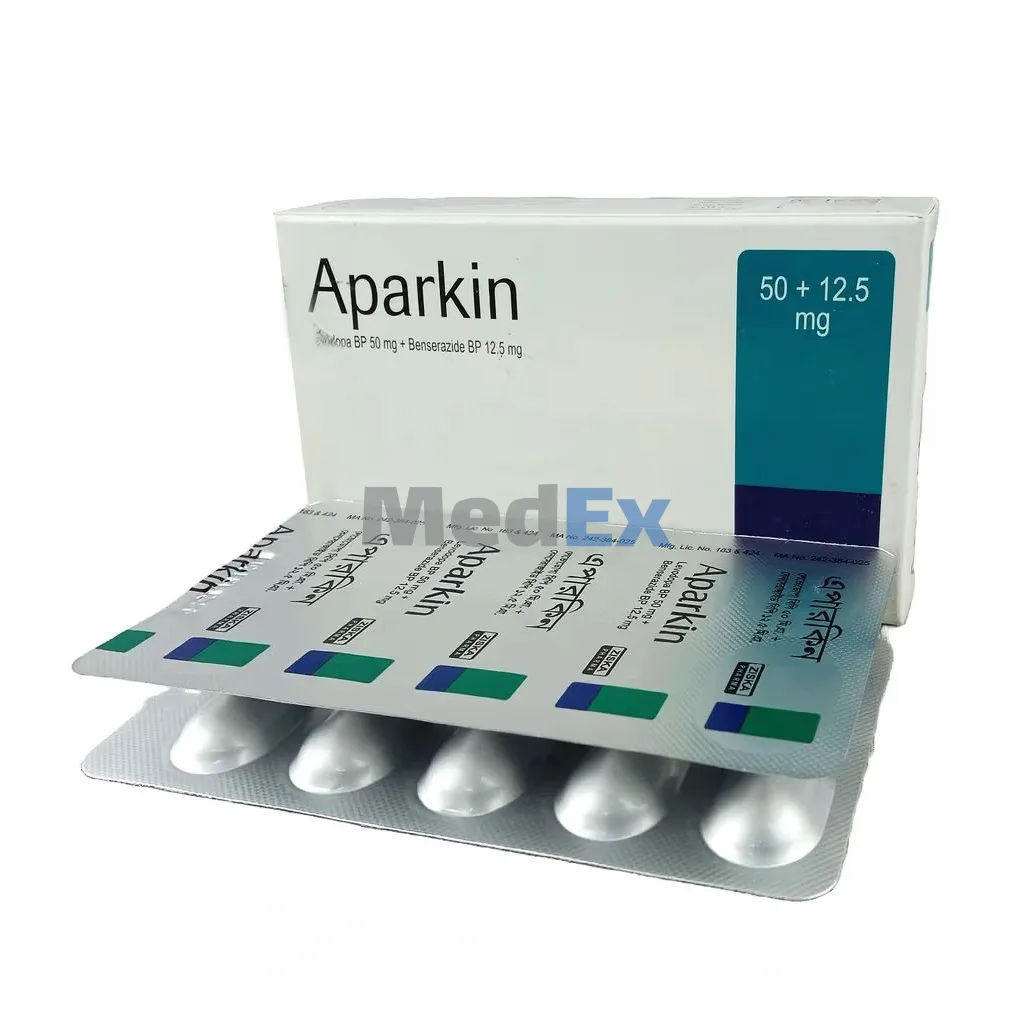
Clinical Prescribing Information
Medical monograph and safety information for healthcare professionals & patients.Indications & Clinical Uses
This immediate release capsule is indicated for the treatment of all forms of Parkinson's syndrome with the exception of medicine-induced Parkinsonism. On the other hand, controlled release capsule indicated for patients presenting with all types of motor fluctuations in response, especially those related to fluctuations in plasma levels (i.e. "peak dose dyskinesia" and "end of dose deterioration") and for better control of nocturnal symptoms.
Dosage & Administration
For Immediate Release capsule (IR):
Parkinson's disease
Initial dose
Maintenance
Patients not presently receiving levodopa
Early Stage
Elderly
(50+12.5) 62.5 mg, 1-2 times/day
Gradually increase by Levodopa Benserazide (50+12.5) 62.5 mg daily, in every 3-4 dauys according to response.
Adult
(50+12.5) 62.5 mg, 3-4 times/day
1 capsule of Levodopa-Benserazide (100+25) 125 mg 3 to 6 times/day
Advance stage
(100+25) 125 mg, 3 times/day
Patients previously on levodopa monotherapy
Initiate with 10-15% of the usual dose previously taken
Patients previously on other levodopa/dopadecarbixylase combination therapy
Withdraw previous therapy for 12 hours before initiating therapy at Levodopa-Benserazide (50+12.5) 62.5 mg, 3 or 4 times daily
For Controlled Release capsule (CR):
Parkinson's disease with motor fluctuation
Initial dose
Maximum dose
Patients not presently receiving levodopa
1 capsule of Levodopa-Benserazide (100+25) 125 mg controlled release capsule, 3 times/day
6 capsules/day
Patients previously on levodopa-Benserazide immediate release preperation
Initially dose should substitute every 100 mg of Levodopa with 1 controlled-release cap, given at same dosage frequency as before. Increase every 2-3 days according to response.
Patients with renal impairment:
No dose reduction of Levodopa-Benserazide is considered necessary in case of mild or moderate renal insufficiency.
Patients with hepatic impairment:
The safety and efficacy of Levodopa-Benserazide have not been established in patients with hepatic impairment.
Contraindications
This combination is contraindicated in patients with -known hypersensitivity to levodopa-benserazide or any of the excipients, patients receiving non-selective monoamine oxidase (MAO) Inhibitors due to the risk of hypertensive crisis. However, selective MAO-B inhibitors, such as selegiline and rasagiline, or selective MAO-A inhibitors, such as moclobemide, are not contraindicated. Patients with decompensated endocrine, renal or hepatic function, cardiac disorders, psychiatric diseases with a psychotic component or dosed angle glaucoma. Because levodopa may activate a malignant melanoma, this combination should not be used in patients with suspicious, undiagnosed lesions or a history of melanoma. The management of patients with intention tremor and Huntington's chorea. Patients less than 30 years old (skeletal development must be complete).
Side Effects & Adverse Reactions
Anxiety, appetite decreased, arrhythmia, depression, diarrhea, hallucination, movement disorders, nausea, postural hypotension, sleep disorders, altered taste, vomiting, leucopenia etc.
Warnings & Precautions
Cushing's syndrome, diabetes mellitus, endocrine disorders, history of convulsions, history of myocardial infarction with residual arrhythmia, history of peptic ulcer, hyperthyroidism, osteomalacia, pheochromocytoma, psychiatric illness, severe cardiovascular disease, severe pulmonary disease, susceptibility to angle-closure glaucoma.
Pharmacology & Mechanism of Action
This capsule is an anti-Parkinson’s agent. Levodopa (dopamine precursor) is used as a prodrug to increase dopamine levels since it is able to cross the blood brain barrier whereas dopamine itself cannot. Once levodopa has entered the central nervous system, it is metabolized to dopamine by aromatic L-amino acid decarboxylase. After administration, levodopa is rapidly decarboxylases to dopamine in extra-cerebral as well as cerebral tissues. As a result, most of the levodopa administered is not available to the basal ganglia and the dopamine produced peripherally frequently causes unwanted side effects. It is therefore particularly desirable to inhibit extra-cerebral decarboxylation of levodopa. This can be achieved by simultaneous administration of levodopa-benserazide capsule, a peripheral decarboxylase inhibitor. Levodopa- benserazide capsule is a combination of these two substances in a ratio of 4:1- this ratio having proved optimal in clinical trials and therapeutic use - and is just as effective as large doses of levodopa given alone.