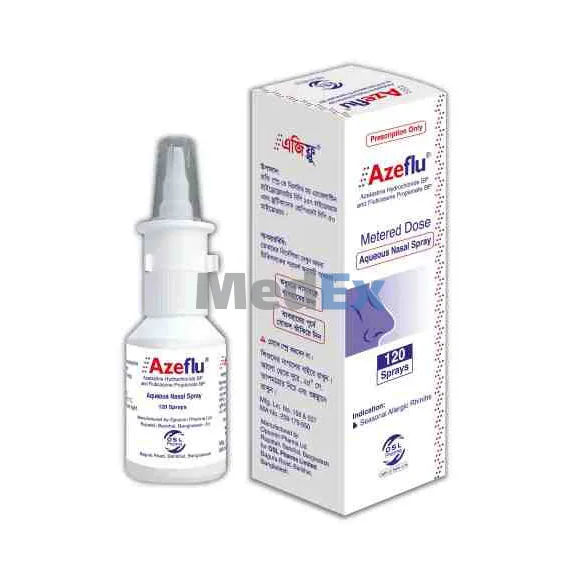
Azeflu
Cheaper & Alternative Brands
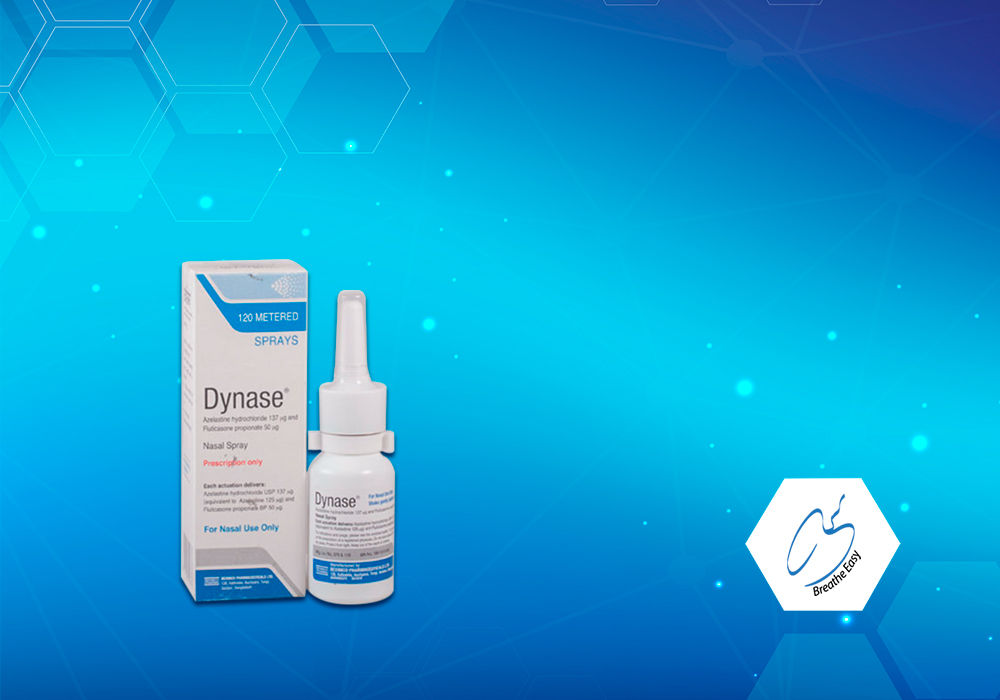
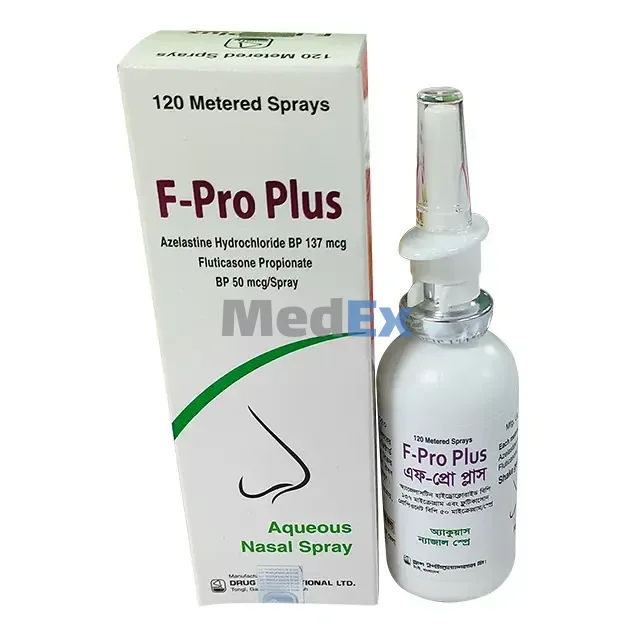
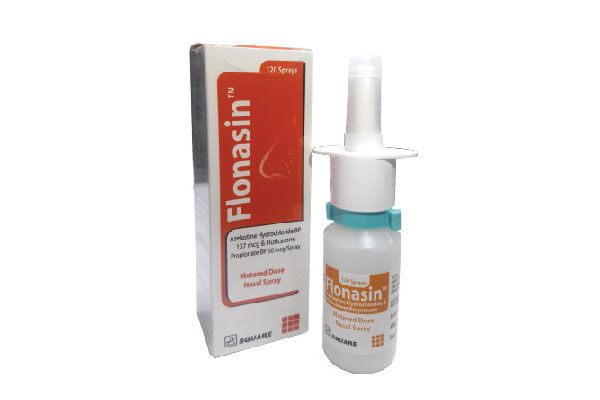
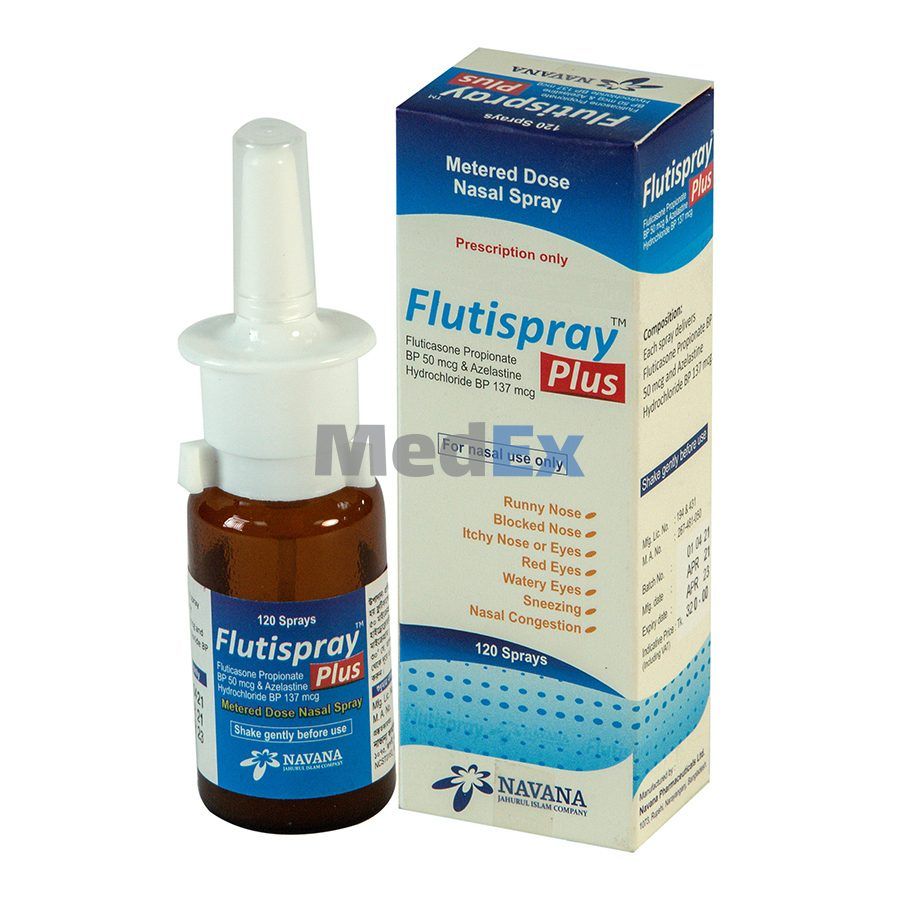
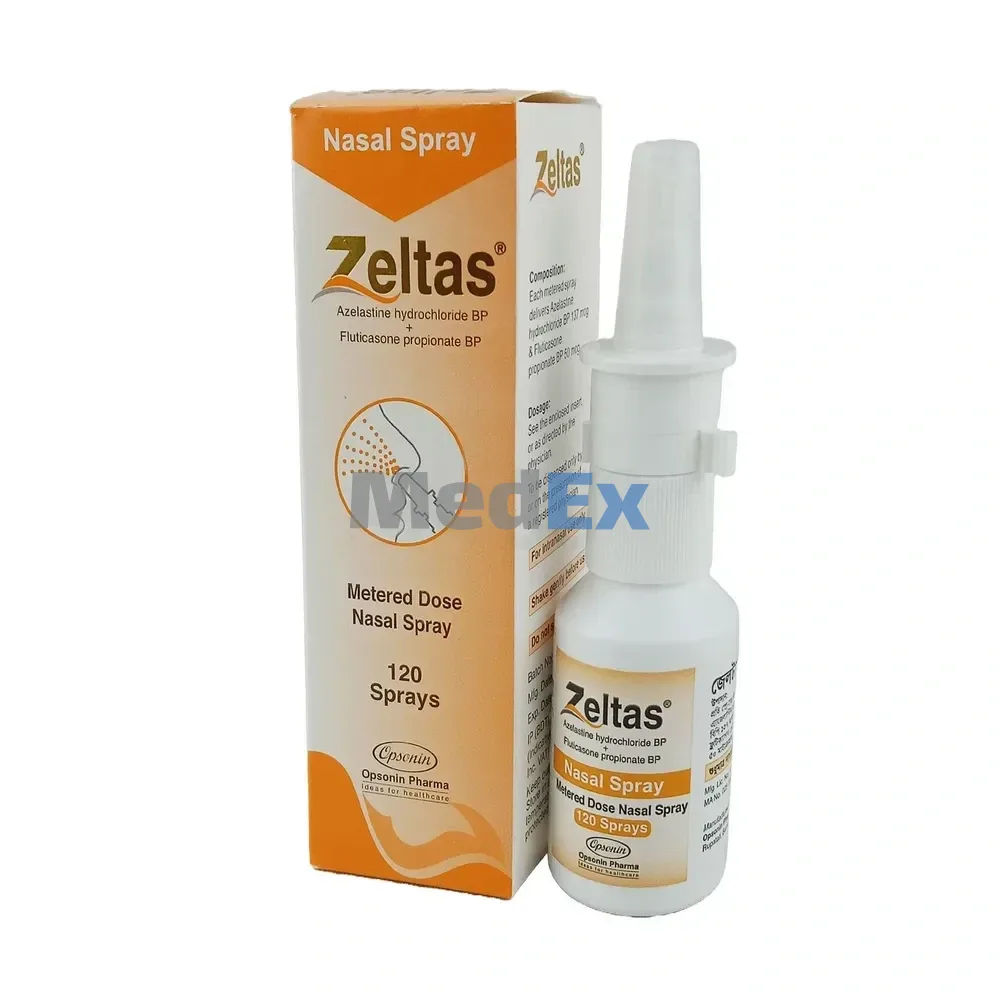
Same generic (Azelastine Hydrochloride + Fluticasone Propionate), same form (Nasal Spray)

Clinical Prescribing Information
Medical monograph and safety information for healthcare professionals & patients.Indications & Clinical Uses
Ariflu nasal spray is indicated for the relief of symptoms of seasonal allergic rhinitis in patients 6 years of age and older who require treatment with both Azelastine Hydrochloride and Fluticasone Propionate for symptomatic relief.
Contraindications
There is no known contraindication.
Side Effects & Adverse Reactions
The most common adverse reactions (>2% incidence) are: dysgeusia, epistaxis, and headache.
Warnings & Precautions
Engagement in hazardous occupations requiring complete mental alertness such as driving or operating machinery should be avoided when taking Azelastine and Fluticasone Nasal Spray. Concurrent use of alcohol or other central nervous system (CNS) depressants with this Nasal Spray should also be avoided because of further decreased alertness and impairment of CNS. Hypercorticism and adrenal suppression with very high dosages or at the regular dosage in susceptible individuals may appear. If such changes occur, the spray should be discontinued slowly.
Pharmacology & Mechanism of Action
Azelastine Hydrochloride exhibits histamine H1-receptor antagonist activity in isolated tissues. The major metabolite, desmethylazelastine, also possesses H1-receptor antagonist activity. Fluticasone Propionate is a synthetic trifluorinated corticosteroid with anti-inflammatory activity. The precise mechanism through which Fluticasone Propionate affects allergic rhinitis symptoms is not known. Corticosteroids have been shown to have a wide range of effects on multiple cell types (e.g., mast cells, eosinophils, neutrophils, macrophages, and lymphocytes etc.) and mediators (e.g., histamine, eicosanoids, leukotrienes, and cytokines) involved in inflammation.