
Arovan
Cheaper & Alternative Brands
Same generic (Valsartan), same form (Capsule)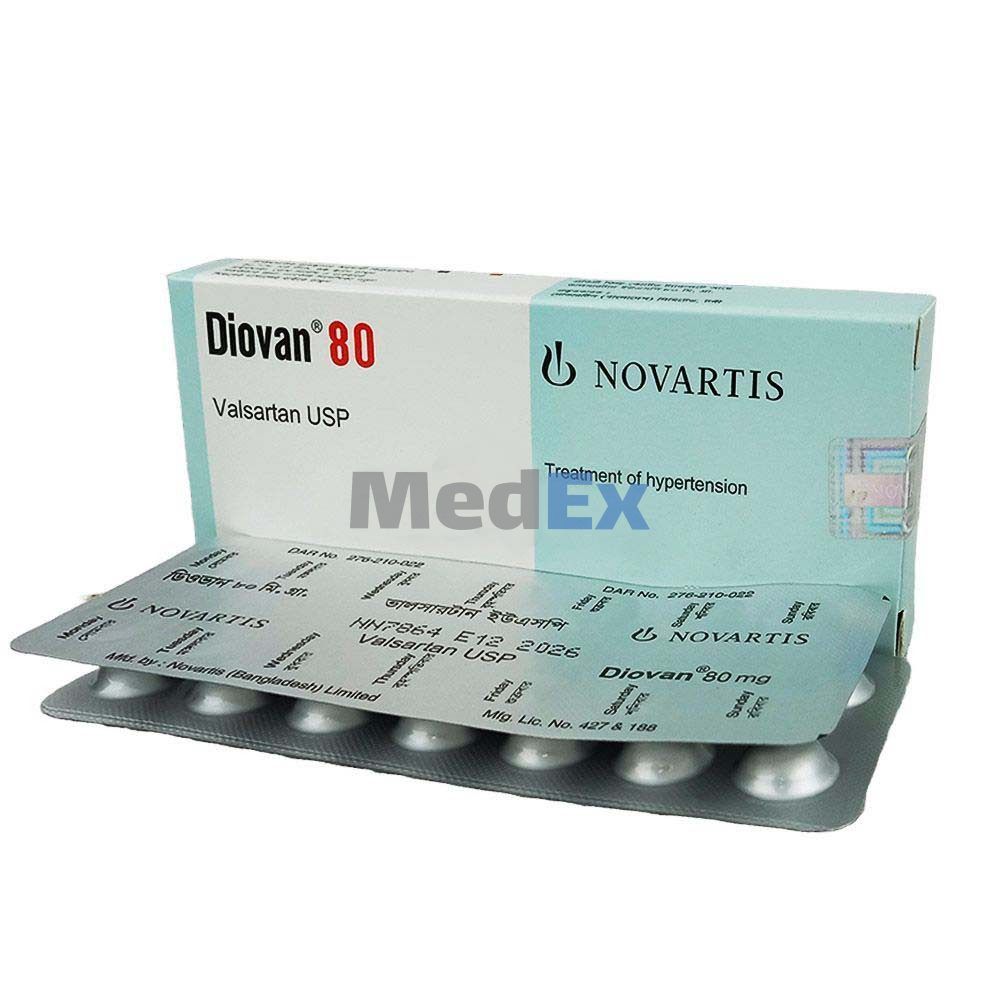
Clinical Prescribing Information
Medical monograph and safety information for healthcare professionals & patients.Indications & Clinical Uses
Arovan is indicated:
For hypertension
To reduce hospitalizations in patients with congestive heart failure
To reduce death in patients who developed congestive heart failure after myocardial infarction.
Contraindications
Valsartan is contraindicated in patients who are hypersensitive to any component of this product.
Side Effects & Adverse Reactions
Arovan is generally well tolerated and side effects are rare. The most common side effects include headache, dizziness, fatigue, abdominal pain, cough, diarrhea and nausea. Patient may also experience hyperkalemia, impotency, reduced renal function, allergic reactions, dyspnea, constipation, back pain, muscle cramps, rash, anxiety, insomnia and vertigo. Hypotension may also occur if patient have been taking diuretics along with Arovan.
Warnings & Precautions
Impaired Hepatic Function
: As the majority of Arovan is eliminated in the bile, care should be exercised in patients with mild to moderate hepatic impairment including biliary obstructive disorder.
Impaired Renal Function
: Dosage reduction or discontinuation may be required with patients having pre-existing renal impairment.
Heart Failure and Myocardial Infarction
: Caution should be exercised when initiating therapy in patients with heart failure and post-myocardial infarction patients.
Pharmacology & Mechanism of Action
Valsartan is an oral medication that belongs to a class of drugs called angiotensin receptor blockers (ARBs). It is orally active and specific angiotensin II antagonist acting on the AT1 subtype. Angiotensin's attachment to the receptors cause the blood vessels to narrow (vasoconstrict) which leads to an increase in blood pressure (hypertension). Valsartan blocks the angiotensin II receptor. By blocking the action of angiotensin, Valsartan dilates blood vessels and reduces blood pressure without affecting pulse rate. Valsartan has much greater affinity (about 20,000-fold) for the AT1 receptor than for the AT2 receptor. It does not bind or block other hormone receptors or ion channels known to be important in cardiovascular regulation.