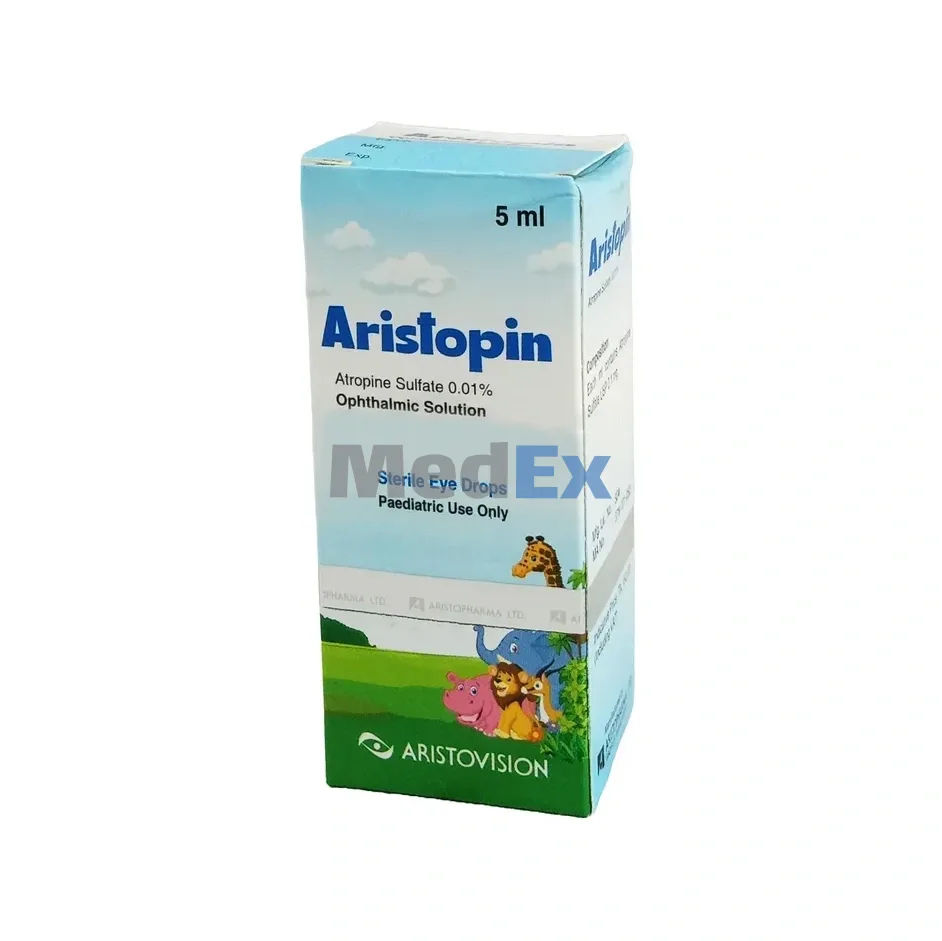
Aristopin SUD
Cheaper & Alternative Brands
Same generic (Atropine Sulfate), same form (Ophthalmic Solution)
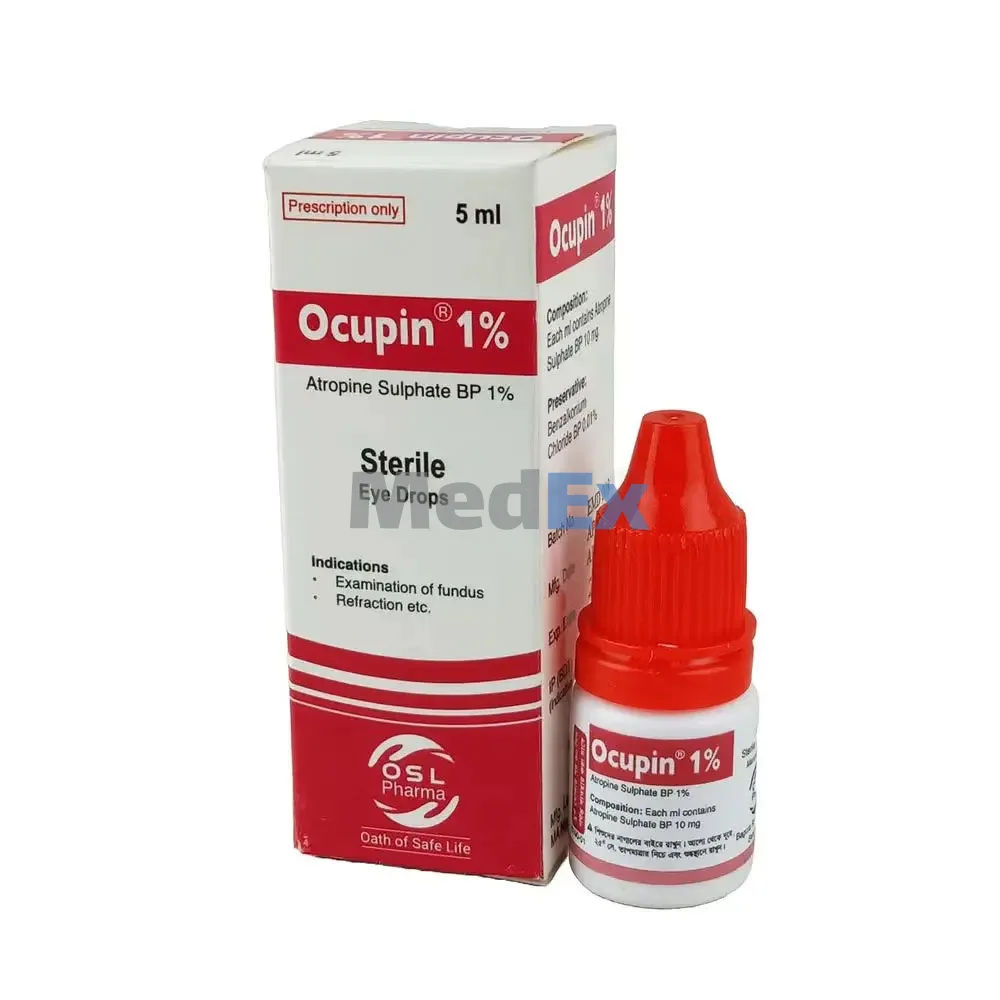
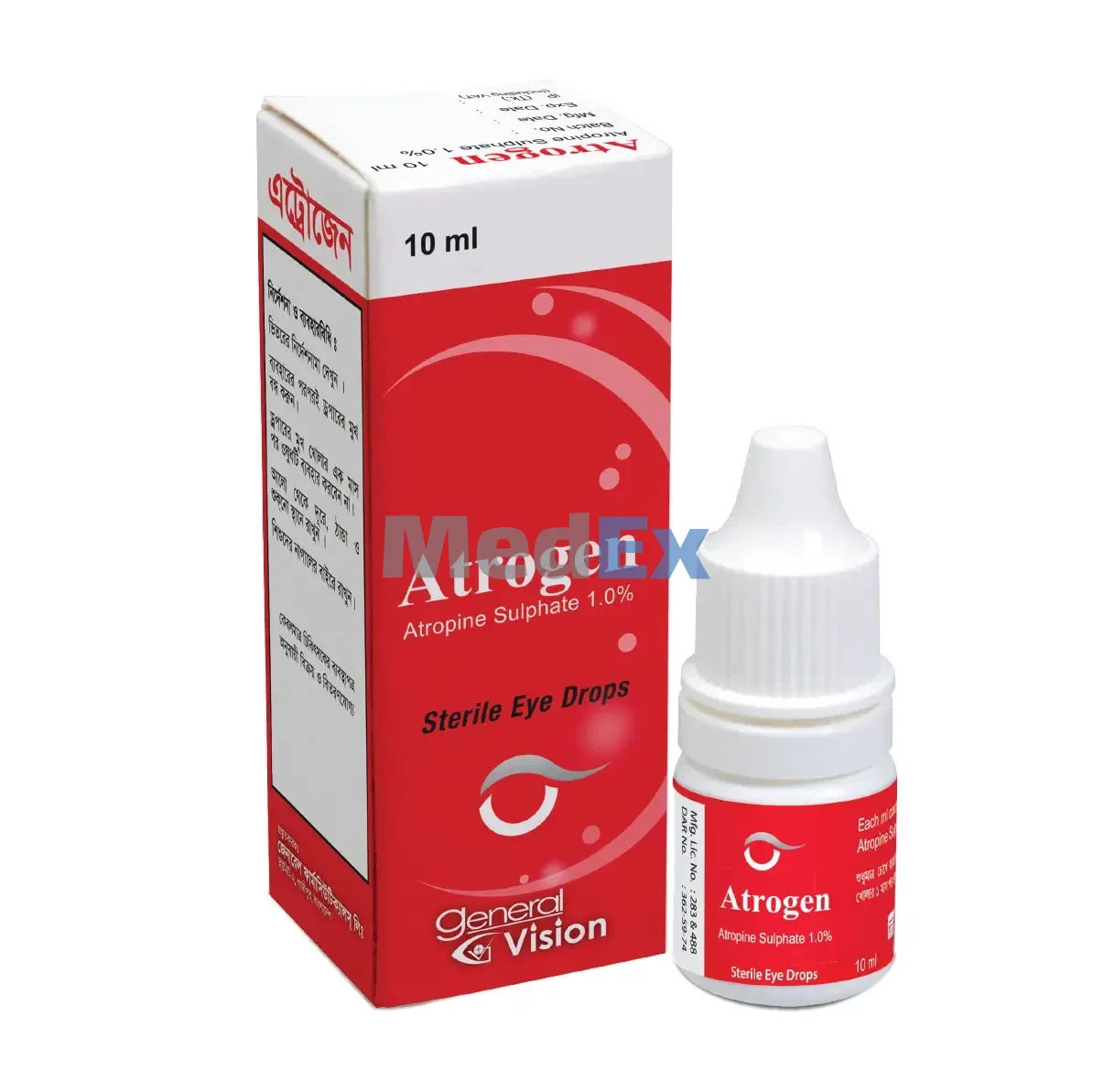
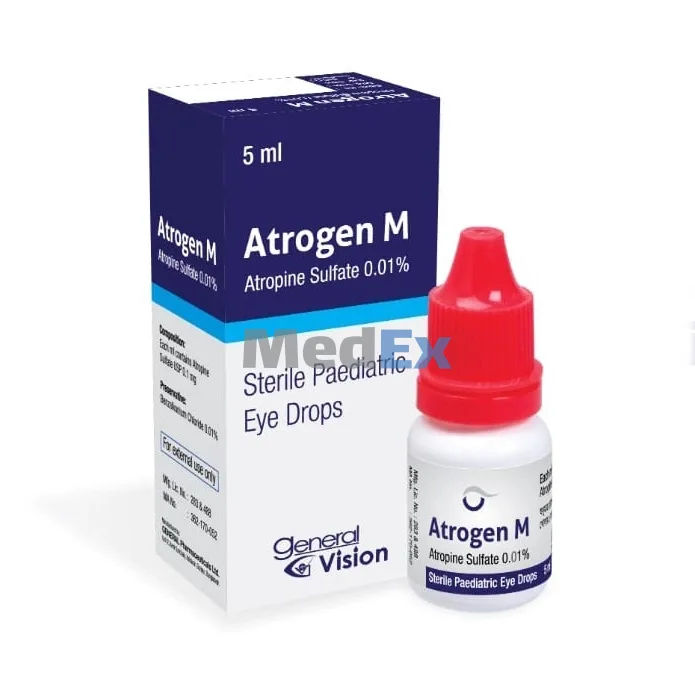
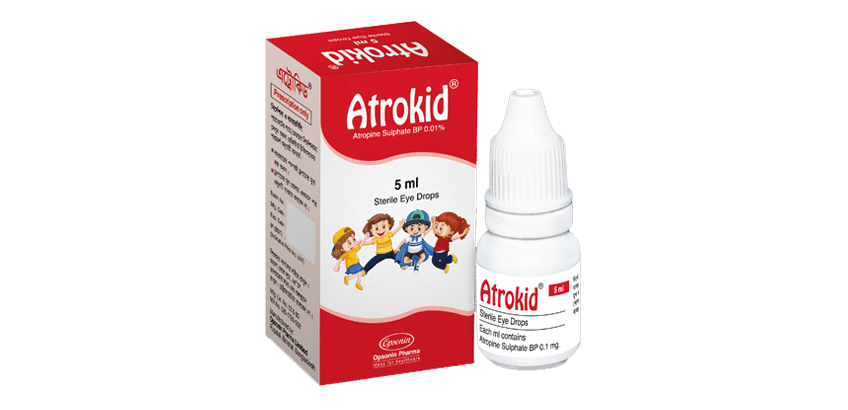
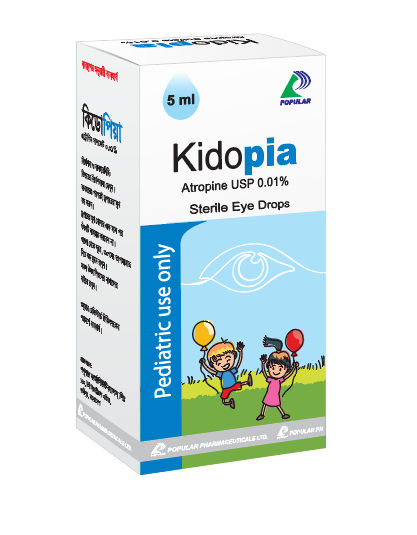
Clinical Prescribing Information
Medical monograph and safety information for healthcare professionals & patients.Indications & Clinical Uses
1% ophthalmic preparation
: As a cycloplegic or mydriatic for refraction or for desired dilatation of the iris or uveal tract during acute infammatory conditions.
0.01% ophthalmic preparation
: This medication is indicated as a treatment to slow the progression of myopia in children aged from 4 to 14 years. Aristopin treatment may be initiated in children when myopia progresses.
Dosage & Administration
1% ophthalmic preparation
-
For uveitis: One drop three times daily
For refraction: One drop in the eyes twice daily for one or two days before examination, and one hour before examination. Pressure should be maintained over lacrimal sac, occluding lacrimal duct for one minute after instillation.
0.01% ophthalmic preparation
- This paediatric eye drops should be administered as one drop to each eye at night. The maximum benefit of treatment may not be achieved with less than a 2-year continued administration period. To minimize the risk of systemic absorption, gentle pressure should be applied to the tear duct for one minute after application.
Contraindications
This eye drops is contraindicated in the presence of angle closure glaucoma or where angle closure glaucoma is suspected. If used in glaucoma susceptible patients, an estimation of the depth of the angle of the anterior chamber should be performed prior to the initiation of therapy.
Side Effects & Adverse Reactions
Blurred vision, local irritation, follicular conjunctivitis, vascular congestion, oedema, exudate, contact dermatitis, eczematous dermatitis, photophobia etc.
Warnings & Precautions
Aristopin should not be used in children who have previously had severe systemic reaction to Aristopin. An increased susceptibility to Aristopin has been reported in children with Down’s syndrome, spastic paralysis, or brain damage; therefore Aristopin should be used with great caution in these patients. It is recommended that regular eye health clinical reviews are conducted if long term treatment is planned, including the monitoring of anterior segment development, IOP, retinal health and myopia progression. This eye drops should not be used in children less than 4 years of age.
Pharmacology & Mechanism of Action
The exact mode of action of Atropine Sulfate is attributed to the suppression of the progression of myopia. Muscarinic receptors are widely distributed in ocular tissues, with roles in ocular growth and development, as well as accommodation, recognized. Preclinical studies suggest that Atropine Sulfate acts via binding to the muscarinic receptors located on scleral fibroblasts and possibly in the retina, primarily the M1, M3 and M4 subtypes. This results in changes in the activity of cell signaling proteins and enzymes such as MEK-ERK-MAPK and transglutaminases, and possibly dopamine release, causing scleral remodeling or strengthening, leading to a reduction in axial length and vitreous chamber depth and consequently a suppression of myopia progression.