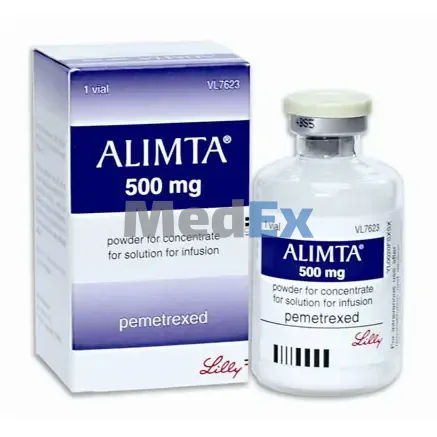
Alimta
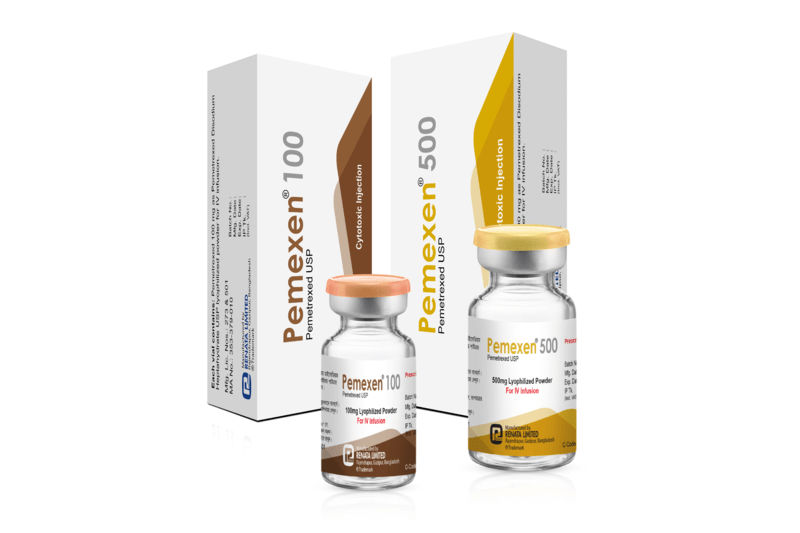
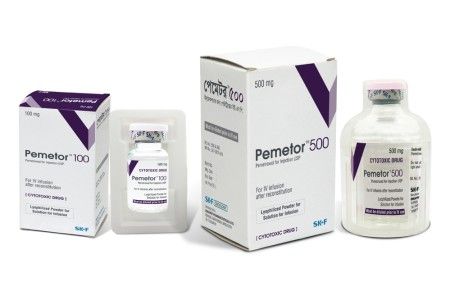
Cheaper & Alternative Brands
Same generic (Pemetrexed), same form (IV Infusion)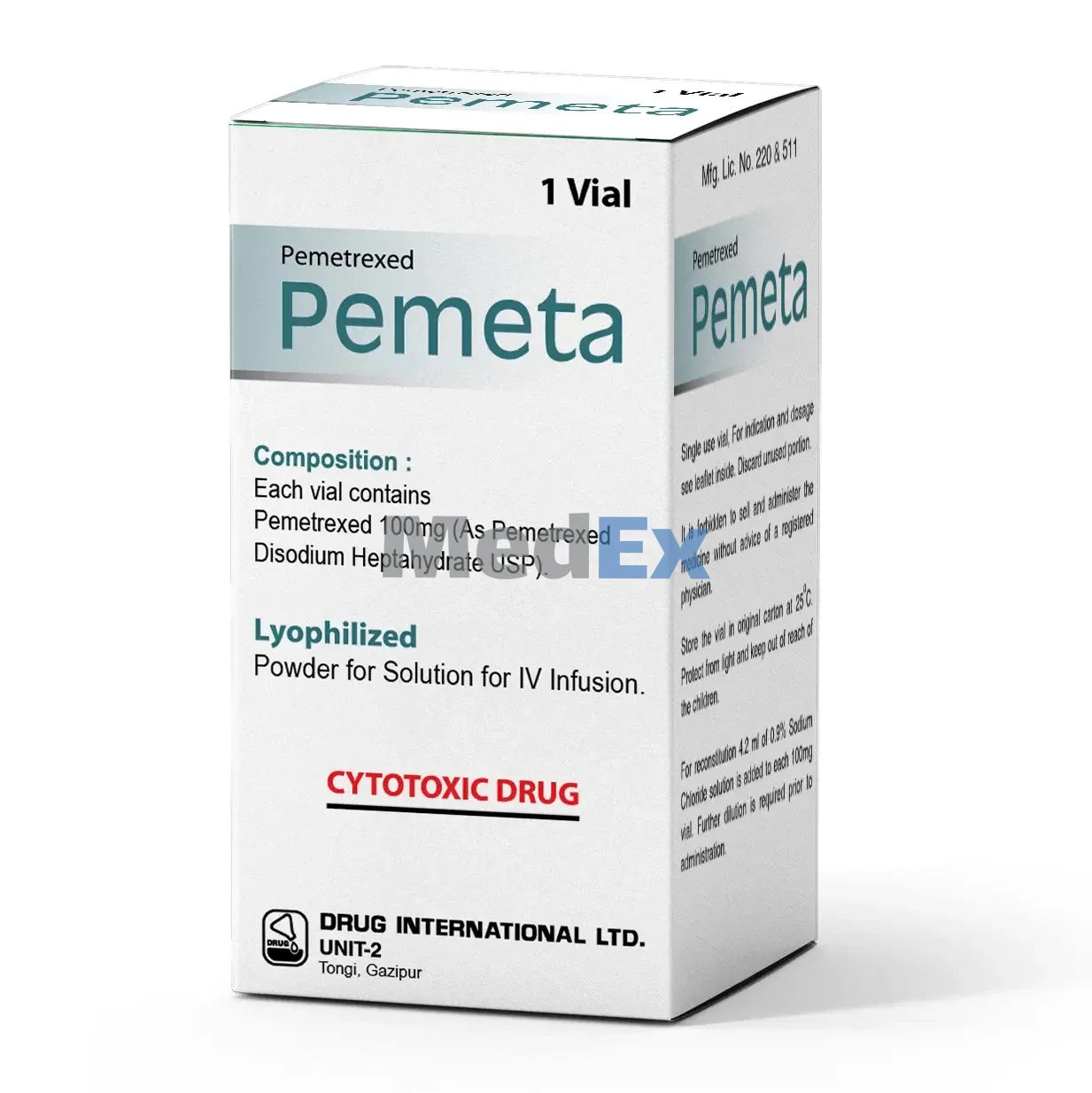


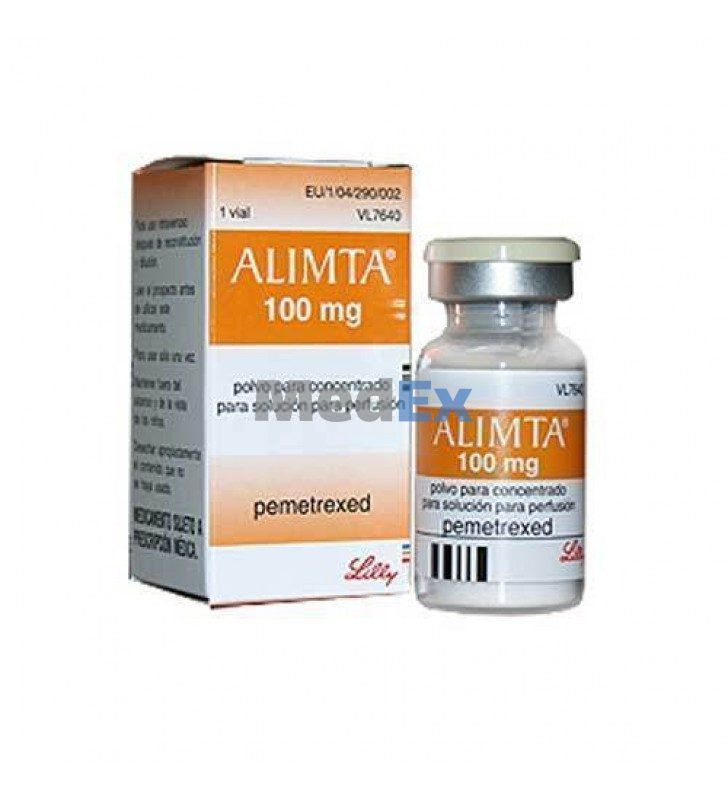
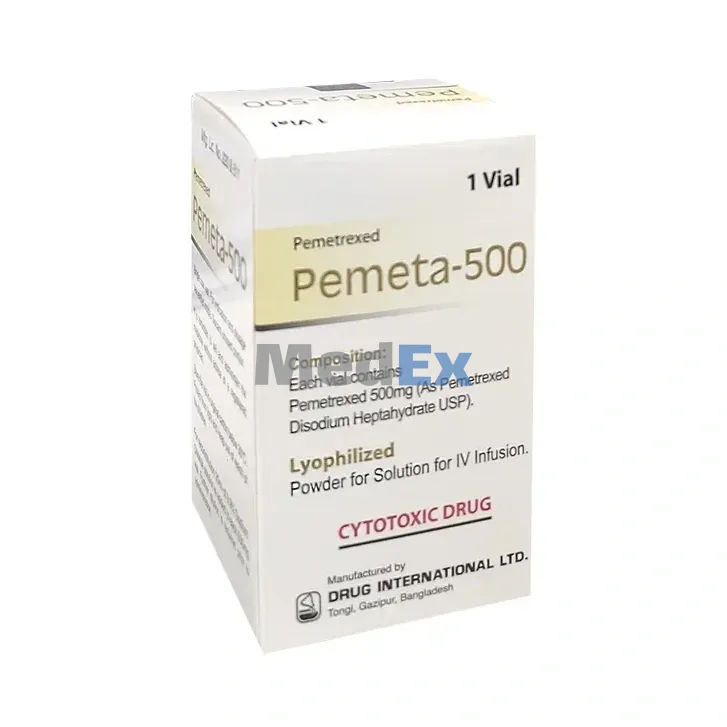
Clinical Prescribing Information
Medical monograph and safety information for healthcare professionals & patients.Indications & Clinical Uses
Alimta is indicated in Non-Squamous Non-Small Cell Lung Cancer (NSCLC):
in combination with Pembrolizumab and platinum chemotherapy, for the initial treatment of patients with metastatic non-squamous NSCLC, with no EGFR or ALK genomic tumor aberrations.
in combination with Cisplatin for the initial treatment of patients with locally advanced or metastatic, nonsquamous, non-small cell lung cancer (NSCLC).
... Read more
Alimta is indicated in Non-Squamous Non-Small Cell Lung Cancer (NSCLC):
in combination with Pembrolizumab and platinum chemotherapy, for the initial treatment of patients with metastatic non-squamous NSCLC, with no EGFR or ALK genomic tumor aberrations.
in combination with Cisplatin for the initial treatment of patients with locally advanced or metastatic, nonsquamous, non-small cell lung cancer (NSCLC).
as a single agent for the maintenance treatment of patients with locally advanced or metastatic, nonsquamous NSCLC whose disease has not progressed after four cycles of platinum-based first-line chemotherapy.
as a single agent for the treatment of patients with recurrent, metastatic non-squamous, NSCLC after prior chemotherapy.
Limitations of Use
: Alimta is not indicated for the treatment of patients with squamous cell, non-small cell lung cancer.
Mesothelioma
: Alimta is indicated, in combination with Cisplatin, for the initial treatment of patients with malignant pleural mesothelioma whose disease is unresectable or who are otherwise not candidates for curative surgery.
Contraindications
Pemetrexed is contraindicated in patients with a history of severe hypersensitivity reaction to Pemetrexed.
Side Effects & Adverse Reactions
Myelosuppression
Renal failure
Bullous and exfoliative skin toxicity
Interstitial
pneumonitis
Radiation recall
Warnings & Precautions
Myelosuppression and Increased Risk of Myelosuppression without Vitamin
: Supplementation: Alimta can cause severe myelosuppression resulting in a requirement for transfusions and which may lead to neutropenic infection. The risk of myelosuppression is increased in patients who do not receive vitamin supplementation. Supplementation with oral folic acid and intramuscular vitamin B12 should be initiated prior to the first dose of Alimta; vitamin supplementation should be continued during treatment and for 21 days after the last dose of Alimta to reduce the severity of hematologic and gastrointestinal toxicity of Alimta.
Renal Failure
: Alimta can cause severe, and sometimes fatal, renal toxicity. The incidence of renal failure in clinical studies in which patients received Alimta as a single agent ranged from 0.4% to 0.6%. Creatinine clearance should be determined before each dose and periodically monitored renal function during treatment with Alimta. It should be withheld in patients with a creatinine clearance of less than 45mL/minute.
Bullous and Exfoliative Skin Toxicity
: Serious and sometimes fatal, bullous, blistering and exfoliative skin toxicity, including cases suggestive of Stevens-Johnson Syndrome/Toxic epidermal necrolysis can occur with Alimta. It should be permanently discontinued for severe and life-threatening bullous, blistering or exfoliating skin toxicity.
Interstitial Pneumonitis
: Serious interstitial pneumonitis, including fatal cases, can occur with Alimta
treatment. Alimta should be withheld for acute onset of new or progressive unexplained pulmonary symptoms such as dyspnea, cough, or fever pending diagnostic evaluation. If pneumonitis is confirmed, Alimta should be permanently discontinued.
Radiation Recall
: Radiation recall can occur with Alimta in patients who have received radiation weeks to years previously. Patients should be monitored for inflammation or blistering in areas of previous radiation treatment. Alimta should be permanently discontinued for signs of radiation recall.
Increased Risk of Toxicity with Ibuprofen in Patients with Renal Impairment
: Exposure to Alimta is increased in patients with mild to moderate renal impairment who take concomitant Ibuprofen, increasing the risks of adverse reactions of Alimta. In patients with Creatinine clearances between 45mL/min and 79mL/min, Ibuprofen administration should be avoided for 2 days before, the day of, and 2 days following administration of Alimta. If concomitant Ibuprofen use cannot be avoided, patients should be monitored more frequently for Alimta adverse reactions, including myelosuppression, renal, and gastrointestinal toxicity.
Pharmacology & Mechanism of Action
Pemetrexed is a folate analog metabolic inhibitor that disrupts folate-dependent metabolic processes essential for cell replication. In vitro studies show that Pemetrexed inhibits thymidylate synthase (TS), dihydrofolate reductase, and glycinamide ribonucleotide formyltransferase (GARFT), which are folate-dependent enzymes involved in the de novo biosynthesis of thymidine and purine nucleotides. Pemetrexed is taken into cells by membrane carriers such as the reduced folate carrier and membrane folate binding protein transport systems. Once in the cell, Pemetrexed is converted to polyglutamate forms by the enzyme folylpolyglutamate synthetase. The polyglutamate forms are retained in cells and are inhibitors of of TS and GARFT.