 Oshud
OshudTramadol Hydrochloride
 Opioid analgesics
Brands & Prices (61)
📋 Indications & Uses Dosage & Administration⚠️ Contraindications⚡ Side Effects & Adverse Reactions🛡️ Warnings & Precautions🔬 Pharmacology & Mechanism
Opioid analgesics
Brands & Prices (61)
📋 Indications & Uses Dosage & Administration⚠️ Contraindications⚡ Side Effects & Adverse Reactions🛡️ Warnings & Precautions🔬 Pharmacology & Mechanism
Brand Formulations & Prices
61 brands sorted by unit price
Tramadol
Opidol
Pendol
Tamadol
Dolorex

Lucidol
Tramavir
Tridol
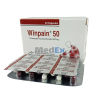
Winpain
Zydol

Tranal
Dolonil
Trumen
Kadol

Kingdol
Leotram
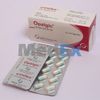
Opalgic
Retram
Trado
Xtrapel
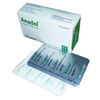
Anadol

Syndol

Utramal
Doloran
TRD-Contin
Tramamax

Utramal IR
Utramal Retard
Zydol SR
Xtrapel SR
Dolorex
Tramavir
Trapadol

Doloran PRT
Kingdol
Lucidol
Tranal
Anadol SR
Anadol
Doloran
Utramal
Utramal Retard
Dolonil SR
TRD-Contin
Zydol
Dolorex
Lucidol
Murtrum
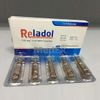
Reladol
Tridol
Winpain

Tranal
Dolonil
Tendia
Xtrapel
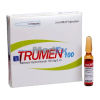
Trumen
Retram

Syndol
Trado
Anadol
Utramal
📖 Official Clinical Monograph
DGDA Approved Prescribing GuidelinesAnadol is used for the treatment of moderate to severe painful conditions. These include:
Postoperative pain
Colic and spastic pain
Cancer pain
Joint pain
Neck and back pain
Pain associated with osteoporosis.
Dosage & AdministrationCapsule or Tablet
: Usual doses are 50 to 100 mg every four to six hours. For acute pain an initial dose of 100 mg is required. For chronic painful conditions an initial dose of 50 mg is recommended. Subsequent doses should be 50 to 100 mg administered 4-6 hourly. The dose level and frequency of dosing will depend on the severity of the pain.The total daily dosage by mouth should not exceed 400 mg.
Sustained Release Capsule or Tablet
: One SR capsule or tablet every 12 hours, for example first one in the morning and then at the same time in the evening. The number of capsules taken at a time will depend upon severity of pain, but it should not be taken more frequently than every 12 hours.The total daily dosage by mouth should not exceed 400 mg.
Injection
: A dose of 50-100 mg may be given every 4 to 6 hours by intramuscular or by intravenous infusion. For the treatment of postoperative pain,the initial dose is 100 mg followed by 50 mg every 10 to 20 minutes if necessary to a maximum of 250 mg in the first hour. Thereafter, doses are 50 to 100 mg every 4 to 6 hours up to a total daily dose of 600 mg.
Suppository
: Tramadol suppository should be administered rectally. For adults usual dose is 100 mg Tramadol Hydrochloride 6 hourly. In general, 400 mg Tramadol Hydrochloride (4 Tramadol suppository) per day sufficient. However, for the treatment of Cancer pain and severe pain after operations much higher daily doses can be used.
Tramadol is contraindicated in persons having hypersensitivity to this drug. It is also contraindicated in acute intoxication with alcohol, hypnotics, centrally acting analgesics, opioids or psychotropic drugs.
Commonly occurring side-effects are dizziness/vertigo, nausea, constipation, headache, somnolence, vomiting, pruritus, CNS stimulation, asthenia, sweating, dyspepsia, dry mouth, diarrhoea. Less commonly occurring side-effects include malaise, allergic reaction, weight loss, vasodilatation, palpitations, abdominal pain, anorexia, flatulence, GI bleeding, hepatitis, stomatitis etc.
Respiratory depression:
When large doses of tramadol are administered with anaesthetic with anaesthetic medications or alcohol, respiratory depression may result. Therefore, tramadol should be administered cautiously in patients at risk for respiratory depression.
Opioid dependence
: Anadol is not recommended for patients who are dependent on opioids.
Concomitant CNS depressants:
Anadol should be used with caution and in reduced dosages when administering to patients receiving CNS depressants such as alcohol, opioids, anesthetic agents, phenothiazines, tranquilizers or sedative hypnotics.
Concomitant MAO inhibitors
: Anadol should be used with great caution in patients taking MAO inhibitors, since tramadol inhibits the uptake of norepinephrine and serotonin.
Anadol should be used with caution in patients with increased intracranial pressure or head injury and patients with acute abdominal conditions.
Tramadol is a centrally acting synthetic analgesic compound. It inhibits the re uptake of neurotransmitters- serotonin and noradrenaline. Thus it modifies the transmission of pain impulses by activating both descending serotonergic pathways and noradrenergic pathways involved in analgesia. The analgesic effects of Tramadol are mediated via stimulation of mu-opioid receptors and indirect modulation of central monoaminergic inhibitory pathways.