 Oshud
OshudTolfenamic acid
 Drugs used for Rheumatoid Arthritis, Non-steroidal Anti-inflammatory Drugs (NSAIDs), Other drugs for migraine
Brands & Prices (34)
📋 Indications & Uses Dosage & Administration⚠️ Contraindications⚡ Side Effects & Adverse Reactions🛡️ Warnings & Precautions🔬 Pharmacology & Mechanism
Drugs used for Rheumatoid Arthritis, Non-steroidal Anti-inflammatory Drugs (NSAIDs), Other drugs for migraine
Brands & Prices (34)
📋 Indications & Uses Dosage & Administration⚠️ Contraindications⚡ Side Effects & Adverse Reactions🛡️ Warnings & Precautions🔬 Pharmacology & Mechanism
Brand Formulations & Prices
34 brands sorted by unit price
Achnil
Sariton
Tolcid
Tolfamax
Tufexil

Tolmic
Anilic
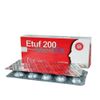
Etuf
Niltuf
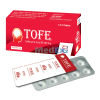
Tofe
Tolfamic
Tolfedol
Tolflex
Tossnil

Arain

Lograin

Migesic

Migratol

Migrex
Minopa
Mygan
Namitol
Tofix
Tolcare

Tolema
Tolfem
Tolfi

Tolfort
Tolgrin
Tolnil
Tufcon

Tufmig
Tufnil
X-tol
📖 Official Clinical Monograph
DGDA Approved Prescribing GuidelinesAchnil is used-
Specifically for relieving the pain of migraine headache and
Recommended for use as an analgesic in post-operative pain and fever.
Dosage & AdministrationAdult:
Acute migraine attacks
: 200 mg when symptoms appear may be repeated once after 1-2 hour.
Mild to moderate pain
: 100-200 mg tid
Renal impairment
: Dose adjustments may be needed.
Severe renal impairment
: Avoid.
Children: A pediatric dosage regimen has not yet been established.
Tolfenamic acid should be taken with food. Take water during or immediately after meals.
Active gastro-intestinal bleeding, active gastro-intestinal ulceration, history of gastro-intestinal bleeding related to previous NSAID therapy, history of gastro-intestinal haemorrhage, history of gastro-intestinal perforation related to previous NSAID therapy, history of recurrent gastro- intestinal ulceration, severe heart failure.
Side effects which include rare alveolitis, hepatic damage, pancreatitis, pulmonary eosinophilia, Stevens-johnson syndrome, angioedema, blood disorder, depression, diarrhea, dizziness, drowsiness, dysuria, euphoria, gastro-intestinal bleeding, gastro-intestinal discomfort, hallucination, insomnia, malaise, nausea, hearing disturbances, rash, visual disturbances , vertigo, raised blood pressure. Overdose: Symptoms include headache, nausea, vomiting, gastro-intestinal bleeding, drowsiness, dizziness, occasionally convulsion. In case of significant poisoning acute renal failure and liver damage are possible.
Precaution should be needed for patients with asthma bronchospasm, bleeding disorders, cardiovascular diseases, peptic ulceration, hypertension, liver infection, cardiac or renal function impairment and elderly. Increase water intake or dose reduction to reduce dysuria.
Tolfenamic acid (N-(2-methyl-3-chlorophenyl) anthranilic acid) belongs to the fenamate group and is a potent inhibitor of cyclooxygenase enzyme, thus it inhibits the synthesis of important inflammatory mediators such as thromboxane (TX) B2 and prostaglandin (PG) E2. Prostaglandins are responsible for causing swelling pain and inflammation associated with these conditions. It acts not only by inhibiting prostaglandin synthesis, but it also has direct antagonistic action on its receptors.
Pharmacokinetic properties: Absorption Readily absorbed from GI tract. Peak plasma concentration: 60-90 min. Bioavailability 85%. Distribution: Protein-binding: 99% Plasma half-life 2 hours. Metabolism: Metabolised in the liver. Tolfenamic acid undergoes enterohepatic circulation. Excretion: Excreted in urine (90%) and faces.