Tenoxicam
💊 Brand Formulations & Prices
14 brands sorted by unit price
Mobicam
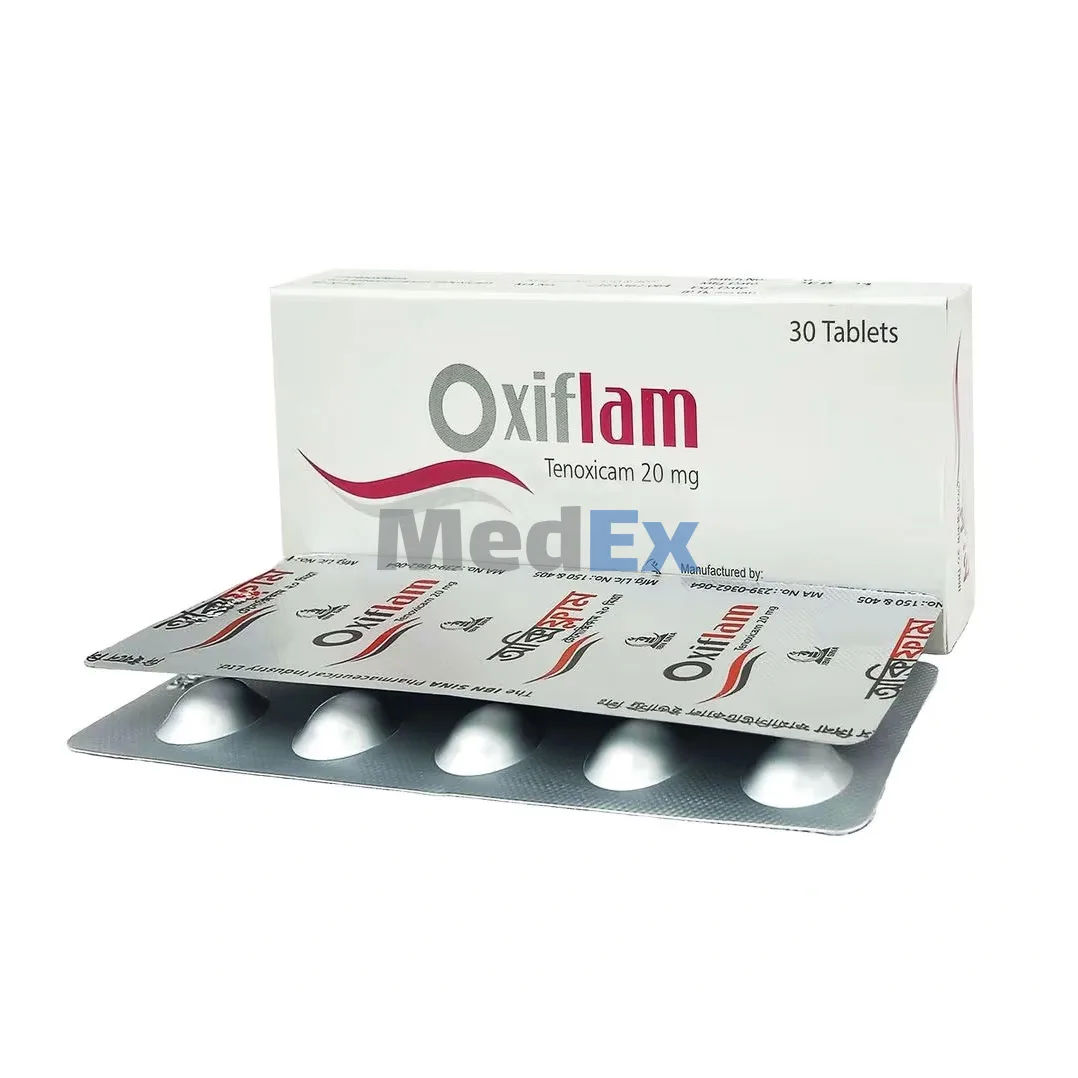
Oxiflam

Tenopain
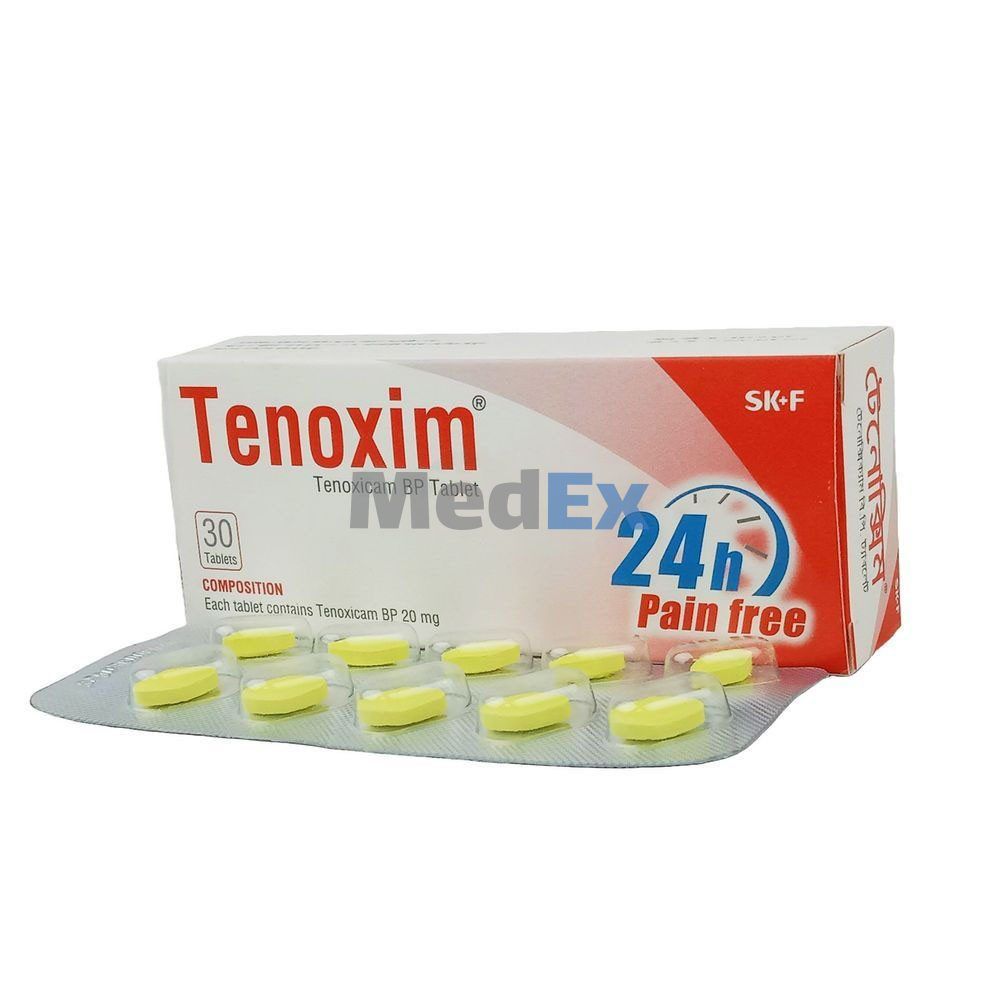
Tenoxim

Texicam
Xicotil
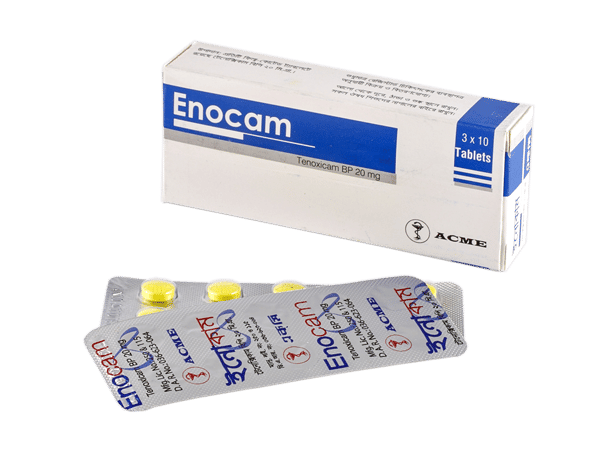
Enocam
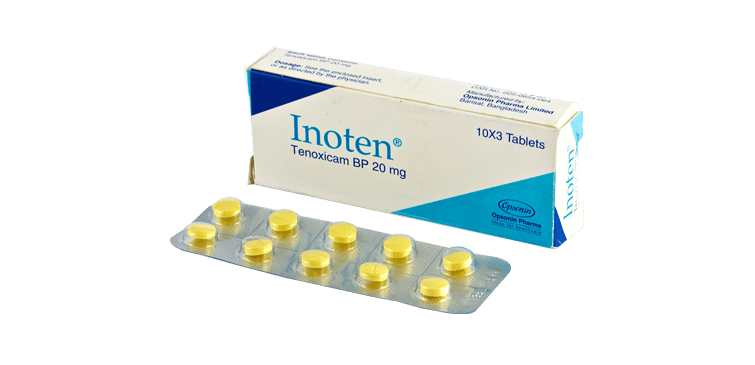
Inoten
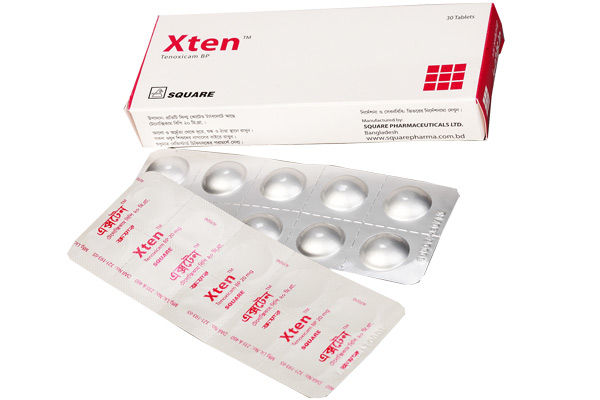
Xten
Tenoflex
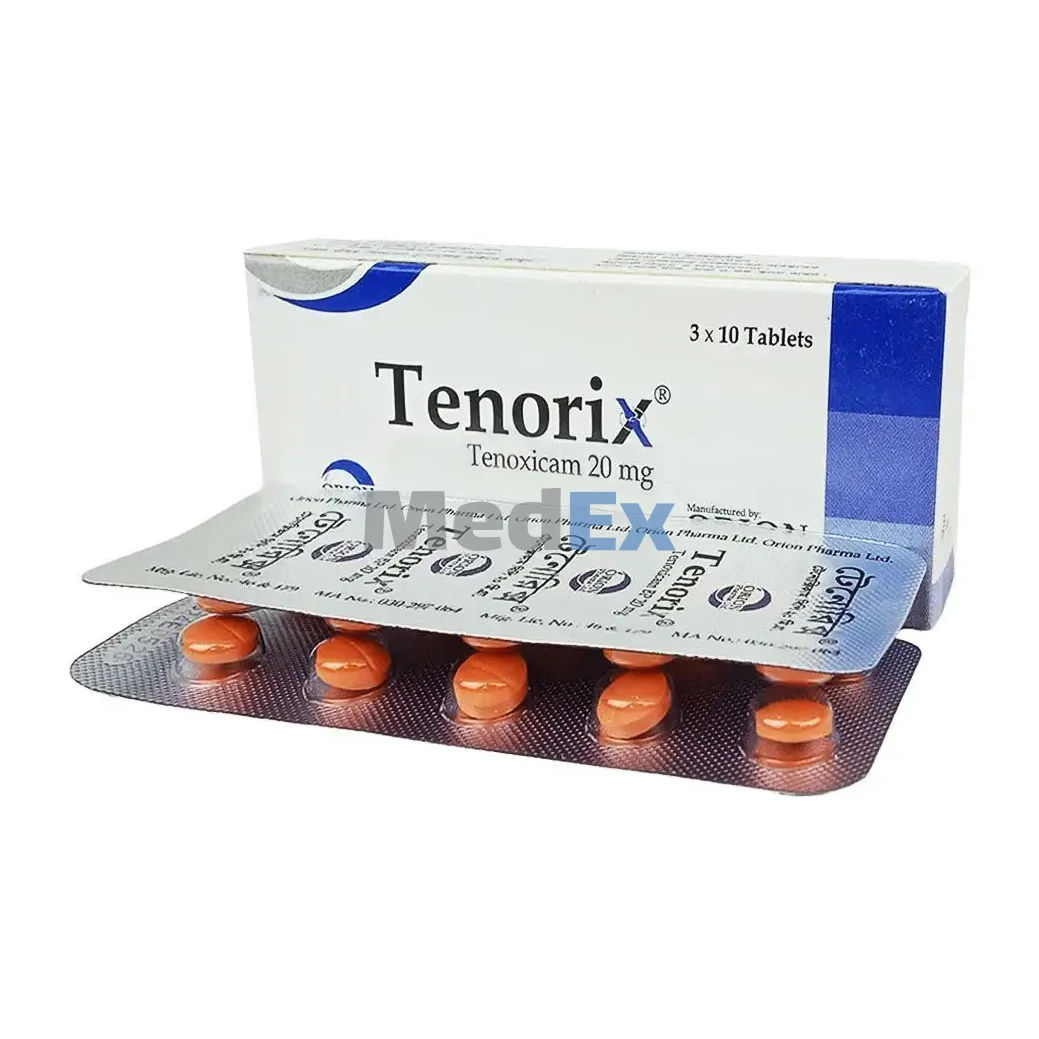
Tenorix
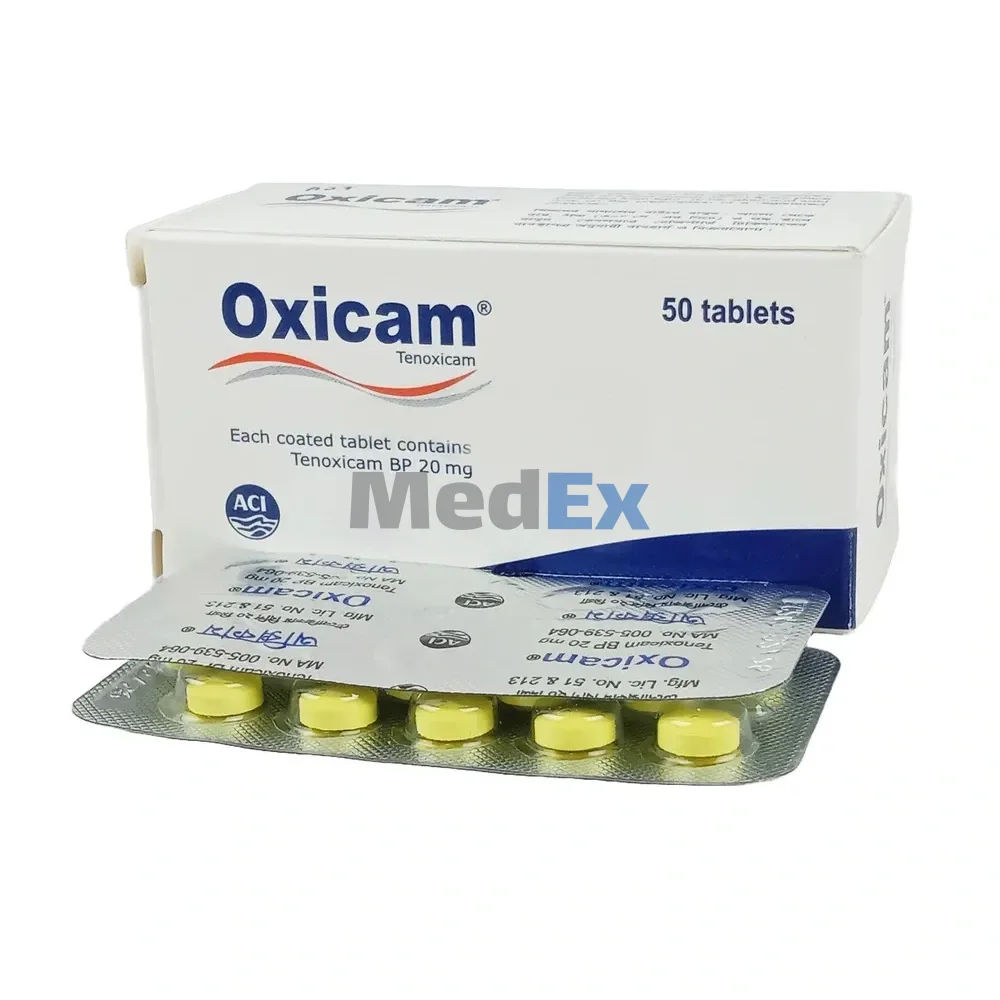
Oxicam
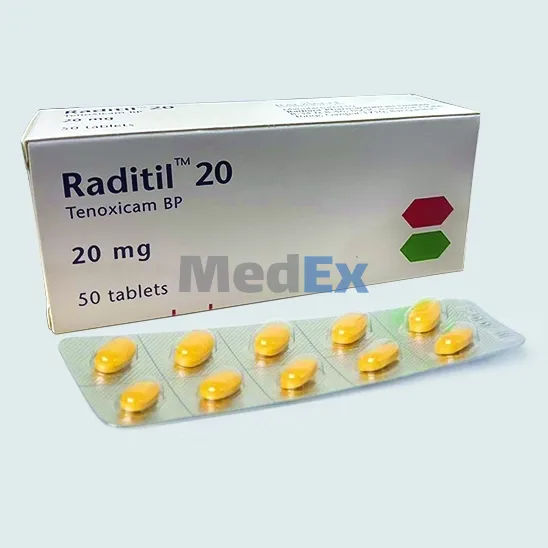
Raditil
Tenopain
📖 Official Clinical Monograph
DGDA Approved Prescribing GuidelinesEnocam is indicated for the symptomatic treatment of the following painful inflammatory and degenerative disorders of the musculoskeletal system:
Rheumatoid arthritis.
Osteoarthritis.
Arthrosis.
Ankylosing spondylitis.
Extra-articular disorders, e.g. tendinitis, bursitis, periarthritis of the shoulders (shoulder-hand syndrome) or hips, strains, and sprains.
Acute gout.
Tenoxicam must not be administered to patients:
known to be hypersensitive to the drug;
in whom salicylates or other non-steroidal anti-inflammatory drugs (NSAIDs) induce symptoms of asthma, rhinitis, or urticaria;
suffering or having suffered from the disease of the upper gastrointestinal tract, such as gastritis, gastric and duodenal ulcer.
Based on clinical trials including large numbers of patients, Enocam proved to be well tolerated in the recommended dose. Usually, the undesirable effects reported were mild and transient. In a small proportion of patients, the interruption of treatment due to undesirable effects was necessary. Local tolerance of Enocam given parenterally was good. The following undesirable effects have been reported:
Frequency is greater than 1%-
Gastrointestinal tract: gastric, epigastric and abdominal discomfort, dyspepsia, heartburn, nausea.
Central nervous system: dizziness, headache.
Frequency less than 1%-
Gastrointestinal tract: constipation, diarrhea, stomatitis, gastritis, vomiting, ulcers, Gl-bleeding including hematemesis and melena.
Central nervous system: fatigue, sleep disturbances, appetite loss, dry mouth, vertigo.
Skin: itching (also in the anal region after rectal administration), erythema, exanthema, rash, urticaria.
Urinary tract and kidneys: increase in BUN or creatinine, edema.
Liver and biliary tract: increased liver enzyme activity.
Cardiovascular system: palpitations.
Isolated cases (frequency less than 0.01%)-
Gastrointestinal tract: Gl-perforation.
Central nervous system: visual disturbances.
Skin: Stevens-Johnson and Lyell's syndrome, photosensitivity reaction, vasculitis.
Blood: anemia, agranulocytosis, leukopenia, thrombocytopenia.
Hypersensitivity reactions: dyspnea, asthma, anaphylaxis, angioedema.
Cardiovascular system: elevated blood pressure, mainly in patients treated with cardiovascular drugs.
Liver/Biliary tract: hepatitis.
NSAIDs inhibit renal prostaglandin synthesis and consequently may have an undesirable effect on renal hemodynamics and on salt and water balance. It is necessary to adequately monitor the patient with a special emphasis on cardiac and renal function (BUN, creatinine, development of edema, weight gain, etc.) when giving Enocam to patients with conditions that could increase their risk of developing renal failure, such as pre-existing renal disease, impaired renal function in diabetics, hepatic cirrhosis, congestive heart failure, volume depletion or concomitant treatment with potentially nephrotoxic drugs, diuretics and corticosteroids. Enocam inhibits platelet aggregation and may affect hemostasis. Enocam has no significant influence on blood coagulation factors, coagulation time, prothrombin time or activated thromboplastin time. Patients having coagulation disorders or receiving drug therapy that interferes with hemostasis should, however, be carefully observed when Enocam is administered. Any patient being treated with Enocam who presents with symptoms of gastrointestinal disease should be closely monitored. If peptic ulceration or gastrointestinal bleeding occurs, Enocam should be immediately withdrawn. If severe skin reactions (e.g. Lyell's or Stevens-Johnson syndrome) occur, the treatment should be discontinued immediately. Adverse eye findings have been reported with Enocam. Thus ophthalmic evaluation is recommended for patients who develop visual disturbances. Because of the high plasma protein binding of Enocam, caution is required when plasma albumin levels are markedly reduced. In common with anti-inflammatory drugs, Enocam may mask the usual signs of infection. Enocam Tablets should not be given to patients who either dislike or do not tolerate milk products.
Tenoxicam is a non-steroidal anti-inflammatory drug (NSAID) with anti-inflammatory, analgesic and antipyretic properties and it also inhibits platelet aggregation. Tenoxicam inhibits prostaglandin biosynthesis. In-vitro tests of leukocyte peroxidase suggest that tenoxicam may act as a scavenger for active oxygen at the site of inflammation. Tenoxicam is a potent in-vitro inhibitor of human metalloproteinases (stromelysin and collagenase), which induce cartilage breakdown. These pharmacological effects explain, at least in part, the therapeutic benefit of Tenoxicam in the treatment of painful inflammatory and degenerative disorders of the musculoskeletal system. Tenoxicam showed no mutagenic, carcinogenic or teratogenic effects in animals. As with other prostaglandin inhibitors, renal and gastrointestinal effects, increased incidence of dystocia and delayed parturition were observed in animal safety studies.