 Oshud
OshudSuvorexant
 Miscellaneous sedatives & hypnotics
Brands & Prices (4)
📋 Indications & Uses Dosage & Administration⚠️ Contraindications⚡ Side Effects & Adverse Reactions🛡️ Warnings & Precautions🔬 Pharmacology & Mechanism
Miscellaneous sedatives & hypnotics
Brands & Prices (4)
📋 Indications & Uses Dosage & Administration⚠️ Contraindications⚡ Side Effects & Adverse Reactions🛡️ Warnings & Precautions🔬 Pharmacology & Mechanism
Brand Formulations & Prices
4 brands sorted by unit price
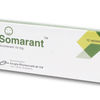
📖 Official Clinical Monograph
DGDA Approved Prescribing GuidelinesSomarant is indicated for the treatment of insomnia, characterized by difculties with sleep onset and/or sleep maintenance.
Dosage & AdministrationRecommended dose is 10 mg, no more than once per night taken before 30 minutes of going to bed, with at least 7 hours remaining before the planned time of awakening. If the 10 mg dose is well-tolerated but not effective, the dose can be increased, not to exceed 20 mg once daily. Lowest dose effective should be used for the patient. Time to effect may be delayed if taken with or soon after a meal.
Do not use in patients with narcolepsy.
Common side effects are Sleepiness during the day, Not thinking clearly, Act strangely, confused, or upset, Sleep-walking
Daytime somnolence
: Risk of impaired alertness and motor coordination, including impaired driving; risk increases with dose; caution patients taking 20 mg against next-day driving and other activities requiring complete mental alertness.
Need to evaluate for co-morbid diagnoses
: Reevaluate if insomnia persists after 7 to 10 days of treatment. Nighttime 'sleep-driving' and other complex behaviors while out of bed and not fully awake. Risk increases with dose, with use of CNS depressants, and with alcohol.
Depression
: Worsening of depression or suicidal thinking may occur. Risk increases with dose. Immediately evaluate any new behavioral changes.
Suvorexant is a highly selective antagonist for orexin receptors OX1R and OX2R. The mechanism by which Suvorexant exerts its therapeutic efect in insomnia is presumed to be through antagonism of orexin receptors. The orexin neuropeptide signaling system is a central promoter of wakefulness. Blocking the binding of wake-promoting neuropeptides orexin A and orexin B to receptors OX1R and OX2R is thought to suppress wake drive.