 BD Medi
Sodium Picosulfate
 Stimulant Laxative
Brands & Prices (73)
📋 Indications & Uses Dosage & Administration⚠️ Contraindications⚡ Side Effects & Adverse Reactions🛡️ Warnings & Precautions🔬 Pharmacology & Mechanism
Brand Formulations & Prices
73 brands sorted by unit price
Picolon
Easylet
Ezyout
Freelife

Abdolax
Befree

Clenpic
Easy Bowel
Ezyfast
Ezyfeel
Ezyfix
Ezygo
Ezytake

Laxante
Laxjoy
Laxkur
Laxofit

Laxopic
Napilax
Normalax
Picaso
Pico
Picodin
Picolax
Picolife
Picoral
Picorif
Picosoft

Picosul
Pikos
SPLAC
Sodipic
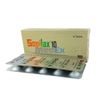
Sopilax
Sopiver
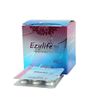
Ezylife
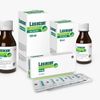
Laxocon
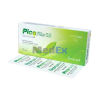
Pico Plus
Ezyfast
Ezyfeel
Laxocon
Laxofit
Laxopic
Picolax Kids
Picoral
Picosul
Ezylife Kids
Pico Plus
Picolon
Easylet
Ezytake
Abdolax
Befree
Clenpic
ED-Lax
Ezygo
Ezyout
Freelife
Laxante
Laxjoy
Napilax
Picaso
Pico
Picodin
Picolax
Picorif
Picosoft
Pikos
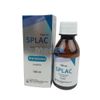
SPLAC
Sodipic
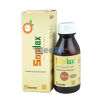
Sopilax
Abdolax Max
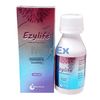
Ezylife
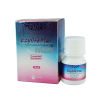
Ezylife Max
📖 Official Clinical Monograph
DGDA Approved Prescribing GuidelinesAbdolax is indicated in the following conditions-
Constipation of any etiology
Relief from prolonged & recurrent constipation
Bowel clearance before surgery, childbirth or radiological investigations.
Dosage & AdministrationFor oral administration. The following dosages are recommended to be taken at night to produce evacuation the following morning. It is recommended to start with the lowest dose. The dose may be adjusted up to the maximum recommended dose to produce regular stools. The maximum recommended daily dose should not be exceeded:
10 mg tablet dose
:
Adults and children over 10 years of age: 5-10 mg per day.
Children aged 4-10 years: 2.5-5 mg per day.
Oral Solution (5 mg/5 ml) dose
:
Adults and children over 10 years of age: 5-10 ml or one to two teaspoonful per day.
Children aged 4-10 years: 2.5-5 ml or half to one teaspoonful per day.
Children from One month to 4 years of age: 0.25 ml/kg body weight per day.
Concentrated Oral Solution (7.5 mg/ml) dose
:
Adults and children over 10 years of age: 0.67-1.33 ml per day.
Children aged 4-10 years: 0.33-0.67 ml per day.
Ileus or intestinal obstruction, severe painful and/or feverish acute abdominal conditions (e.g. appendicitis) potentially associated with nausea and vomiting, acute inflammatory bowel diseases, severe dehydration, known hypersensitivity to Sodium Picosulfate or any other component of the product.
Hypersensitivity, dizziness, syncope, vasovagal response, gastrointestinal disorders, diarrhea, abdominal pain and abdominal cramps, nausea, vomiting.
Prolonged excessive use may lead to fluid and electrolyte imbalance and hypokalemia. Harmful for those suffering from alcoholism. To be taken into account in pregnant or breast-feeding women, children and high-risk groups such as patients with liver disease or epilepsy.
Sodium Picosulfate is a triarylmethane group derivative stimulant laxative. After oral administration it is activated by the colonic bacteria and acts locally in the colon. The active form then stimulates the nerve endings of the intestinal wall and results in colonic peristalsis with promotion of accumulation of water and electrolytes in the colonic lumen. This results in stimulation of defecation, reduction of transit time and softening of the stool. Stimulation of the rectum causes increased motility and a feeling of rectal fullness. The rectal effect may help to restore the "call to stool".