Sitagliptin
💊 Brand Formulations & Prices
42 brands sorted by unit price
Glucodip
SGN
Sigtil
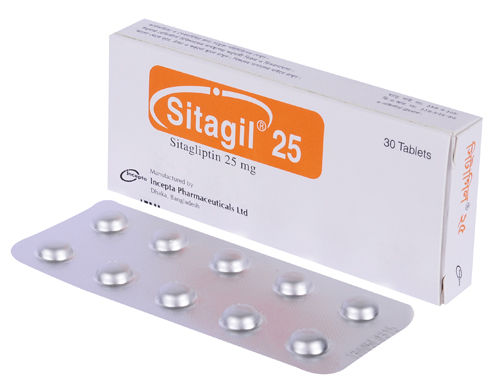
Sitagil
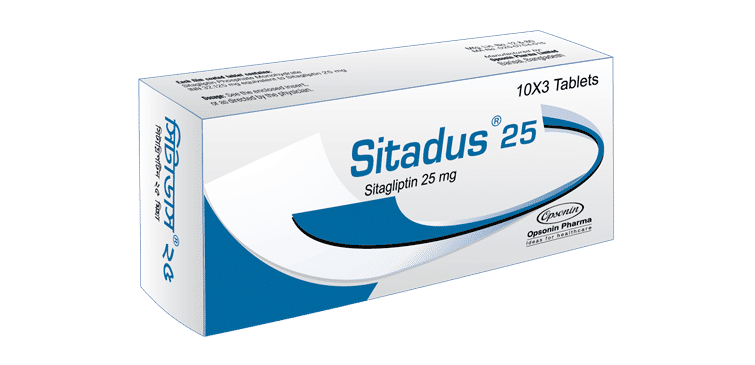
Sitadus
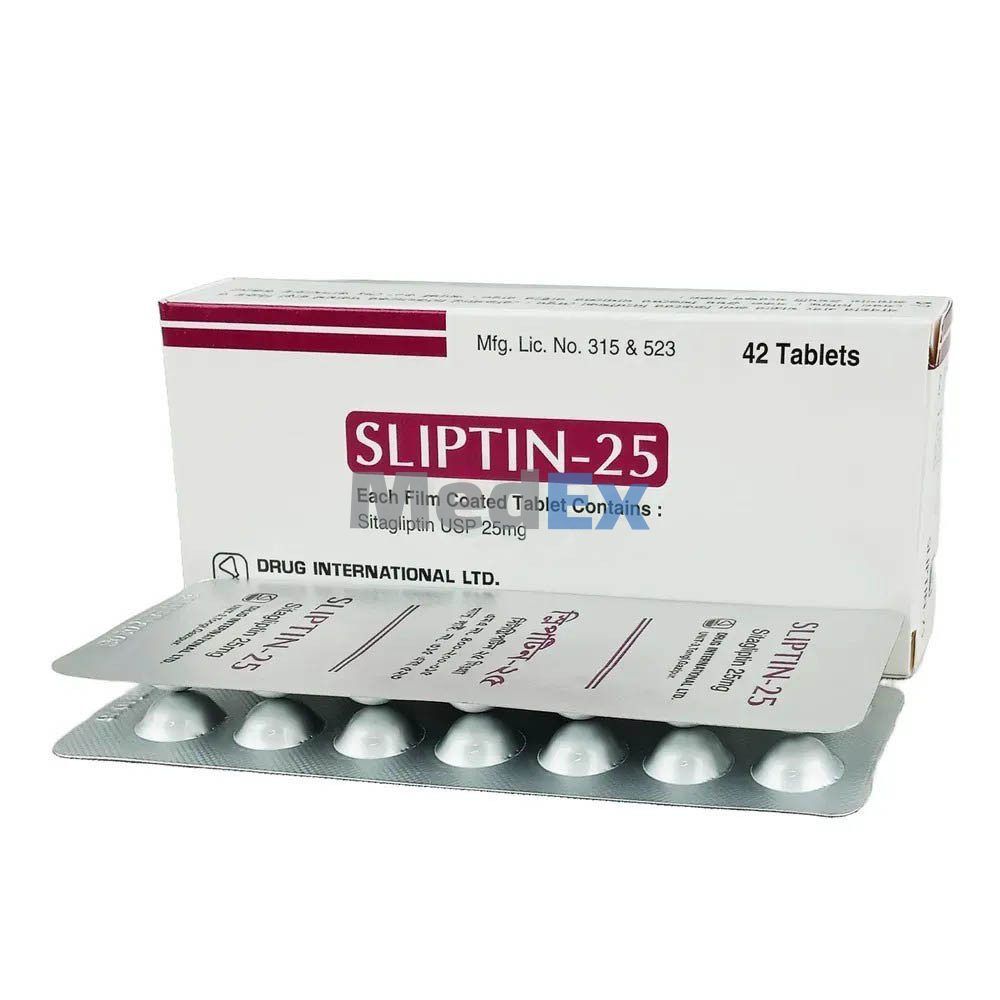
Sliptin

Silinor
D-Glip
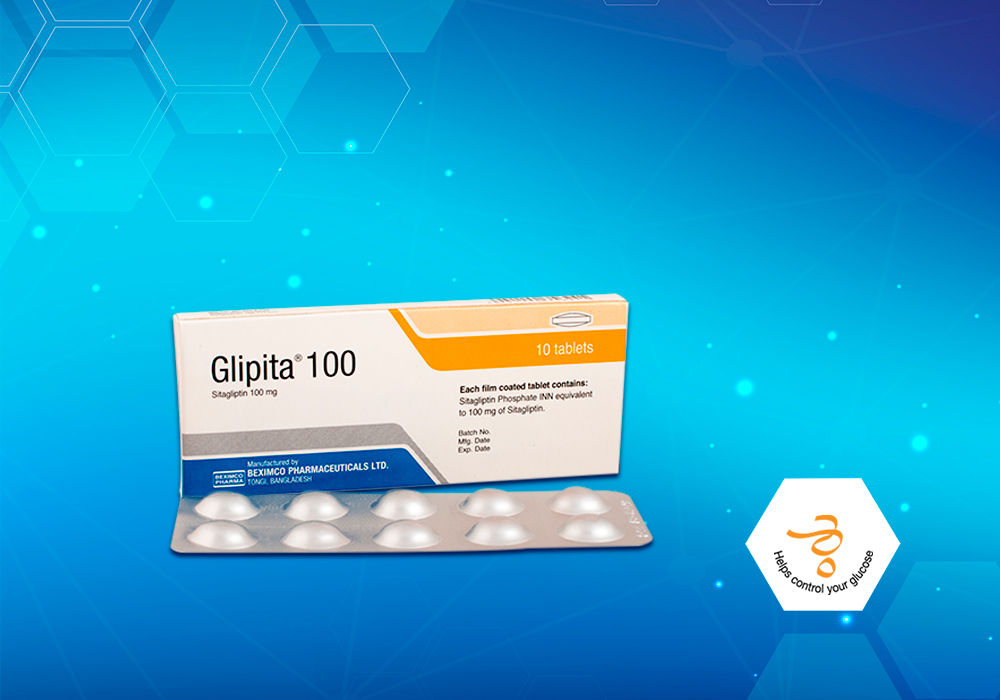
Glipita
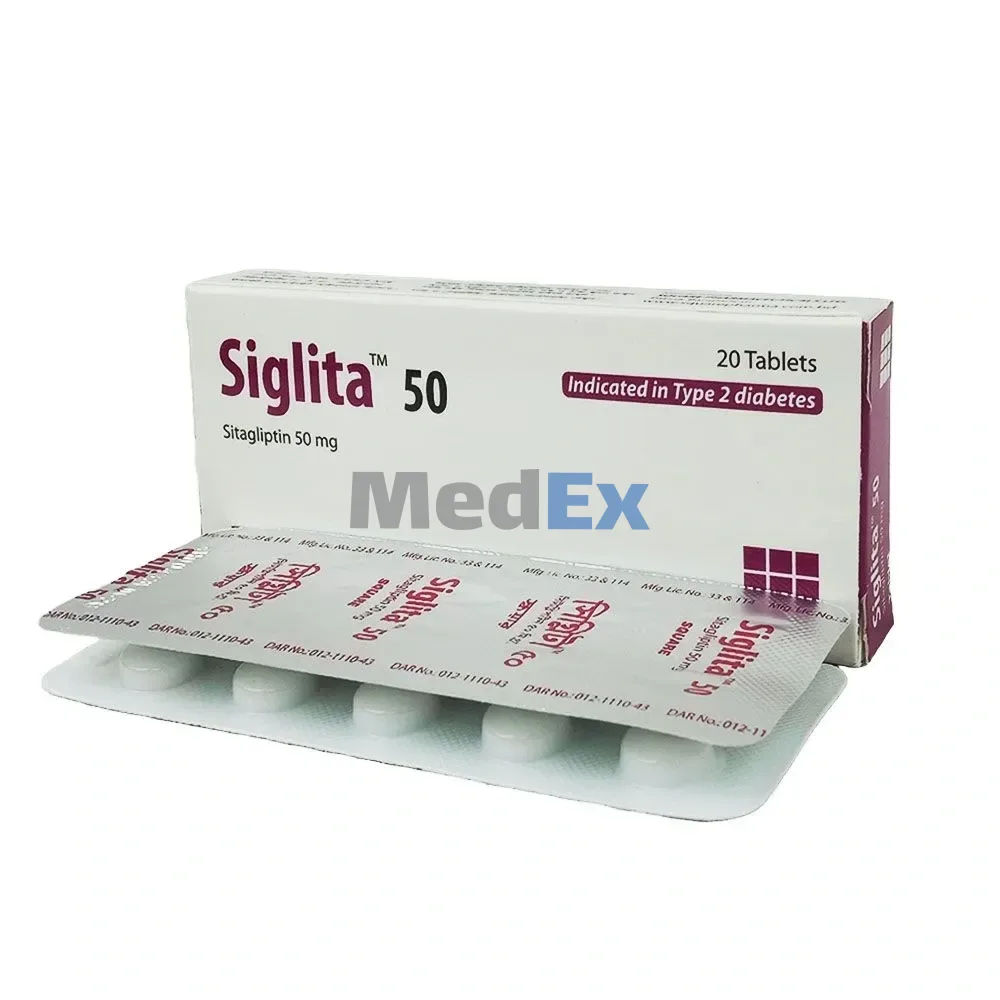
Siglita
Sitazid
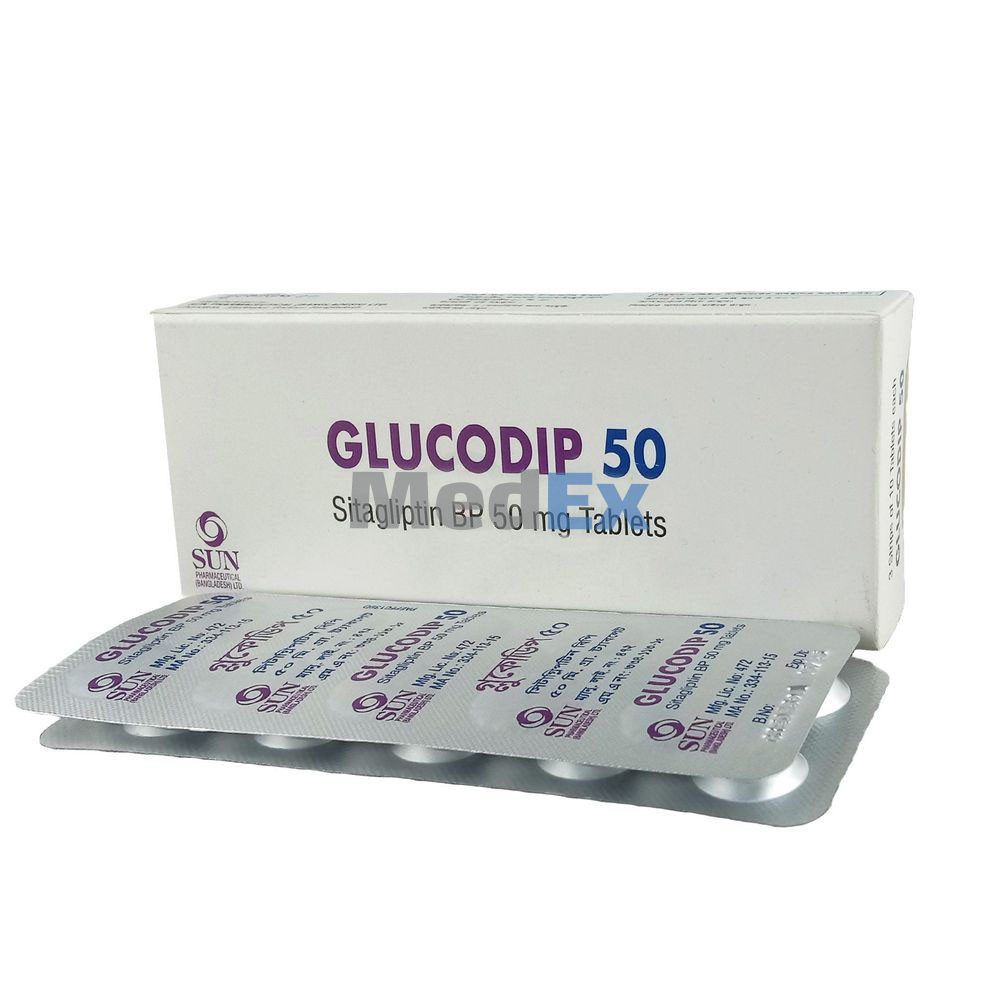
Glucodip
Sitaglap
SB-Sita
Sigtil
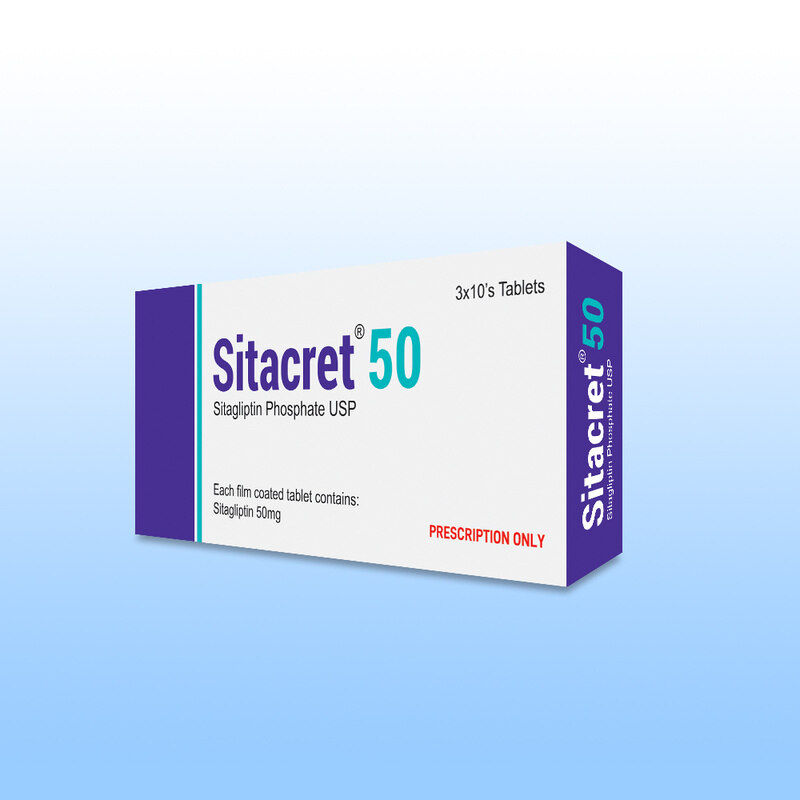
Sitacret
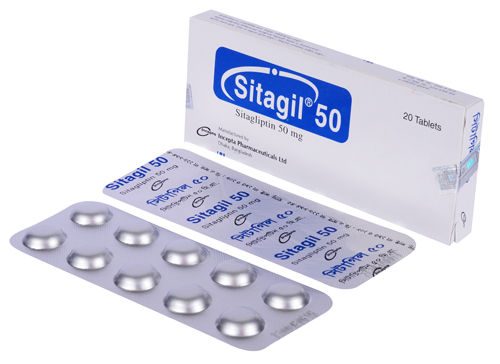
Sitagil
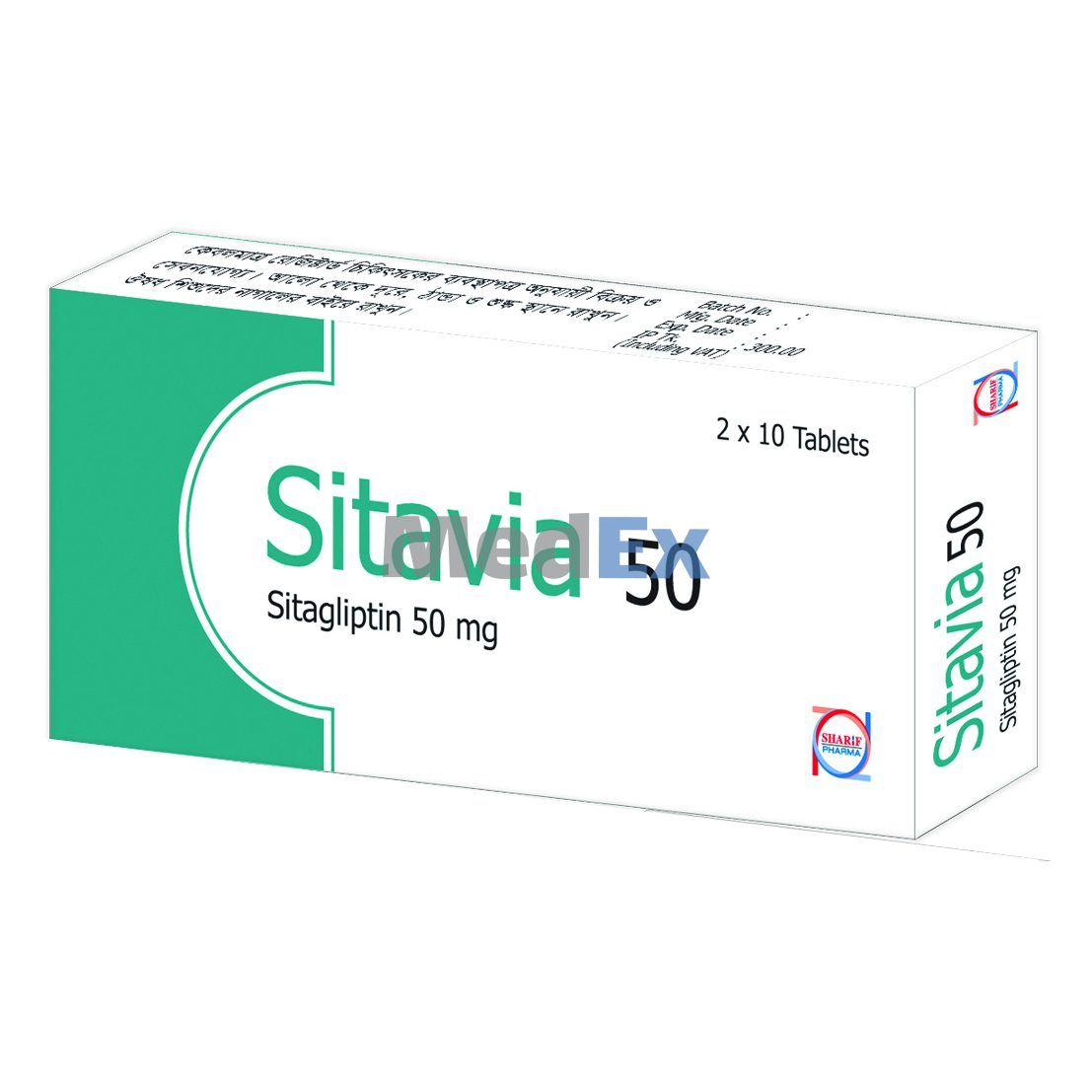
Sitavia
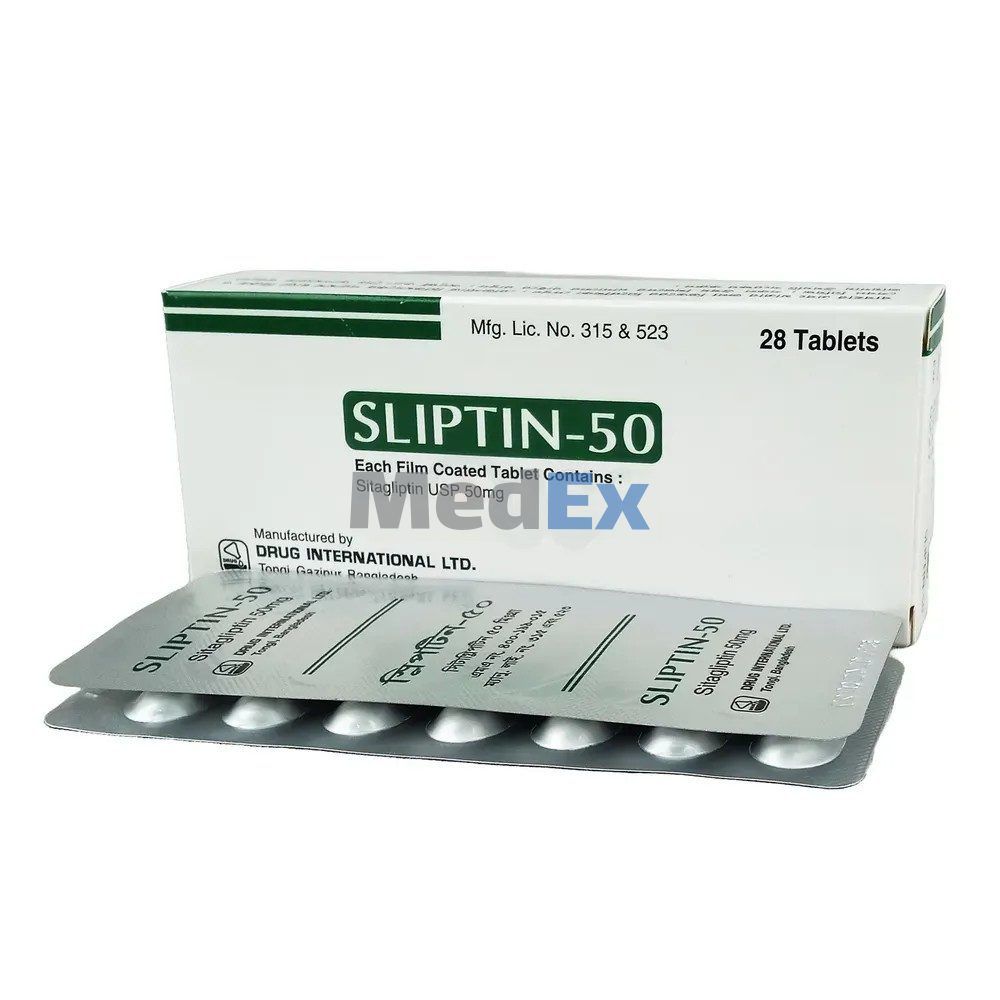
Sliptin

Janvia
Sitadus
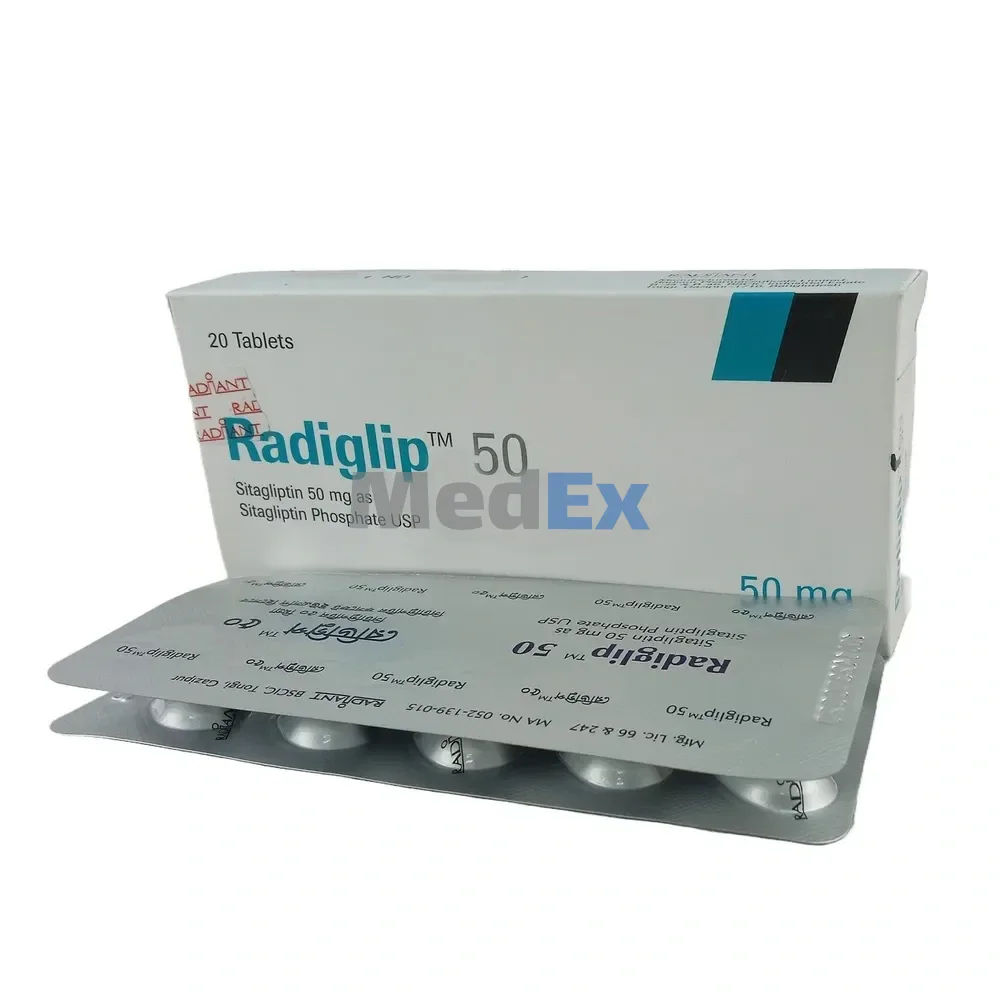
Radiglip
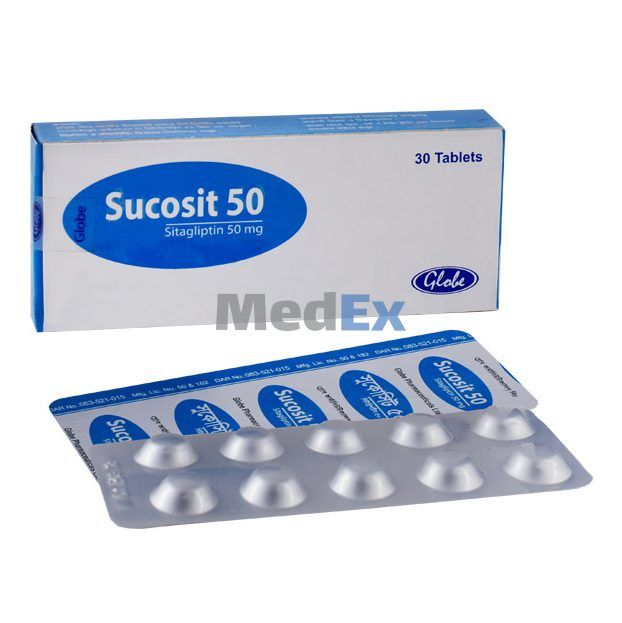
Sucosit
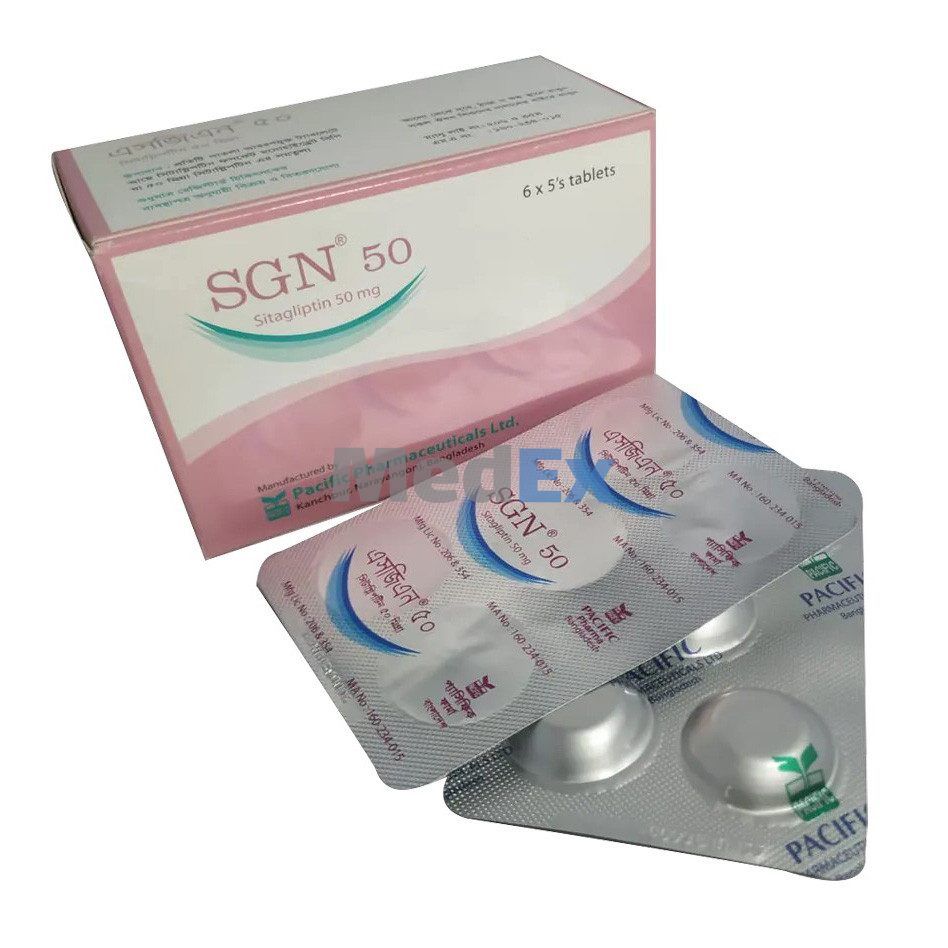
SGN
Silinor
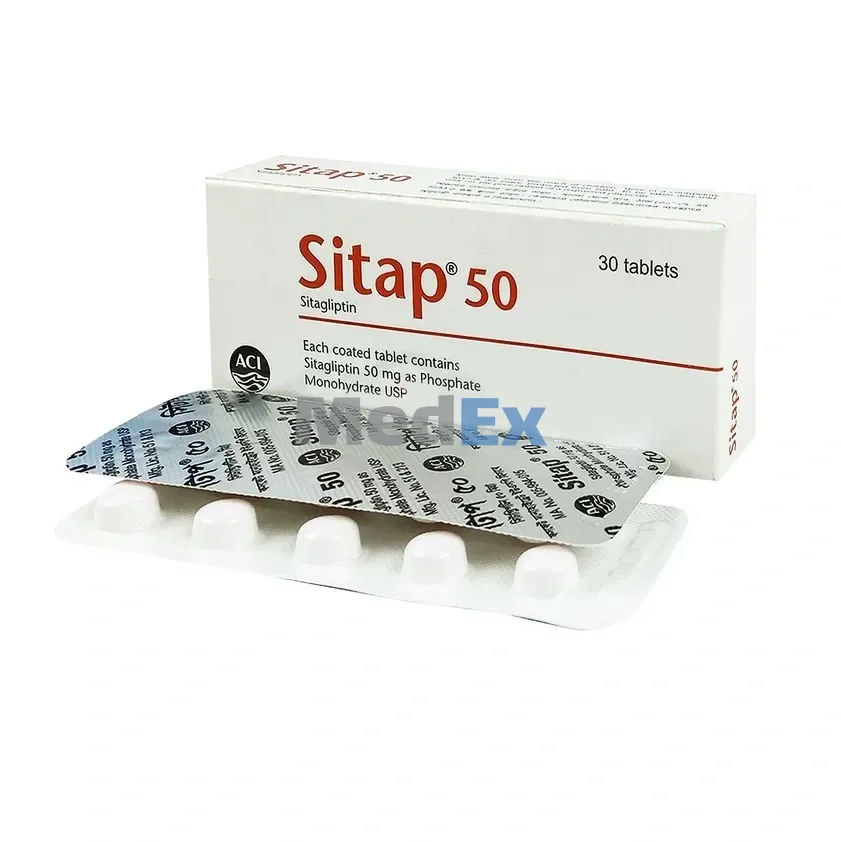
Sitap
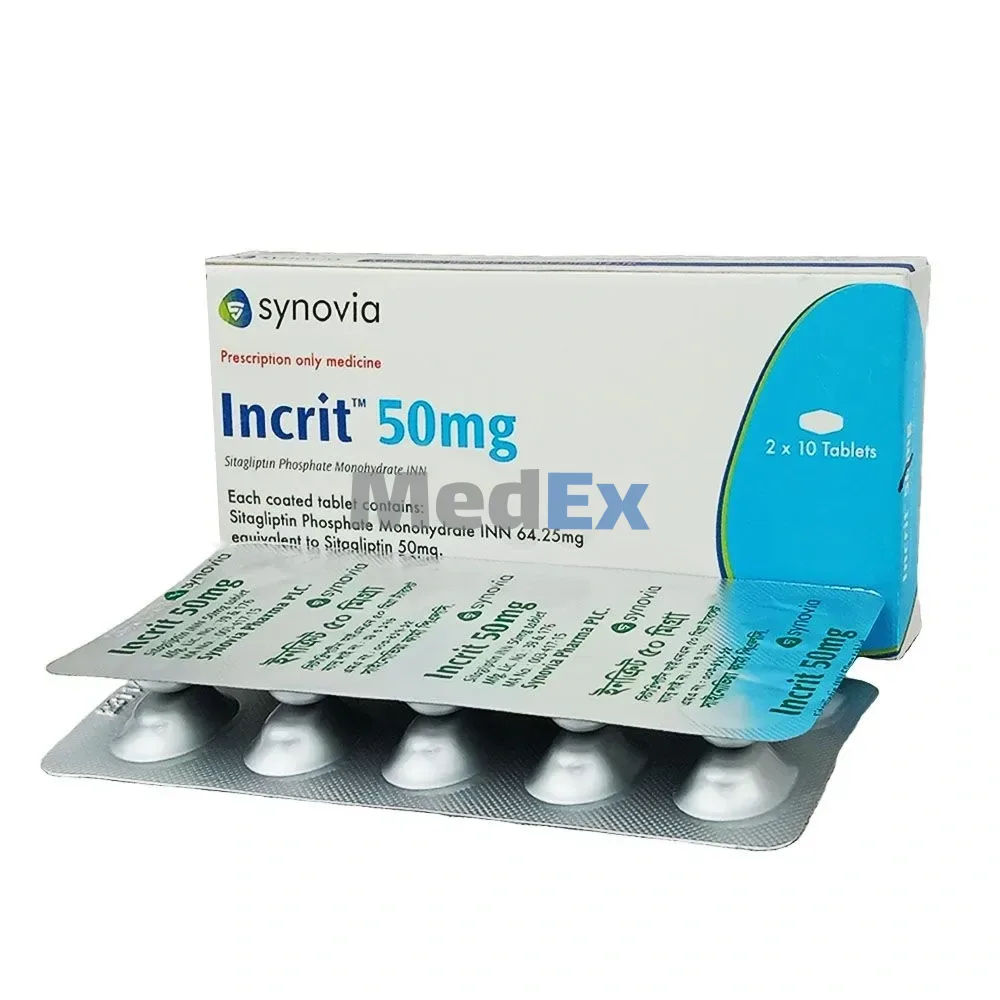
Incrit
Glipita
Sitazid
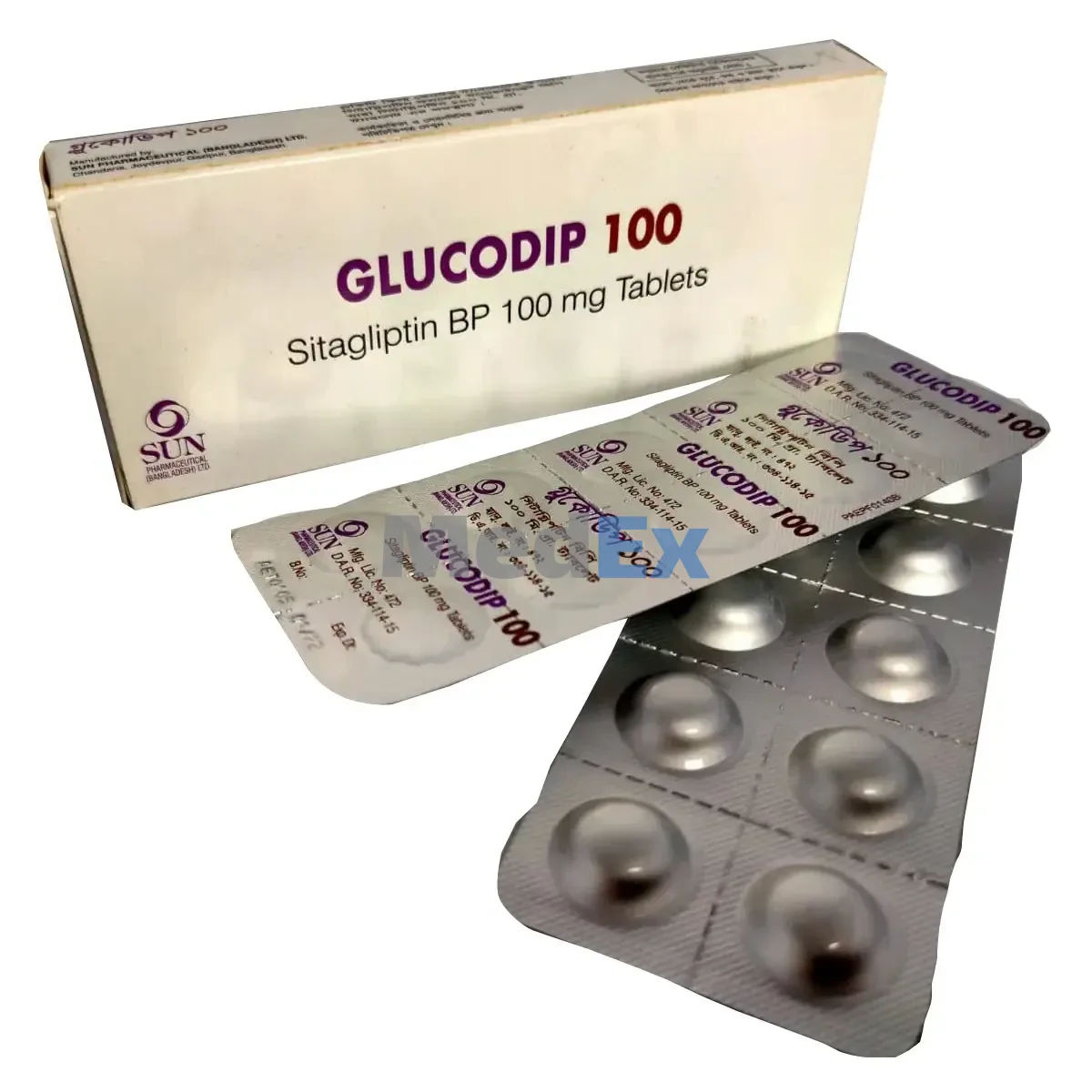
Glucodip
SB-Sita
SGN
Sigtil
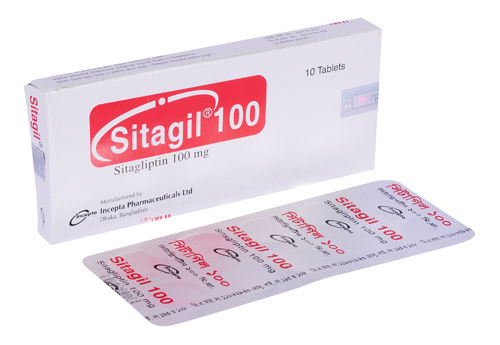
Sitagil
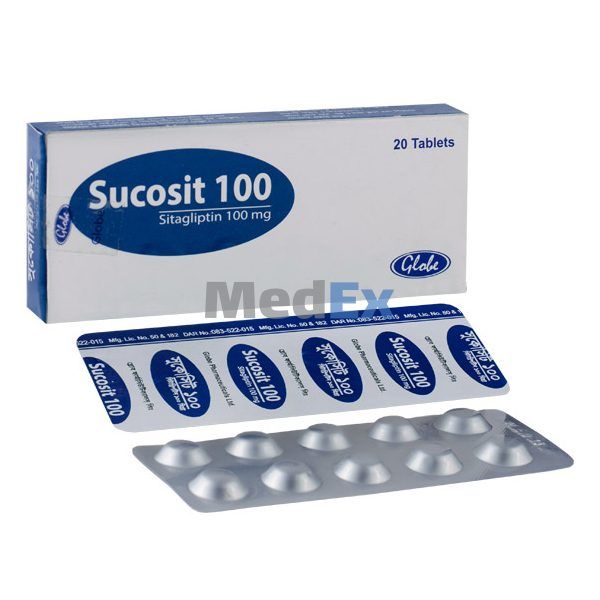
Sucosit
Janvia
Sitadus
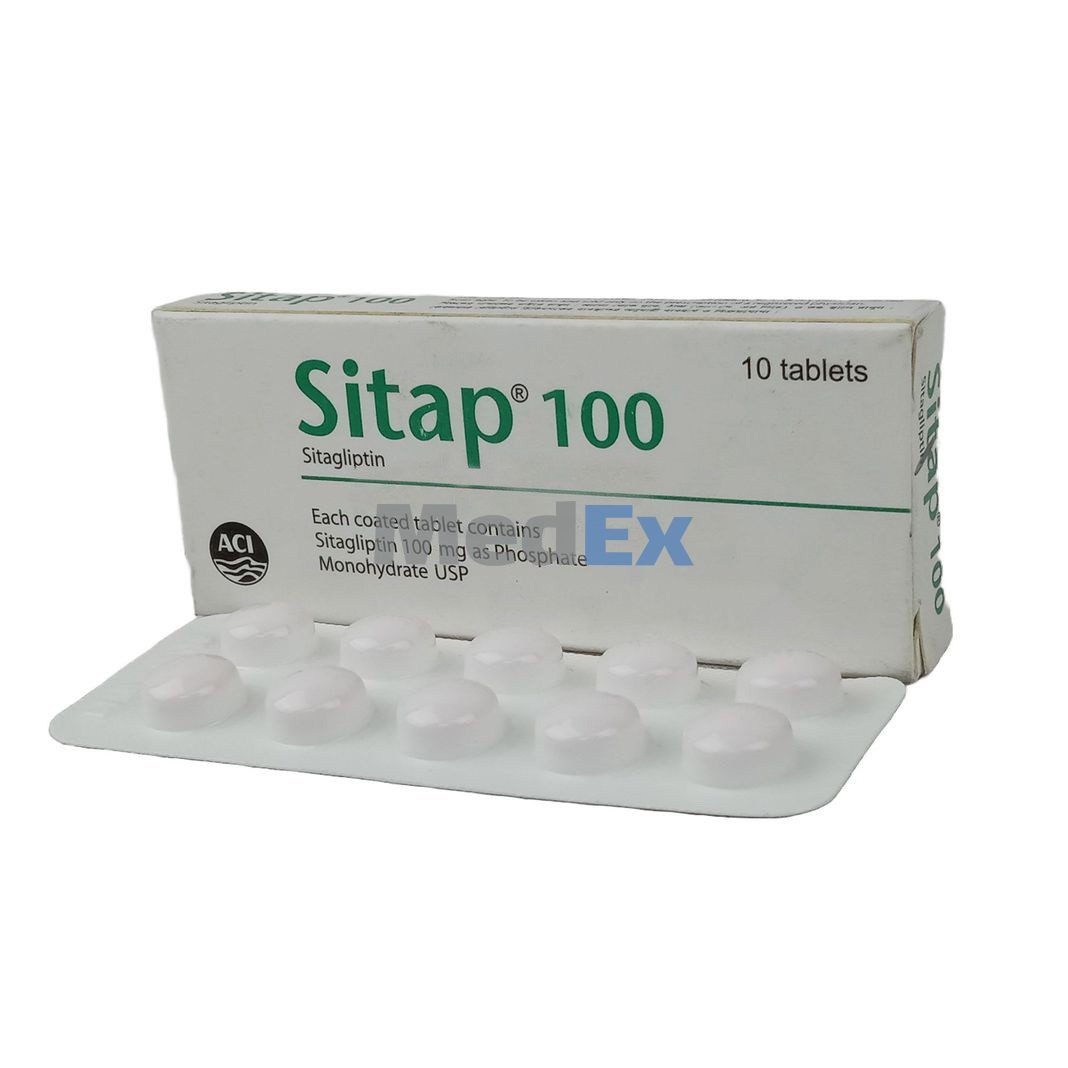
Sitap
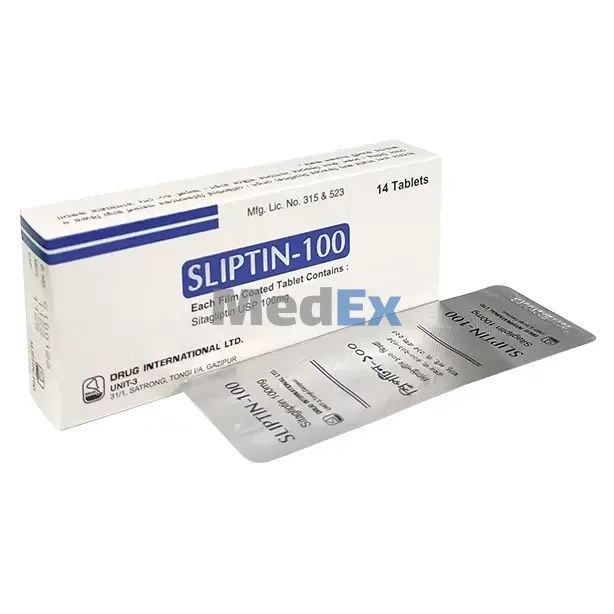
Sliptin
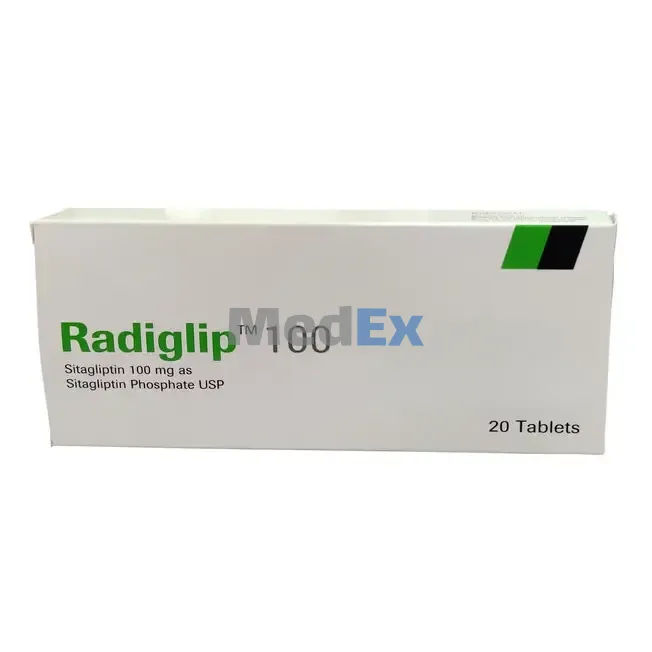
Radiglip
Silinor
Incrit
📖 Official Clinical Monograph
DGDA Approved Prescribing GuidelinesMonotherapy and Combination Therapy
: D-Glip is indicated as an adjunct to diet and exercise to improve glycemic control in adults with type 2 diabetes mellitus.
Important Limitations of Use
: D-Glip should not be used in patients with type 1 diabetes
... Read more
Monotherapy and Combination Therapy
: D-Glip is indicated as an adjunct to diet and exercise to improve glycemic control in adults with type 2 diabetes mellitus.
Important Limitations of Use
: D-Glip should not be used in patients with type 1 diabetes or for the treatment of diabetic ketoacidosis, as it would not be effective in these settings. D-Glip has not been studied in patients with a history of pancreatitis. It is unknown whether patients with a history of pancreatitis are at increased risk for the development of pancreatitis while using D-Glip.
The recommended dose of sitagliptin is 50 mg twice a day and 100 mg once daily. Sitagliptin can be taken with or without food.
History of a serious hypersensitivity reaction to sitagliptin, such as anaphylaxis or angioedema.
The most common adverse reactions include headache, upper respiratory tract infection and nasopharyngitis. Hypoglycemia may occur in patients treated with the combination to D-Glip and sulfonylurea and add on to insulin.
If pancreatitis is suspected, D-Glip should promptly be discontinued and appropriate management should be initiated.
Use in Patients with Renal Insufficiency
: Dosage adjustment is recommended in patients with moderate or severe renal insufficiency and in patients with ESRD requiring hemodialysis or peritoneal dialysis.
Use with medications known to cause Hypoglycemia
: When D-Glip is used in combination therapy dosage adjustment of sulfonylurea or insulin may be required to reduce the risk of hypoglycemia.
Hypersensitivity Reactions
: There have been post-marketing reports of serious hypersensitivity reactions in patients treated with D-Glip. These reactions include anaphylaxis, angioedema, and exfoliative skin conditions including Stevens-Johnson syndrome. If a hypersensitivity reaction is suspected, discontinue D-Glip, assess for other potential causes for the event, and institute alternative treatment for diabetes.
Sitagliptin is a DPP-4 inhibitor, which is believed to exert its actions in patients with type 2 diabetes by slowing the inactivation of incretin hormones. Concentrations of the active intact hormones are increased by Sitagliptin, thereby increasing and prolonging the action of these hormones. Incretin hormones, including glucagon-like peptide-1 (GLP-1) and glucose-dependent insulinotropic polypeptide (GIP), are released by the intestine throughout the day, and levels are increased in response to a meal. These hormones are rapidly inactivated by the enzyme, DPP-4. The incretins are part of an endogenous system involved in the physiologic regulation of glucose homeostasis. When blood glucose concentrations are normal or elevated, GLP-1 and GIP increase insulin synthesis and release from pancreatic beta cells by intracellular signaling pathways involving cyclic AMP. GLP-1 also lowers glucagon secretion from pancreatic alpha cells, leading to reduced hepatic glucose production. By increasing and prolonging active incretin levels, Sitagliptin increases insulin release and decreases glucagon levels in the circulation in a glucose-dependent manner. Sitagliptin demonstrates selectivity for DPP-4 and does not inhibit DPP-8 or DPP-9 activity in vitro at concentrations approximating those from therapeutic doses.