Ranolazine
💊 Brand Formulations & Prices
9 brands sorted by unit price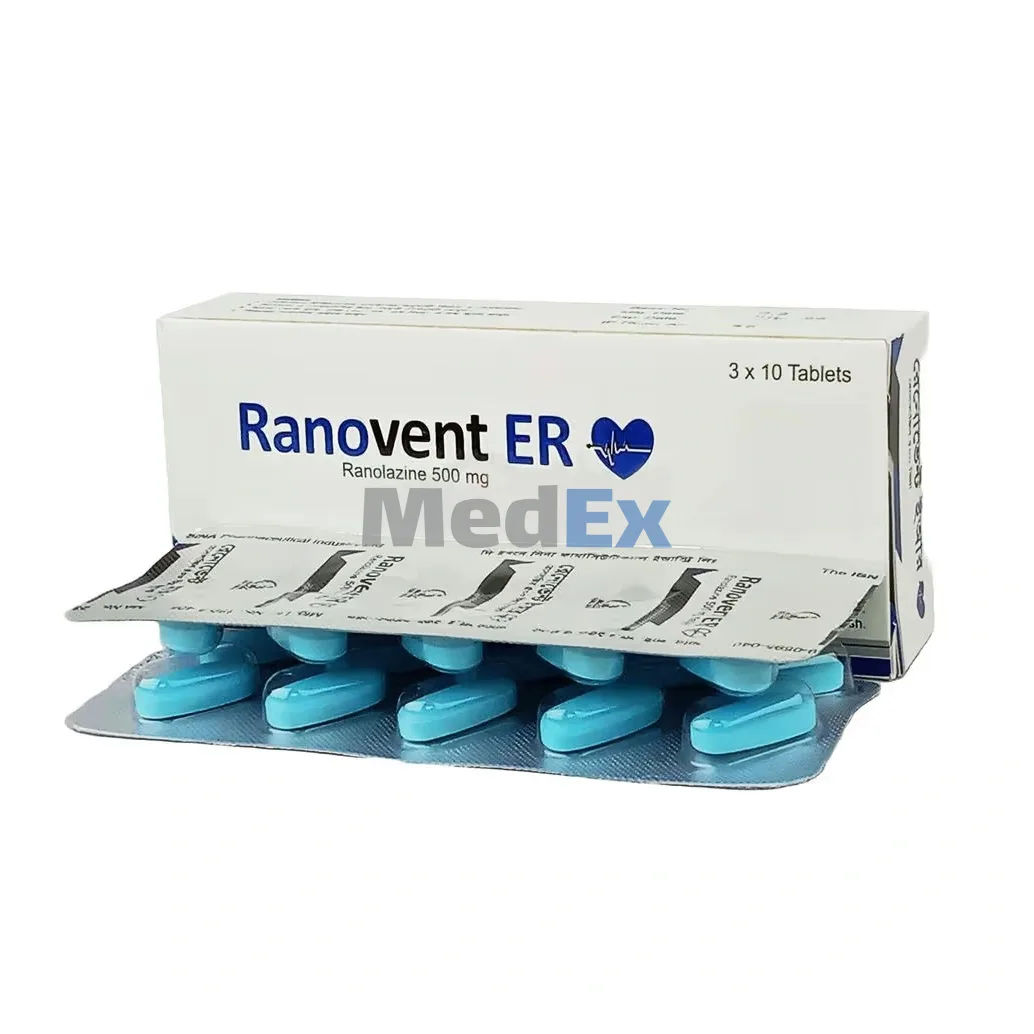
Ranovent ER
Ranocard-ER
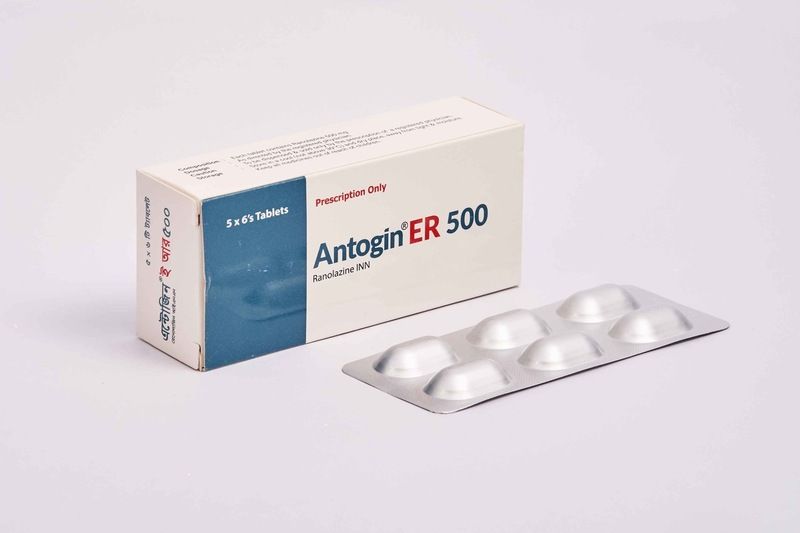
Antogin ER
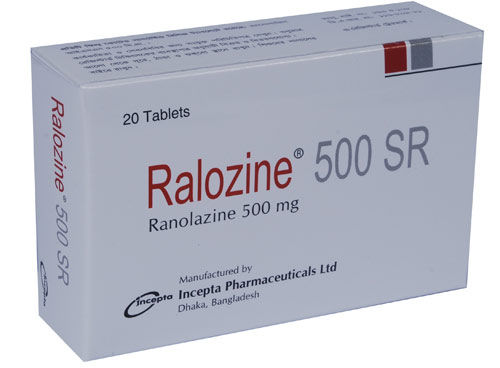
Ralozine SR
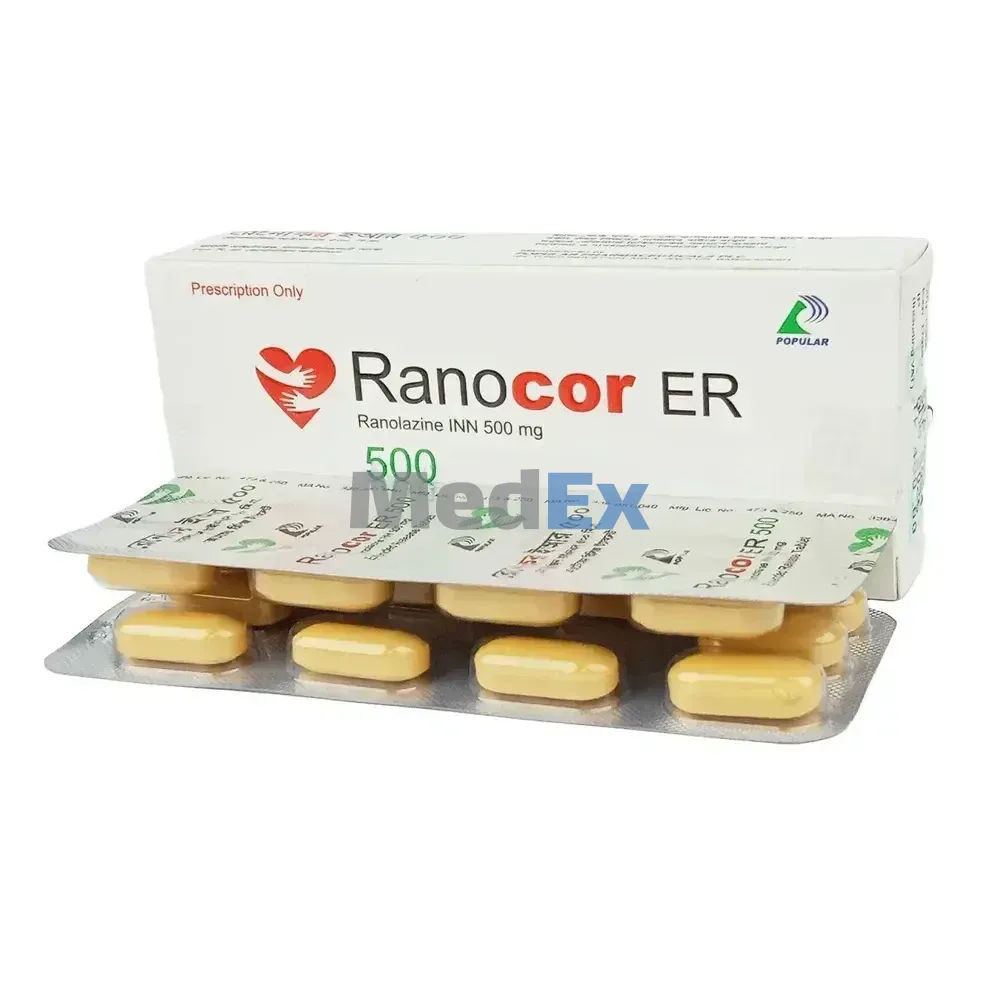
Ranocor ER
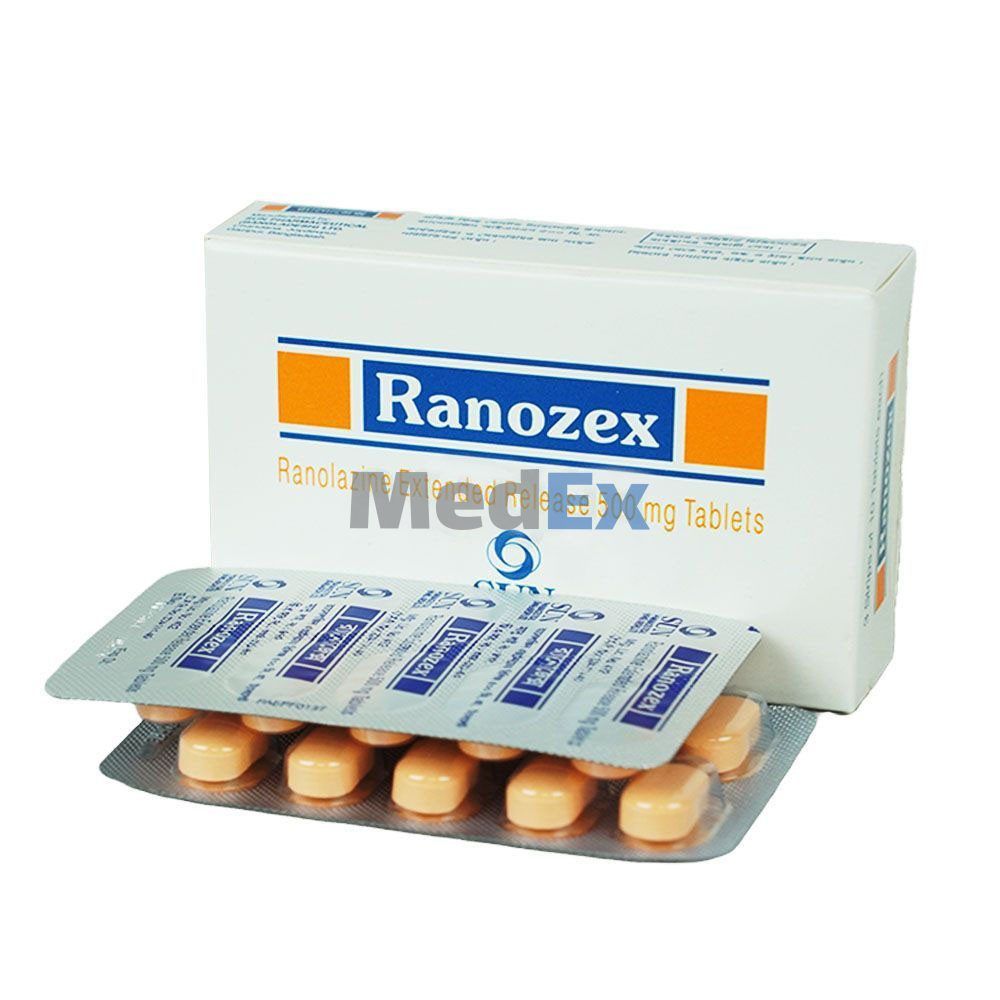
Ranozex
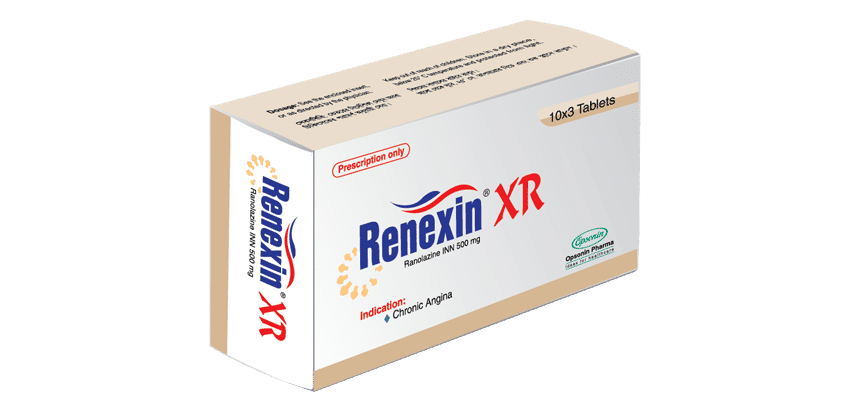
Renexin XR
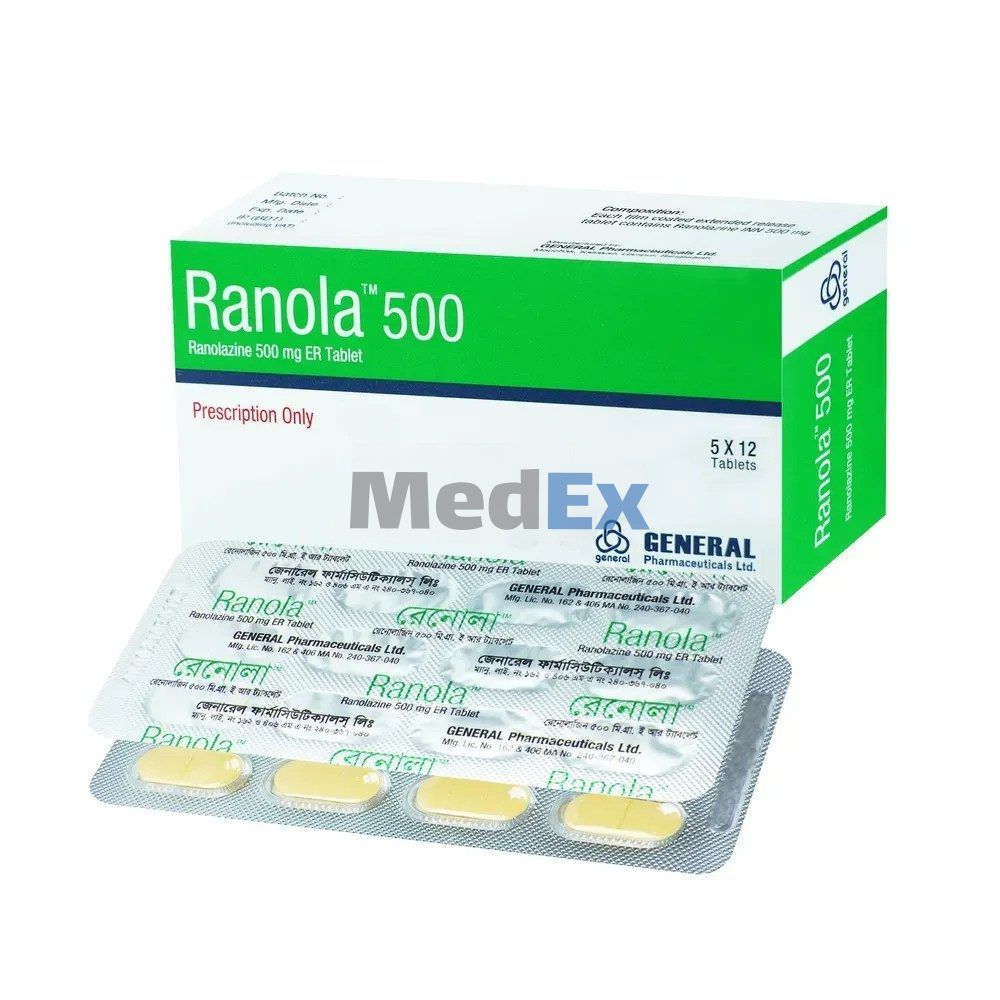
Ranola
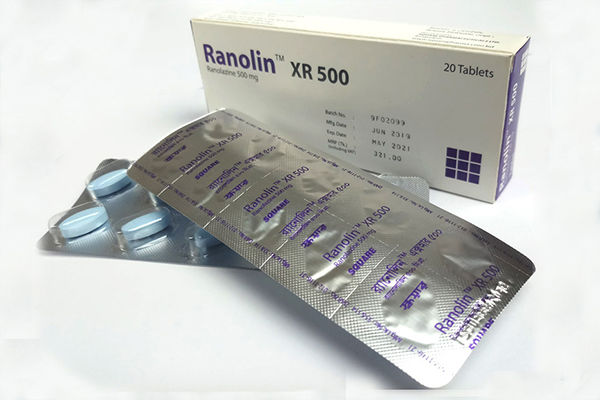
Ranolin XR
📖 Official Clinical Monograph
DGDA Approved Prescribing GuidelinesAntogin ER is indicated for the treatment of chronic angina. Antogin ER may be used with beta-blockers, nitrates, calcium channel blockers, anti-platelet therapy, lipid-lowering therapy, ACE inhibitors, and angiotensin receptor blockers. It has been shown to decrease angina episodes in patients with
... Read more
Antogin ER is indicated for the treatment of chronic angina. Antogin ER may be used with beta-blockers, nitrates, calcium channel blockers, anti-platelet therapy, lipid-lowering therapy, ACE inhibitors, and angiotensin receptor blockers. It has been shown to decrease angina episodes in patients with coronary artery disease on maximal doses of amlodipine. Because Antogin ER prolongs the QT interval, it should be reserved for patients who have not achieved an adequate response with other antianginal drugs.The effect on angina rate or exercise tolerance appeared to be smaller in women than men.
Initiate Ranolazine dosing at 500 mg twice daily and increase to 1000 mg twice daily, if needed, based on clinical symptoms. Take Ranolazine with or without meals. Swallow Ranolazine tablets whole; do not crush, break or chew. The maximum recommended daily dose of Ranolazine is 1000 mg twice daily. If a dose of Ranolazine is missed, take the prescribed dose at the next scheduled time; do not double the next dose.
Pediatric use: Safety and effectiveness in pediatric patients have not been established.
Ranolazine is contraindicated in patients:
With pre-existing QT prolongation
With hepatic impairment
Taking QT prolonging drugs
Taking potent and moderately potent CYP3A inhibitors such as ketoconazole, itraconazole, clarithromycin, nefazodone, nelfinavir, ritonavir, indinavir, and saquinavir, including diltiazem.
Cardiac Disorders: bradycardia, palpitations
Ear and Labyrinth Disorders: tinnitus, vertigo
Gastrointestinal Disorders: abdominal pain, dry mouth, vomiting
General Disorders and Administrative Site Adverse Events: peripheral edema
Respiratory, Thoracic, and Mediastinal Disorders: dyspnea
Vascular Disorders: hypotension, orthostatic hypotension
Antogin ER blocks QTc and prolongs the QTc interval in a dose-related manner. Clinical experience in an acute coronary syndrome population did not show an increased risk of proarrhythmia or sudden death.
Co-administration of Antogin ER with digoxin increases the plasma concentrations of digoxin by approximately 1.5-fold and the dose of digoxin may have to be reduced accordingly. The dose of other P-gp substrates may have to be reduced as well when Antogin ER Is co-admlnistered. Caution should be exercised when co-adminlstering Antogin ER with P-gp inhibitors such as ritonavir or cydosporine.
Ranolazine has anti-ischemlc and antlanginal effects that do not depend upon reductions in heart rate or blood pressure.The exact mechanism of action of ranolazine is unknown. Ranolazine at therapeutic levels can inhibit the cardiac late sodium current (I
Na
). However, the relationship of this inhibition to angina symptoms is uncertain. The QT prolongation effect of ranolazine on the surface electrocardiogram is the result of inhibition of I
Kr
which prolongs the ventricular action potential.
Absorption
: C
max
: 2-5 h
Half-life
: 6-22 h
Distribution
: Over the concentration range of 0.25 to 10 µg/ml, Ranolazine is approximately 62% bound to human plasma proteins.
Metabolism and Excretion
: Ranolazine is metabolized mainly by CYP3A and, to a lesser extent, by CYP2D6. Ranolazine is metabolized rapidly and extensively in the liver and intestine; less than 5% is excreted unchanged in urine and feces. Following a single oral dose of Ranolazine solution, approximately 75% of the dose is excreted in urine and 25% in feces.