Ramipril
💊 Brand Formulations & Prices
59 brands sorted by unit price
G-Ramipril

Primace
Primace
Racard
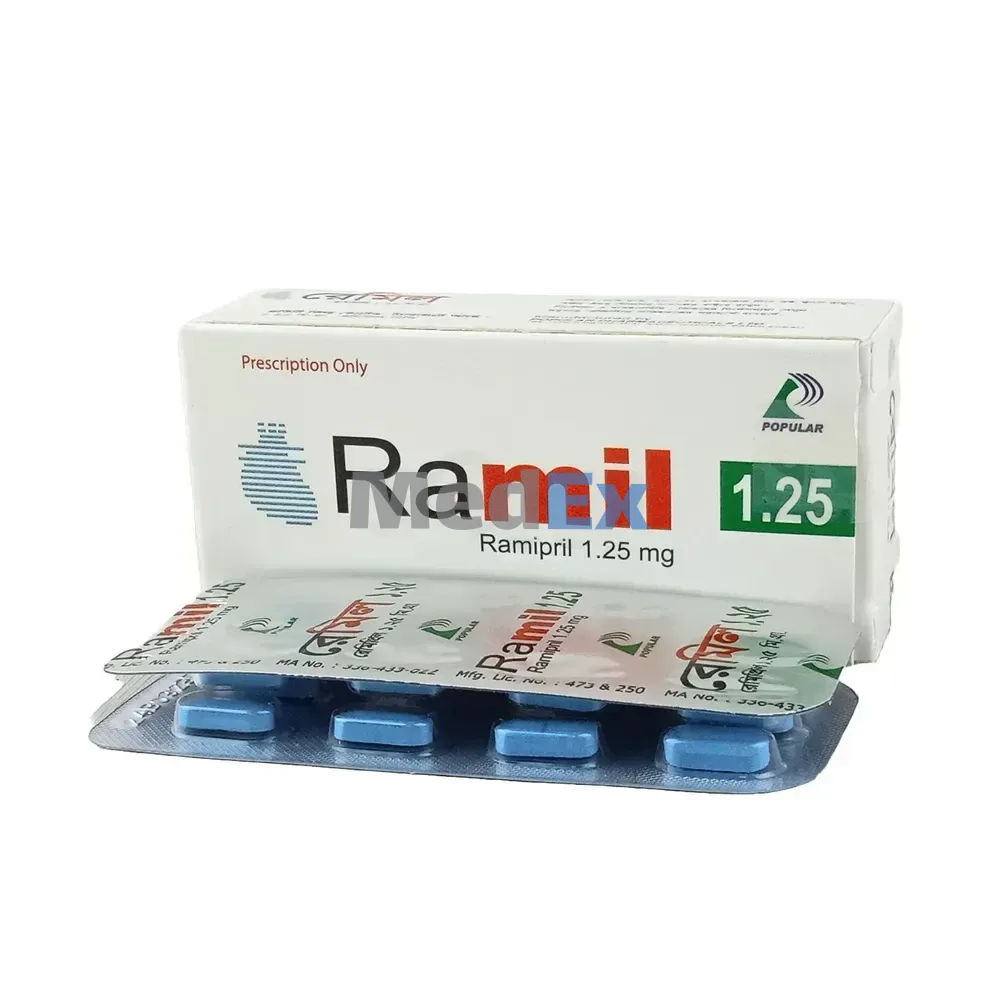
Ramil
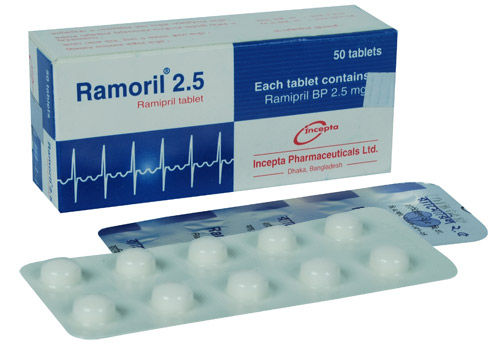
Ramoril
Ramipress
Unipril
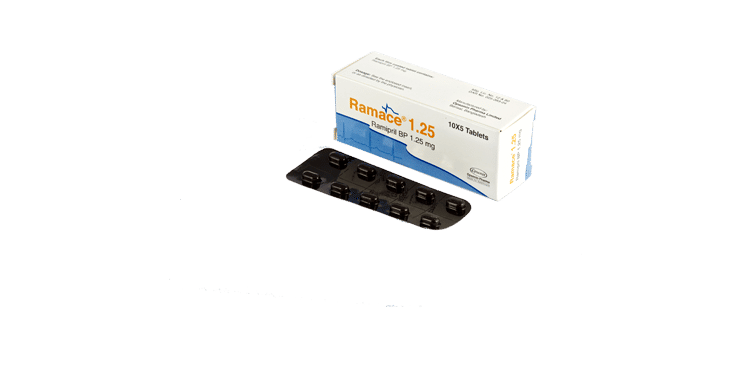
Ramace
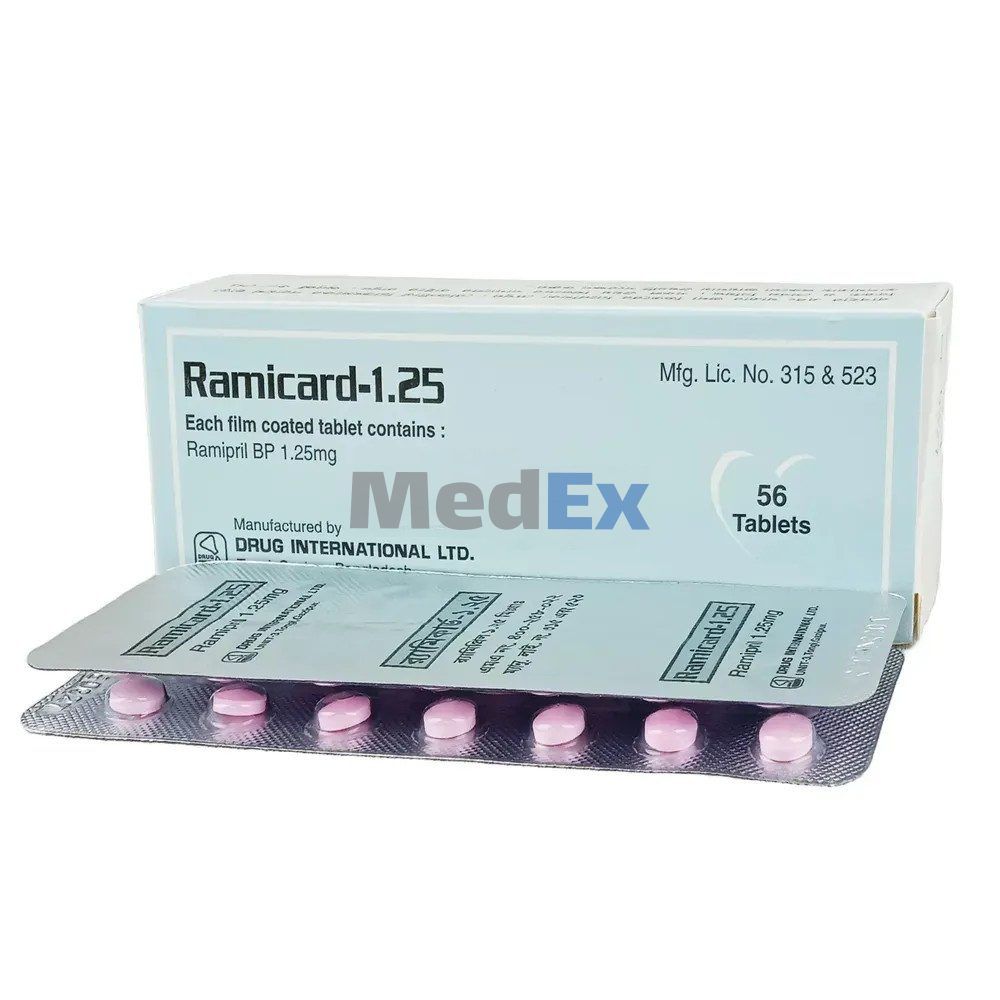
Ramicard

Acecard

R-Pil
G-Ramipril
Pricard
Ramilon
Rampril
Racard

Acecard
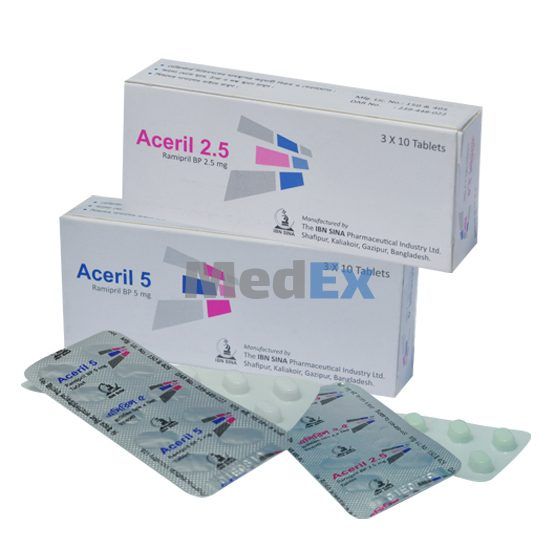
Aceril
Mypril
Primace
Primace
Protace
Ramoril
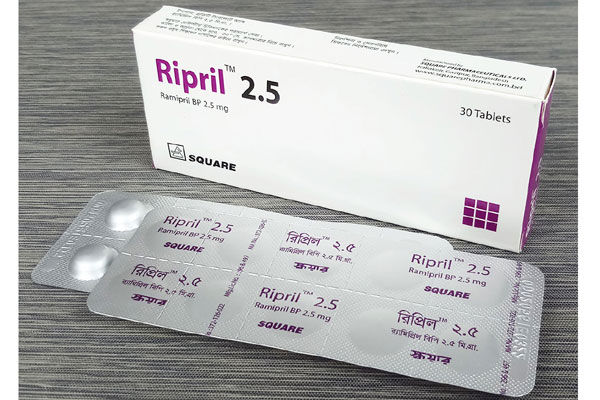
Ripril
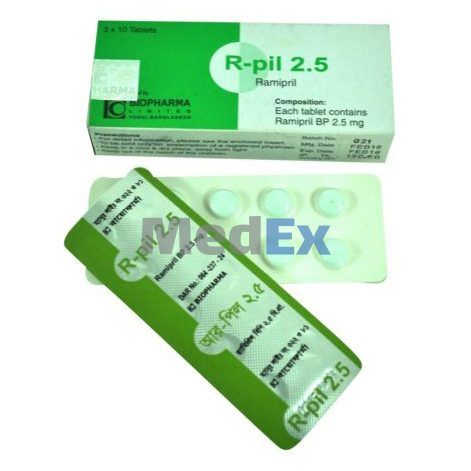
R-Pil

Ramil
Ramipress

Ramace
Unipril

Ramipro
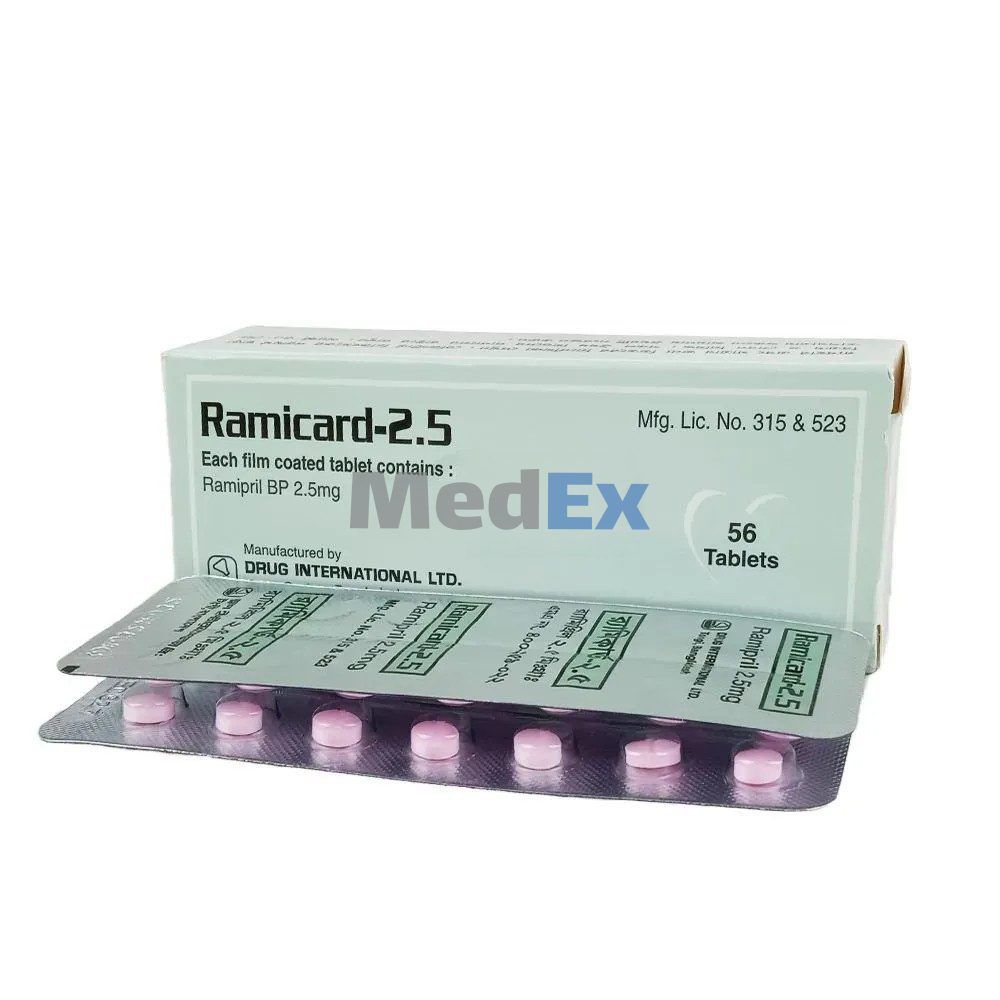
Ramicard
Ramilon

Piramil
Rampril
Acecard
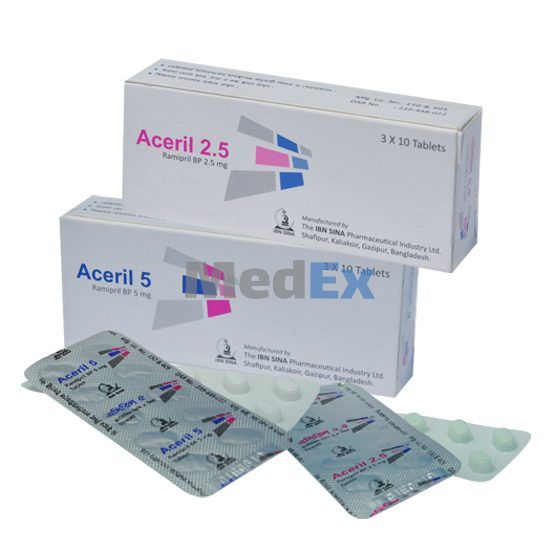
Aceril
Gepril
Hypace
Mypril
Primace
Primace
Protace
Racard
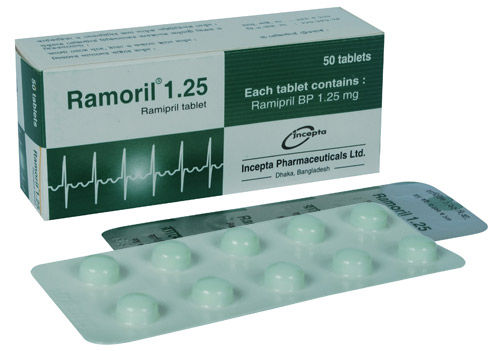
Ramoril
Ripril
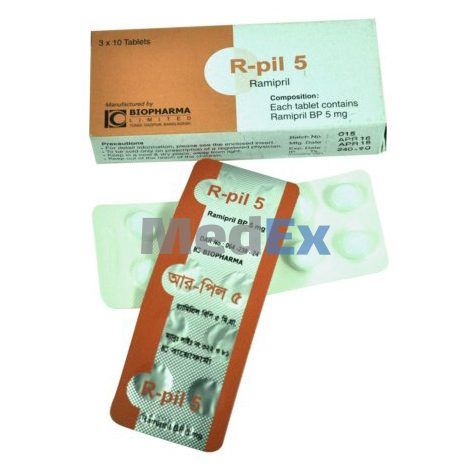
R-Pil
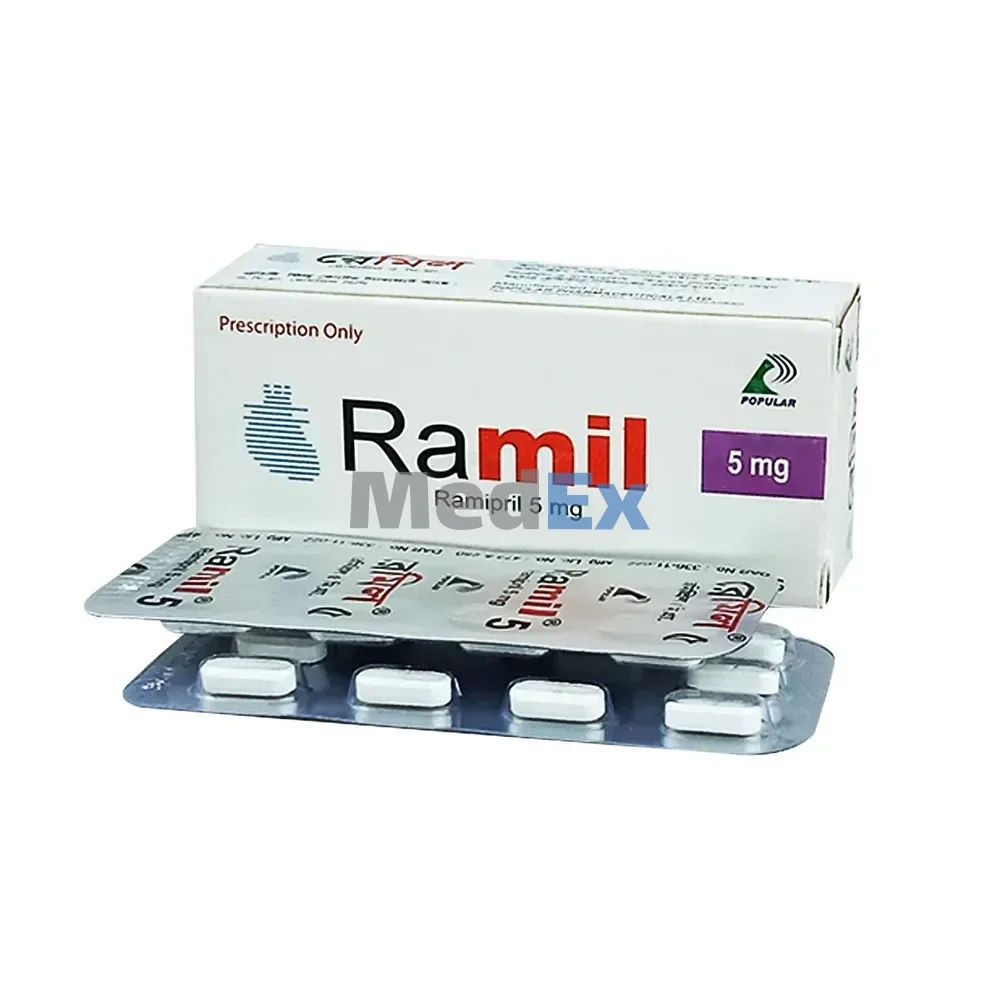
Ramil
Ramipress

Ramicard
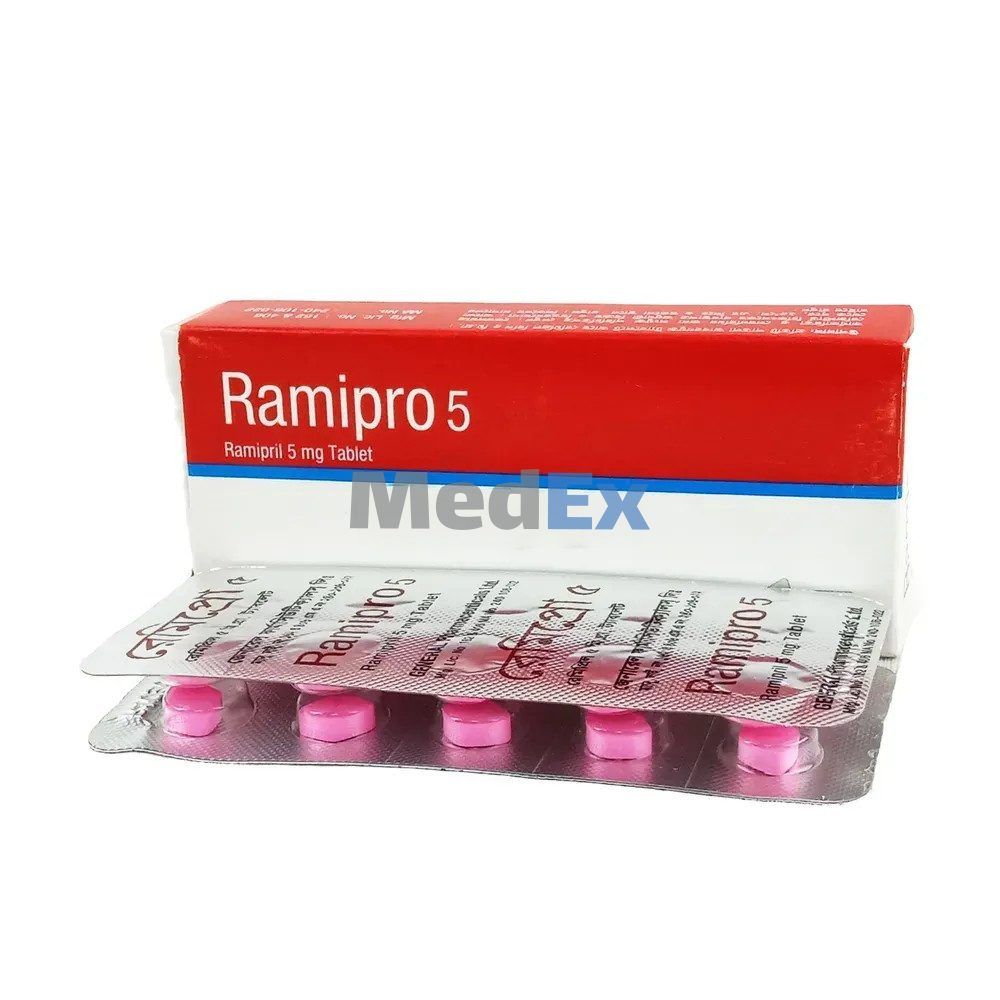
Ramipro
Ramace
Unipril

Tritace

Piramil
Primace
Primace
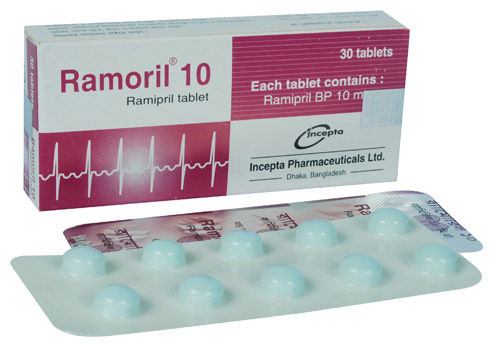
Ramoril

Tritace
📖 Official Clinical Monograph
DGDA Approved Prescribing GuidelinesAcecard tablet indicated in the following cases:
Hypertension; to lower blood pressure, as single-drug therapy or in combination with other antihypertensive agents.
Congestive heart failure; also in combination with diuretics.
Treatment of patients who- within the first few days after an acute myocardial infarction- have demonstrated clinical signs of congestive heart failure.
... Read more
Acecard tablet indicated in the following cases:
Hypertension; to lower blood pressure, as single-drug therapy or in combination with other antihypertensive agents.
Congestive heart failure; also in combination with diuretics.
Treatment of patients who- within the first few days after an acute myocardial infarction- have demonstrated clinical signs of congestive heart failure.
Treatment of non-diabetic or diabetic overt glomerular or incipient nephropathy.
Reduction in the risk of myocardial infarction, stroke, or cardiovascular death in patients with an increased cardiovascular risk, such as manifest coronary heart disease (with or without a history of myocardial infarction), a history of stroke, a history of peripheral vascular disease, or diabetes mellitus that is accompanied by at least one other cardiovascular risk factor (microalbuminuria, hypertension, elevated total cholesterol levels, low high-density lipoprotein cholesterol levels, smoking).
Ramipril must not be used
in patients with hypersensitivity to ramipril, to any other ACE inhibitor, or any of the excipients of Ramipril.
in patients with a history of angioedema.
concomitantly with sacubitril/valsartan therapy. Do not initiate Ramipril until sacubitril/valsartan is eliminated from the body. In case of switch from Ramipril to sacubitril/valsartan, do not start sacubitril/valsartan until Ramipril is eliminated from the body.
in patients with haemodynamically relevant renal artery stenosis, bilateral or unilateral in the single kidney.
in patients with hypotensive or haemodynamically unstable states.
with aliskiren-containing medicines in patients with diabetes or with moderate to severe renal impairment (creatinine clearance <60 ml/min).
with angiotensin II receptor antagonists (AIIRAs) in patients with diabetic nephropathy.
during pregnancy.
Concomitant use of ACE inhibitors and extracorporeal treatments leading to contact of blood with negatively charged surfaces must be avoided, since such use may lead to severe anaphylactoid reactions. Such extracorporeal treatments include dialysis or haemofiltration with certain high-fux (e.g. polyacrylonitril) membranes and low-density lipoprotein apheresis with dextran sulfate.
Acecard is generally well tolerated. Dizziness, headache, fatigue and asthenia are commonly reported side effects. Other side effects occurring less frequently include symptomatic hypotension, cough, nausea, vomiting, diarrhoea, rash, urticaria, oliguria, anxiety, amnesia etc. Angioneurotic oedema, anaphylactic reactions and hyperkalaemia have also been reported rarely.
Acecard should be used with caution in patients with impaired renal function, hyperkalaemia, hypotension, and impaired hepatic function.
Ramipril is an angiotensin converting enzyme (ACE) inhibitor, which after hydrolysis to ramiprilat, blocks the conversion of angiotensin I to the vasoconstrictor substance, angiotensin II. So, inhibition of ACE by ramipril results in decreased plasma angiotensin II, which leads to decreased vasopressor activity and decreased aldosterone secretion. Thus ramipril exerts its antihypertensive activity. It is also effective in the management of heart failure and reduction of the risk of stroke, myocardial infarction and death from cardiovascular events. It is long acting and well tolerated; so, can be used in long term therapy.