 Oshud
OshudPeritoneal Dialysis Solutions
 Peritoneal dialysis solution
Brands & Prices (1)
📋 Indications & Uses Dosage & Administration⚠️ Contraindications⚡ Side Effects & Adverse Reactions🛡️ Warnings & Precautions🔬 Pharmacology & Mechanism
Peritoneal dialysis solution
Brands & Prices (1)
📋 Indications & Uses Dosage & Administration⚠️ Contraindications⚡ Side Effects & Adverse Reactions🛡️ Warnings & Precautions🔬 Pharmacology & Mechanism
Brand Formulations & Prices
1 brands sorted by unit price
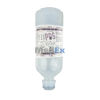
📖 Official Clinical Monograph
DGDA Approved Prescribing GuidelinesThis is used for dialysis of peritoneum.
Dosage & AdministrationIn case of intermittent peritoneal dialysis (IPD): 2 liters solution is instill into the abdominal cavity over a period of 1 hour then drained from the cavity.
The exchange should be continued for 8-36 hours.
Patients with excessive obesity and in pregnancy.
During dialysis amino acids and water soluble vitamins may be lost. Fluid and electrolyte imbalance, hypovolemia, hypotension or muscle cramping may occur.
It is used for peritoneal dialysis purposes only.
Calcium chloride
is used to prevent or treat negative calcium balance. It also regulates action potential excitation threshold to facilitate nerve and muscle performance.
Potassium chloride
is a major cation of the intracellular fluid. It plays an active role in the conduction of nerve impulses in the heart, brain and skeletal muscle; contraction of cardiac skeletal and smooth muscles; maintenance of normal renal function, acid-base balance, carbohydrate metabolism and gastric secretion.
Sodium chloride
is the major extracellular cation. It is important in electrolyte and fluid balance, osmotic pressure control and water distribution as it restores sodium ions. It is used as a source of electrolytes and water for hydration, treatment of metabolic acidosis, priming solution in haemodialysis and treatment of hyperosmolar diabetes. It is also used as diluents for infusion of compatible drug additives.
Sodium lactate
is a sterile, nonpyrogenic solution that is used for fluid and electrolyte replenishment. It has metabolic alkalinising ability and is capable of inducing diuresis depending on the clinical condition of the patient.
Dextrose
is a monosaccharide that is used as a source of calories and water for hydration. It helps to reduce loss of body protein and nitrogen. It also promotes glycogen deposition in the liver. When used with insulin, it stimulates the uptake of potassium by cells, especially in muscle tissue, thus lowering serum potassium levels.