 Oshud
OshudNaproxen Sodium
 Drugs for Osteoarthritis, Drugs used for Rheumatoid Arthritis, Non-steroidal Anti-inflammatory Drugs (NSAIDs)
Brands & Prices (121)
📋 Indications & Uses Dosage & Administration⚠️ Contraindications⚡ Side Effects & Adverse Reactions🛡️ Warnings & Precautions🔬 Pharmacology & Mechanism
Drugs for Osteoarthritis, Drugs used for Rheumatoid Arthritis, Non-steroidal Anti-inflammatory Drugs (NSAIDs)
Brands & Prices (121)
📋 Indications & Uses Dosage & Administration⚠️ Contraindications⚡ Side Effects & Adverse Reactions🛡️ Warnings & Precautions🔬 Pharmacology & Mechanism
Brand Formulations & Prices
121 brands sorted by unit price
Nasox
Bpxen
Gloxen
Naid
Napoxen
Nax-N
Nunap
Fritt
Tofa
Naxo
Ranoxen
Roxen
Roxen
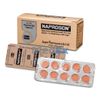
Naproson
Napasin

Nuprafen
Naproxin

Napxon-P
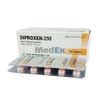
Diproxen
Pairox

Naspro

Naxin
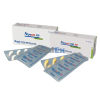
Nipoxen
Indoprox
Aktivex

Ecless

Napro-A

Napsod
Nozee
Sonap
Dolwin
Gloxen
Indoprox

Napgin
Napix
Napoxen

Napro
Naprox
Naproxen

Napryn
Nax-N
Naxsil
Nozee
Proxen
Releve
Servinaprox
Vinap
Naprocid
Ranoxen
Roxen
Zenosyn
Fritt
Roxen
Naproson
Bpxen
Naid
NAN
Nuprafen

Diproxen
Eprox
H-Nap
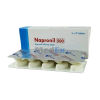
Napronil
Naproxen
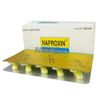
Naproxin
Napxon-P
Novaxen
Pairox
Progend
Unap
Tofa
Naxo

Xenapro
Naprofast
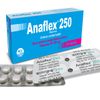
Anaflex

Annova

Ecless
Napier
Naproben
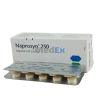
Naprosyn
Naptodin

Nupralgin
Xenap
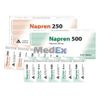
Napren
Naspro
Naxin
Napro-A
Naproxen SR
Napsod
Novas

Sonap
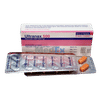
Ultranax
Naproxen
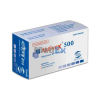
Aktivex
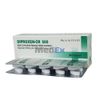
Diproxen CR
Napro
Naprox
Napryn
Xenobid

Servinaprox
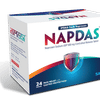
Napdas
Napryn SR
Nipoxen SR
Naxin SR
Anaflex SR
Napoxol
Anaflex
Annova
Naprosyn
Ecless
Diproxen
Suxen
Annova
Ecless
Naprox
Napryn
Anaflex
Annova
Naprox

Napryn
Naxin
Naprosyn
📖 Official Clinical Monograph
DGDA Approved Prescribing GuidelinesAktivex is indicated for the relief of sign and symptoms of-
rheumatoid arthritis
osteoarthritis
ankylosing spondylitis
juvenile arthritis
tendonitis
bursitis
acute gout
It is also indicated for the management of primary dysmenorrhea & pain.
Dosage & AdministrationNaproxen oral preparations should be taken with water preferably after meals.
Naproxen Enteric Coated Tablet: Adult:
For rheumatoid arthritis/ osteoarthritis/ ankylosing spondylitis
: For adults 500-1000 mg per day taken in two devided doses at 12- hour intervals. The maintenance dose is usually 500 mg per day taken in two devided doses at 12 - hour intervals. The total daily dose of Naproxen should not exceed 1000 mg maintaining 12-hour intervals.
For acute gout
: 750 mg should be given initially, then 250 mg every 8 hours until the attack has passed. Children under 16 years are not recommended.
For dysmenorrhoea
: For adults 500 mg should be given initially, followed by 250 mg at 6-8 hour intervals for upto 5 days, if necessary.
For other indications like analgesia and acute musculoskeletal disorders
: 500 mg should be given initially, followed by 250 mg at 6-8 hour intervals, if necessary.
Naproxen Enteric Coated Tablet: Children:
Children under 16 years are not recommended.
Naproxen Suspension: Children:
For juvenile rheumatoid arthritis
: The usual dose for children over 2 years is 10 mg/kg/day given as two divided doses at 12-hour intervals. Therapy in children under 2 years of age is not recommended. The following may be used as a guide for dosage of suspension:
13 kg (29 lb) 2.5 mL b.i.d.
25 kg (55 lb) 5 mL b.i.d.
38 kg (84 lb) 7.5 mL b.i.d.
Naproxen Gel
: Is to be applied 2-6 times a day as required and is not recommended for use in children.
Naproxen is contraindicated in patients with known hypersensitivity to Naproxen. It should not be given to patients who have experienced asthma, urticaria, or allergic-type reactions after taking aspirin or other NSAIDs. It is contraindicated for the treatment of perioperative pain in the setting of coronary artery bypass graft (CABG) surgery.
Most frequently reported side effects include following:
Gastrointestinal
: Heartburn, abdominal pain, nausea, diarrhea, dyspepsia.
Central Nervous System
: Headache, vertigo, drowsiness.
Dermatological
: Pruritus (itching), purpura.
Cardiovascular
: Edema, palpitation.
Others
: Visual disturbances, hearing disturbances.
Renal effects
: As with other non-steroidal anti- inflammatory drugs, long-term administration of naproxen to animal has resulted in renal papillary necrosis and other abnormal renal pathology. In humans, there have been reports of acute interstitial nephritis, hematuria, proteinuria and occasionally nephrotic syndrome associated with Aktivex-containing products and others NSAIDs since they have been marketed. Aktivex and its metabolites are eliminated primarily by the kidneys; therefore, the drug should be used with caution in patients with significantly impaired renal function, and the monitoring of serum creatinine and/or creatinine clearance is advised in these patients. Caution should be used if the drug is given to the patients with creatinine clearance of less than 20ml/min because accumulation of naproxen metabolites has been seen in such patients.
Hepatic effects
: There have been a few reports of moderate to severe jaundice attributed to Aktivex.
As with other non-selective NSAIDs, naproxen exerts it's clinical effects by blocking COX-1 and COX-2 enzymes leading to decreased prostaglandin synthesis. Although both enzymes contribute to prostaglandin production, they have unique functional differences. The COX-1 enzymes is constitutively active and can be found in normal tissues such as the stomach lining, while the COX-2 enzyme is inducible and produces prostaglandins that mediate pain, fever and inflammation. The COX-2 enzyme mediates the desired antipyretic, analgesic and anti-inflammatory properties offered by Naproxen, while undesired adverse effects such as gastrointestinal upset and renal toxicities are linked to the COX-1 enzyme.