Losartan Potassium + Hydrochlorothiazide
💊 Brand Formulations & Prices
63 brands sorted by unit price
Lotas Plus
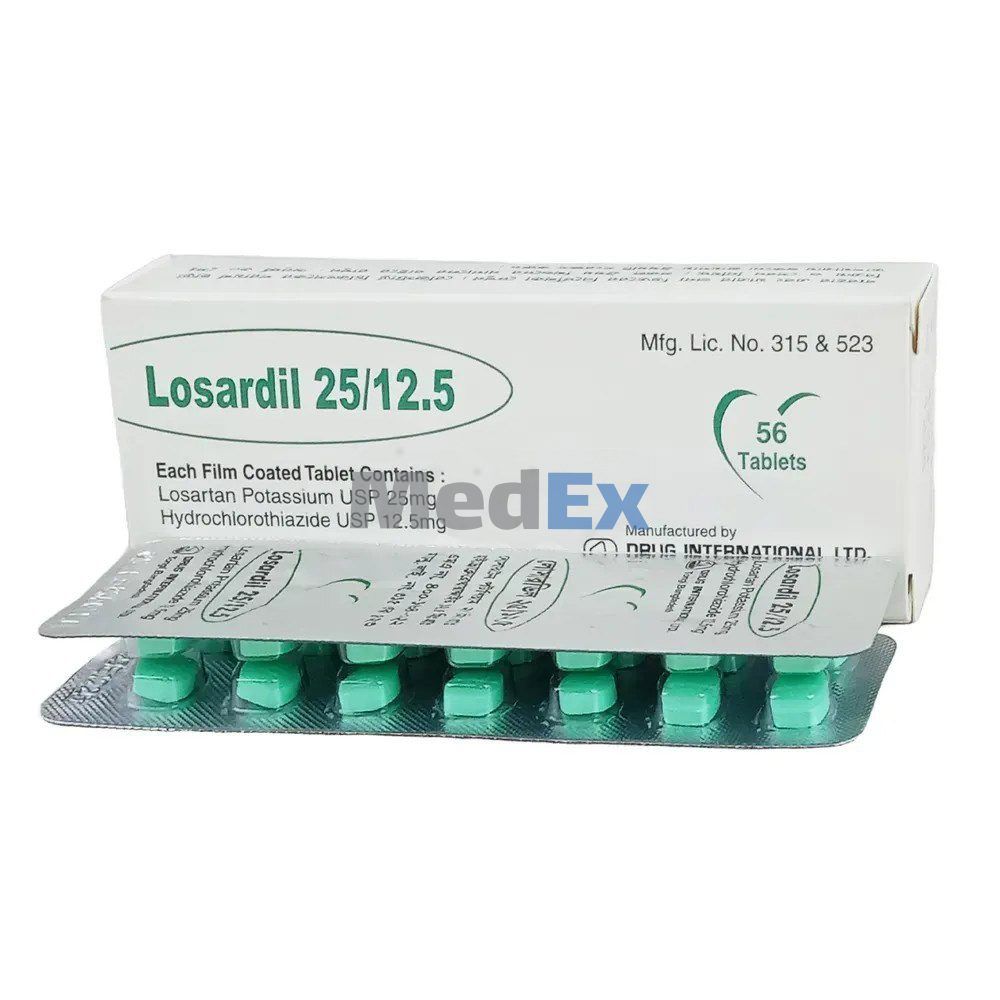
Losardil 25/12.5
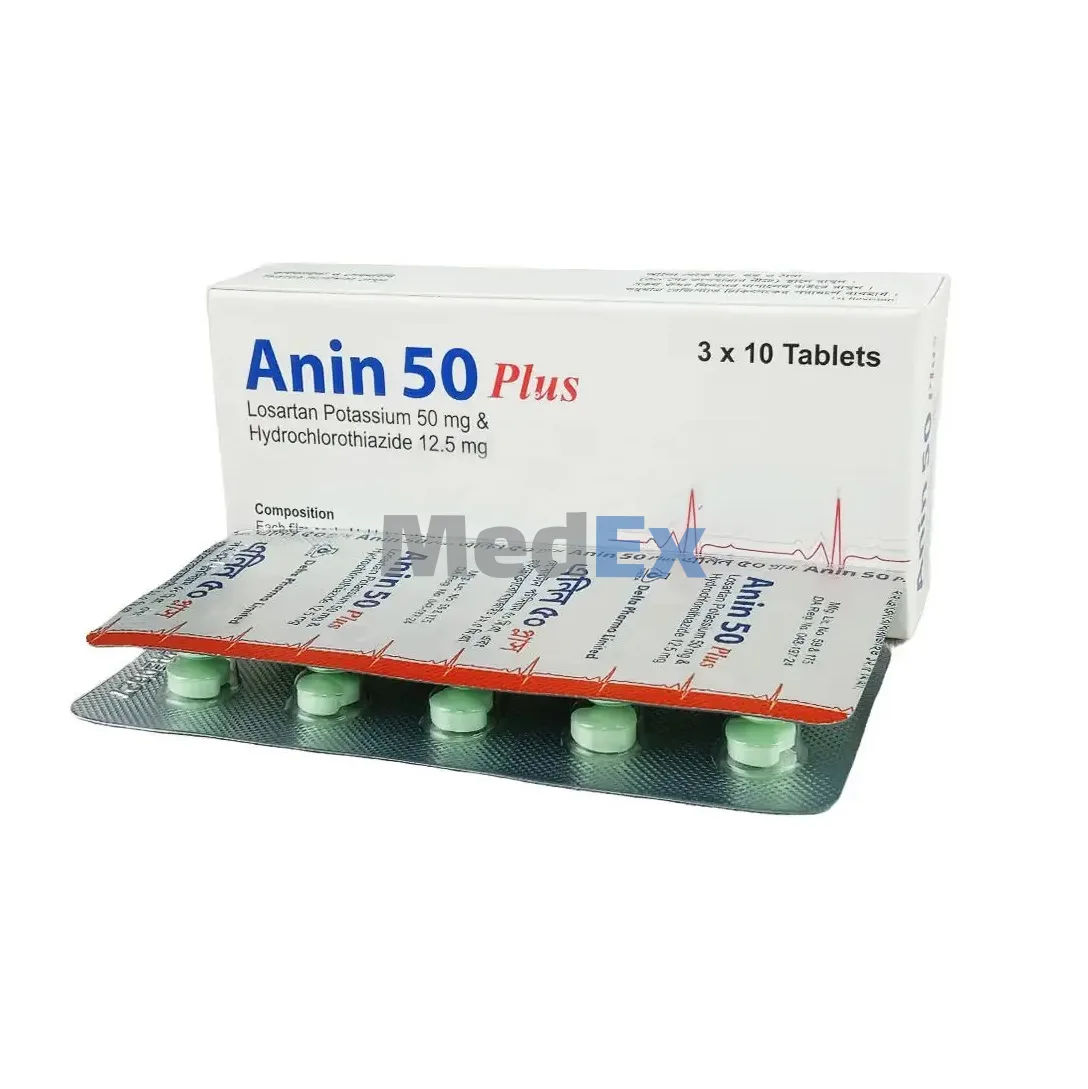
Anin Plus
Losarcar Plus
Xelotan Plus
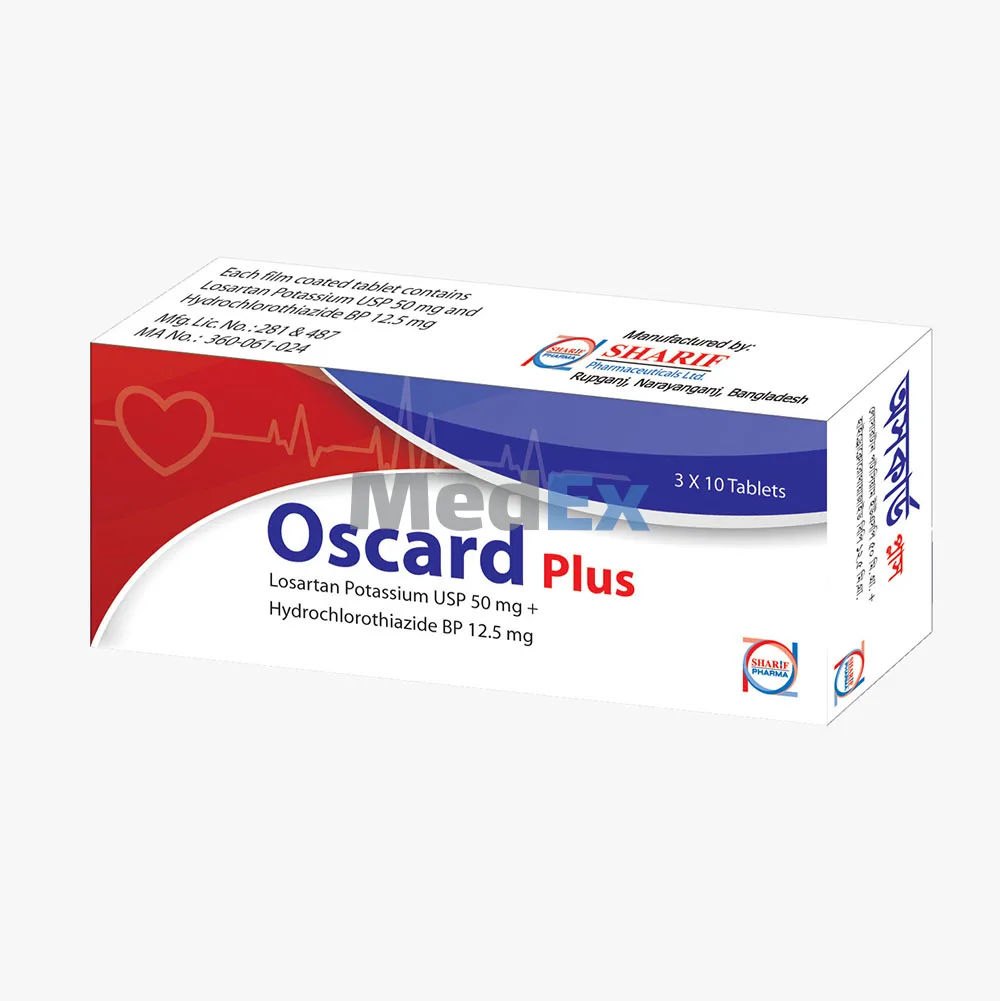
Oscard Plus
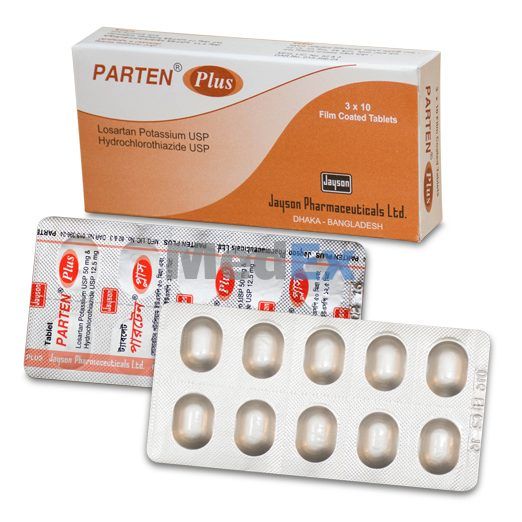
Parten Plus
Angitan Plus
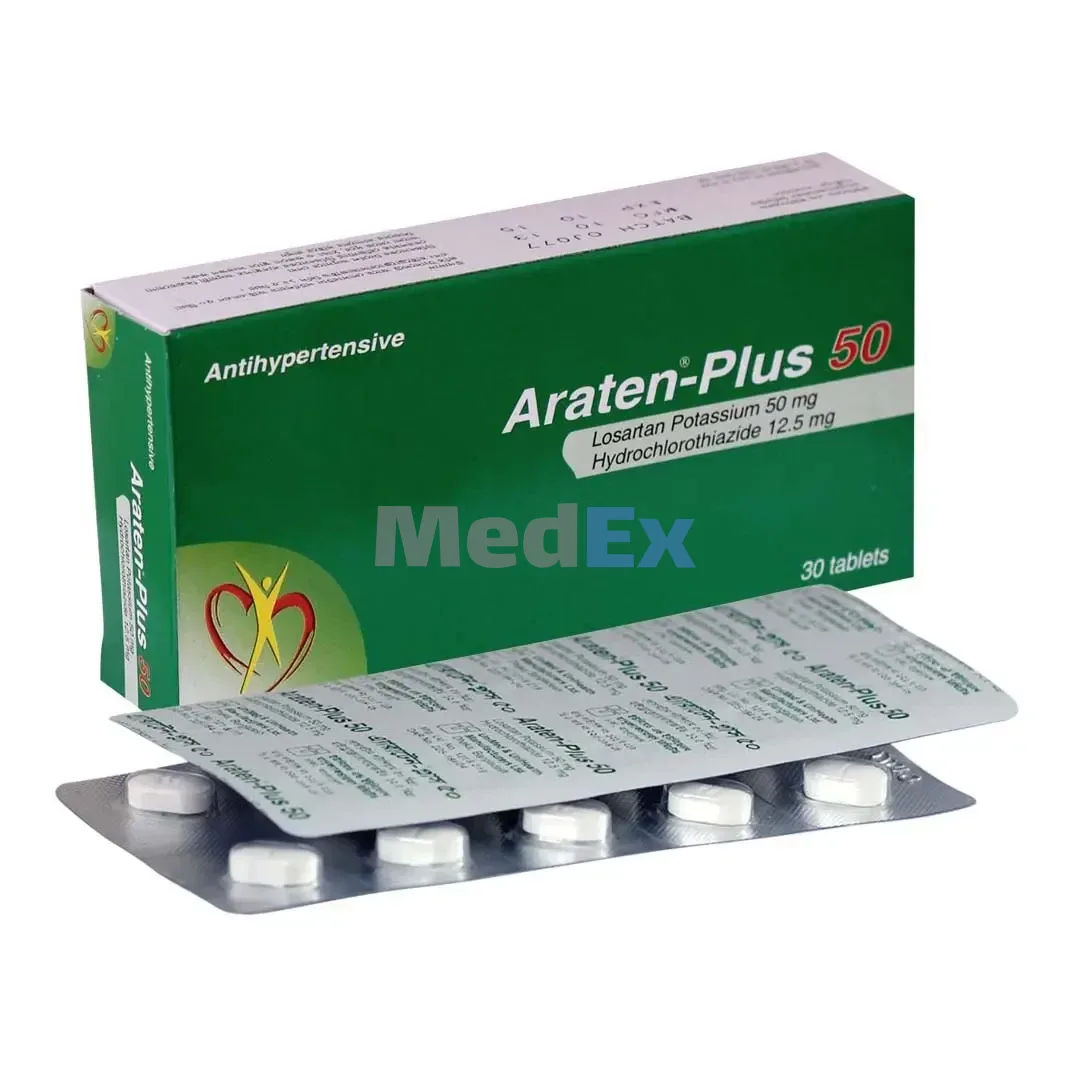
Araten Plus
Arbilon Plus
Arbium Plus
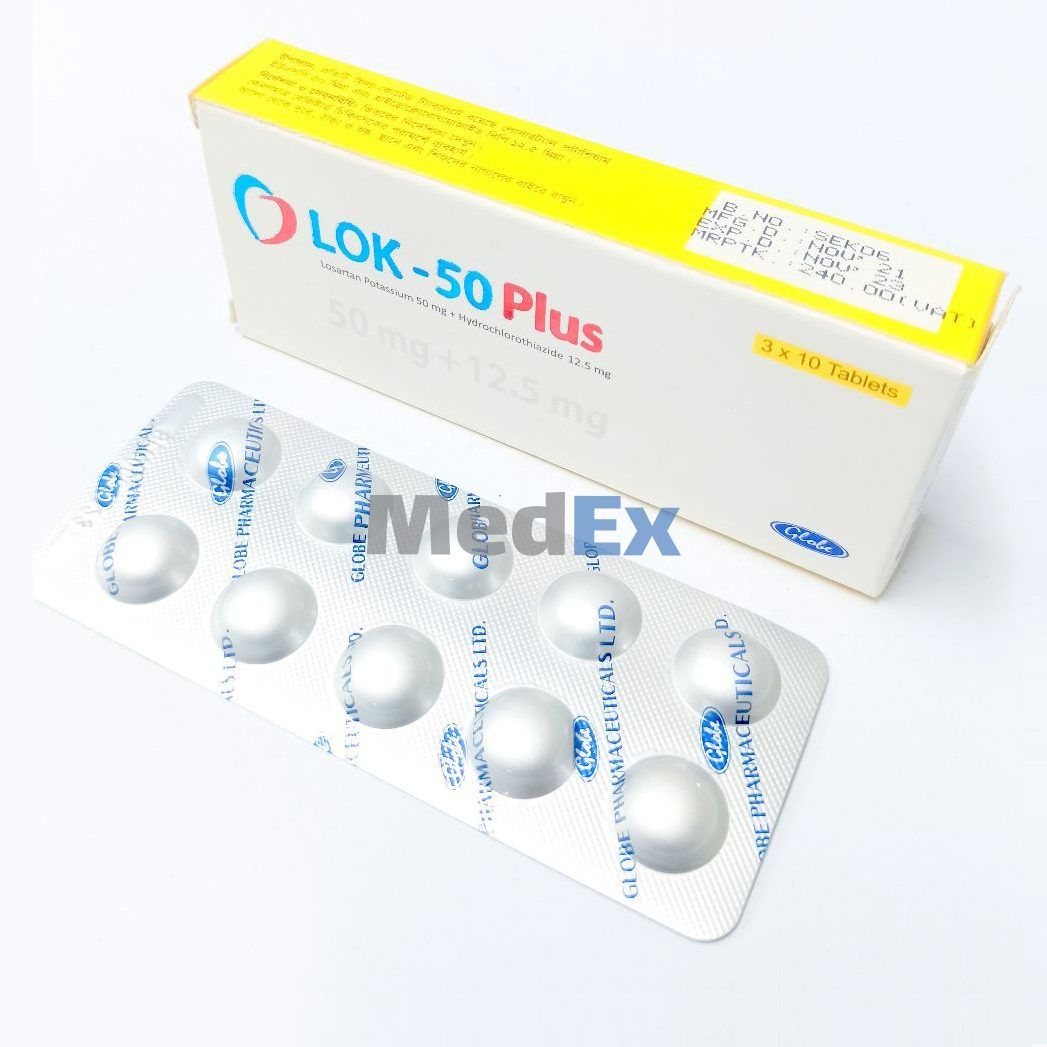
Lok Plus
Lopoten Plus
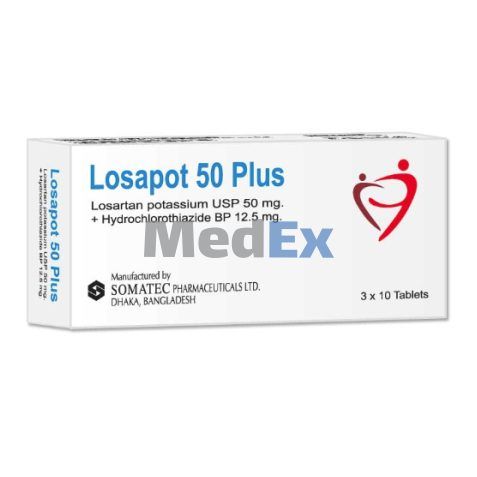
Losapot Plus
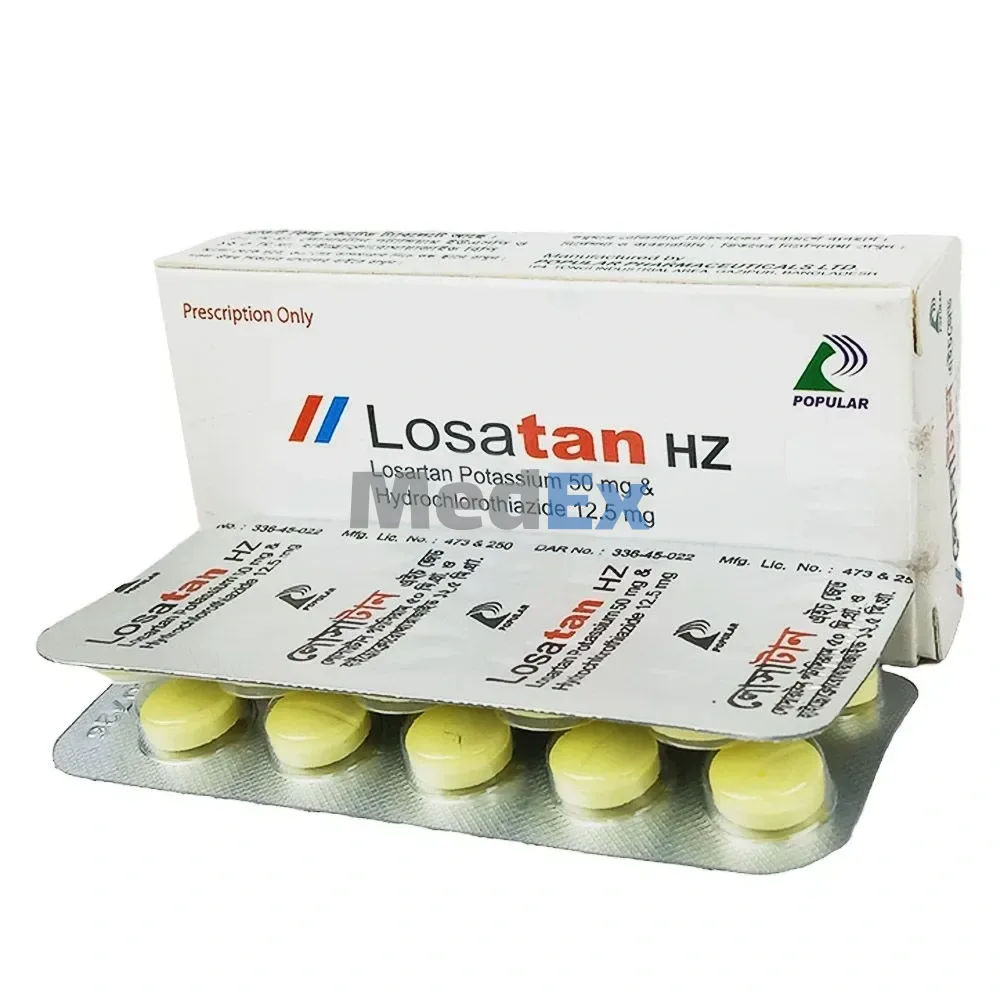
Losatan HZ
Lospil Plus
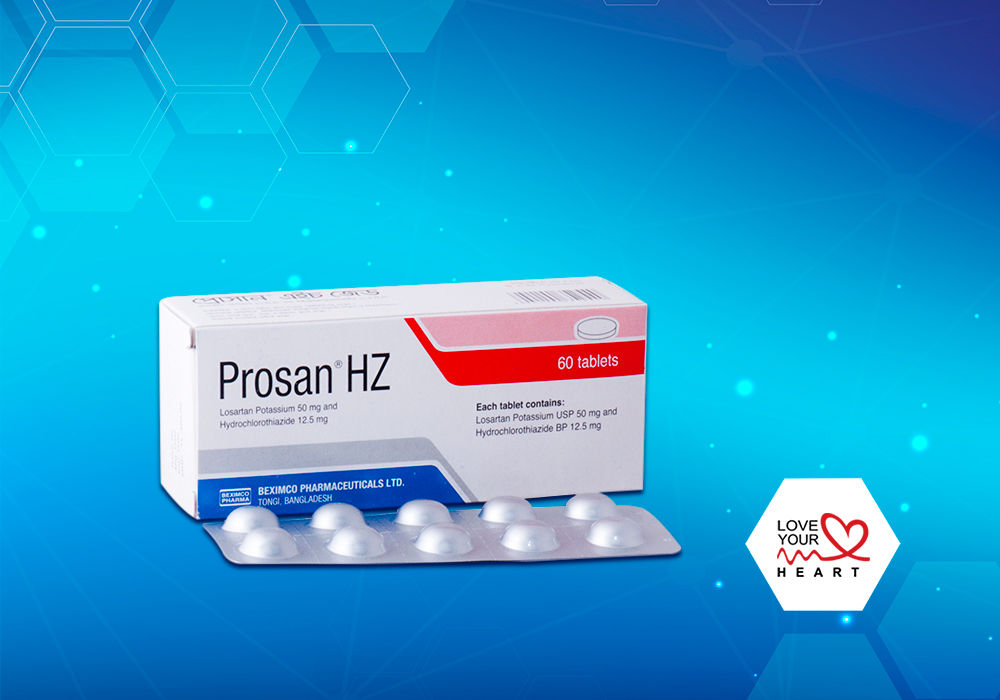
Prosan HZ
Renosart Plus
SB-Losak Plus
Acusan Plus
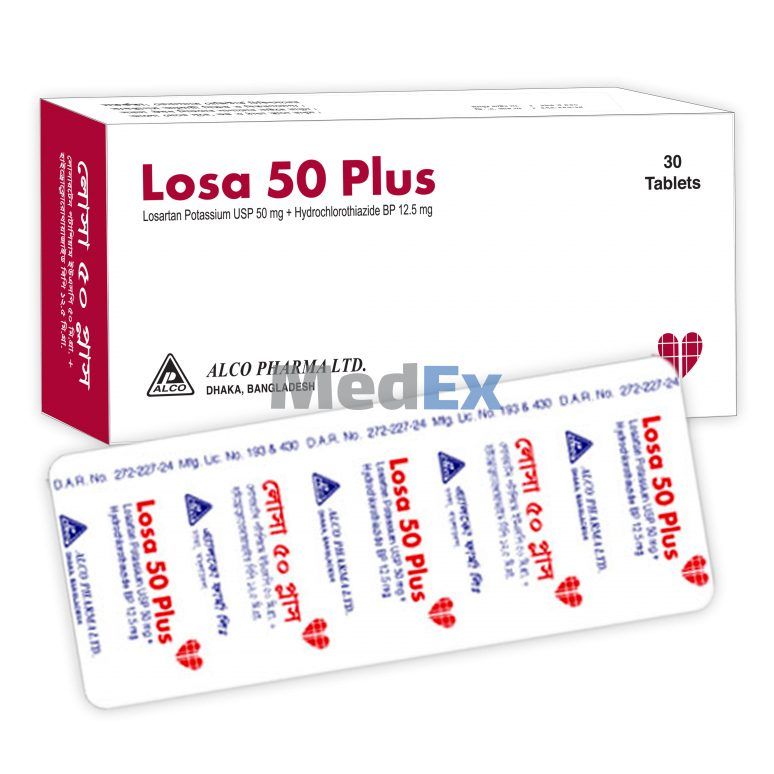
Losa Plus
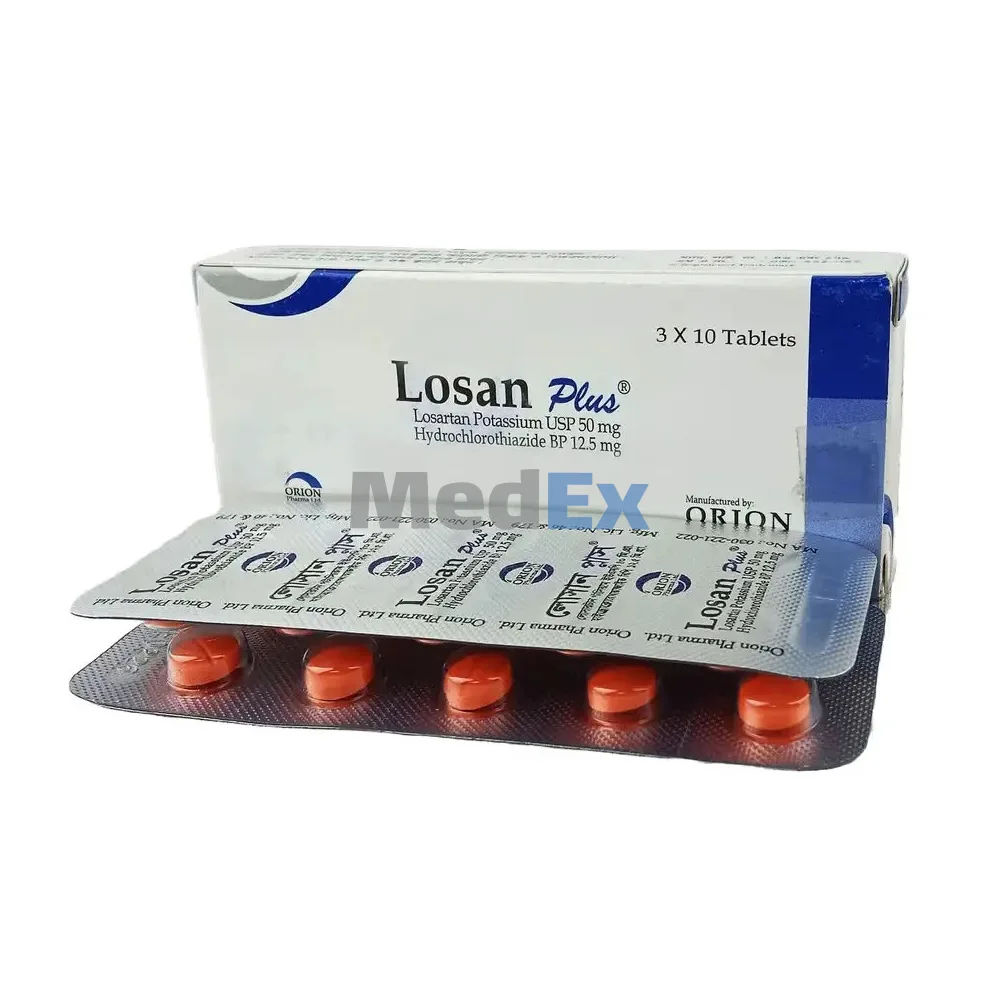
Losan Plus
Losacard HZ
Losamax-H
Losartium-H
Pertilos Plus
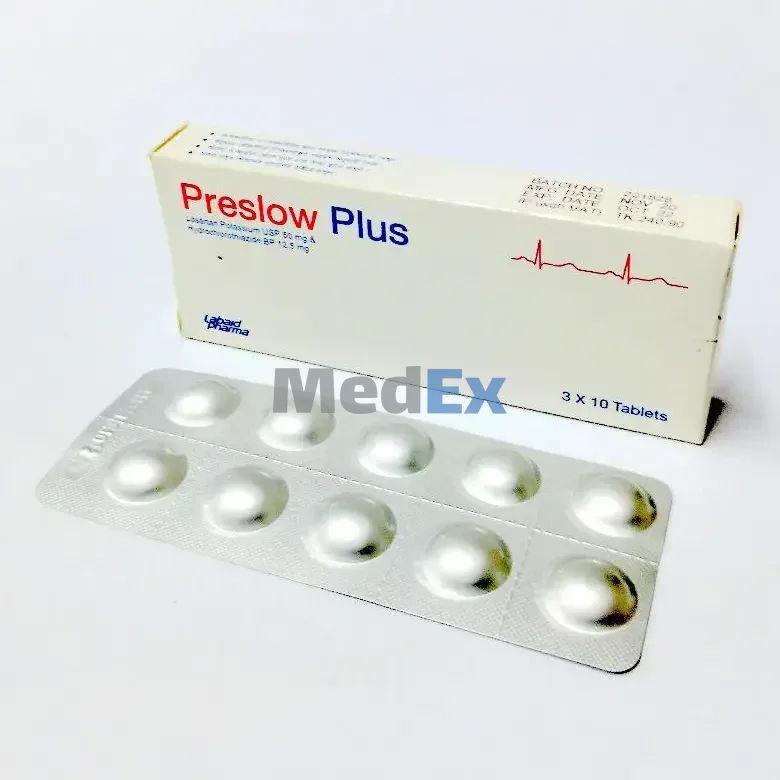
Preslow Plus
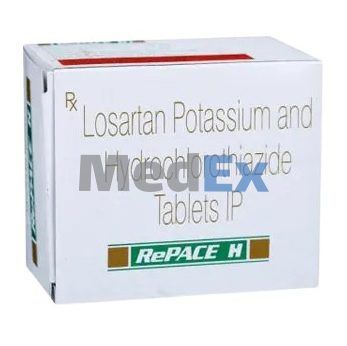
RePACE H
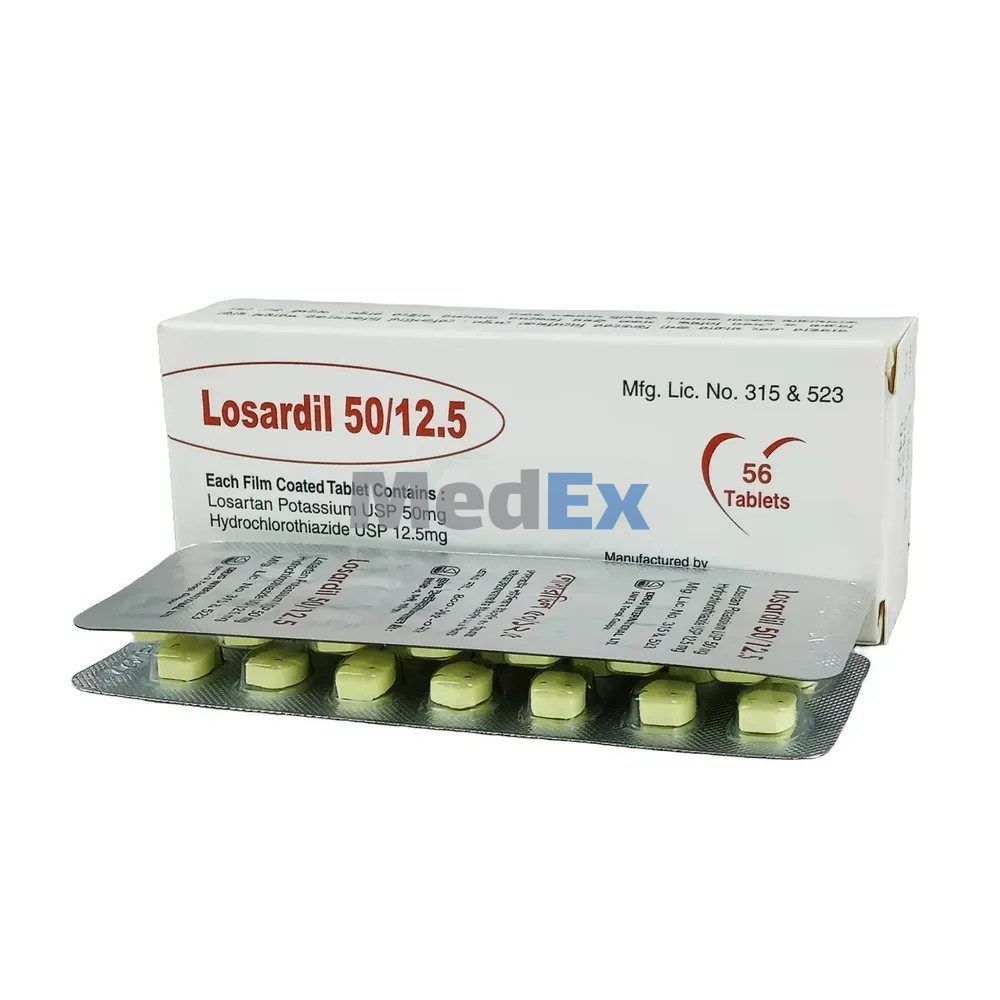
Losardil 50/12.5
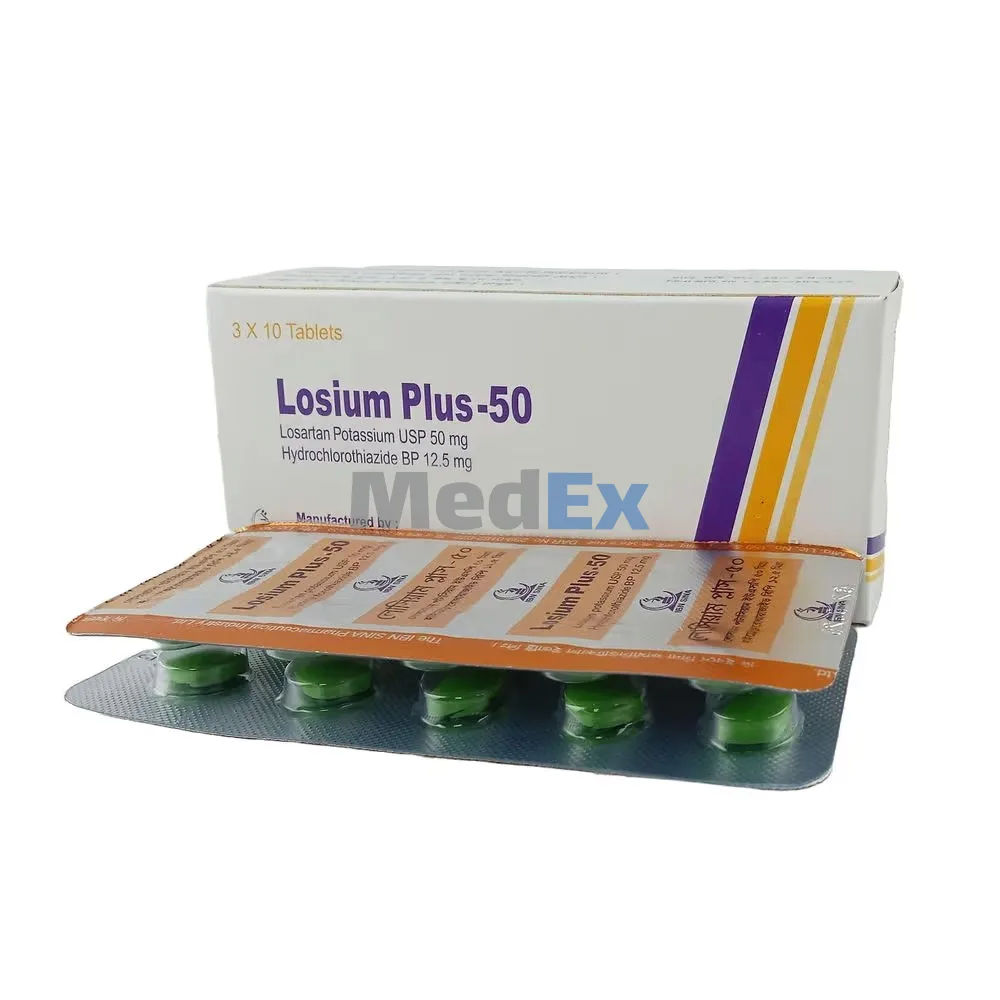
Losium Plus
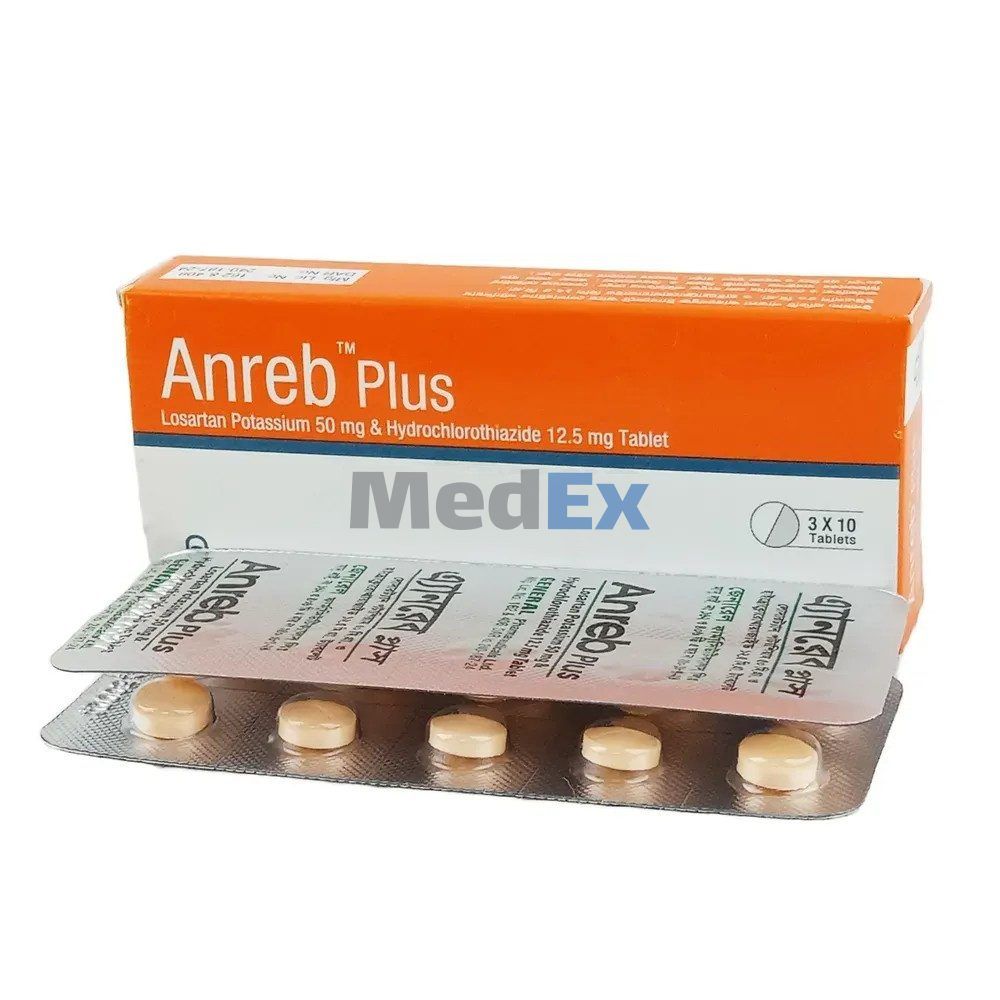
Anreb Plus
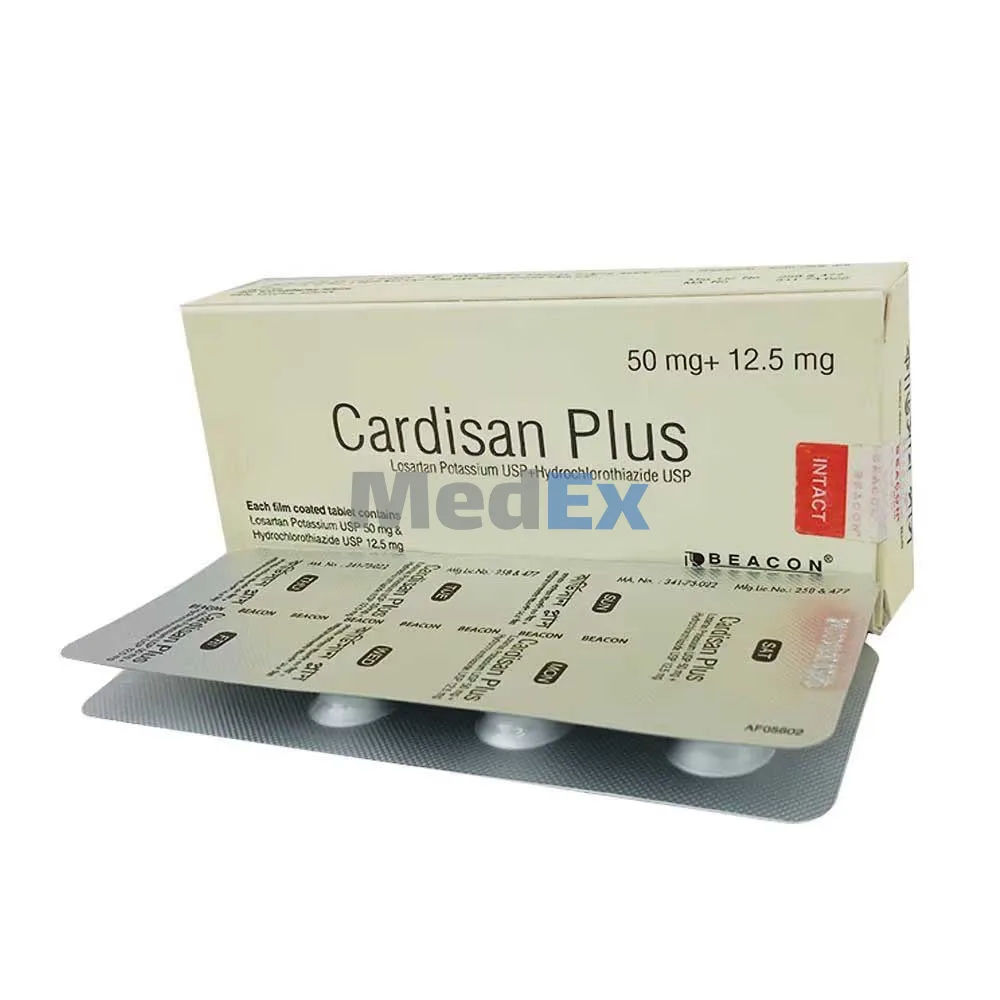
Cardisan Plus
LK Plus
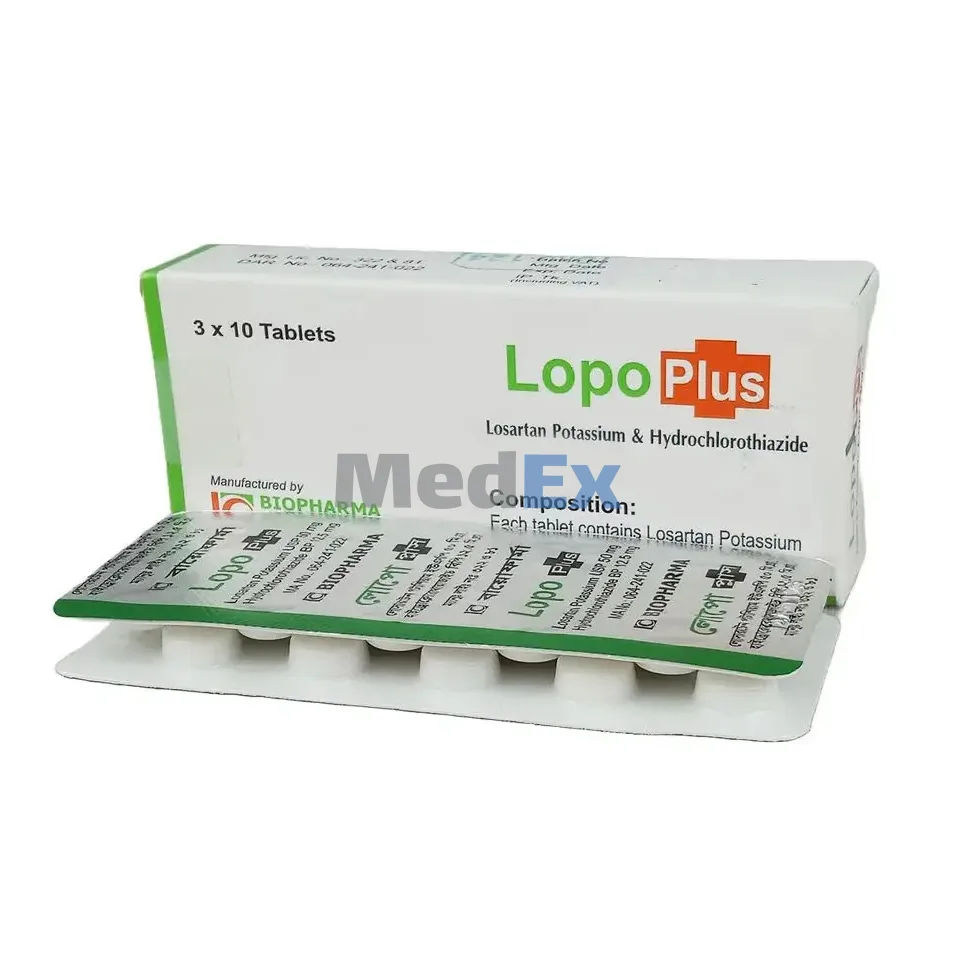
Lopo Plus
Losarpex Plus

Losart Plus
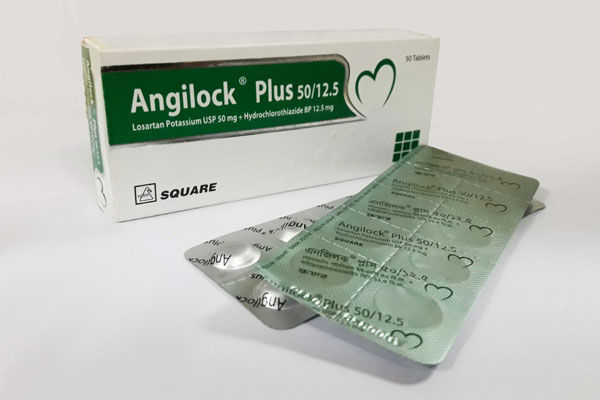
Angilock Plus
Arbium Plus
Arbium Plus
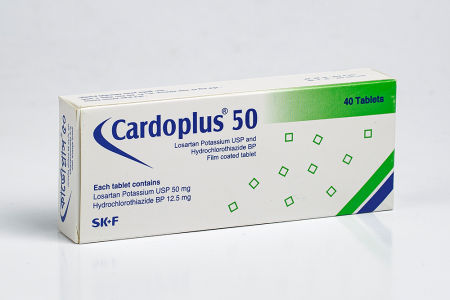
CardoPlus
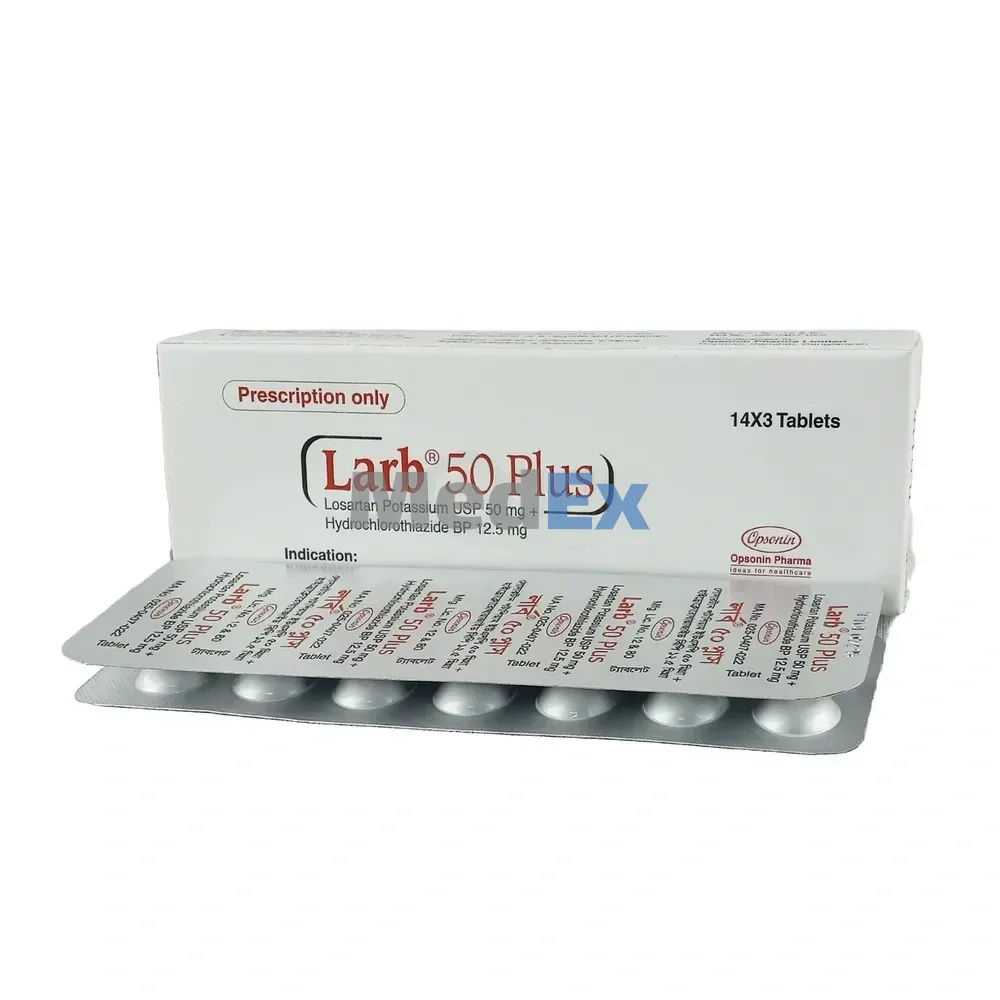
Larb Plus
Lopoten Plus
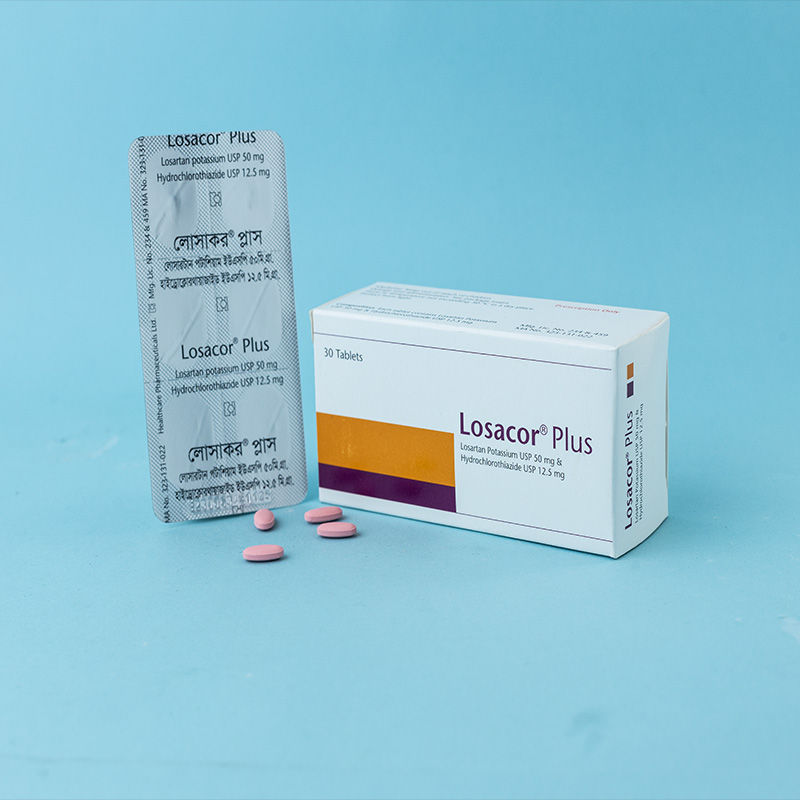
Losacor Plus
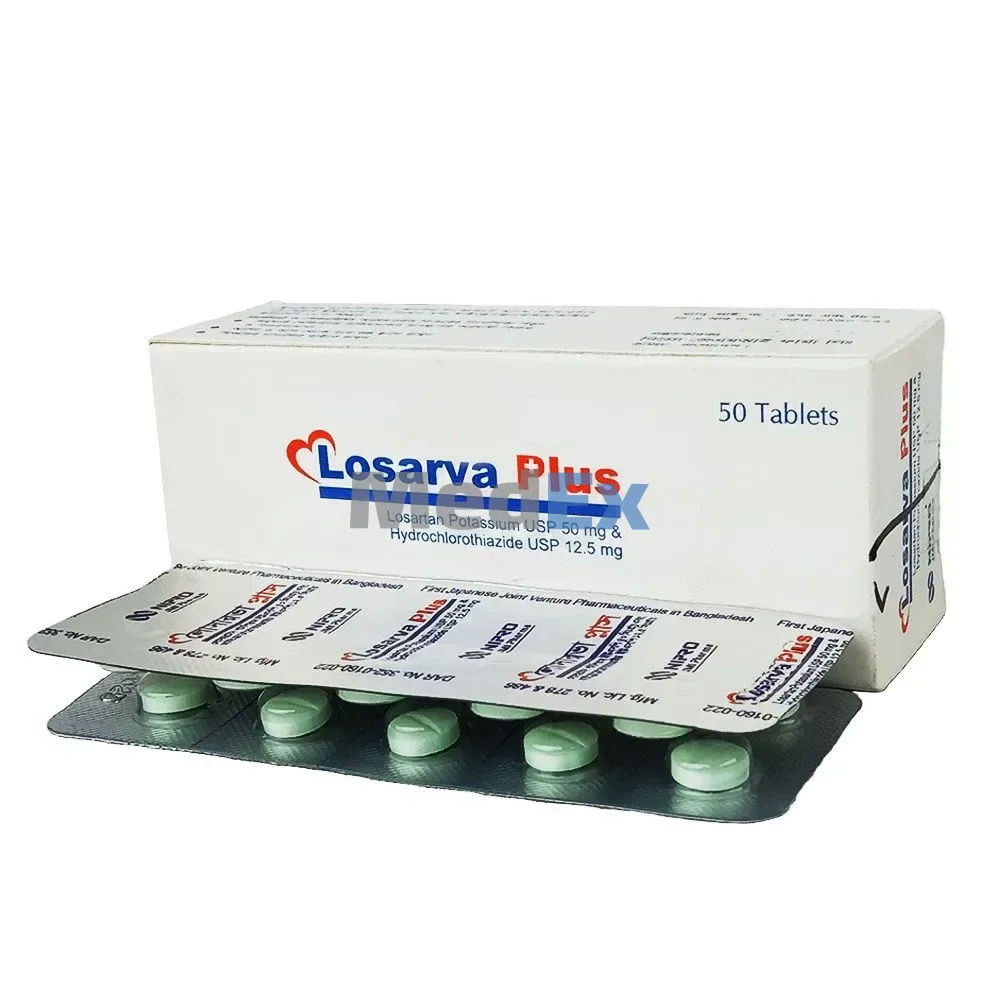
Losarva Plus
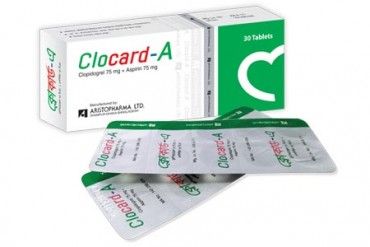
Osartan-HZ
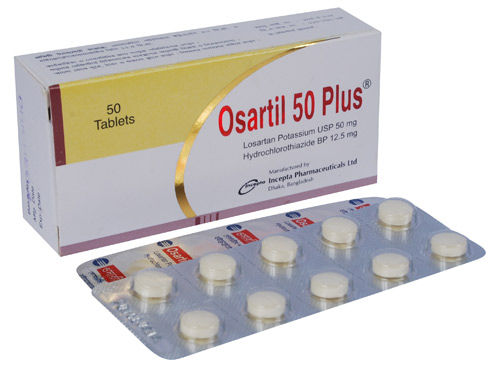
Osartil Plus
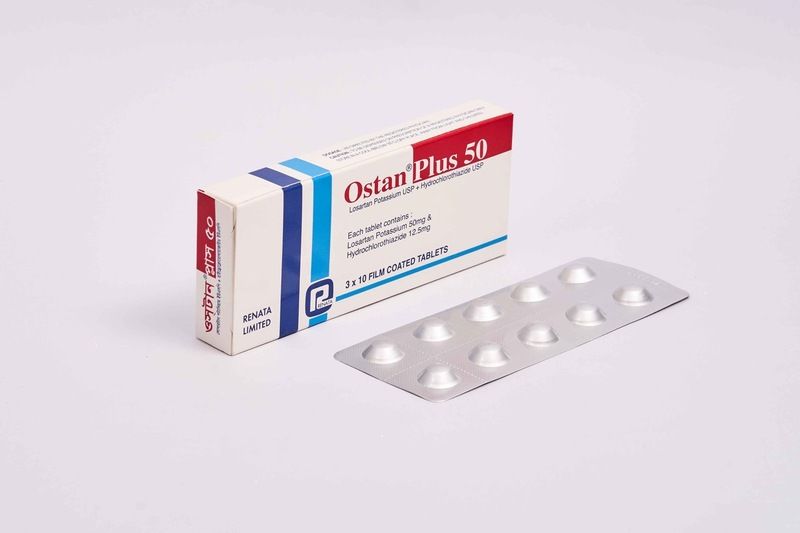
Ostan Plus
Tanpot Plus
Lopos Plus
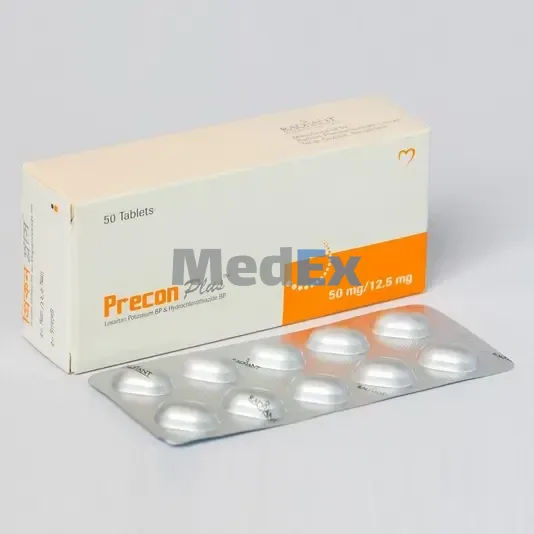
Precon Plus
Angilock Plus
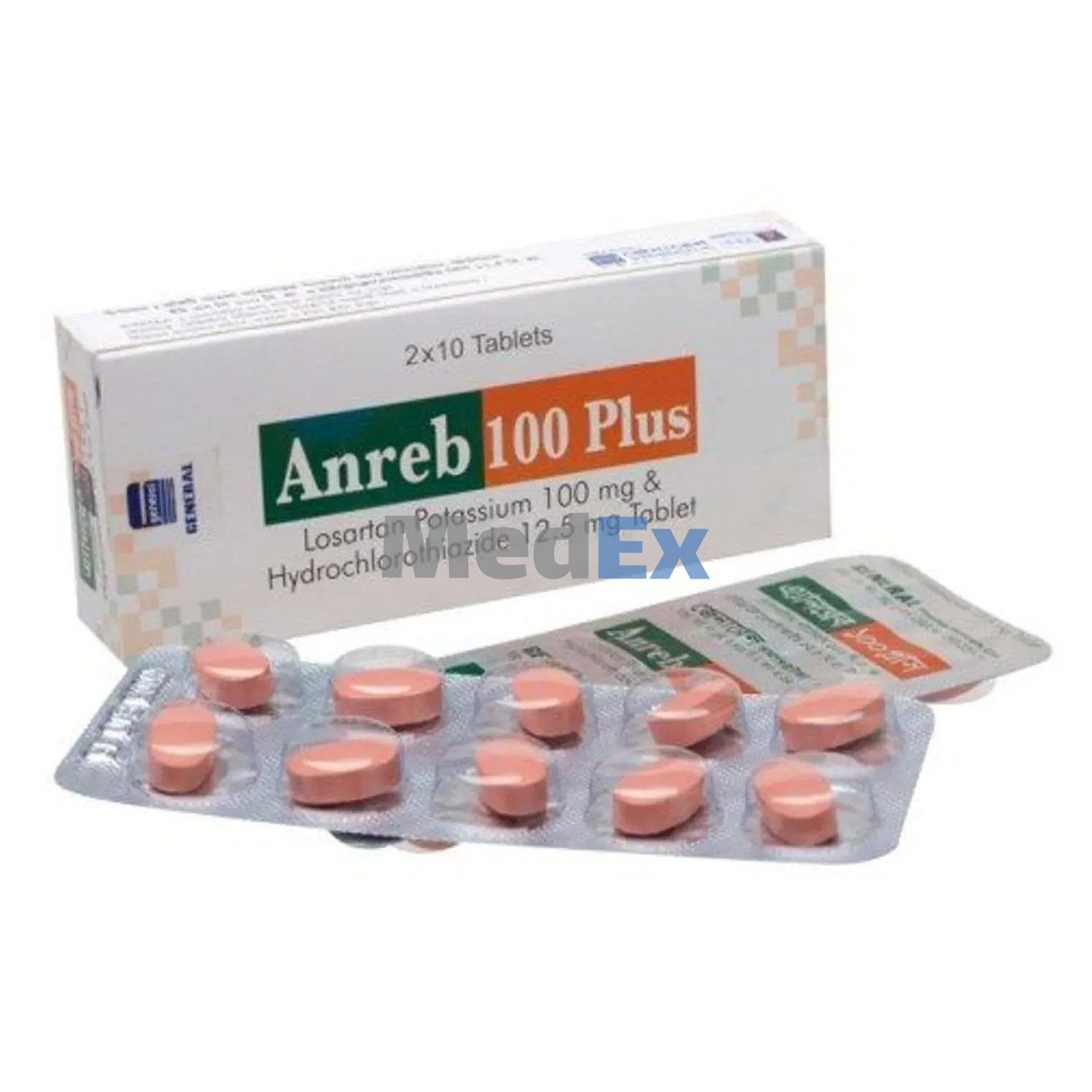
Anreb Plus
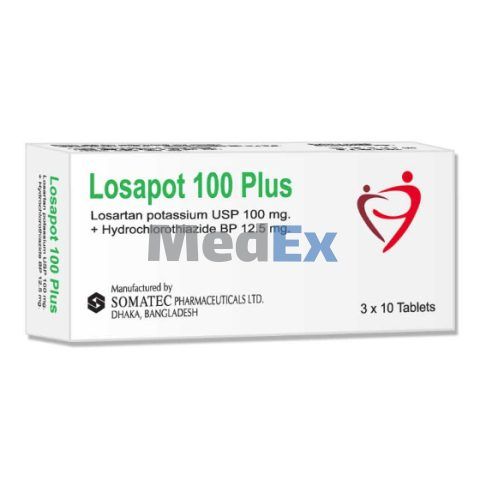
Losapot Plus
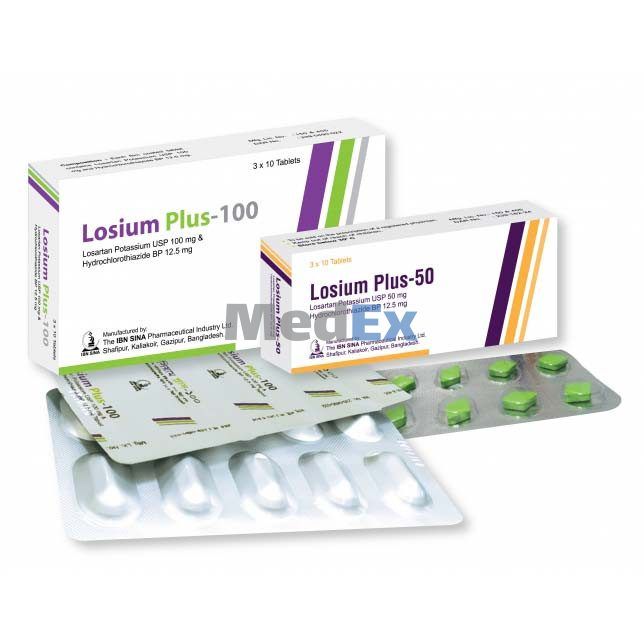
Losium Plus
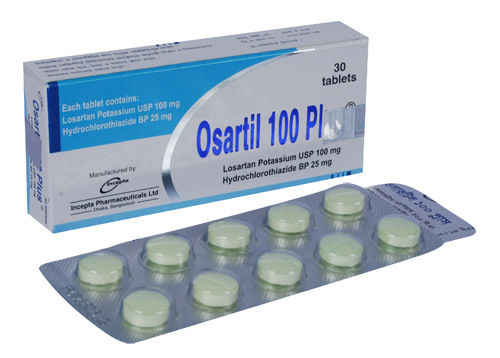
Osartil Plus
Osartil Plus
Ostan Plus
SB-Losak Plus
Angilock Plus
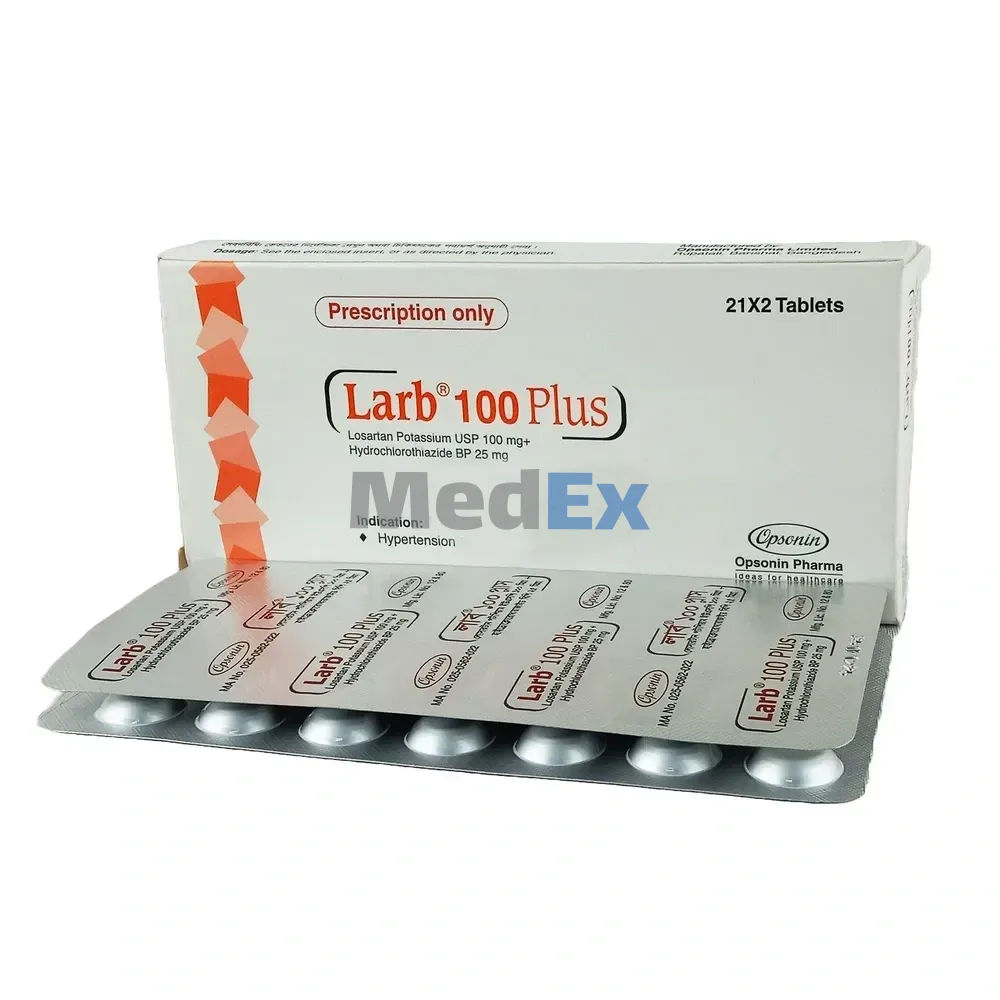
Larb Plus
Losart Plus
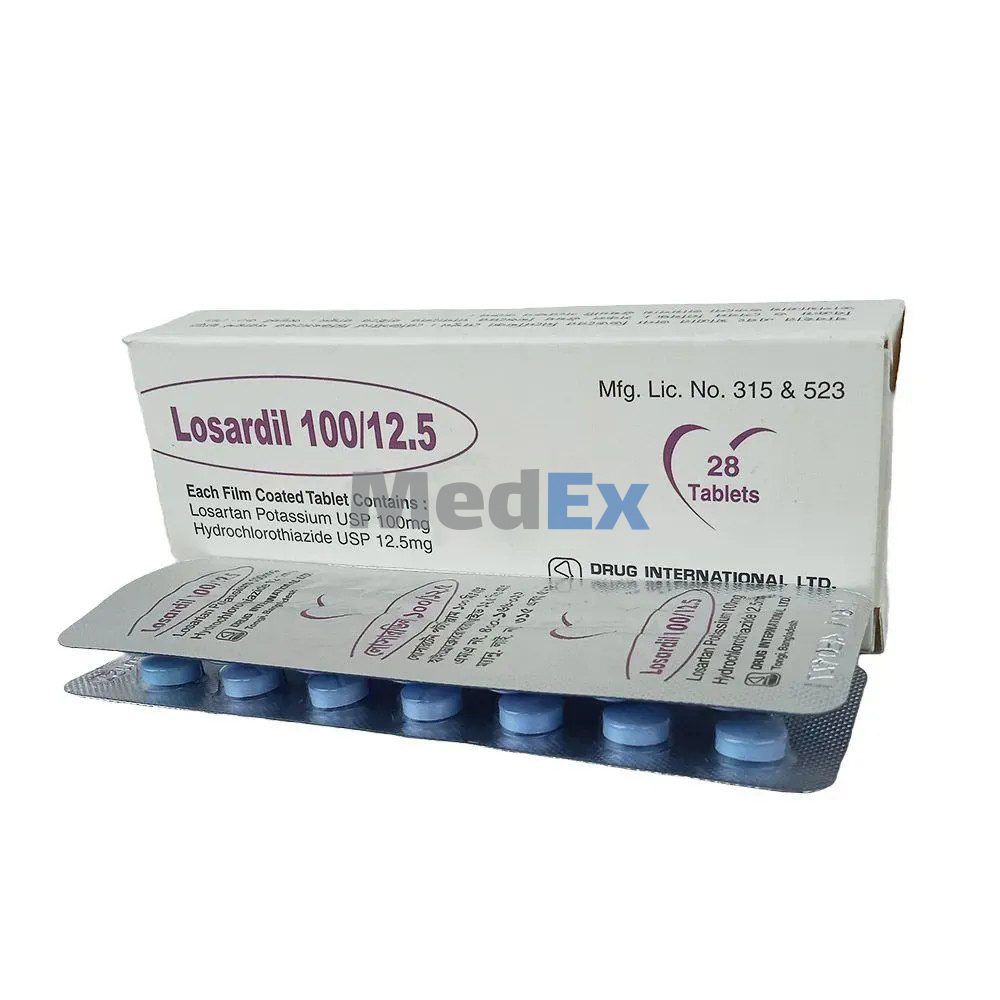
Losardil 100/12.5
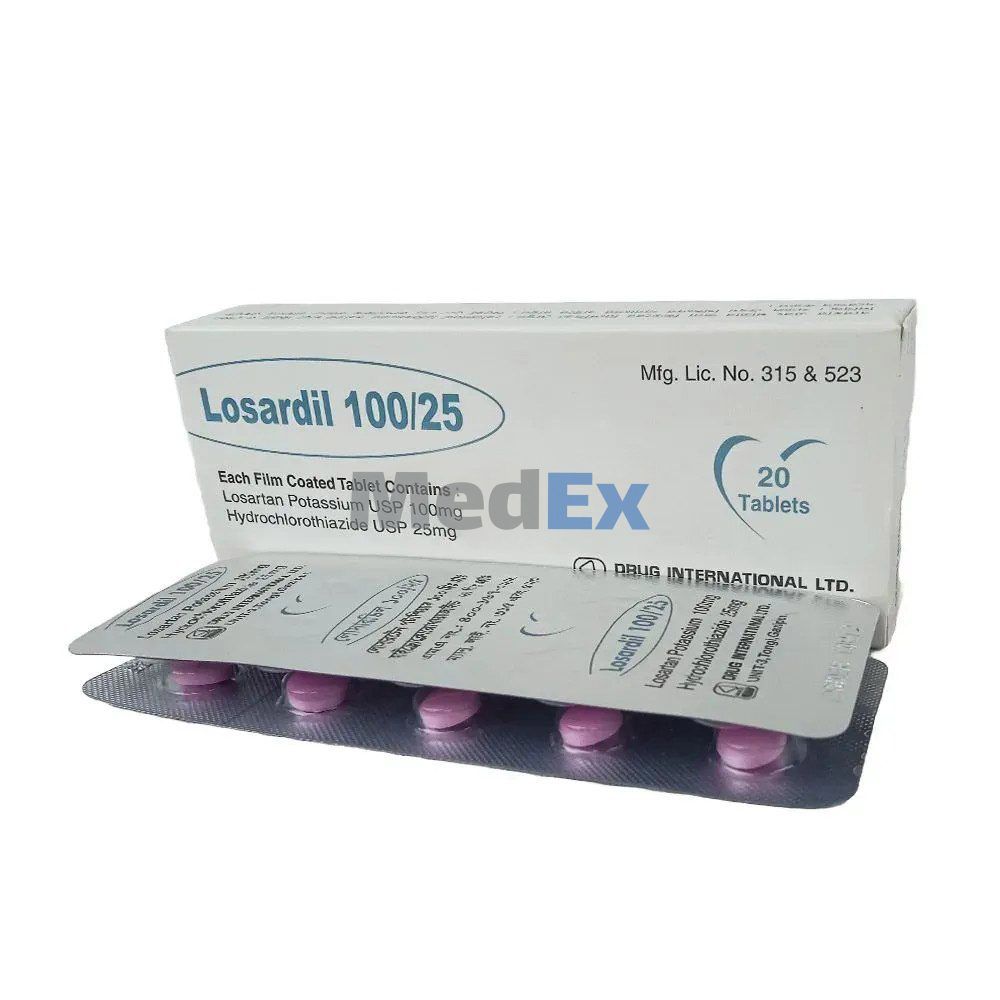
Losardil 100/25
📖 Official Clinical Monograph
DGDA Approved Prescribing GuidelinesAcusan Plus tablet is indicated for the treatment of hypertension. It is also indicated to reduce the risk of stroke in patients with hypertension and left ventricular hypertrophy.
The combination of Losartan and Hydrochlorothiazide is contraindicated in patients who are hypersensitive to any component of this product. Because of the Hydrochlorothiazide component, this product is contraindicated in patients with anuria or hypersensitivity to other sulfonamide-derived drugs.
Side-effects are usually mild. Symptomatic hypotension including dizziness may occur, particularly in patients with intravascular volume depletion (e.g. those taking high-dose diuretics). Hyperkalaemia occurs occasionally; angioedema has also been reported with some angiotensin-II receptor antagonists. Vertigo; less commonly gastro-intestinal disturbances, angina, palpitation, oedema, dyspnoea, headache, sleep disorders, malaise, urticaria, pruritus, rash; rarely hepatitis, atrial fibrillation, cerebrovascular accident, syncope, paraesthesia; also reported pancreatitis, anaphylaxis, cough, depression, erectile dysfunction, anaemia, thrombocytopenia, hyponatraemia, arthralgia, myalgia, renal impairment, rhabdomyolysis, tinnitus, photosensitivity, and vasculitis (including Henoch-Schonlein purpura)
Hypersensitivity: Angiooedema
Periodic determination of serum electrolytes to detect possible electrolyte imbalance should be performed at appropriate intervals
Hypokalemia may rarely develop, especially with brisk diuresis, when severe cirrhosis is present, or after prolonged therapy
Impaired renal function and
Symptomatic hypotension
Angiotensin II formed from angiotensin I in a reaction catalyzed by angiotensin converting enzyme (ACE), is a potent vasoconstrictor, the primary vasoactive hormone of the renin-angiotensin system and an important component in the pathophysiology of hypertension. It also stimulates aldosterone secretion by the adrenal cortex. Losartan and its principal active metabolite block the vasoconstrictor and aldosterone-secreting effects of angiotensin II by selectively blocking the binding of angiotensin II to the AT
1
receptor found in many tissues, (e.g. vascular smooth muscle, adrenal gland). In vitro binding studies indicate that losartan is a reversible, competitive inhibitor of the AT
1
receptor. Neither Losartan nor its active metabolite inhibits ACE (kinase II, the enzyme that converts angiotensin I to angiotensin II and degrades bradykinin); nor do they bind to or block other hormone receptors or ion channels known to be important in cardiovascular regulation.
Hydrochlorothiazide is a thiazide diuretic. Thiazides affect the renal tubular mechanisms of electrolyte reabsorption, directly increasing excretion of Sodium and Chloride in approximately equivalent amounts. Indirectly, the diuretic action of Hydrochlorothiazide reduces plasma volume, with consequent increases in plasma renin activity, increases in Aldosterone secretion, increases in urinary Potassium loss, and decreases in serum Potassium. The renin-aldosterone link is mediated by angiotensin II, so co-administration of an angiotensin II receptor antagonist tends to reverse the Potassium loss associated with these diuretics.