 Oshud
OshudLansoprazole
 Proton Pump Inhibitor
Brands & Prices (20)
📋 Indications & Uses Dosage & Administration⚠️ Contraindications⚡ Side Effects & Adverse Reactions🛡️ Warnings & Precautions🔬 Pharmacology & Mechanism
Proton Pump Inhibitor
Brands & Prices (20)
📋 Indications & Uses Dosage & Administration⚠️ Contraindications⚡ Side Effects & Adverse Reactions🛡️ Warnings & Precautions🔬 Pharmacology & Mechanism
Brand Formulations & Prices
20 brands sorted by unit price

Lanozole
Enso
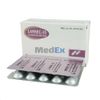
Lansec
Lansodin
Lansoprol
Lanozole
Lazo
Lap
Enso

Lantid
Lansopril
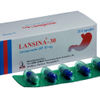
Lansina
Lanzol

Lasocon

Protolan
Ulan
Lansodin
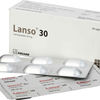
Lanso
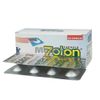
Zoton
Lansec
📖 Official Clinical Monograph
DGDA Approved Prescribing GuidelinesEnso is indicated for:
Healing and long term management of gastroesophageal reflux disease.
Healing and maintenance therapy for patients with duodenal ulcer.
Relief of reflux-like symptoms (eg. Heartburn) and/or ulcer-like symptoms (eg. upper epigastric pain) associated with acid-related dyspepsia.
... Read more
Enso is indicated for:
Healing and long term management of gastroesophageal reflux disease.
Healing and maintenance therapy for patients with duodenal ulcer.
Relief of reflux-like symptoms (eg. Heartburn) and/or ulcer-like symptoms (eg. upper epigastric pain) associated with acid-related dyspepsia.
Healing of benign gastric ulcer.
Enso is also effective in patients with benign peptic lesions, including reflux oesophagitis, unresponsive to H2 receptor antagonists. Eradication of H.pylori from the upper gastro-intestinal tract in patients with duodenal ulcer or gastritis when used in combination with appropriate antibiotics.
Dosage & AdministrationBenign gastric ulcer
: 30 mg daily in the morning for 8 weeks.
Duodenal ulcer
: 30 mg daily in the morning for 4 weeks; maintenance 15 mg.
NSAID-associated duodenal or gastric ulcer
: 15-30 mg daily for 4 weeks, followed by a further 4 weeks if not fully healed.
Zollinger-Ellison syndrome (and other hypersecretory conditions)
: Initially 60 mg once daily adjusted according to response; daily doses of 120 mg or more is given in two divided doses.
Gastroesophageal reflux disease
: 30 mg daily in the morning for 4 weeks, followed by a further 4 weeks if not fully healed; maintenance 15-30 mg daily.
Acid-related dyspepsia
: 15-30 mg daily in the morning for 2-4 weeks.
The use of Lansoprazole is contraindicated in patients with a history of hypersensitivity to any of the ingredients of Lansoprazole capsules.
Enso is well tolerated, with adverse effects generally being mild and transient. The most commonly reported adverse effects are headache, dizziness, fatigue and malaise. Gastrointestinal effects include diarrhea, constipation, abdominal pain, dyspepsia, nausea, vomiting, flatulence and dry or sore mouths. Dermatological reactions include skin rashes, urticaria and pruritus.
Symptomatic response to therapy with Enso does not preclude the presence of gastric malignancy. Enso should be taken before eating.
Lansoprazole is a substituted benzimidazole, and is also known as PPI due to its property to block the final step of acid secretion by inhibiting H
+
/K
+
ATPase enzyme system in gastric parietal cell. Both basal and stimulated acid are inhibited.