 Oshud
OshudInclisiran
 Other Anti-anginal & Anti-ischaemic drugs
Brands & Prices (1)
📋 Indications & Uses Dosage & Administration⚠️ Contraindications⚡ Side Effects & Adverse Reactions🛡️ Warnings & Precautions🔬 Pharmacology & Mechanism
Other Anti-anginal & Anti-ischaemic drugs
Brands & Prices (1)
📋 Indications & Uses Dosage & Administration⚠️ Contraindications⚡ Side Effects & Adverse Reactions🛡️ Warnings & Precautions🔬 Pharmacology & Mechanism
Brand Formulations & Prices
1 brands sorted by unit price
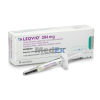
📖 Official Clinical Monograph
DGDA Approved Prescribing GuidelinesLEQVIO is a small interfering RNA (siRNA) directed to proprotein convertase subtilisin kexin type 9 (PCSK9) mRNA indicated as an adjunct to diet and exercise to reduce low-density lipoprotein cholesterol (LDL-C) in:
adults with hypercholesterolemia.
adults and pediatric patients aged 12 years and older with heterozygous familial hypercholesterolemia (HeFH).
pediatric patients aged 12 years and older with homozygous familial hypercholesterolemia (HoFH).
Dosage & AdministrationThe recommended dosage of Inclisiran for adults and pediatric patients aged 12 years and older is 284 mg administered as a single subcutaneous injection initially, again at 3 months, and then every 6 months.
If a planned dose is missed by less than 3 months, administer Inclisiran and maintain dosing according to the patient’s original schedule.
If a planned dose is missed by more than 3 months, restart with a new dosing schedule - administer Inclisiran initially, again at 3 months, and then every 6 months.
Assess LDL-C when clinically indicated. The LDL-lowering effect of Inclisiran may be measured as early as 30 days after initiation and anytime thereafter without regard to timing of the dose.
Prior serious hypersensitivity to inclisiran or any of the excipients in Inclisiran.
Common adverse reactions in clinical trials (≥ 3%): injection site reaction, arthralgia, and bronchitis.
Hypersensitivity Reactions: Have been reported in patients treated with LEQVIO. Advise patients on the signs and symptoms of hypersensitivity reactions and instruct patients to seek medical attention promptly.
Inclisiran is a double-stranded small interfering ribonucleic acid (siRNA), conjugated on the sense strand with triantennary N-Acetylgalactosamine (GalNAc) to facilitate uptake by hepatocytes. In hepatocytes, inclisiran utilizes the RNA interference mechanism and directs catalytic breakdown of mRNA for PCSK9. This increases LDL-C receptor recycling and expression on the hepatocyte cell surface, which increases LDL-C uptake and lowers LDL-C levels in the circulation.