 Oshud
OshudHydroxychloroquine Sulphate
 Anti-malarial drugs, Disease-modifying antirheumatic drugs (DMARDs), Drugs used for Rheumatoid Arthritis
Brands & Prices (16)
📋 Indications & Uses Dosage & Administration⚠️ Contraindications⚡ Side Effects & Adverse Reactions🛡️ Warnings & Precautions🔬 Pharmacology & Mechanism
Anti-malarial drugs, Disease-modifying antirheumatic drugs (DMARDs), Drugs used for Rheumatoid Arthritis
Brands & Prices (16)
📋 Indications & Uses Dosage & Administration⚠️ Contraindications⚡ Side Effects & Adverse Reactions🛡️ Warnings & Precautions🔬 Pharmacology & Mechanism
Brand Formulations & Prices
16 brands sorted by unit price
Bioquin
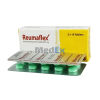
Reumaflex

Coroquin
Covikil
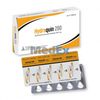
Hydroquin

Kovicin
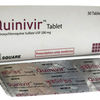
Quinivir
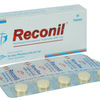
Reconil
Roquin
Roxiquin
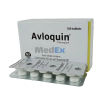
Avloquin-H

Corofree
H-Quin

HCQ
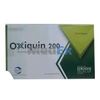
Oxiquin
Oxiquin
📖 Official Clinical Monograph
DGDA Approved Prescribing GuidelinesAvloquin-H is indicated in-
Acute and chronic rheumatoid arthritis
Systemic Lupus Erythematosus (SLE)
Malaria
Dosage & AdministrationHydroxychloroquine Sulphate tablets are for oral administration and are taken with food to avoid stomach upset.
Acute and chronic rheumatoid arthritis
: 400 to 600 mg daily. When good response is obtained (usually 4 to 8 weeks), dose can be reduced to 50%.
Systemic Lupus Erythematosus (SLE)
: 400 mg once or twice daily for several weeks or months depending on response of the patients. Maintenance dose is 200 to 400 mg daily.
Malaria
:
In adults, an initial dose of 800 mg followed by 400 mg in 6-8 hours and 400 mg on each of two consecutive days.
For children a total dose representing 25 mg/kg is administered in 3 days as follows.
First dose: 10 mg base/kg (but not exceeding a single dose of 620 mg base).
Second dose: 5 mg base/kg (but not exceeding a single dose of 310 mg base) 6 hours after first dose.
Third dose: 5 mg base/kg 18 hours after second dose.
Fourth dose: 5 mg base/kg 24 hours after third dose.
Hydroxychloroquine sulfate is contraindicated in patients with known hypersensitivity to hydroxychloroquine or any other components of this product.
Generally Avloquin-H is well tolerated. However, few side effects like nausea, vomiting, stomach upset, loss of appetite, diarrhea, tiredness, weakness or headache and visual problem may occur the first several days.
Children are especially sensitive to the 4-aminoquinoline compounds. Patients should be strongly warned to keep these drugs out of the reach of children. Opthalmologic examination requires in every 12 months.
Hydroxychloroquine Sulphate synthetically produced version of quinine. It acts as an immunosuppressant by inhibiting production of rheumatoid and acute phase reactants. It also accumulates in white blood cells, stabilizing lysosomal membranes and inhibiting the activity of many enzymes, including collagenase and the proteases that cause cartilage breakdown. It also acts by disrupting cell walls of infected red blood cells and kills the developing parasites.