 Oshud
OshudHuman Papillomavirus Bivalent
 Brands & Prices (2)
📋 Indications & Uses⚠️ Contraindications⚡ Side Effects & Adverse Reactions🛡️ Warnings & Precautions
Brands & Prices (2)
📋 Indications & Uses⚠️ Contraindications⚡ Side Effects & Adverse Reactions🛡️ Warnings & Precautions
Brand Formulations & Prices
2 brands sorted by unit price
📖 Official Clinical Monograph
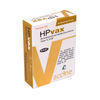
DGDA Approved Prescribing GuidelinesHPvax is indicated for women aged 9-45 years. It is used for preventing the following diseases caused by oncogenic human papillomavirus (HPV) types 16 and/or 18-
Cervical cancer
Cervical intraepithelial neoplasia Grade 2 or 3 (CIN2/3) and adenocarcinoma in-situ (AIS)
... Read more
HPvax is indicated for women aged 9-45 years. It is used for preventing the following diseases caused by oncogenic human papillomavirus (HPV) types 16 and/or 18-
Cervical cancer
Cervical intraepithelial neoplasia Grade 2 or 3 (CIN2/3) and adenocarcinoma in-situ (AIS)
Cervical intraepithelial neoplasia Grade 1 (CIN1) and persistent infections of HPV types 16 and/or 18
The risk of exposure to HPV increases with age, especially with sexual debut. Therefore, it is recommended to vaccinate as early as possible. It would be more beneficial to receive the vaccine at the earlier time between ages 9-45 years.
Hypersensitivity to the active substances or to any component of the excipients of vaccine. Individuals who develop symptoms indicative of hypersensitivity after receiving a dose of this vaccine.
HPvax (Types 16 and 18) vaccine is generally well tolerated. The most common local adverse reactions were pain, redness, and swelling at the injection site. The most common general adverse events were fatigue, headache, myalgia, gastrointestinal symptoms, and arthralgia.
Systemic Adverse Reactions:
Very common: Fever (≥37.1°C)
Common: Headache, fatigue, cough, muscle pain, nausea, diarrhea, dizziness and vomiting
Occasional: Hypersensitivity, allergic dermatitis, rash, dizziness and pruritus.
Local Adverse Reactions:
Very common: Pain at the injection site
Common: Pruritus, induration, swelling and erythema at injection site
Occasional: Rash and discomfort at injection site.
Most of the above adverse reactions are mild to moderate
Vaccination cannot replace the routine cervical cancer screening or other measures to prevent HPV infection and sexually transmitted diseases. Therefore, routine cervical cancer screening remains extremely important as recommended by the relevant health administrative departments.
Prior to the vaccination, medical personnel should inquire and review the vaccinee's medical history (especially the prior vaccination history and any prior adverse reaction related to vaccination), and conduct clinical examination to evaluate the benefits and risks of vaccination.
It is not recommended for populations other than those described in of the package insert.
Like other vaccines for injection, appropriate medical emergency measures and monitoring methods should be prepared to ensure that those who develop allergic reactions after the injection
Syncope (fainting) may occur after any dose of vaccine, leading to falls and injuries, especially in adolescents and young adults. Therefore, it is recommended that the observation on site be conducted for at least 30 minutes after each injection as required in the vaccination procedures.
It has been reported that syncope associated with tonic-clonic seizures and other epileptiform seizures may occur after the vaccination with similar products overseas. Syncope associated with tonic-clonic seizures is usually transient, and it can be resolved spontaneously when the vaccinee is placed in a supine or head-down position and the cerebral perfusion is restored. Some vaccinees may experience psychogenic reactions before/after the vaccination, and measures should be taken to avoid injury from the syncope.
Like other vaccines, the vaccination should be postponed in vaccinees with acute serious febrile illness. In case of current or recent fever symptoms, whether to postpone the vaccination depends mainly on the severity of the symptoms and their etiology. Low-grade fever and mild upper respiratory tract infection are not absolute contraindications to vaccination.
The vaccine should be used with caution in vaccinees with thrombocytopenia or any coagulation disorder.
Like any other vaccine, vaccination with HPV vaccine may not ensure the protective effect for all vaccinees.
It is only used for preventive purposes, but not indicated for the treatment of existing HPV-related lesions or preventing the progression of lesions.
It cannot prevent lesions caused by all high-risk types HPV infections. It has not been proved that it can prevent the lesions caused by the infection of non-vaccine types of HPV as well as the diseases not caused by HPV infection.
There has been no data on the use of HPV vaccine in vaccinees with impaired immune system (such as receiving the medication of immunosuppressive agents). Like other vaccines, vaccination in immunocompromised people may not induce adequate immune response.