Glycine
💊 Brand Formulations & Prices
4 brands sorted by unit price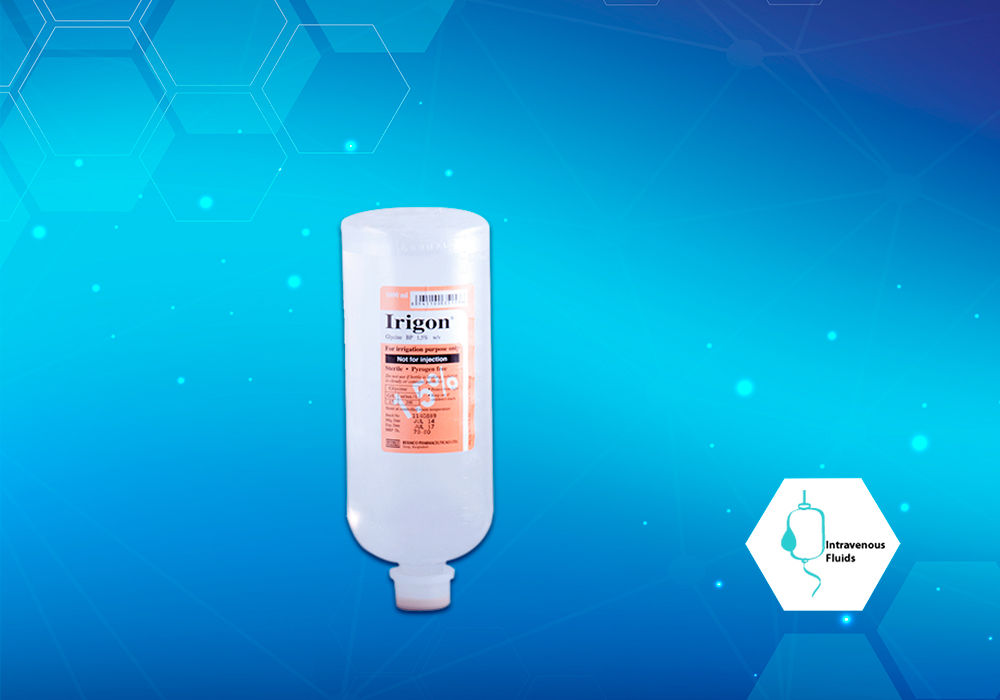
Irigon
Glycine
Irigate
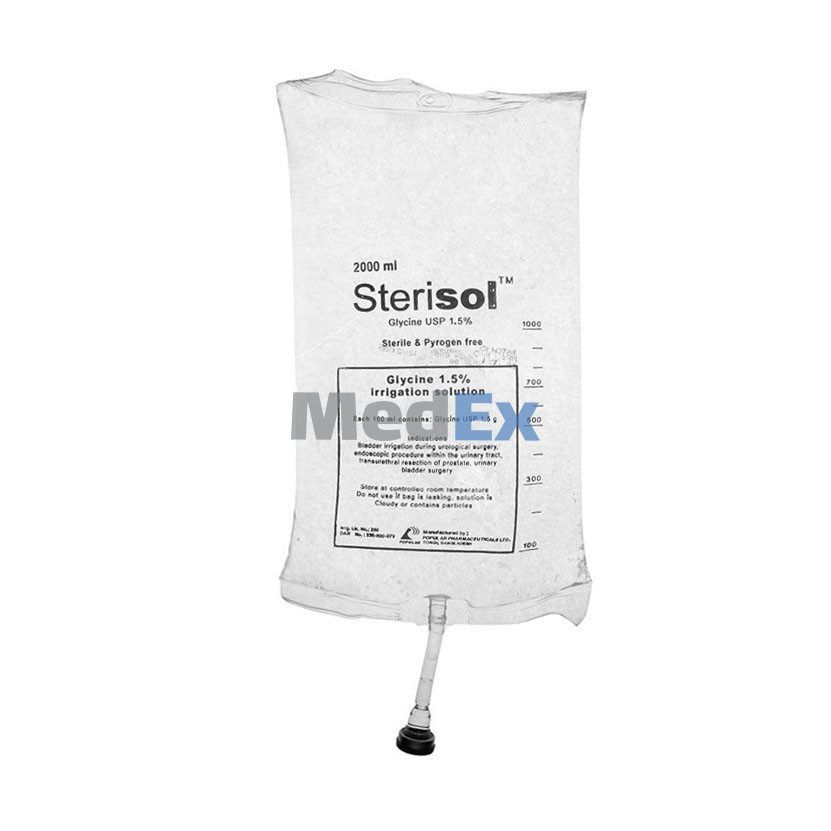
Sterisol
📖 Official Clinical Monograph
DGDA Approved Prescribing GuidelinesThis is indicated as irrigating fluid of choice in:
Transurethral resection of prostate.
Endoscopic procedures within the urinary tract.
Urinary bladder surgery etc.
Glycine Irrigation Solution is not for injection in any route. It is contraindicated in patients with anuria.
Large intravenous doses of Glycine are known to cause nausea and salivation. Other consequences of systemic absorption of Glycine include electrolyte loss, diuresis, edaema, thirst, dehydration, cardiovascular and pulmonary disorders.
Patients with cardiovascular disease should be evaluated after transurethral resection of prostate using Glycine. Care should be exercised if the liver or kidney is impaired. Aseptic technique is essential while using Glycine. Unused portion should be discarded. Do not use if the bottle is leaking, solution is cloudy, contains particles or after expiry date.
Glycine irrigation solution contains glycine which is an amino acid and a non-electrolyte. It is therefore non-conductive and suitable for irrigation purpose. Glycine Irrigation Solution minimizes the risk of intravascular haemolysis which can occur from absorption of plain water. Glycine Irrigation Solution is rapidly degraded in the liver by glycine oxidase.