Glimepiride
💊 Brand Formulations & Prices
98 brands sorted by unit price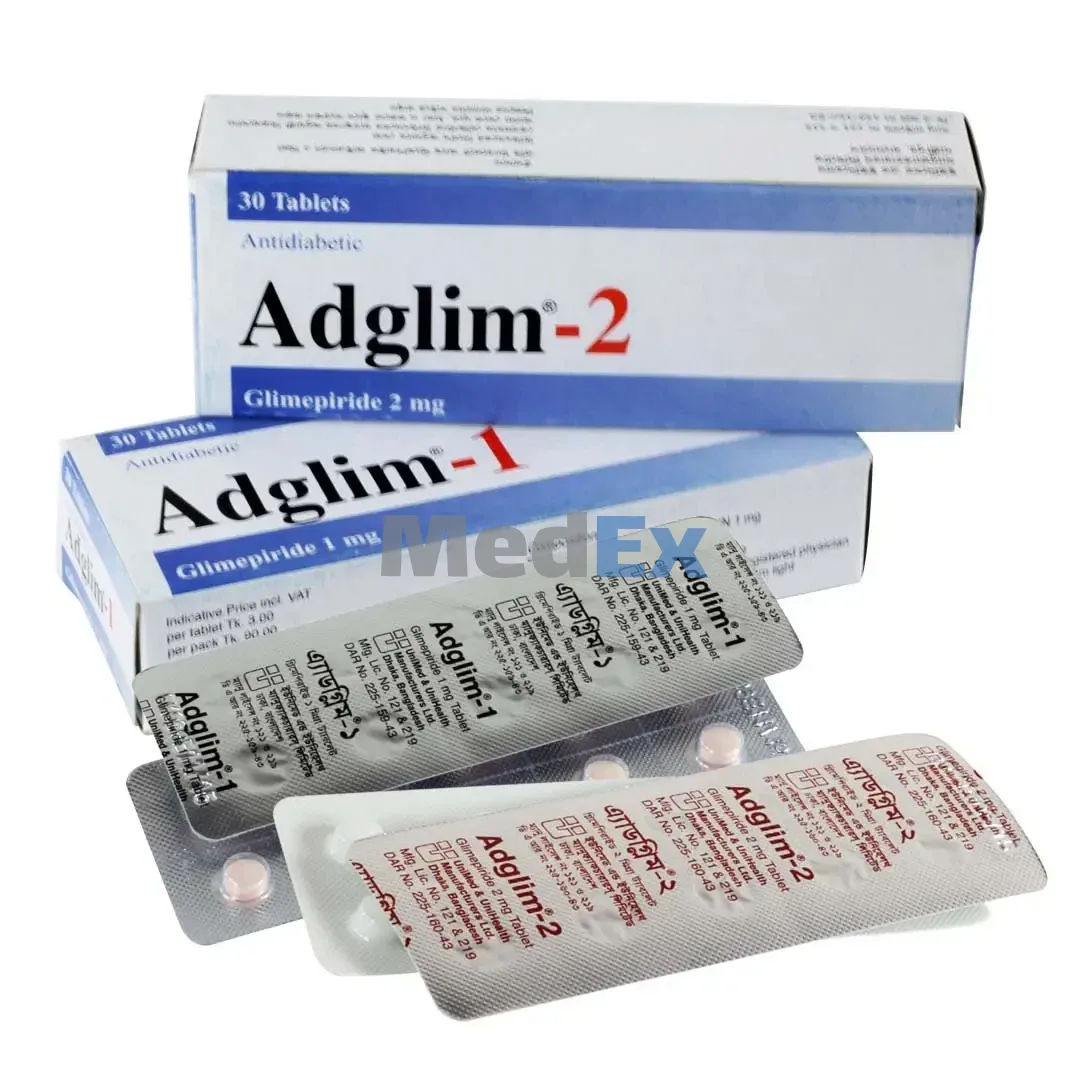
Adglim

Diavir
Gifon
Limerid
Limep
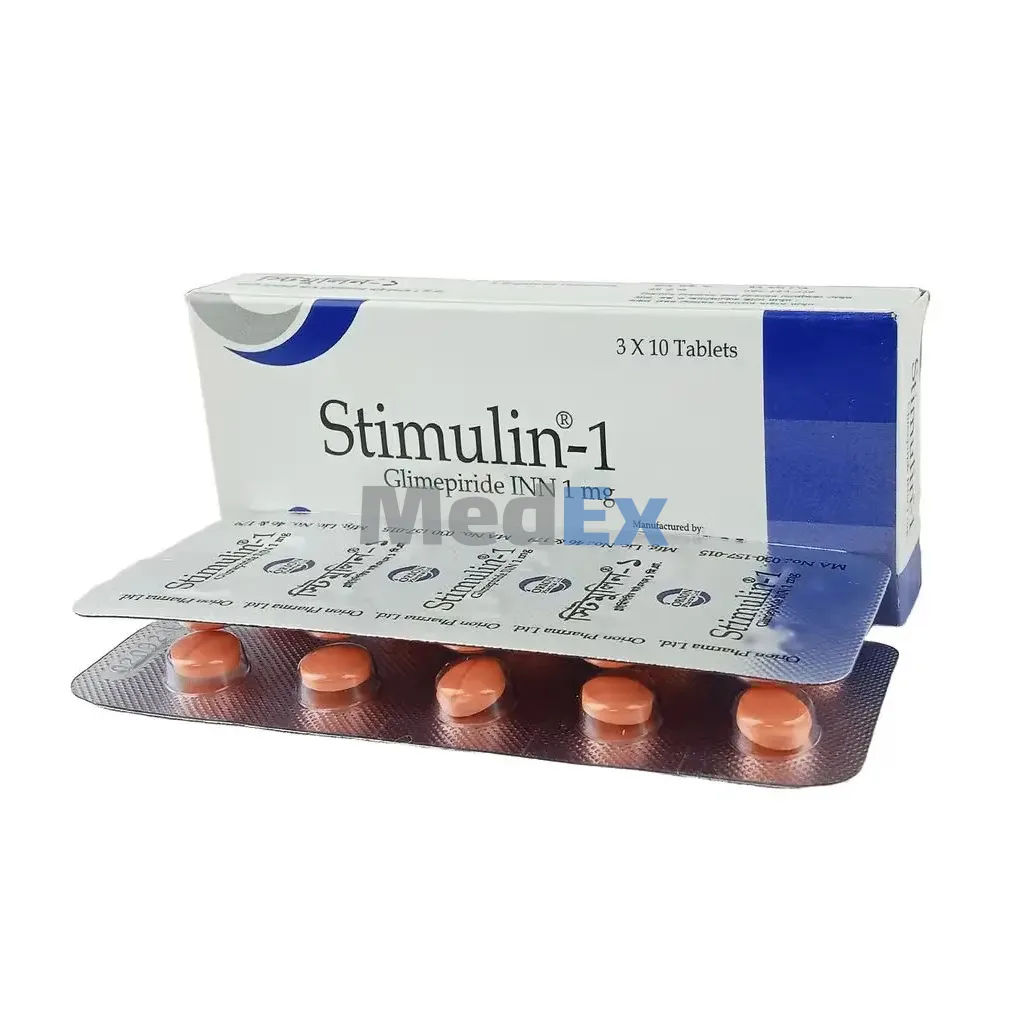
Stimulin
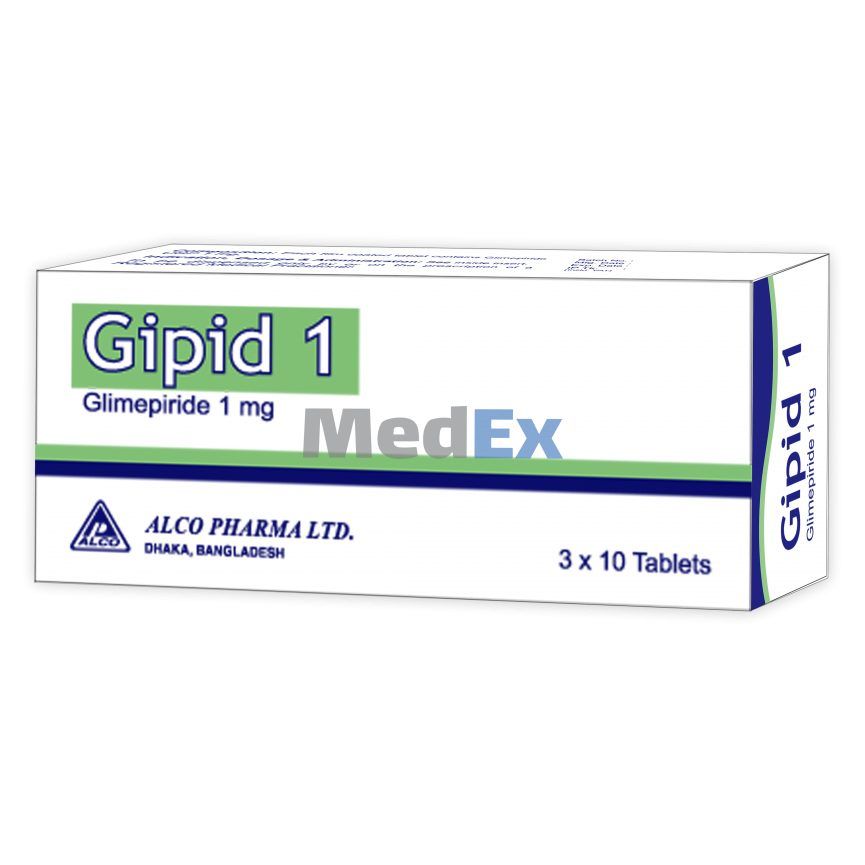
Gipid
Glisulin
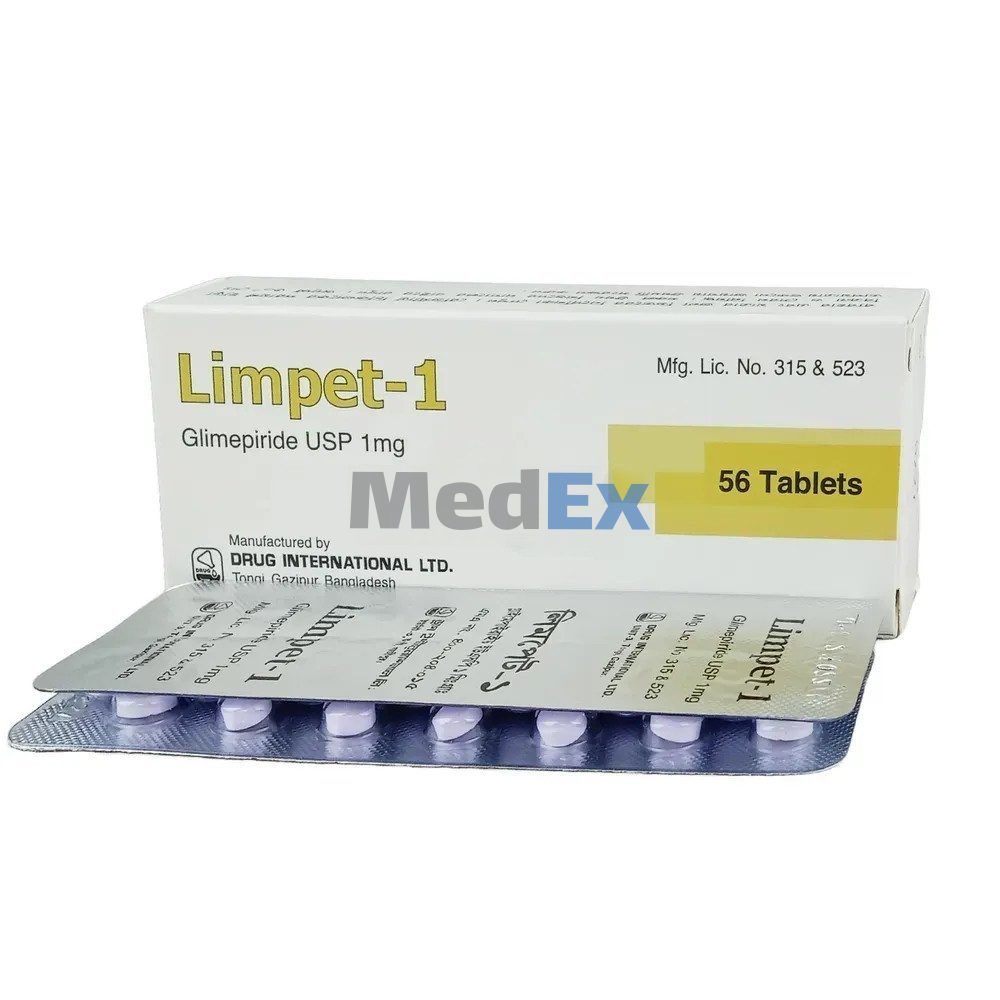
Limpet
Condia
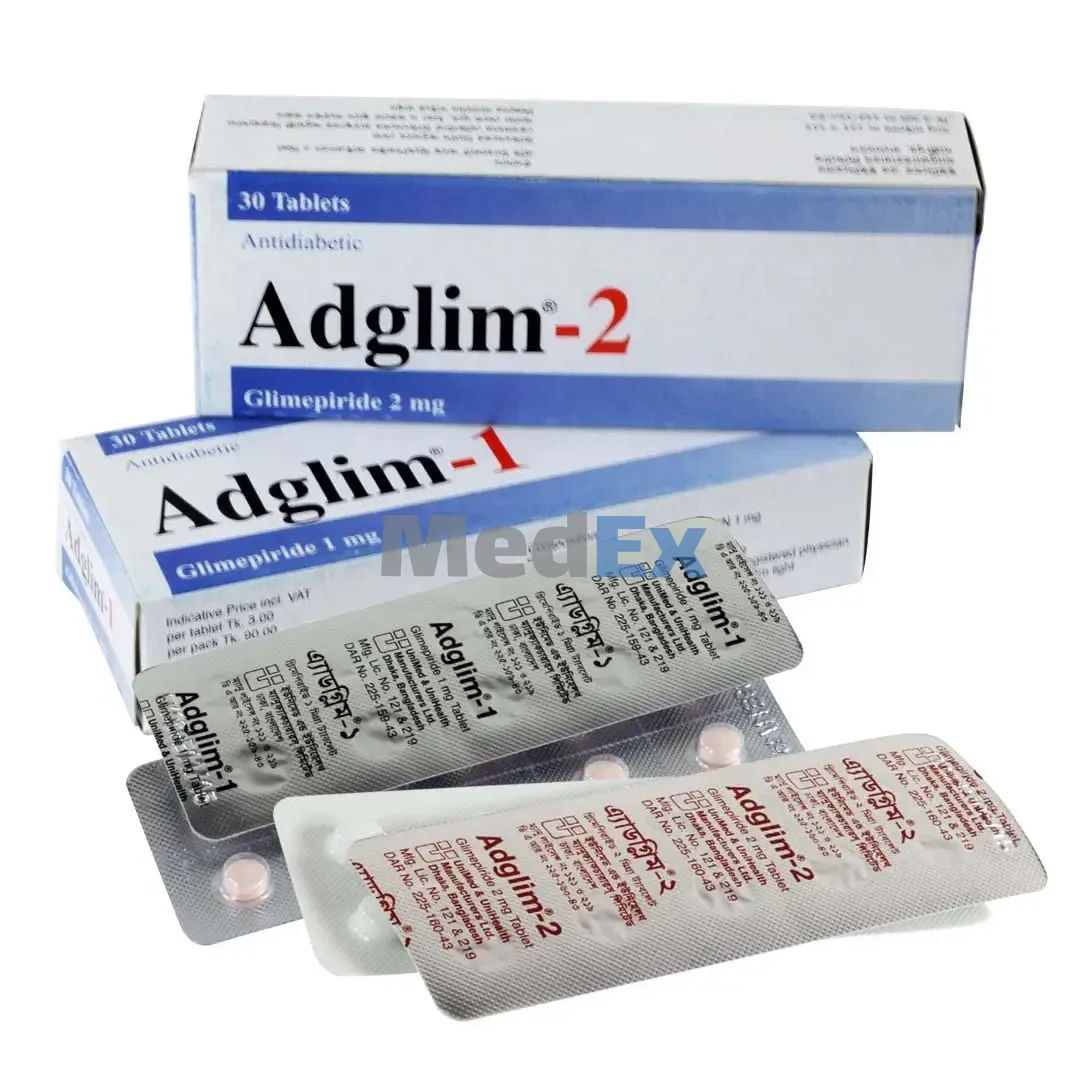
Adglim

Dactus
Diavir
Gifon
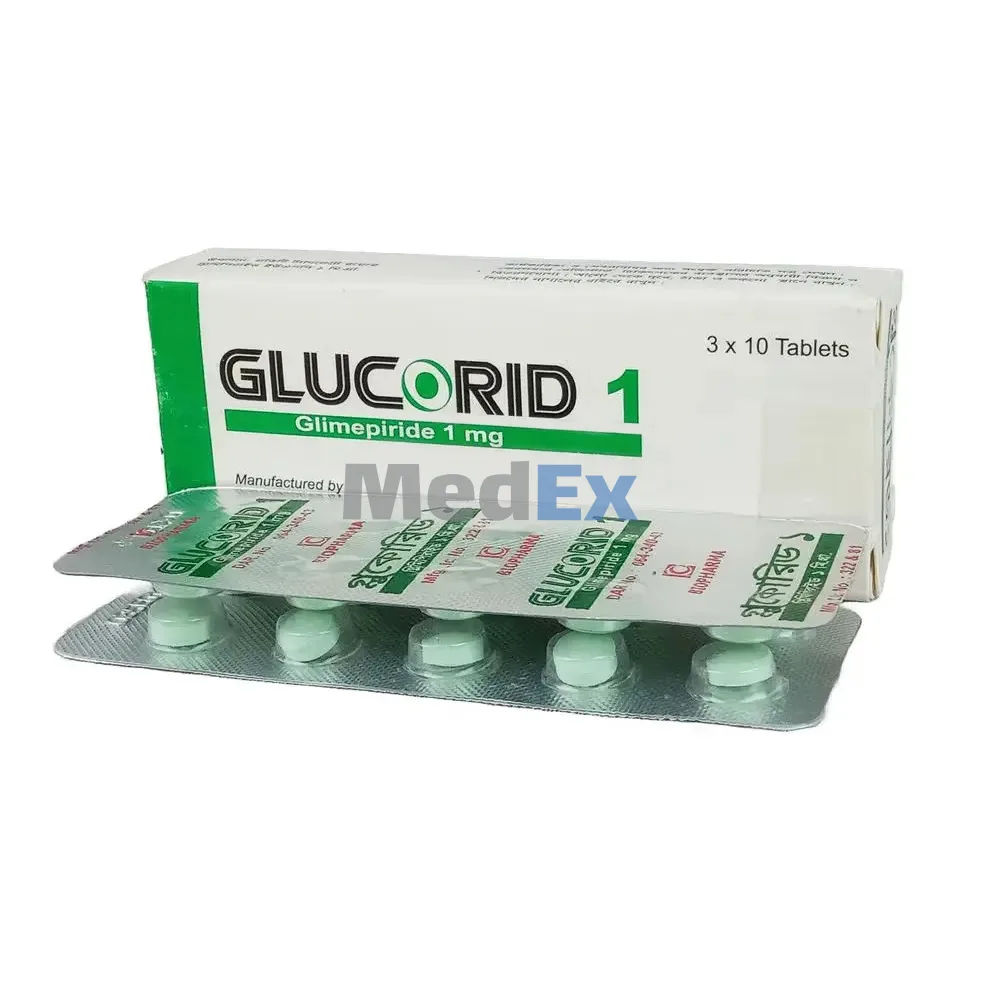
Glucorid
Limerid
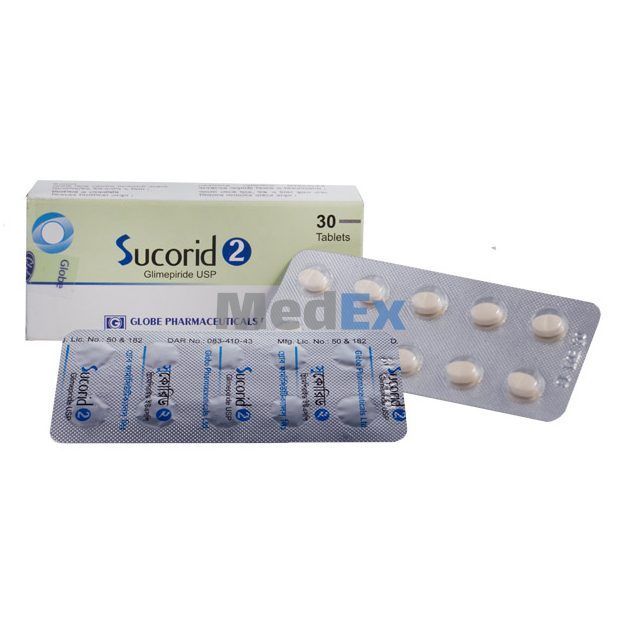
Sucorid
Limep
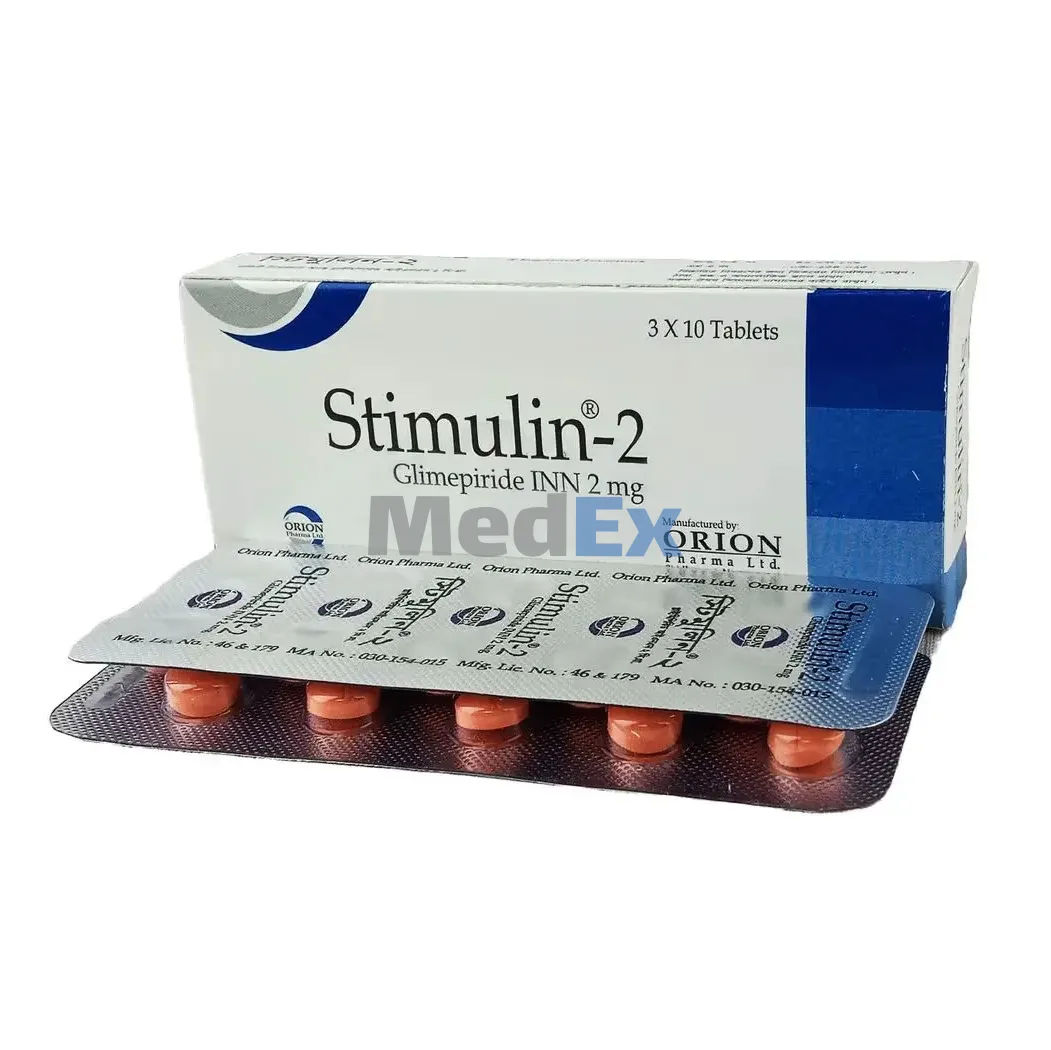
Stimulin
Sulforid
Senride
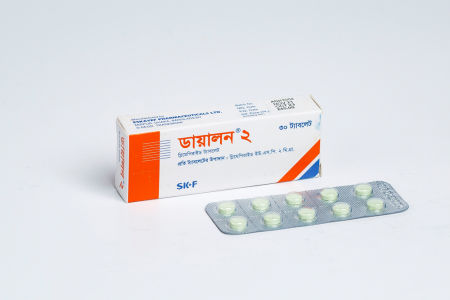
Dialon
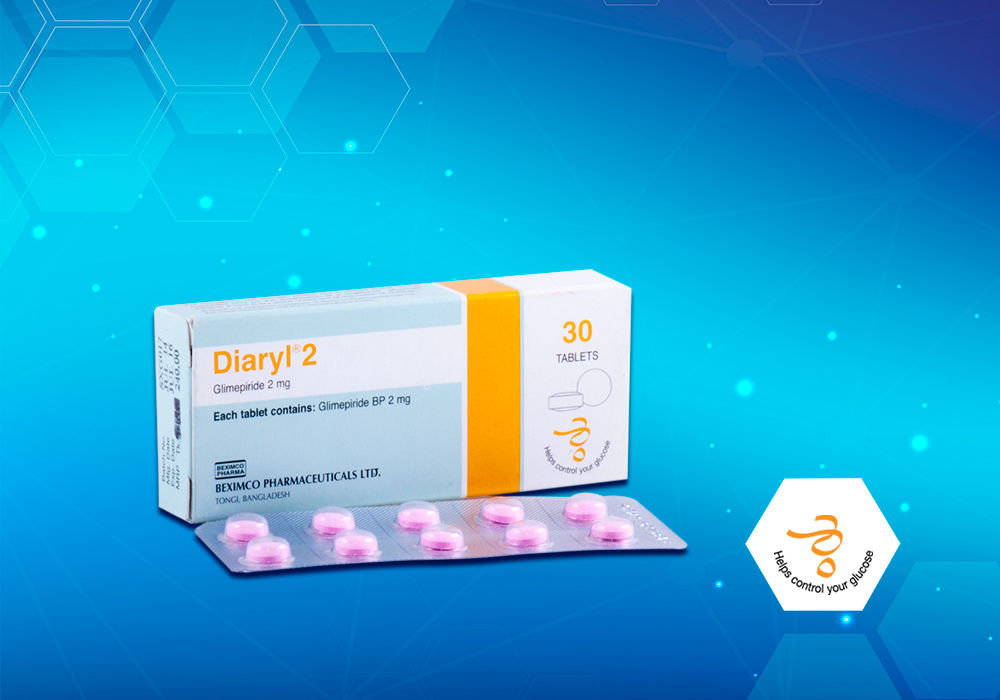
Diaryl
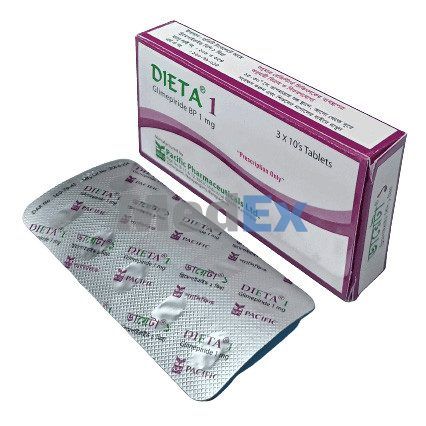
Dieta

Glemep
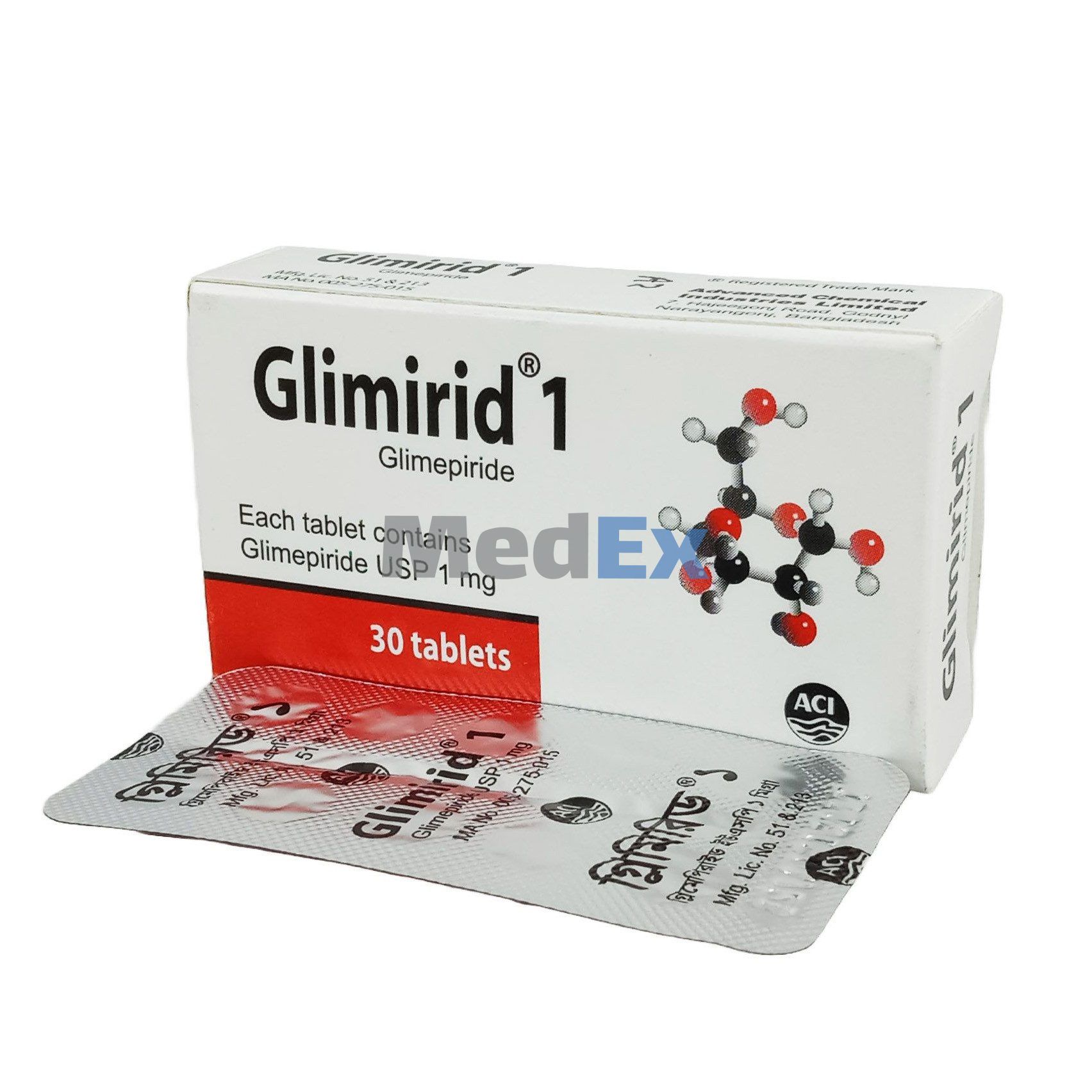
Glimirid
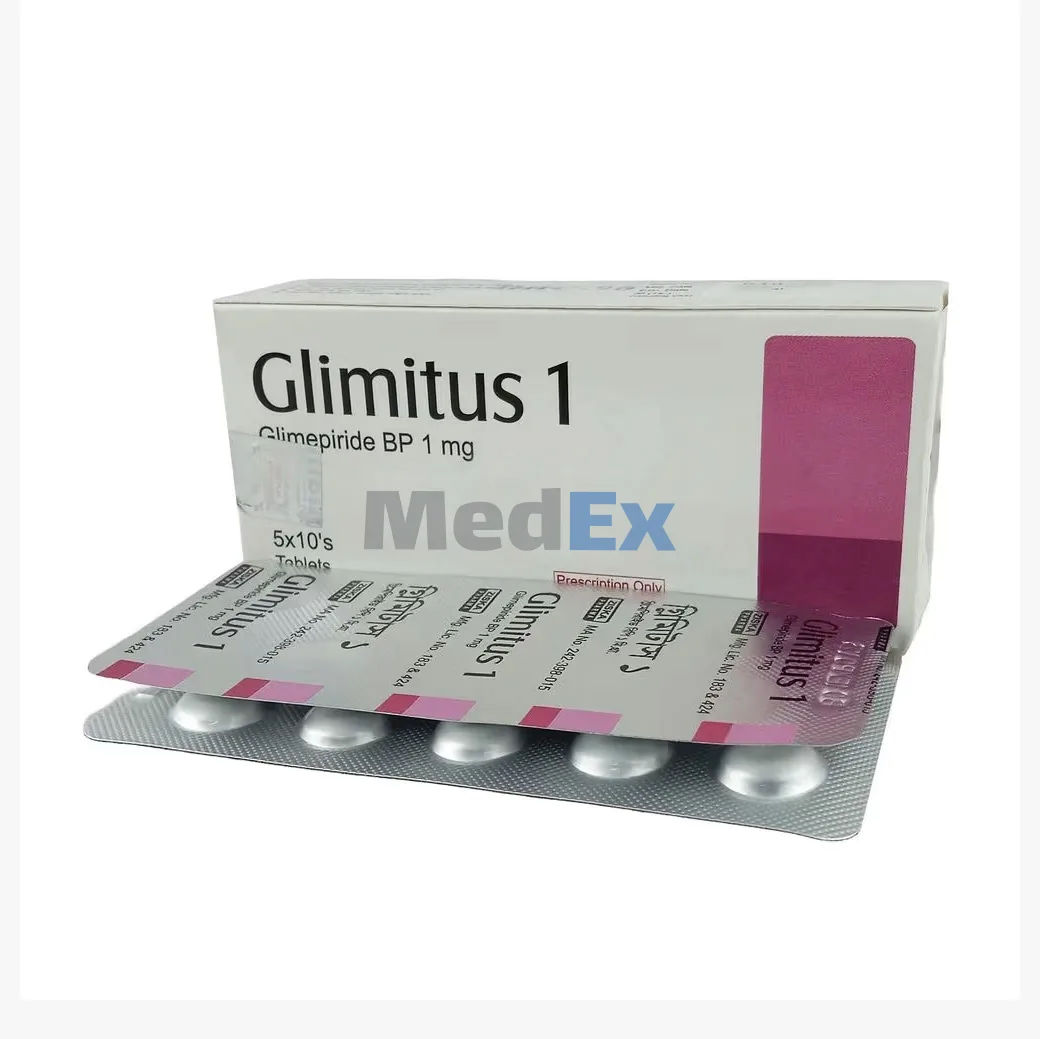
Glimitus
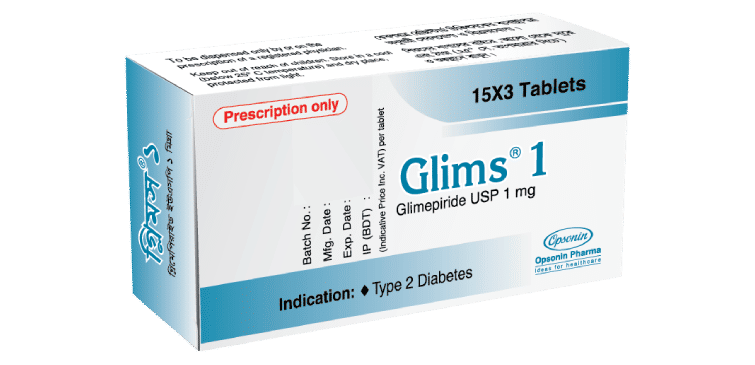
Glims
Glirid

Gluconor
Glutim
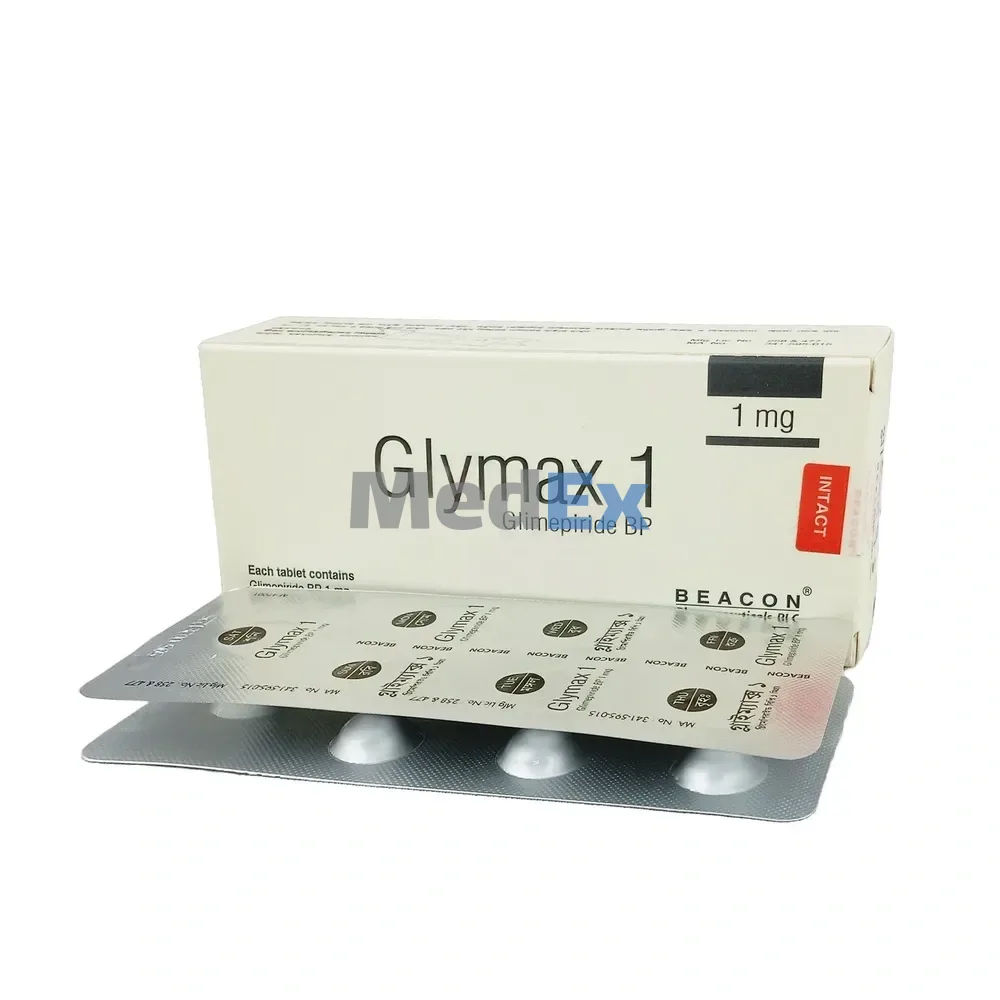
Glymax
Leride
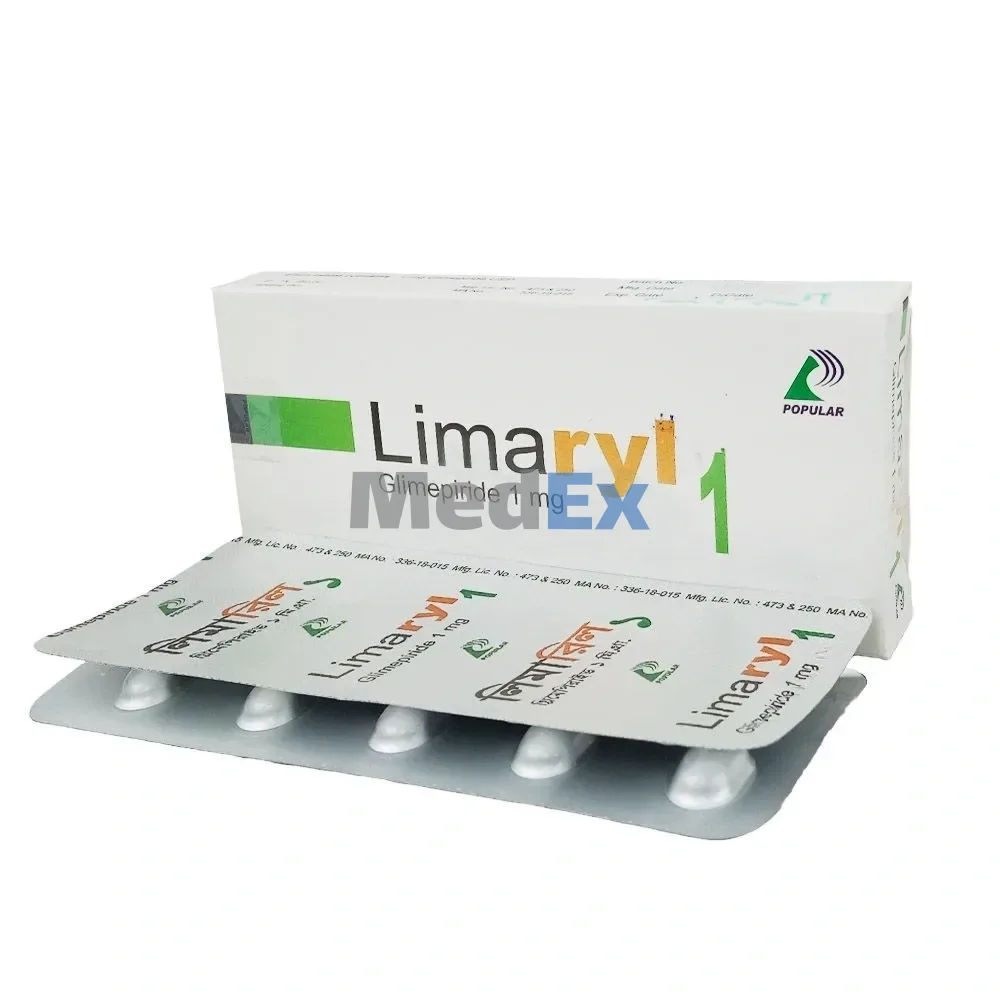
Limaryl
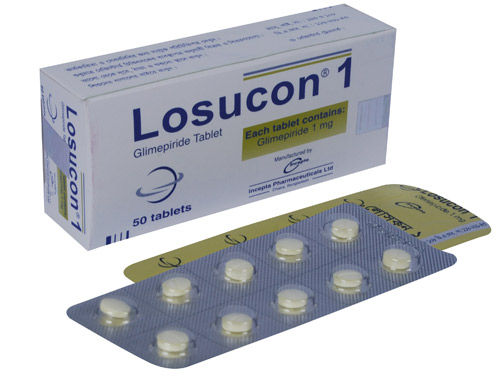
Losucon
Pride
SB-Glim
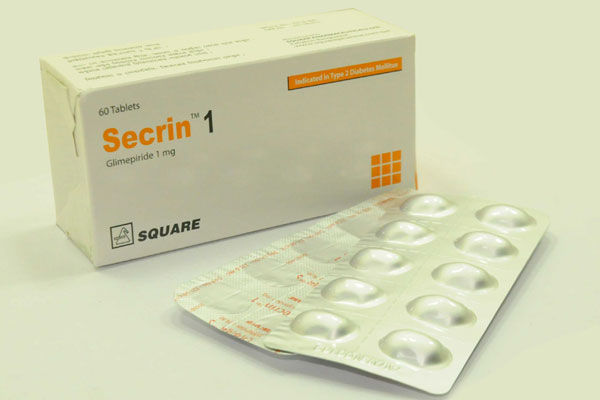
Secrin
Temglip
Gipid
Amynil
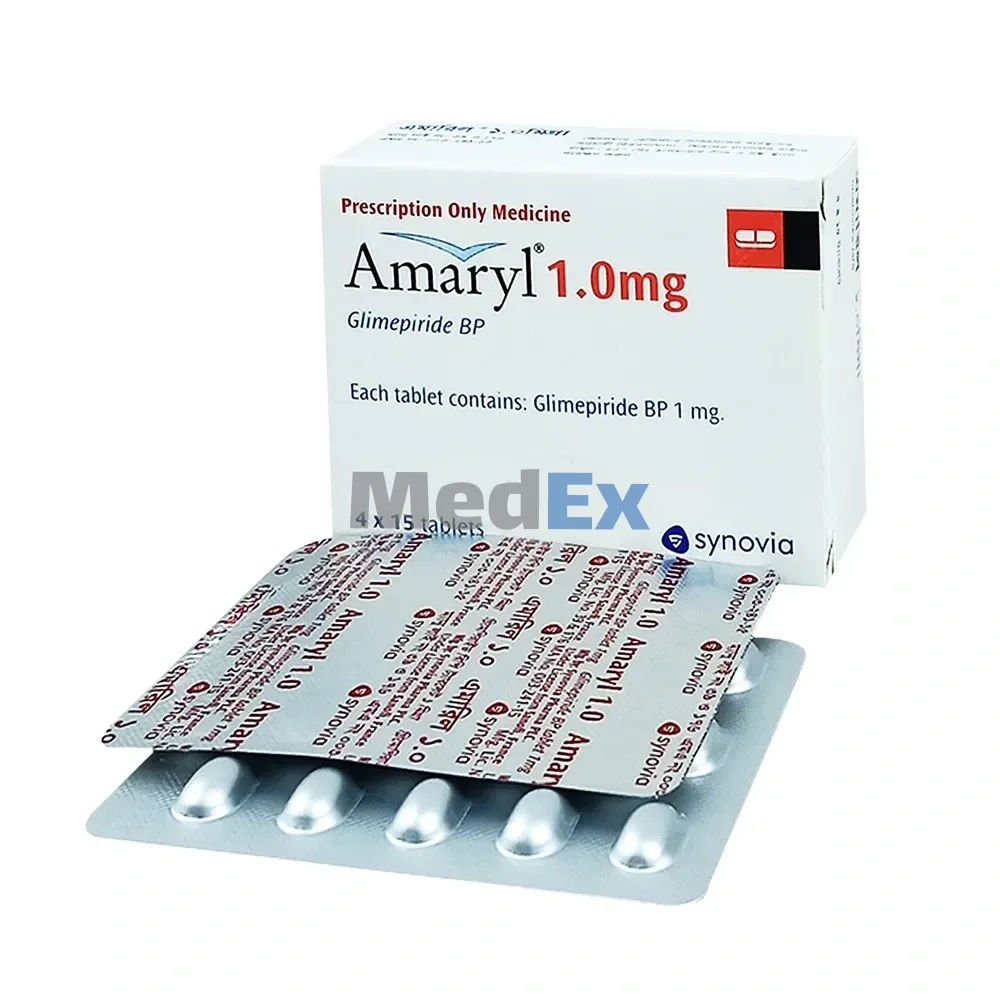
Amaryl
Glisulin
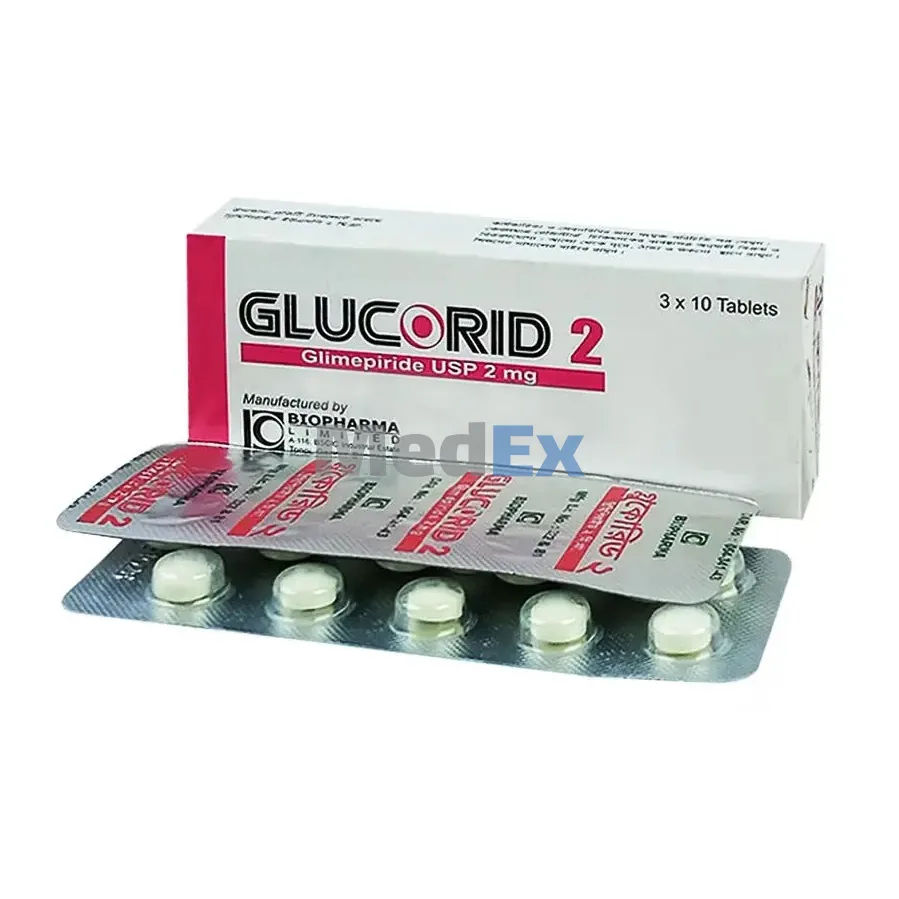
Glucorid
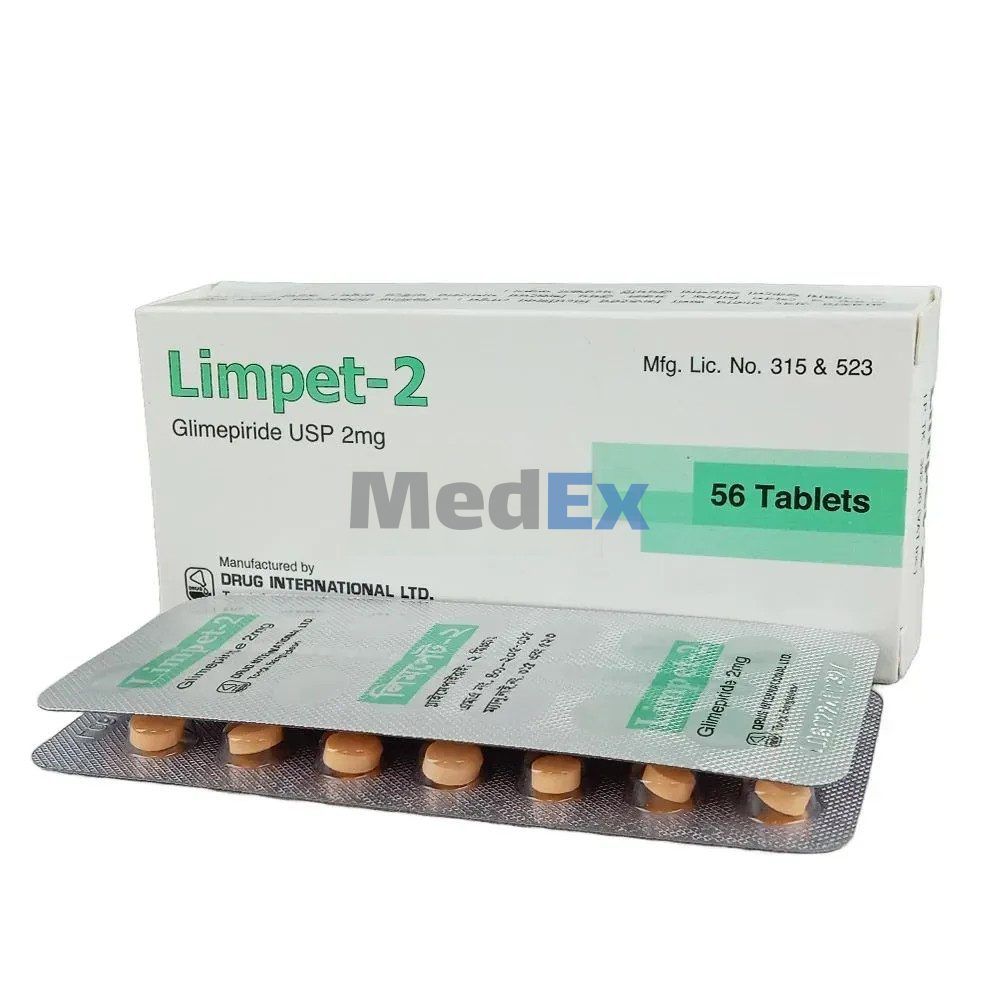
Limpet
Senride

Dactus
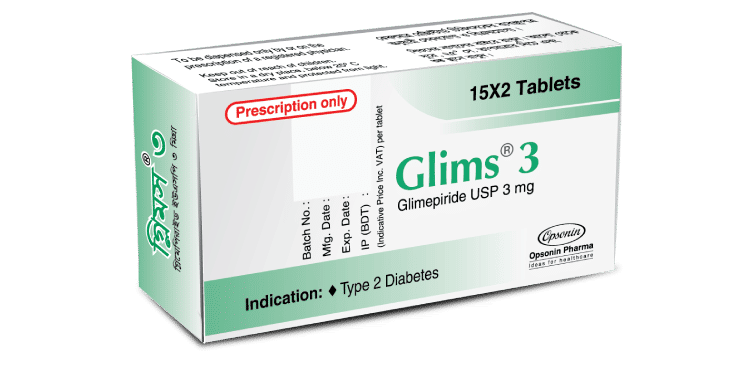
Glims
Condia
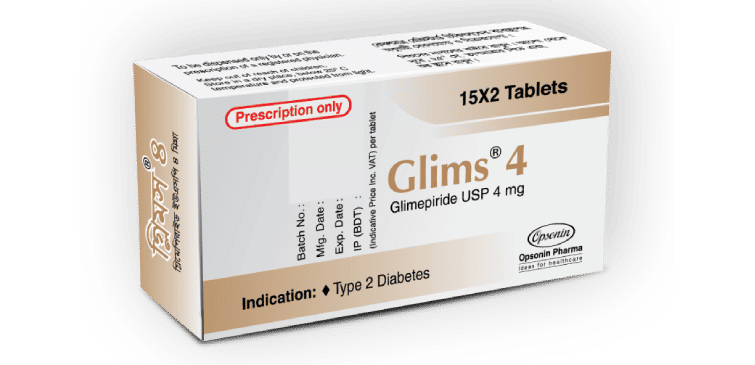
Glims
Diaryl

Dieta
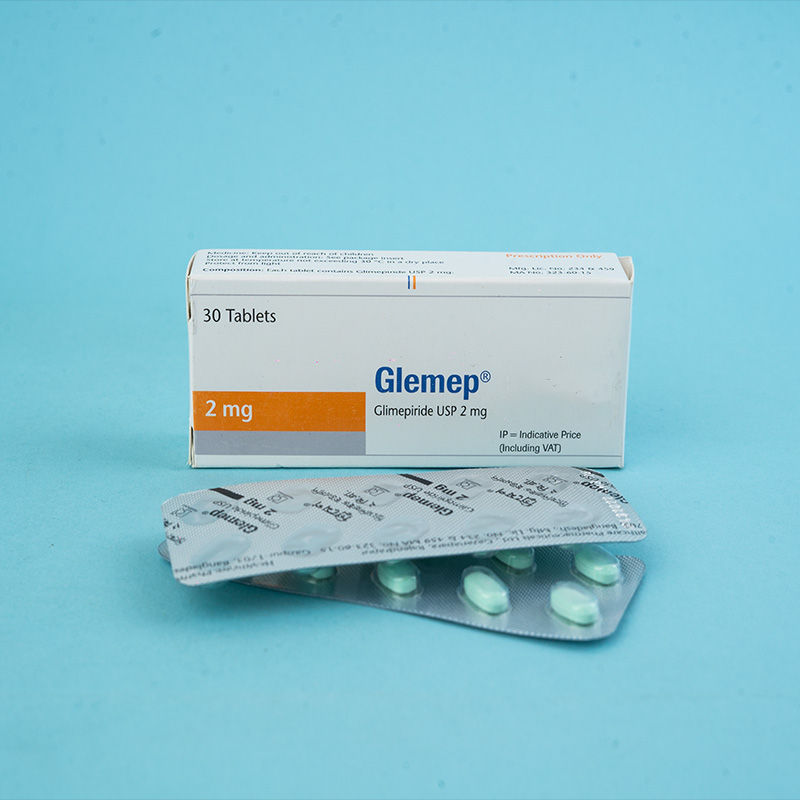
Glemep
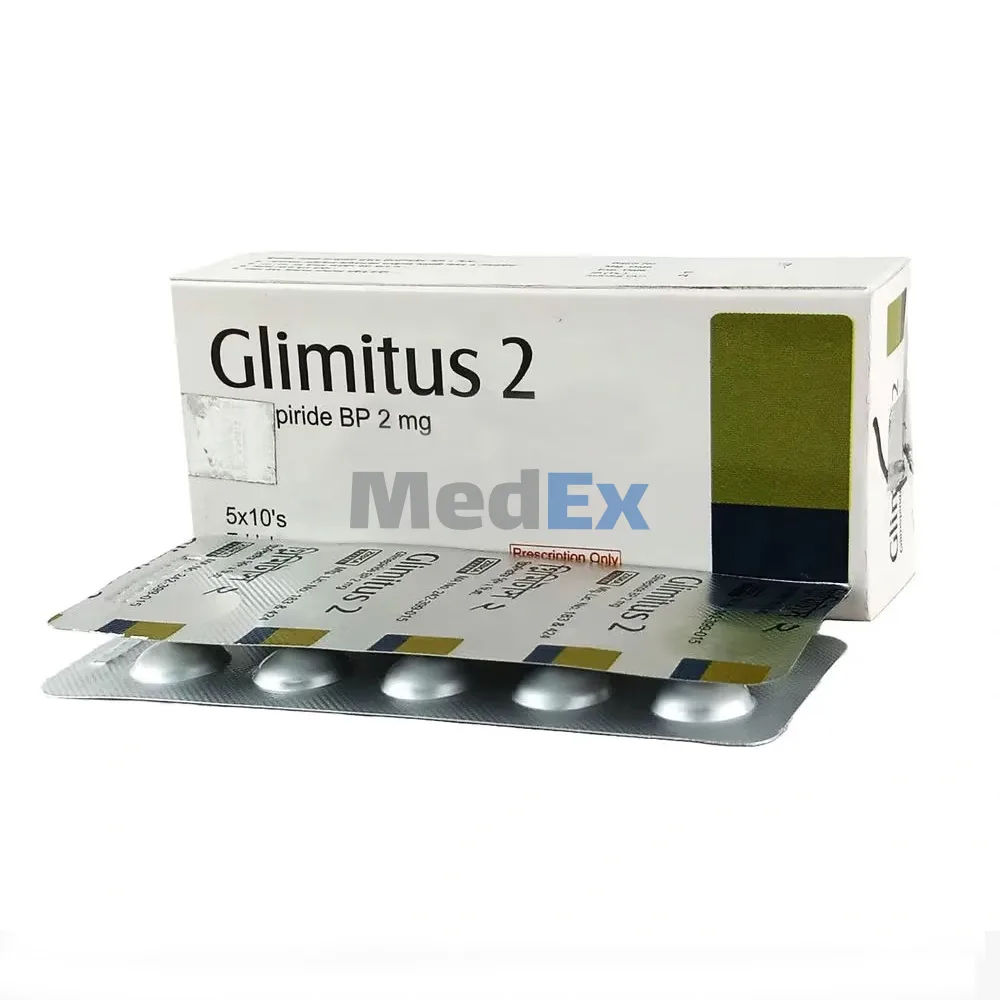
Glimitus
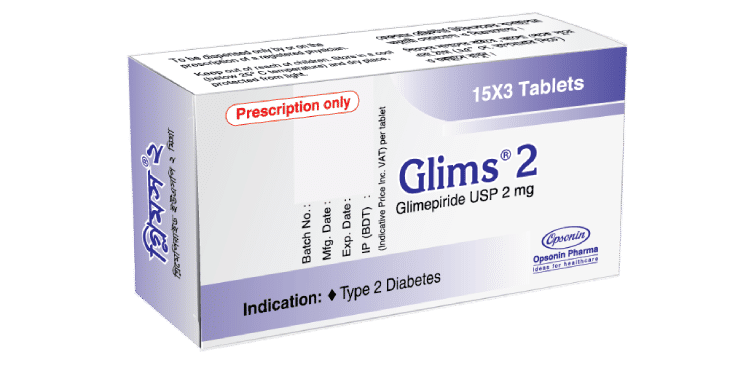
Glims
Glirid
Gluconor
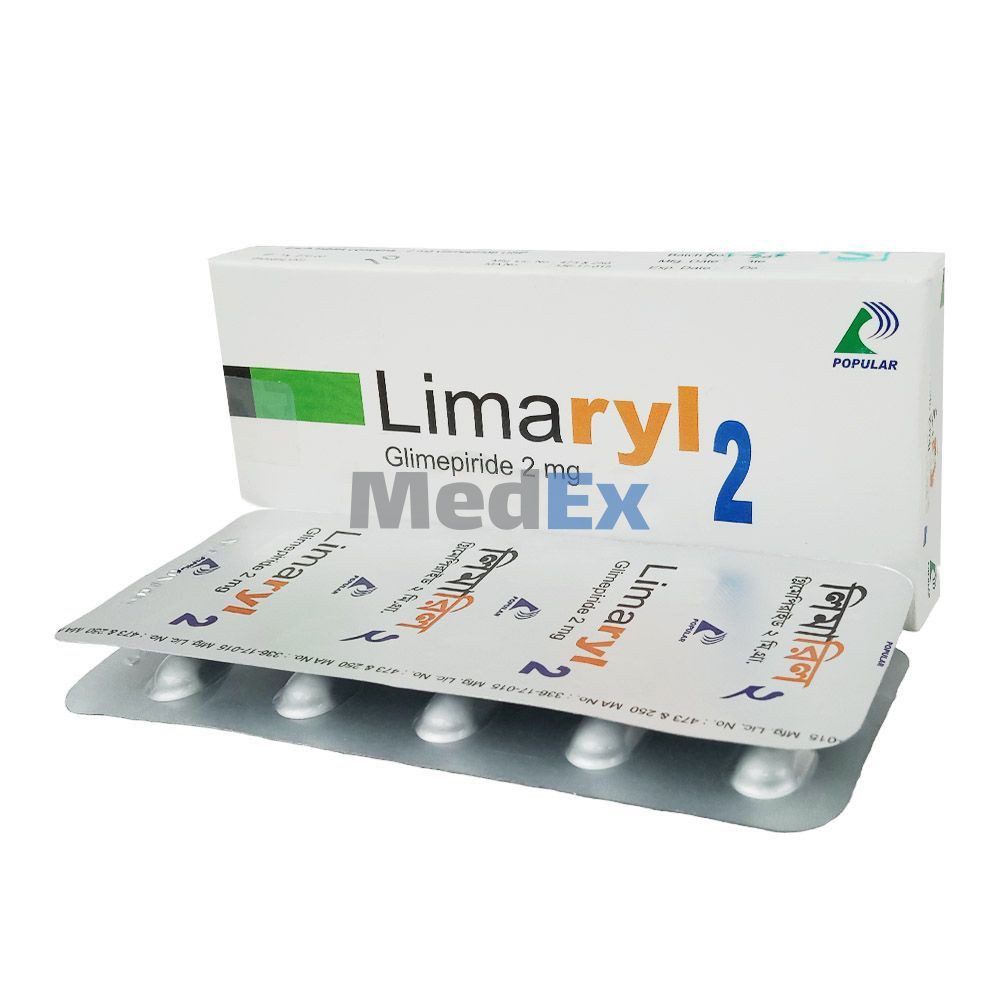
Limaryl
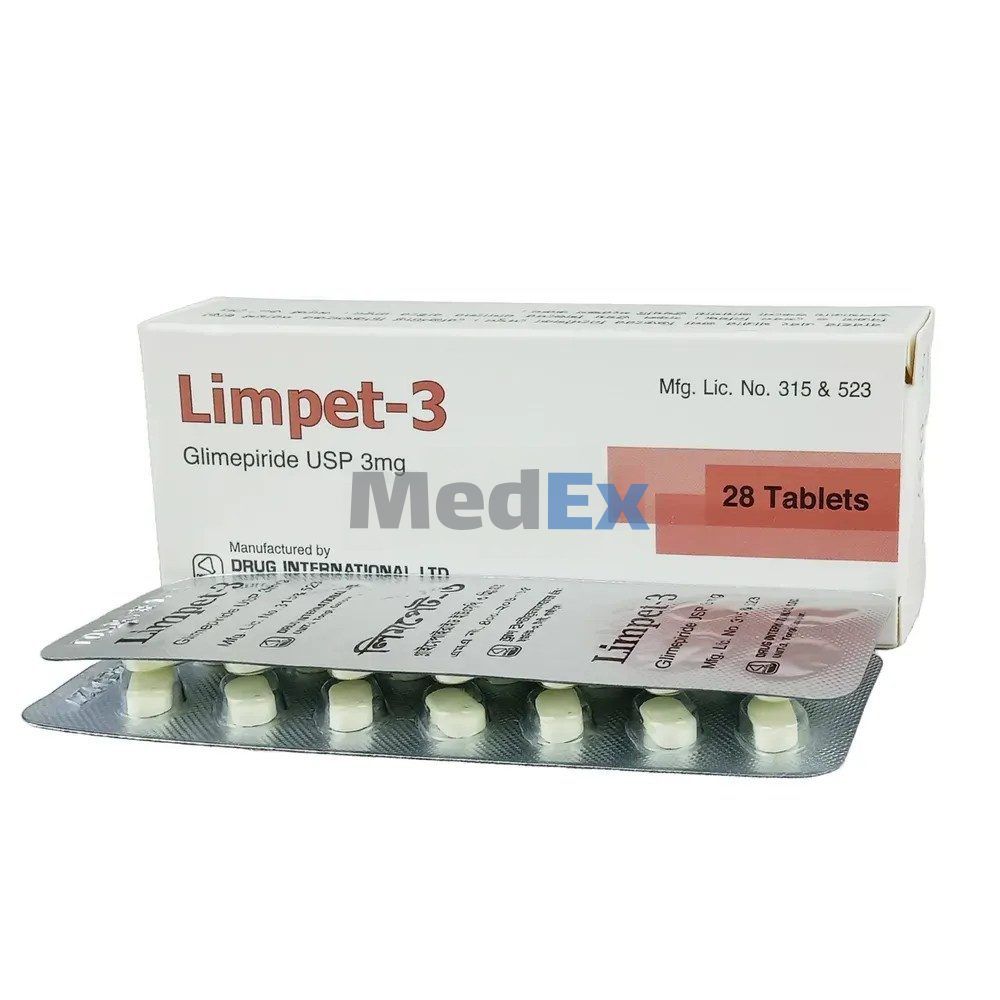
Limpet
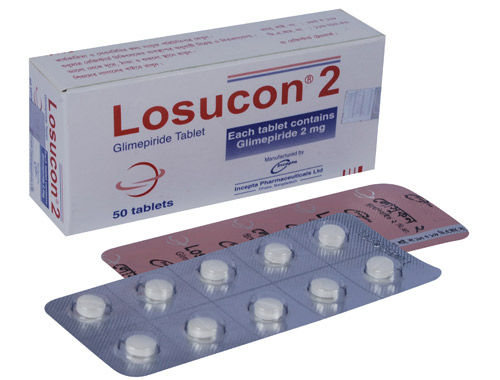
Losucon
Pride
SB-Glim
Sulforid
Sulforid
Temglip
Condia

Dactus
Dialon
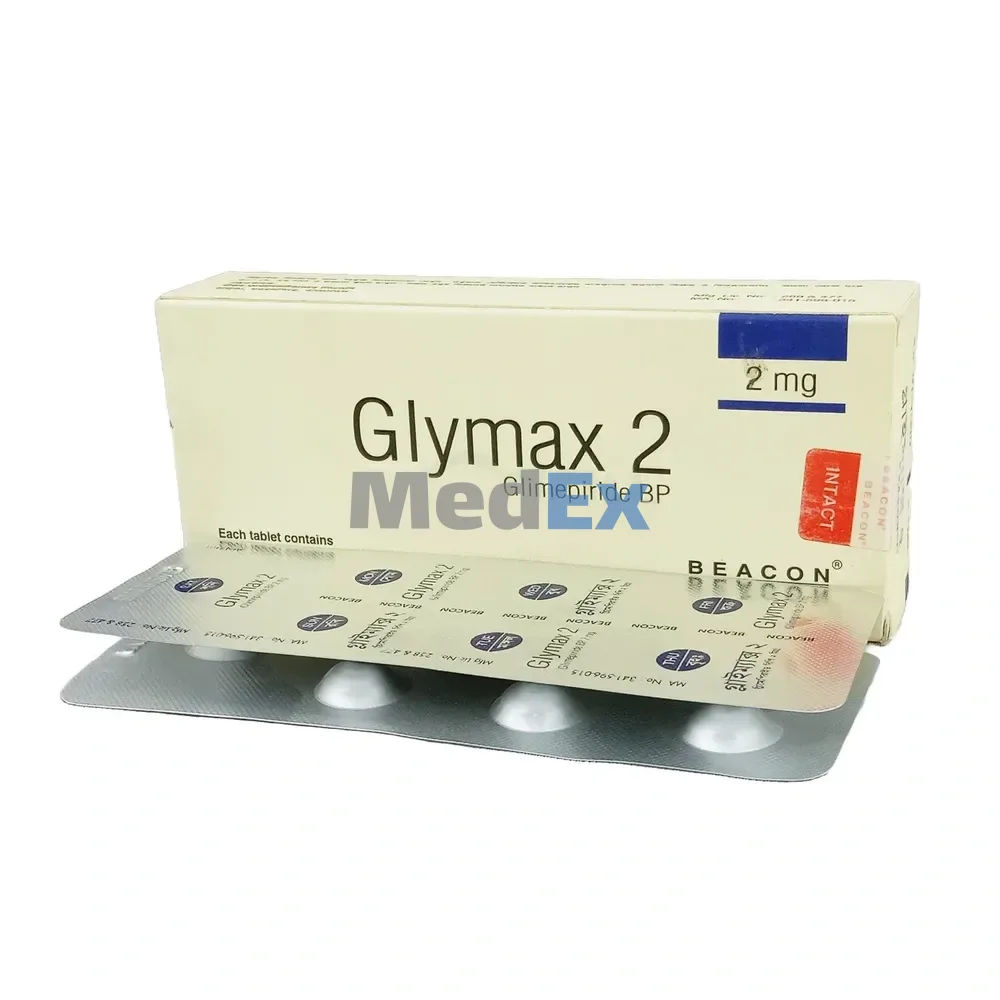
Glymax
Secrin
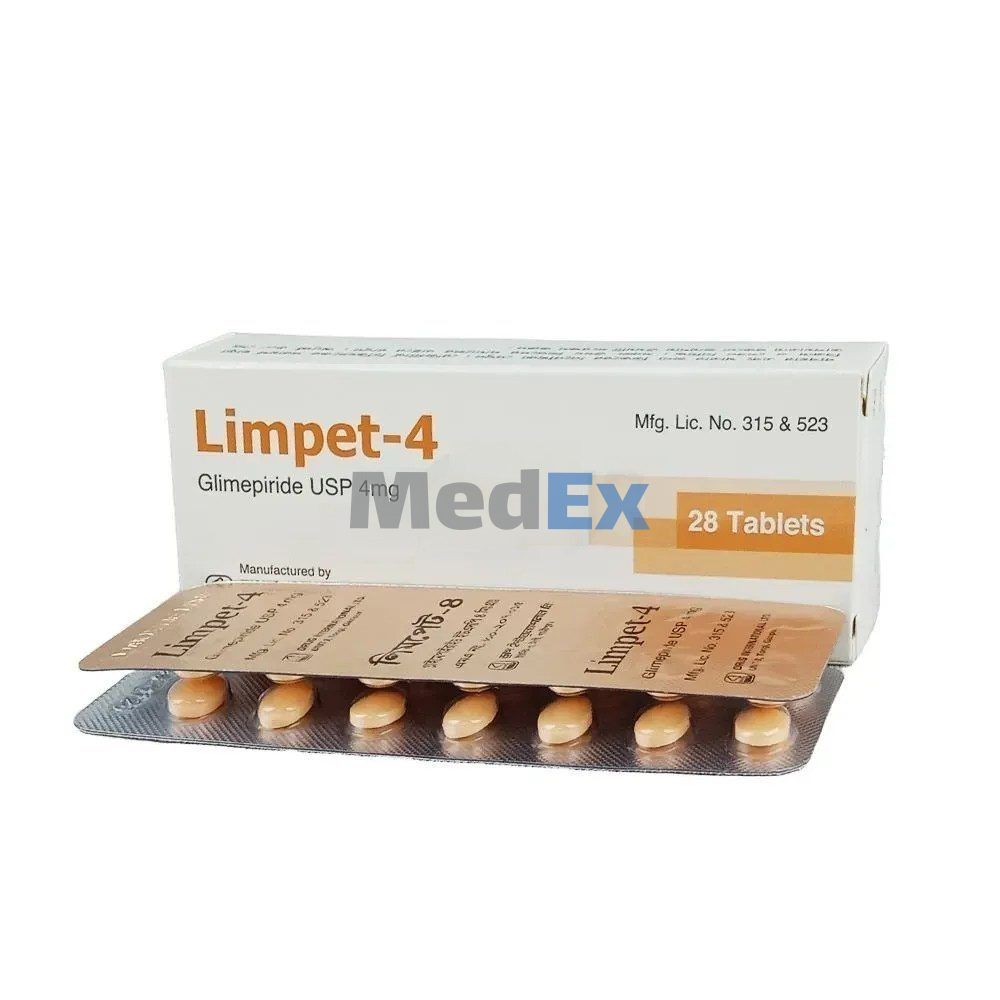
Limpet
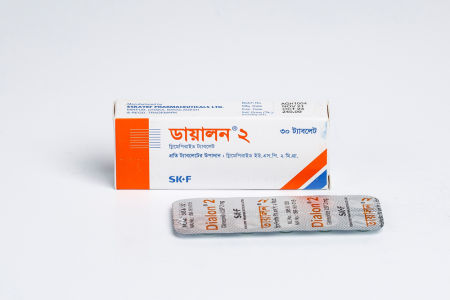
Dialon
Diaryl
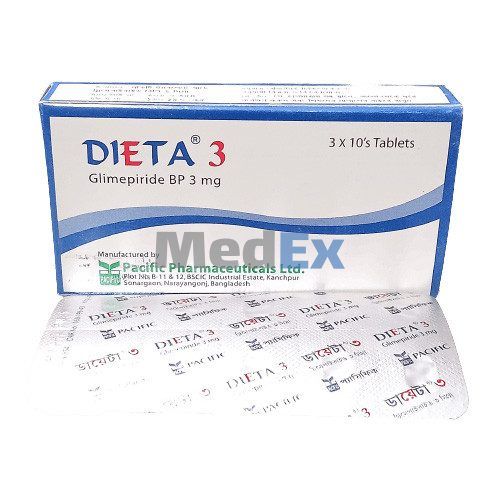
Dieta
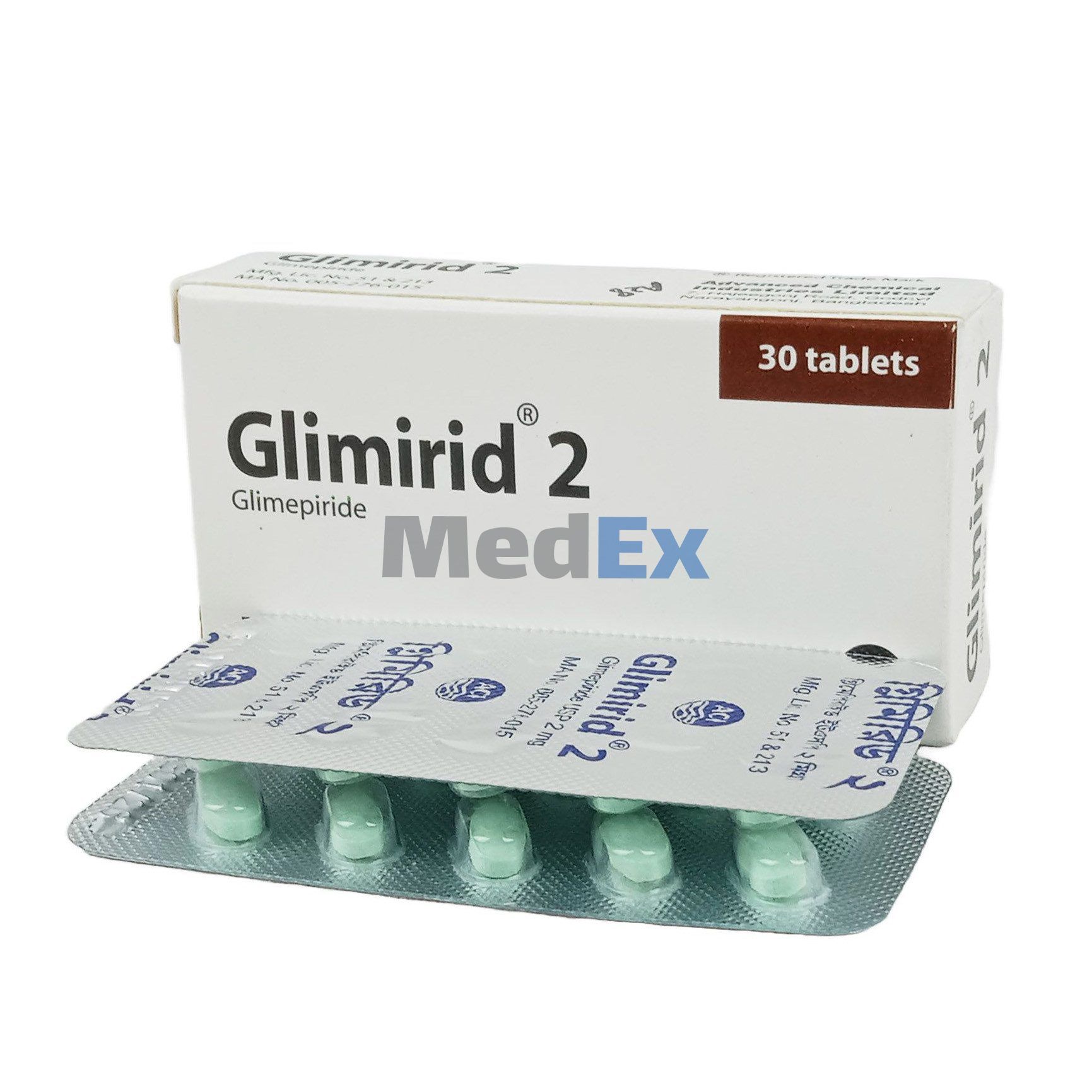
Glimirid

Glimirid
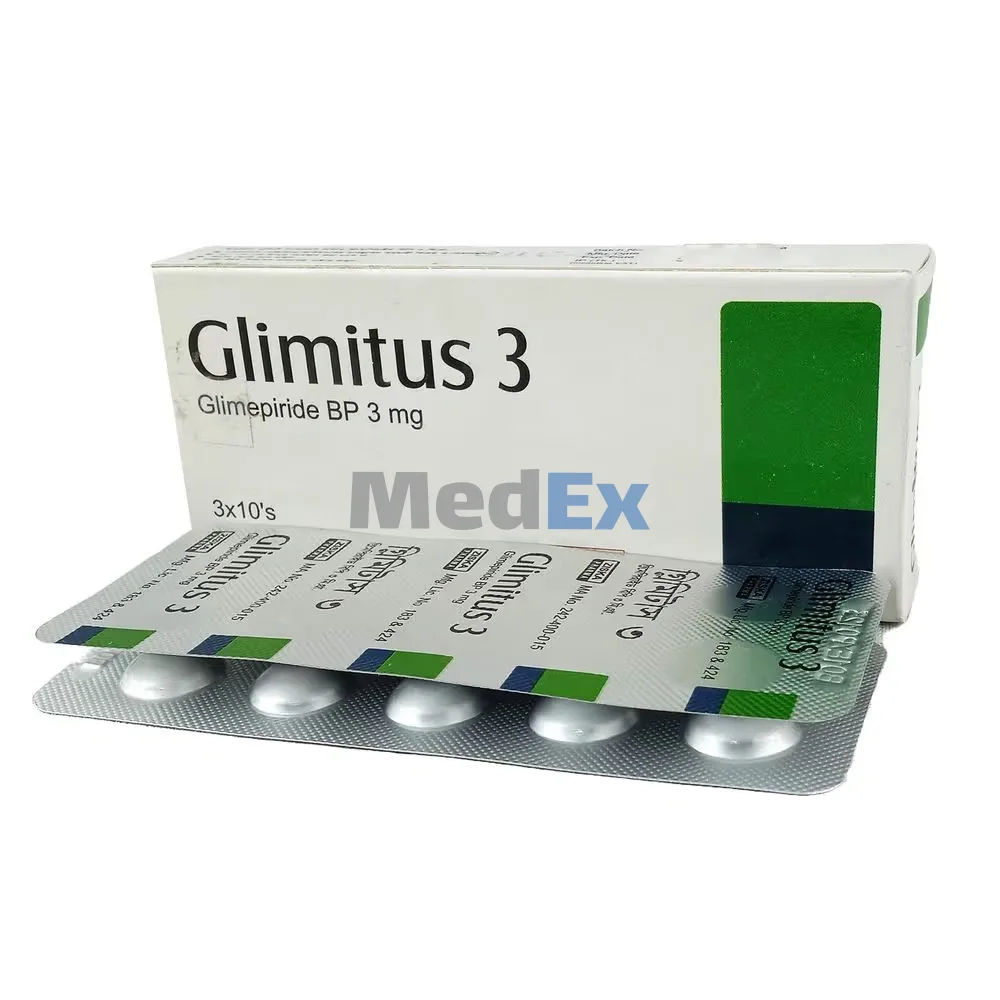
Glimitus
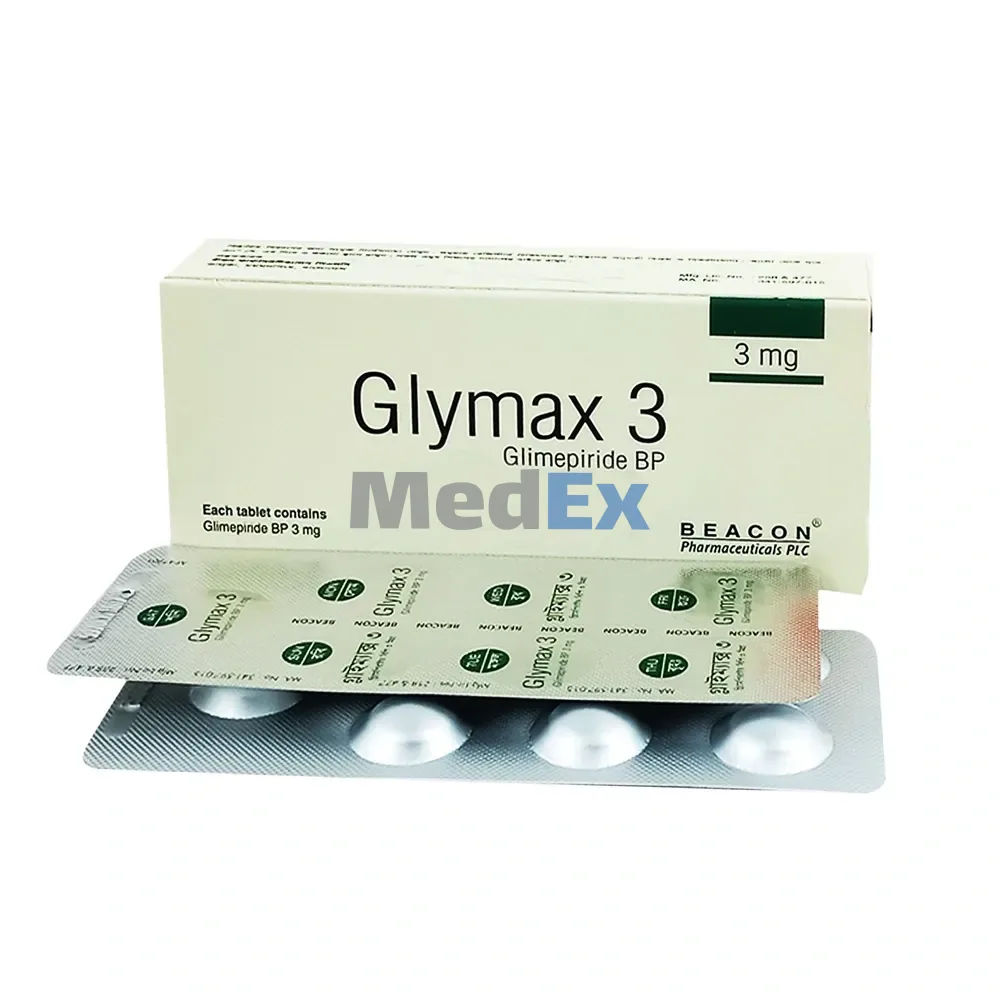
Glymax
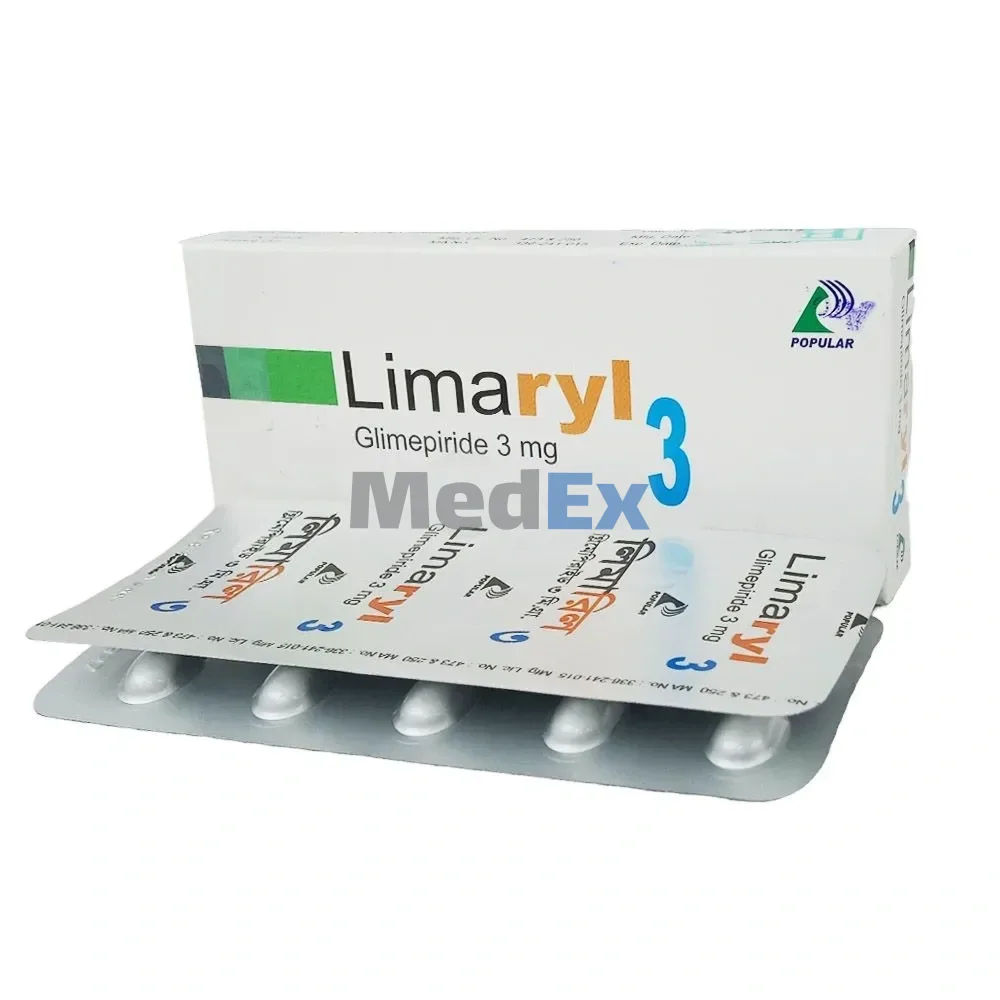
Limaryl
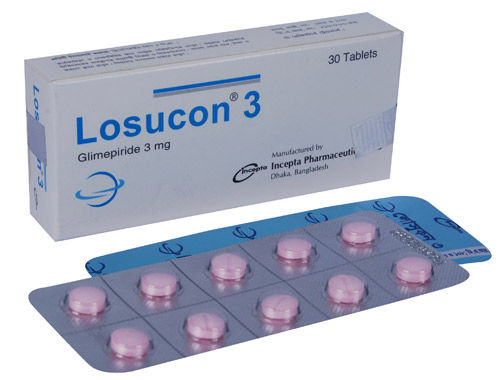
Losucon
Pride
Pride
SB-Glim
Secrin
Amynil
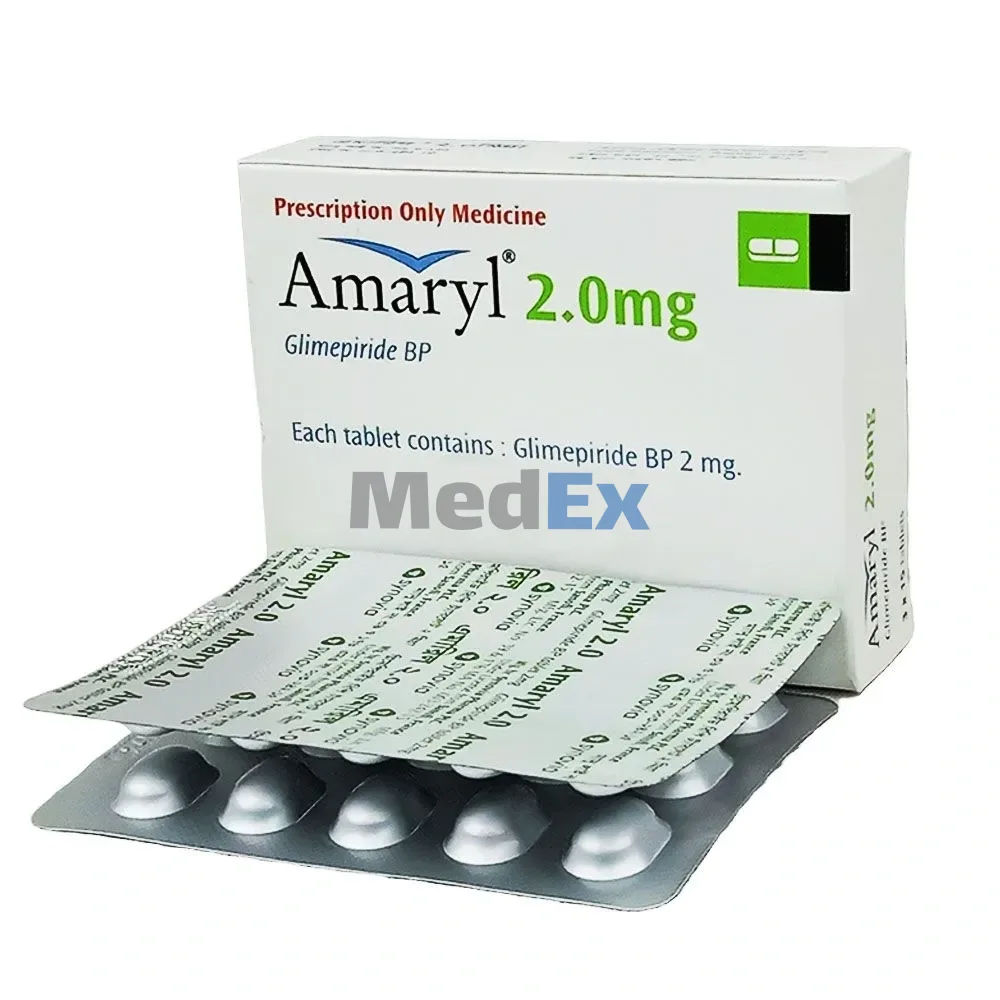
Amaryl
Sulforid
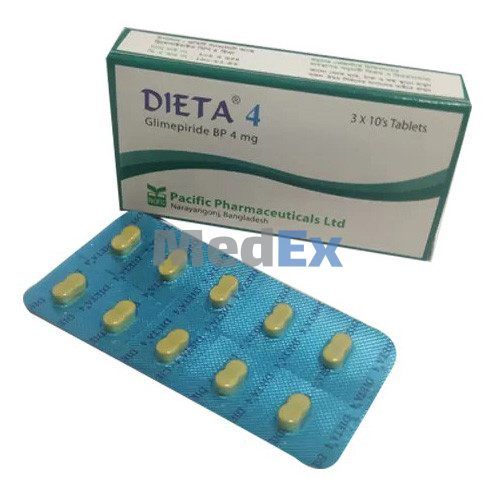
Dieta
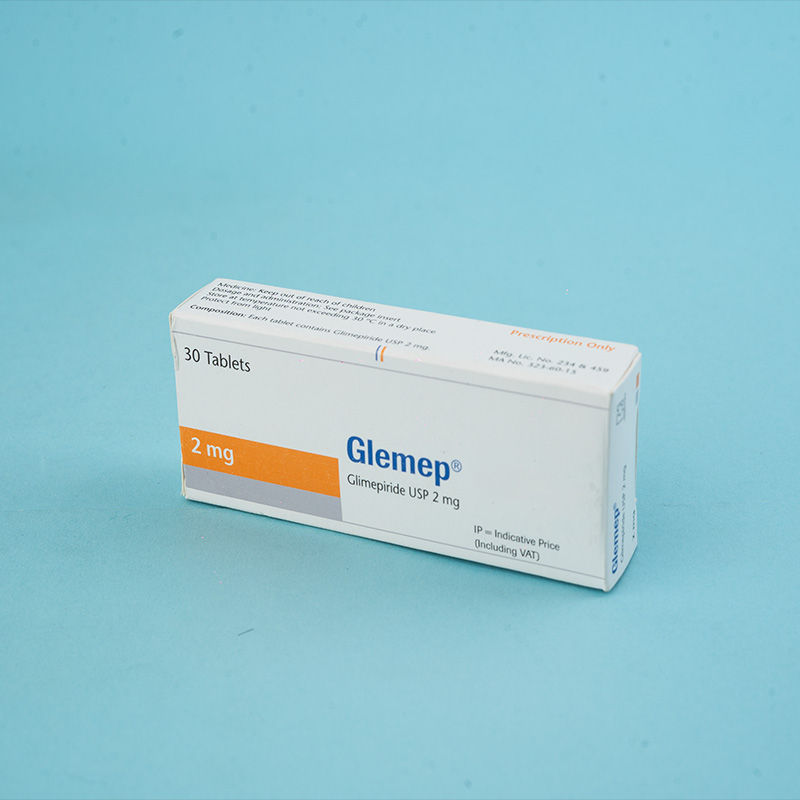
Glemep

Glimirid
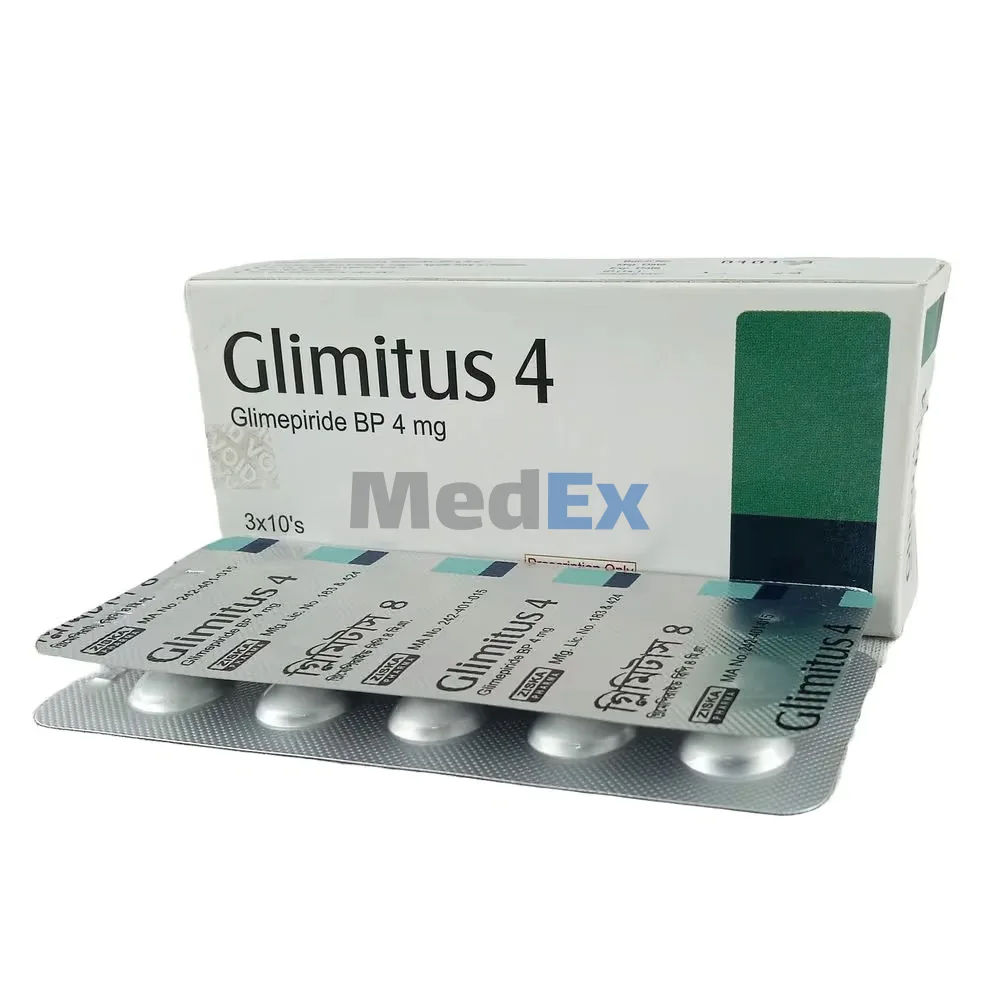
Glimitus
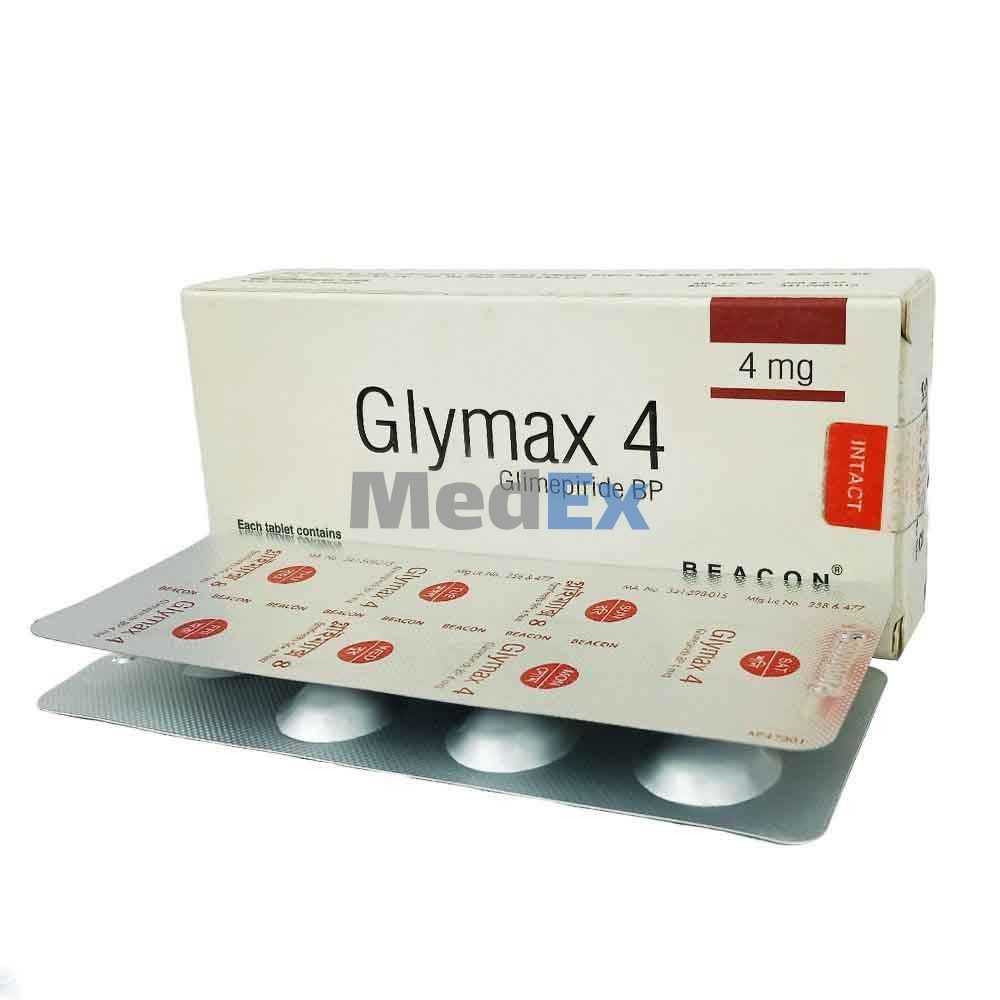
Glymax
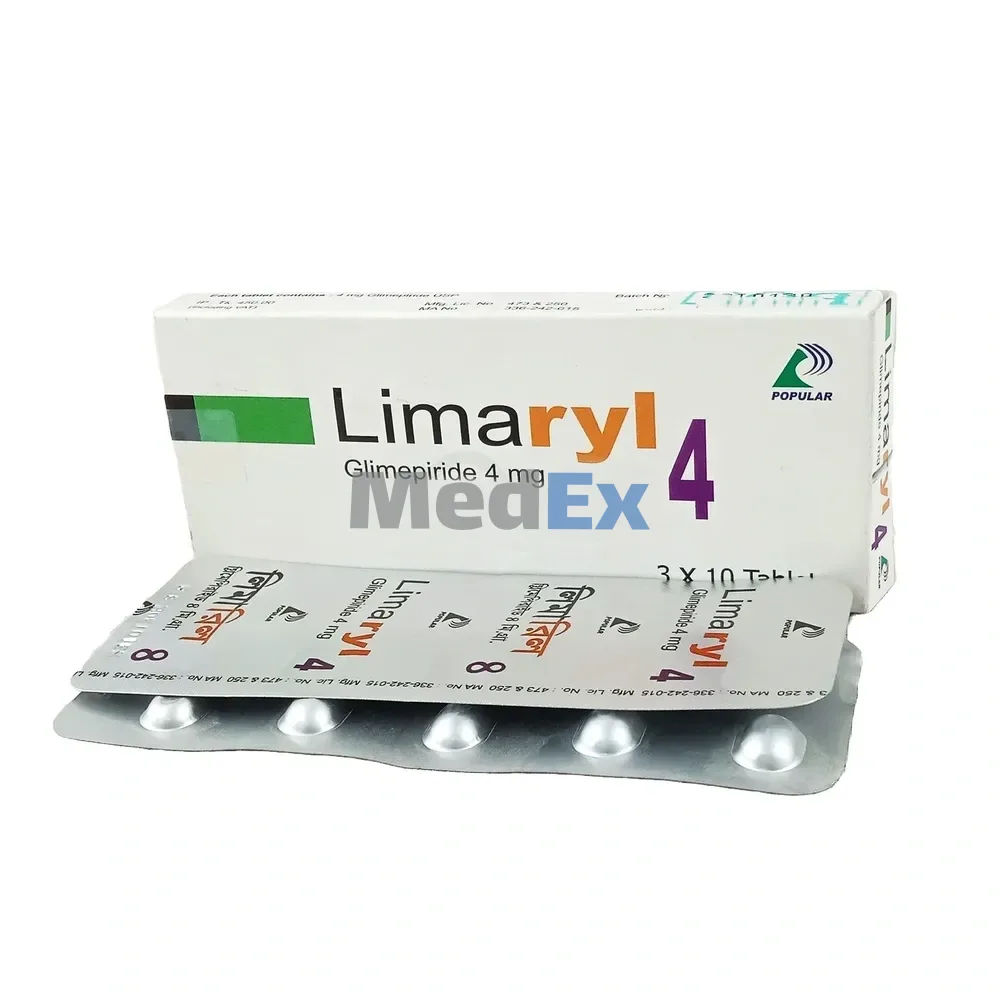
Limaryl
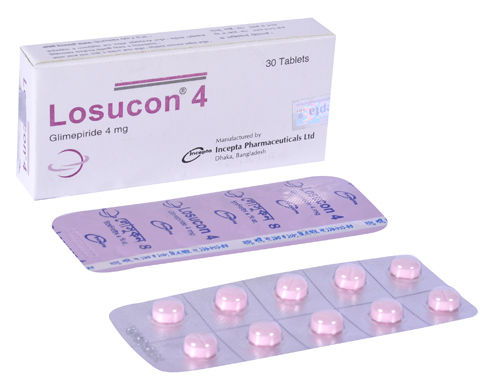
Losucon
SB-Glim
Secrin
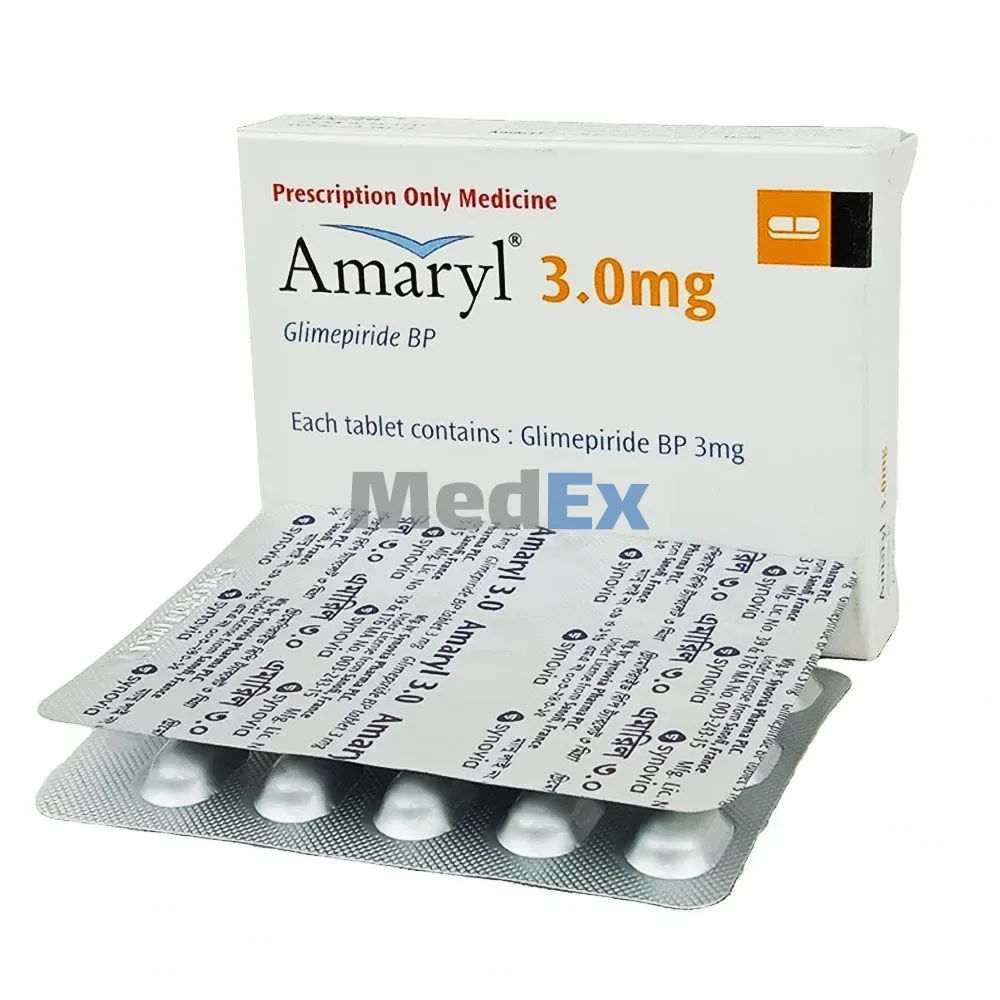
Amaryl
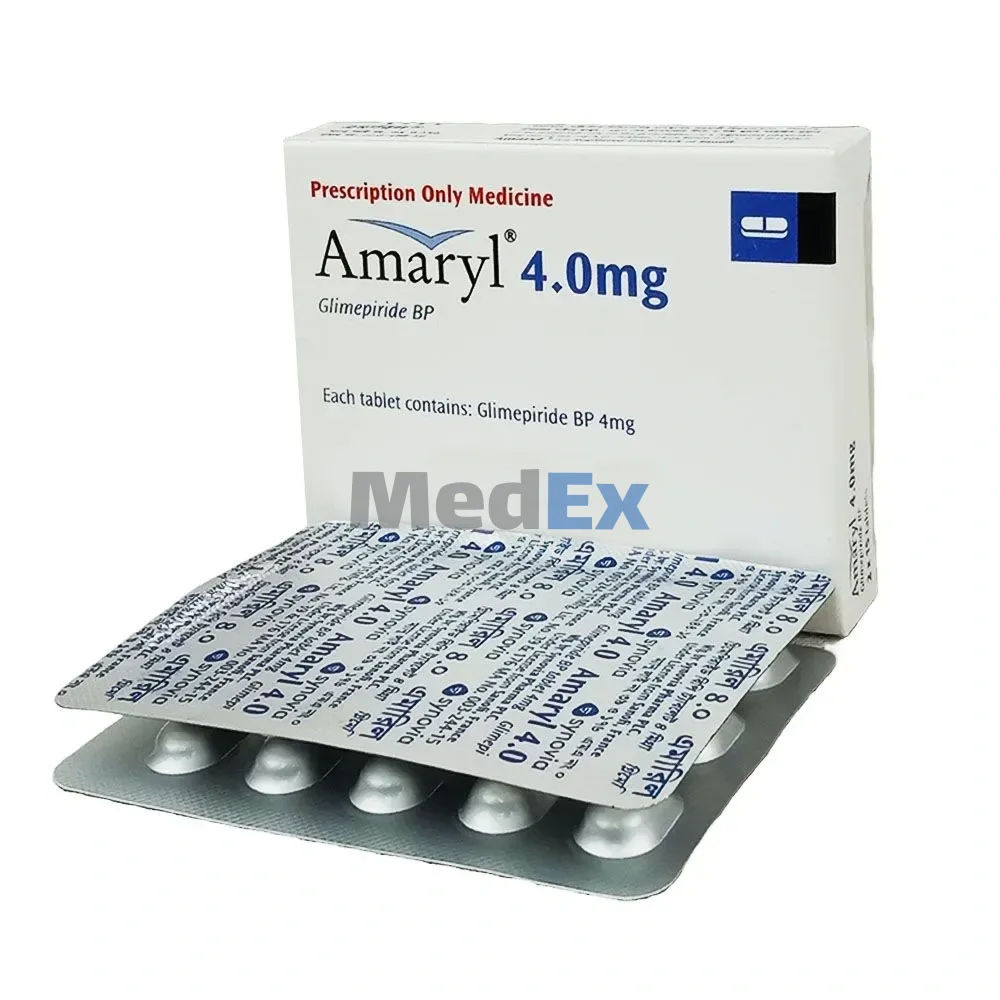
Amaryl
📖 Official Clinical Monograph
DGDA Approved Prescribing GuidelinesAdglim tablet is indicated in following conditions-
Adglim is indicated as an adjunct to diet and exercise to lower the blood glucose in patients with noninsulin dependent (Type II) diabetes mellitus (NIDDM) whose hyperglycaemia cannot be controlled by diet and exercise alone.
... Read more
Adglim tablet is indicated in following conditions-
Adglim is indicated as an adjunct to diet and exercise to lower the blood glucose in patients with noninsulin dependent (Type II) diabetes mellitus (NIDDM) whose hyperglycaemia cannot be controlled by diet and exercise alone.
Adglim may be used concomitantly with metformin when diet, exercise, and Adglim or metformin alone does not result in adequate glycaemic control.
Adglim is also indicated for use in combination with insulin to lower blood glucose in patients whose hyperglycaemia cannot be controlled by diet and exercise in conjunction with an oral hypoglycaemic agent.
Combined use of Adglim and insulin may increase the potential for hypoglycaemia.
Glimepiride is not suitable for the treatment of insulin dependent (type I) diabetes mellitus, or for the treatment of diabetic ketoacidosis, nor for the treatment of diabetic coma. Glimepiride must not be used in patients hypersensitive to Glimepiride, other sulfonylureas, other sulfonamides, severe hepatic dysfunction, severe impairment of renal function and dialysis patients.
Hypoglycaemia, temporary visual impairment, nausea, vomiting, diarrhoea, abdominal pain, urticaria, fall in blood pressure.
in the initial weeks of treatment, the risk of hypoglycaemia may be increased and necessitates careful monitoring. If such risk present it may be necessary to adjust the dosage of Adglim, Hypoglycaemia can almost be promptly controlled by immediate intake of carbohydrates (glucose or sugar).
Glimepiride is a sulfonylurea antidiabetic agent which decreases blood glucose concentration. The primary mechanism of action of Glimepiride appears to be dependent on stimulating the release of insulin from functioning pancreatic beta cells. Glimepiride acts in concert with glucose by improving the sensitivity of beta cells to physiological glucose stimulus, resulting in insulin secretion. In addition, extrapancreatic effects like reduction of basal hepatic glucose production, increased peripheral tissue sensitivity to insulin and glucose uptake may also play role in the activity of Glimepiride. In non-fasting diabetic patients, the hypoglycaemic action of a single dose of Glimepiride persists for 24 hours.