Folic Acid
💊 Brand Formulations & Prices
14 brands sorted by unit price
Folcid
Folic-Son
Refolic
Folus
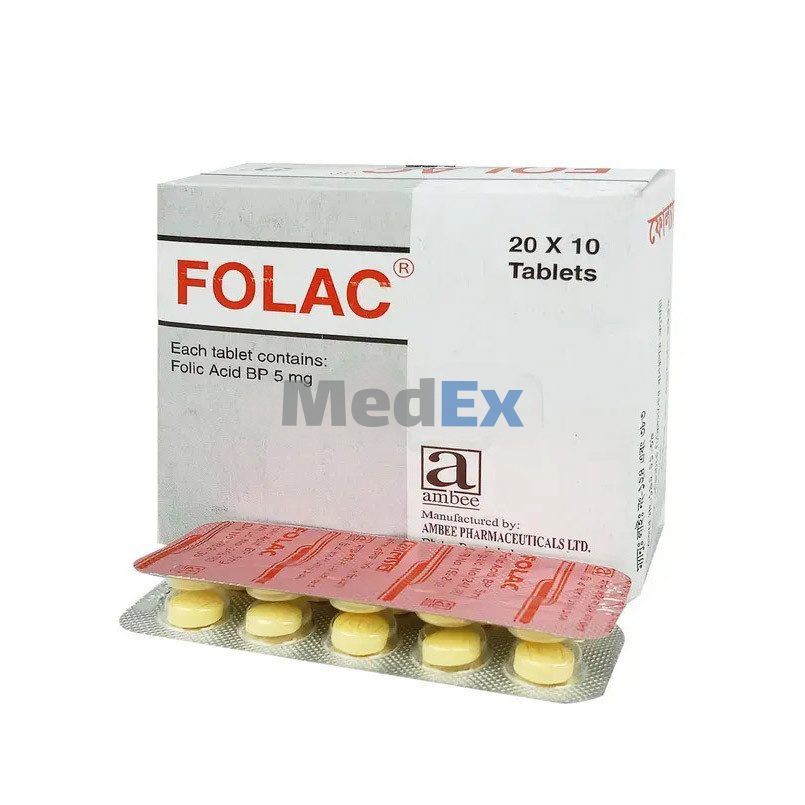
Folac
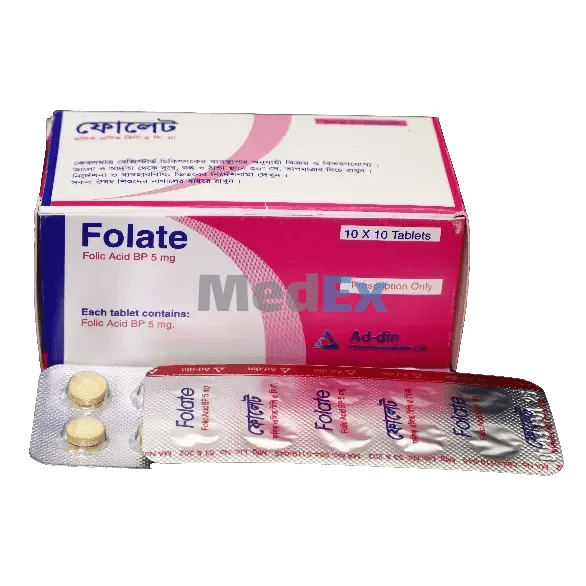
Folate
Folic Acid
Folic Acid
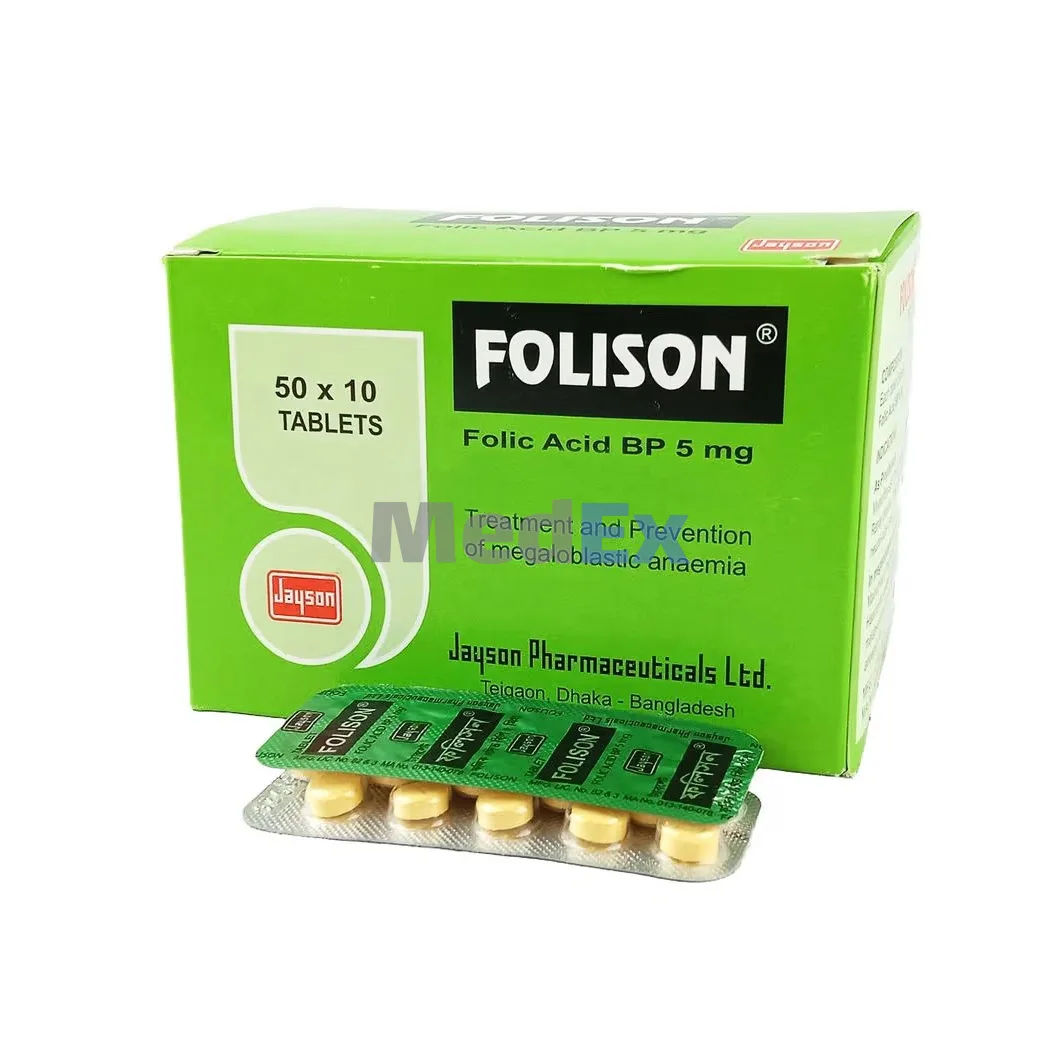
Folison
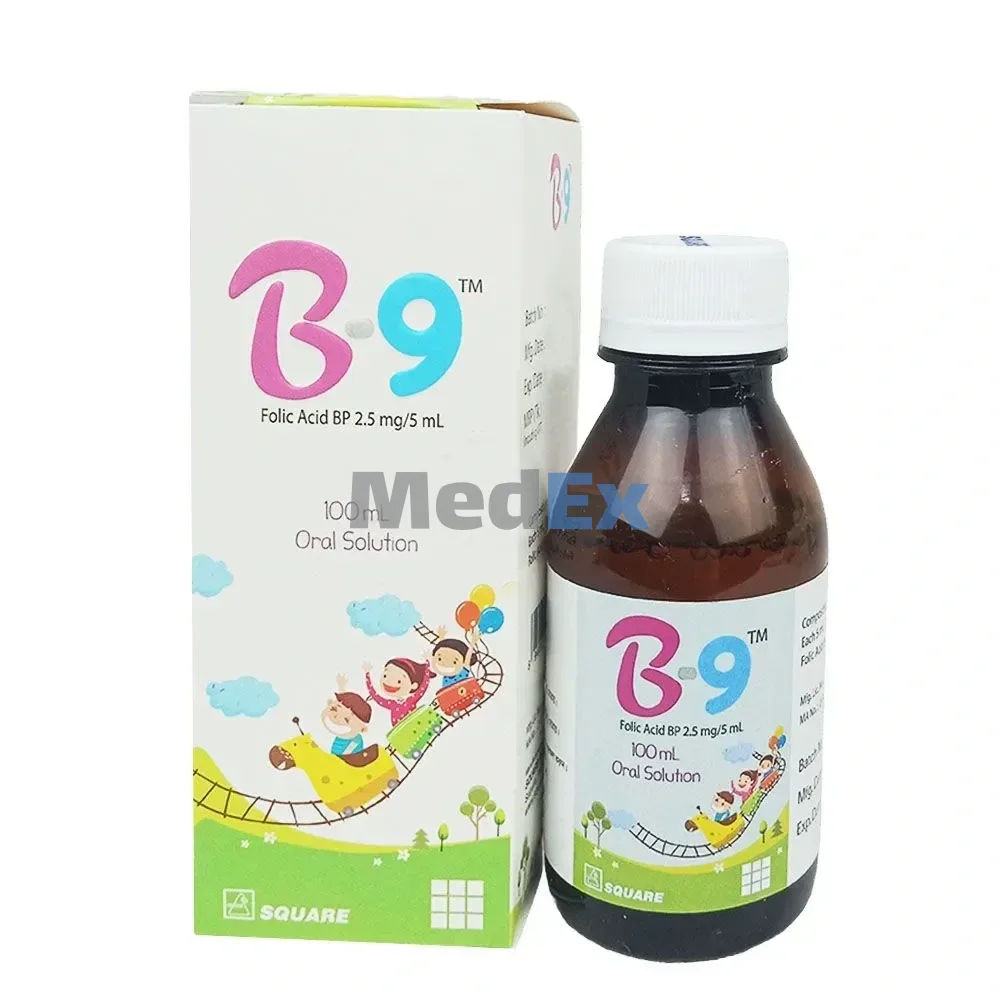
B-9

Foli Kidz
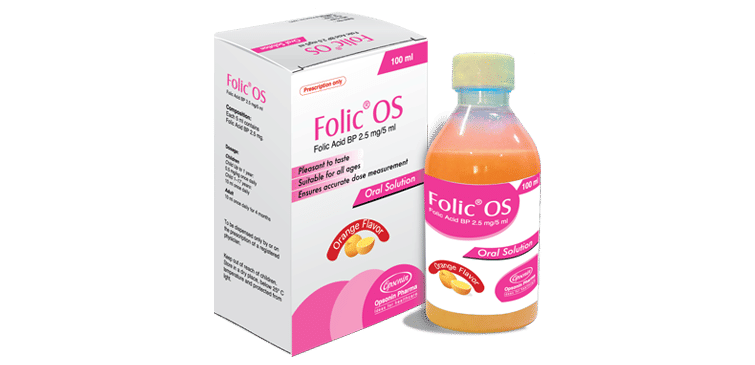
Folic OS
Folicare
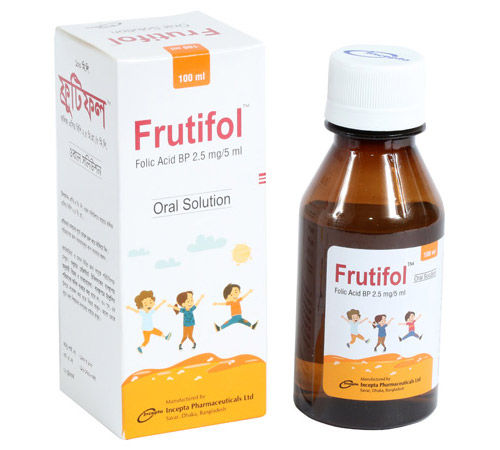
Frutifol
📖 Official Clinical Monograph
DGDA Approved Prescribing GuidelinesB-9 is indicated for the treatment of-
B-9 deficiency
Megaloblastic anemia
Anemias of nutritional origins, pregnancy, infancy, or childhood.
Adults-
Initially: 5 mg daily for 4 months.
maintenance: 5 mg every 1-7 days depending on the underlying disease.
Children-
Up to 1 year: 500 mcg/kg daily.
Over 1 year: Same as adult dose.
Folic acid is contraindicated in patients who have shown previous intolerance to the drug.
B-9 is generally well tolerated. Gastro-intestinal disturbances may occur. Hypersensitivity reactions have been reported rarely.
It should be used with caution in patients who may have folate dependent tumours. It should never be given alone or in conjunction with inadequate amounts of vitamin B12 for the treatment of undiagnosed megaloblastic anaemia. Although B-9 may produce a haematopoietic response in patients with a megaloblastic anaemia due to vitamin B12 deficiency it should not be given alone in vitamin B12 deficiency states as it may precipitate the onset of subacute combined degeneration of the cord. In elderly people a cobalamin absorption test should be done before long term folate. No harmful results found from short courses of folate.
Folic acid, as it is biochemically inactive, is converted to tetrahydrofolic acid and methyltetrahydrofolate by dihydrofolate reductase (DHFR). These folic acid congeners are transported across cells by receptor-mediated endocytosis where they are needed to maintain normal erythropoiesis, synthesize purine and thymidylate nucleic acids, interconvert amino acids, methylate tRNA, and generate and use formate. Using vitamin B12 as a cofactor, folic acid can normalize high homocysteine levels by remethylation of homocysteine to methionine via methionine synthetase.