 Oshud
OshudFlunarizine
 Other drugs for migraine
Brands & Prices (43)
📋 Indications & Uses Dosage & Administration⚠️ Contraindications⚡ Side Effects & Adverse Reactions🛡️ Warnings & Precautions🔬 Pharmacology & Mechanism
Other drugs for migraine
Brands & Prices (43)
📋 Indications & Uses Dosage & Administration⚠️ Contraindications⚡ Side Effects & Adverse Reactions🛡️ Warnings & Precautions🔬 Pharmacology & Mechanism
Brand Formulations & Prices
43 brands sorted by unit price
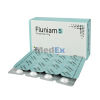
Fluniam

Flurium

Lunarzin
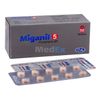
Miganil
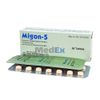
Migon

Capitis
Florium
Fludix
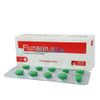
Flunarin
Migrafix

Rizelium
Tigover

Minium
Vertig

Fizi

Flurizin
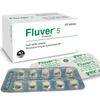
Fluver

Fluzin
Migrium
Nalzin
Norium
Imigra

Capitis
Fizi
Florium
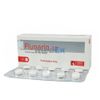
Flunarin
Flurium
Lunarzin
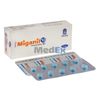
Miganil
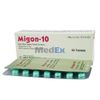
Migon
Rizelium
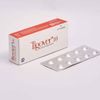
Tigover
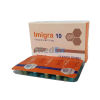
Imigra
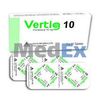
Vertig
Minium
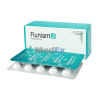
Fluniam
Migrafix
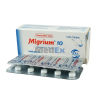
Migrium

Flurizin
Fluver
Fluzin
Nalzin

Norium
📖 Official Clinical Monograph
DGDA Approved Prescribing GuidelinesCapitis is indicated for
Prophylaxis of classic (with aura) or common (without aura) migraine
Symptomatic treatment of vestibular vertigo (due to a diagnosed functional disorder of the vestibular system).
Peripheral Vascular Disease (PVD)
Motion sickness
Refractory epilepsy resistant to conventional antiepileptic therapy.
Dosage & AdministrationMigraine Prophylaxis:
Starting Dose:
10 mg at night in patients less than 65 years of age and 5 mg daily in patients older than 65 years. If, during this treatment depressive, extrapyramidal or other unacceptable symptoms occur, administration should be discontinued. If, after 2 months of this initial treatment, no significant improvement is observed, the patient should be considered a non-responder and administration should be discontinued.
Maintenance Treatment:
If a patient is responding satisfactorily and if a maintenance treatment is needed, the dose should be decreased to 5 days treatment at the same daily dose with two successive medicine free days every week. Even if the prophylactic maintenance treatment is successful and well tolerated, it should be interrupted after 6 months and it should be re-initiated only if the patient relapses.
Peripheral Vascular disease:
10 mg twice daily, up to 30 mg per day if required.
Vertigo & motion sickness:
10-20 mg daily for adults and 5 mg daily for children (> 40 kg).
Epileptic seizure:
15-20 mg daily in adults and 5 to 10 mg daily for children as an add-on therapy
Hypersensitivity to Flunarizine. Flunarizine is contra-indicated in patients with a history of depressive illness, or with pre-existing symptoms of Parkinson's disease or other extrapyramidal disorders.
Drowsiness and/or fatigue, as well as weight gain and/or increased appetite may occur. The following adverse experiences have been reported during chronic treatment with Capitis: depression, of which female patients with a history of depressive illness may be particularly at risk; extrapyramidal symptoms (such as bradykinesia, rigidity, akathisia, orofacial dyskinesia, tremor), of which elderly patients seem particularly at risk. Infrequently reported adverse reaction are: heartburn; nausea; gastralgia; insomnia; anxiety; galactorrhoea; dry mouth; muscle ache; skin rash.
Capitis may lead to drowsiness which is aggravated by the simultaneous intake of alcohol or other central nervous system depressants. Patients should be cautioned against driving motor vehicles or performing other potentially hazardous tasks where a loss of mental alertness may lead to accidents. Capitis is not suited for aborting a migraine attack. The possible occurrence of an attack is therefore no reason to increase the dose of Capitis. This treatment may give rise to extrapyramidal and depressive symptoms and reveal Parkinsonism, especially in predisposed patients such as the elderly. Capitis should therefore be used with caution in such patients.
Flunarizine is the difluorinated derivative of cinnarizine. It is a selective calcium channel antagonist. By reducing excessive transmembrane influx of calcium Flunarizine prevents cellular calcium overload. It does not interfere with normal cellular calcium homeostasis. Flunarizine also has some antihistaminic and sedative properties. It binds at an affinity of 99% to plasma protein.