Fluconazole
💊 Brand Formulations & Prices
215 brands sorted by unit price
Diflucon

Farlan
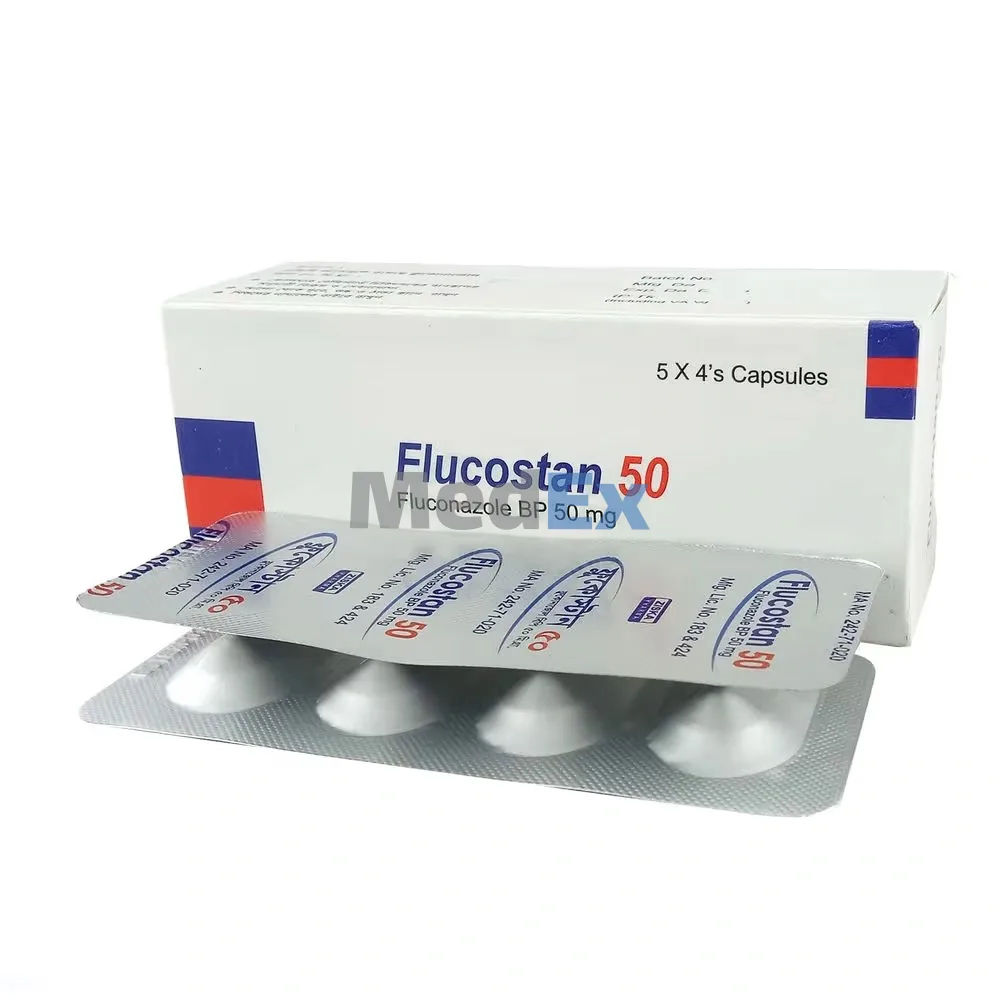
Flucostan
Flumart

Fluconazole
Mycorest
Anfasil
Candizol
Falcon
Flavona
Fluconazole
Flunazol
Funga
Fluconaaf
Flucoron
Orcon
Flumazole
Techonazol
Candid
Candiflu
Candifun
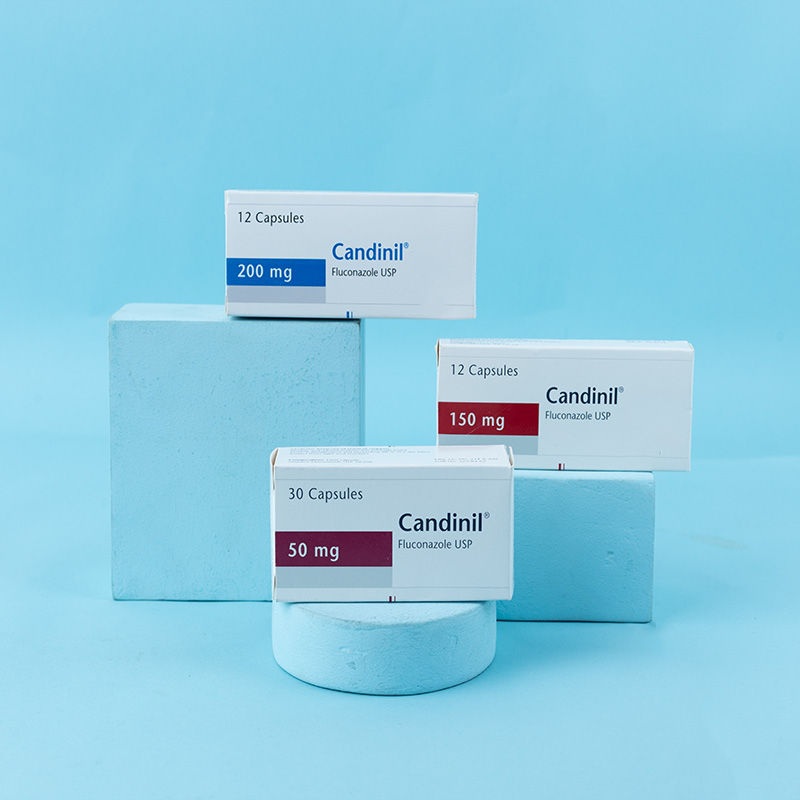
Candinil
Con
Conazole
Cosflu
Darmy
Dermicon

Diflu

F-Zol
Fluact
Flucanex
Flucid
Fluco-S
Fluconazole
Flucostin
Flucovax
Fludex
Flufun
Flugard
Flujale
Fluma
Flumyc
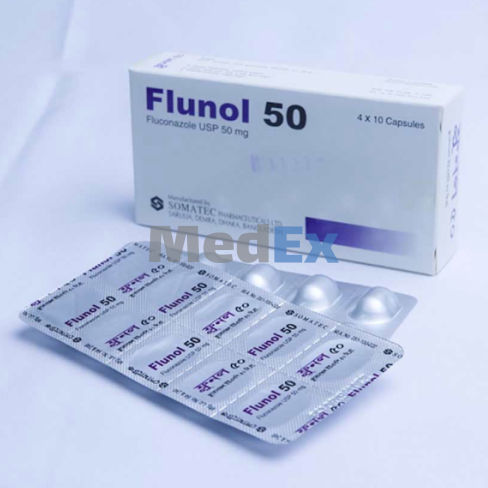
Flunol
Flunova
Flusaf
Fluxagal
Fluzo
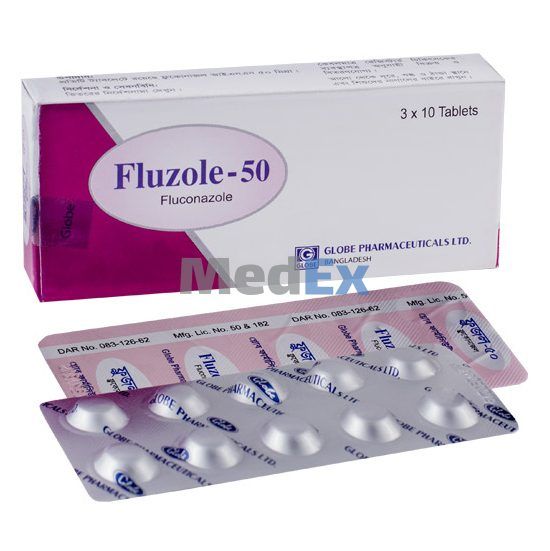
Fluzole
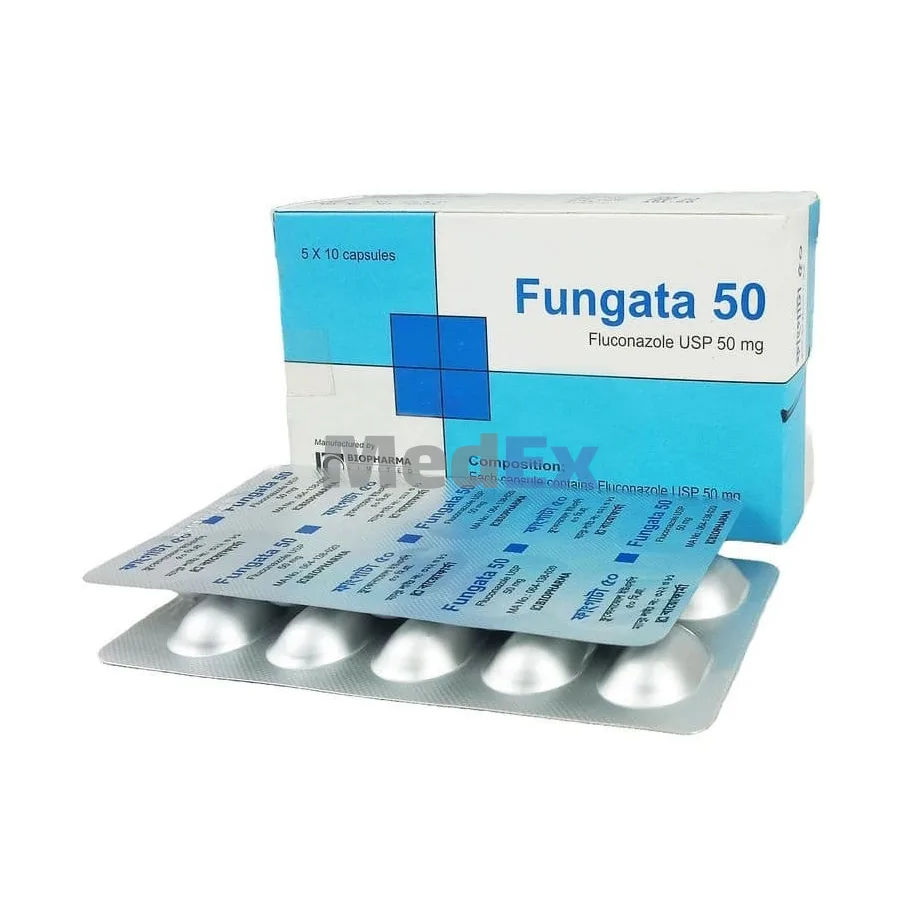
Fungata
Fungi-F
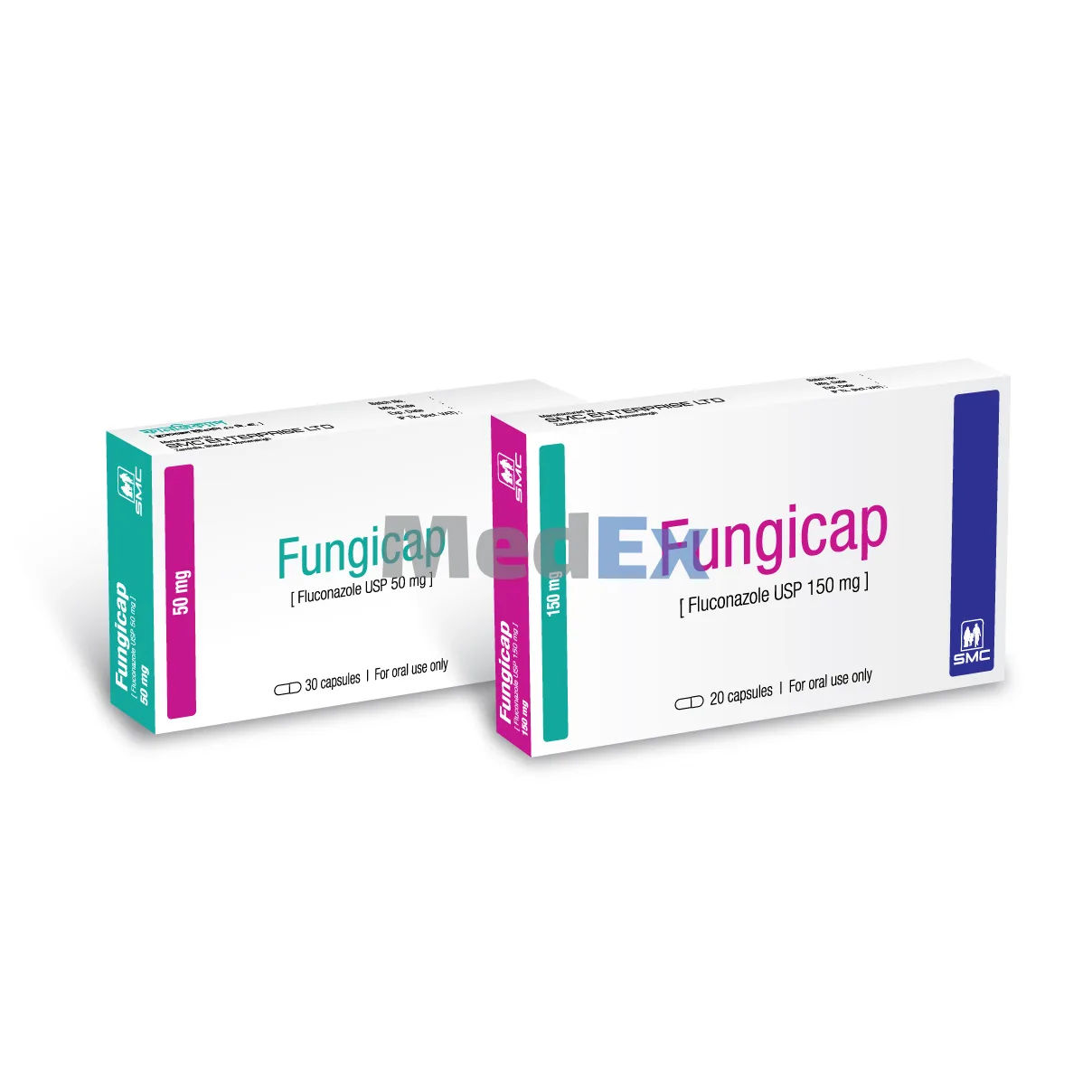
Fungicap
Fungifix
Funginil
Funzole
Fuze
Leucodar
Limastin
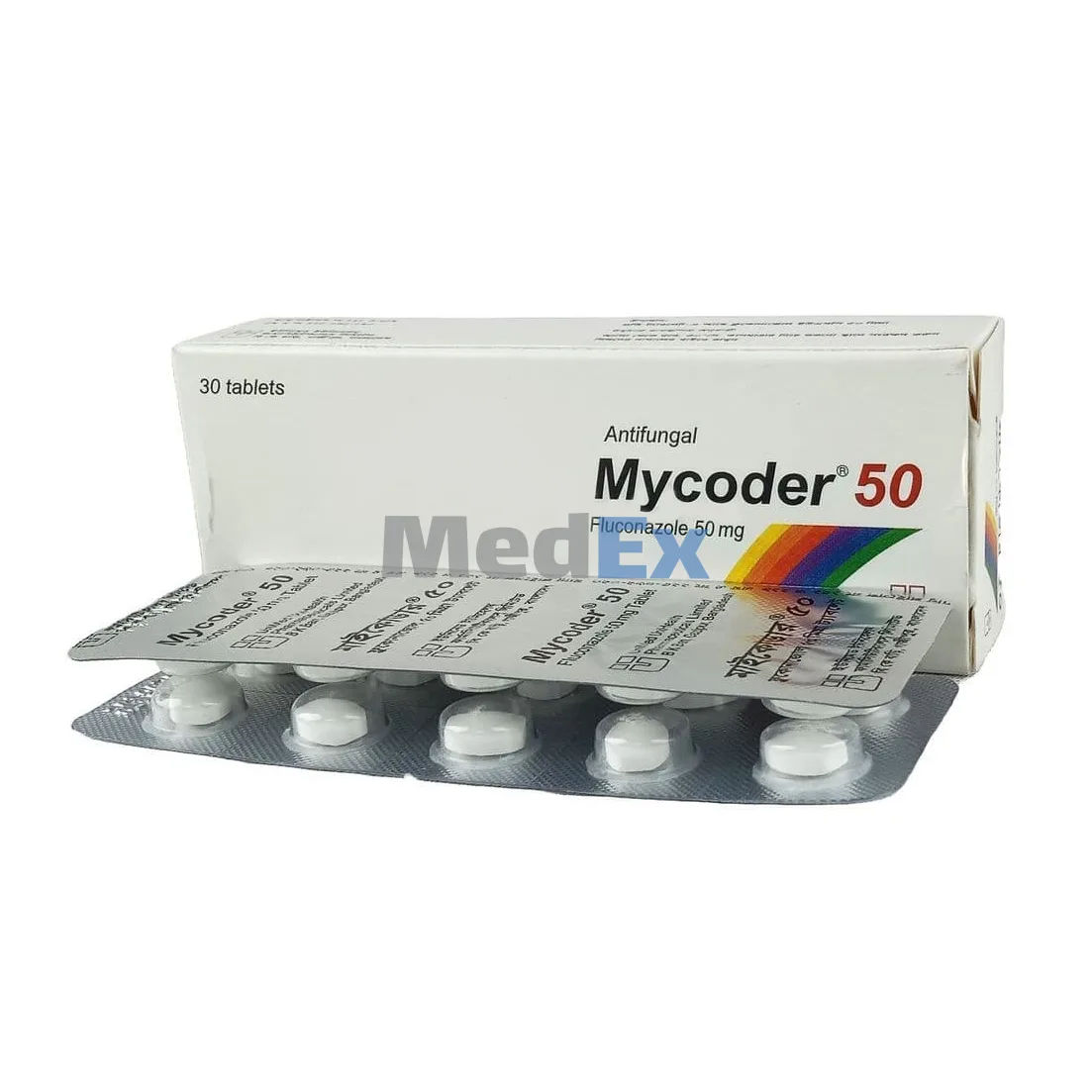
Mycoder
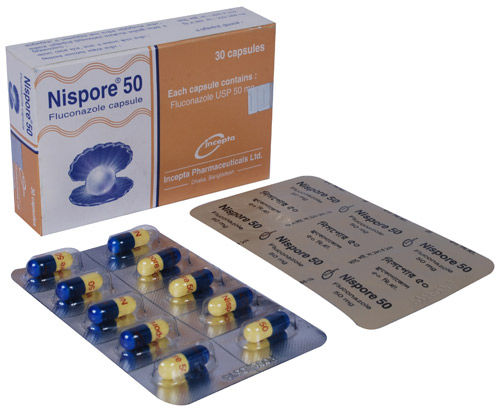
Nispore
Nogal
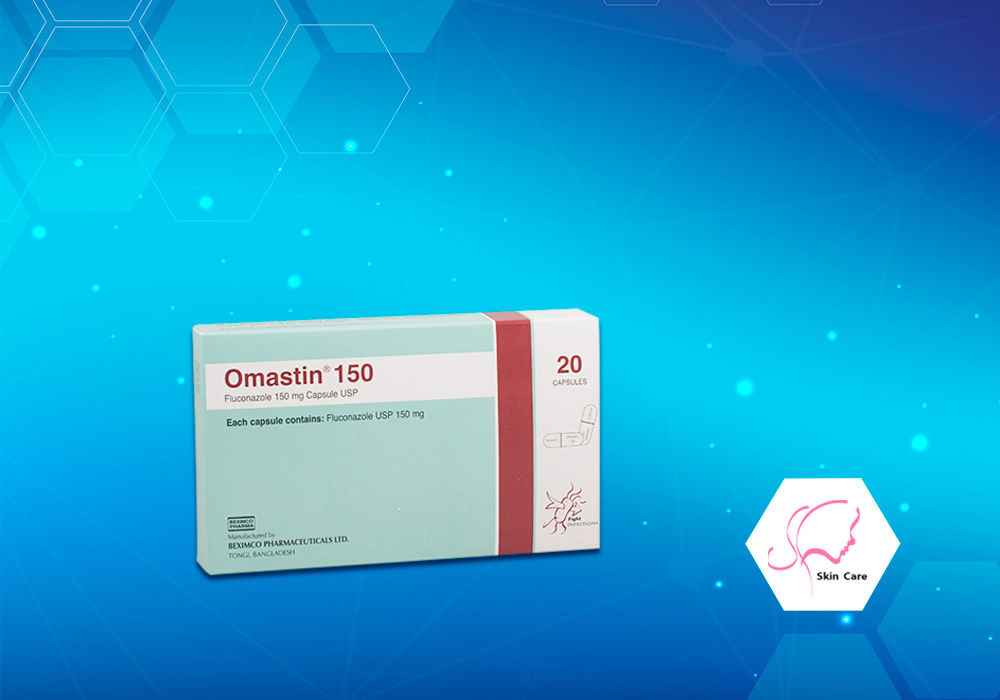
Omastin
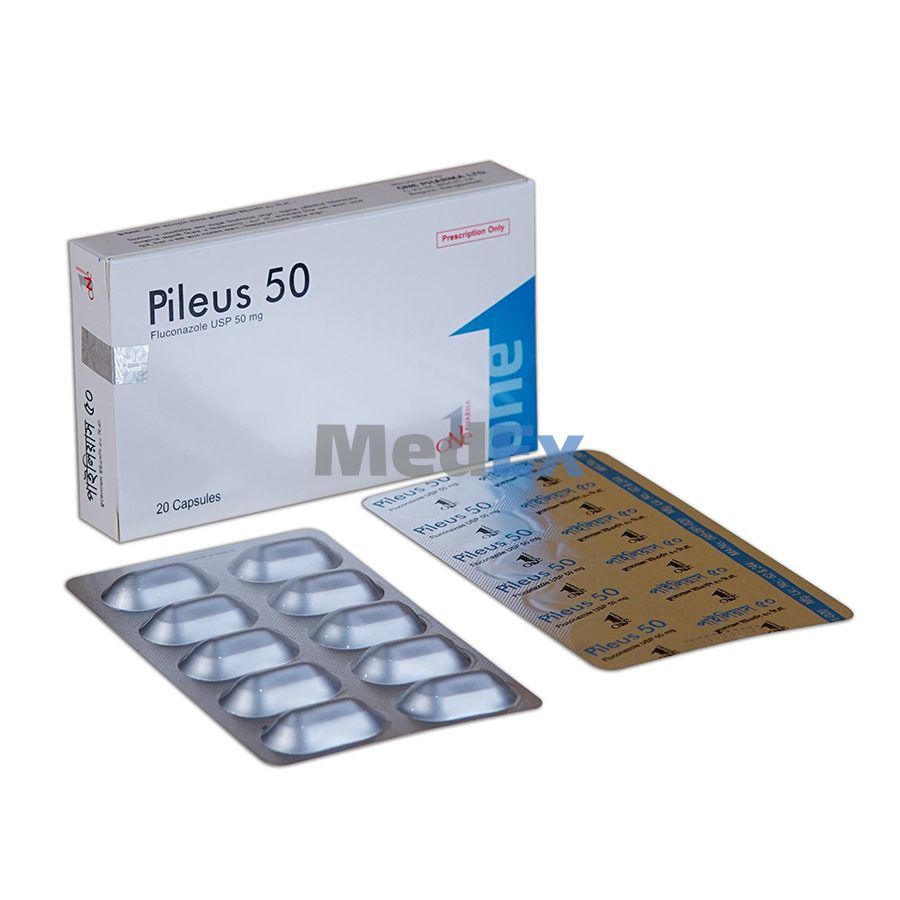
Pileus
Sacona
Segal
Silcona
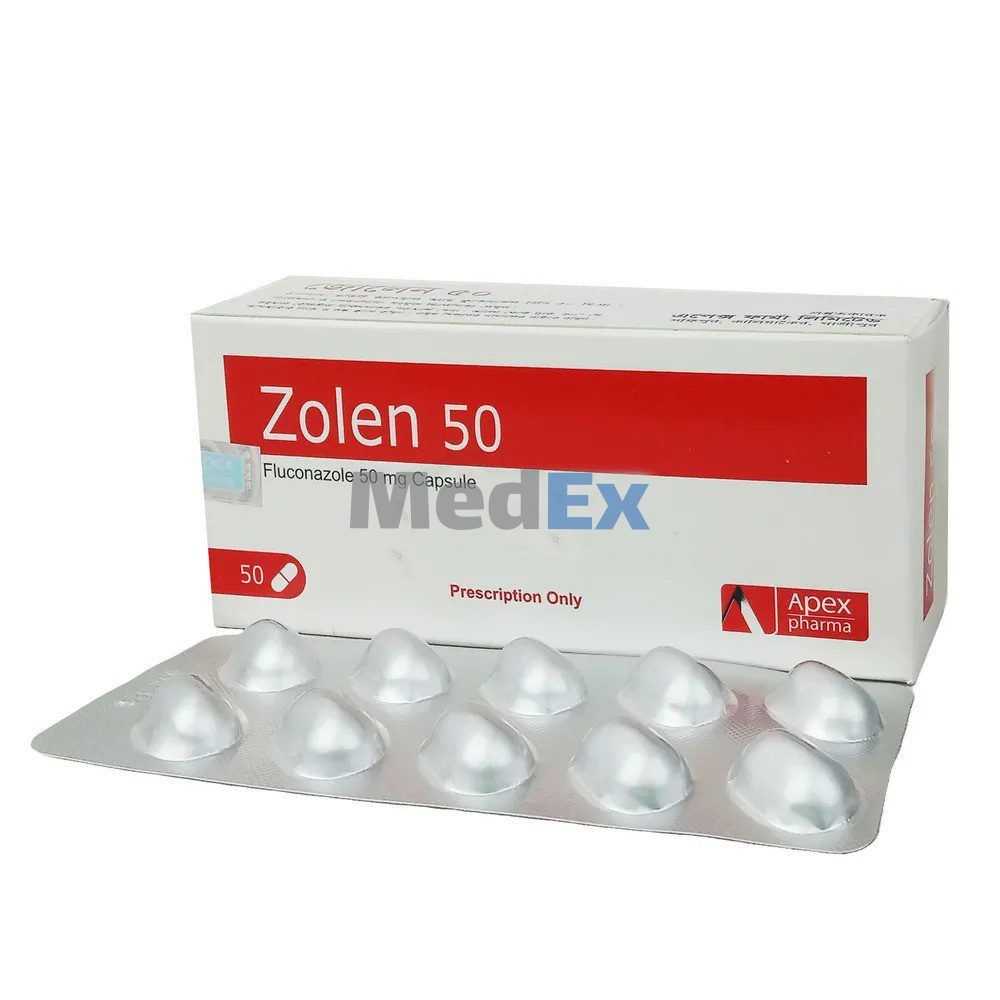
Zolen
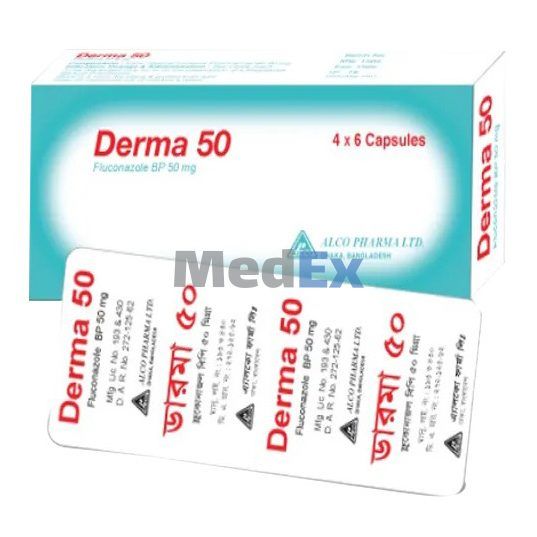
Derma
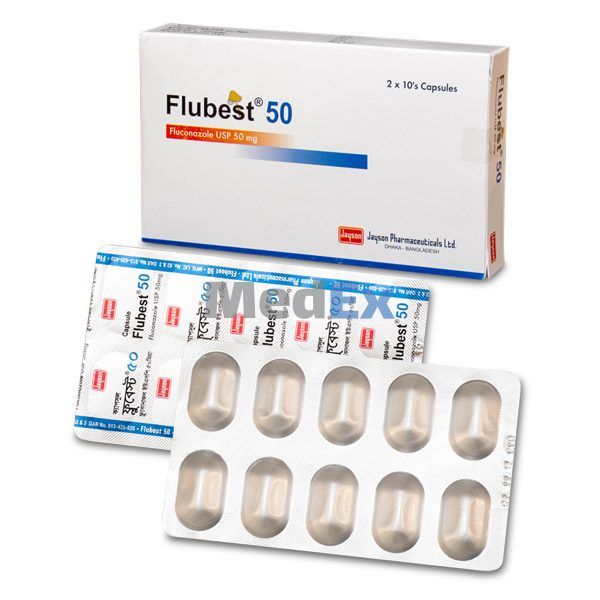
Flubest
Fluda
Flunapen
Olif
Oraf
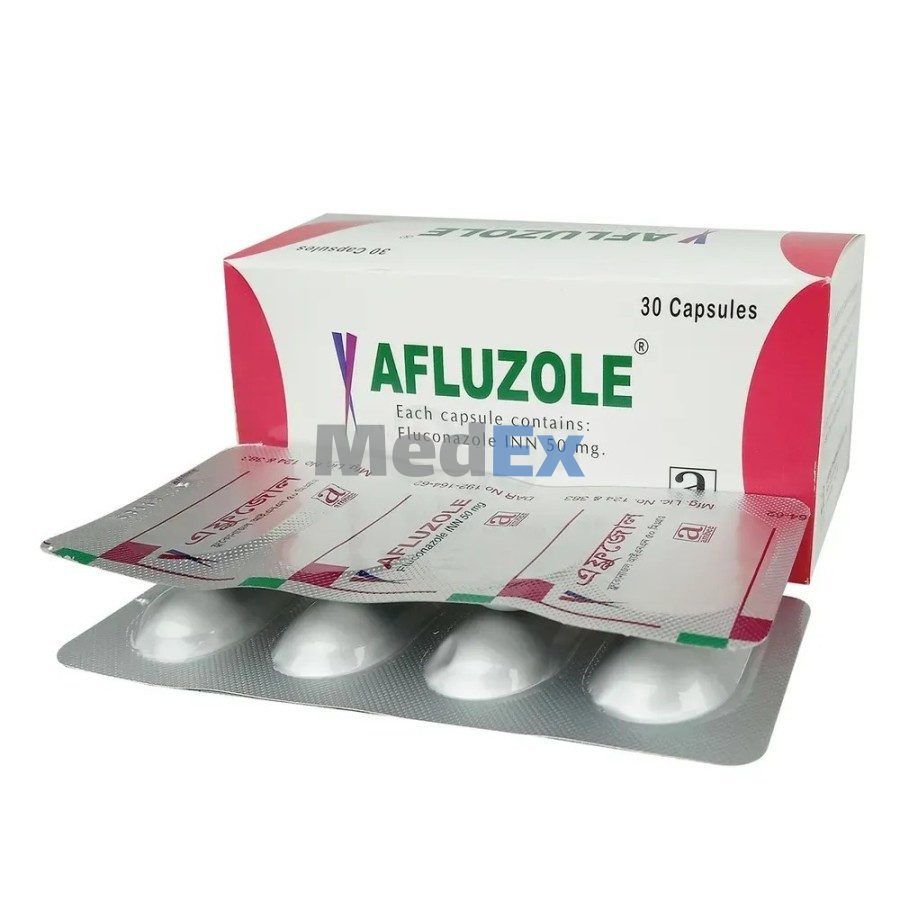
Afluzole
Flucolet
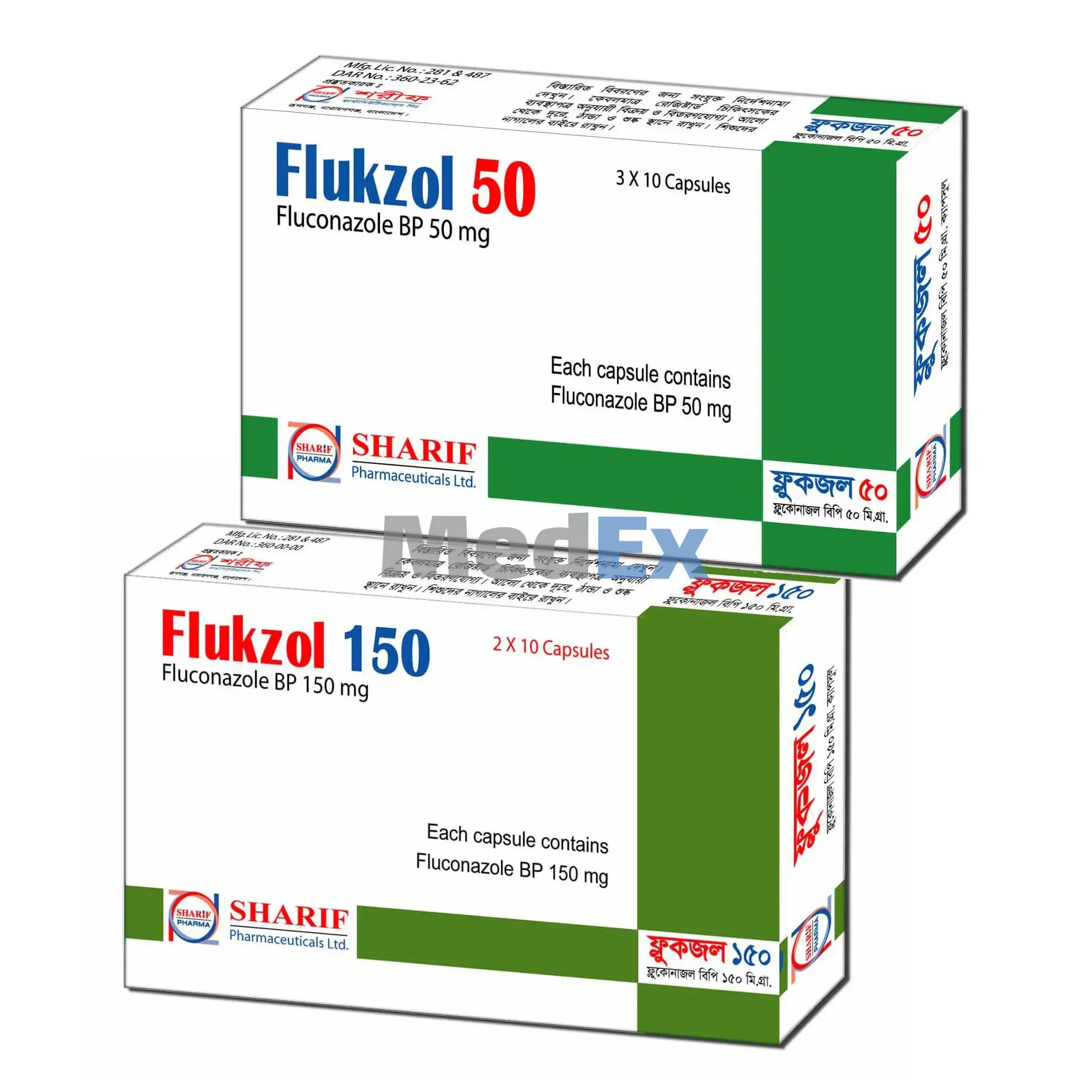
Flukzol
Fungitrol
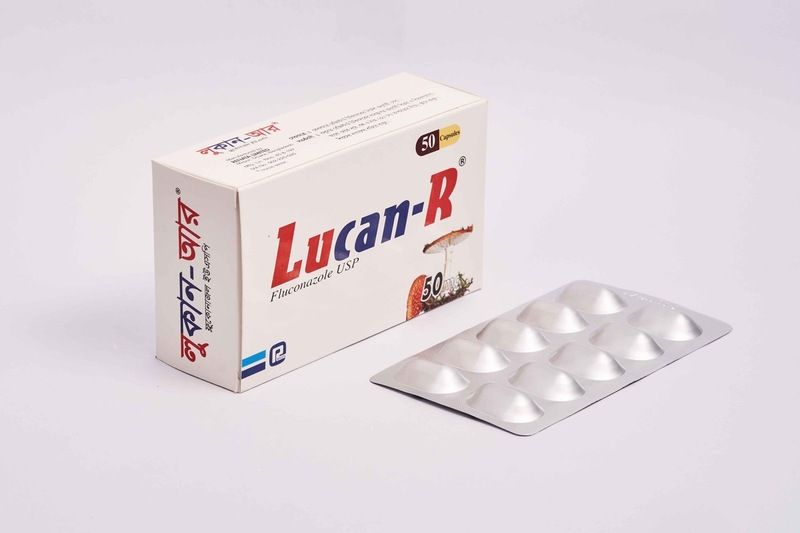
Lucan-R
Richcon
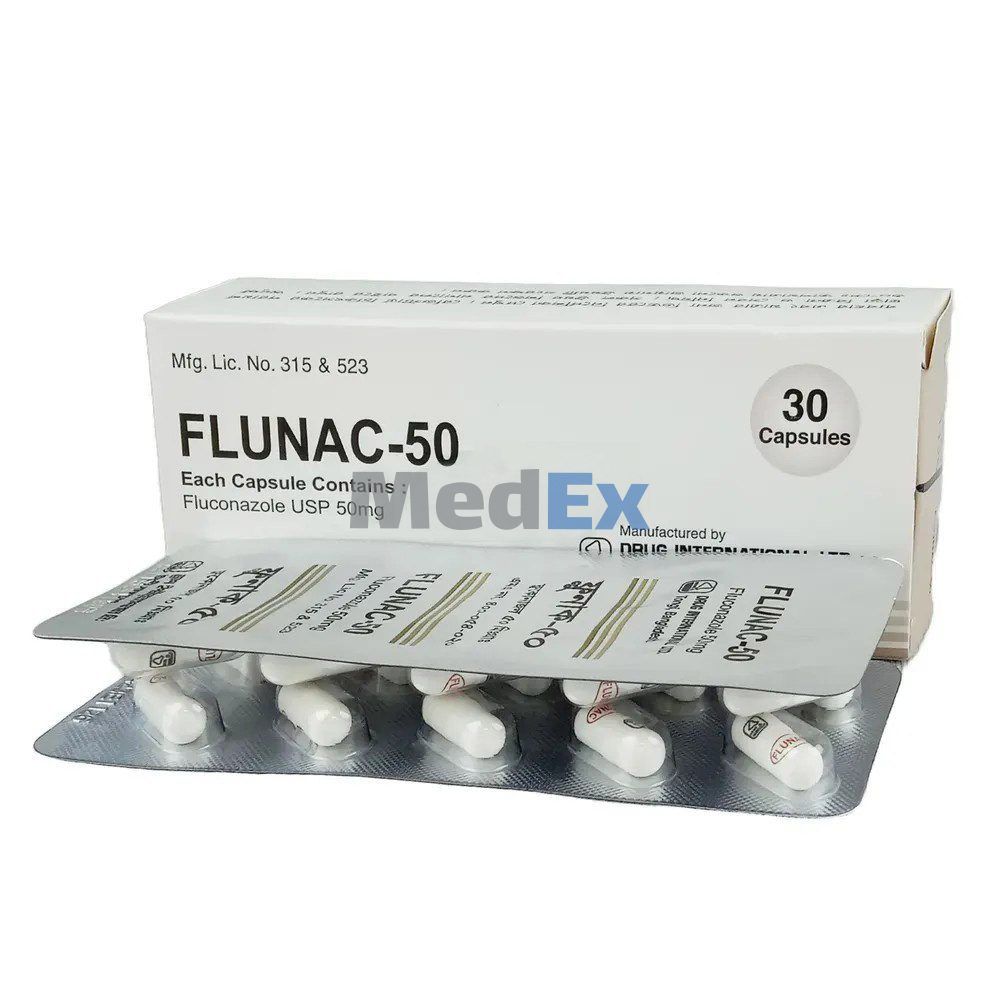
Flunac
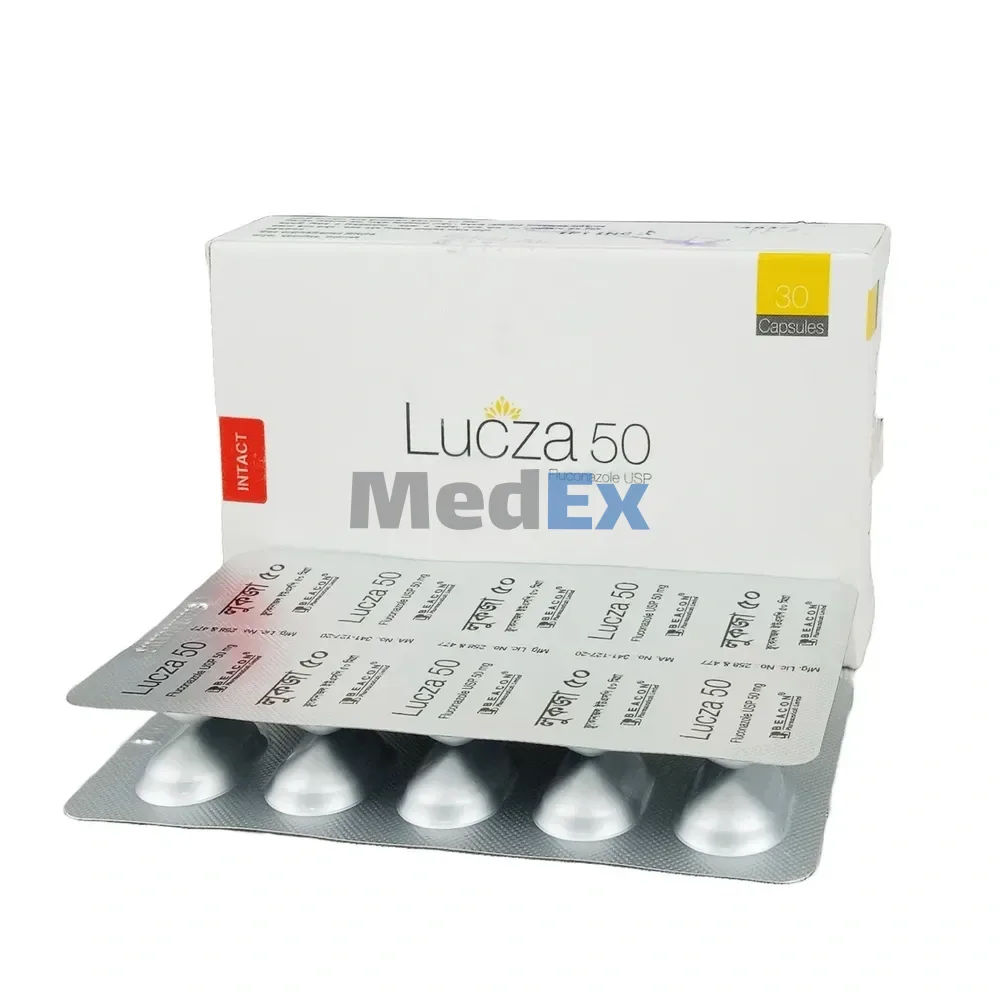
Lucza
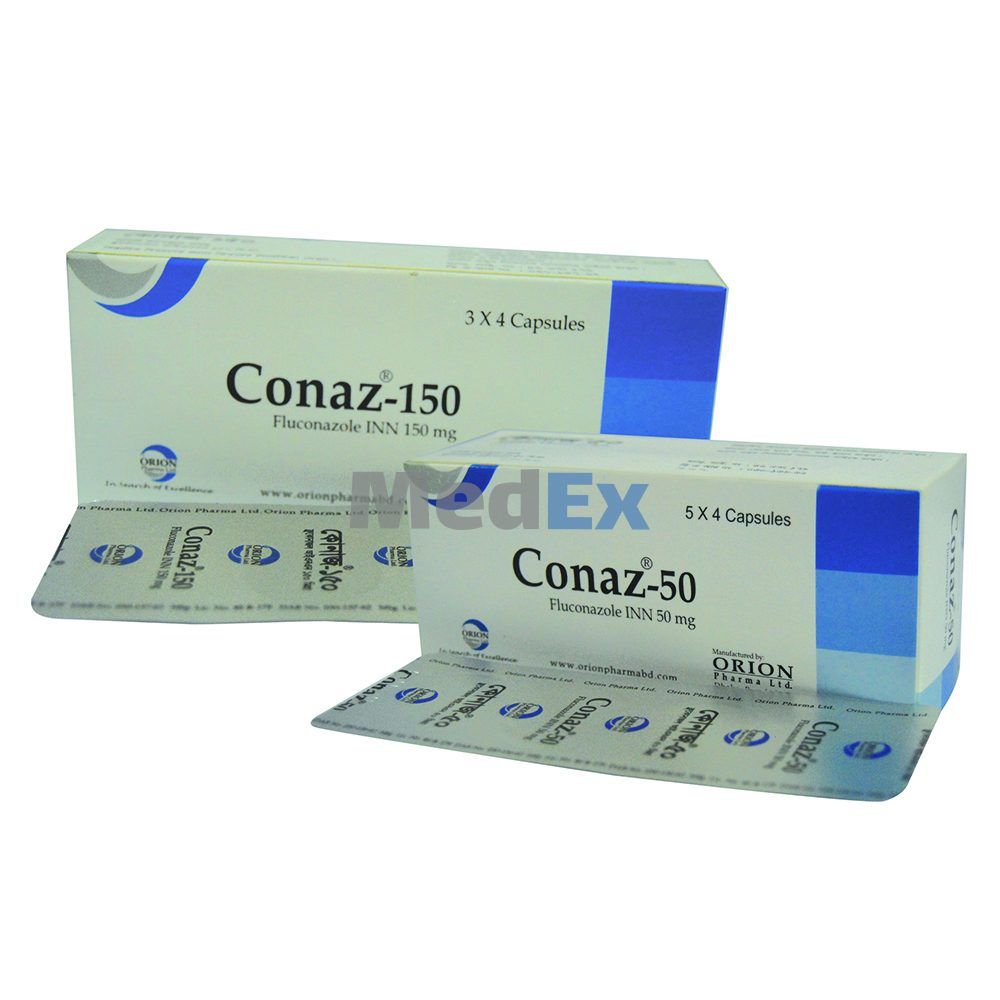
Conaz
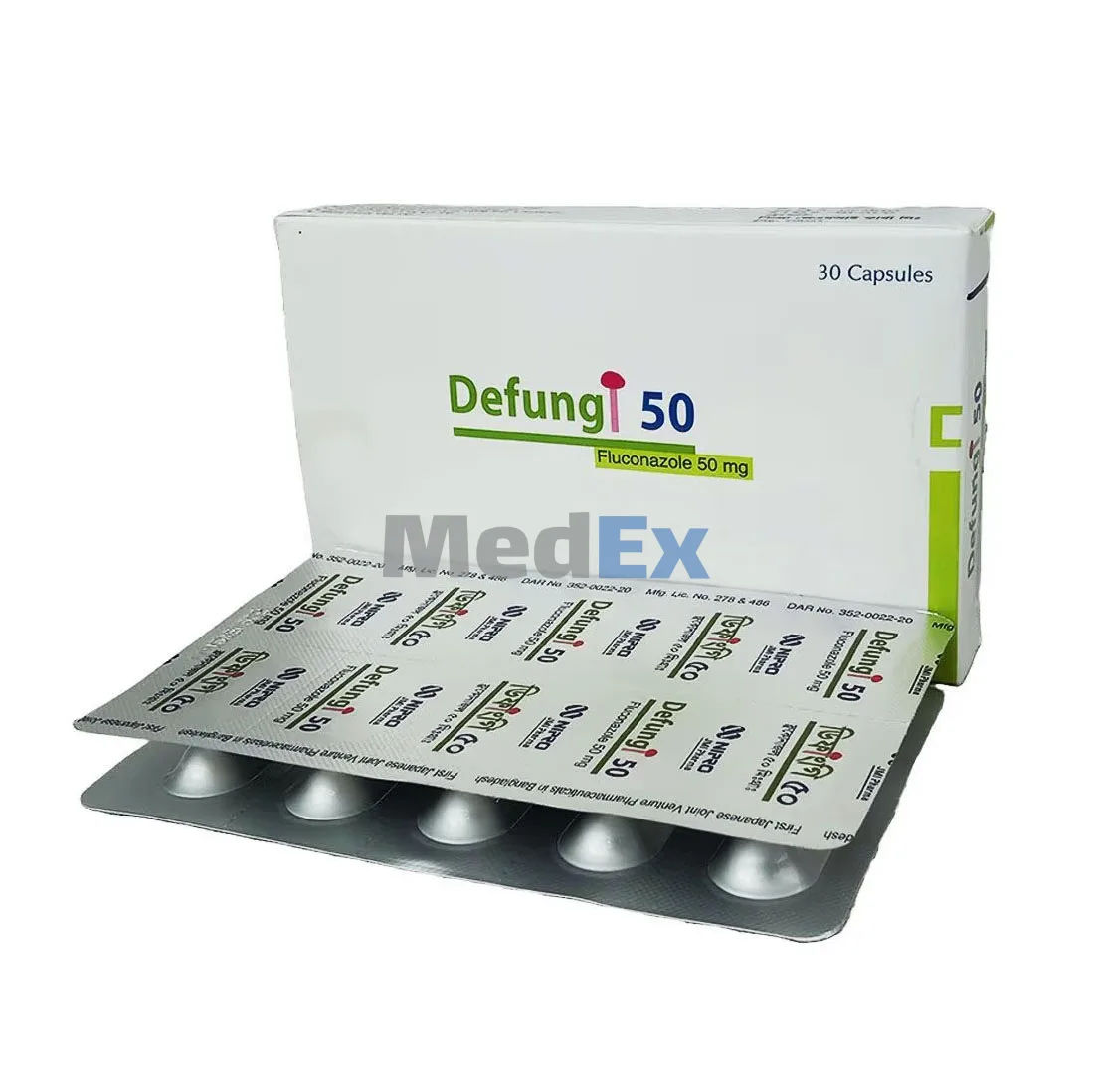
Defungi
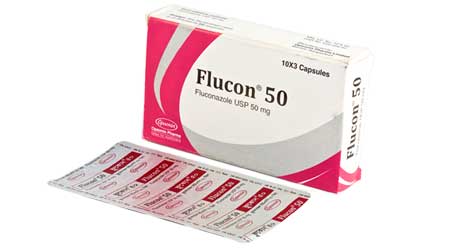
Flucon
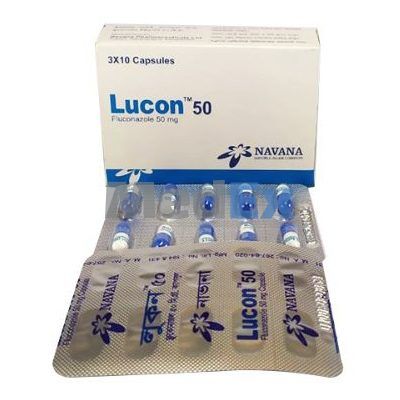
Lucon

Fluconal
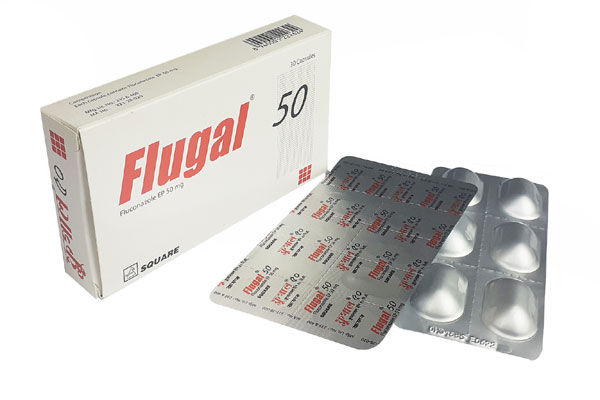
Flugal
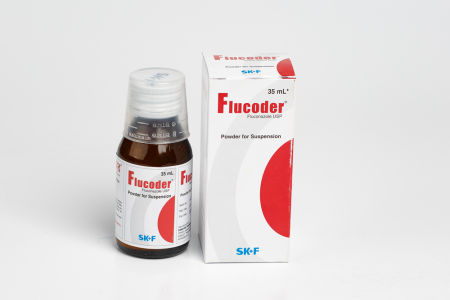
Flucoder
Fungard
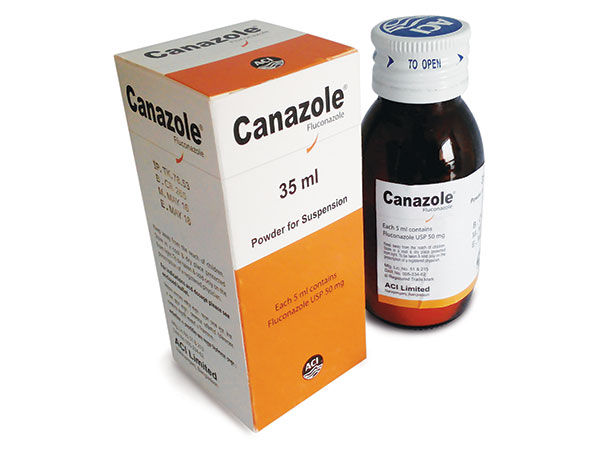
Canazole
Candiver
Fluderm
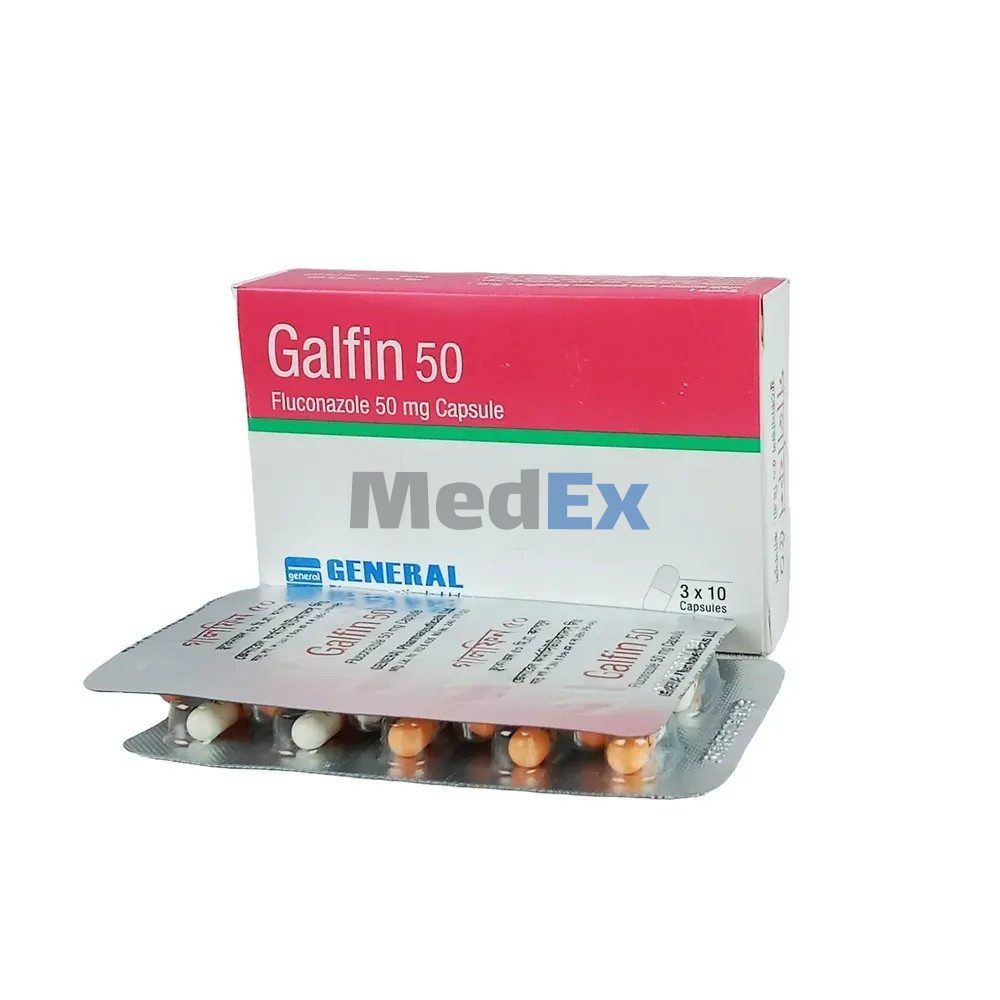
Galfin
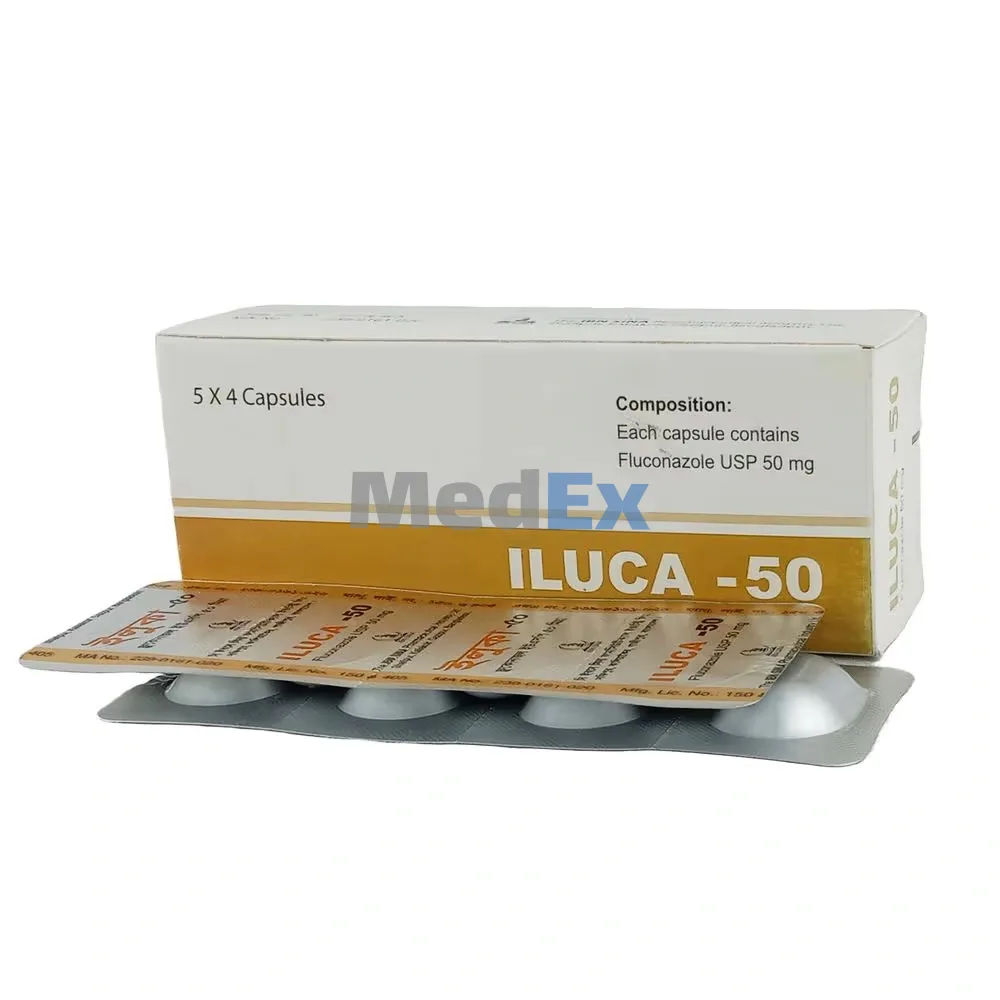
Iluca
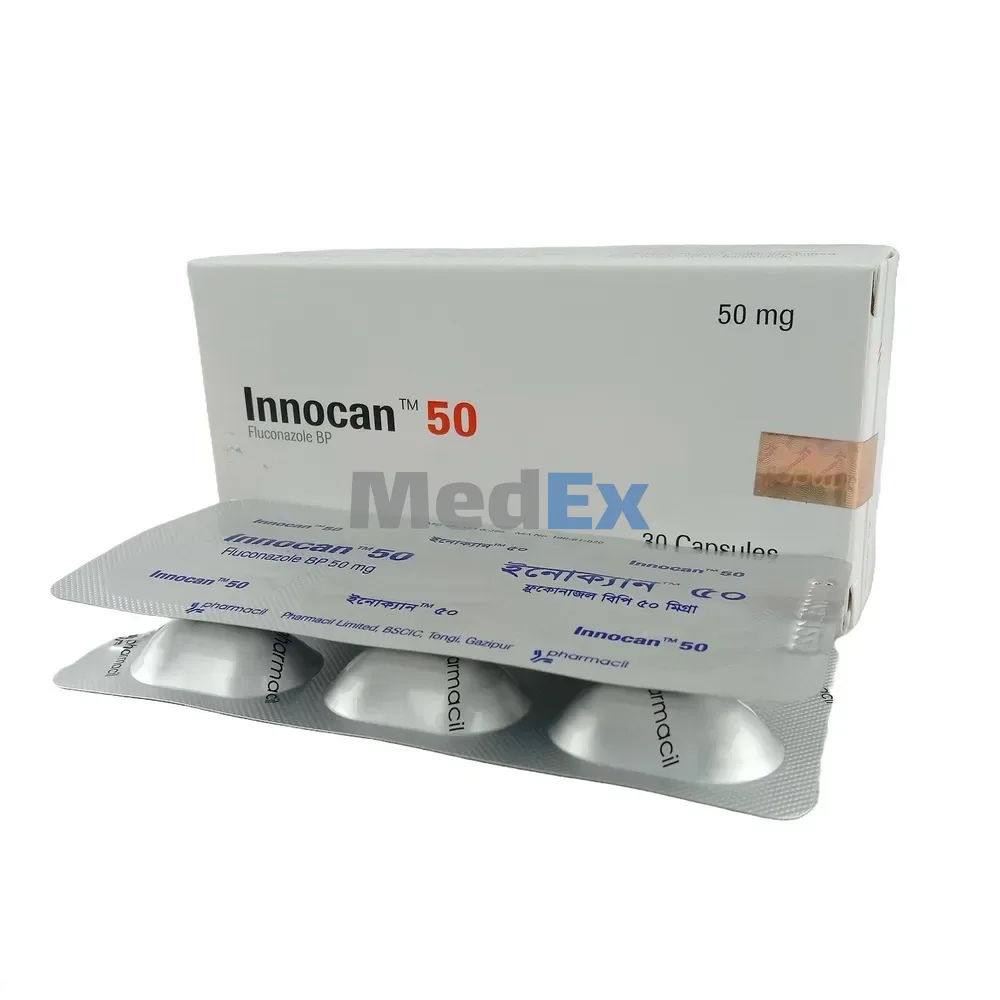
Innocan
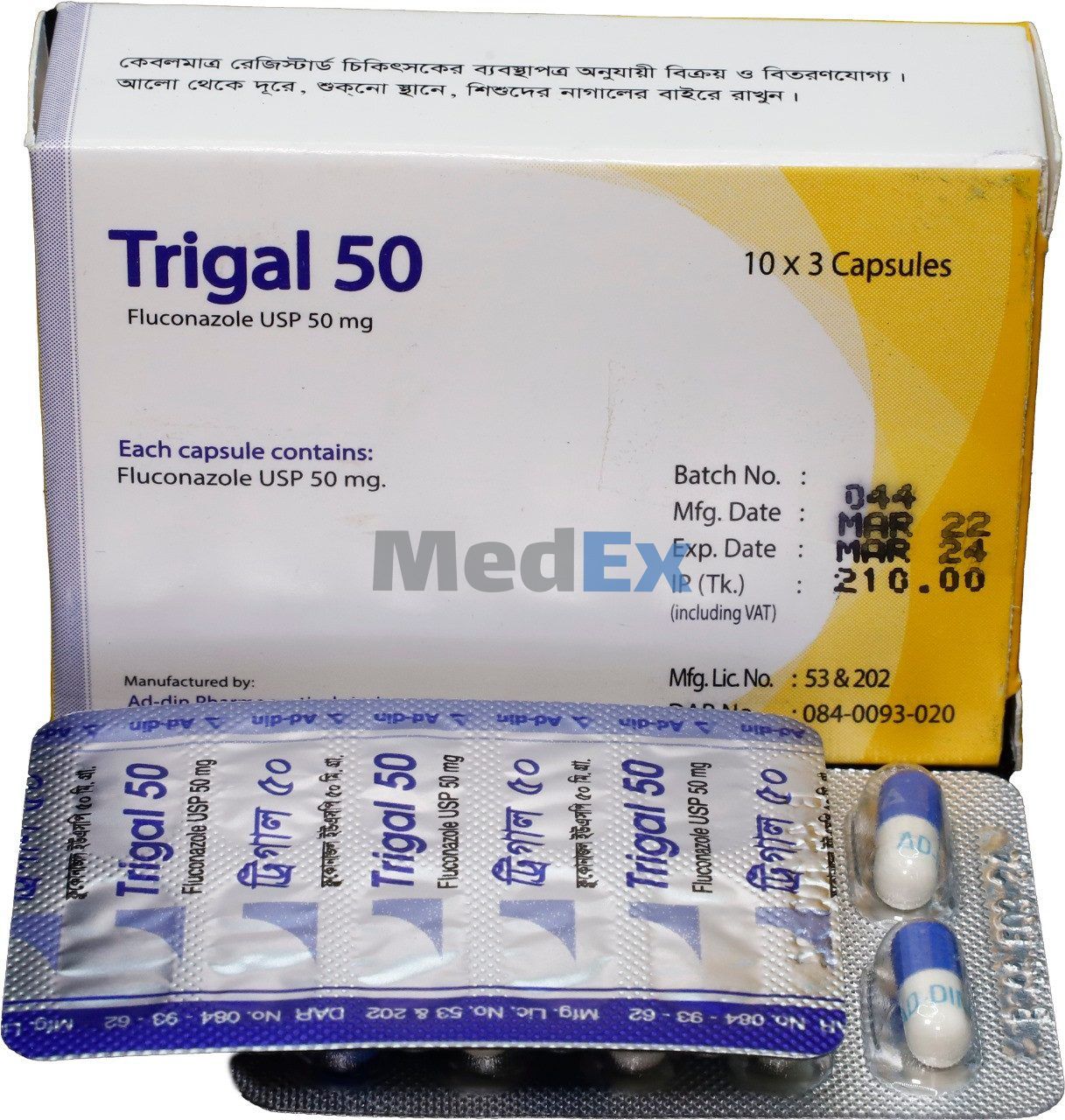
Trigal
Flumart
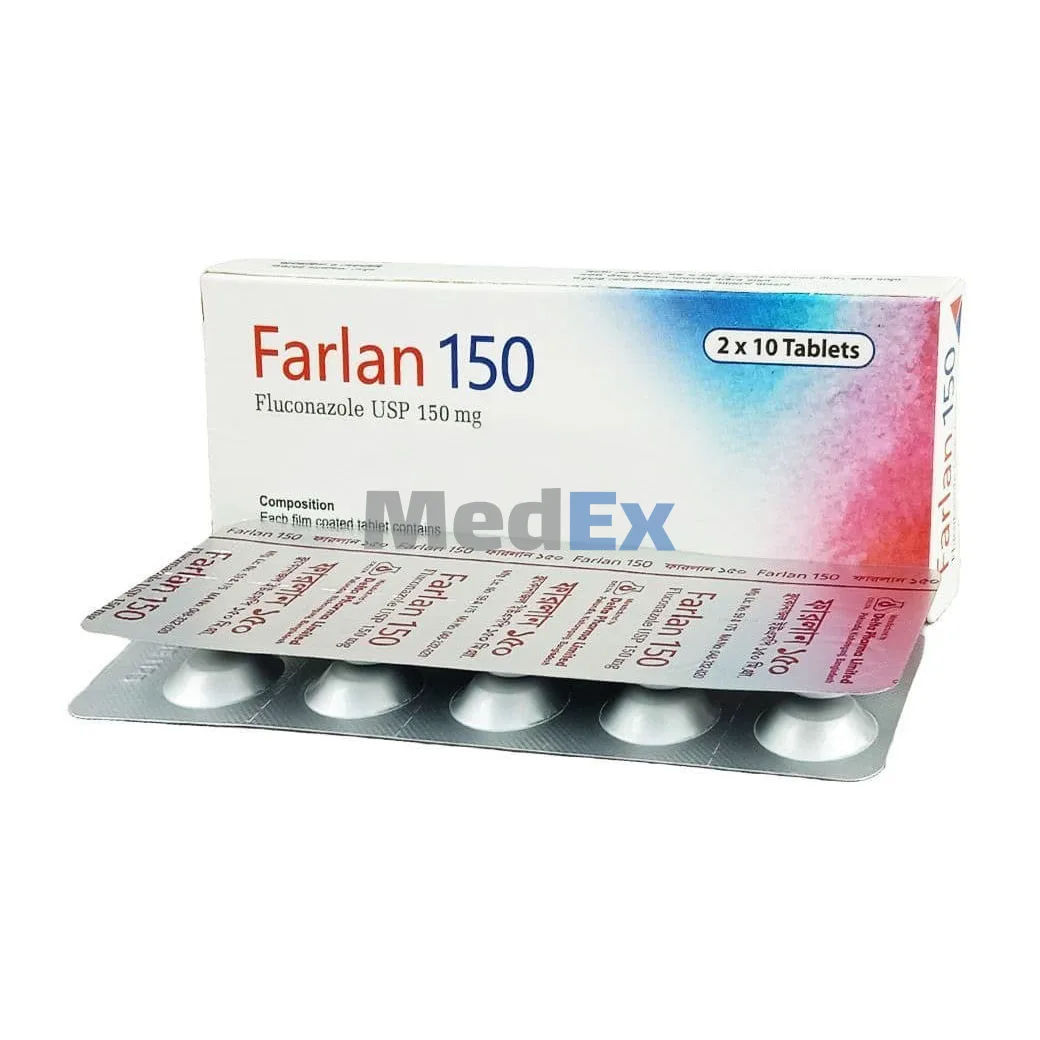
Farlan
Sacona
Funginil
Anfasil
Candiver
Flucolet
Fluconazole
Flucovax
Fluma
Flumazole
Flunazol
Funga
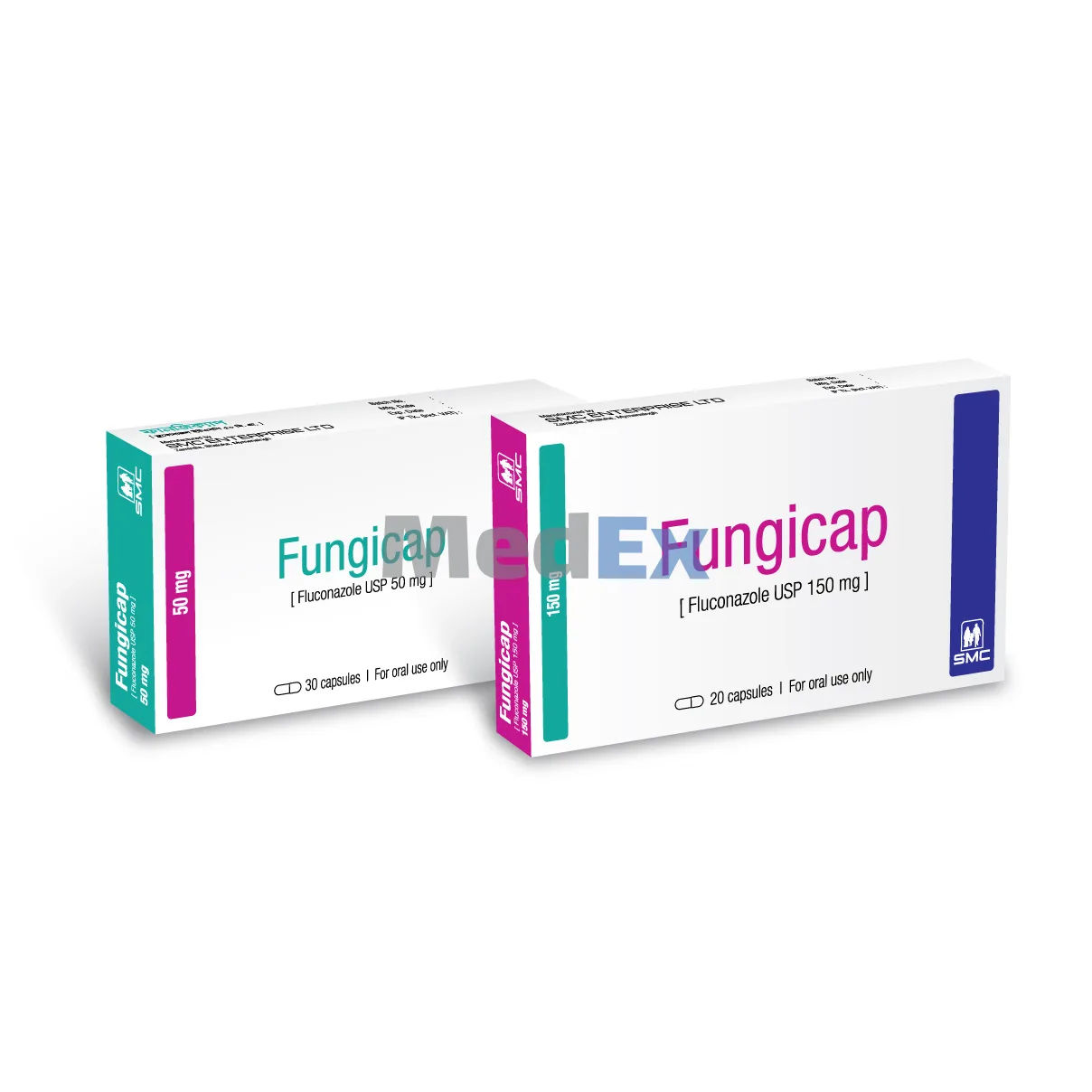
Fungicap
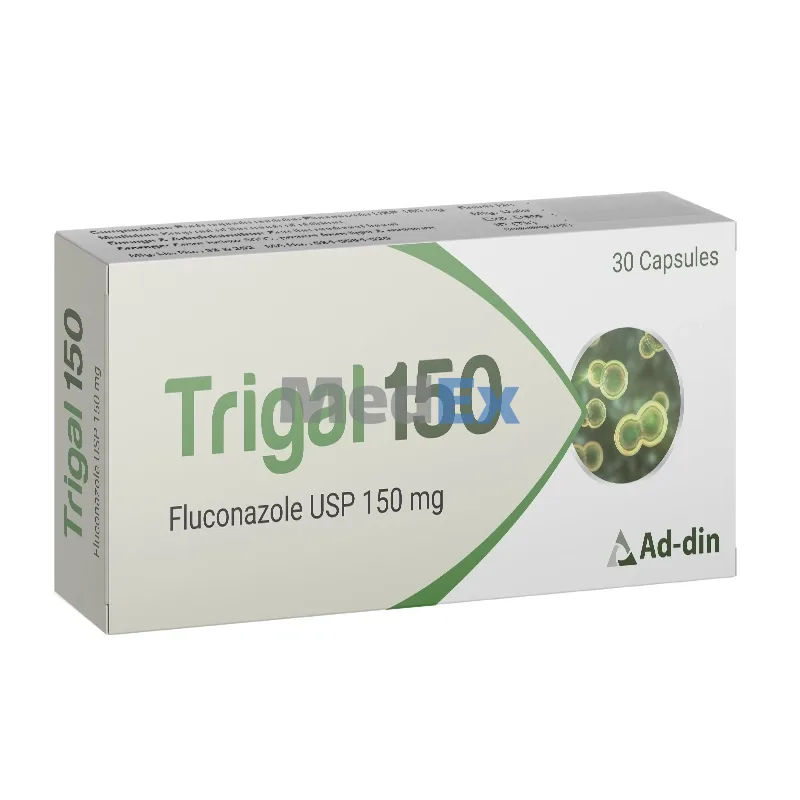
Trigal
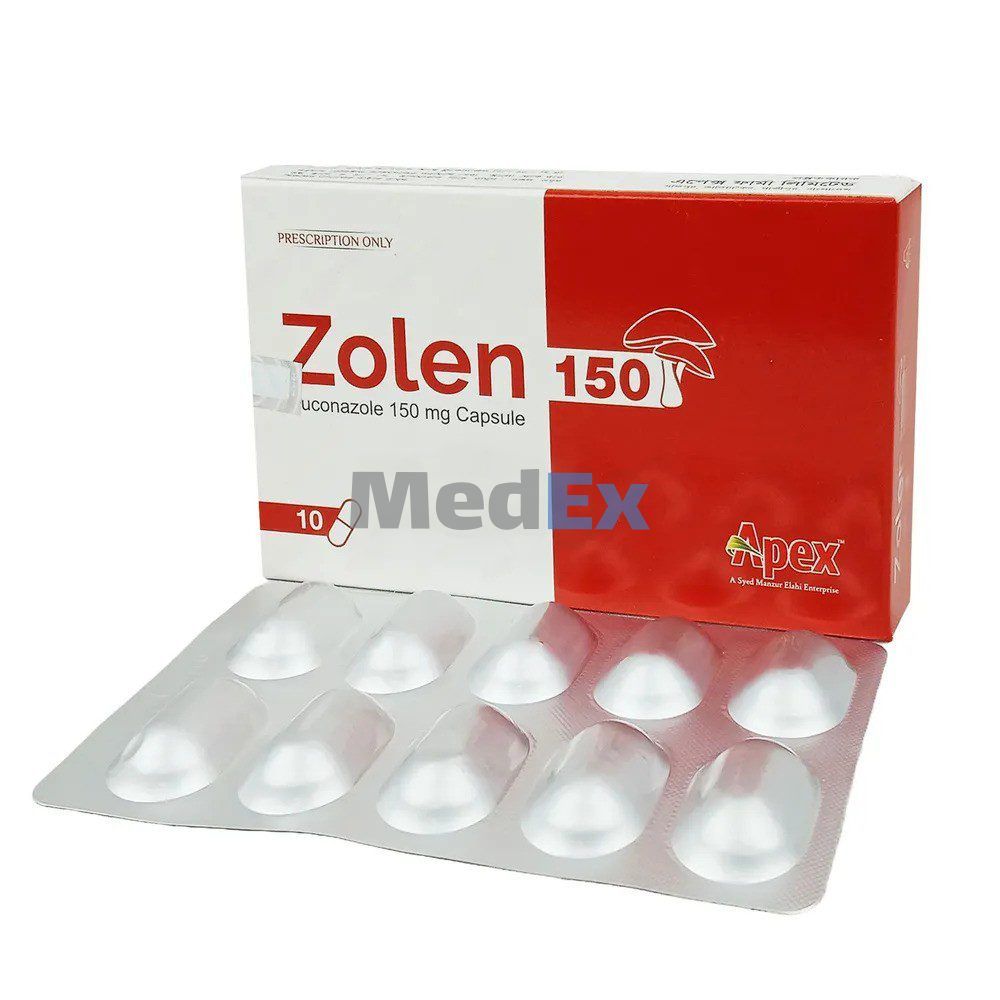
Zolen
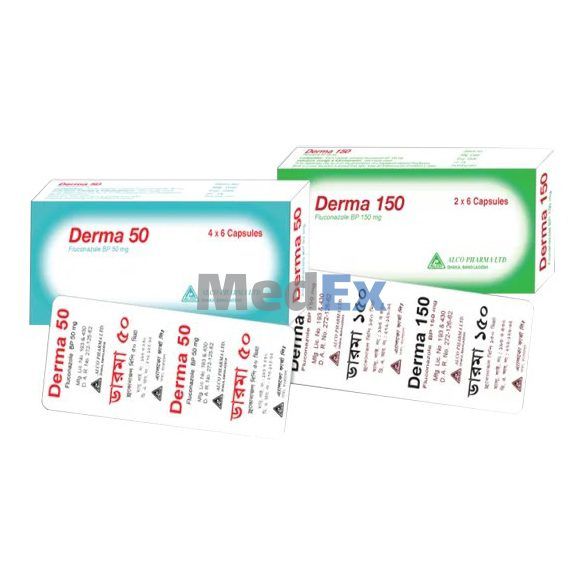
Derma
Oraf
Fludex
Techonazol
Candid
Candifun
Candinil
Dermicon
Diflu
Falcon
Fluact
Flucanex
Fluco-S
Flucoder
Fluconazole
Fluderm
Flufun
Flugard
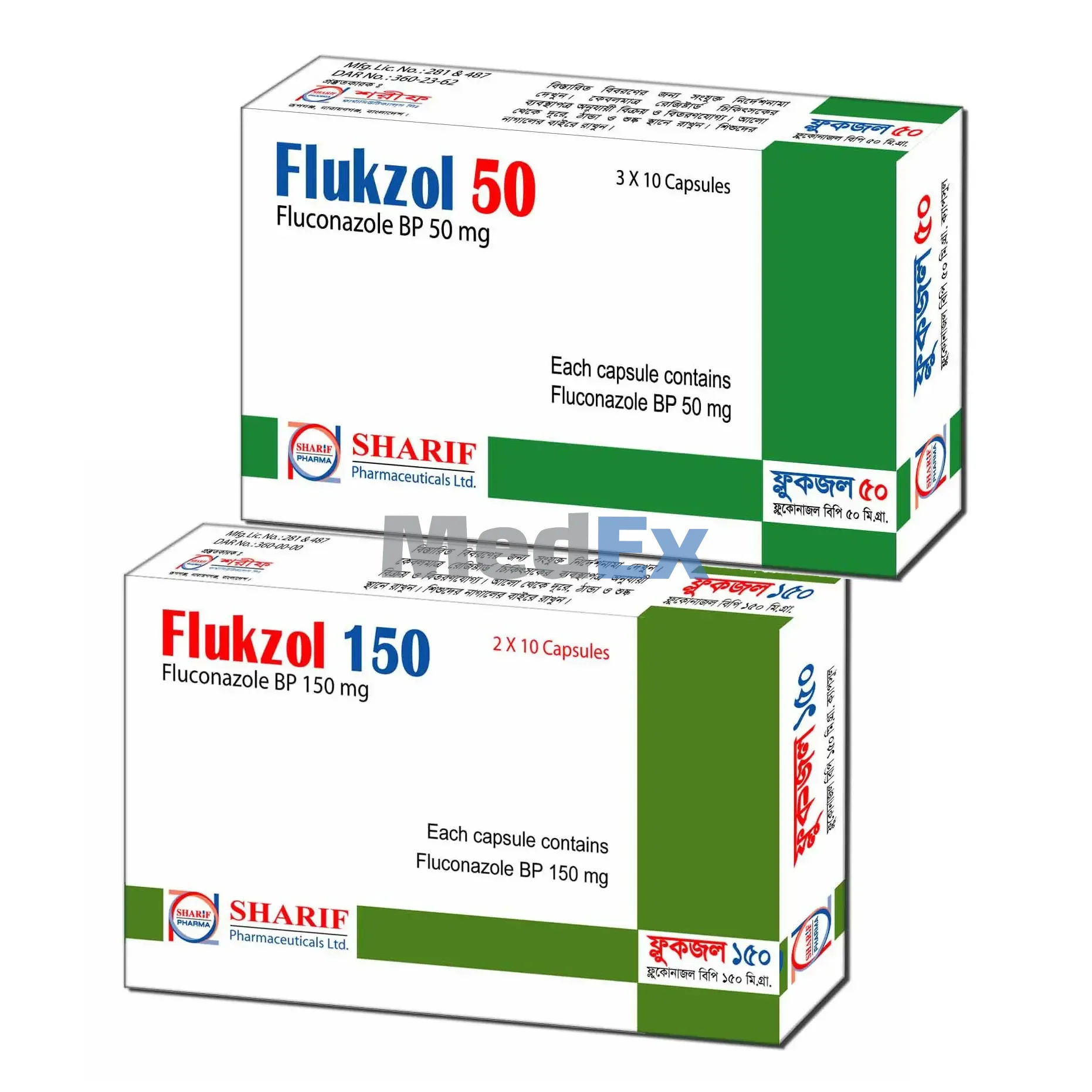
Flukzol
Flumyc
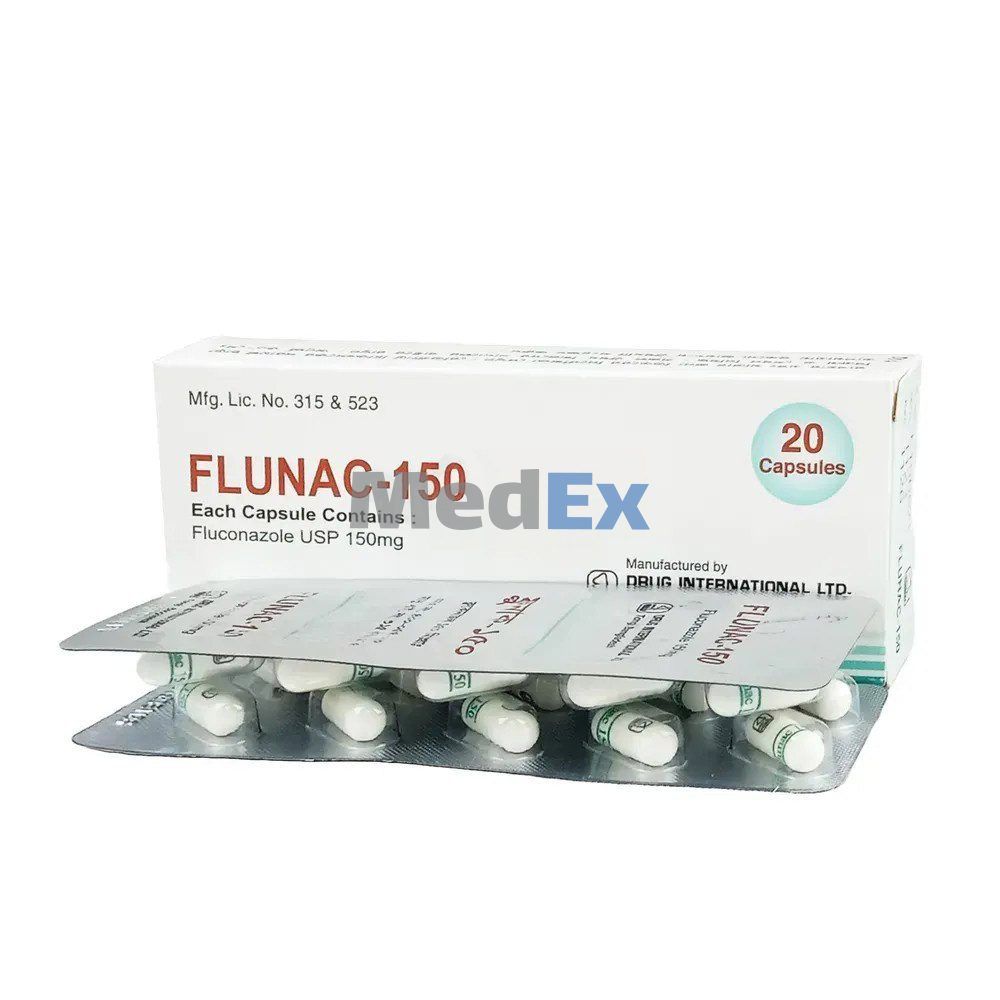
Flunac
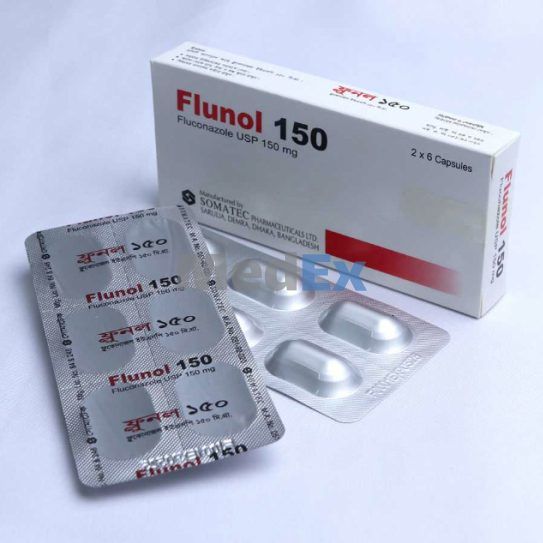
Flunol
Flunova
Flusaf
Fluxagal
Fluzo
Fluzole
Fungard
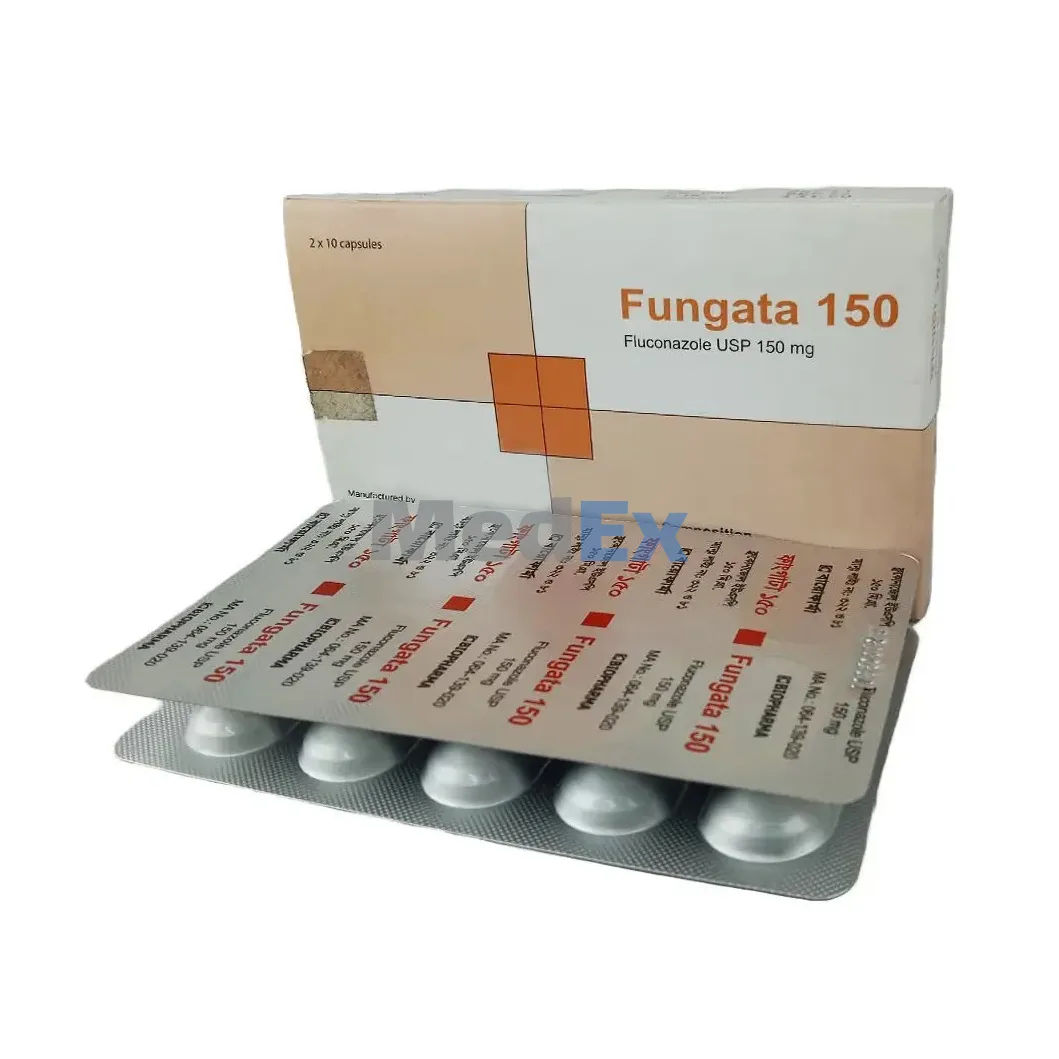
Fungata
Funzole
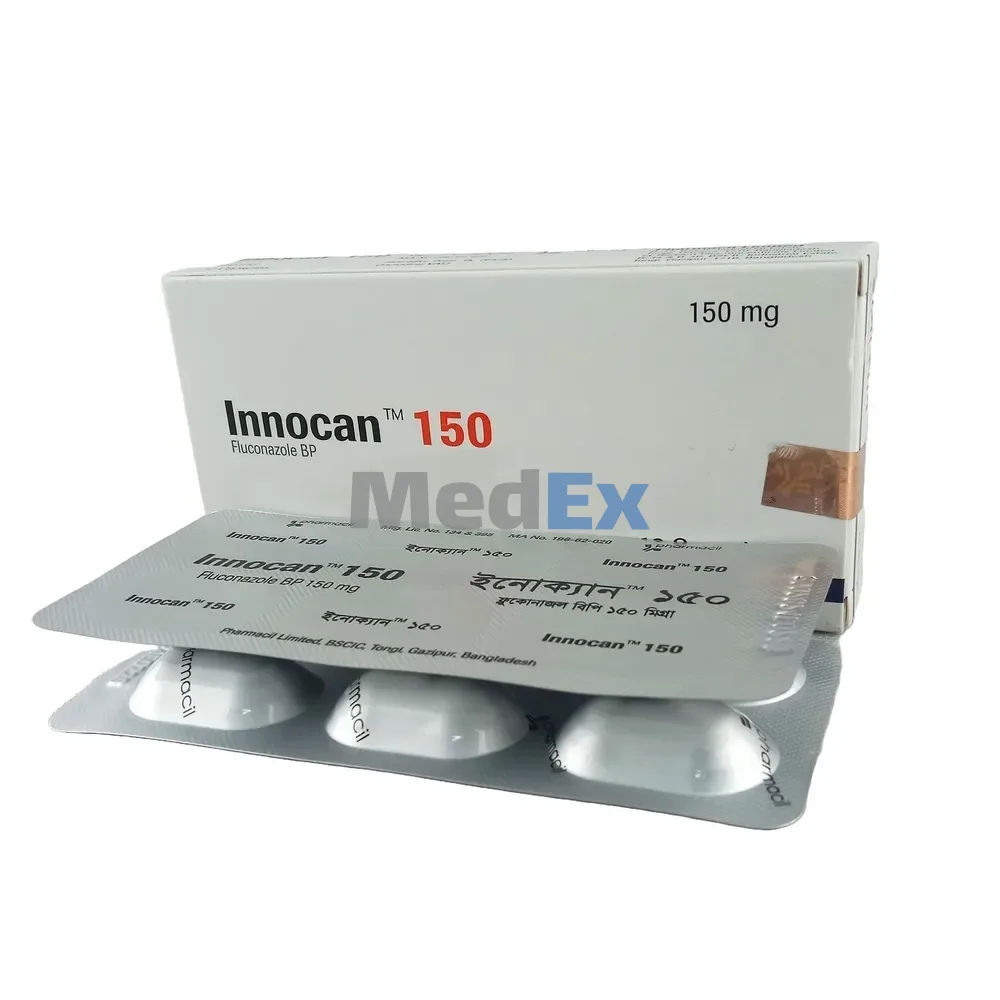
Innocan
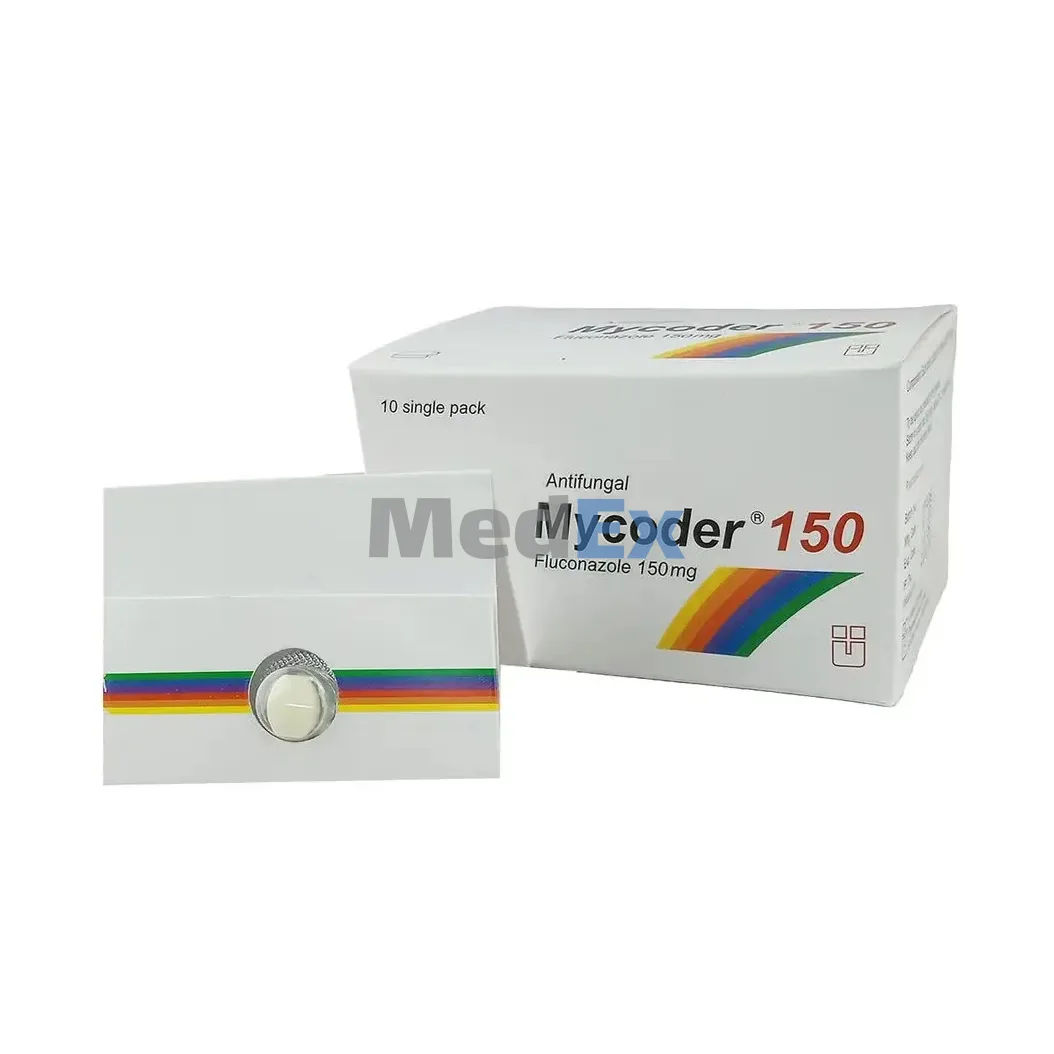
Mycoder
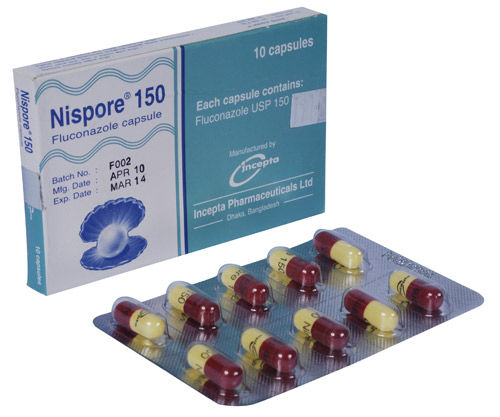
Nispore
Nogal
Omastin
Orcon
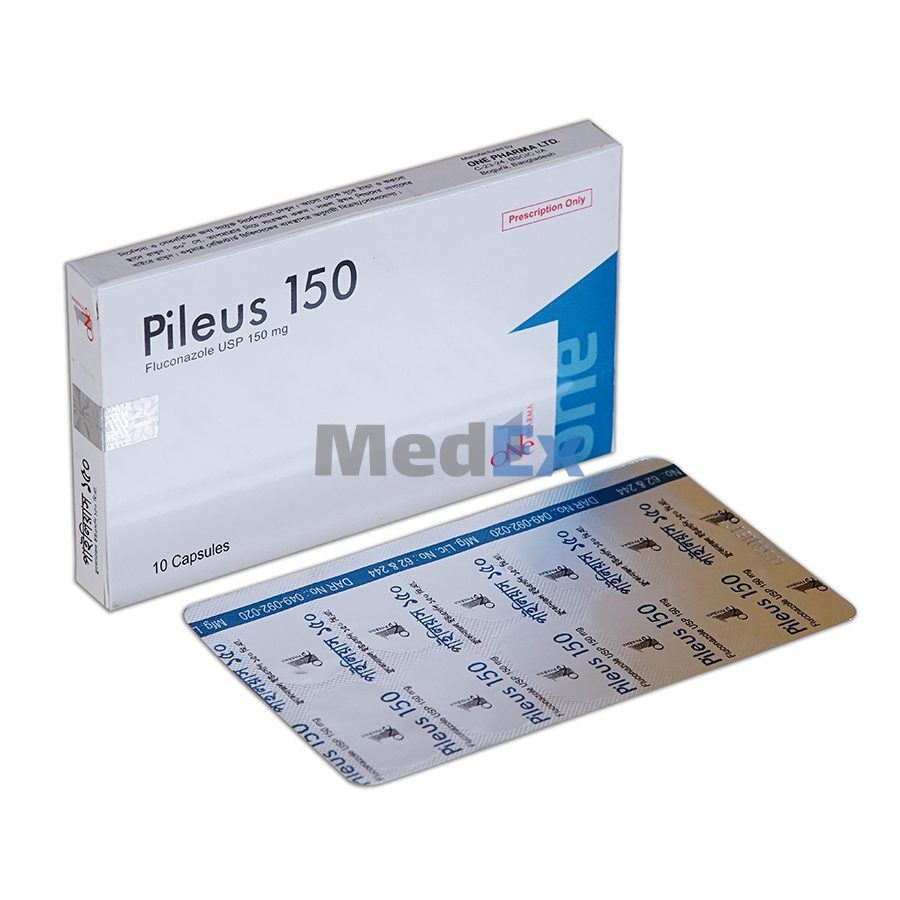
Pileus
Segal
Silcona
Fungitrol
Olif
Richcon
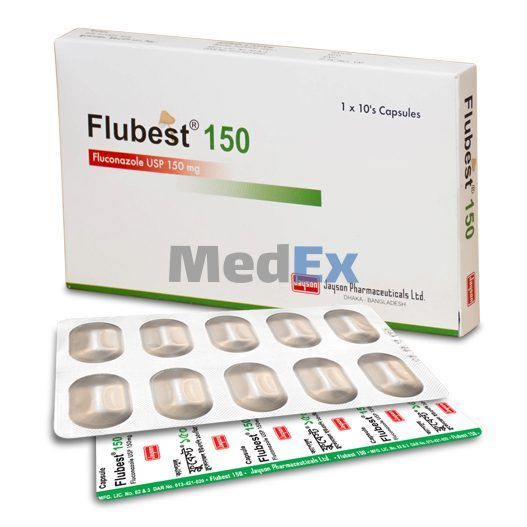
Flubest
Flunapen
Afluzole

F-Zol
Flucon

Lucan-R
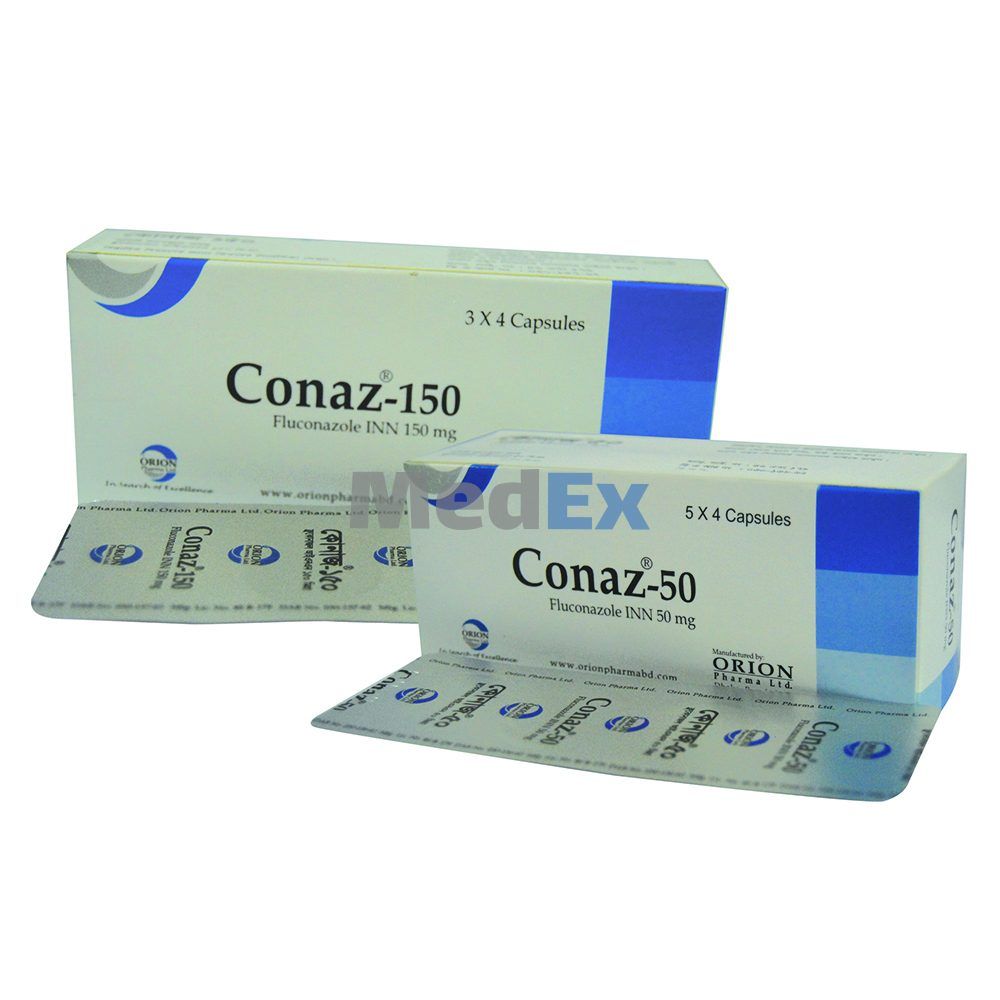
Conaz
Flugal
Canazole
Fluconal
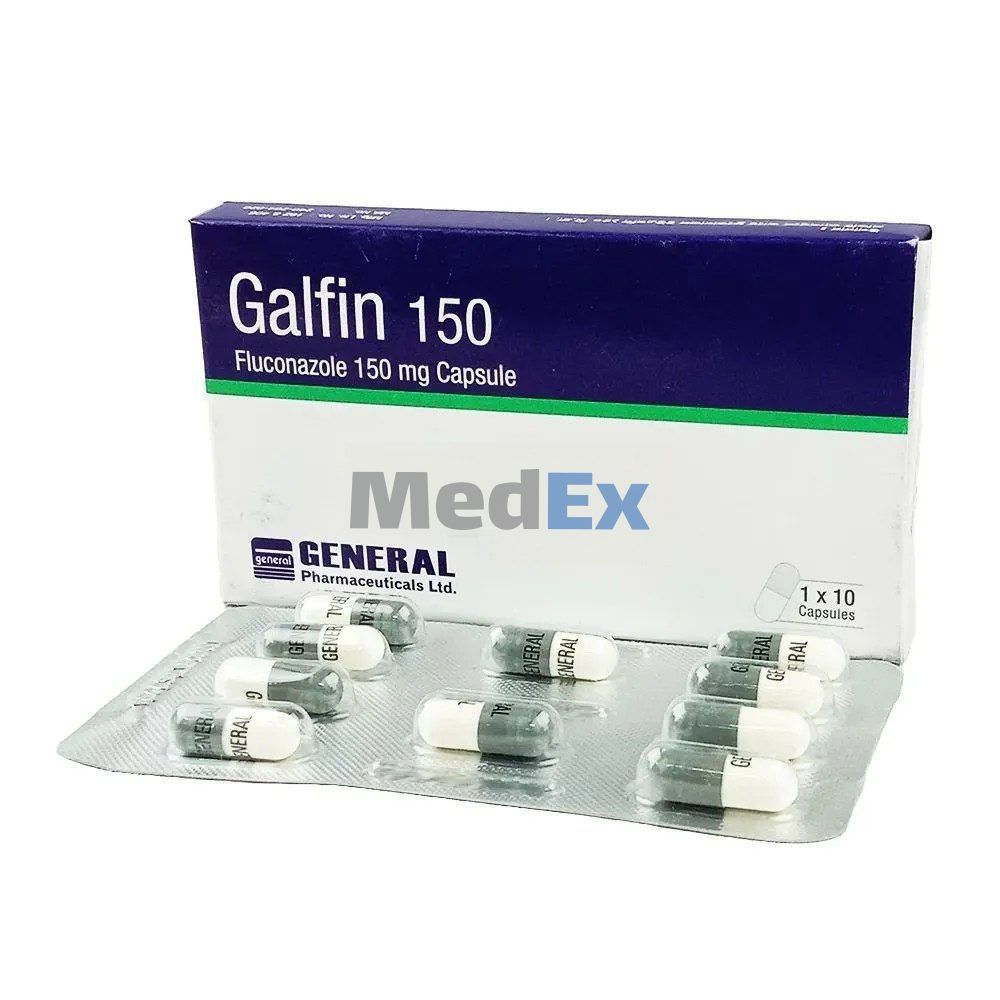
Galfin
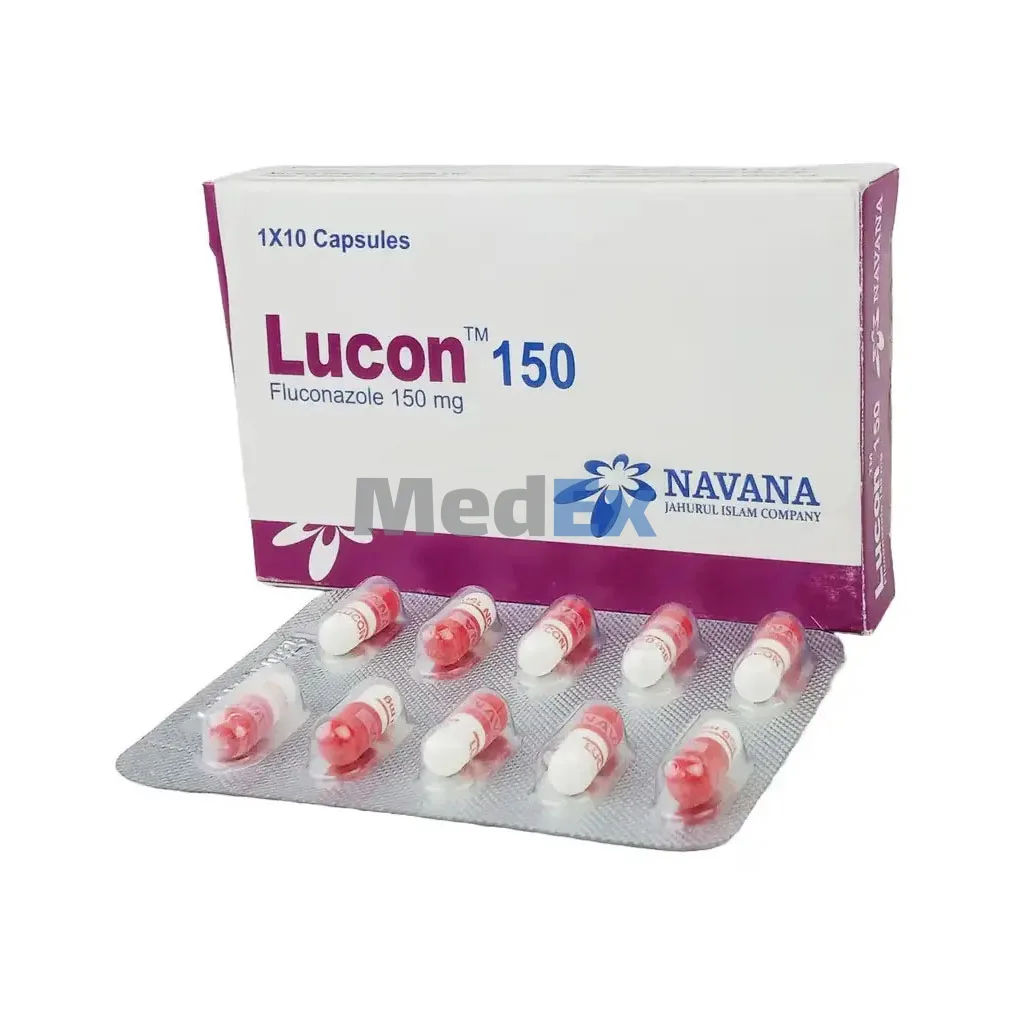
Lucon
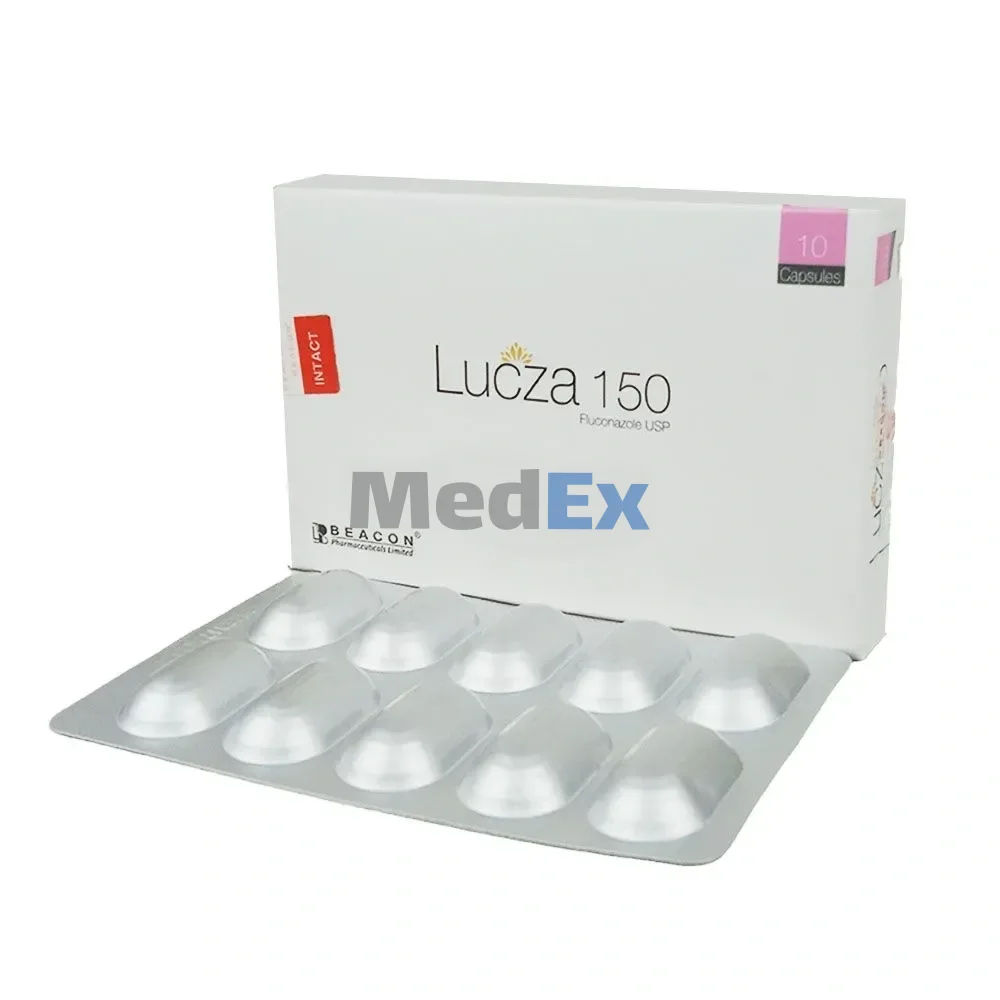
Lucza
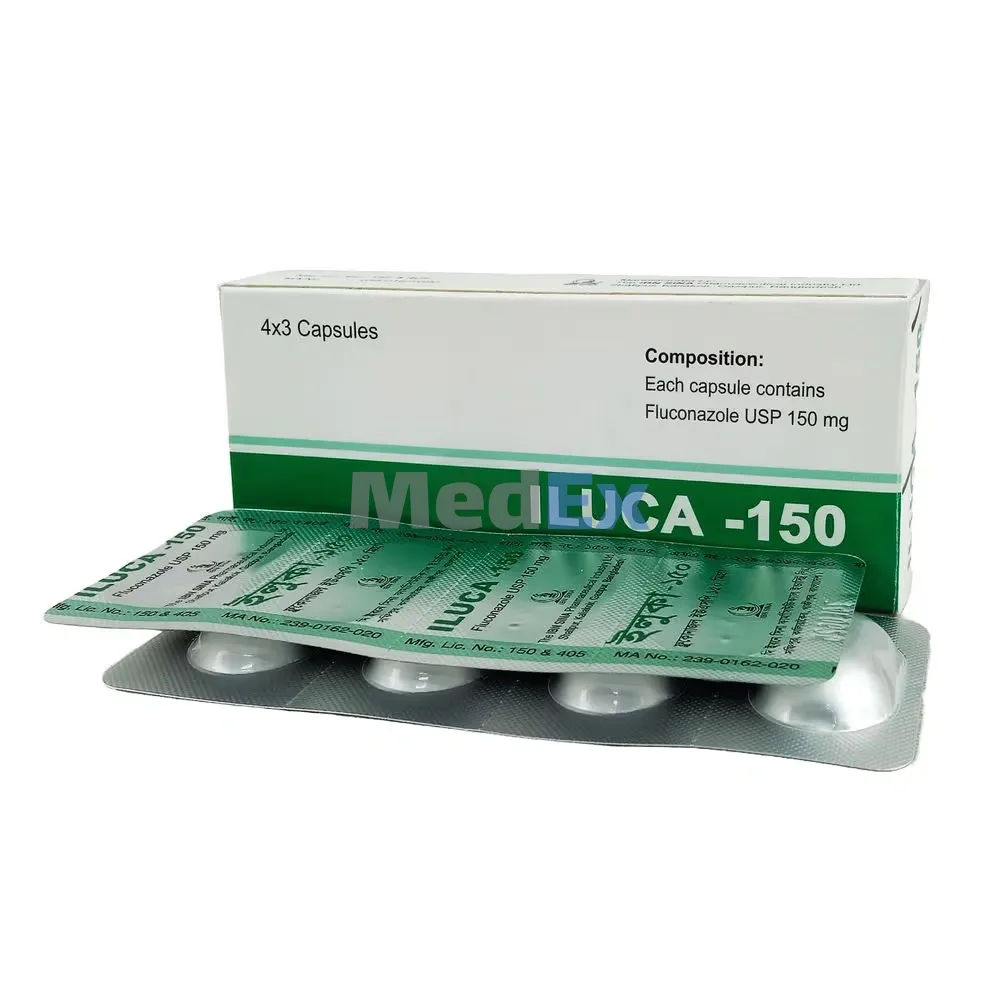
Iluca
Candinil
Diflu
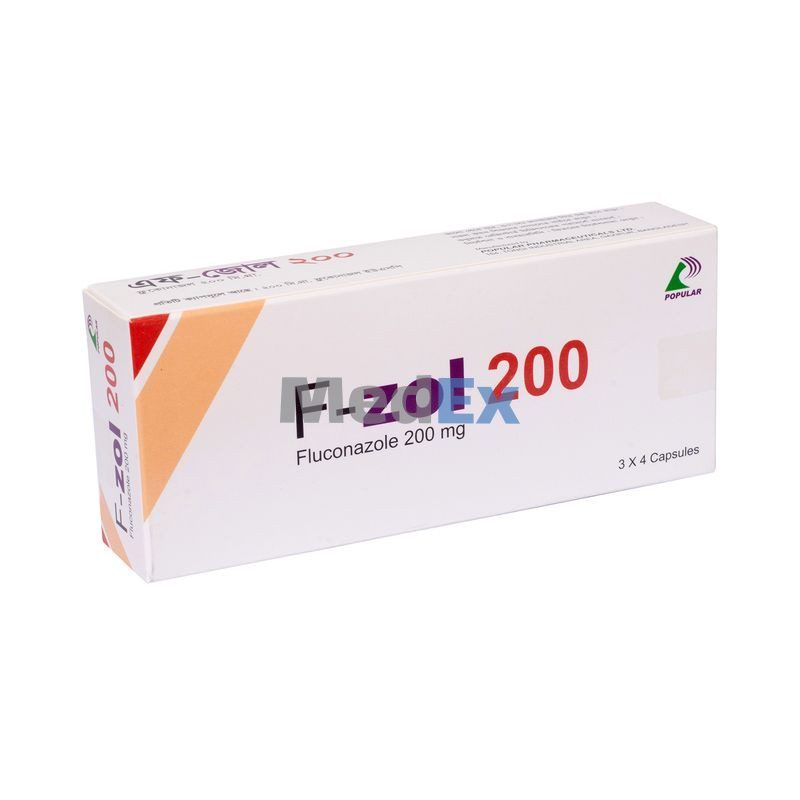
F-Zol
Flucoder
Flucon
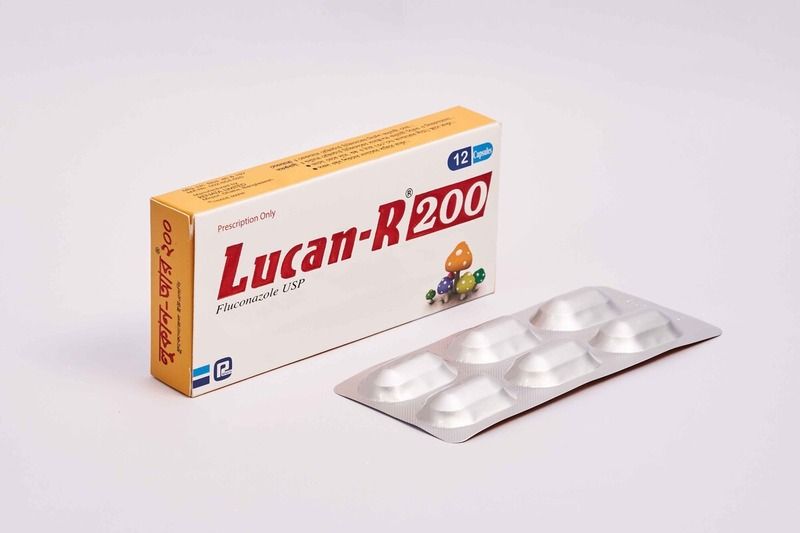
Lucan-R
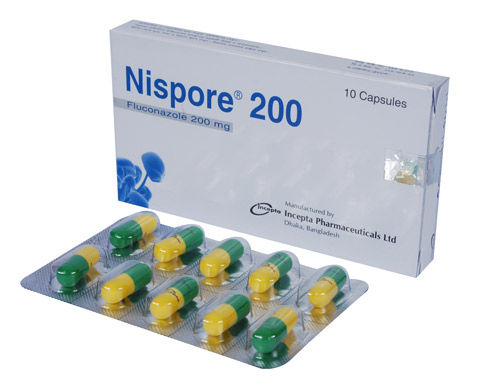
Nispore
Omastin
Richcon
Canazole
Flugal
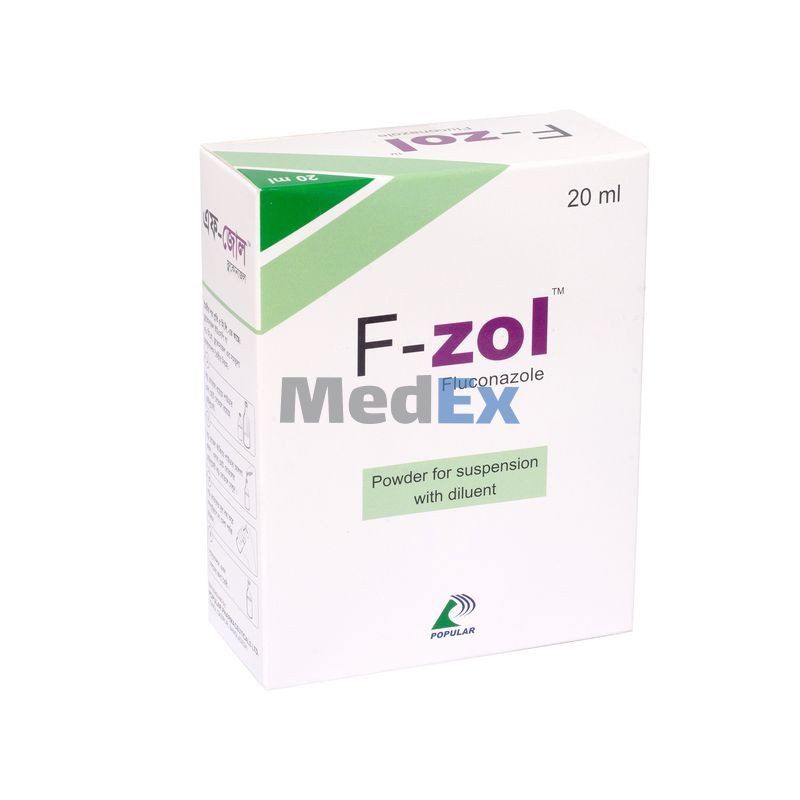
F-Zol

Fluconazole
Candiflu
Oraf
Flucolet
Fluconaaf
Flumyc
Flunazol
Anfasil
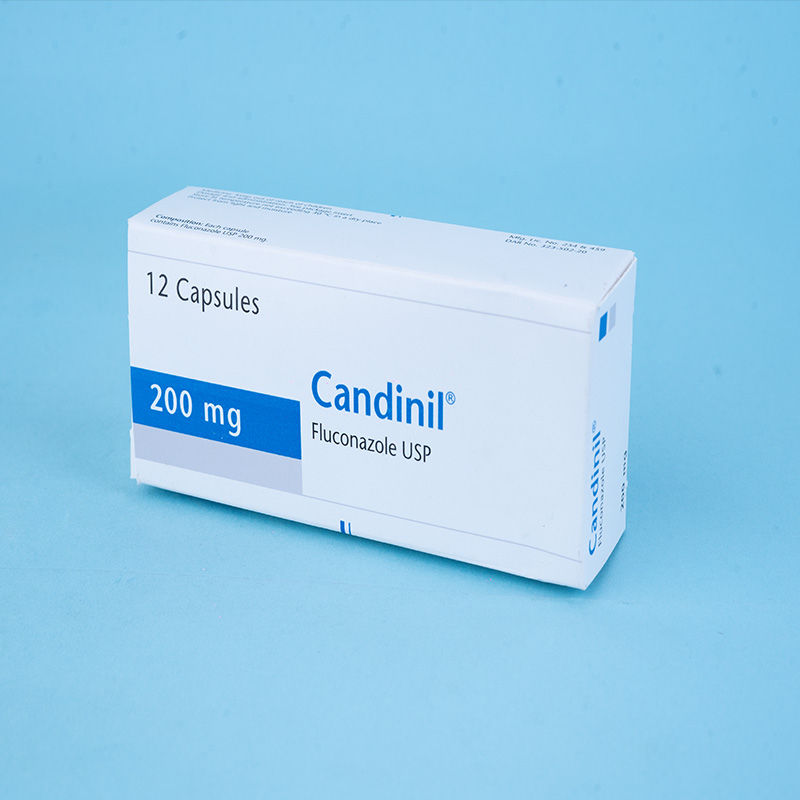
Candinil
Diflu
Falcon
Fluact
Flucoder
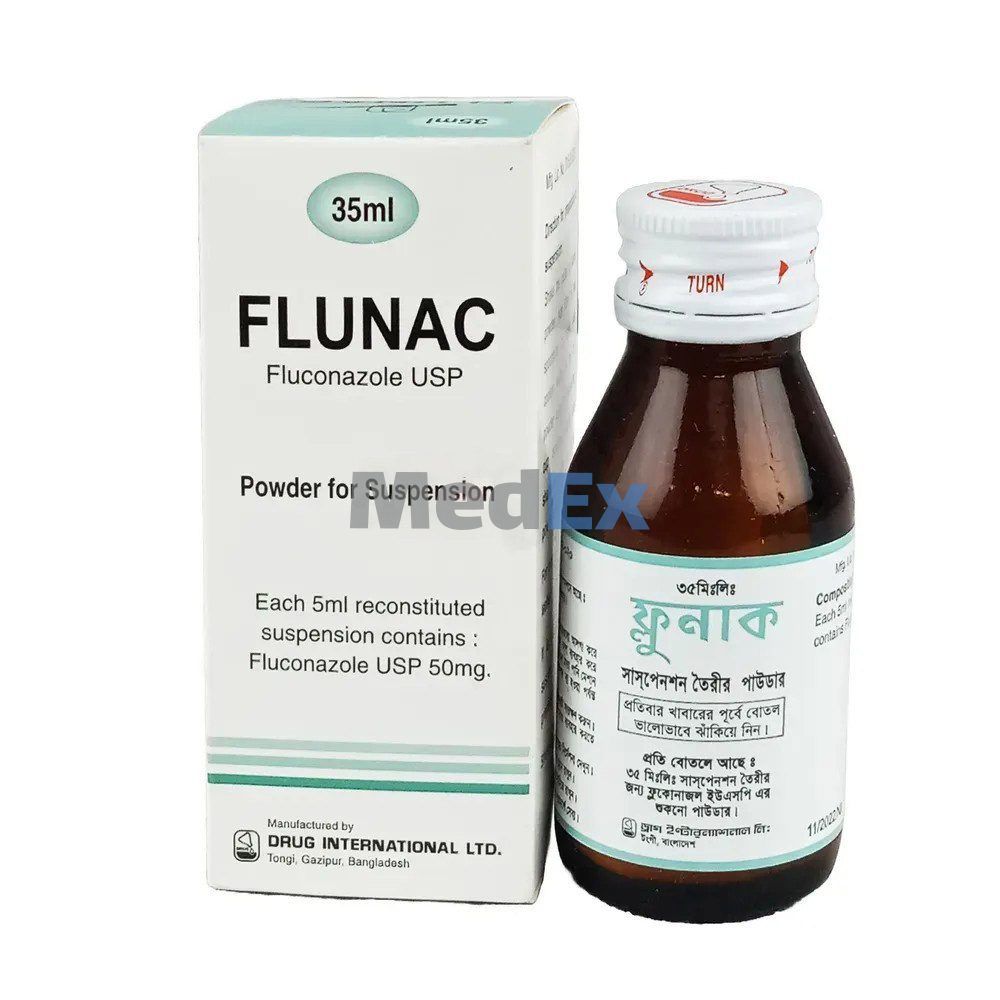
Flunac
Funzole
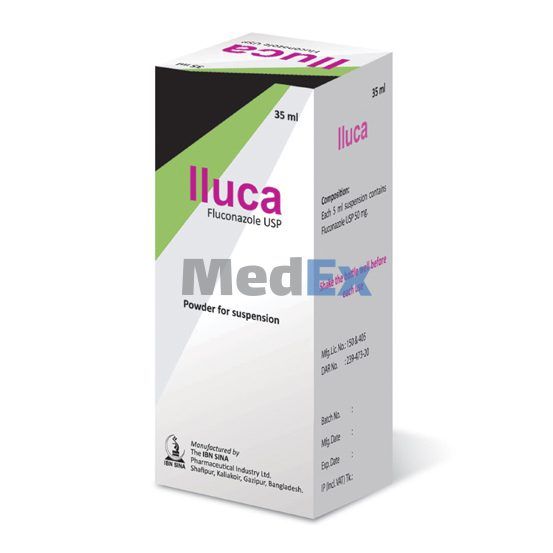
Iluca
Nispore
Omastin
Segal
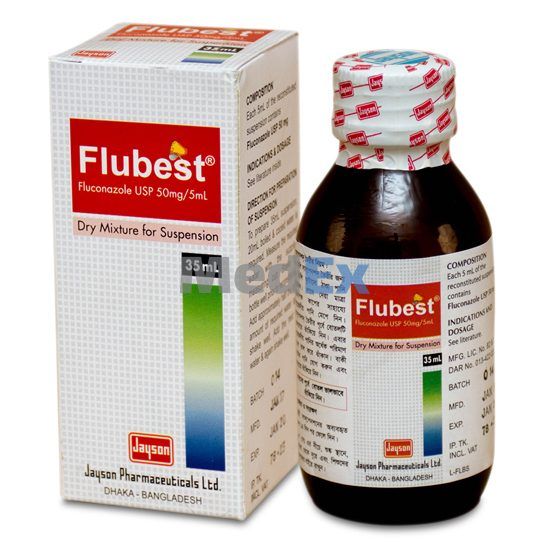
Flubest
Fluda
Fungitrol
Richcon
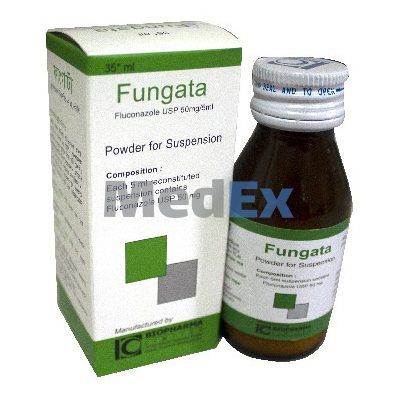
Fungata
Afluzole
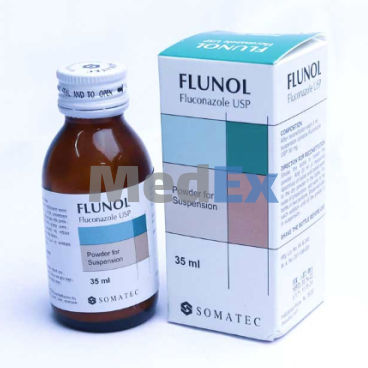
Flunol
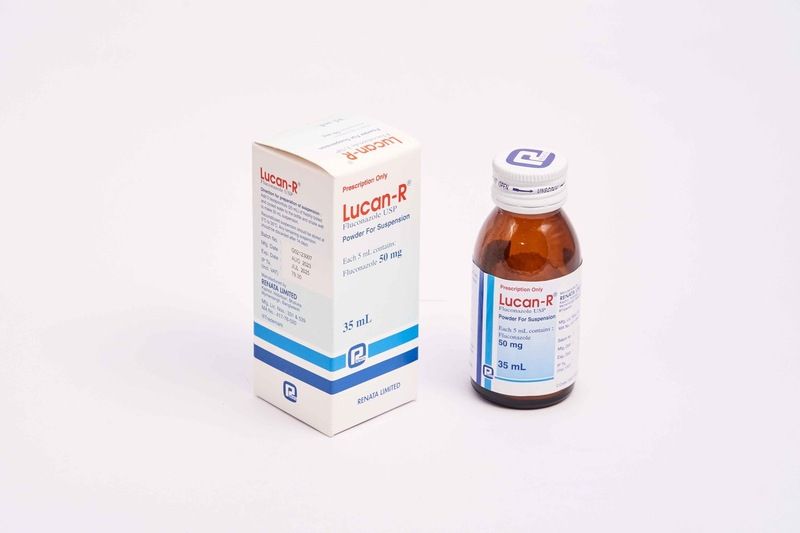
Lucan-R
Flucon
Canazole
Fluconal
Flugal
Nispore
Naz
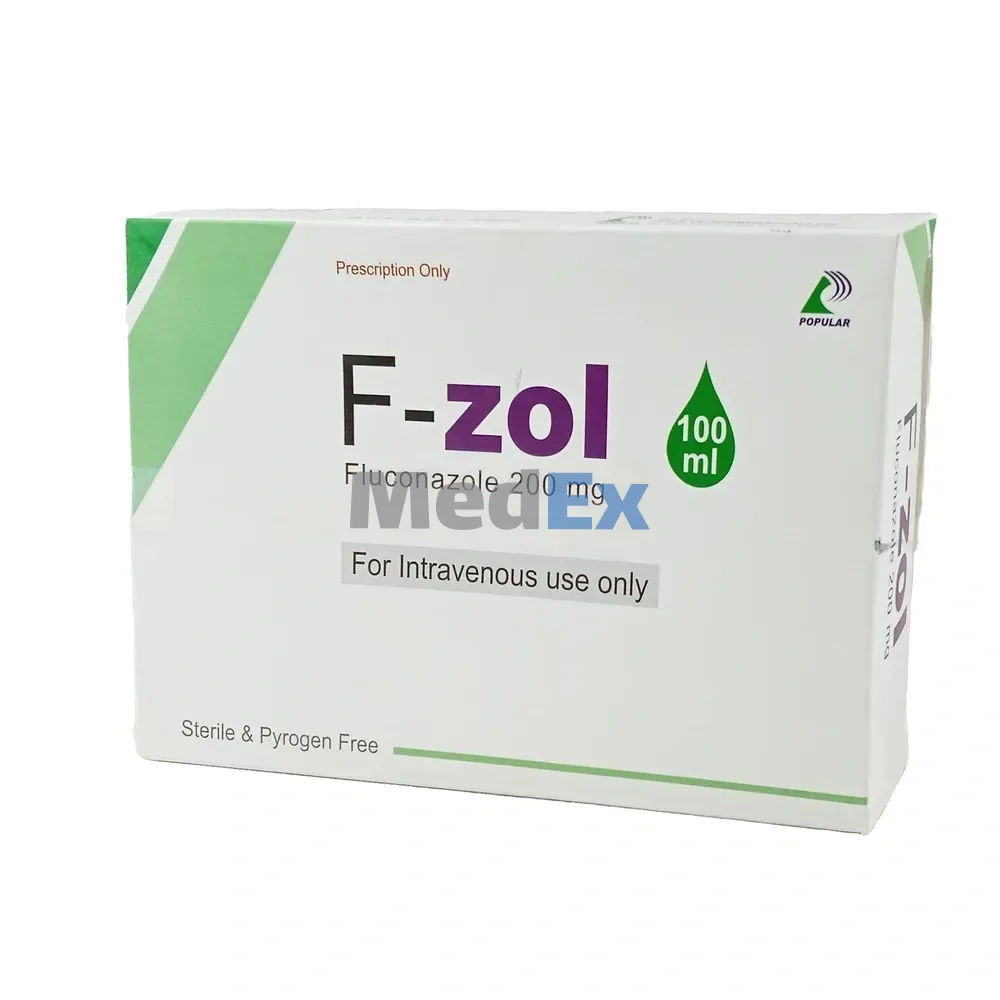
F-Zol
Flugal
Omastin
📖 Official Clinical Monograph
DGDA Approved Prescribing GuidelinesAfluzole is indicated in-
Vaginal Candidiasis
Oropharyngeal Candidiasis
Esophageal Candidiasis
Tinea corporis/Tinea cruris/Tinea pedis/Other Tinea
Kerion
Pityriasis versicolor
Onychomycosis
Invasive candidal infections and cryptococcal infections (including meningitis)
... Read more
Afluzole is indicated in-
Vaginal Candidiasis
Oropharyngeal Candidiasis
Esophageal Candidiasis
Tinea corporis/Tinea cruris/Tinea pedis/Other Tinea
Kerion
Pityriasis versicolor
Onychomycosis
Invasive candidal infections and cryptococcal infections (including meningitis)
Prevention of cryptococcal meningitis
Prevention of fungal infections in immunocompromised patients
Systemic Candidiasis and Cryptococcal infection
In Superficial Candidiasis
In Systemic Candidiasis & Cryptococcal infection
Other indications-
Fungal urinary tract infections
Disseminated candidiasis
Prophylaxis for fungal infection in neutropenic cancer patients.
Acute treatment of other systemic fungal infections such as coccidioidomycosis and histoplasmosis.
Adults:
Vaginal Candidiasis
: 150 mg as a single dose.
Oropharyngeal Candidiasis
: 200 mg in 1st day followed by 100 mg daily for 14 days.
Oesophageal Candidiasis
: 200 mg in 1st day followed by 100 mg daily for 14-30 days.
Tinea corporis/Tinea cruris/Tinea pedis/Other Tinea
: 150 mg weekly for 4-6 weeks.
Kerion
: 50 mg daily for 20 days.
Pityriasis versicolor
: 400 mg as a single dose.
Onychomycosis
: 150 mg weekly for 12 months.
Invasive candidal infections and cryptococcal infections (including meningitis)
: Orally or by IV infusion, 400 mg on first day then 200-400 mg daily.
Prevention of cryptococcal meningitis
: Orally or by IV infusion 200 mg daily.
Prevention of fungal infections in immunocompromised patients
: Orally or by IV infusion, 50-400 mg daily.
Child over 1 year-
In Superficial Candidiasis
: 1-2 mg/kg daily.
In Systemic Candidiasis & Cryptococcal infection
:3-6 mg/kg daily.
In serious life threatening infections upto 12 mg/kg daily has been given to children aged 5-13 years (Maximum 400 mg daily)
1 year: 9 kg
: 1/2 measuring spoonful
1-2 years: 12 kg
: 1 measuring spoonful
2-3 years: 14 kg
: 1½ measuring spoonful
3-4 years: 16 kg
: 2 measuring spoonful
4-6 years: 20 kg
: 2½ measuring spoonful
Use in Specific Population-
Elderly patient
: The normal dose should be used if there is no evidence of renal impairment.
Renal Impairment
: No adjustment in single dose therapy is required. In multiple dose therapy of patients with renal impairment, normal doses should be given on days 1 and 2 of treatment and there after the dosage intervals should be modified as follows:
Creatinine clearance (>41 ml/min): Dosage interval (hours) 24
Creatinine clearance (21-40 ml/min): Dosage interval (hours) 48
Creatinine clearance (10-20 ml/min): Dosage interval (hours) 72
Patients receiving regular dialysis: One dose after every dialysis session
Children
: Renal clearance in children may be proportionately more rapid than in adults and doses up to 12 mg/kg is recommended.
Fluconazole should not be used in patients with known hypersensitivity to Fluconazole or to related triazole compounds.
Afluzole is generally well tolerated. The commonest side-efects associated Afluzole are symptoms associated with the gastrointestinal tract; these include nausea, abdominal discomfort, diarrhoea and fatulence. Other adverse events such as rash are rarely encountered (Incidence less than 1%). In rare cases, as with other azoles, anaphylaxis has been reported.
in some patients, particularly those with serious underlying diseases such as AIDS and cancer, abnormalities of hepatic, renal, haematological and other biochemical function tests have been observed during treatment with fuconazole, but the clinical signifcance and relationship to treatment is uncertain.
Very rarely. patients who died with severe underlying disease and who had received multiple dose fuconazole, had post-mortem fndings which included hapatic necrosis. These patients were receiving multiple concomitant medications, some known to be potentially hepatotoxic, and/or had underlying diseases, which could have caused the hepatic necrosis. Consequently, because a causal relationship with fuconazole cannot be excluded, the risk-beneft ratio of continued fuconazole treatment should be assessed in those patients in whom a signifcant rise of liver enzymes occurs.
Patients have rarely developed exfoliative cutaneous reactions, such pa Stevens Johnson Syndrome and toxic epidermal necrolysis, during treatment with fuconazole. AIDS patients are more prone to the development of severe cutaneous reactions to many drugs.
If a rash develops in a patients treated for a superfaclal fungal infection which is considered attributable to fuconazole further therapy with this agent should be discontinued. In patients with invasive/ systemic fungal infections who develop rashes, they should be monitored closely and fuconazole should be discontinued if bolbous lesions or erythema multiform develop.
Use during lactation: Afluzole is found in human breast milk at concentrations similar to plasma. hence its use in nursing mothers is not recommended.
Driving/Use of machinery: Experience with fuconazole indicates that therapy a unlikely to impair a patient's ability to drive or use machinery.
Fluconazole is a triazole antifungal agent. It is a potent inhibitor of fungal cytochrome P-450 dependent enzymes. Cytochrome P-450 enzyme system is essential component of fungal cell membrane which is responsible for the synthesis of ergosterol.