 Oshud
OshudFlavoxate Hydrochloride
 BPH/ Urinary retention/ Urinary incontinence
Brands & Prices (7)
📋 Indications & Uses Dosage & Administration⚠️ Contraindications⚡ Side Effects & Adverse Reactions🛡️ Warnings & Precautions🔬 Pharmacology & Mechanism
BPH/ Urinary retention/ Urinary incontinence
Brands & Prices (7)
📋 Indications & Uses Dosage & Administration⚠️ Contraindications⚡ Side Effects & Adverse Reactions🛡️ Warnings & Precautions🔬 Pharmacology & Mechanism
Brand Formulations & Prices
7 brands sorted by unit price

Uripay

Flavox
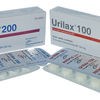
Urilax
Uripay

Flavox
Urilax

Uroza
📖 Official Clinical Monograph
DGDA Approved Prescribing GuidelinesFlavox is indicated for symptomatic relief of dysuria, urgency, nocturia, suprapubic pain, frequency and incontinence as may occur in cystitis, prostatitis, urethritis and urethrocystitis.
Dosage & AdministrationThe usual dosage of Flavoxate Hydrochloride for patients older than 12 years of age is 100-200 mg 3 or 4 times daily. Dosage may be reduced as symptoms improve. In patients with infections, treatment is usually continued for as long as antibacterial or antiinfective medications are administered. In patients with chronic bladder symptoms, maintenance therapy for prolong periods may be required for optimum results.
Flavoxate is contraindicated in patients who have any of the following obstructive conditions: pyloric or duodenal obstruction, obstructive intestinal lesions or ileus, achalasia, gastrointestinal hemorrhage and obstructive uropathies of the lower urinary tract.
Side effects of Flavox include nausea and vomiting, dry mouth and throat, nervousness, vertigo, headache, drowsiness, blurred vision, increased ocular tension, disturbance in ocular accommodation, urticaria and other dermatoses, mental confusion, dysuria, tachycardia and palpitation, hyperpyrexia, and eosinophilia. Rarely, abdominal pain and difficulty in concentration may occur. Constipation has been reported in patients receiving 800 mg to 1.2 g of Flavox daily.
Because of possible drowsiness, vertigo, and ocular disturbances, Flavox should be administered with caution to patients performing hazardous tasks requiring mental alertness or physical coordination. Flavox should also be administered with caution to patients with suspected glaucoma.
Flavoxate acts as a direct antagonist at muscarinic acetylcholine receptors in cholinergically innervated organs. Its anticholinergic-parasympatholytic action reduces the tonus of smooth muscle in the bladder, effectively reducing the number of required voids, urge incontinence episodes, urge severity and improving retention, facilitating increased volume per void.