Fentanyl Citrate
💊 Brand Formulations & Prices
9 brands sorted by unit price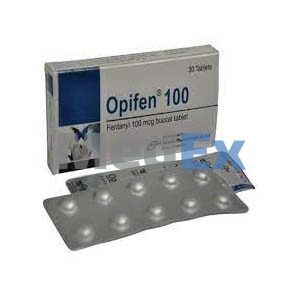
Opifen
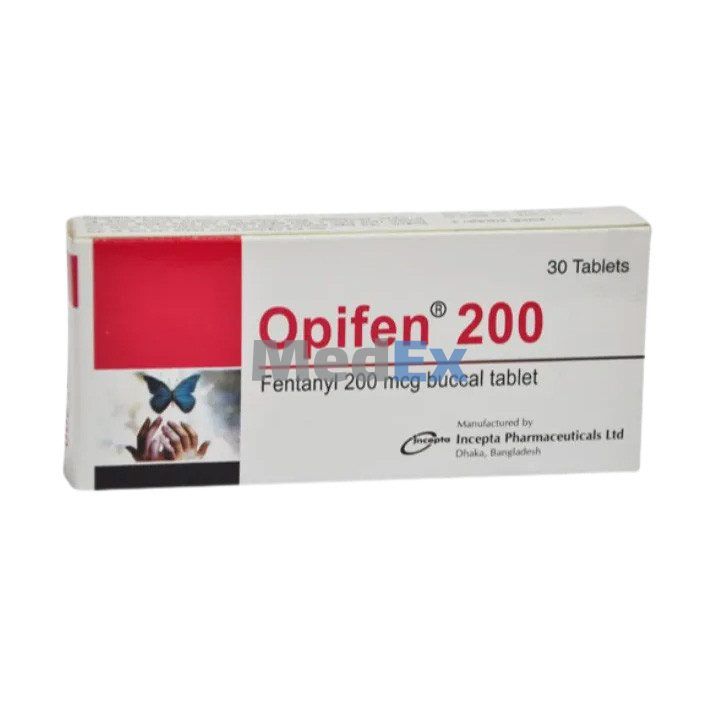
Opifen
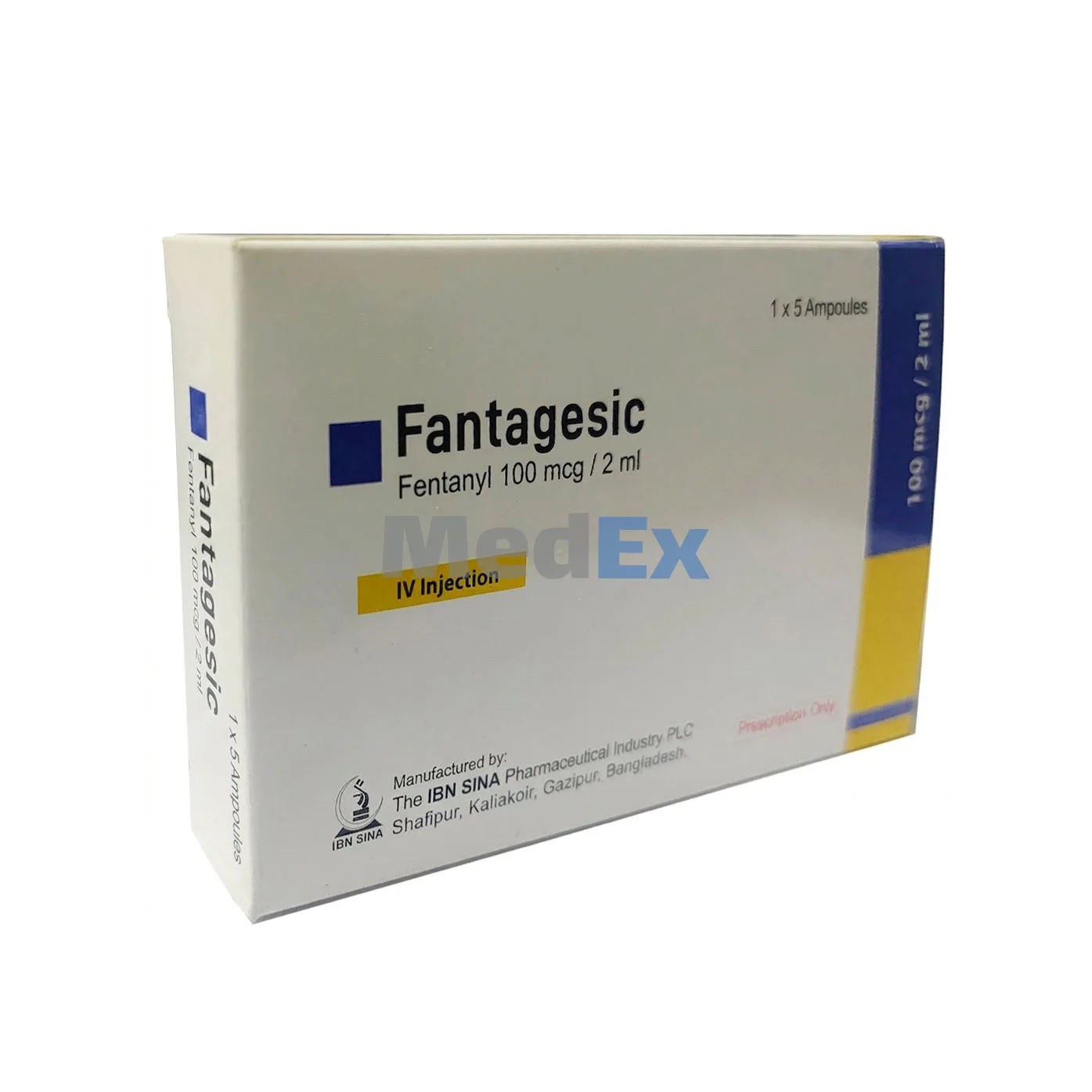
Fantagesic

Fentanyl
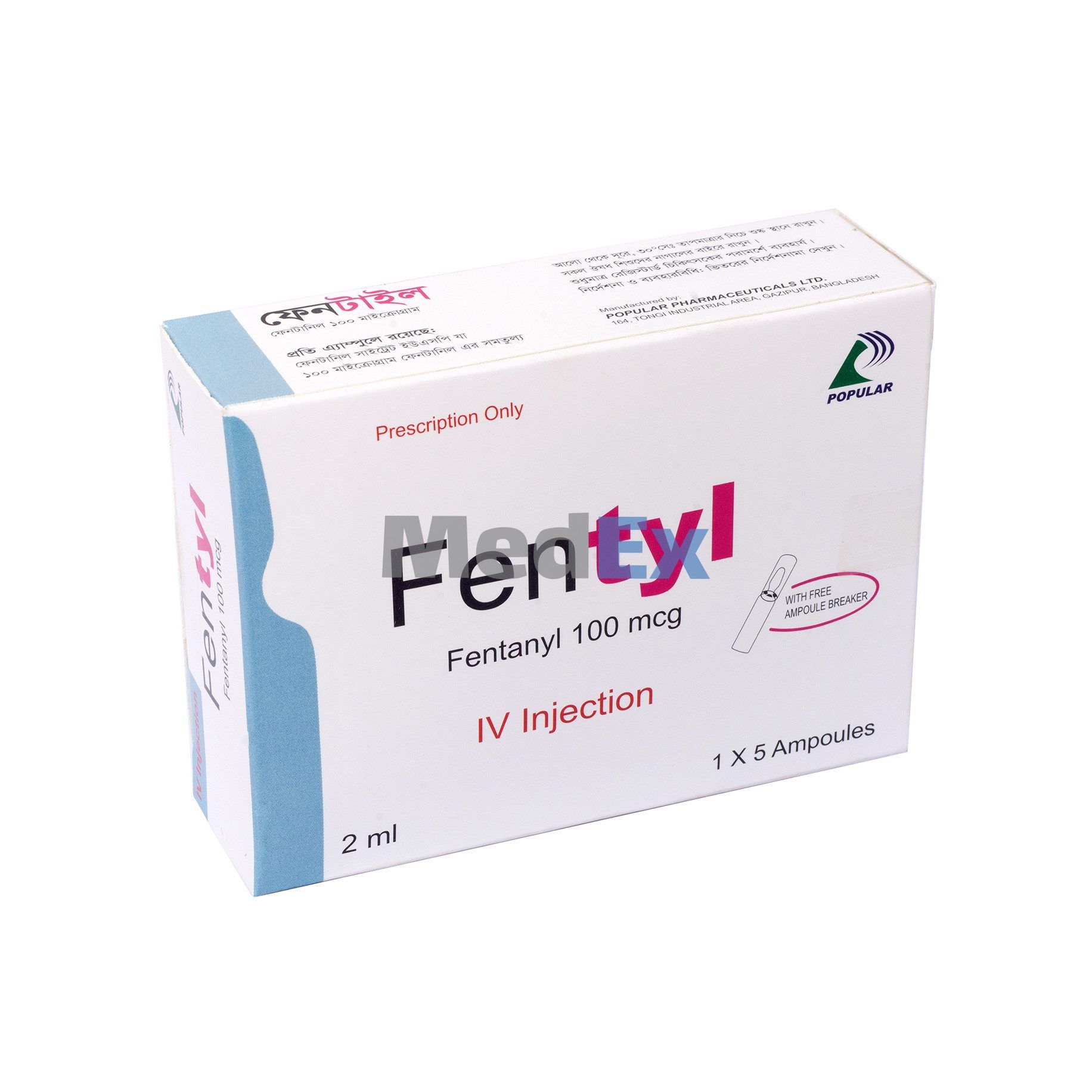
Fentyl

Fentanyl Hexal

Opifen
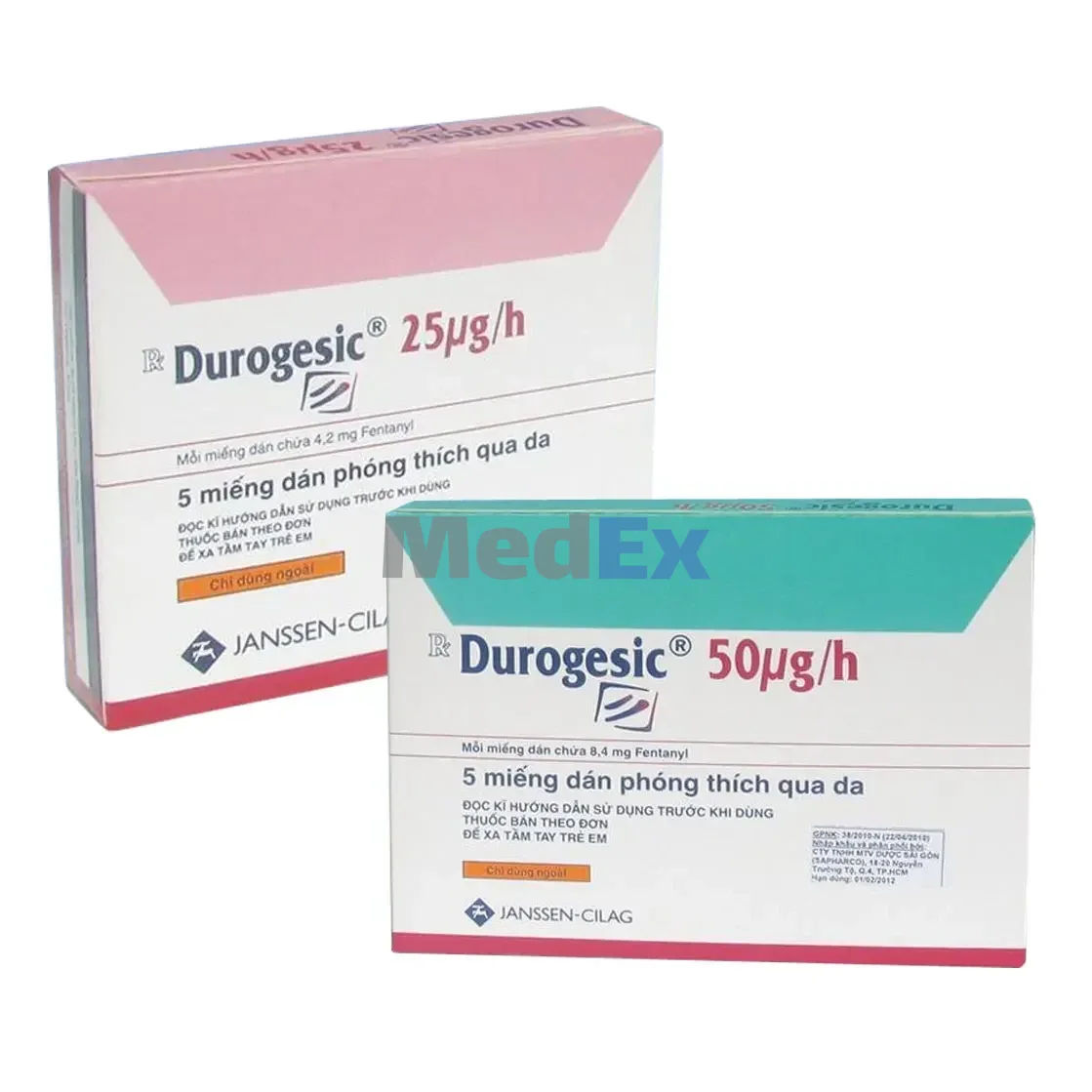
Durogesic
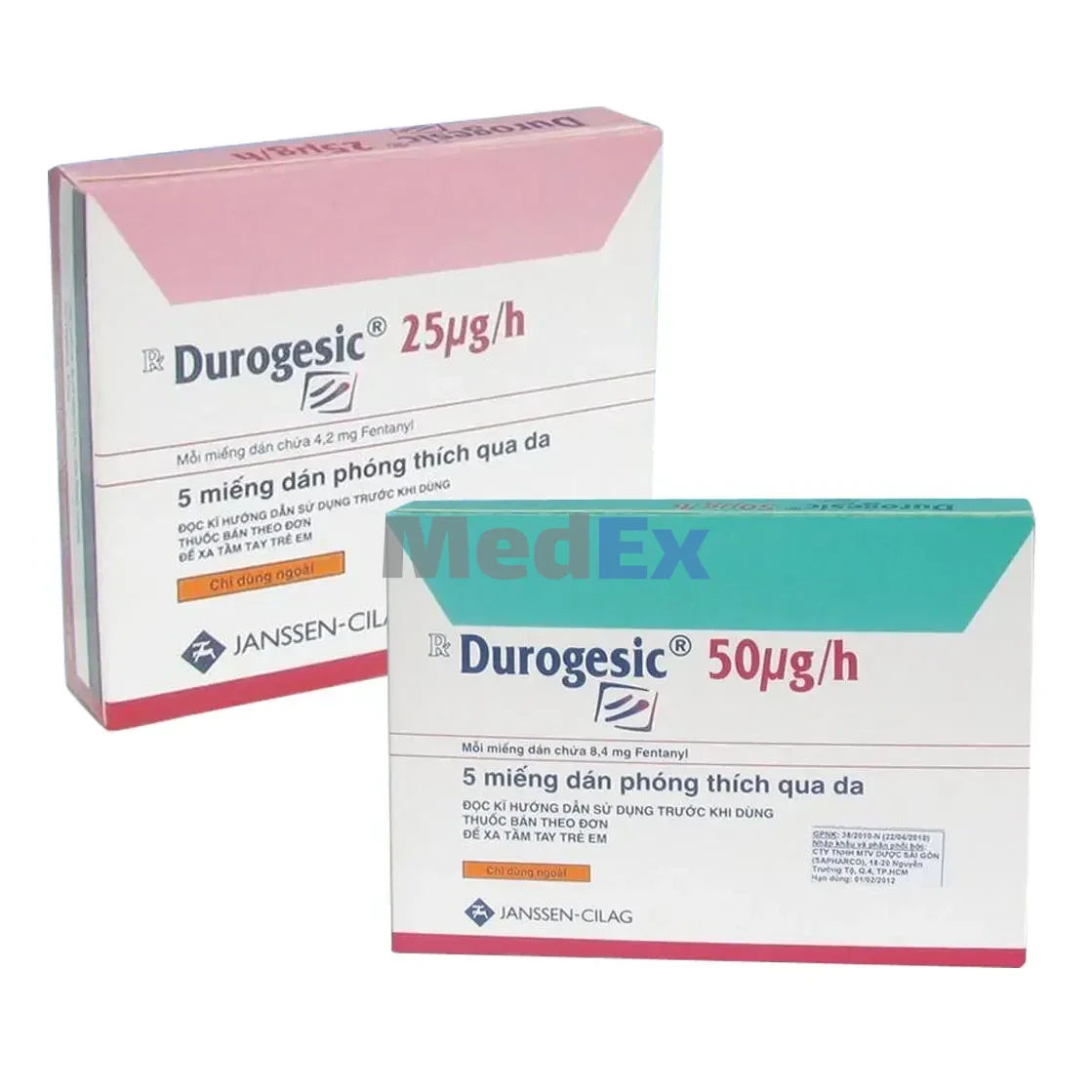
Durogesic
📖 Official Clinical Monograph
DGDA Approved Prescribing GuidelinesDurogesic is indicated for the management of breakthrough pain in patients with cancer who are already receiving and who are tolerant to opioid therapy for their underlying persistent cancer pain. Patients considered opioid tolerant are those who are taking at least 60 mg of oral morphine/day, at least 25 mcg of transdermal Durogesic/hour, at least 30 mg of oxycodone daily, at least 8 mg of oral hydromorphone daily or an equianalgesic dose of another opioid for a week or longer.
Fentanyl is contraindicated in the management of acute or postoperative pain. This product must not be used in opioid non-tolerant patients. Fentanyl is contraindicated in patients with known intolerance or hypersensitivity to any of its components or the drug Fentanyl.
As with other narcotic analgesics, the most common serious adverse reactions reported to occur with Durogesic are respiratory depression, apnoea, muscular rigidity, myoclonic movements, and bradycardia. Respiratory depression is more likely to occur with intravenous administration if a dose is given too rapidly and it rarely occurs with intramuscular administration.
Opioid analgesics impair the mental and/or physical ability required for the performance of potentially dangerous tasks (e.g. driving a car or operating machinery). Patients taking Durogesic should be warned of these dangers and should be counseled accordingly. The use of concomitant CNS active drugs requires special patient care and observation.
Chronic pulmonary disease
: Durogesic should be titrated with caution in patients with chronic obstructive pulmonary disease or pre-existing medical conditions predisposing them to respiratory depression.
Head injuries and increased intracranial pressure
: Opioids may obscure the clinical course of a patient with a head injury and should be used only if clinically warranted.
Cardiac disease
: Intravenous Durogesic may produce bradycardia. Therefore, Durogesic should be used with caution in patients with bradyarrhythmias.
Hepatic or renal disease
: Durogesic should be used with caution because of the hepatic metabolism and renal excretion of Durogesic.
Fentanyl is an opioid analgesic. Fentanyl interacts predominately with the opioid mu-receptor but also binds to kappa and delta-type opioid receptors. These mu-binding sites are discretely distributed in the human brain, spinal cord, and other tissues. In clinical settings, Fentanyl exerts its principal pharmacologic effects on the central nervous system. Its primary actions of therapeutic value are analgesia and sedation. Fentanyl may increase the patient's tolerance for pain and decrease the perception of suffering, although the presence of the pain itself may still be recognized. In addition to analgesia, alterations in mood, euphoria and dysphoria, and drowsiness commonly occur. Fentanyl depresses the respiratory centers, depresses the cough reflex, and constricts the pupils.