Etodolac
💊 Brand Formulations & Prices
6 brands sorted by unit price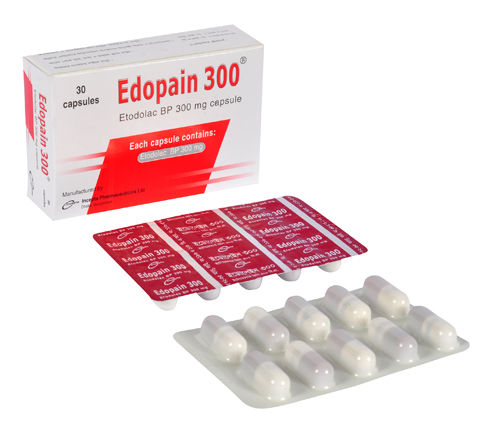
Edopain
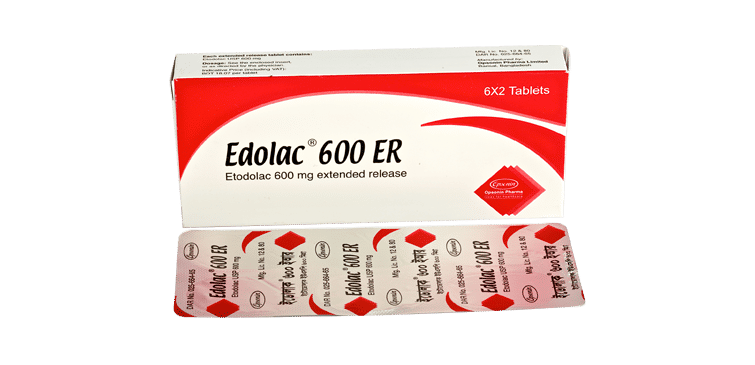
Edolac

Etogesic SR
Panodin SR
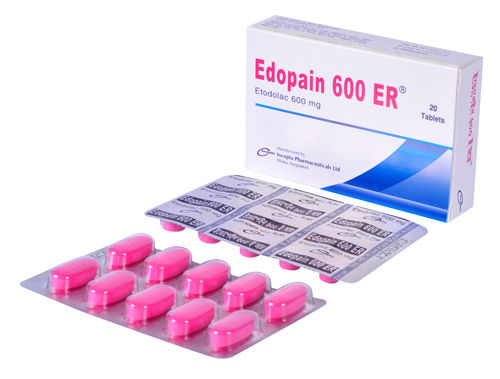
Edopain ER
Edolac ER
📖 Official Clinical Monograph
DGDA Approved Prescribing GuidelinesEdolac is indicated-
For acute and long-term use in the management of signs and symptoms: Osteoarthritis, Rheumatoid arthritis
For the management of acute pain
Acute gout
Adults and over 18 years:
Etodolac 300 mg capsule: 600 mg daily in 1-2 divided doses
Etodolac 600 mg ER tablet: Once daily
Pediatric: Safety and effectiveness in pediatric patients below the age of 18 years have not been established.
Etodolac is contraindicated in patients with known hypersensitivity to Etodolac. Etodolac should not be given to patients who have experienced asthma, urticaria or other allergic type reactions after taking Aspirin or other NSAIDs.
The common side effects of Edolac involve the gastrointestinal system. It can cause abdominal pain, constipation, diarrhea, dyspepsia, flatulence, heartburn, nausea, Gl ulcers, vomiting. Other events including abnormal renal function, anemia, dizziness, edema, elevated liver enzymes, headaches, increased bleeding time, pruritis, rashes, tinnitus etc.
Edolac should be given with caution in patients with severe hepatic reactions, pre existing asthma, fluid retention, hypertension or heart failure. If clinical sings and symptoms consistent with liver disease develop, or if systemic manifestations occur (e.g. eosinophilia, rash etc.), it should be discontinued.
Similar to other NSAIDs, the anti-inflammatory effects of etodolac result from inhibition of the enzyme cycooxygenase (COX). This decreases the synthesis of peripheral prostaglandins involved in mediating inflammation. Etodolac binds to the upper portion of the COX enzyme active site and prevents its substrate, arachidonic acid, from entering the active site. Etodolac was previously thought to be a non-selective COX inhibitor, but it is now known to be 5-50 times more selective for COX-2 than COX-1. Antipyresis may occur by central action on the hypothalamus, resulting in peripheral dilation, increased cutaneous blood flow, and subsequent heat loss.