Doxophylline
💊 Brand Formulations & Prices
133 brands sorted by unit price
Asmadox
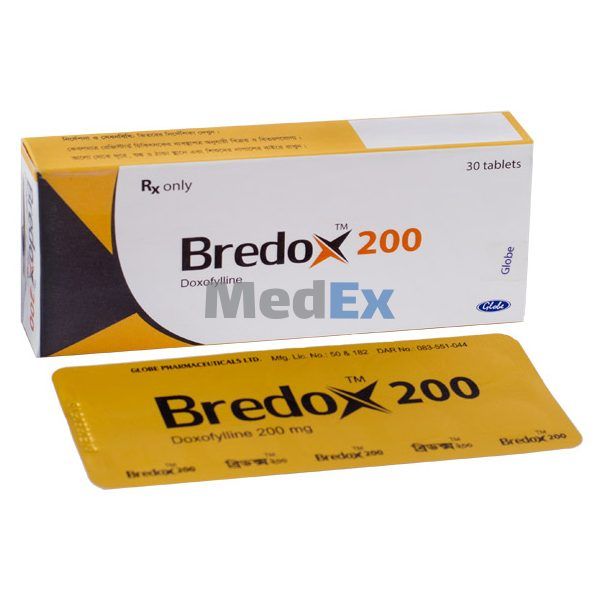
Bredox
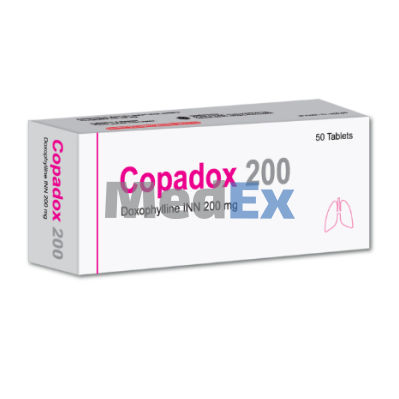
Copadox
Dofolin
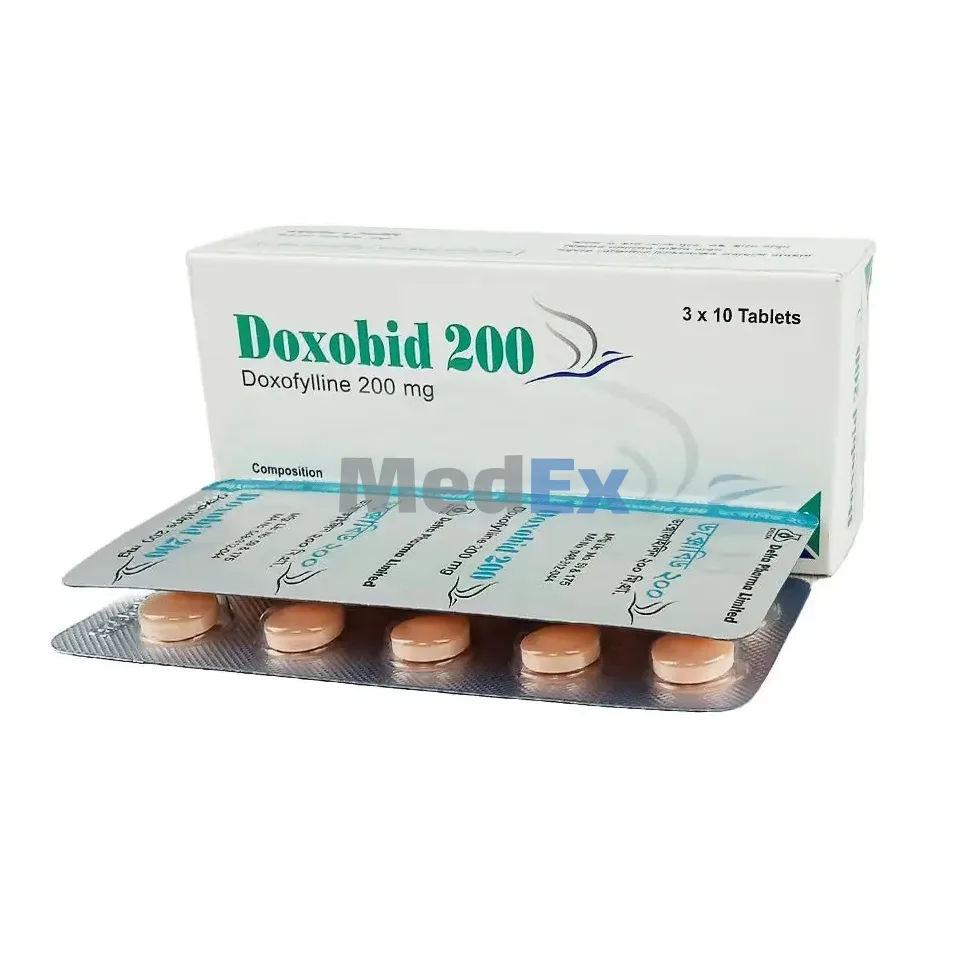
Doxobid
Doxofast
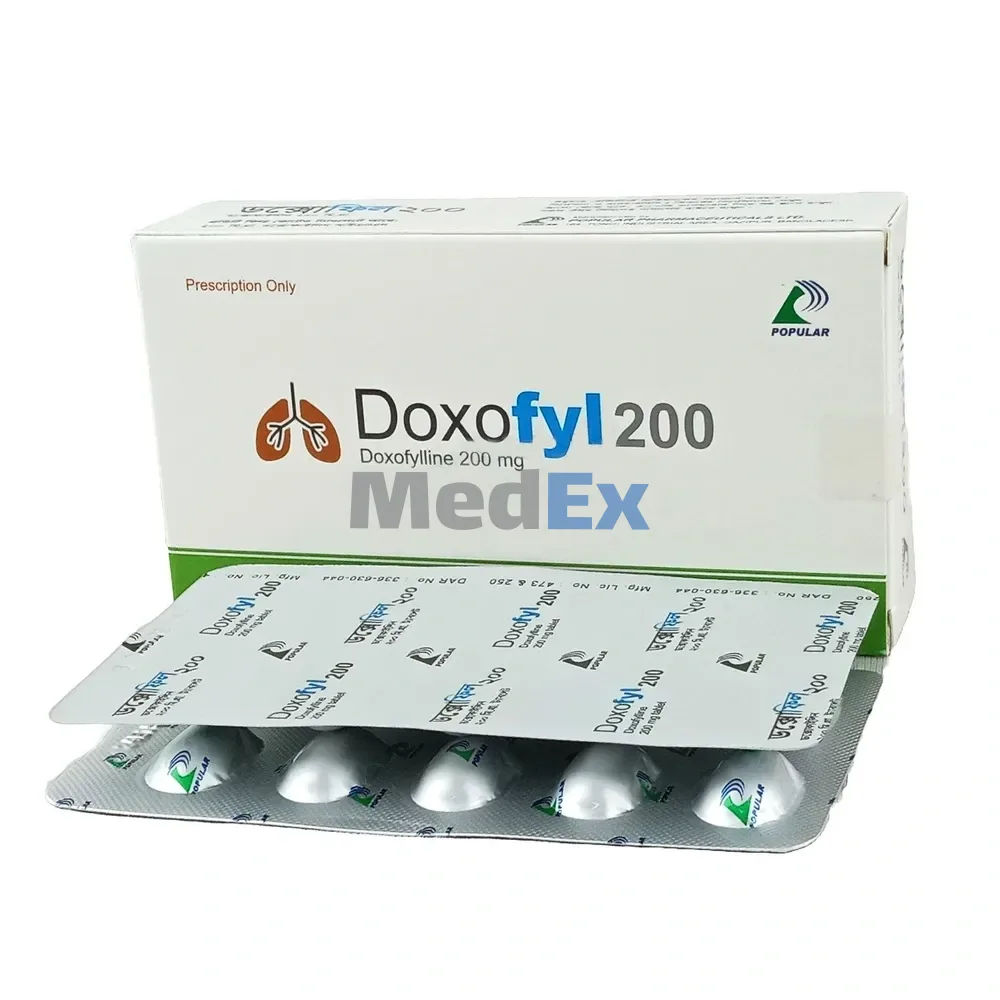
Doxofyl
Doxofylline
Doxolar
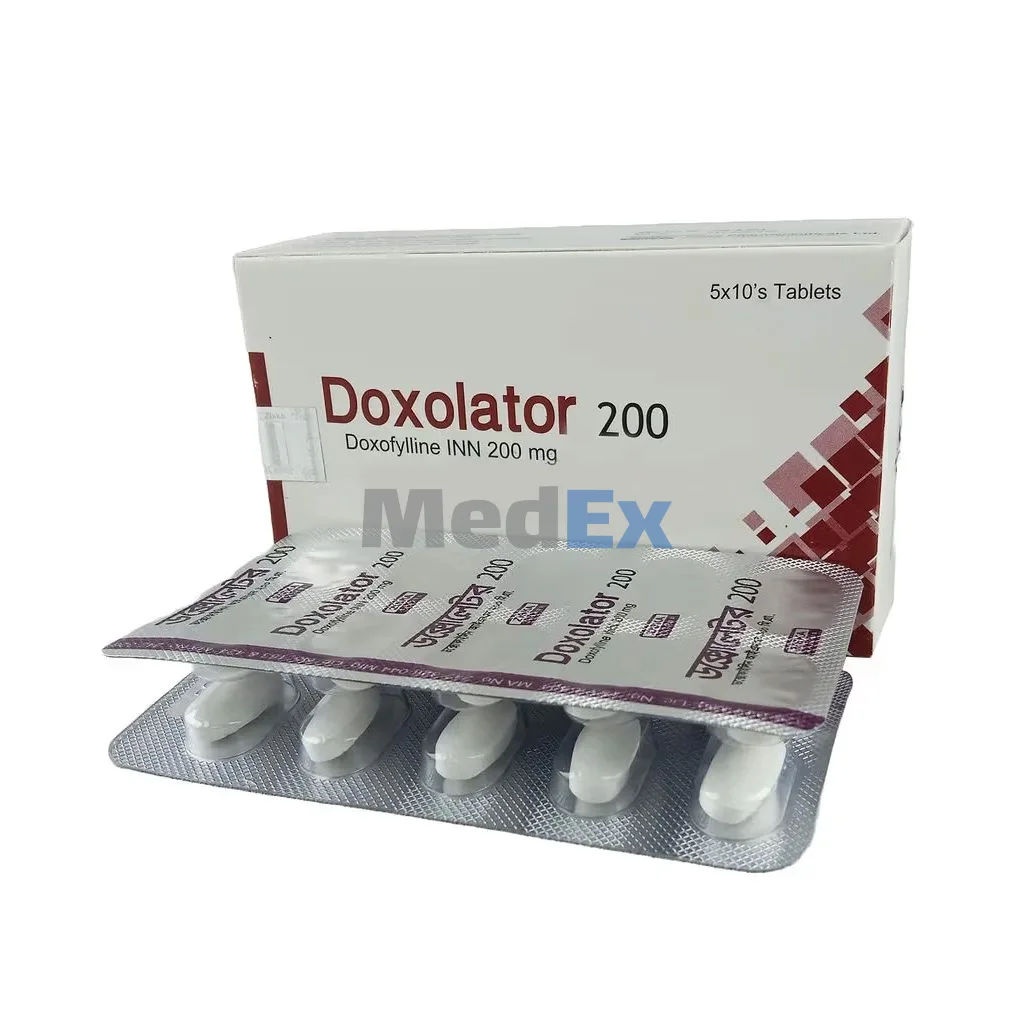
Doxolator
Doxorif
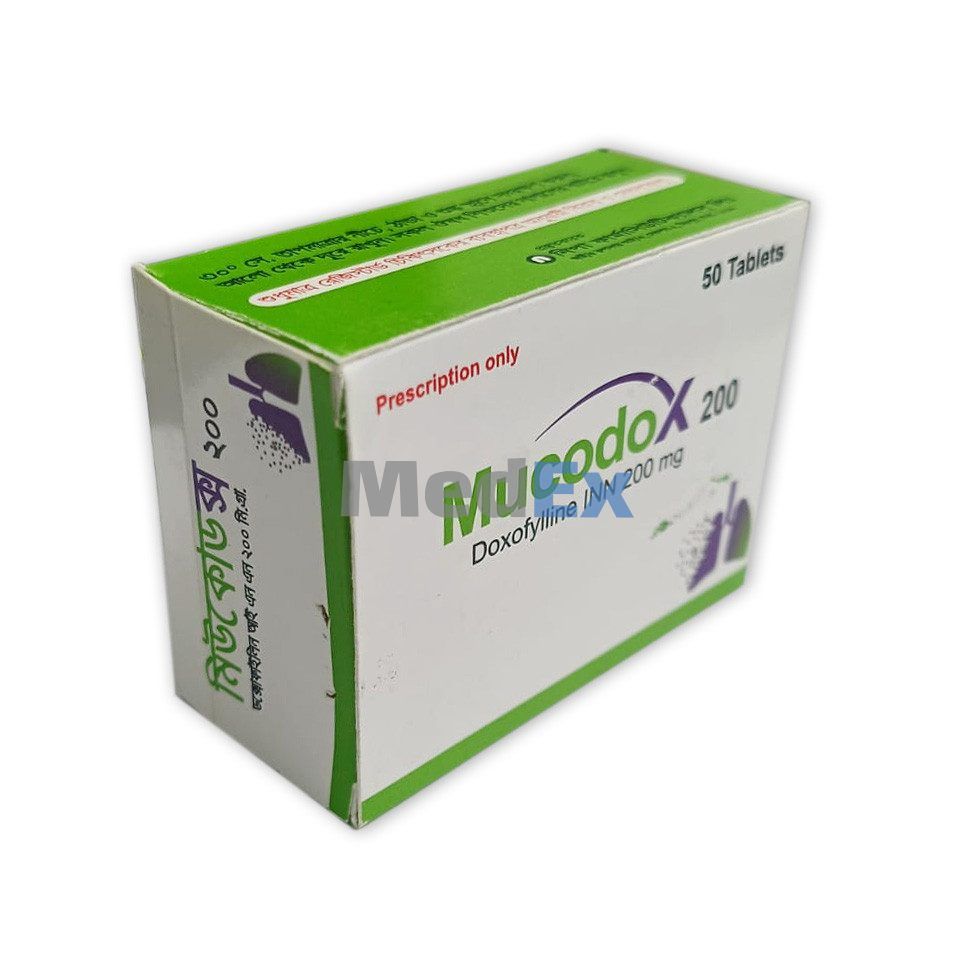
Mucodox
Radifylin
Radifylline
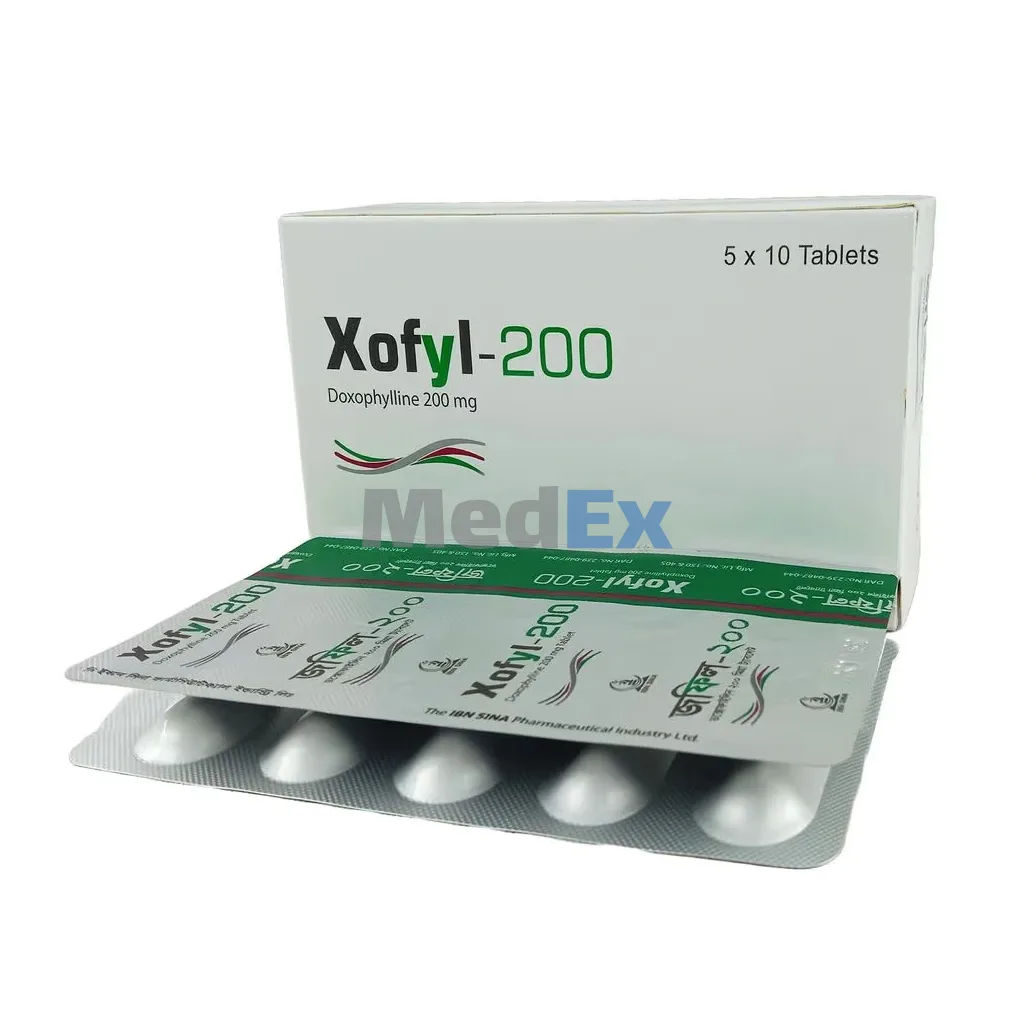
Xofyl
Respidox
Xendox
DFN
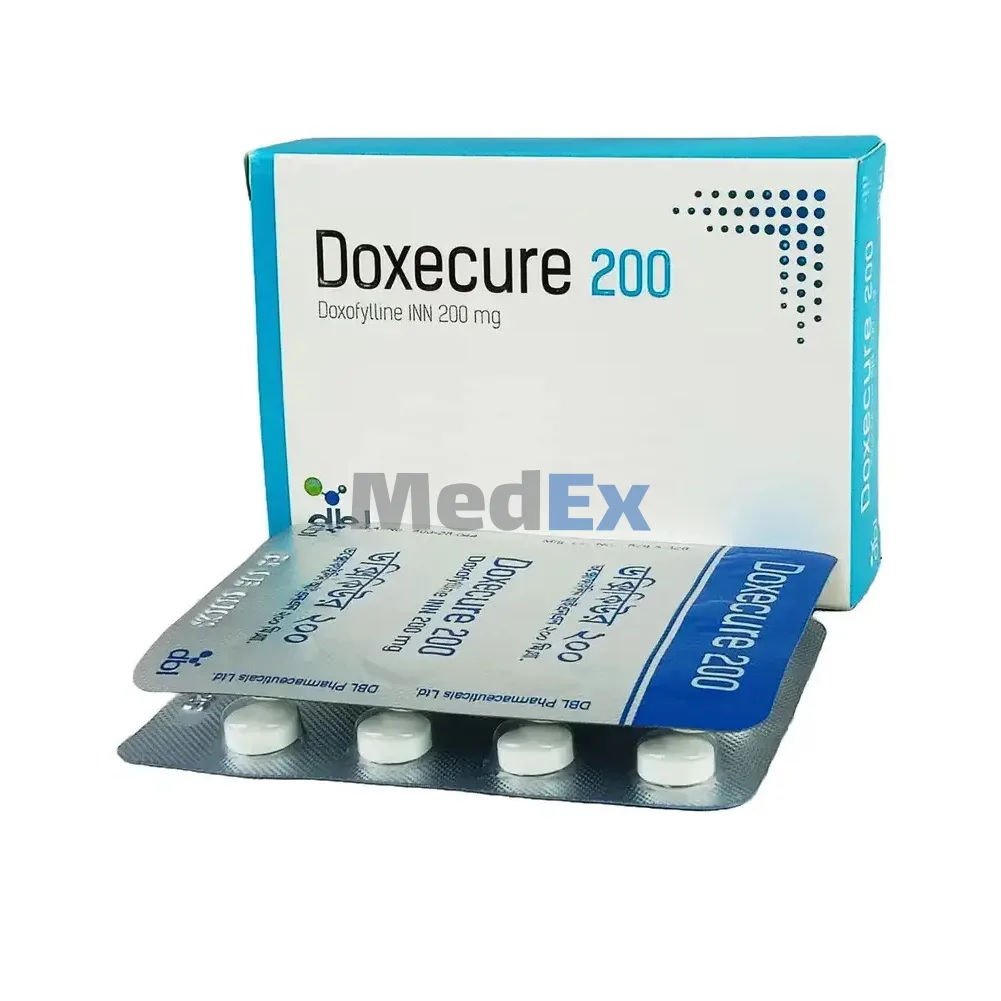
Doxecure
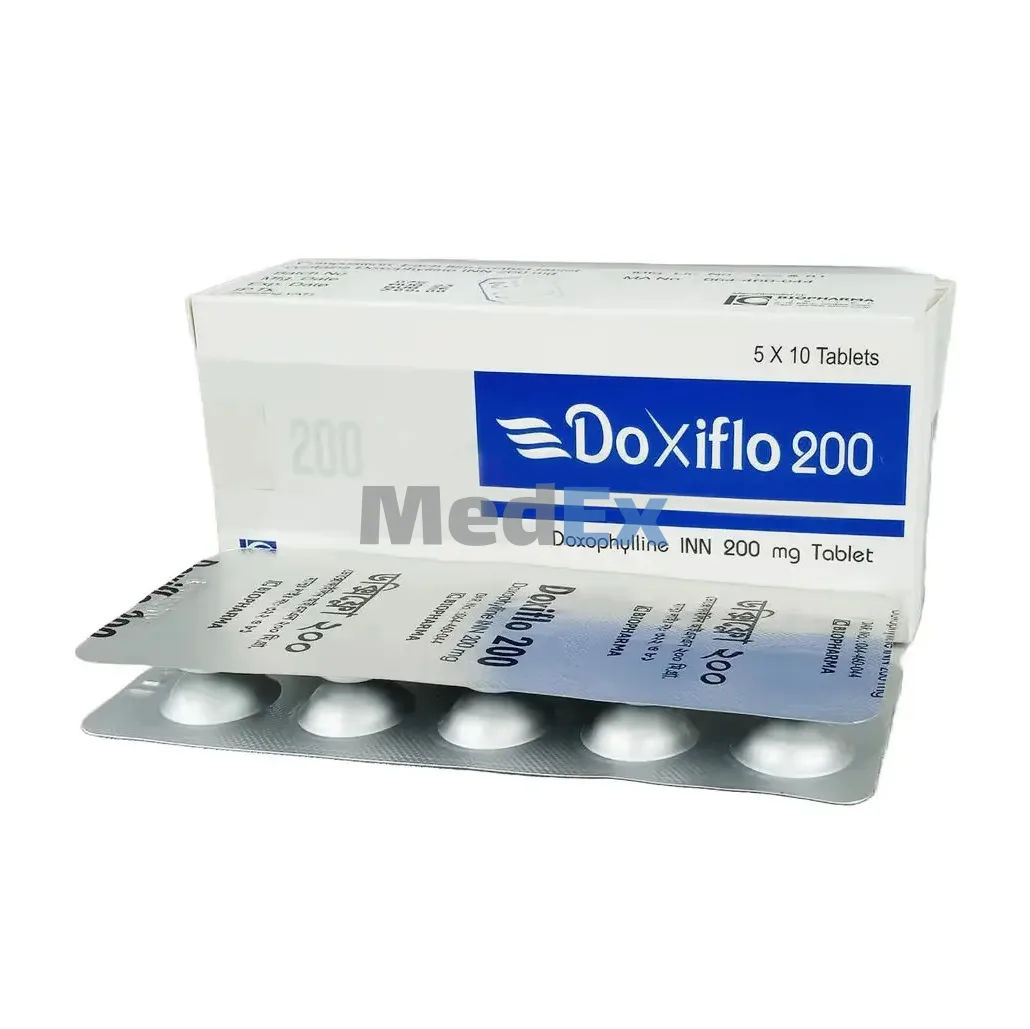
Doxiflo
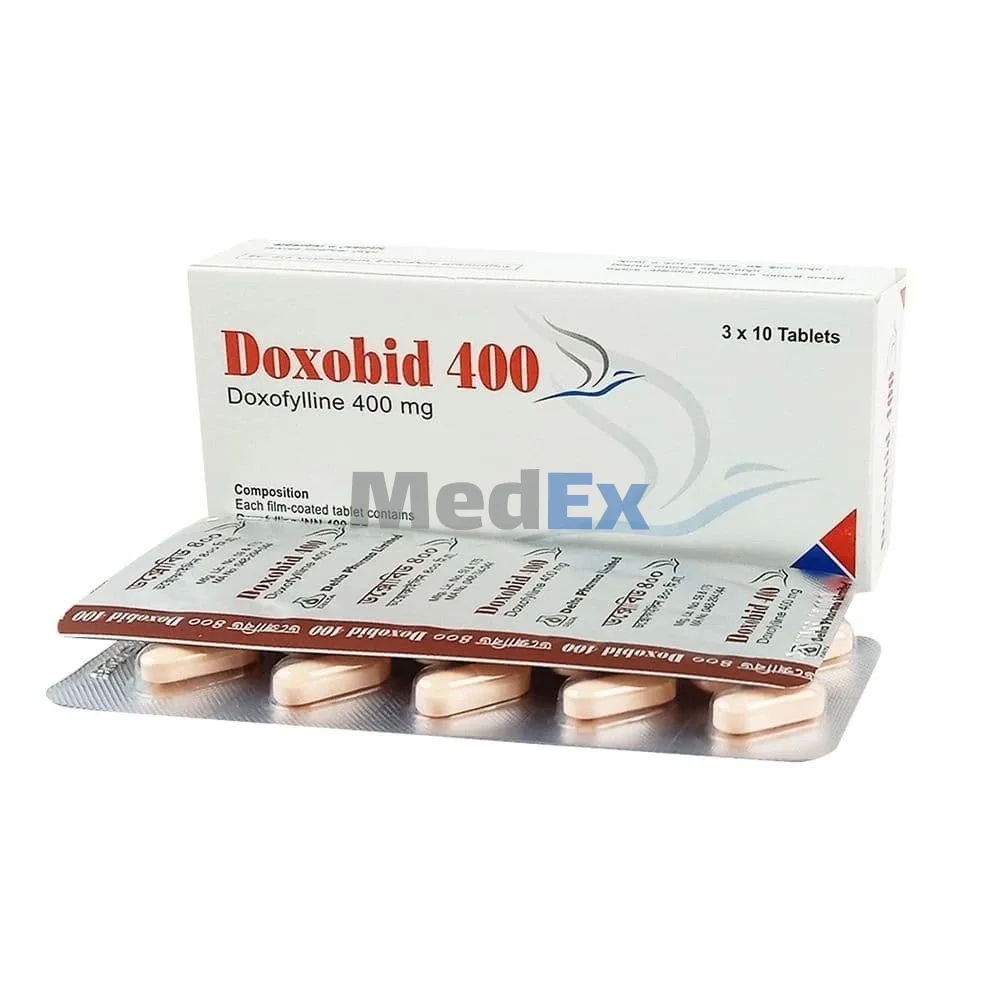
Doxobid
Doxobron
Doxomate
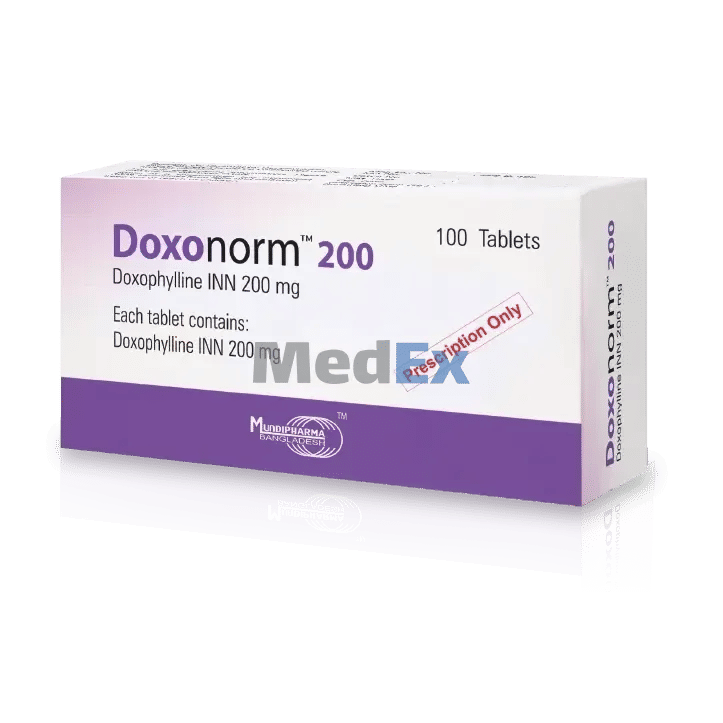
Doxonorm
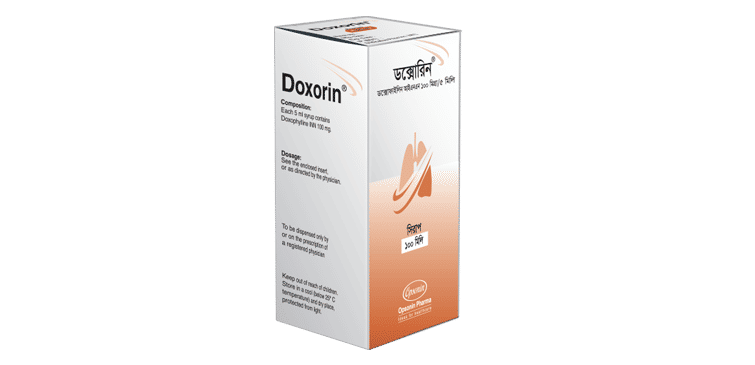
Doxorin
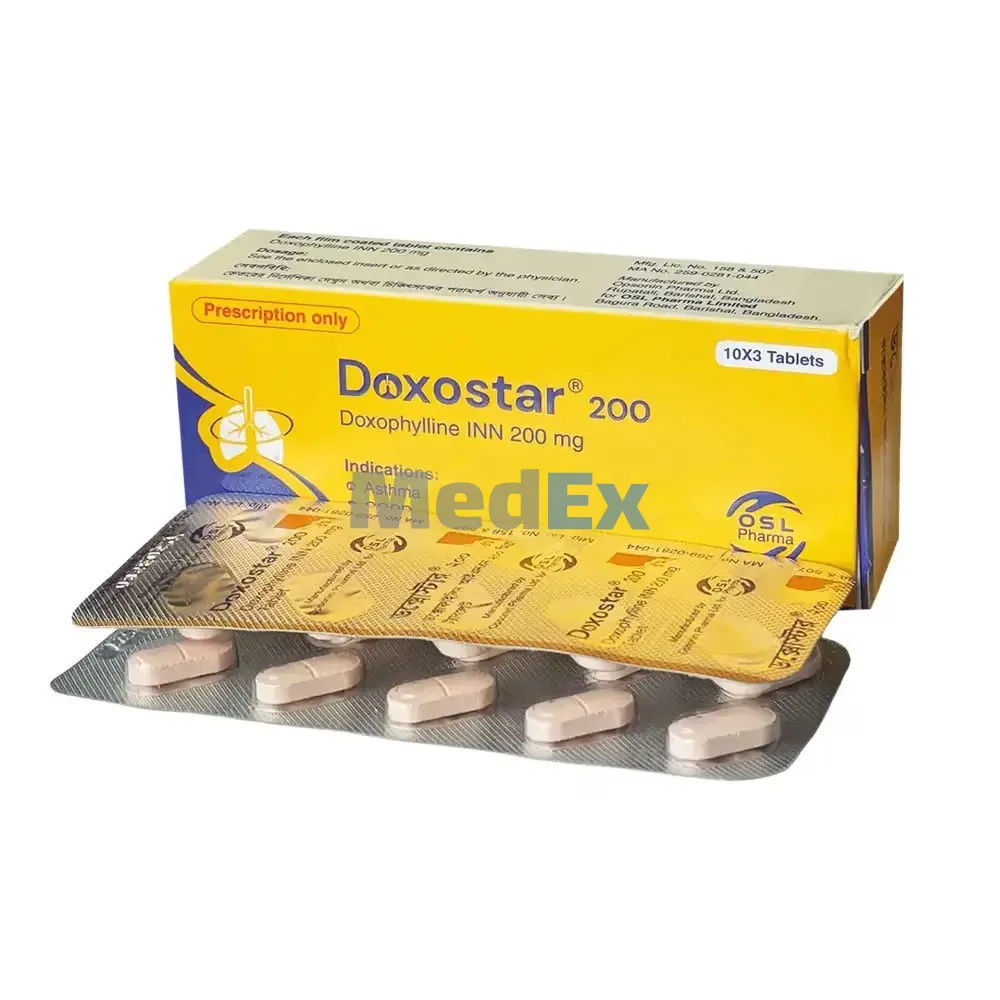
Doxostar
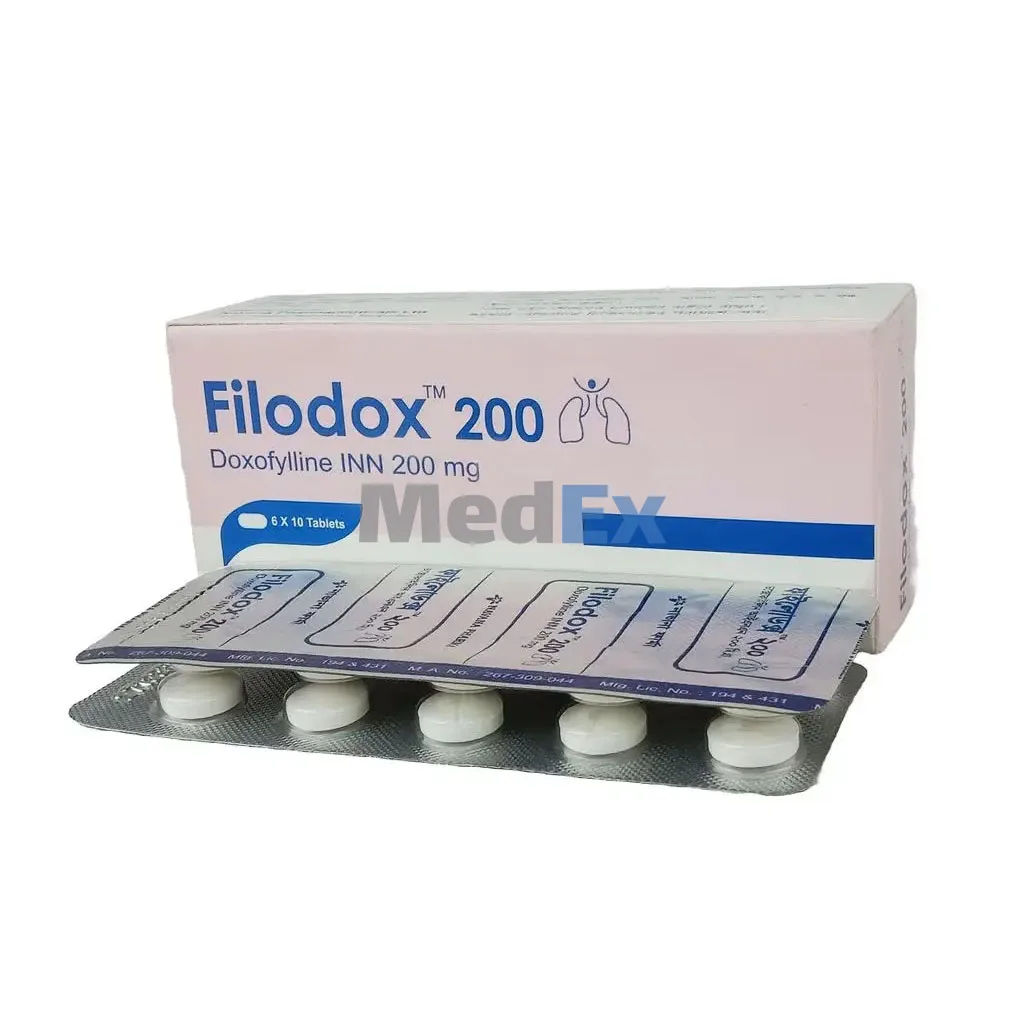
Filodox
Freeway
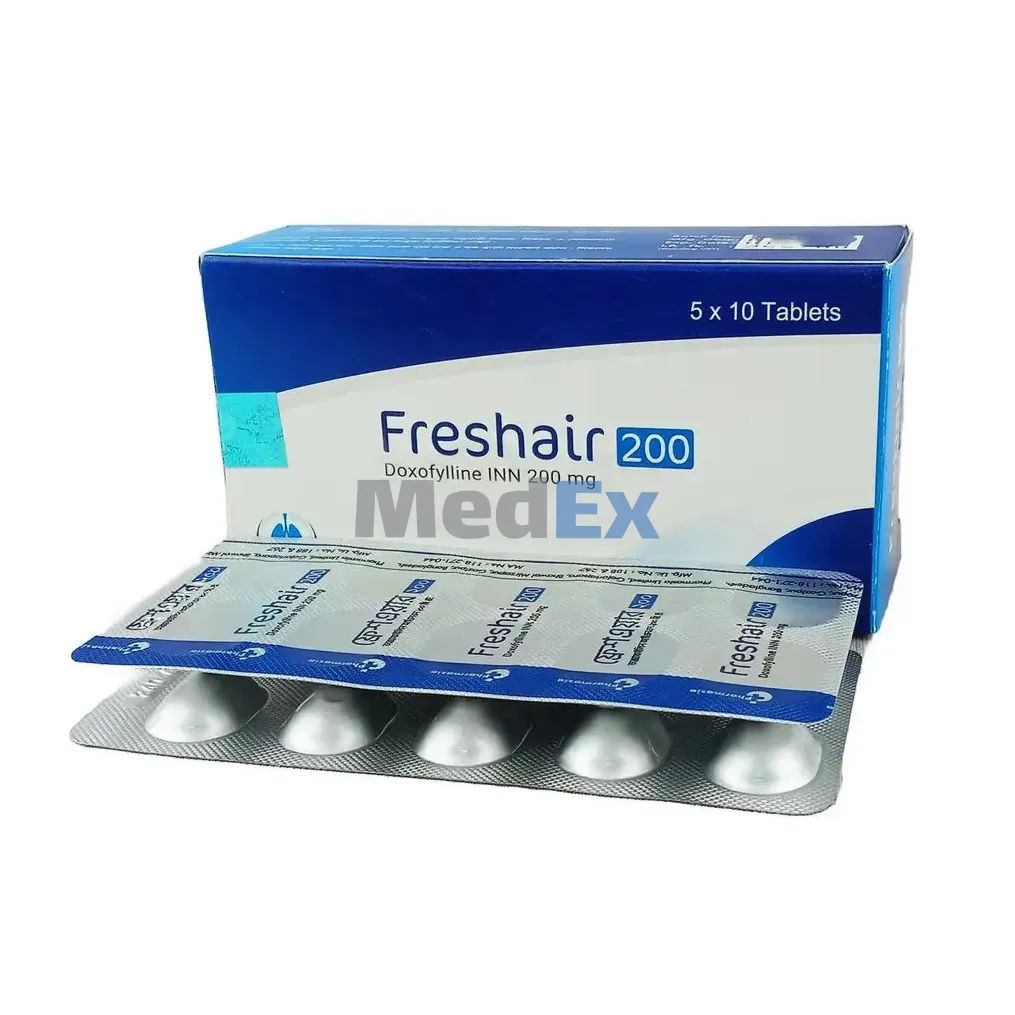
Freshair
Novetor
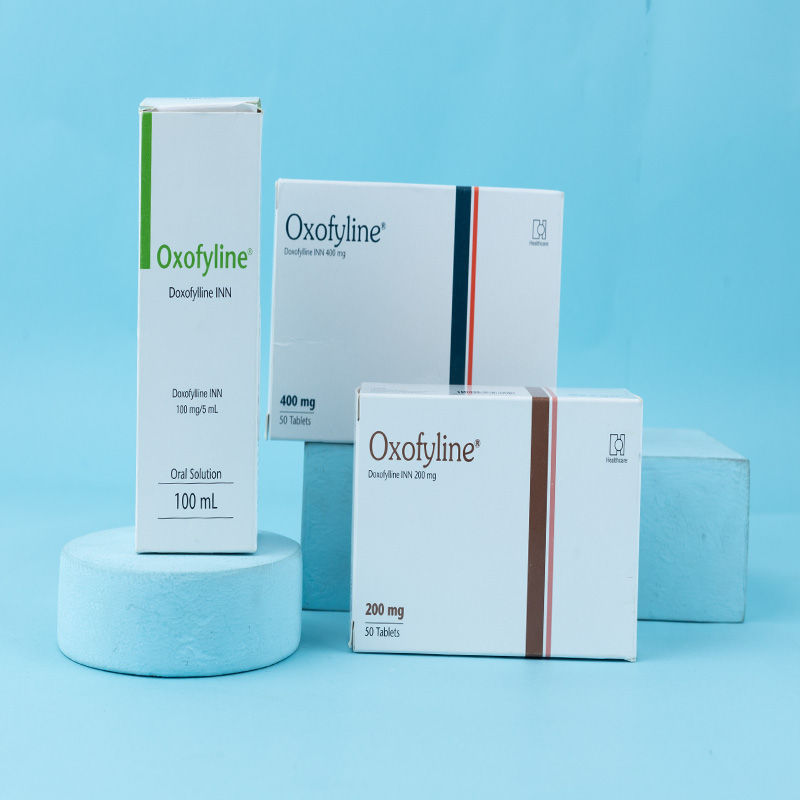
Oxofyline
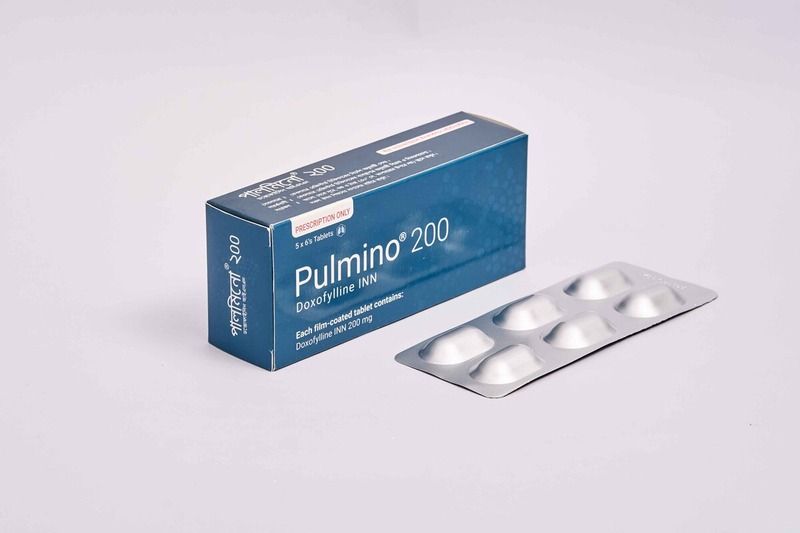
Pulmino
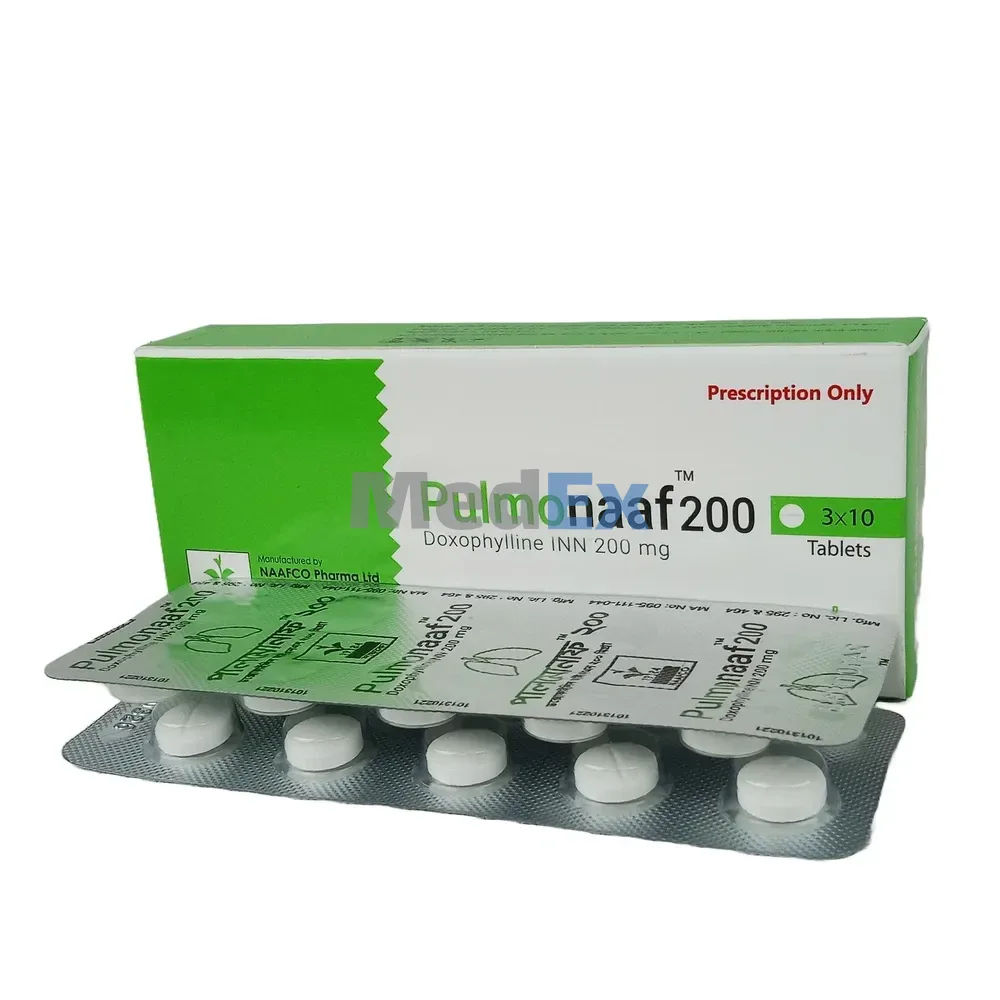
Pulmonaaf
Soltara
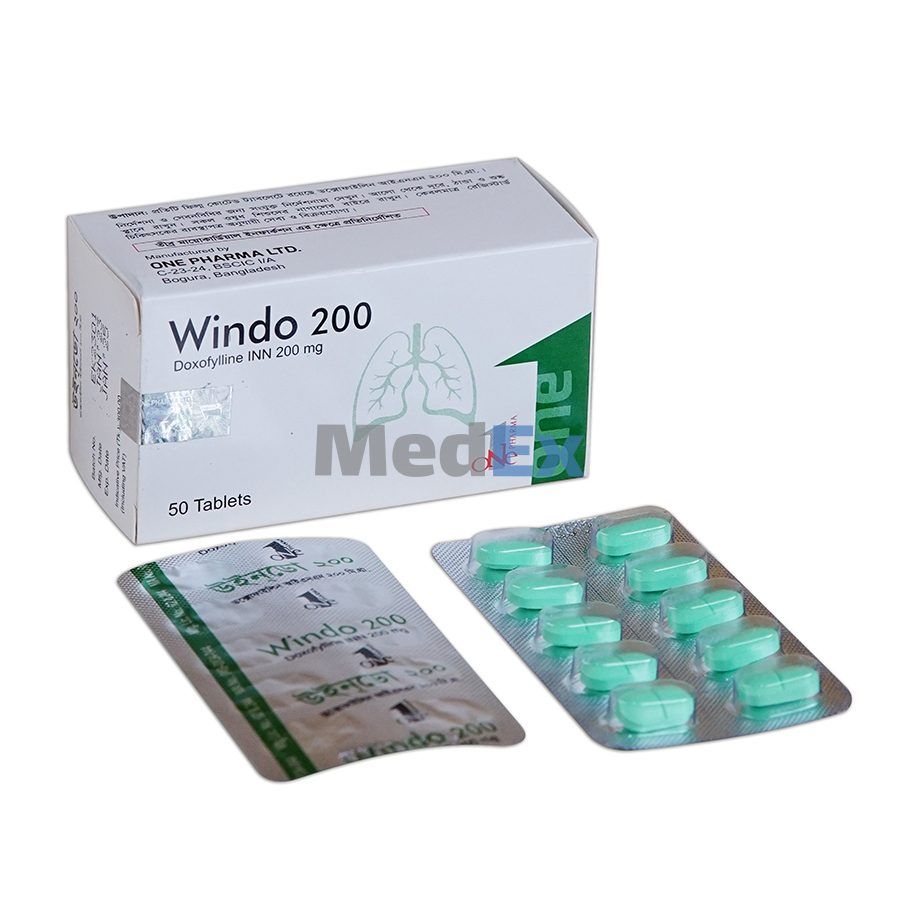
Windo
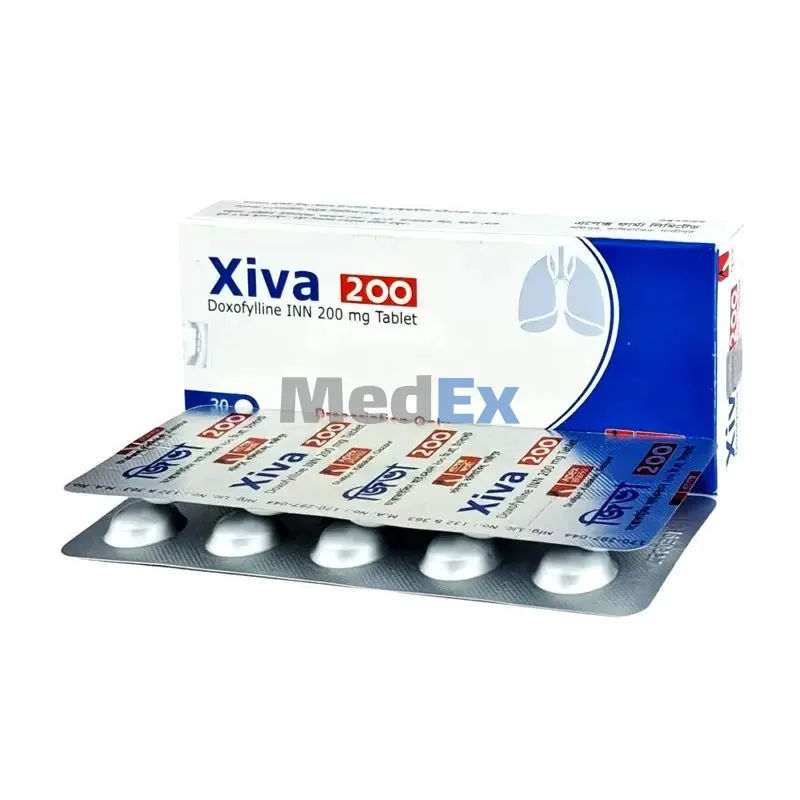
Xiva
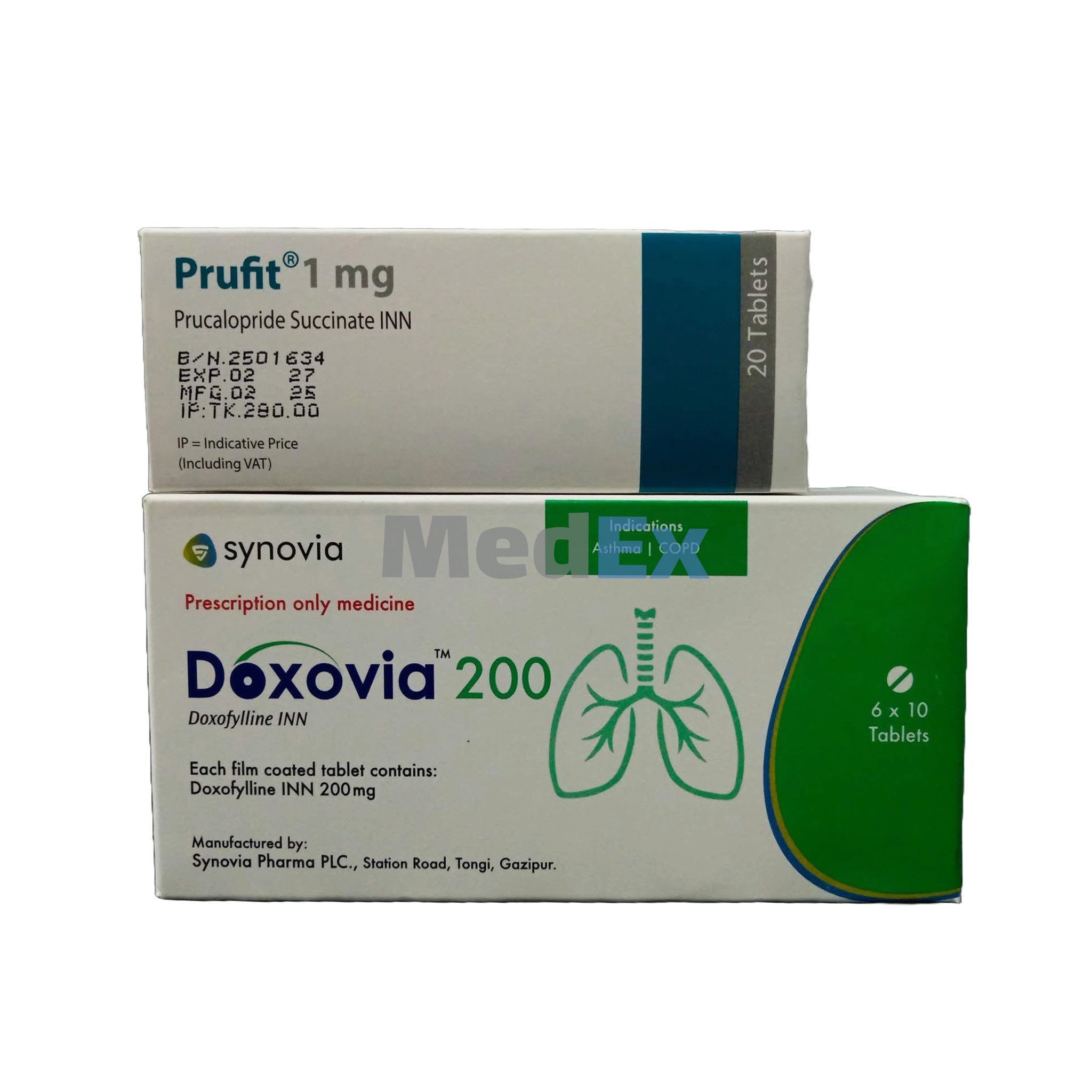
Doxovia
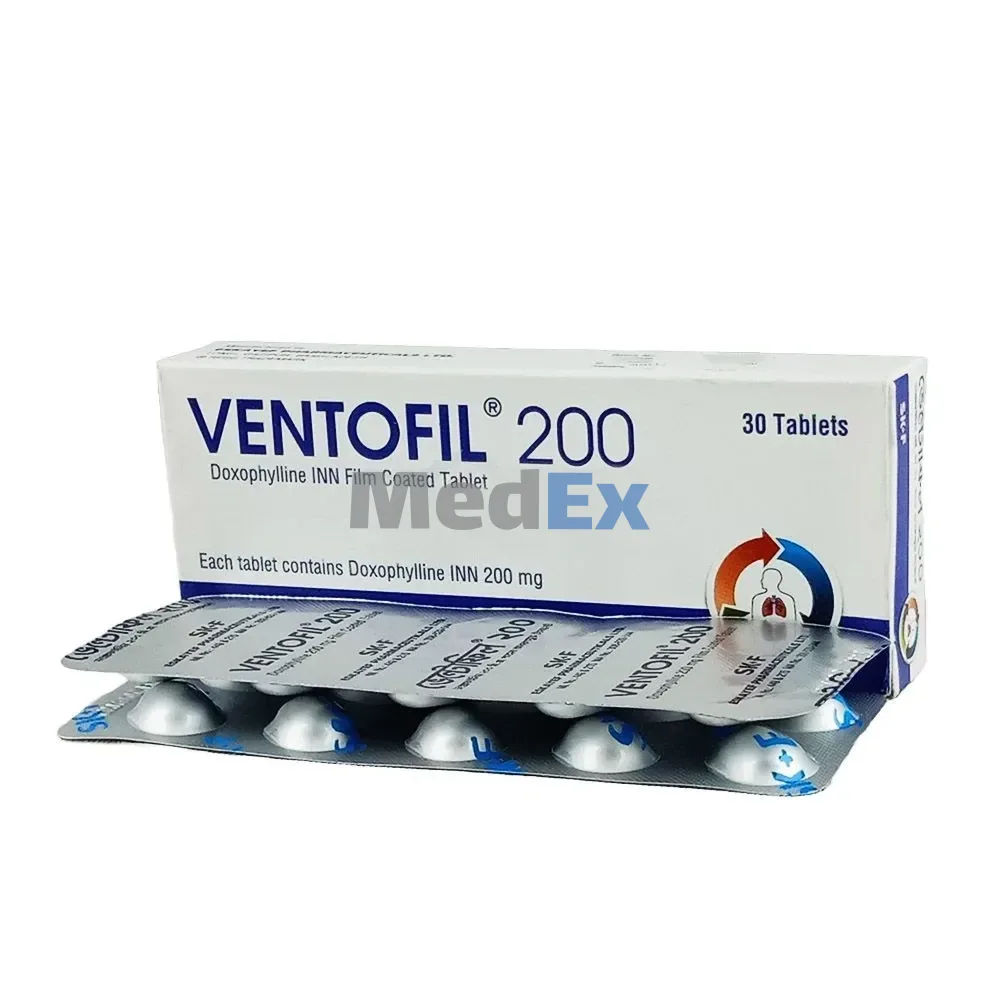
Ventofil
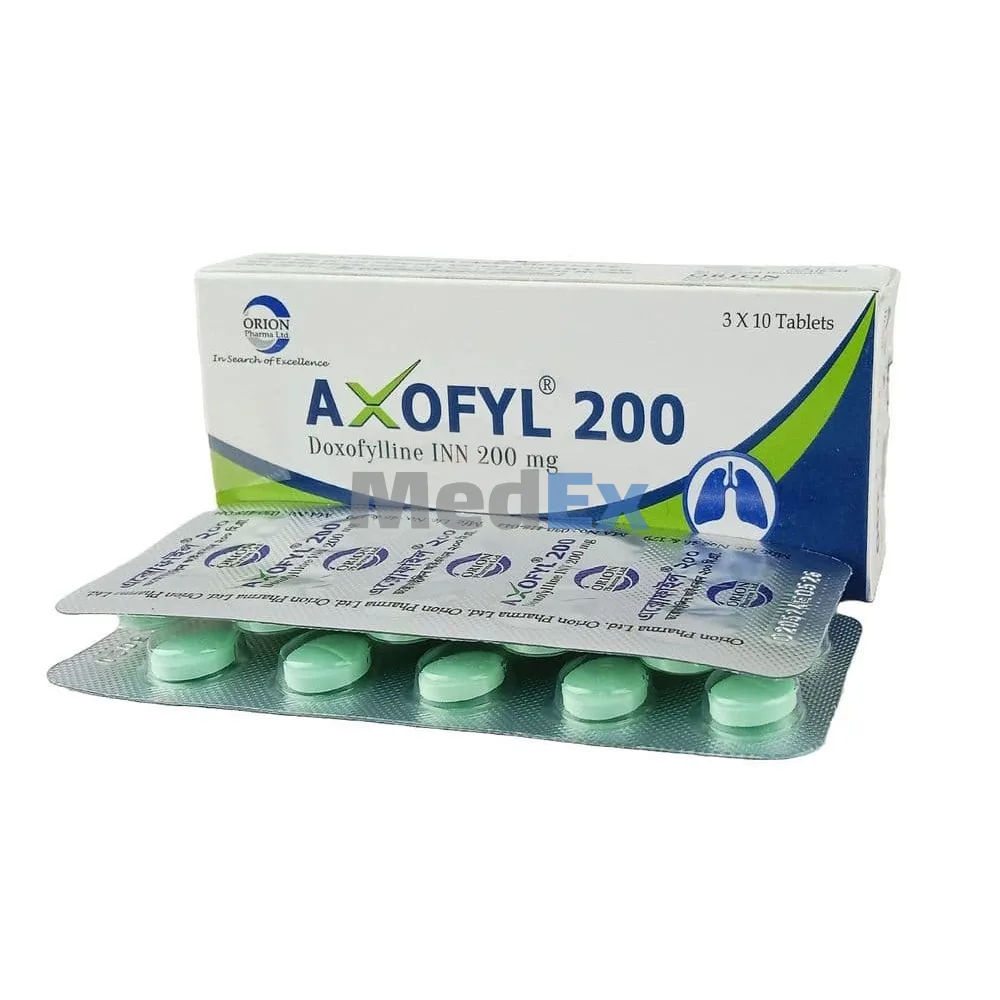
Axofyl
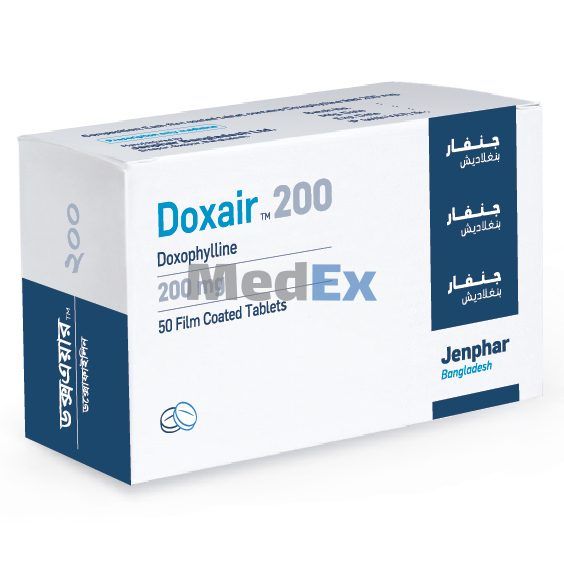
Doxair
Doxoair
Phydox
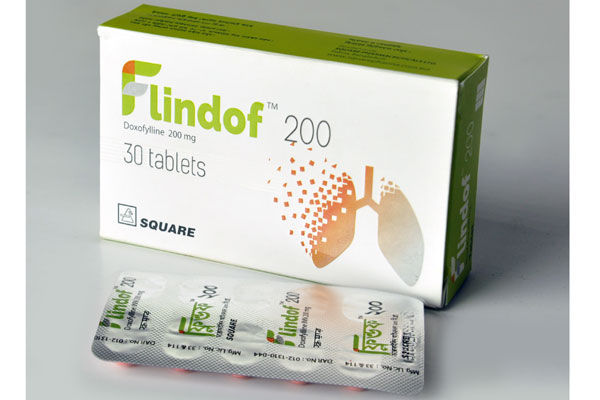
Flindof
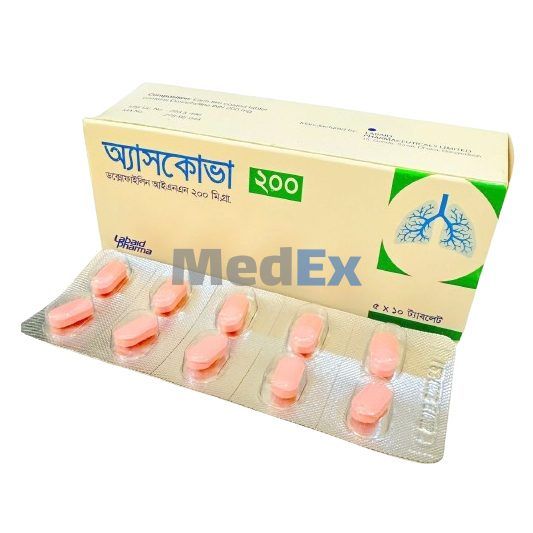
Ascova
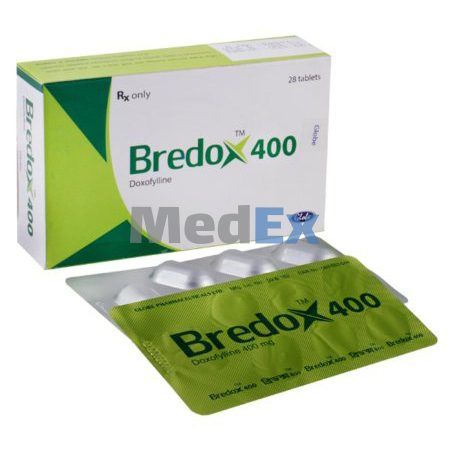
Bredox
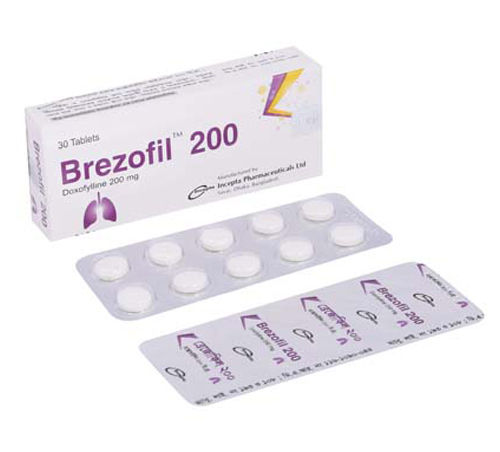
Brezofil

Docopa

Dophylin
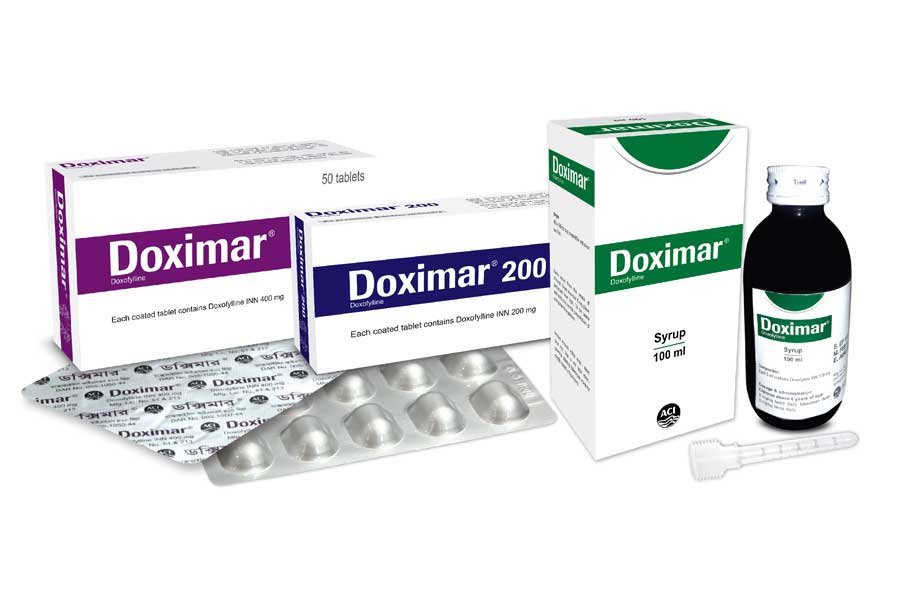
Doximar
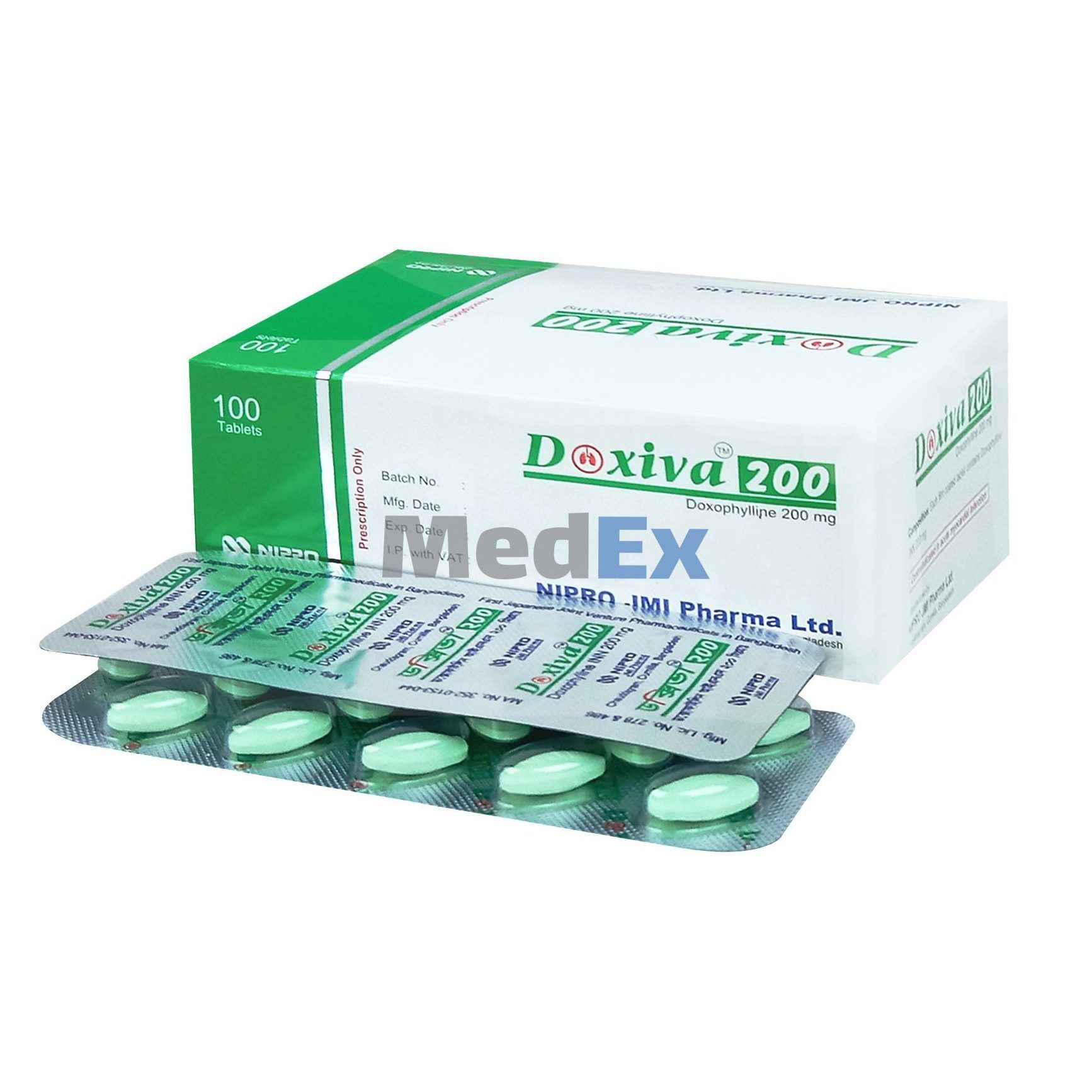
Doxiva
Doxolar
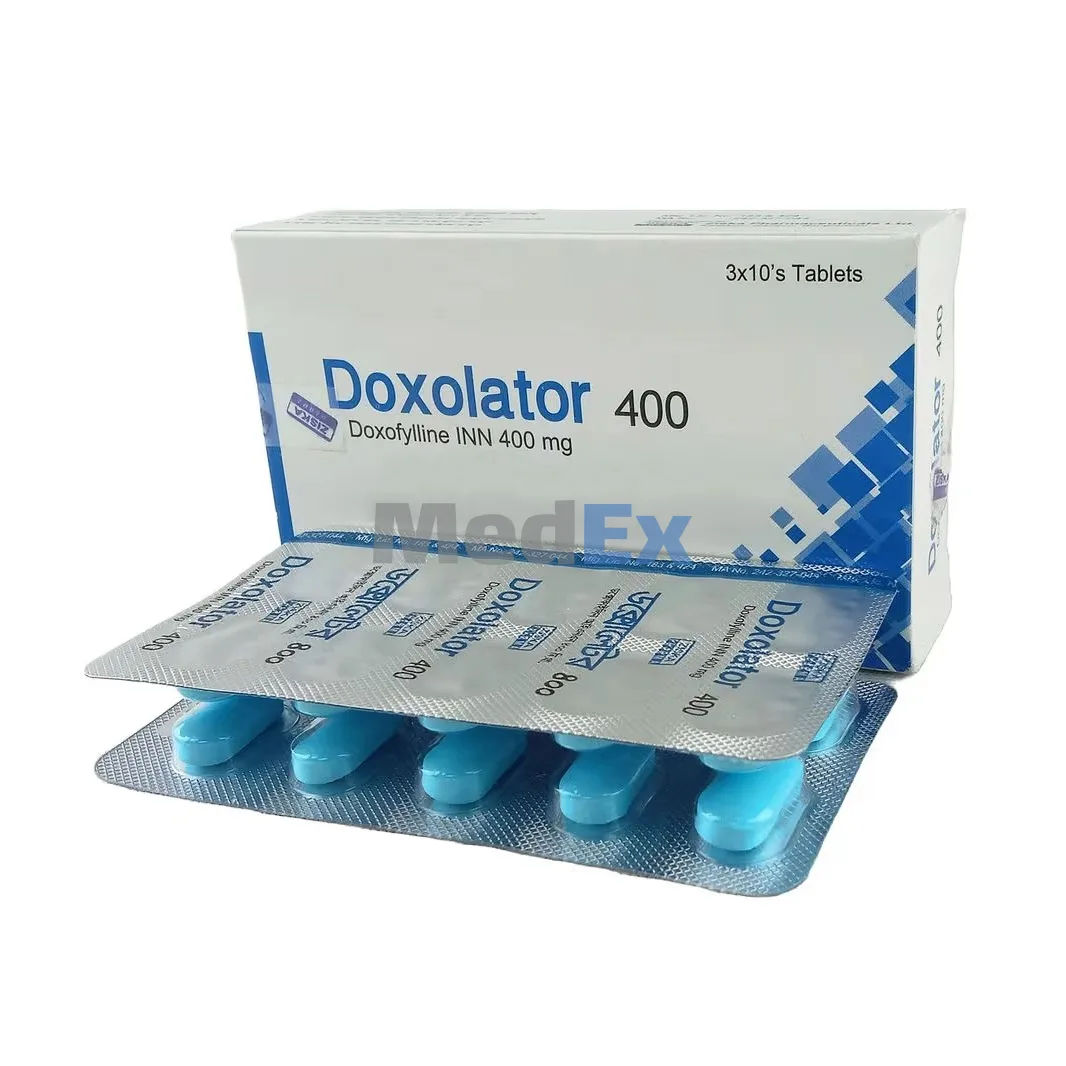
Doxolator
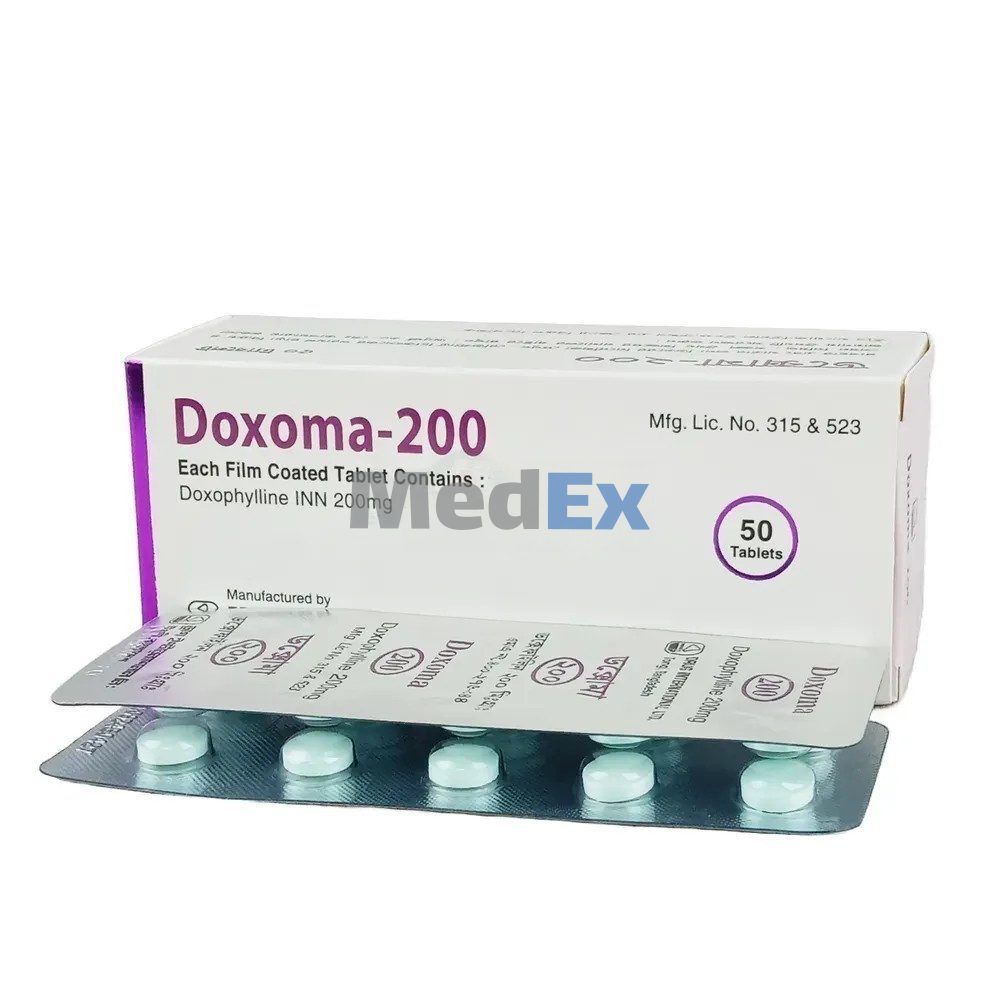
Doxoma
Doxorif
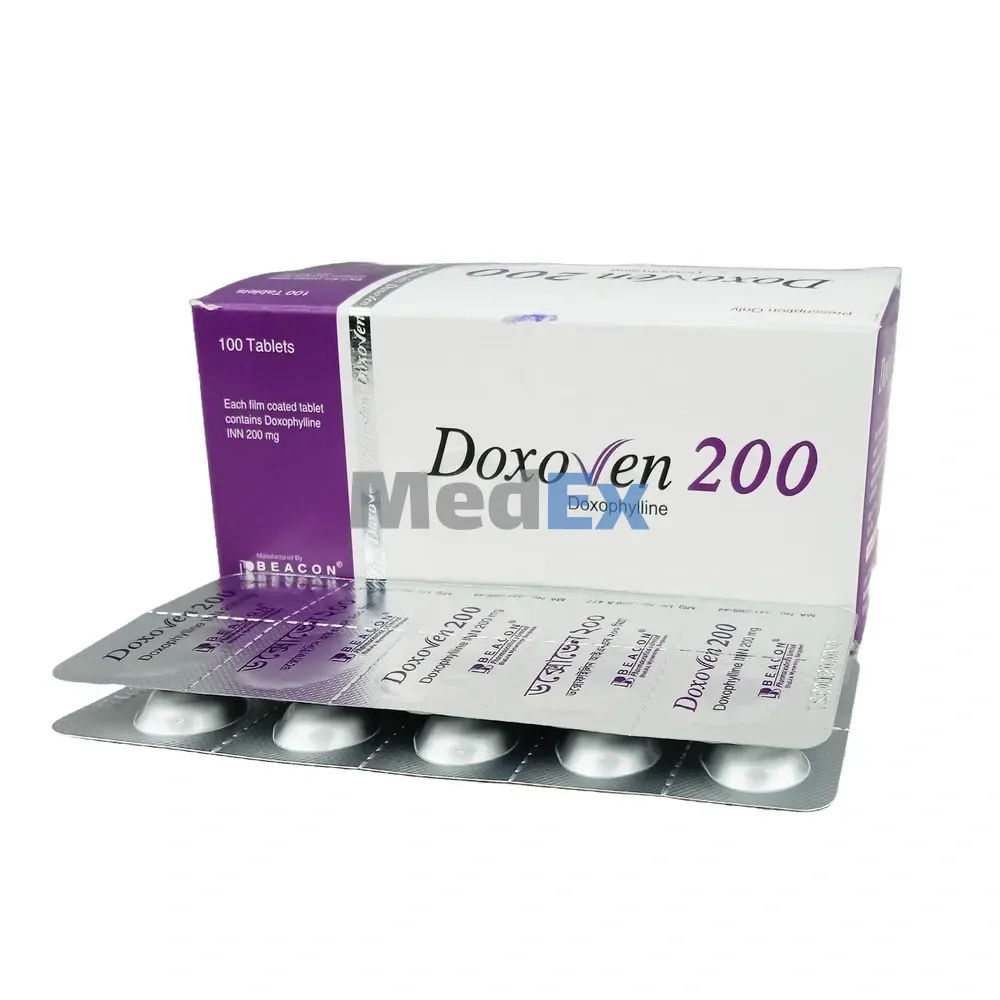
Doxoven
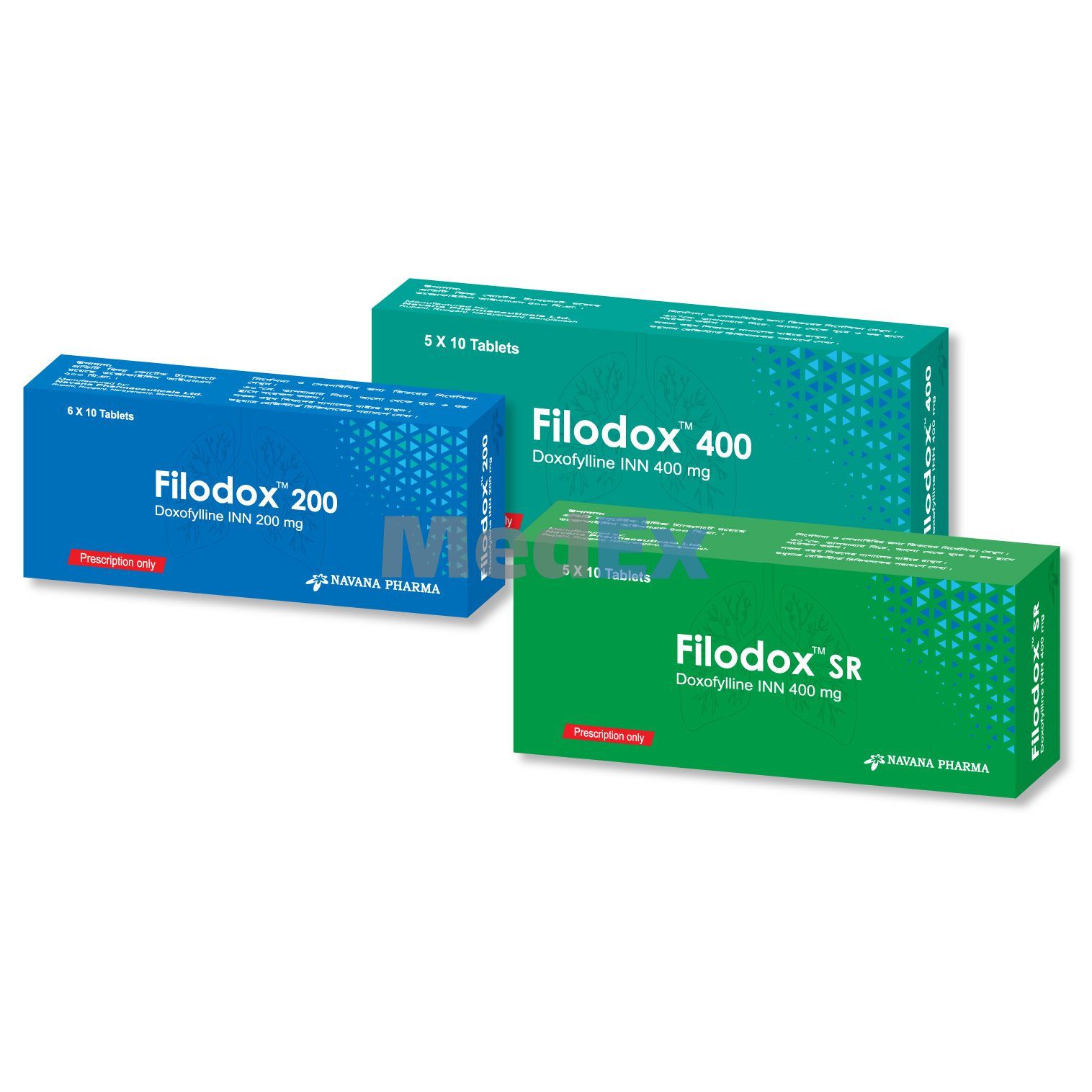
Filodox
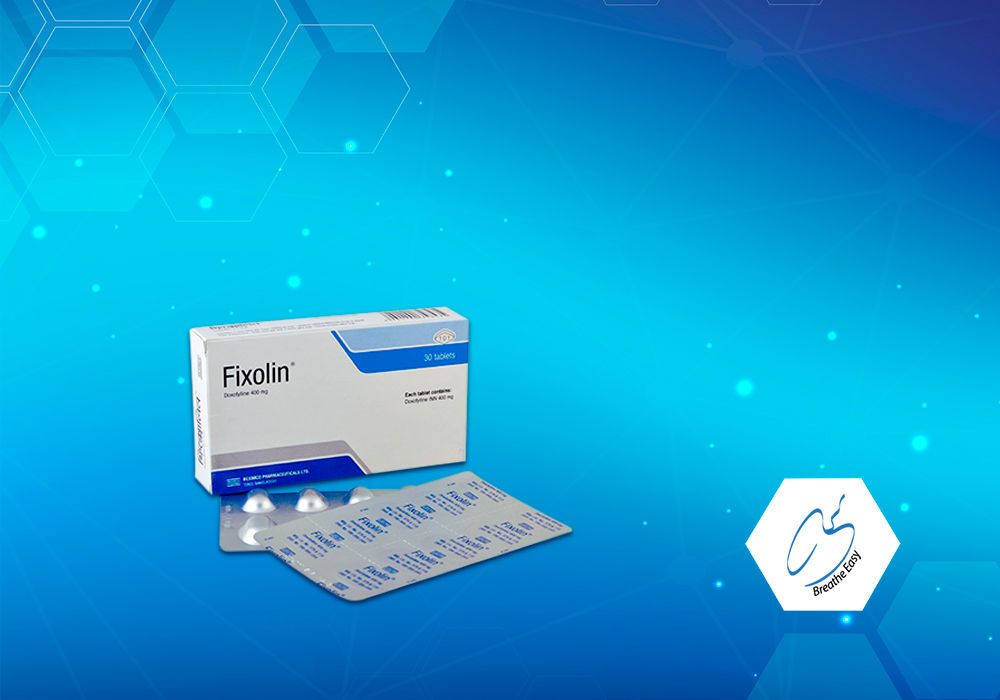
Fixolin
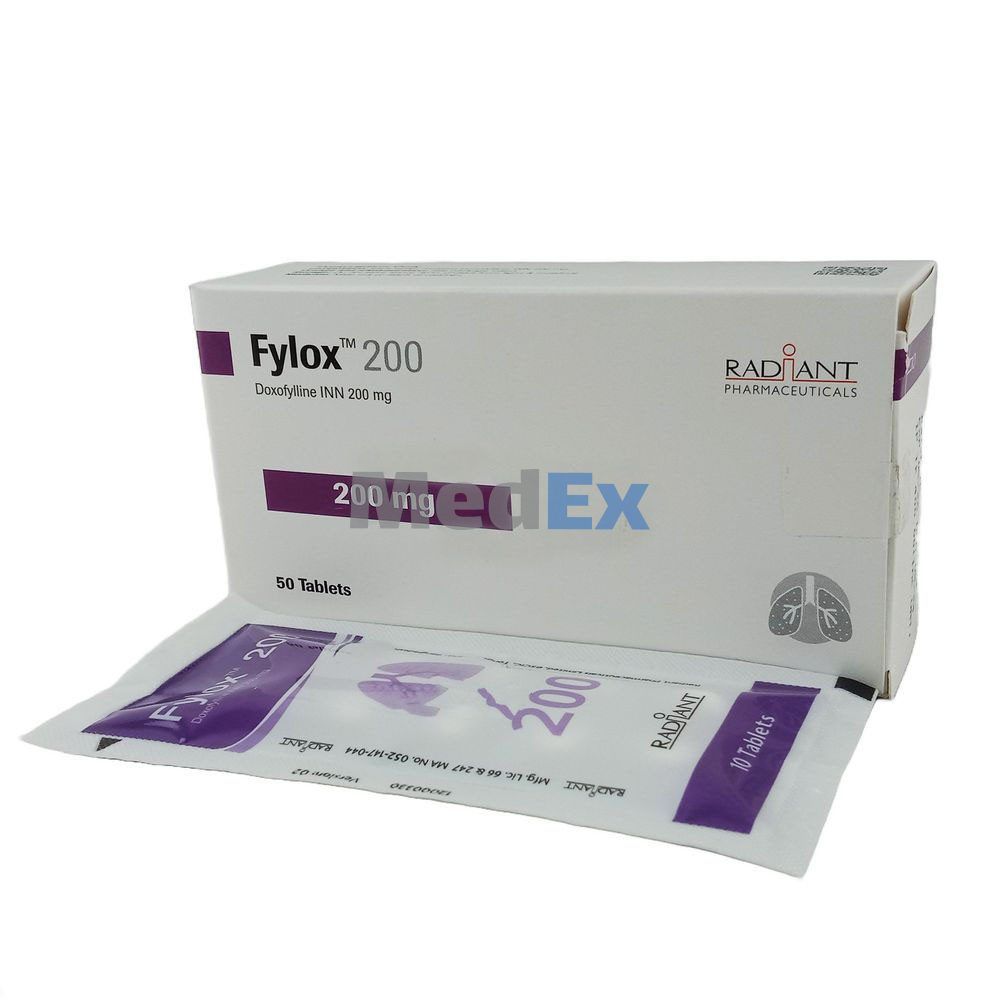
Fylox
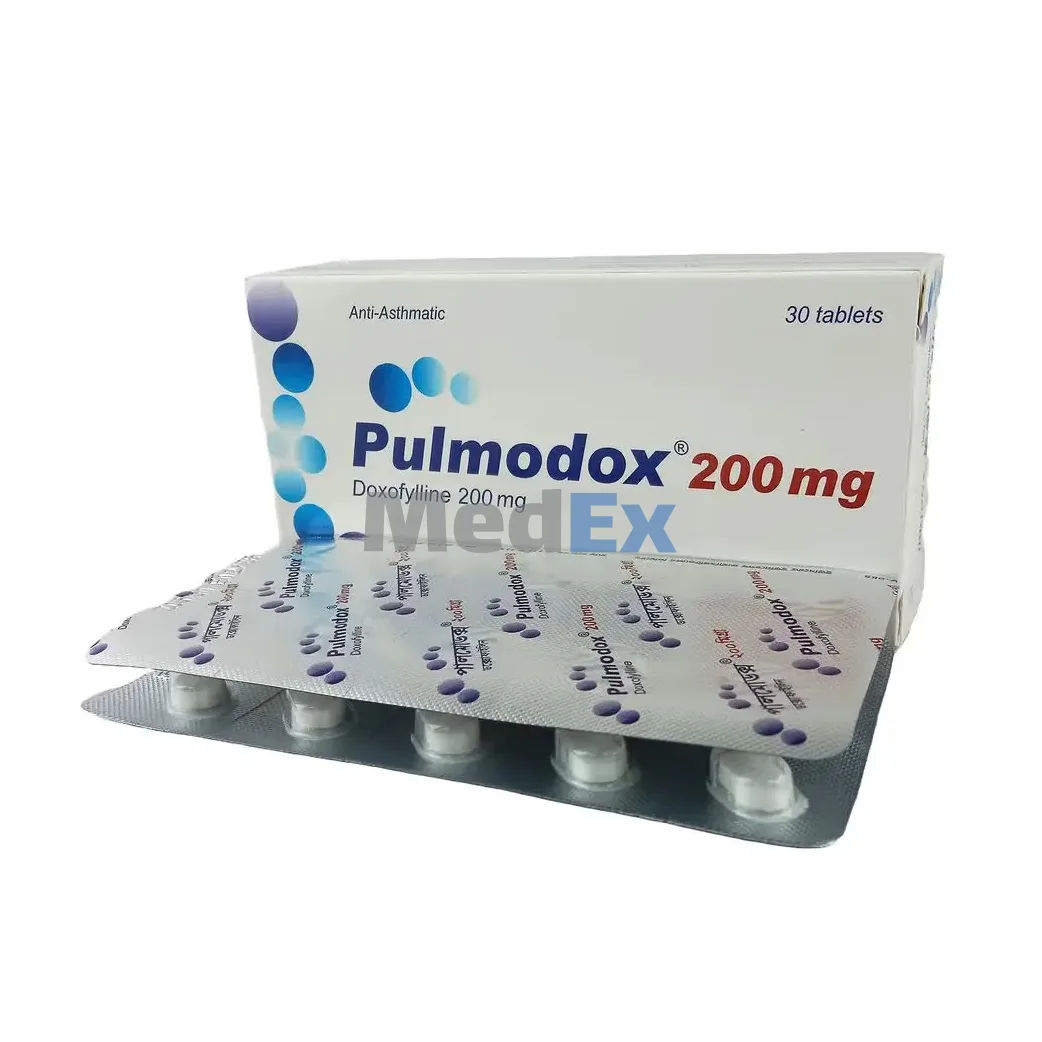
Pulmodox
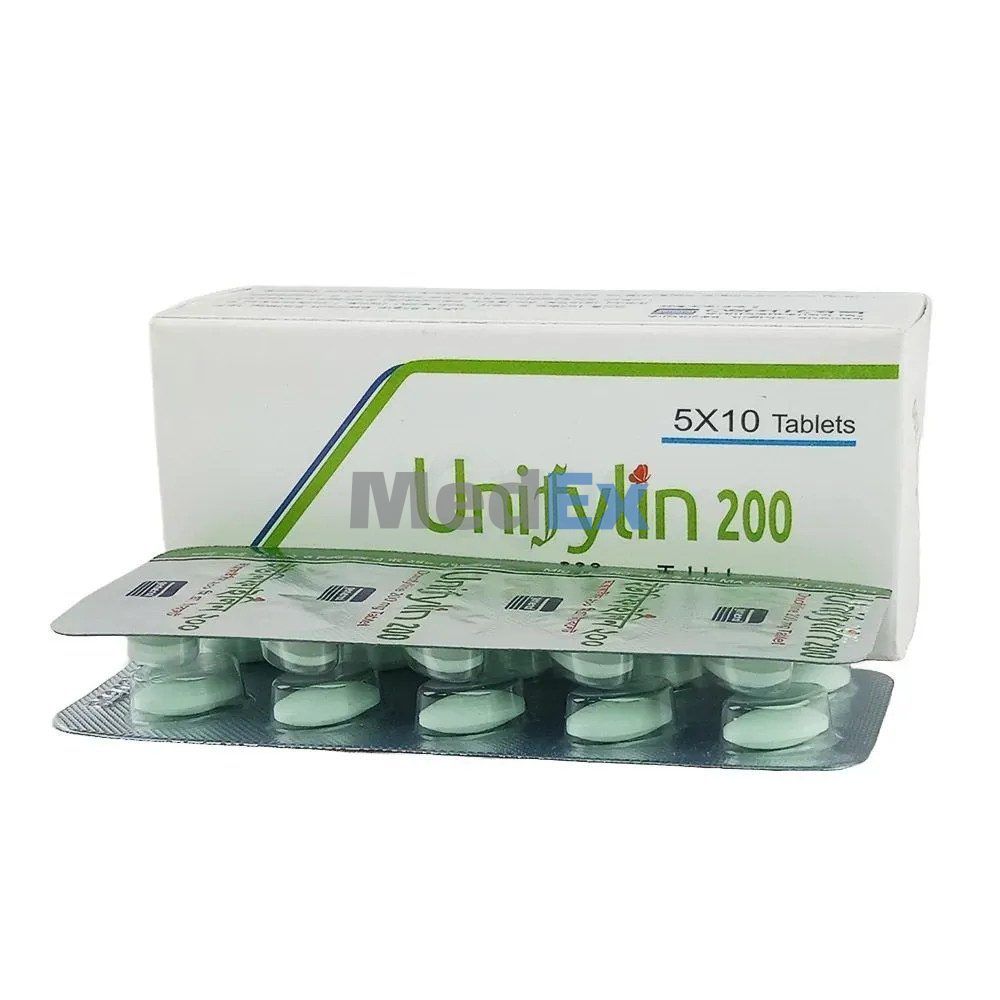
Unifylin
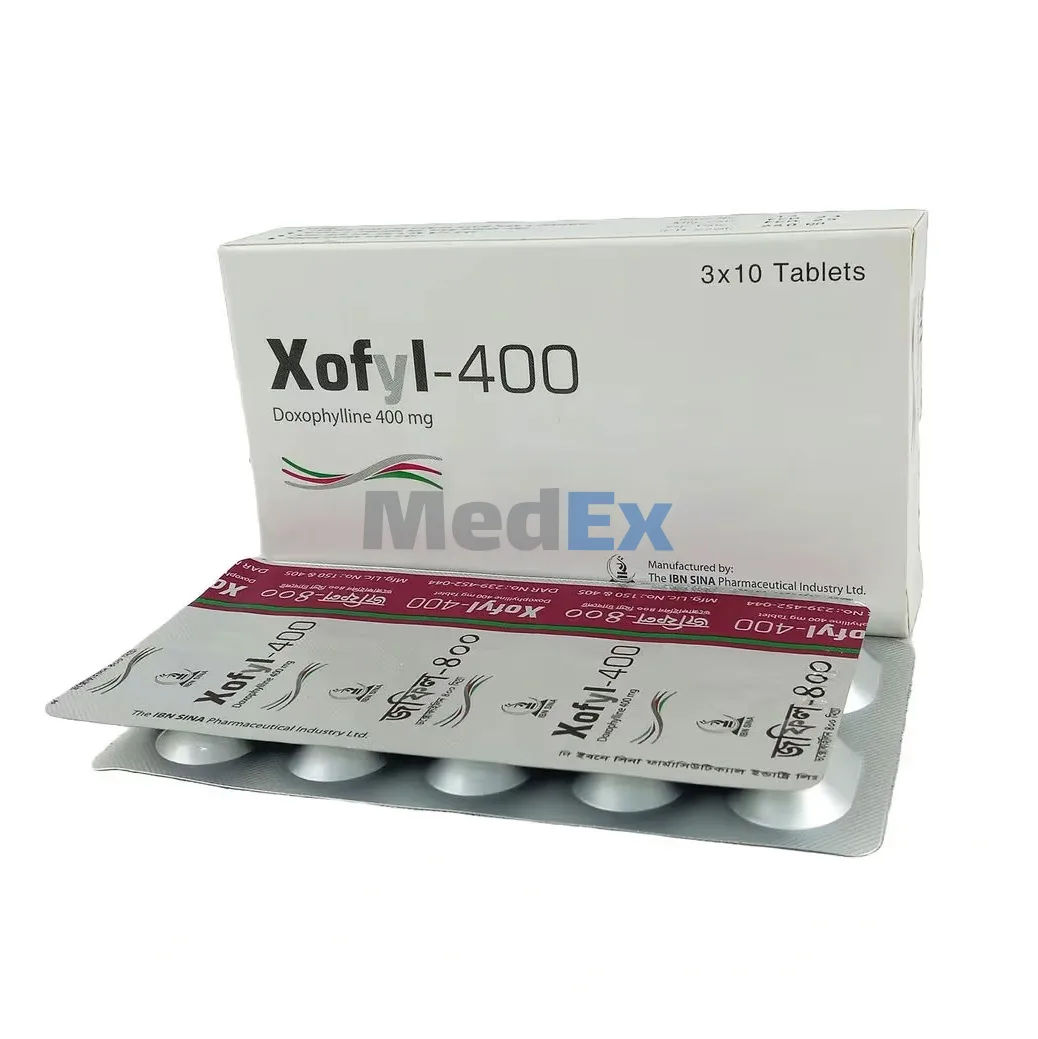
Xofyl
Copadox
Dofolin
Dophylin
Doxofast
Doxofylline
Novetor
Respidox
Asmadox
Axofyl
Brezofil
Doxair
Doxiflo
Doxoair
Doxobron
Doxocontin
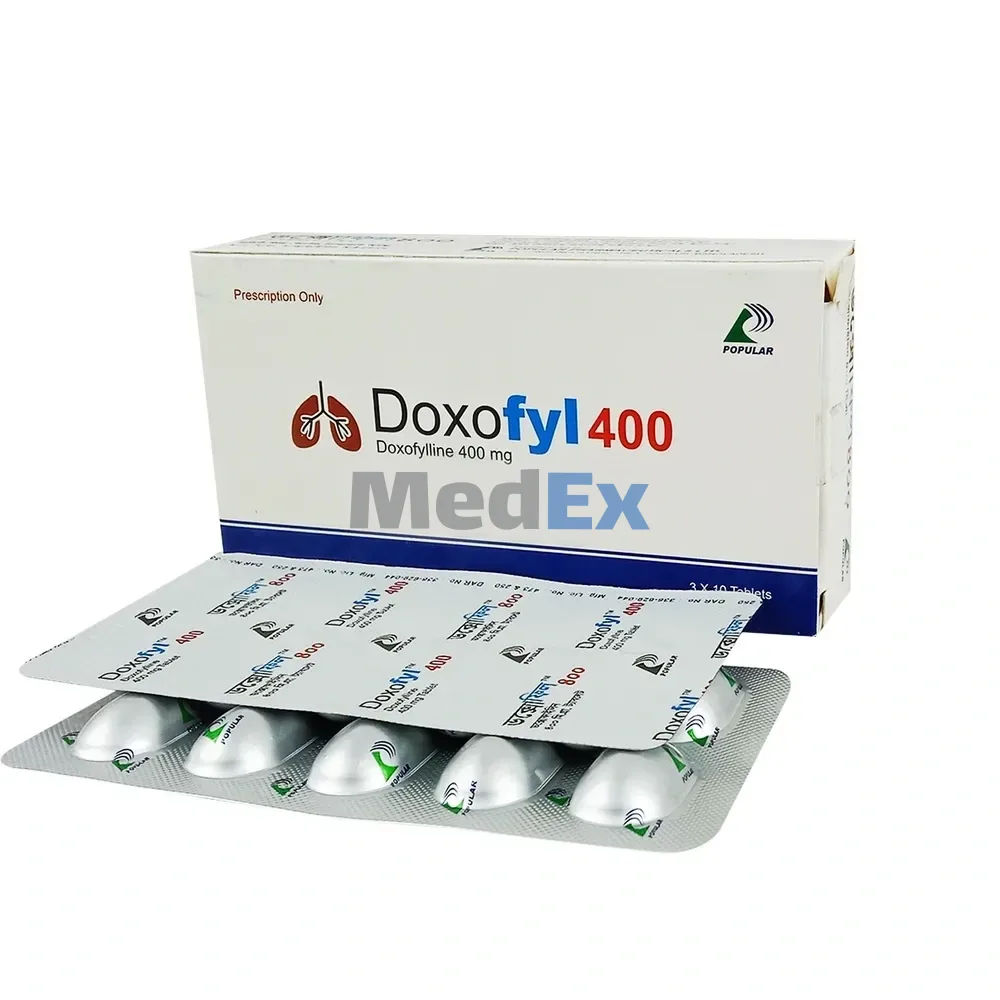
Doxofyl
Doxofyl SR
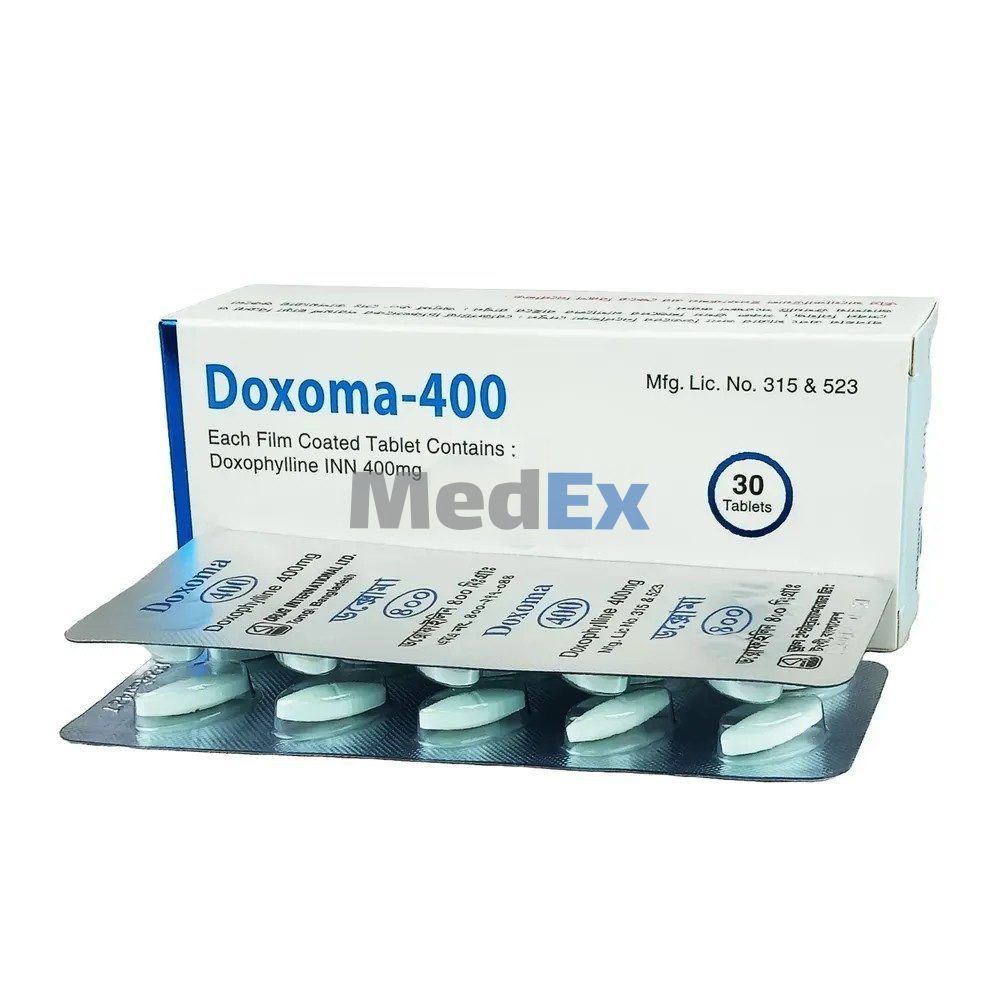
Doxoma
Doxomate
Doxonil
Doxorin
Doxorin SR
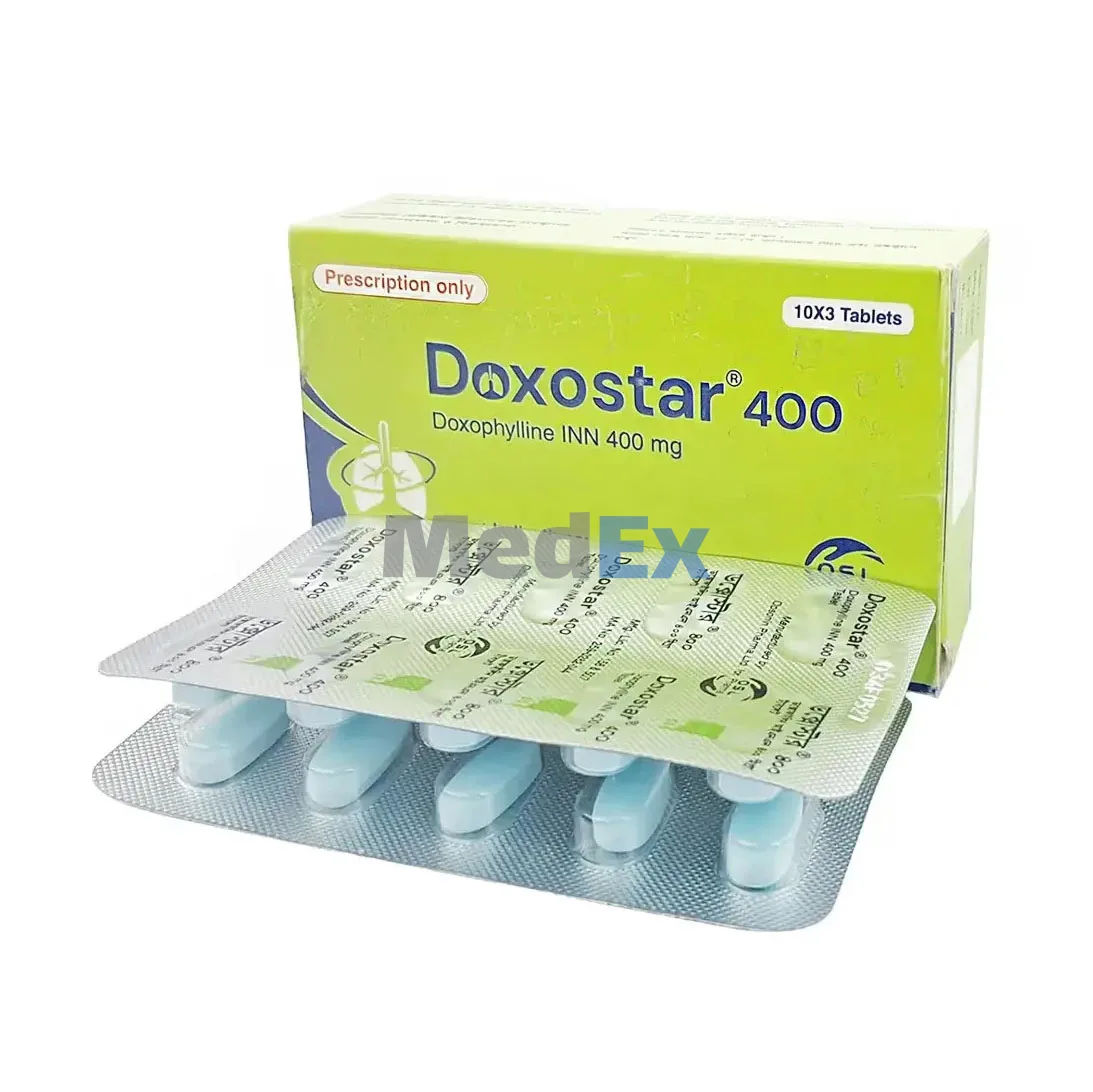
Doxostar
Doxoven SR
Doxovia
Filodox SR
Flindof
Freeway
Freshair
Oxofyline
Phydox
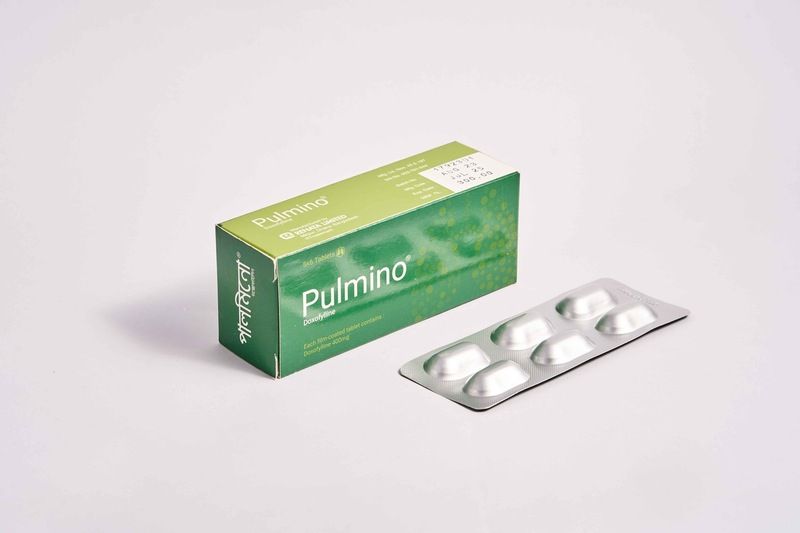
Pulmino
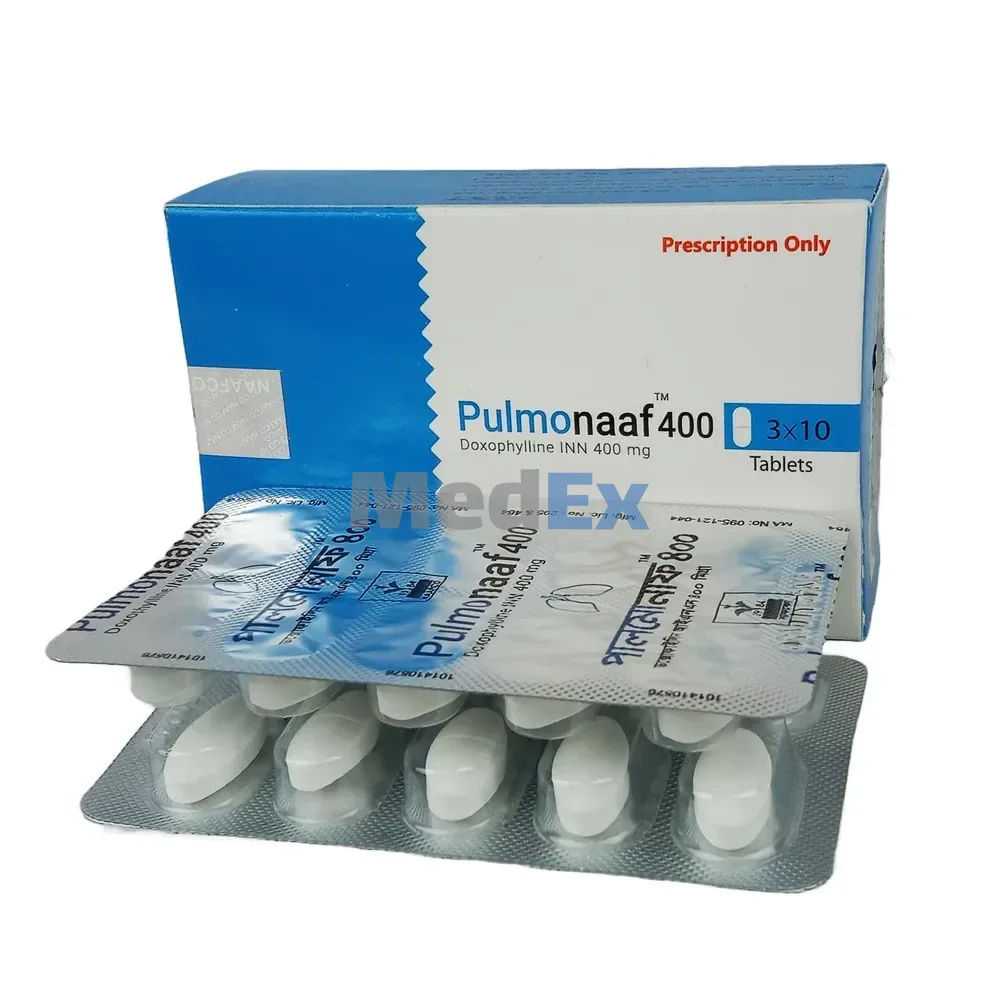
Pulmonaaf
Unifylin
Ventofil
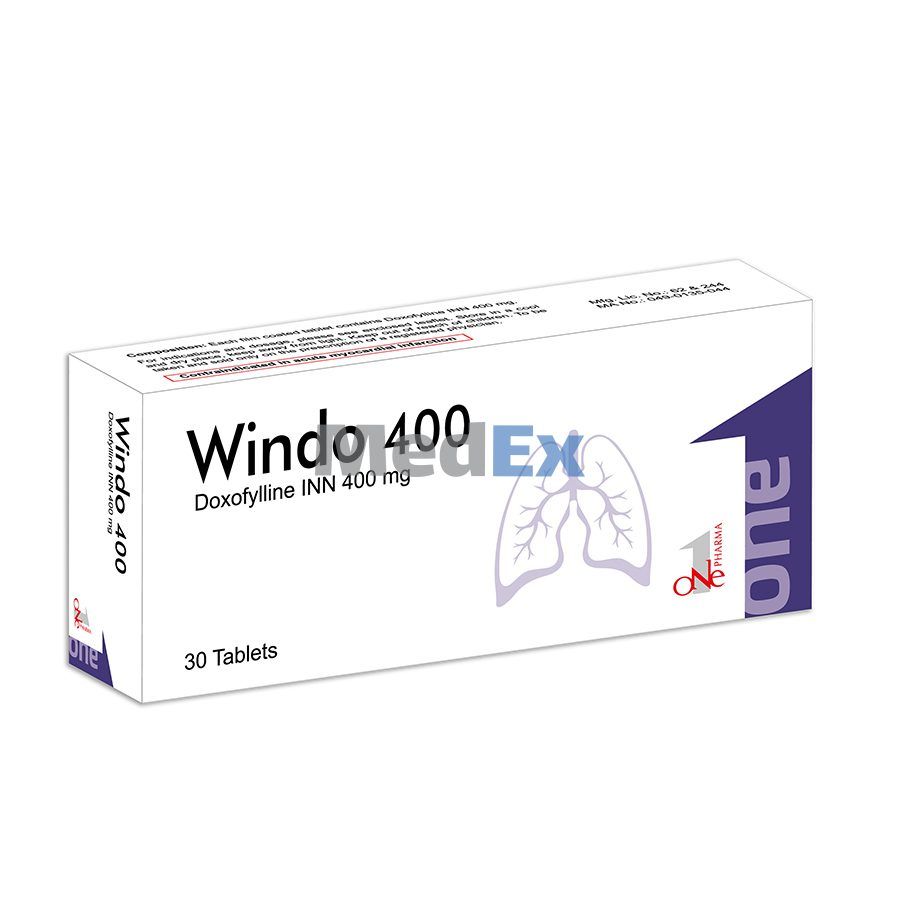
Windo
Xendox
Xiva
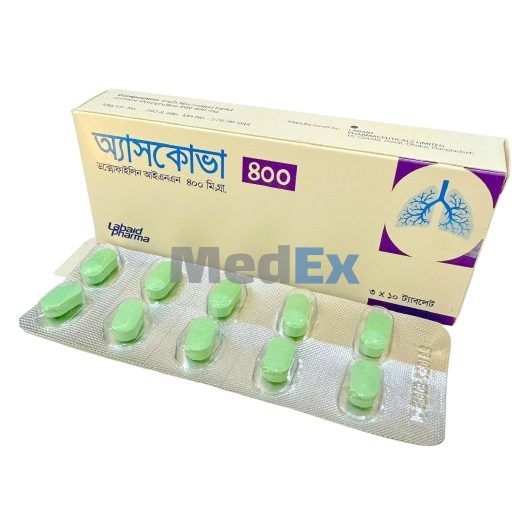
Ascova
Brezofil SR
Docopa
Doximar
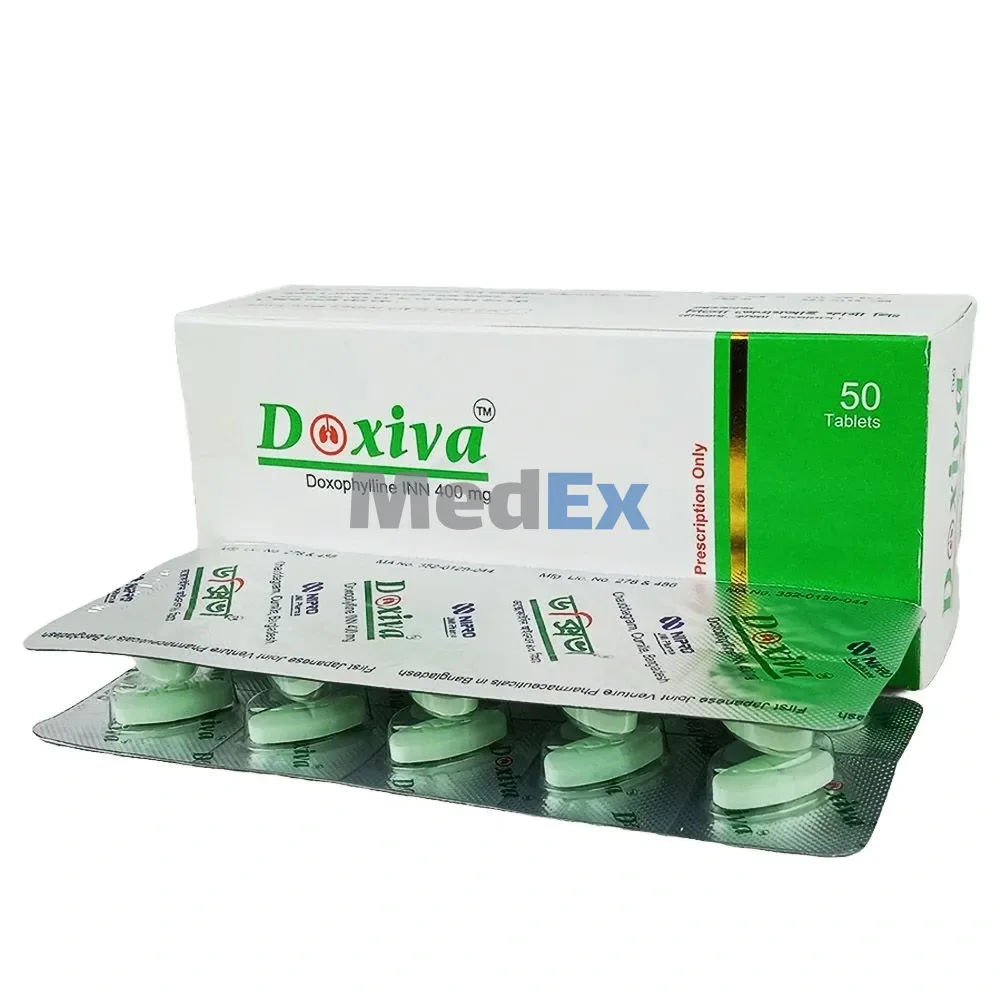
Doxiva
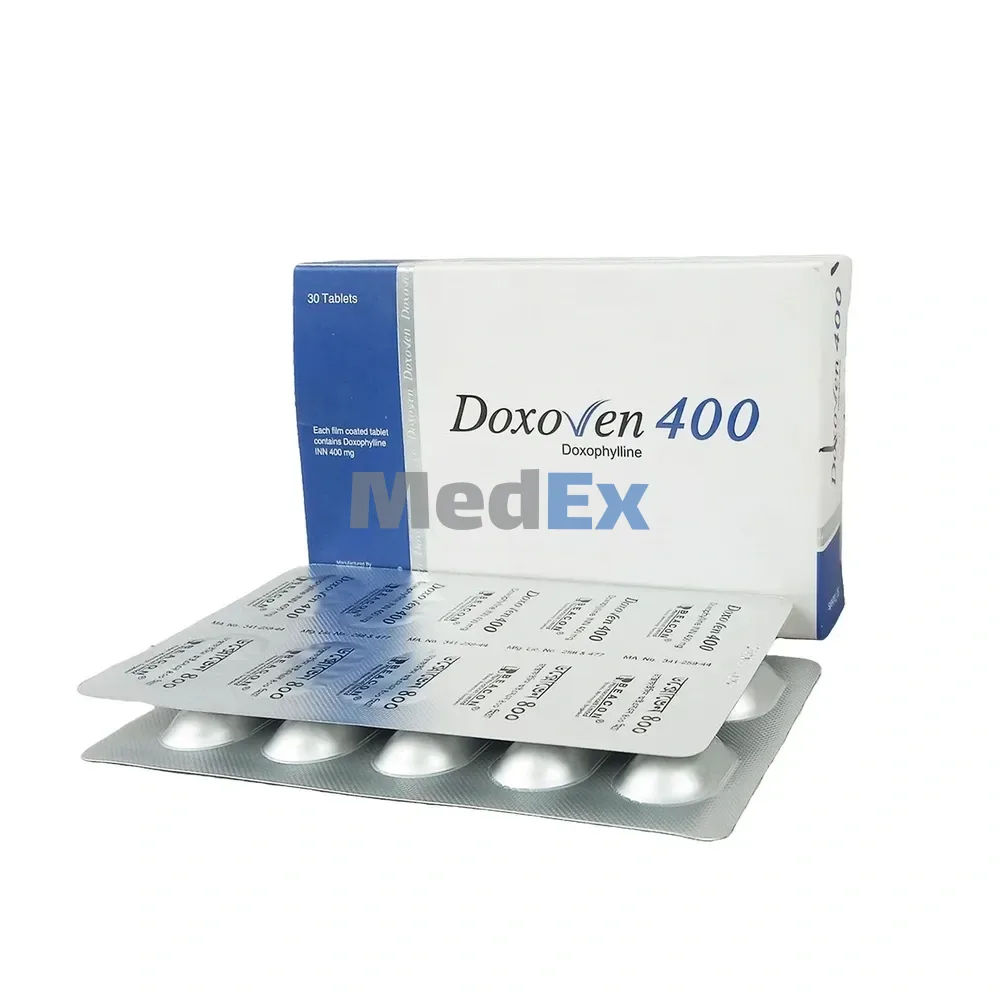
Doxoven
Fixolin
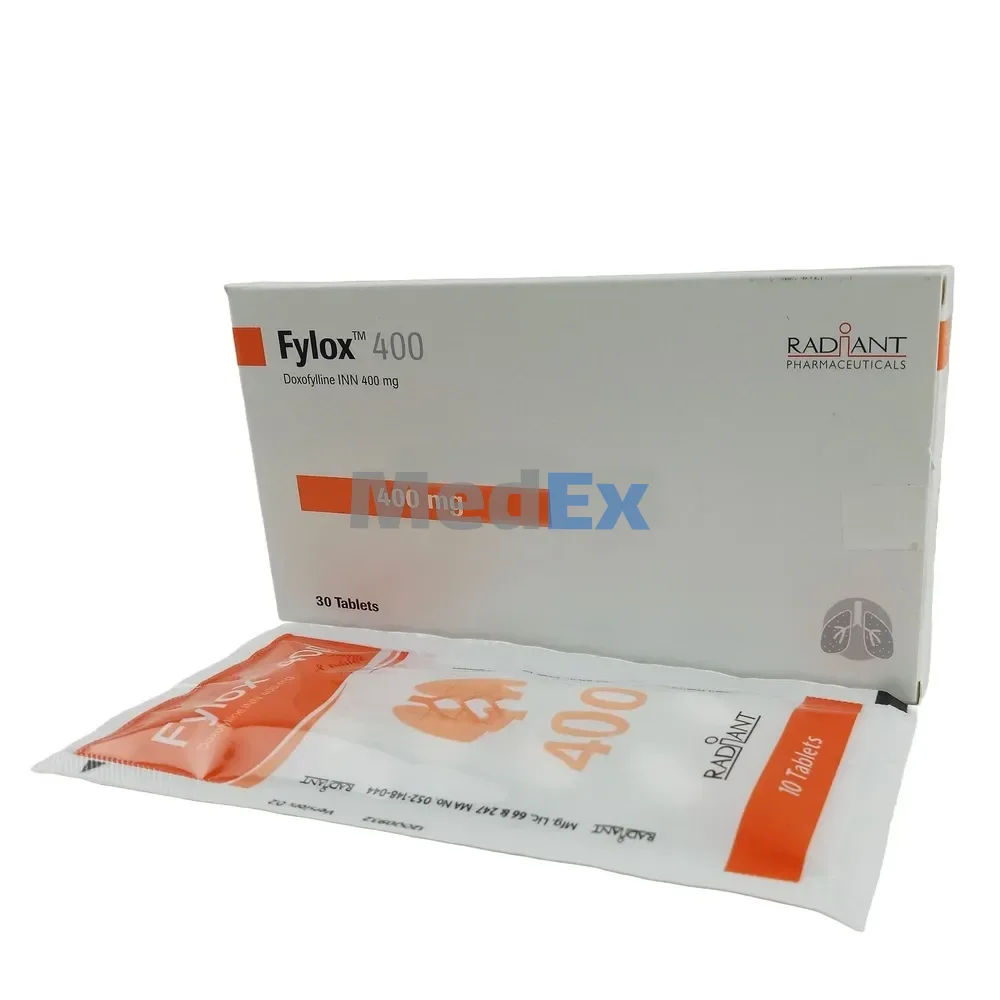
Fylox
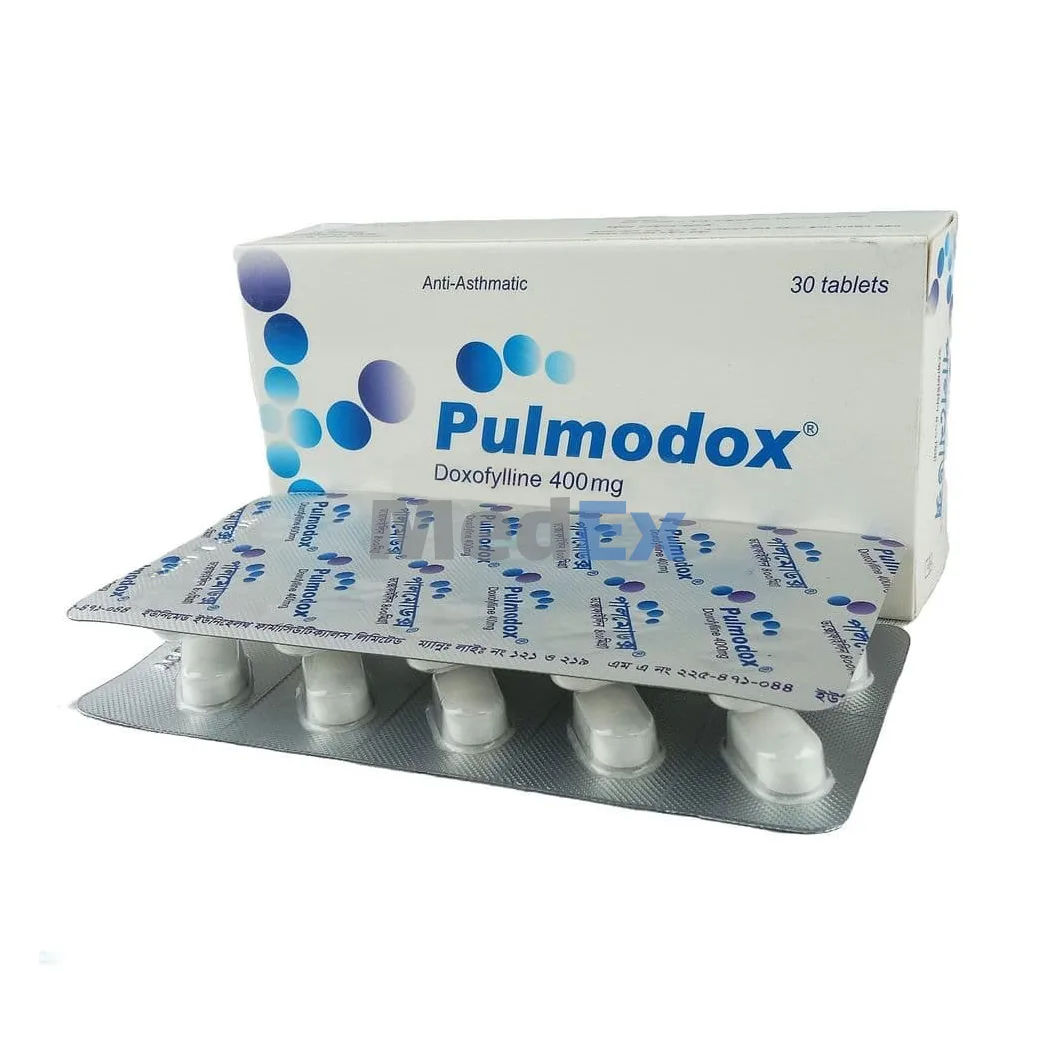
Pulmodox

Ascova
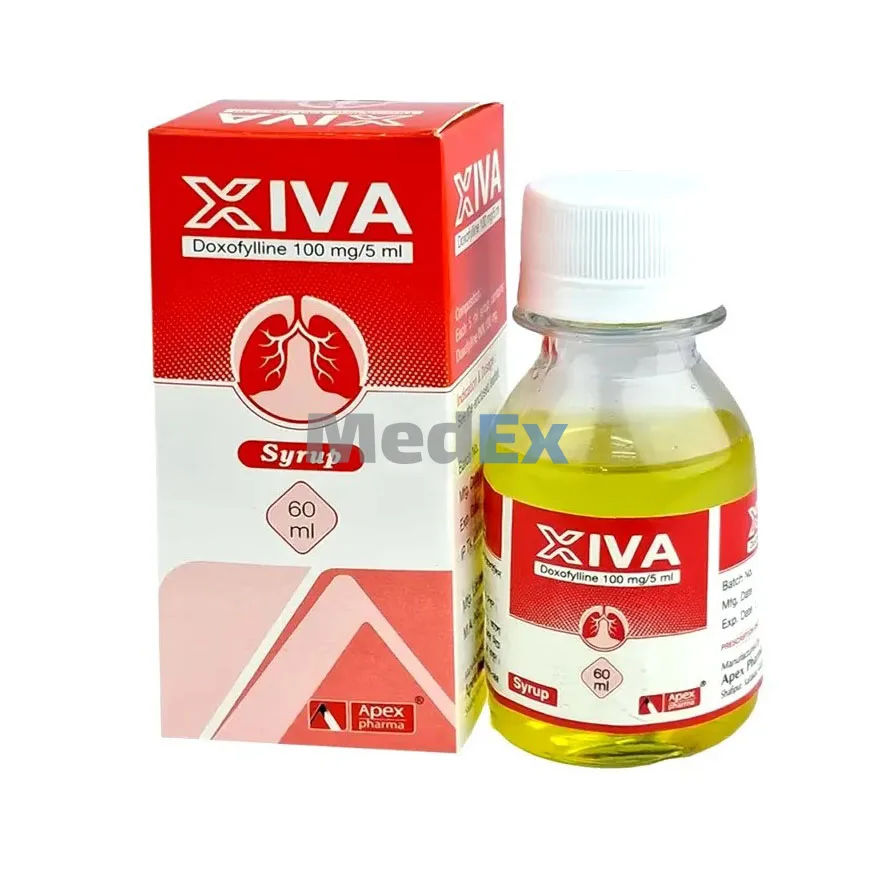
Xiva
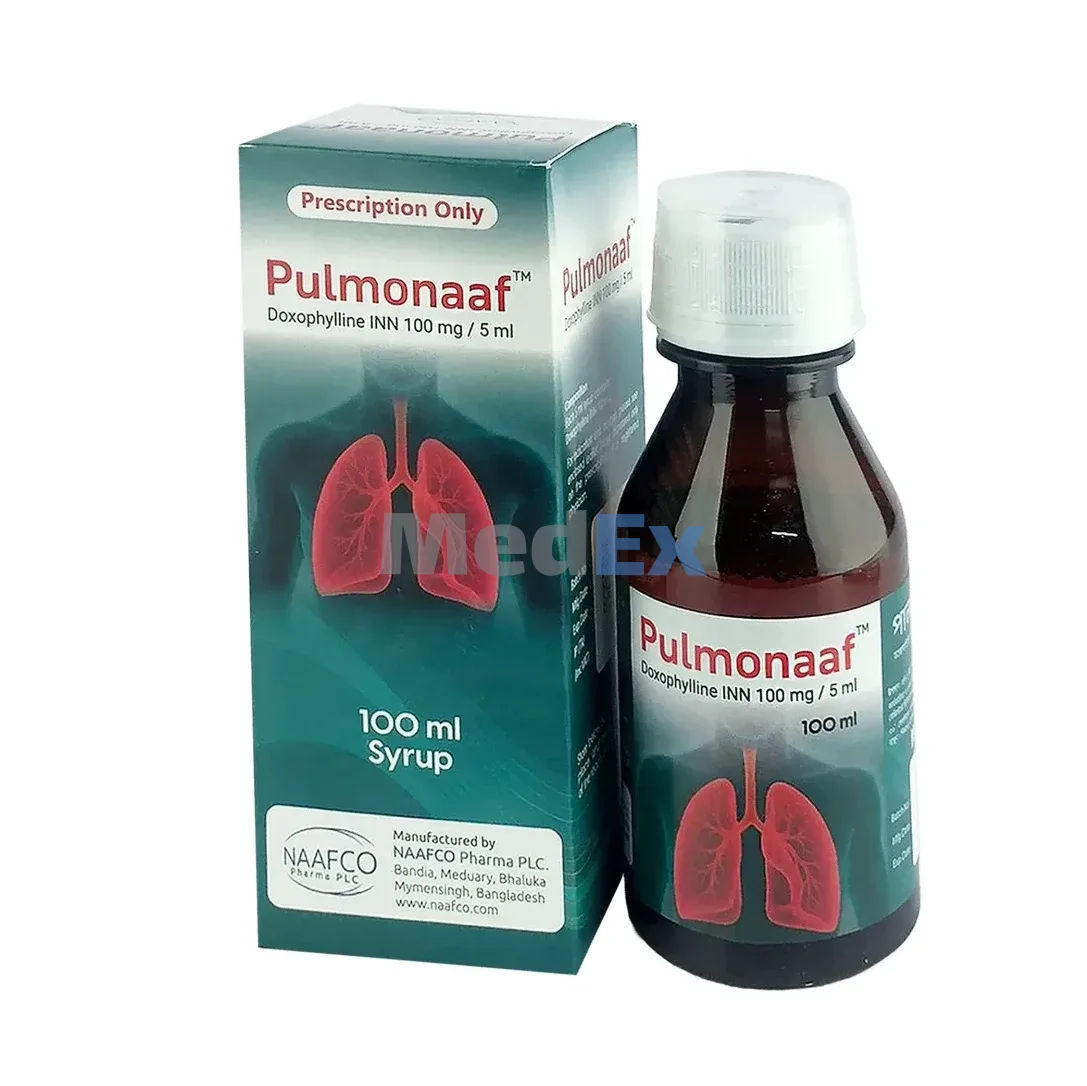
Pulmonaaf
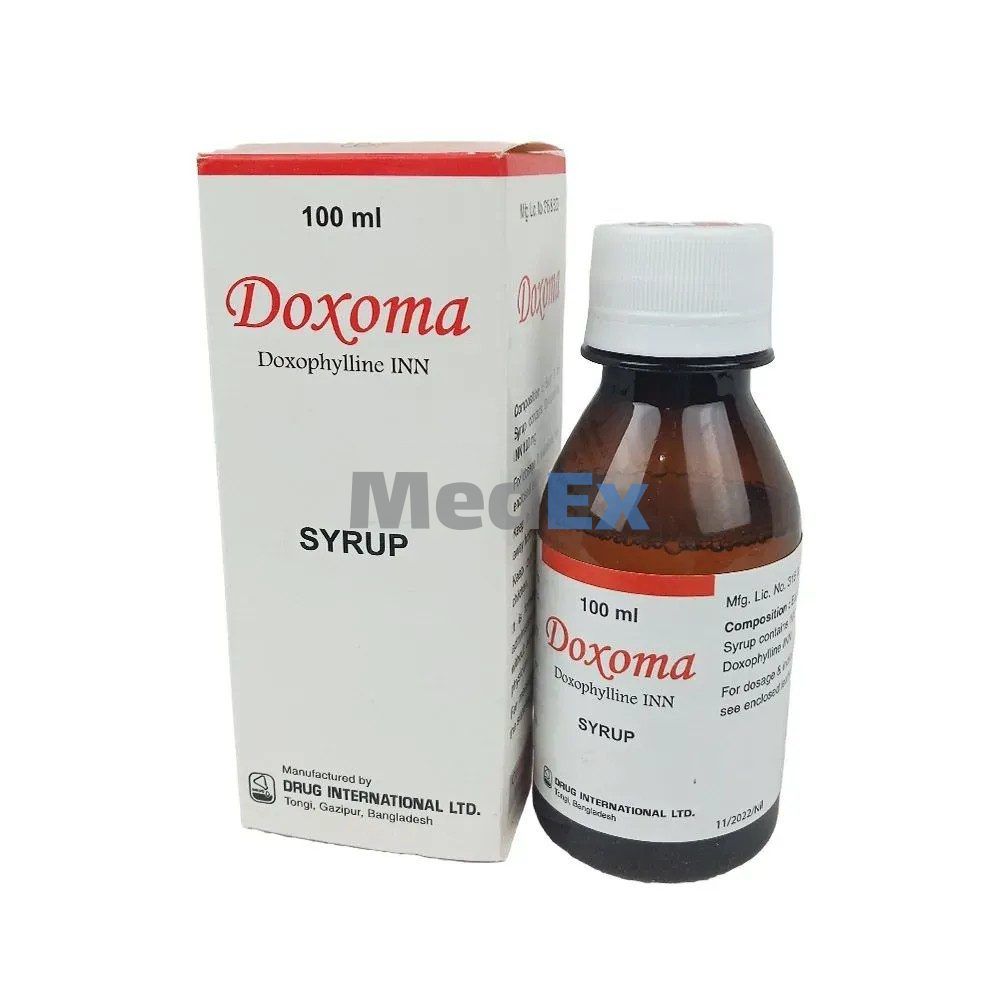
Doxoma
Brezofil

Dophylin
Doxobron
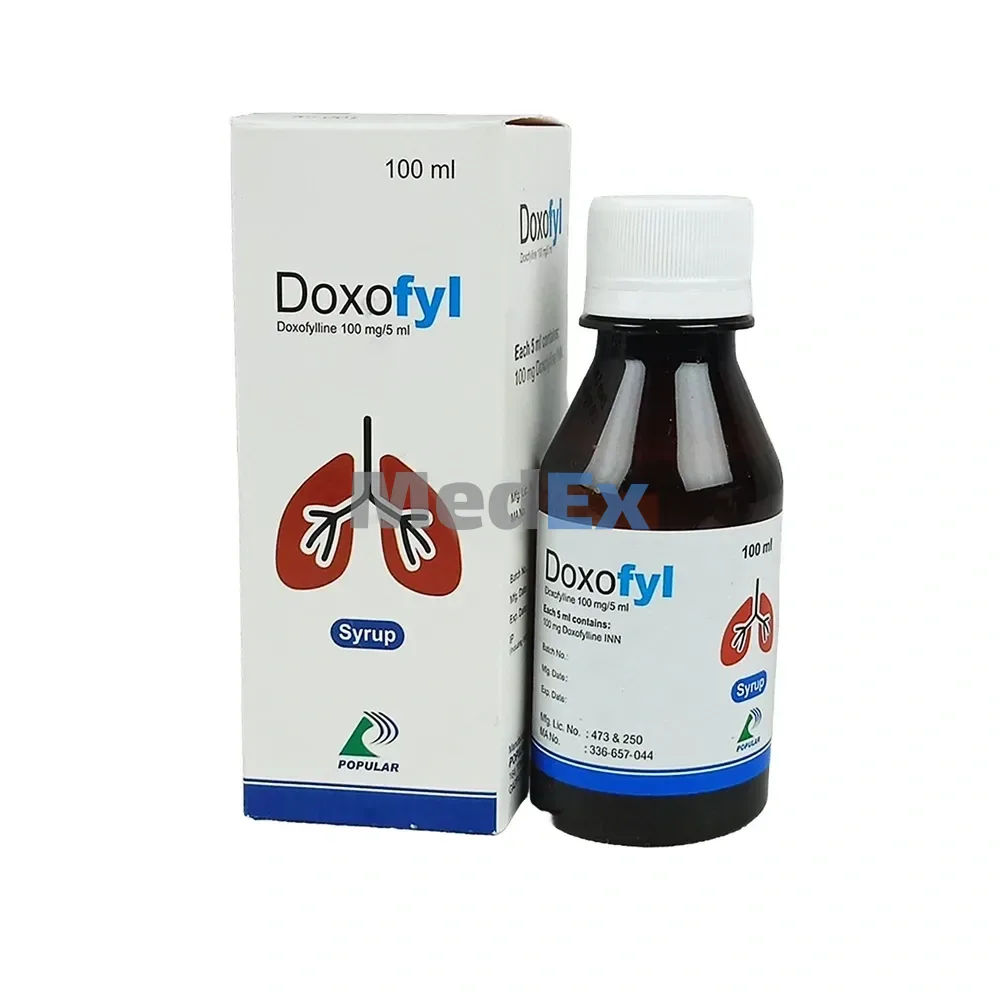
Doxofyl
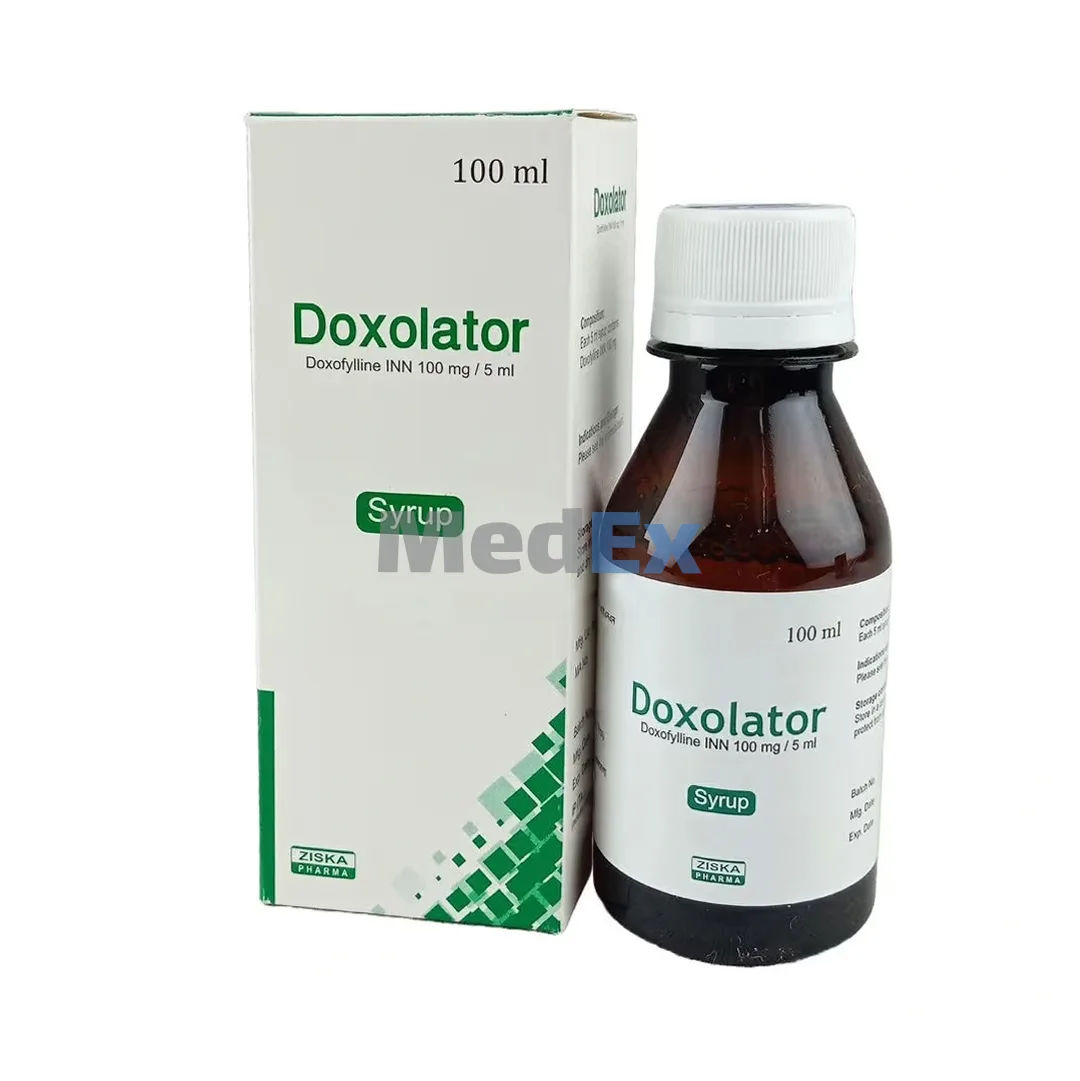
Doxolator
Doxonil
Doxorif
Doxorin
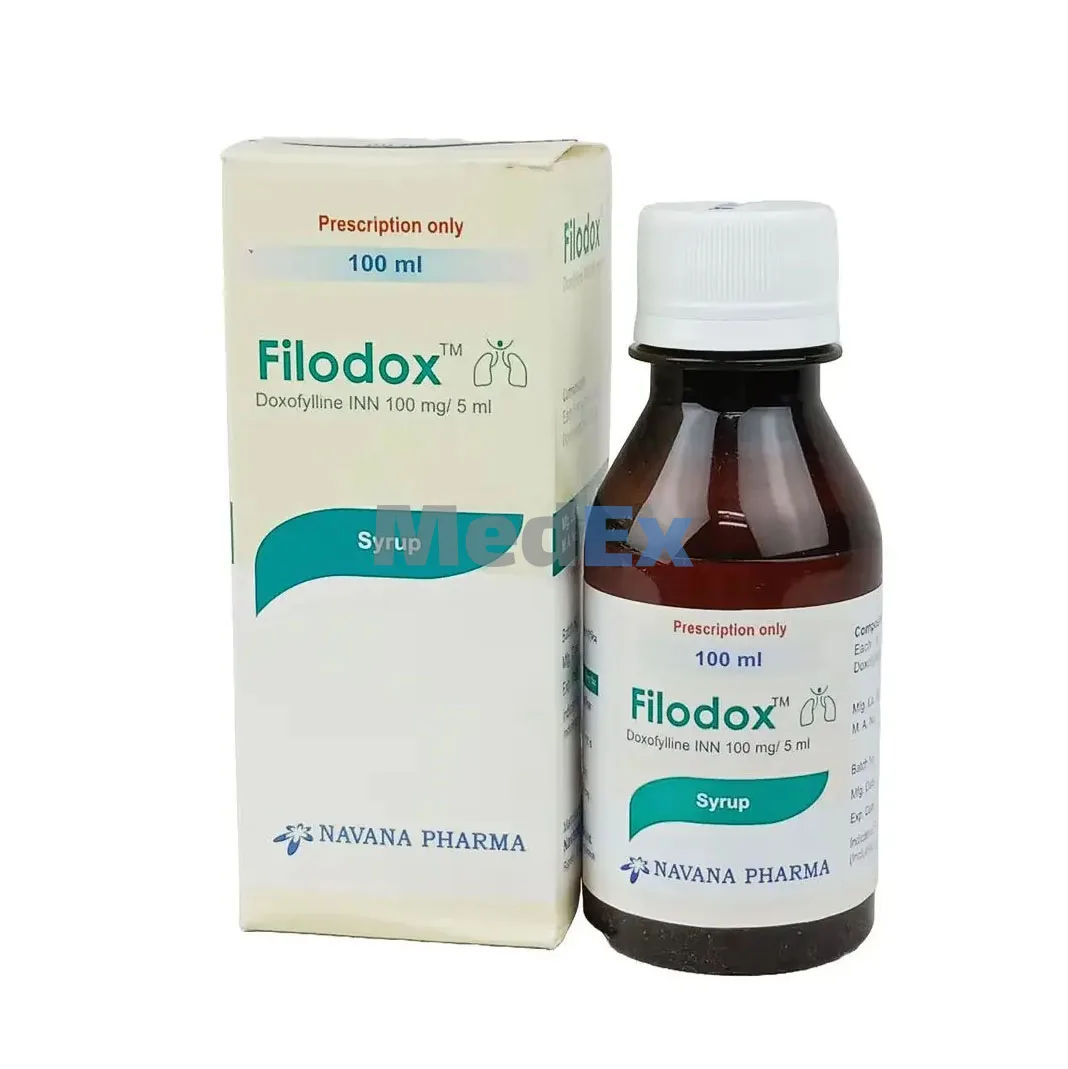
Filodox
Fixolin
Freshair
Oxofyline
Respidox
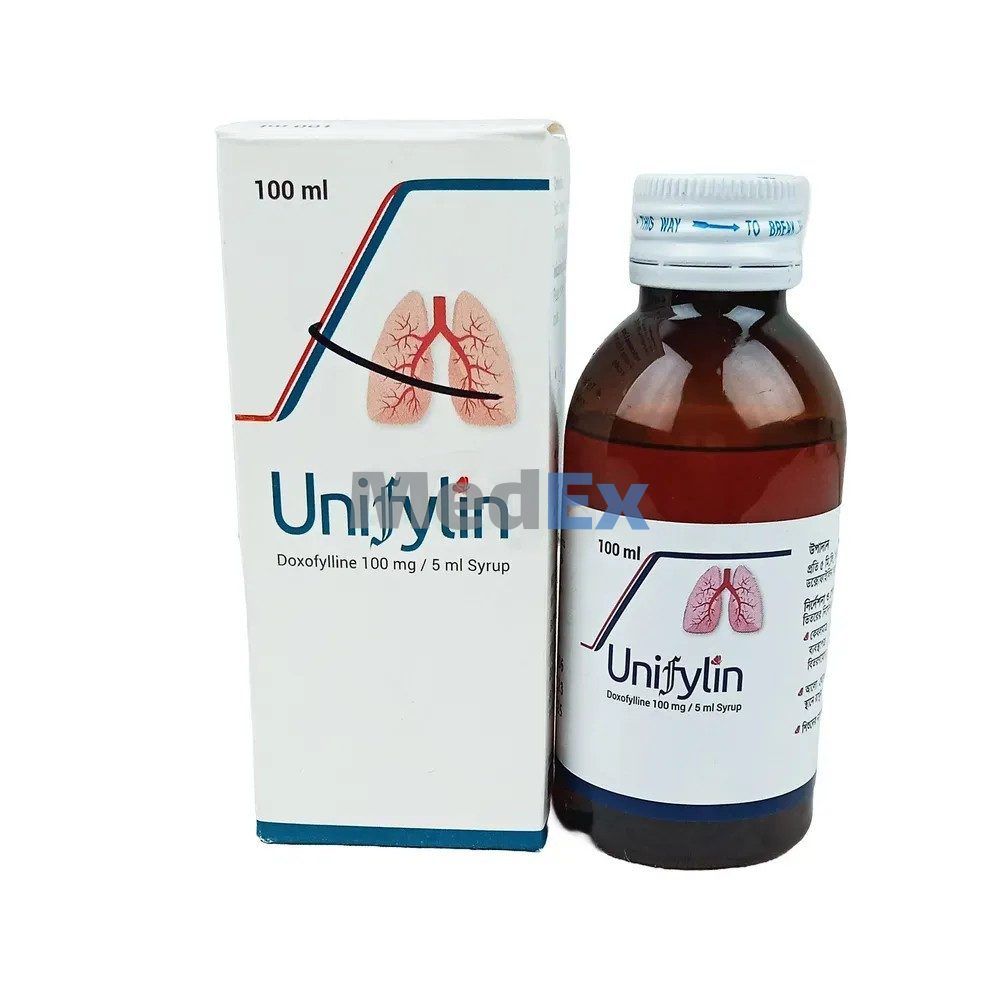
Unifylin
Docopa
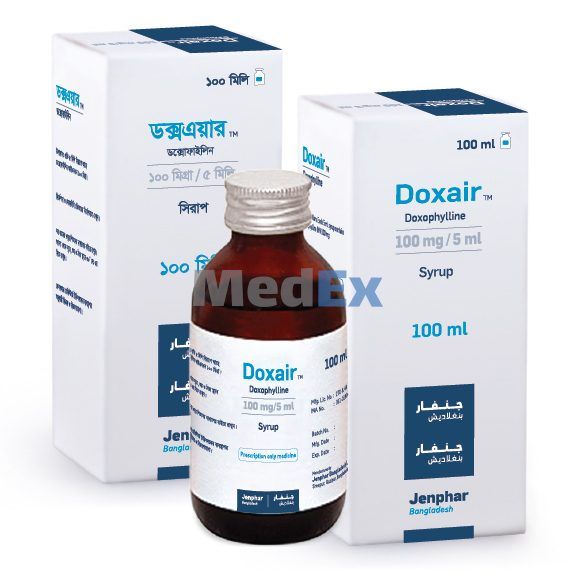
Doxair
Doximar
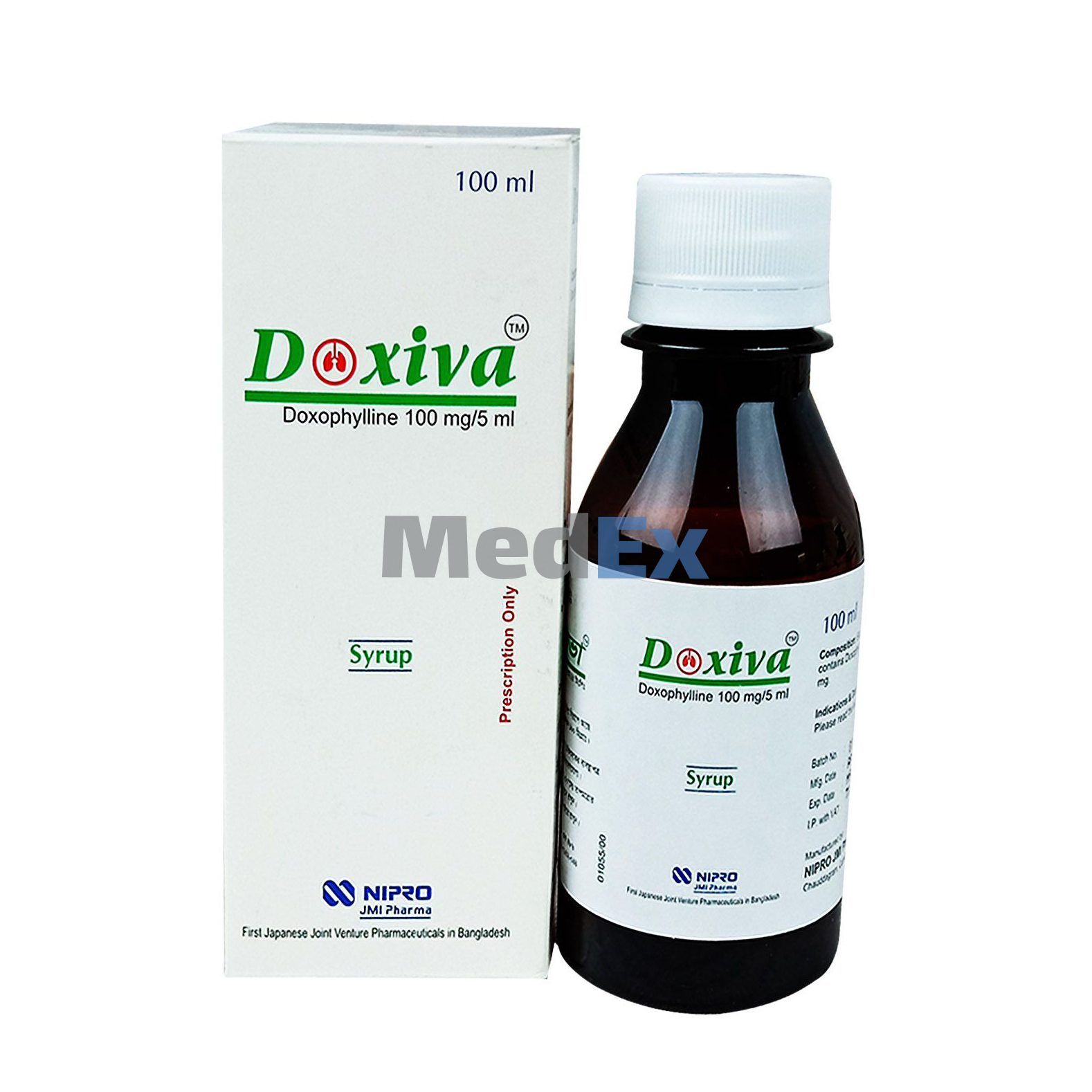
Doxiva
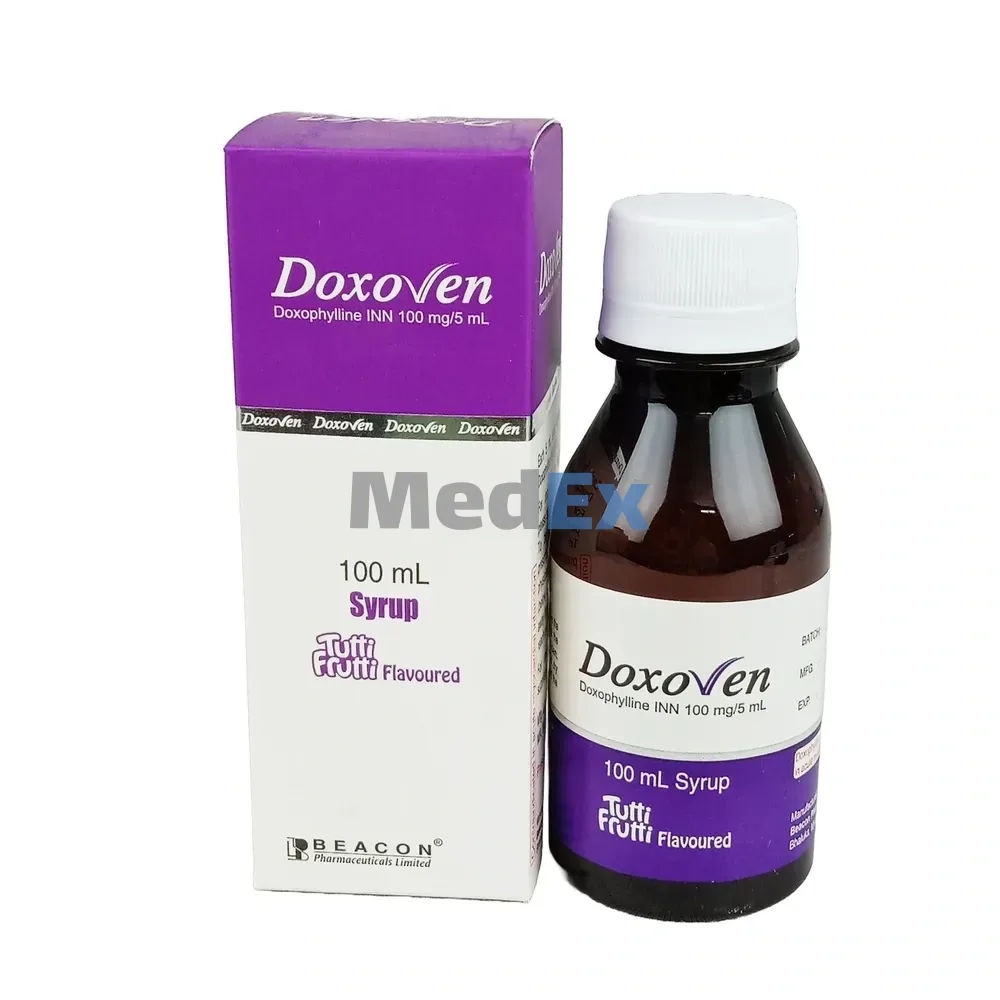
Doxoven
Doxovia
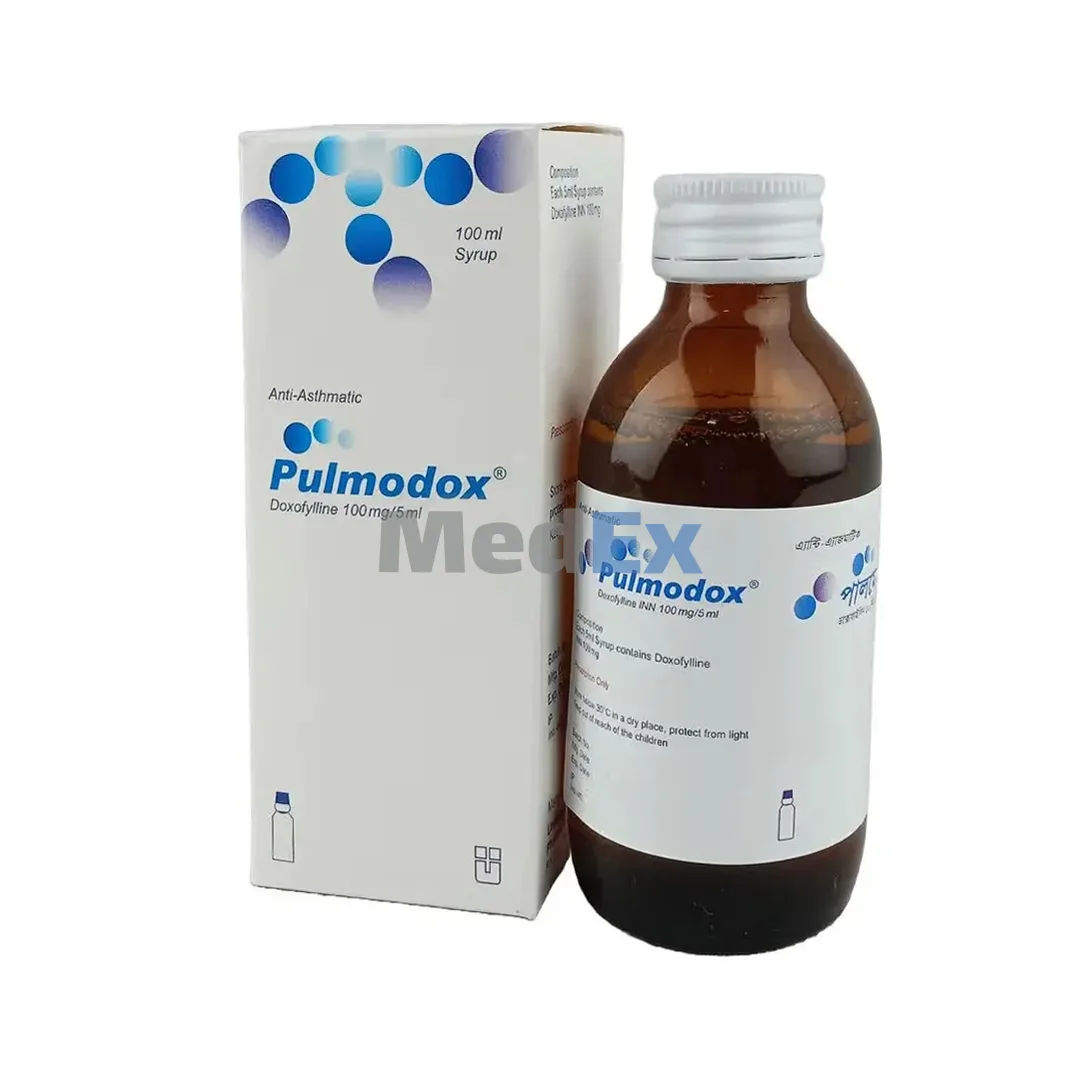
Pulmodox
📖 Official Clinical Monograph
DGDA Approved Prescribing GuidelinesAscova is used to treat in following indications:
Bronchial asthma,
Bronchospasm,
Chronic obstructive pulmonary disease (COPD),
Pulmonary disease with spastic bronchial component.
Elderly
: 200 mg tablet two or three times daily.
Adults
: 400 mg tablet two or three times daily or as prescribed by the physician.
Children:
>12 years of age
: 10 ml syrup or 200 mg tablet two or three times daily.
6-12 years of age
: 6-9 mg/kg body weight two times daily, i.e. if body weight is 10 kg, 3 ml (60 mg) two times daily or as prescribed by the physician.
If required daily dose of Doxophylline is 400 mg then Doxophylline SR tablet to be taken once daily or as prescribed by the physician
Doxophylline is contraindicated in individuals with known hypersensitivity to the drug or other xanthine derivatives. It is also contraindicated in patients with acute myocardial infarction, hypotension and during lactation.
Patients treated with xanthine derivatives may suffer nausea, vomiting, epigastric pain, headache, irritability, insomnia, tachycardia, extrasystoles, tachypnea and in rare cases hyperglycemia or albuminuria. In case of overdose severe cardiac arrhythmias and tonic-clonic seizure may occur. These effects may represent the first signs of intoxication. The appearance of side effects may require discontinuation of the treatment which, if necessary, at the physician's discretion, may be resumed at lower doses after all signs and symptoms of toxicity have subsided.
Numerous factors may reduce the hepatic clearance of xanthine derivatives with increased plasma levels of the drug. These factors include age, congestive cardiac decompensation, chronic obstructive pulmonary disease, severe liver disease, concomitant infections, and the concurrent administration of several drugs such as: erythromycin, TAO, lincomycin, clindamycin, allopurinol, cimetidine, influenza vaccine and propanolol. In these cases, it may be necessary to reduce the dosage of the drug. In case of factors that may influence the clearance of xanthine derivatives, monitoring of the concentration of the blood levels of the drug is recommended for the control of the therapeutic range.
Caution should be taken in administering the product to patients with cardiac disease, hypertension, in the elderly, in patients with severe hypoxemia, hyperthyroidism, chronic corpulmonale, congestive heart failure, liver disease, peptic ulcer and in those with renal impairment. In particular, it is to be used with caution in patients with congestive heart failure, since the clearance of the drug is considerably slower in these patients in which high blood levels may persist for long periods even after discontinuation of the treatment. There is no risk of addiction or any other form of dependence.
Doxophylline is a novel bronchodilator. It structurally differs from Theophylline due to the presence of a dioxolane group in position 7. Doxophylline selectively inhibits phosphodiesterase 4 thereby relaxes bronchial smooth muscle. However, differently from Theophylline, Doxophylline appears to have decreased affinities toward adenosine A1 and A2 receptors, which may account for the better safety profile of the drug. Doxophylline is reported to inhibit platelet activating factor (PAF) and generation of leukotriene production.