Domperidone Maleate
💊 Brand Formulations & Prices
220 brands sorted by unit price
Bpdon
Motodon
Motodon
P-Don
Dedom
Remadon
Adegut
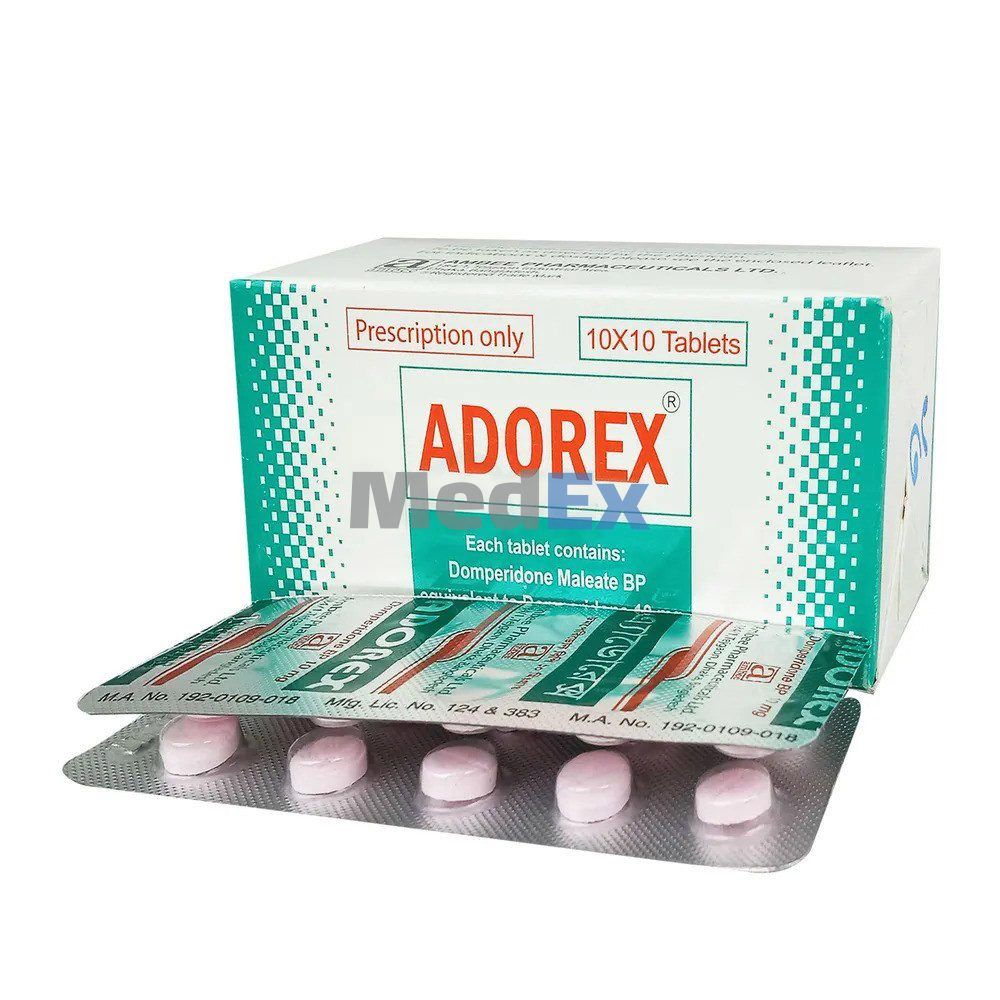
Adorex
Anet
Apedom
Atidon
Bedom
Beridom
Cpdom
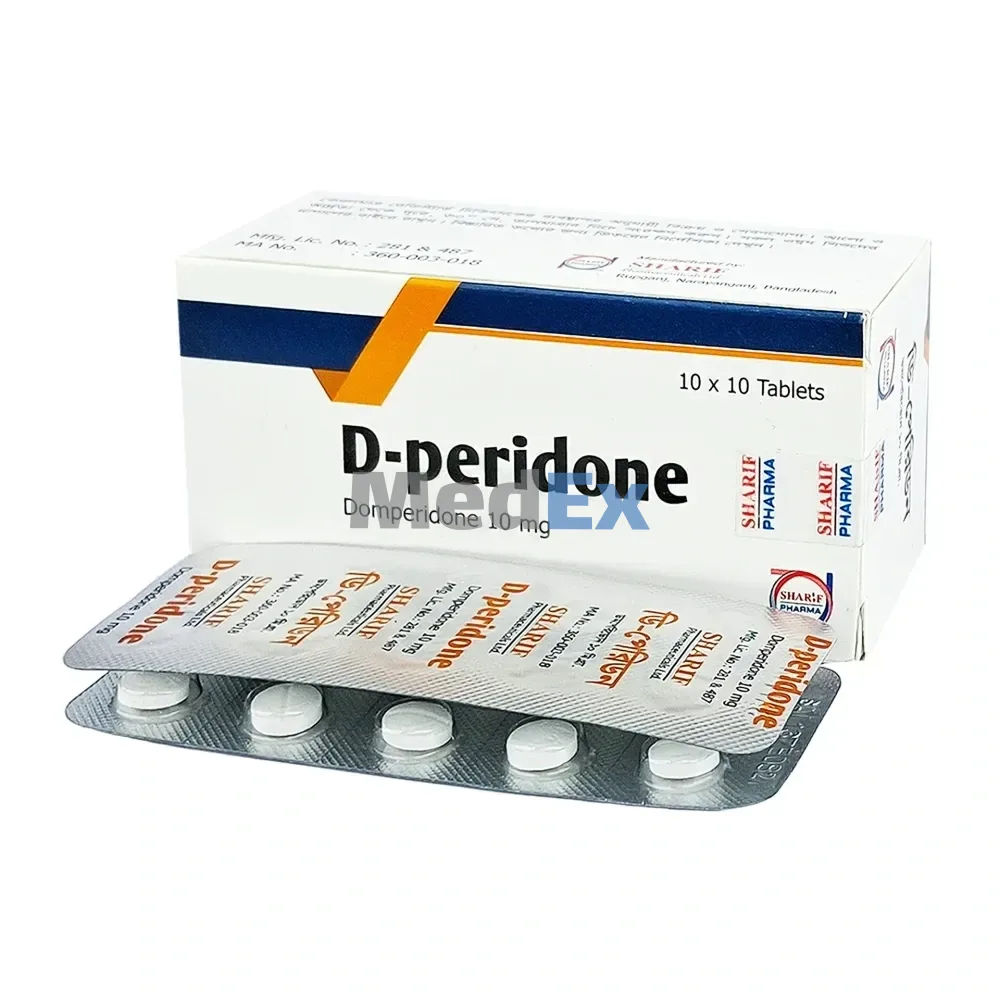
D-Peridone
DP-Done
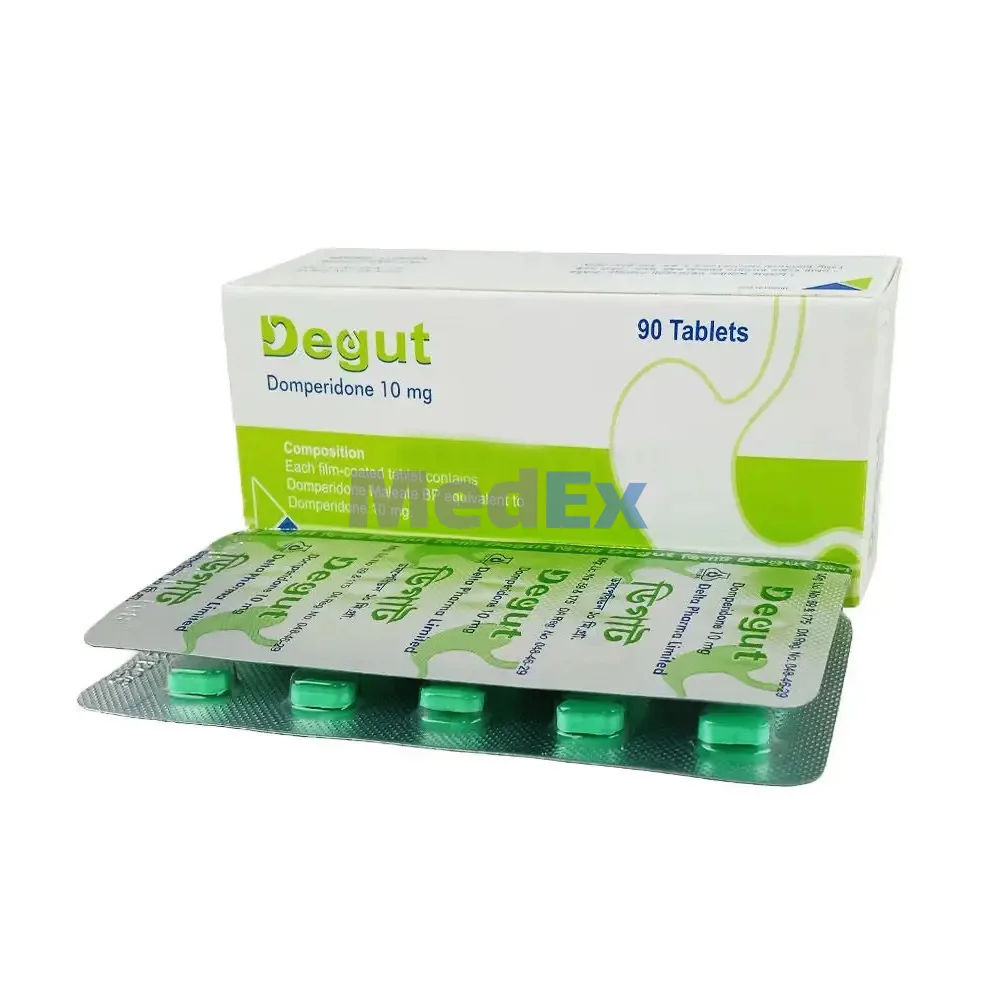
Degut
Domp
Dompa
Dompen
Domperid
Domperidon
Domperon
Domstal
Doperon
Dopon
Edone
Emedon
Gidora
I-POP
Loridon
Merin
Motilium
Motiper
Myodon
Nudom
Omid
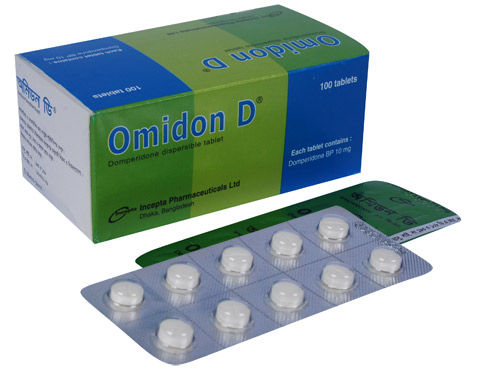
Omidon D
Peri
Pradom
Sydon
Virdon
Vomino
Xepadon
Gidonic
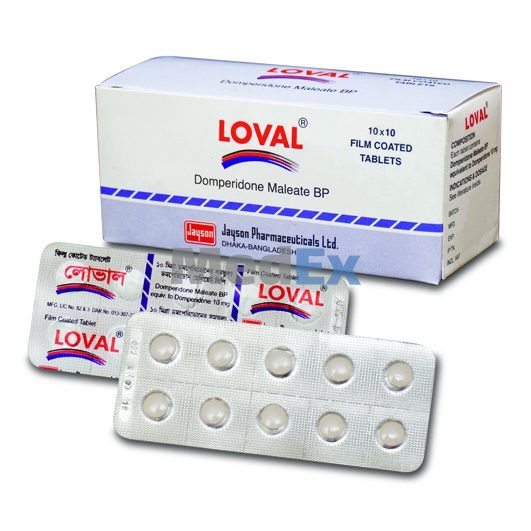
Loval
Motigen
Motil
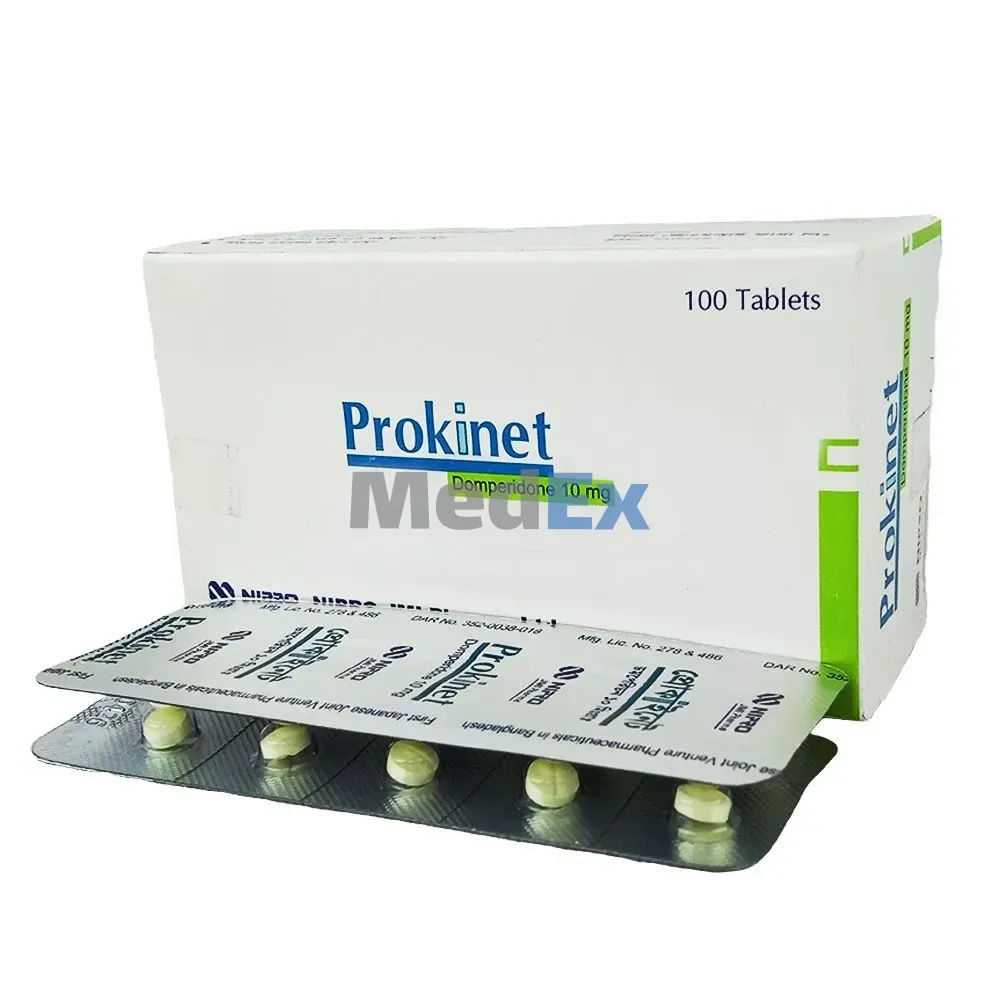
Prokinet
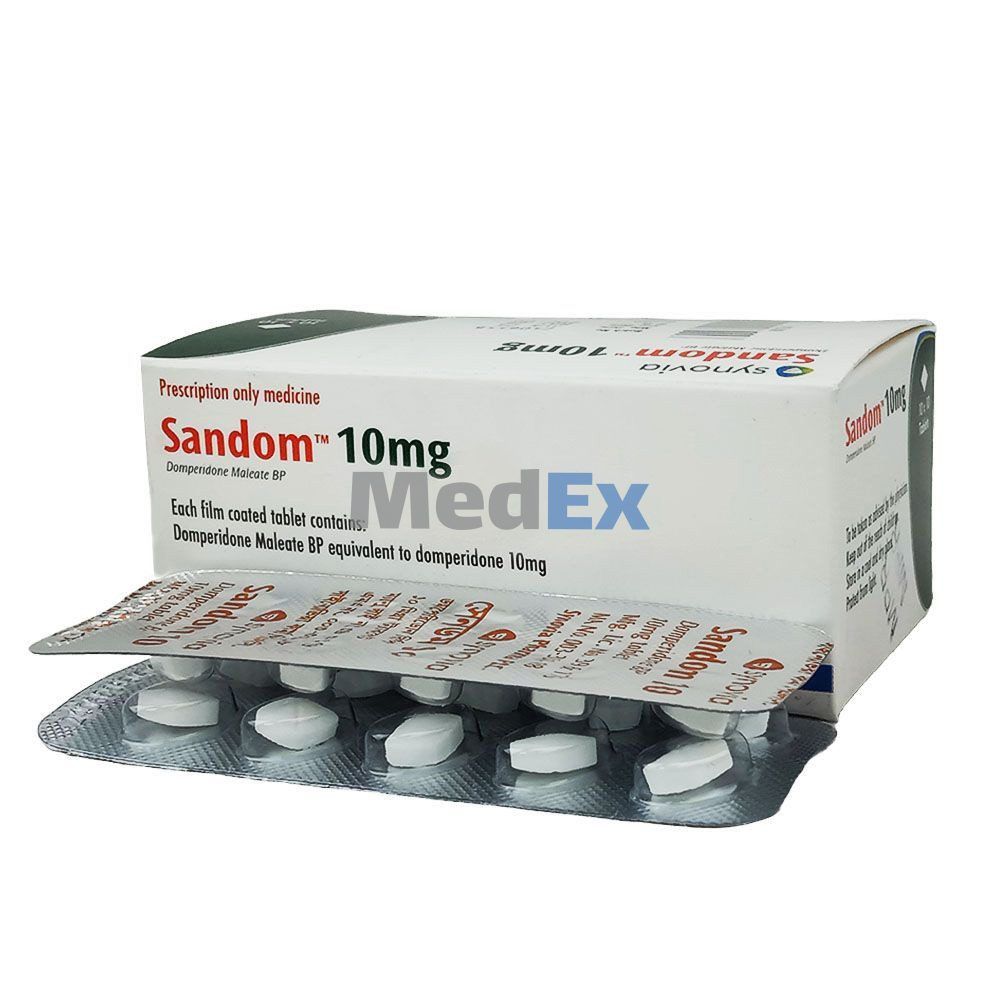
Sandom
Regut
Dominat
Domsil
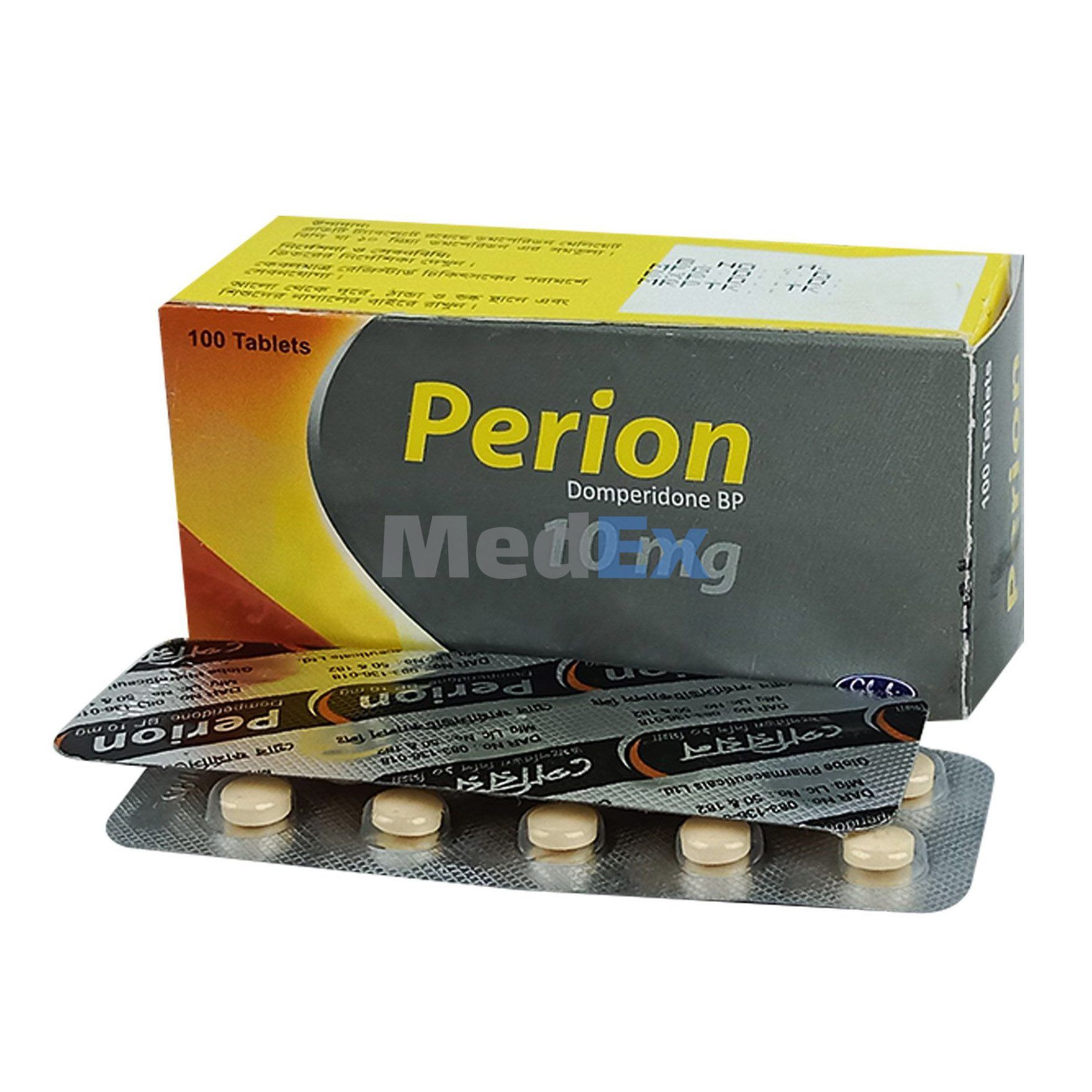
Perion
Domerin
Domfix
Domigut
Dominaaf
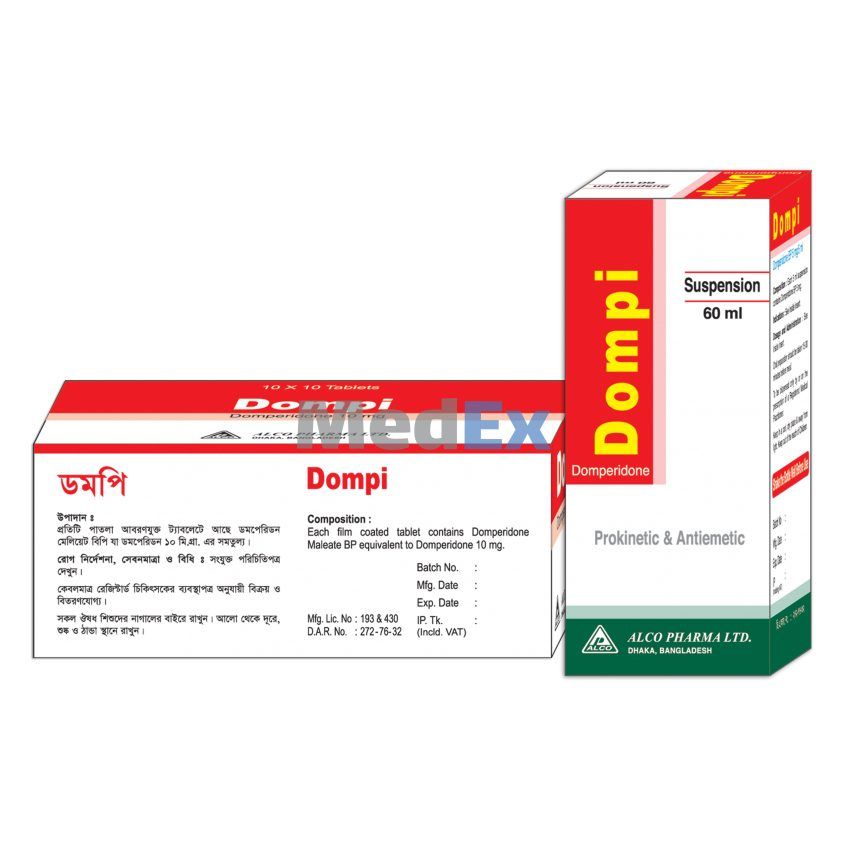
Dompi
Emidom
Eridon
Makdom
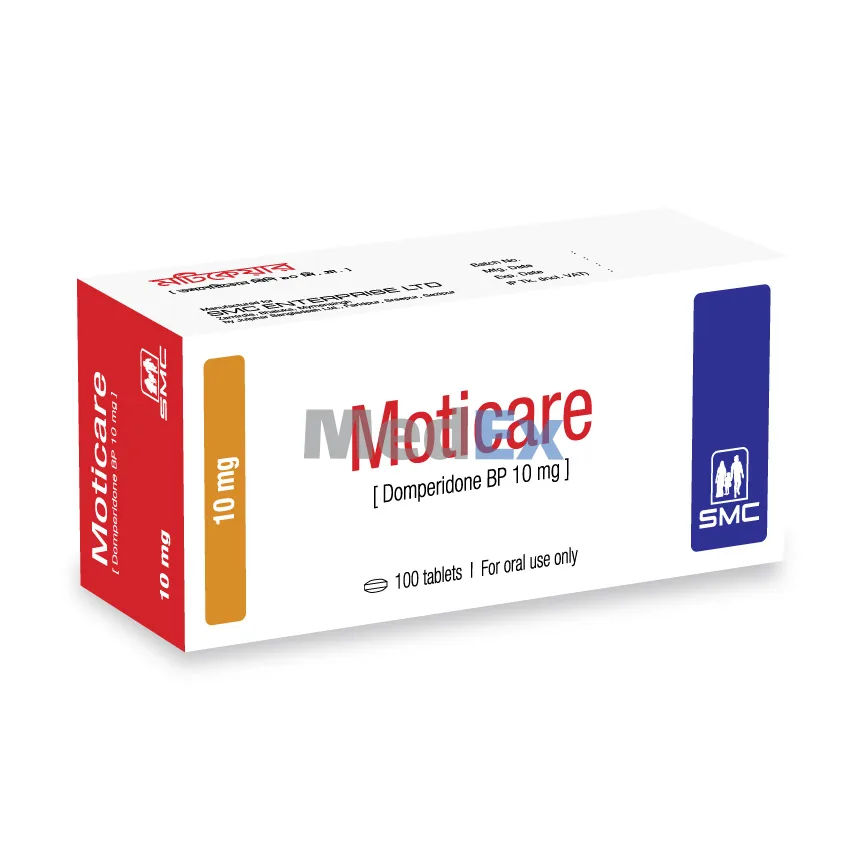
Moticare
Nudon
Perigut
Peristal
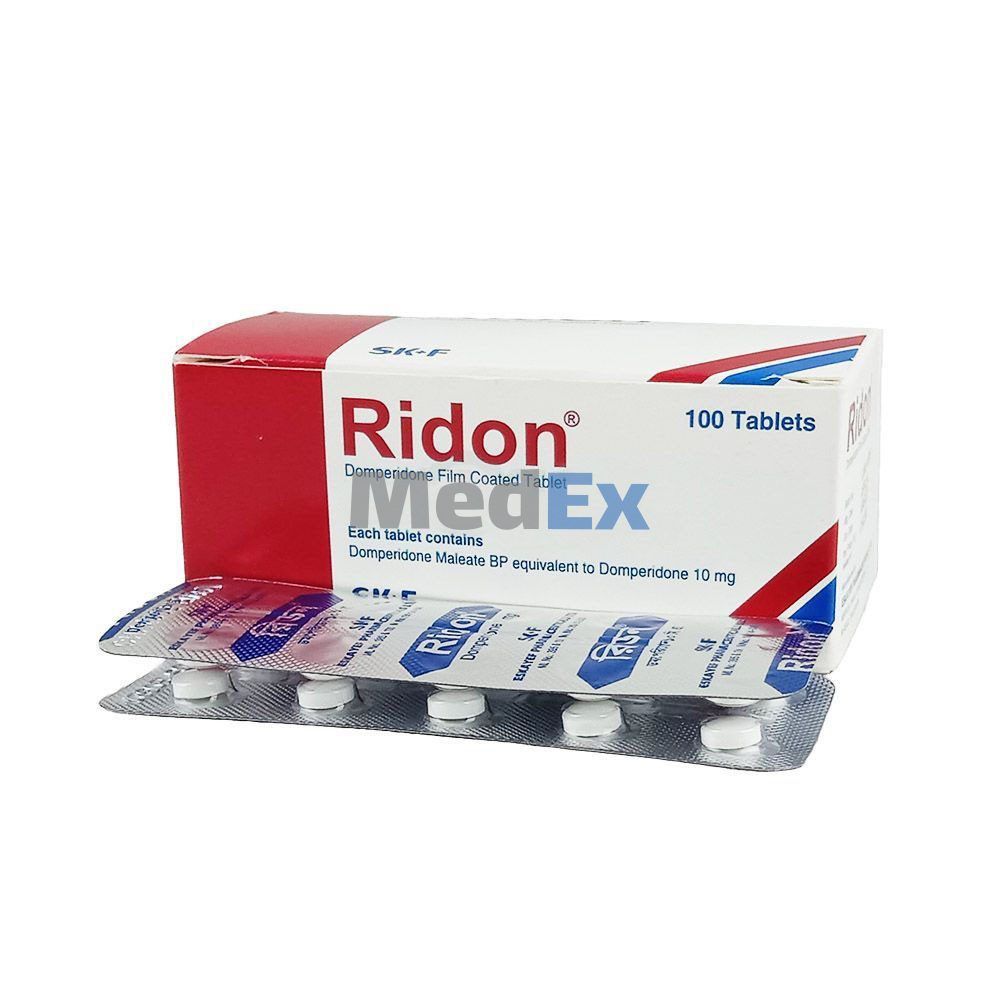
Ridon
SB-Dom
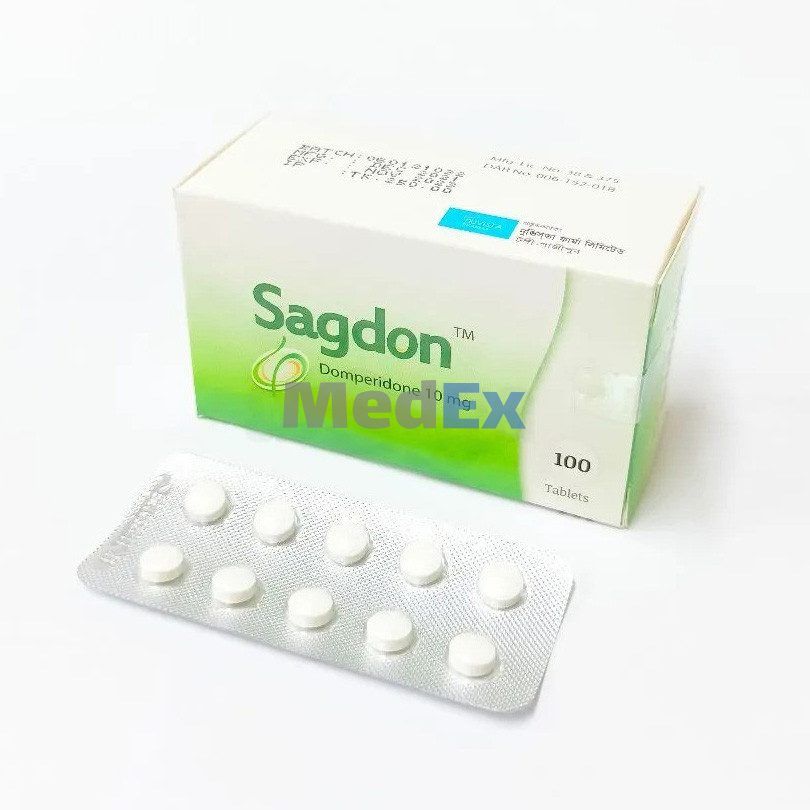
Sagdon
Umodin
Normogut
Almigut
Apidone
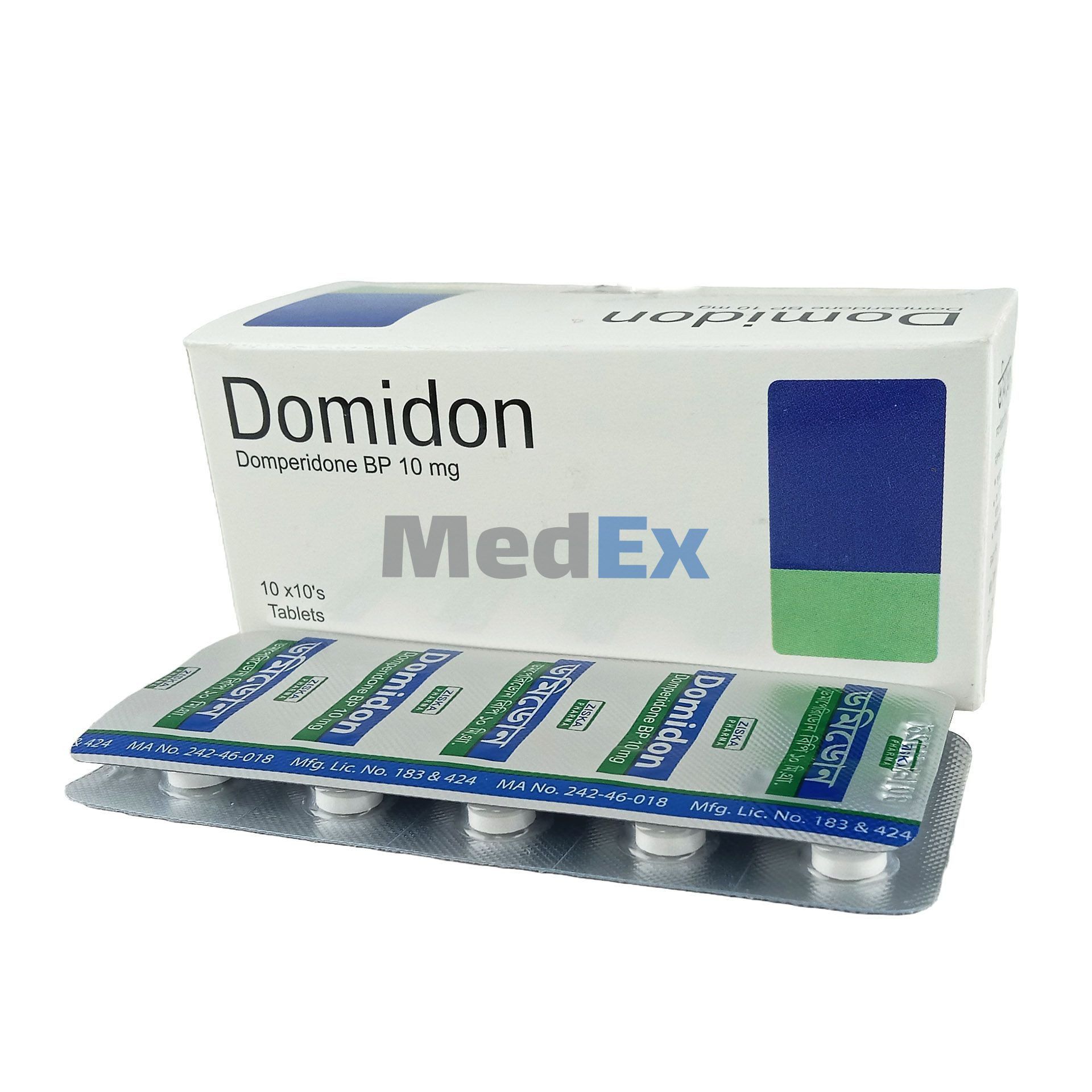
Domidon
Dompa-S
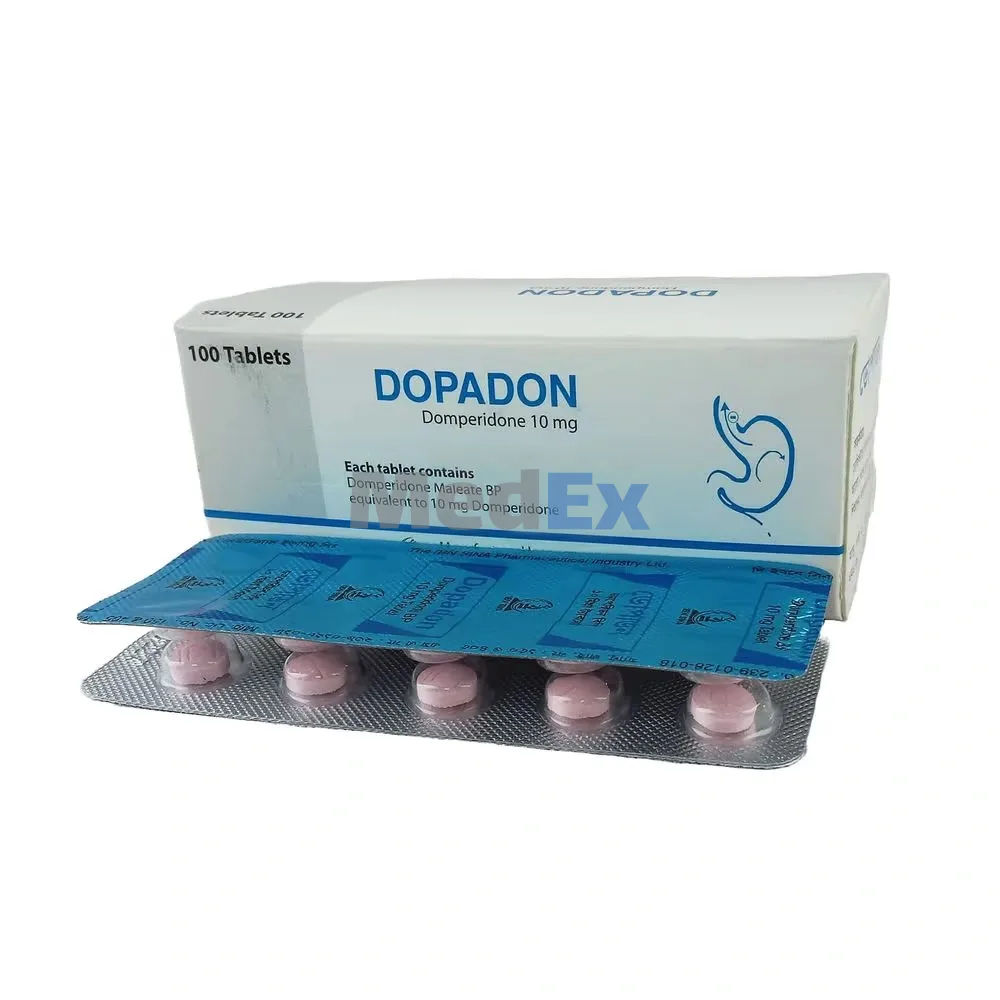
Dopadon
Dopagut
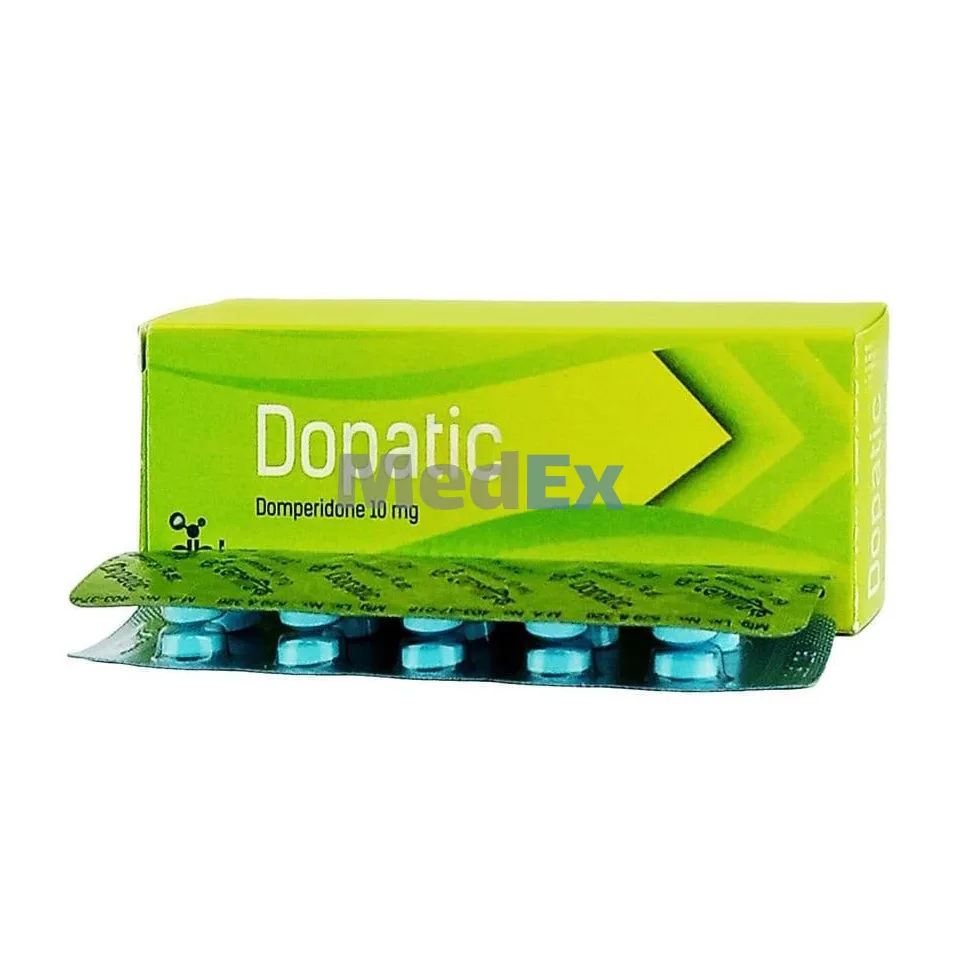
Dopatic
Egut
Filadon
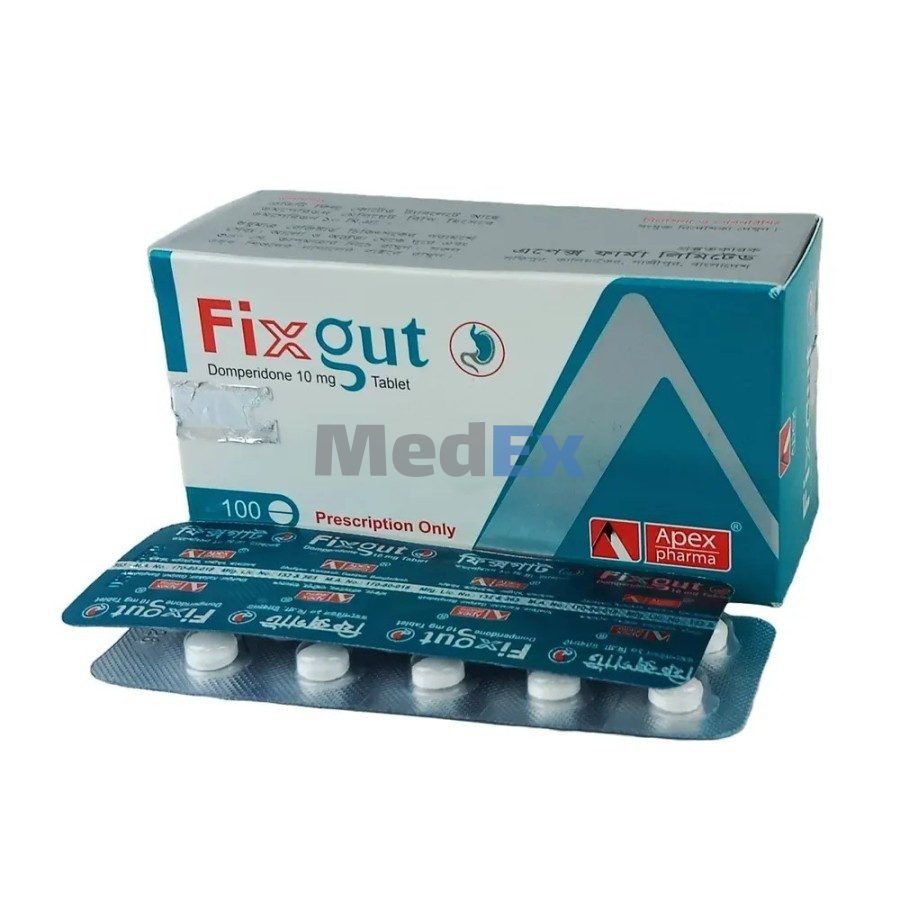
Fixgut
Gardi
Motilex
Motiwin
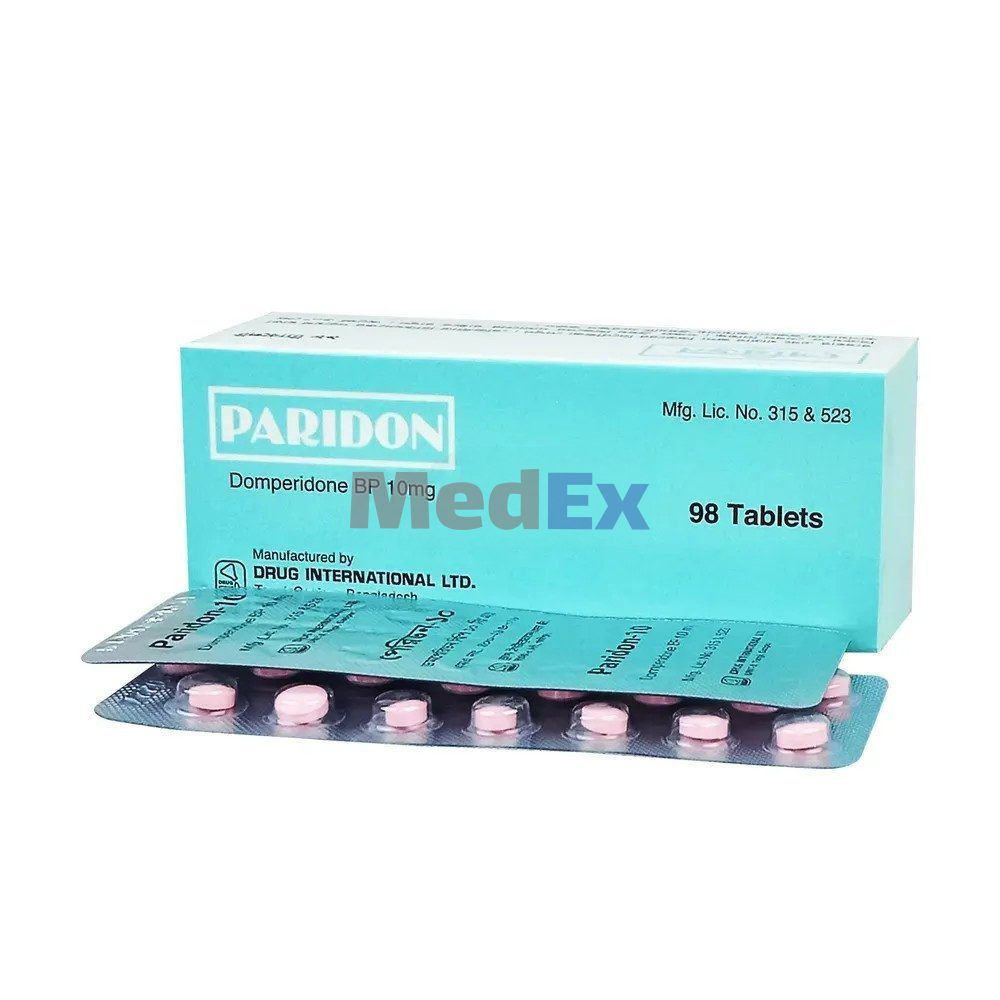
Paridon
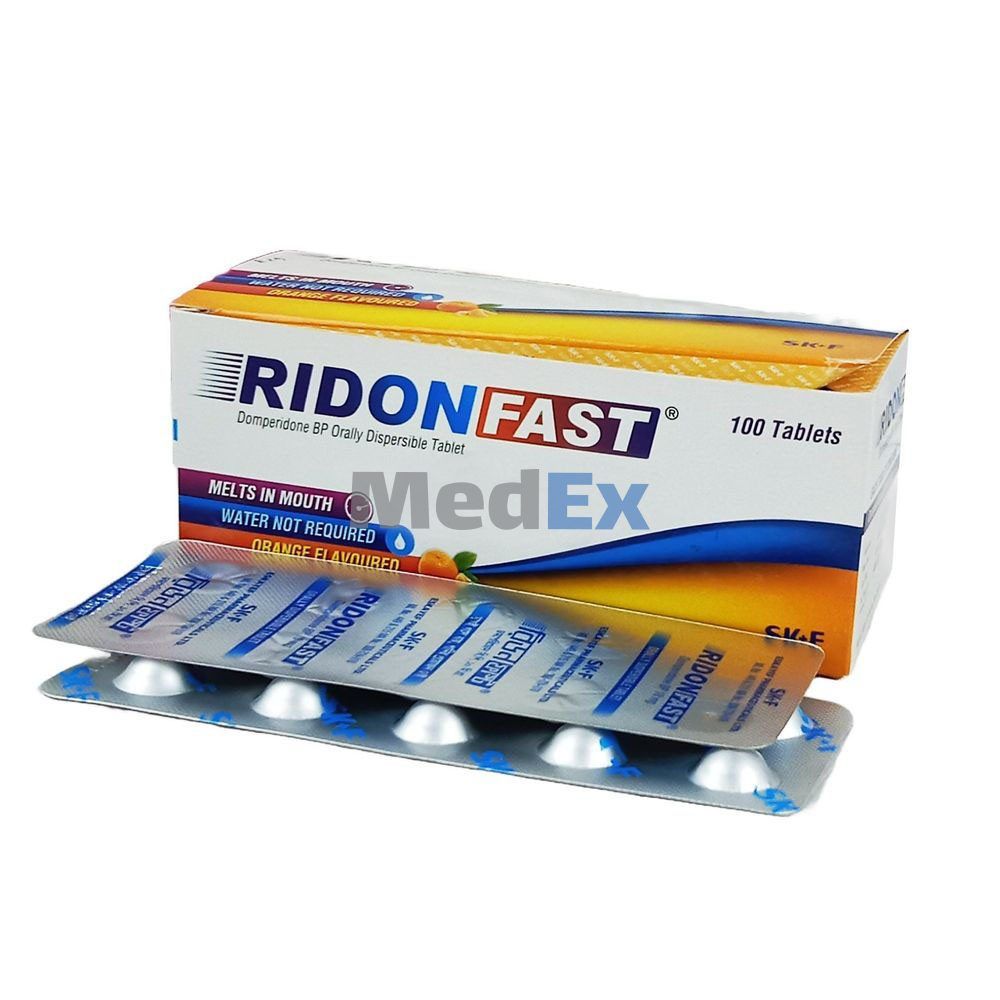
Ridon Fast
Veridom
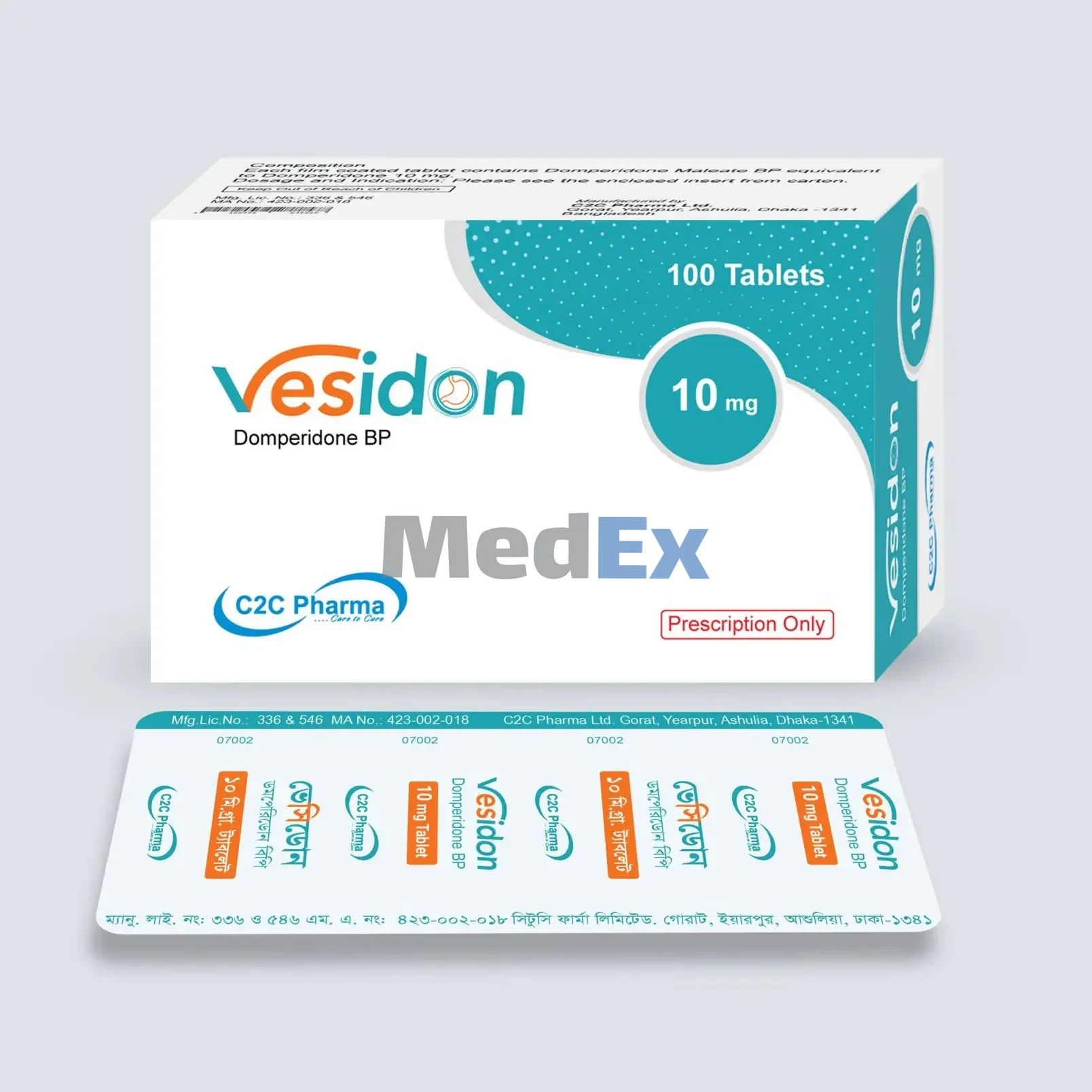
Vesidon
Vomidon
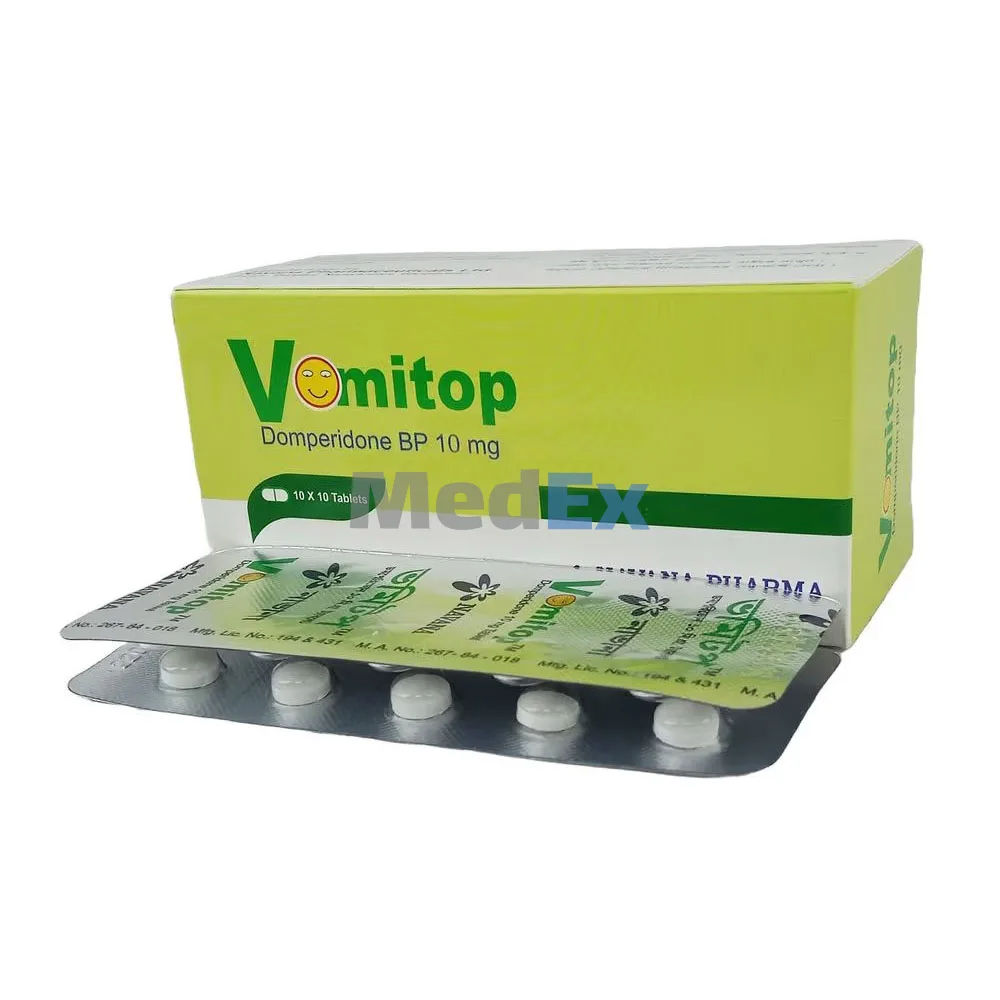
Vomitop

Don-A

Apuldon
Avomit
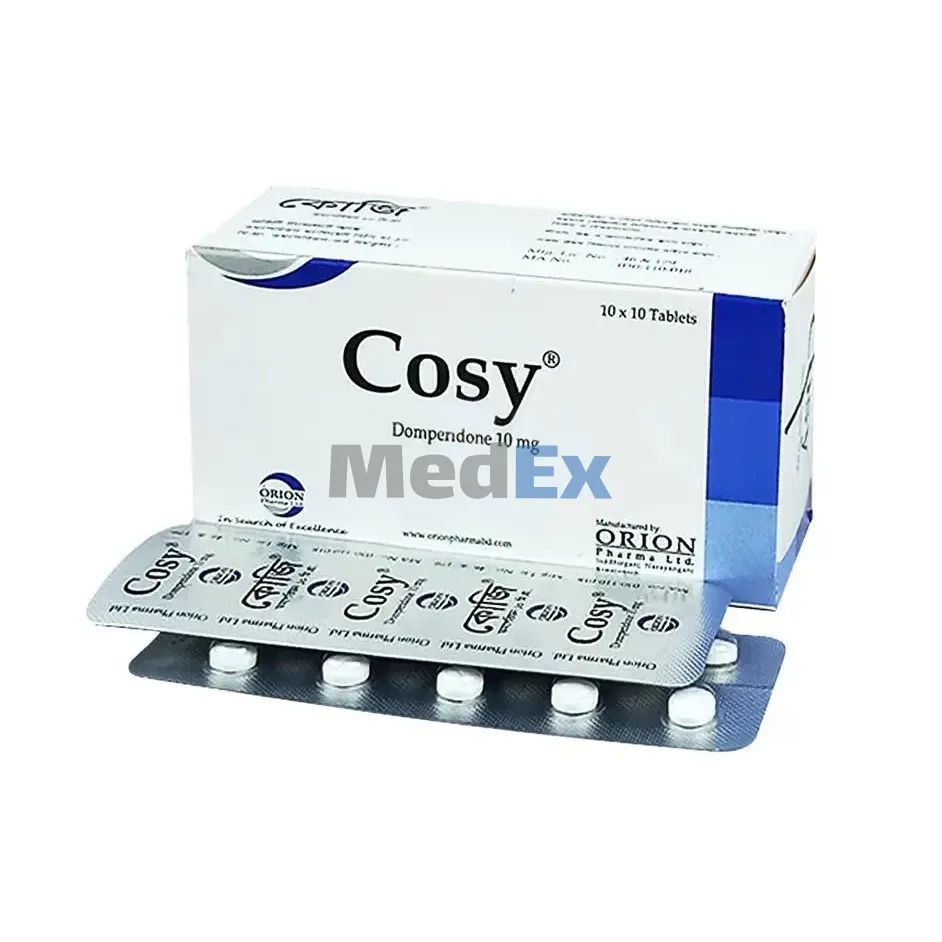
Cosy
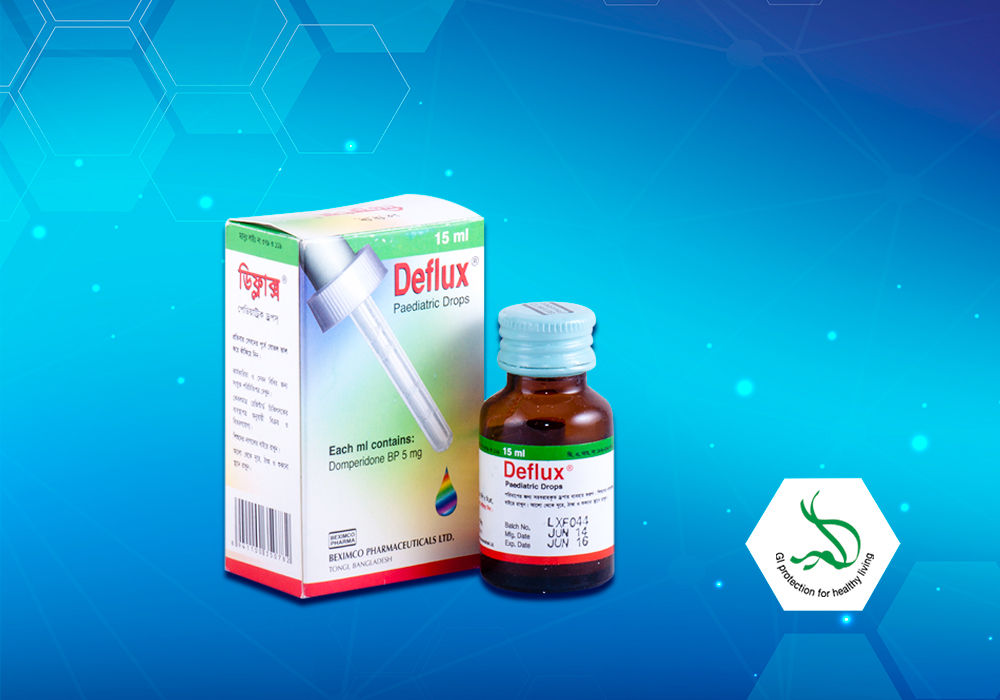
Deflux Meltab
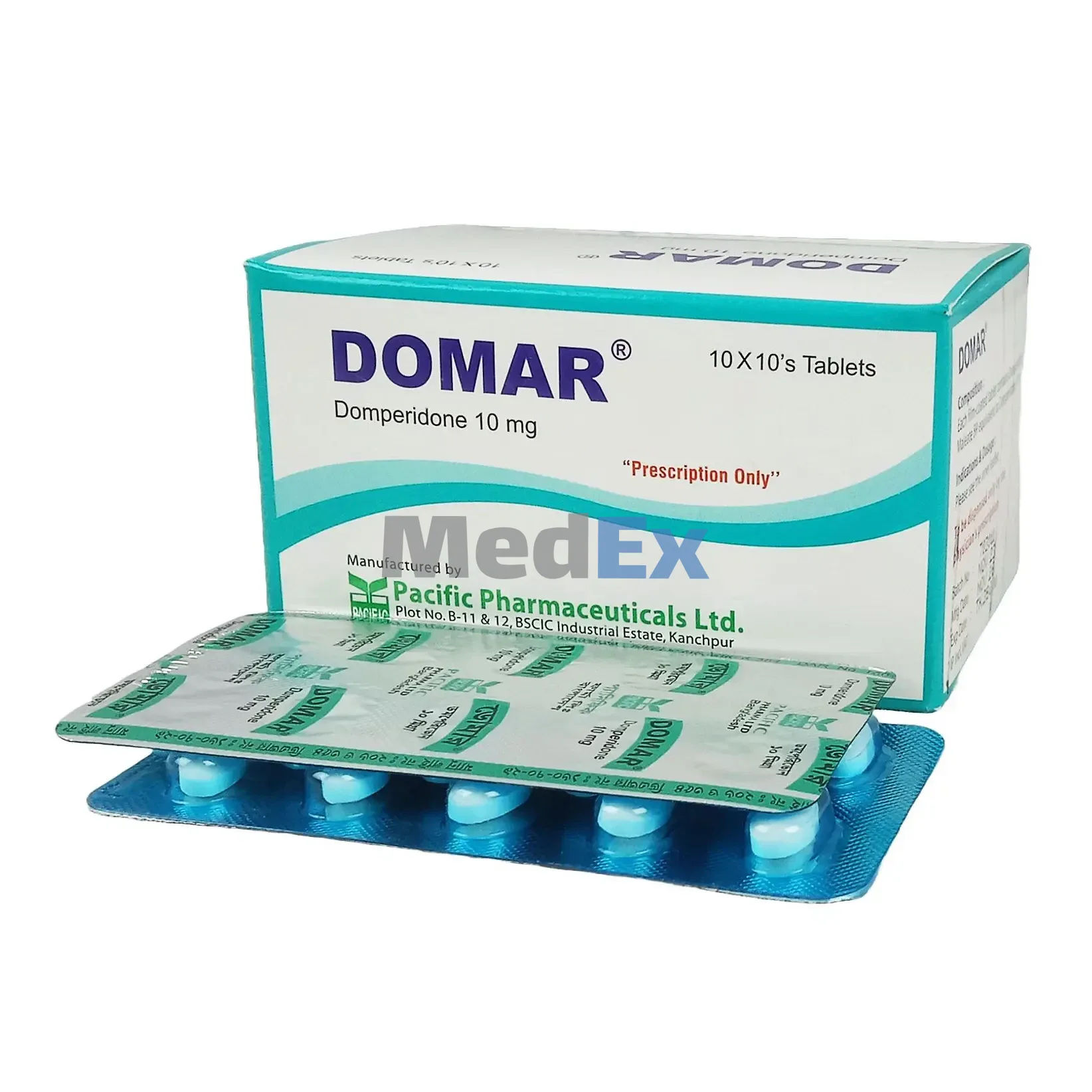
Domar
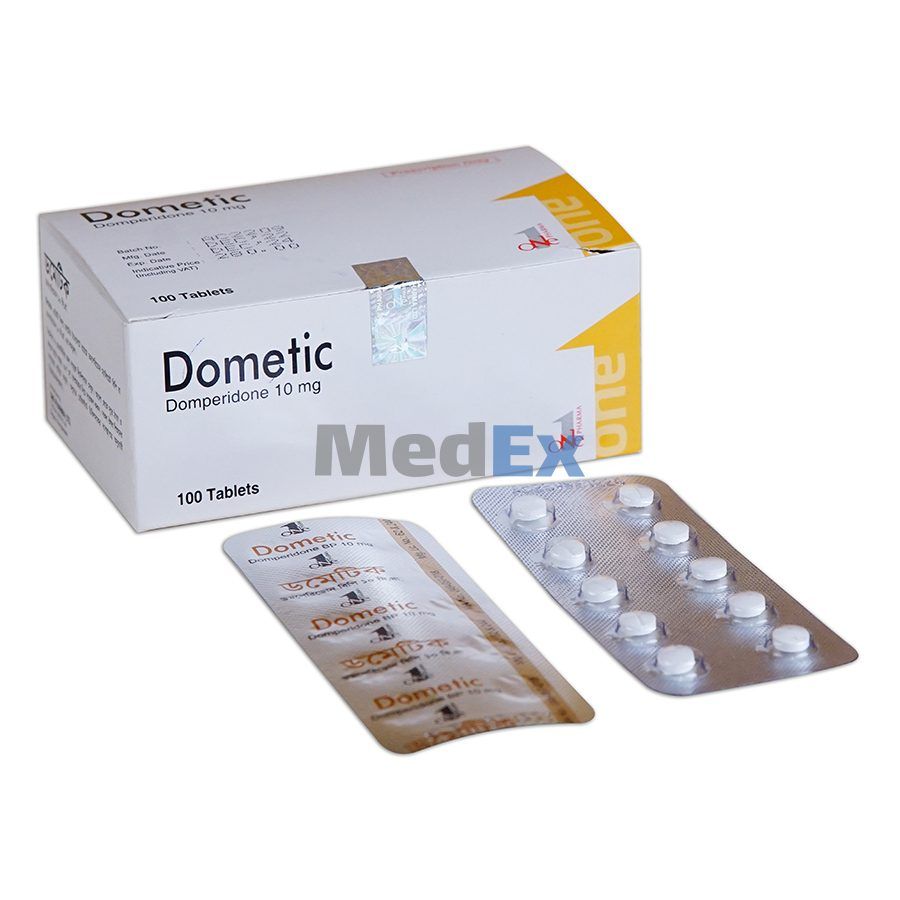
Dometic
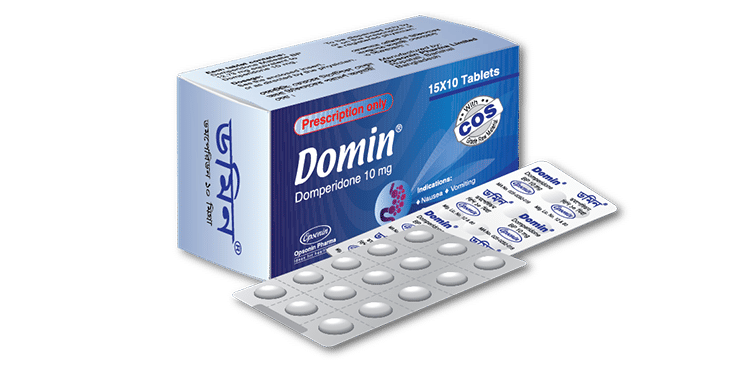
Domin
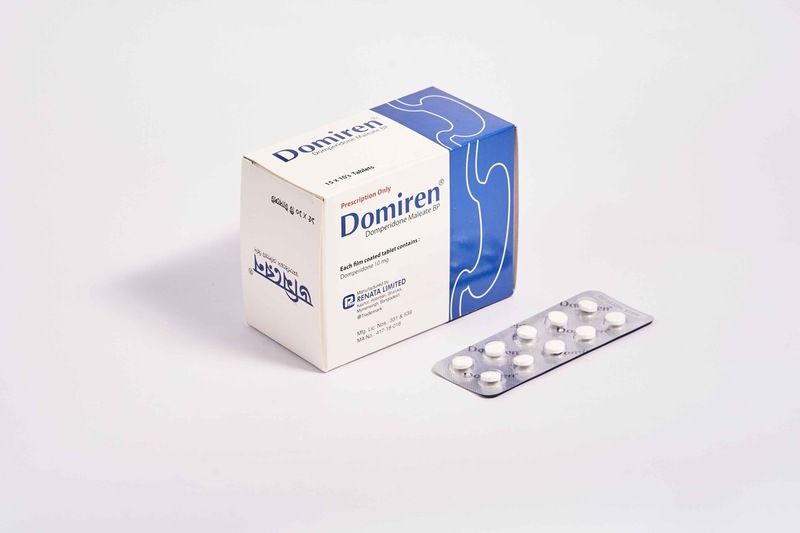
Domiren
Domixon
Doridon
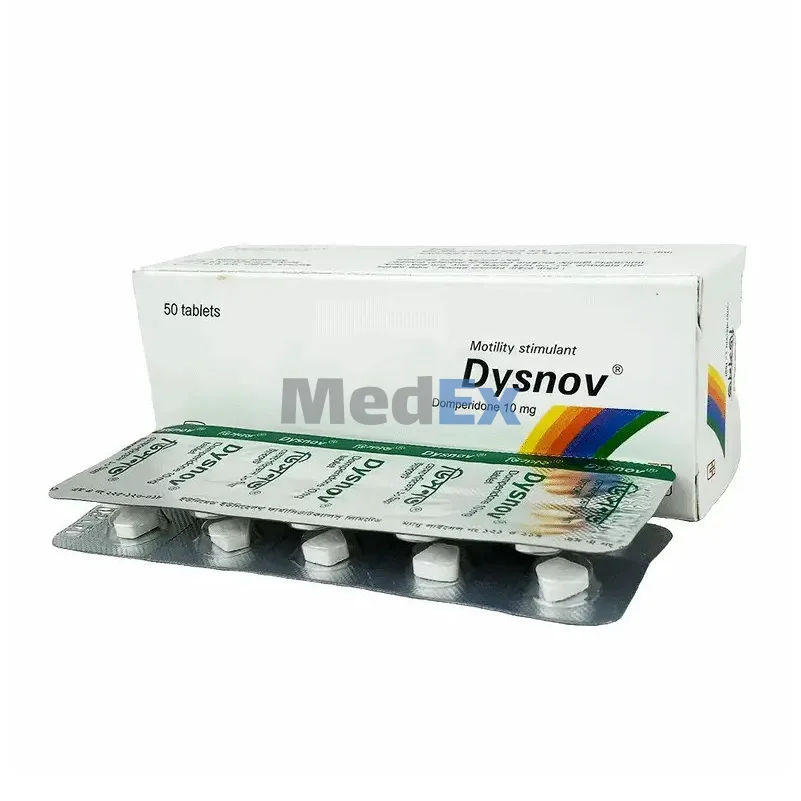
Dysnov
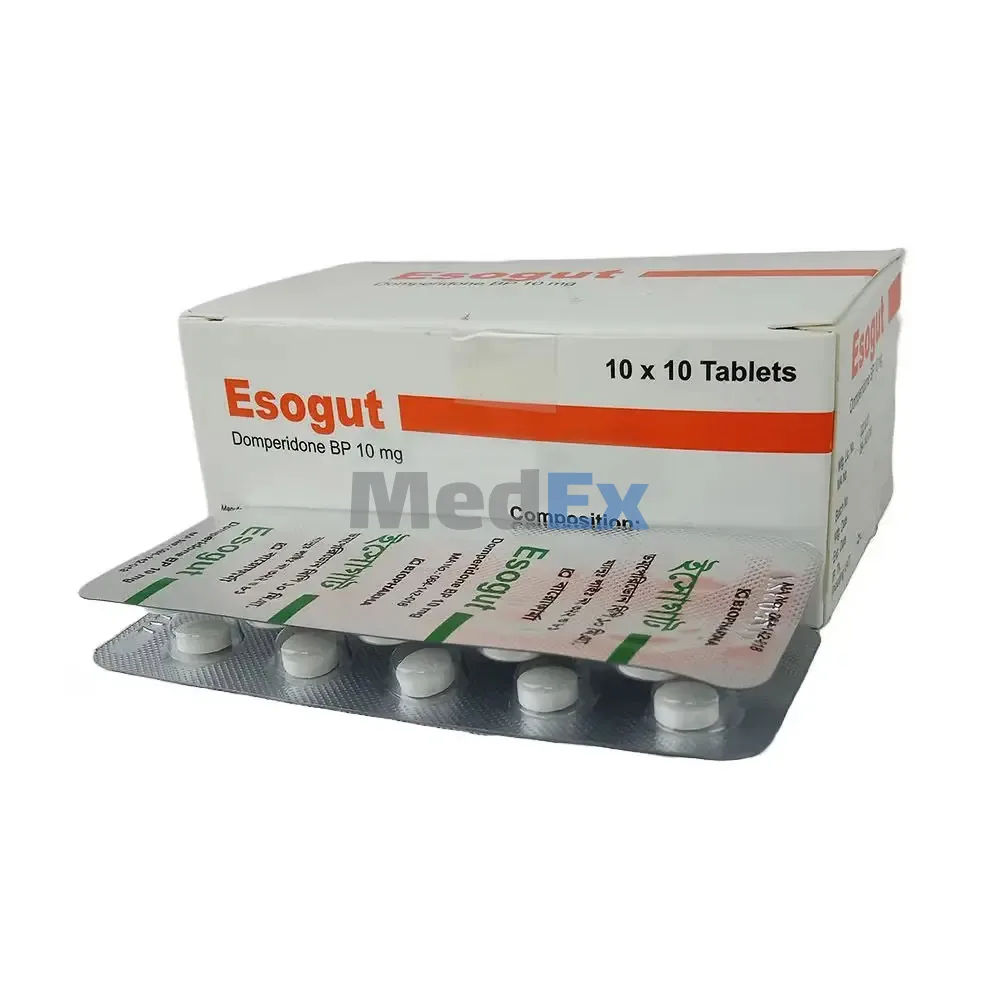
Esogut
Omidon
Orbidon
Benidon
Deflux
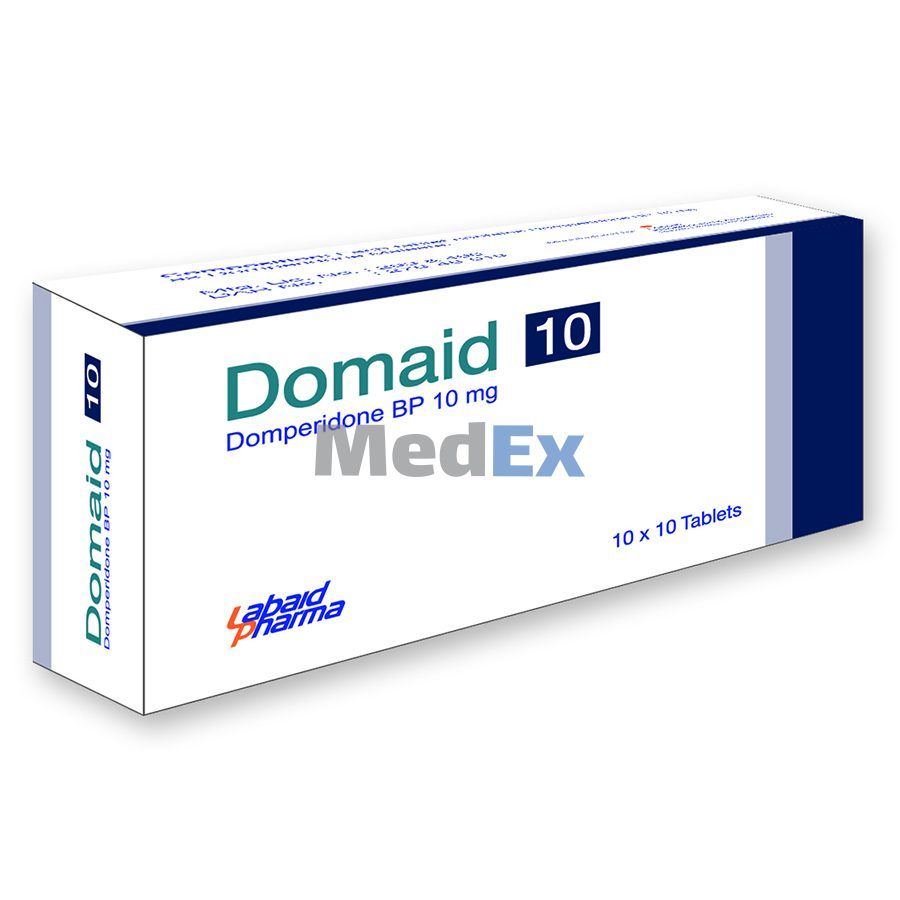
Domaid
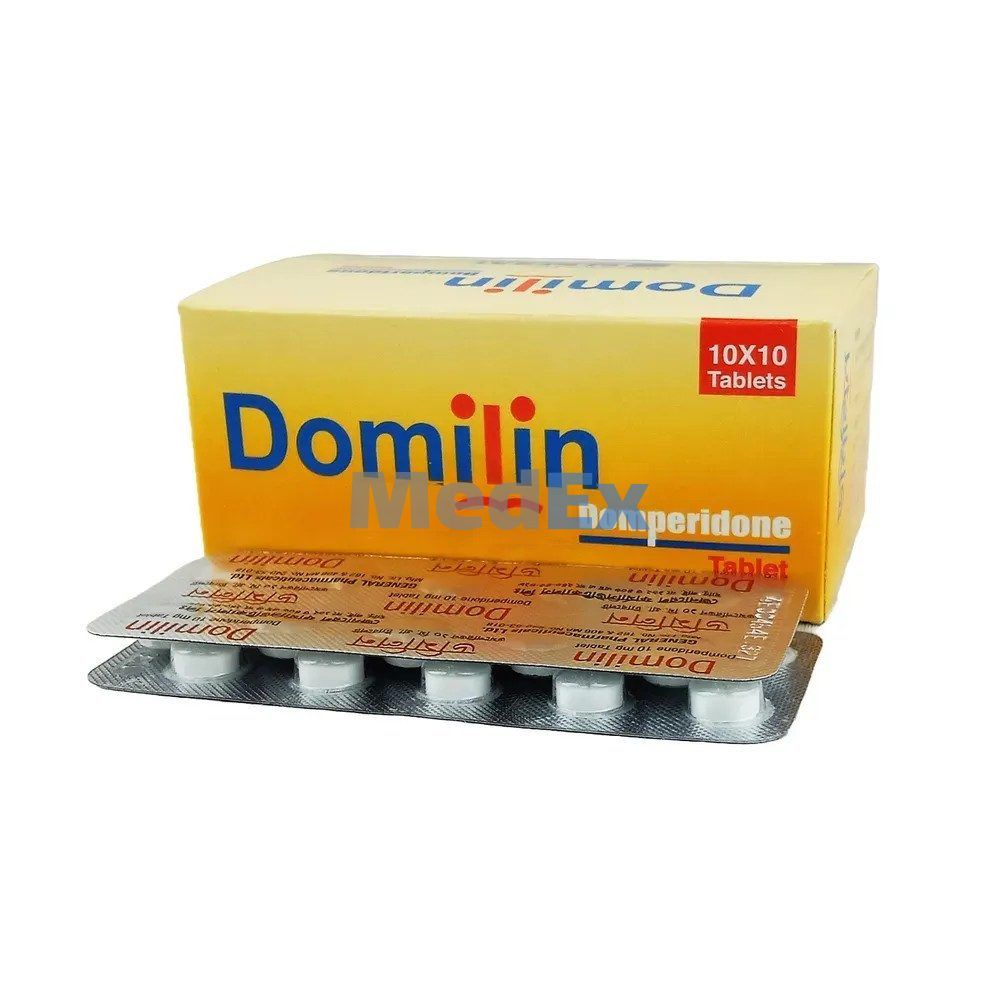
Domilin
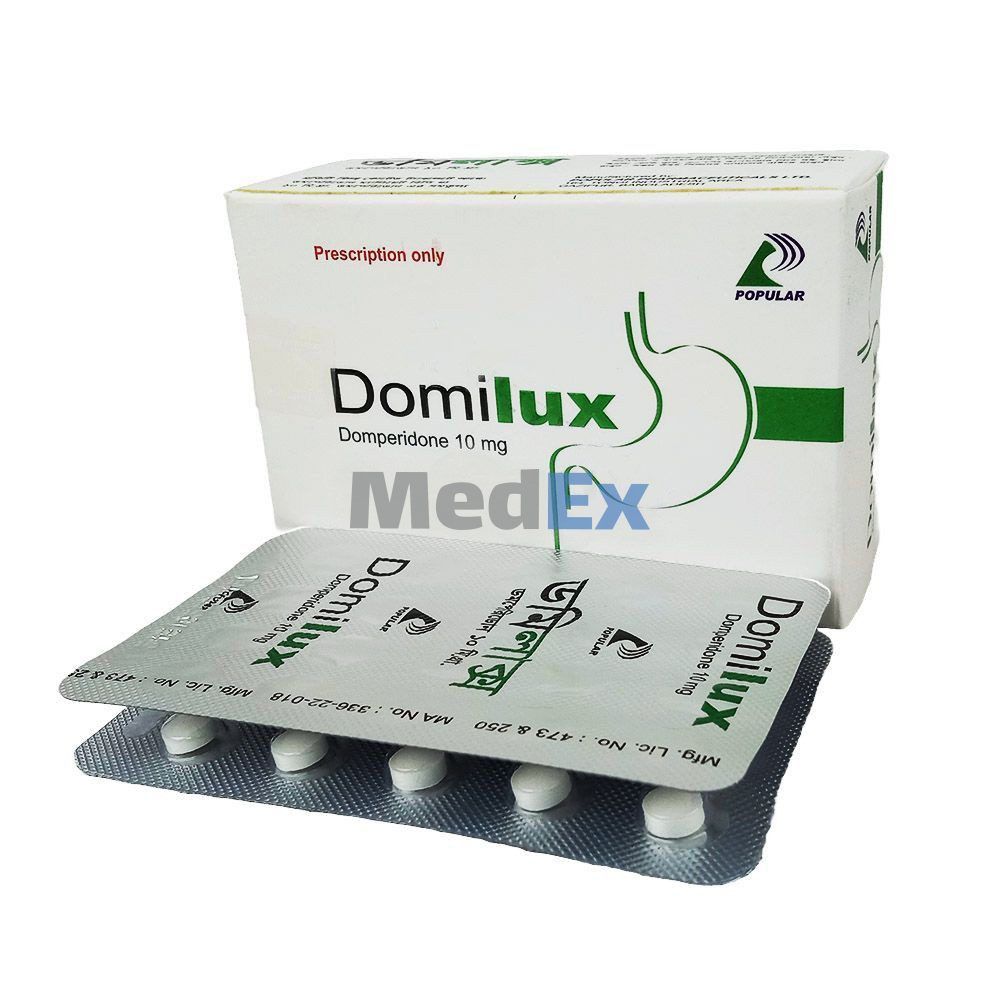
Domilux
Dominol
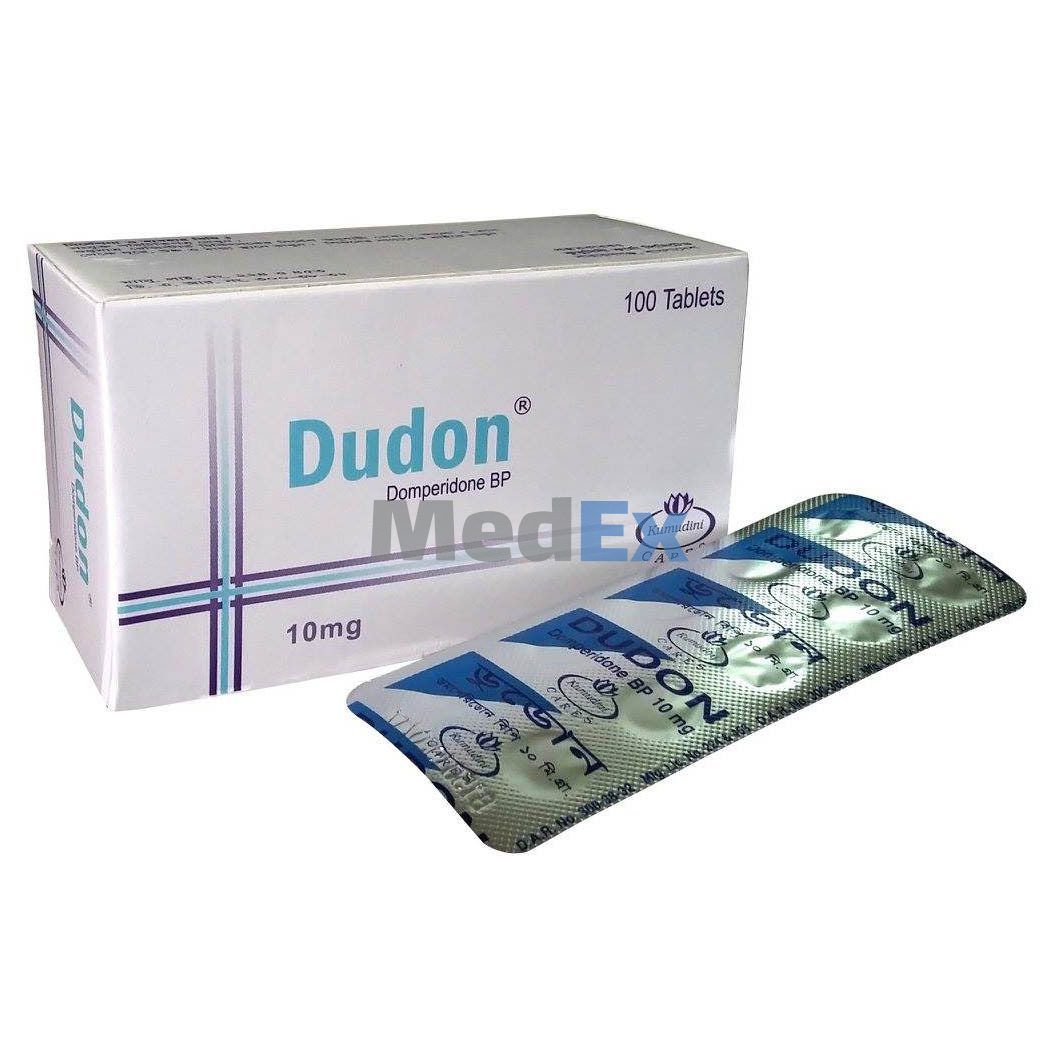
Dudon
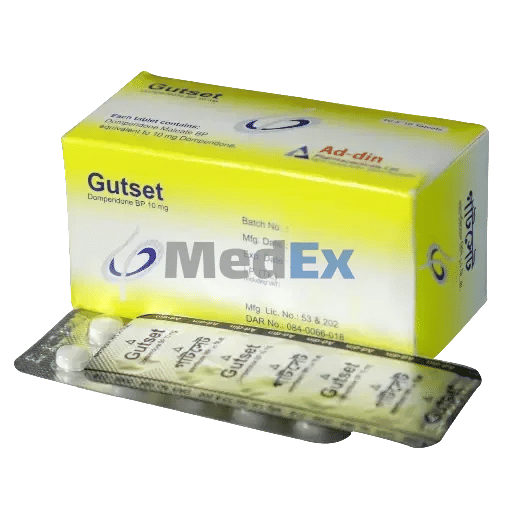
Gutset
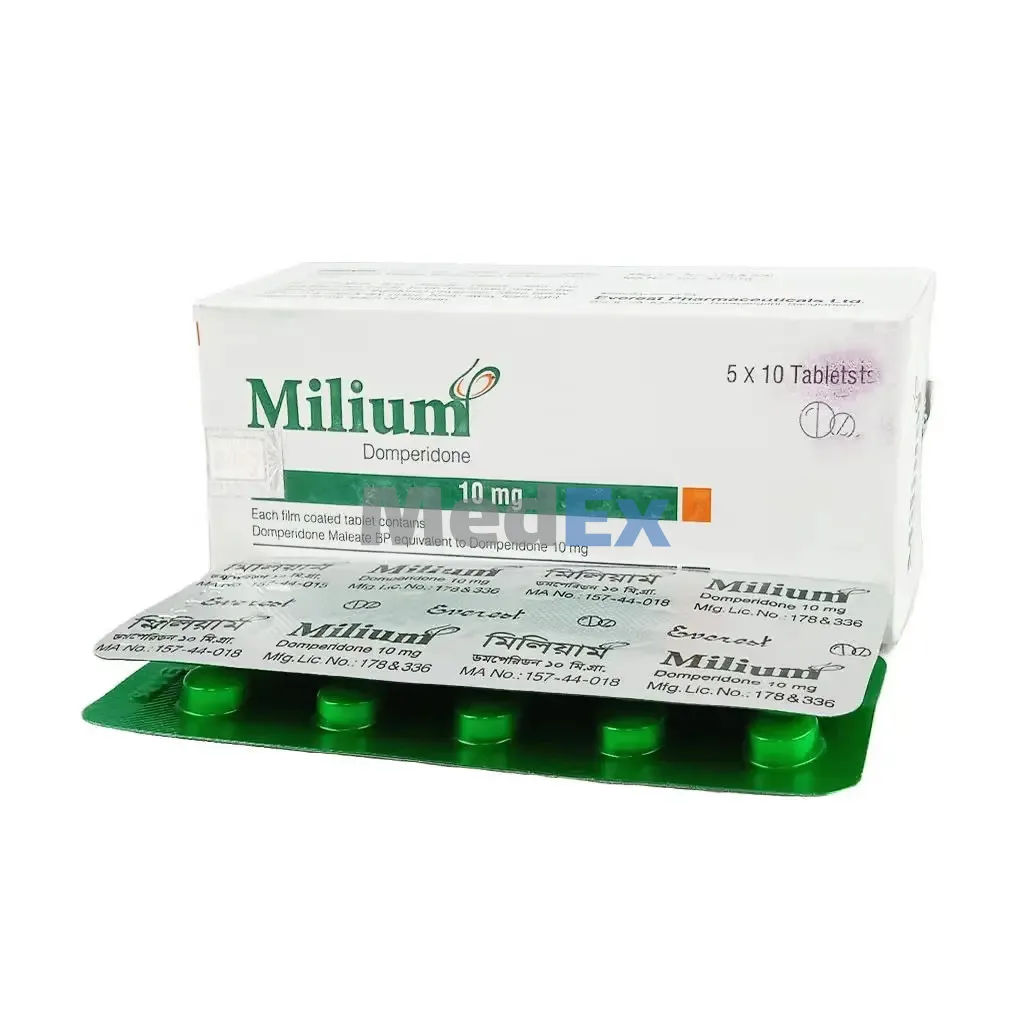
Milium
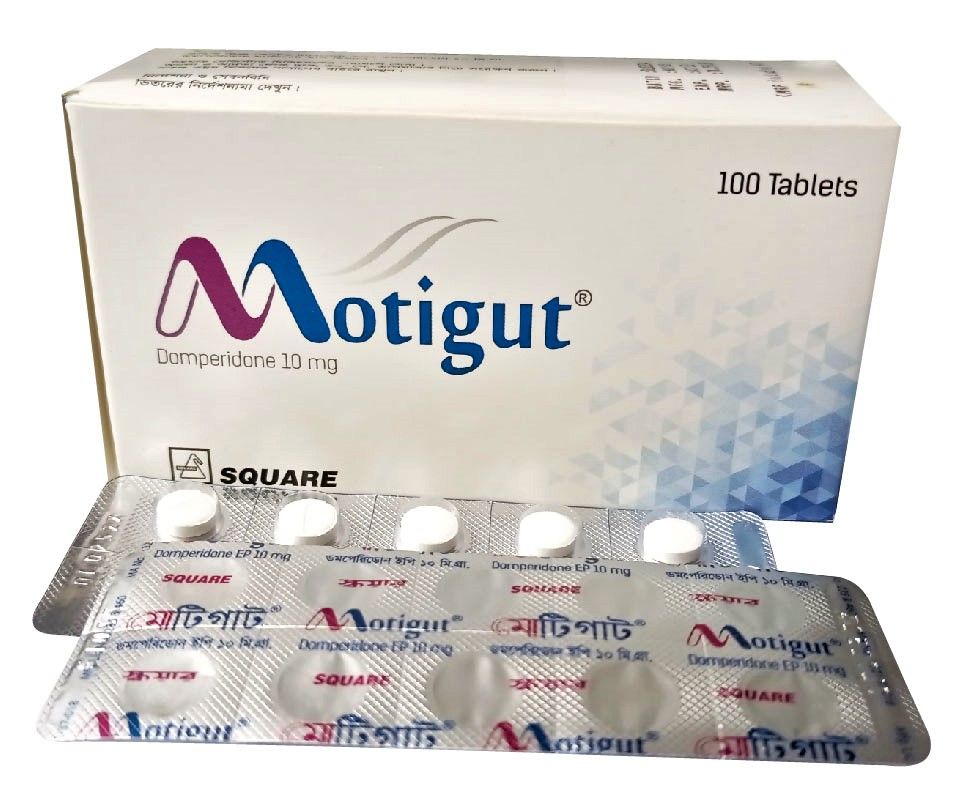
Motigut
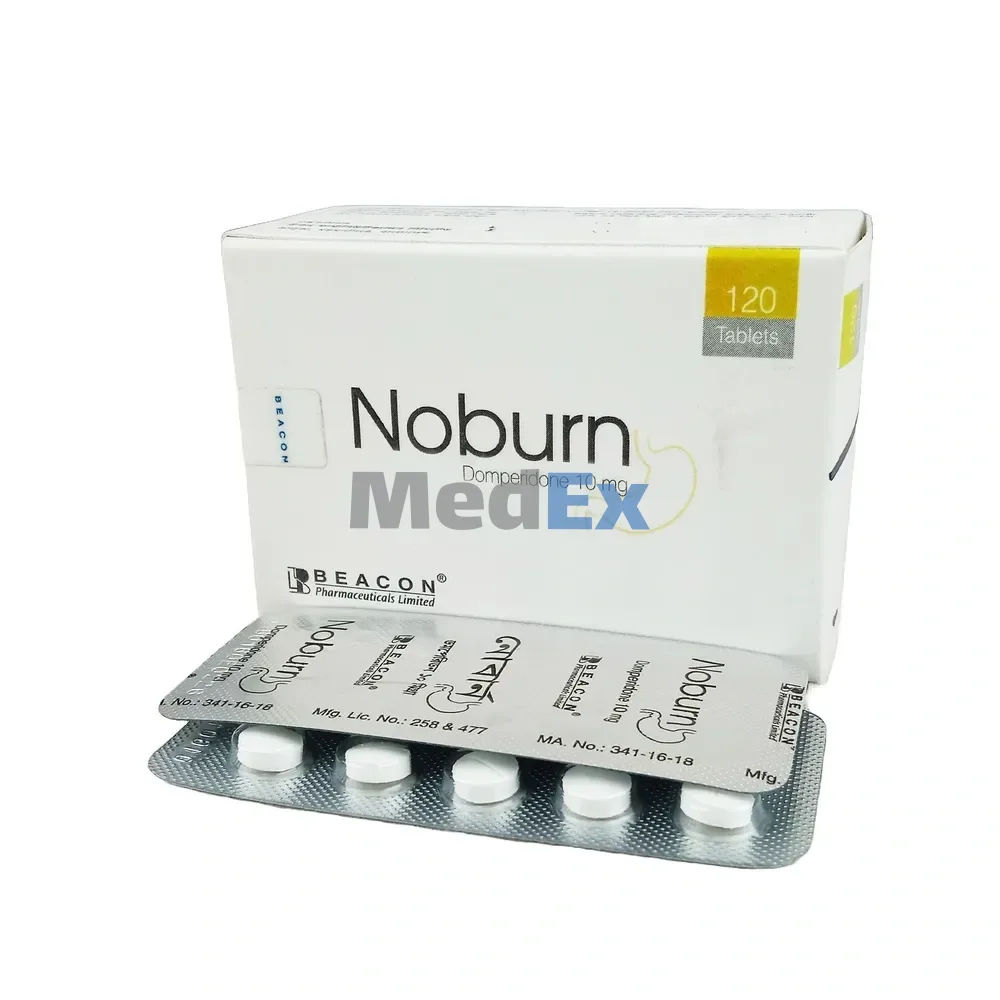
Noburn
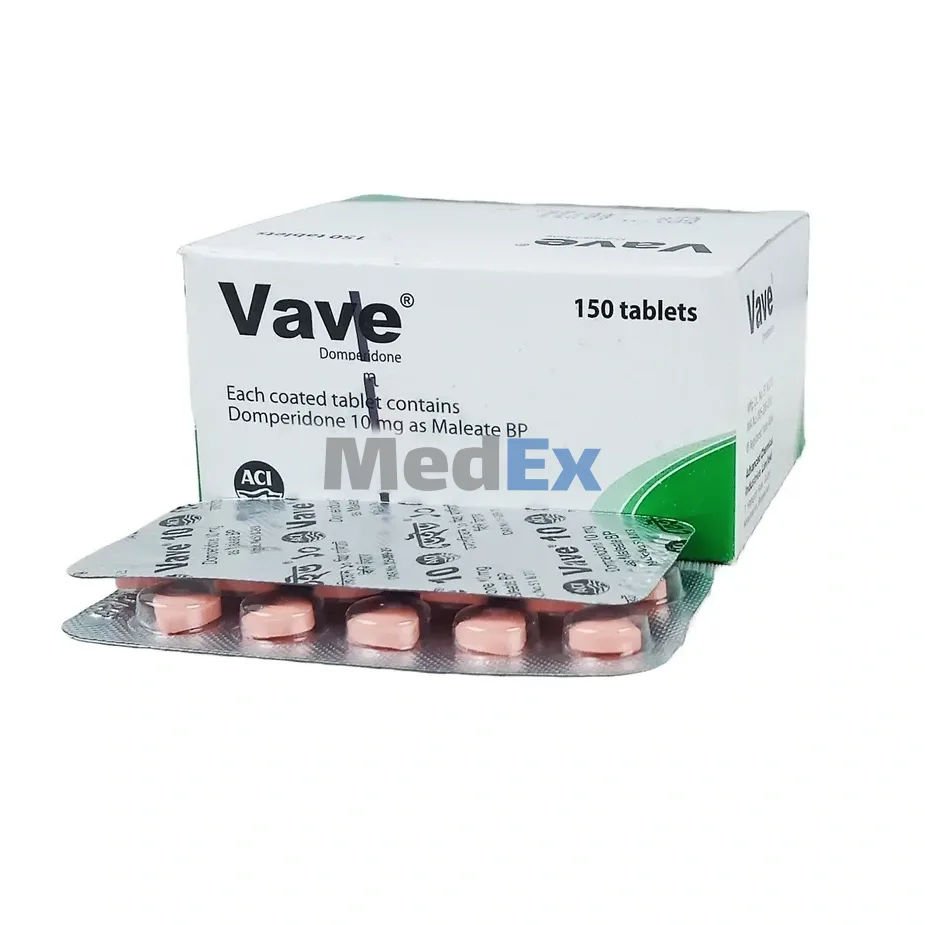
Vave
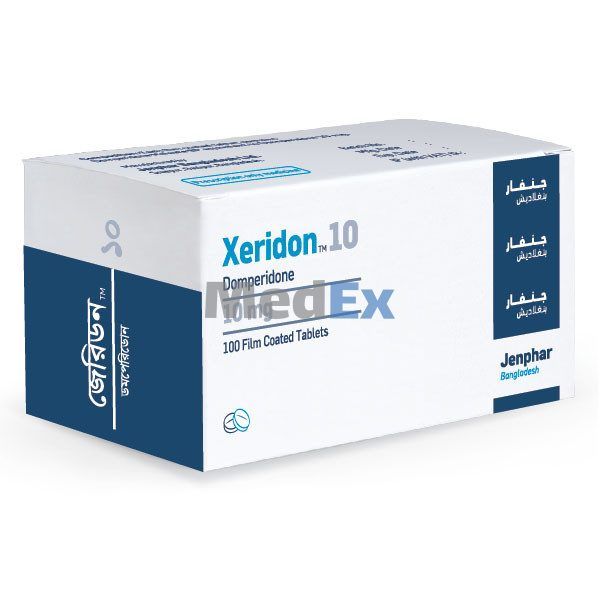
Xeridon
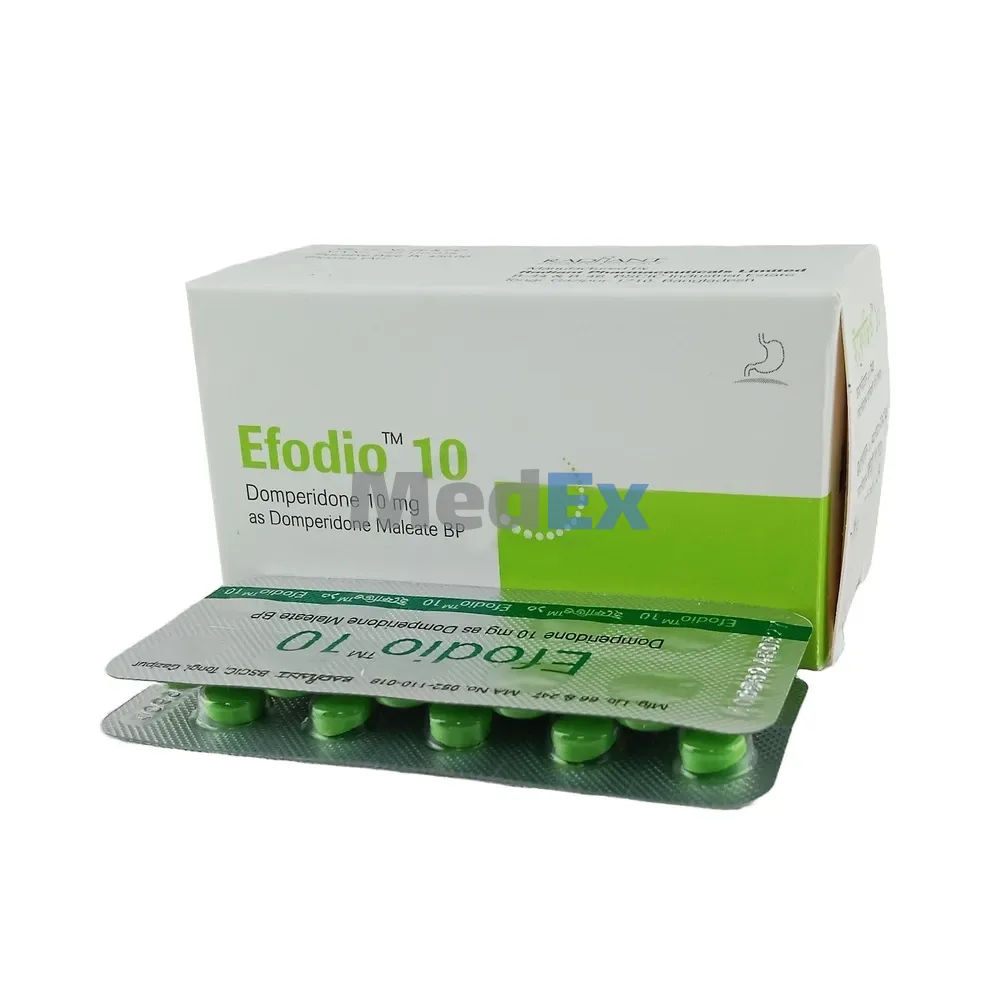
Efodio

Xepadon
Deflux
Loridon
Adorex
Sandom
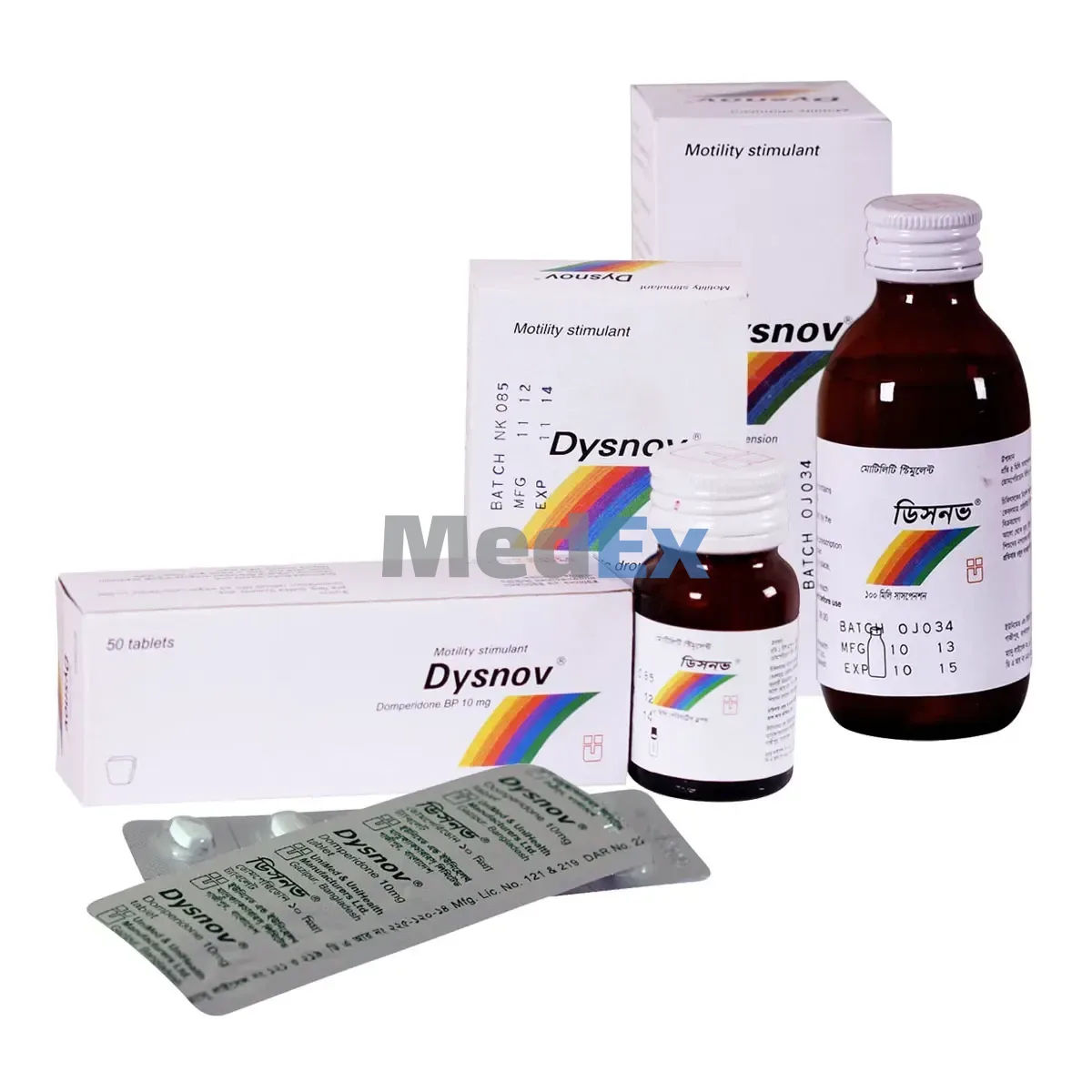
Dysnov
Apuldon
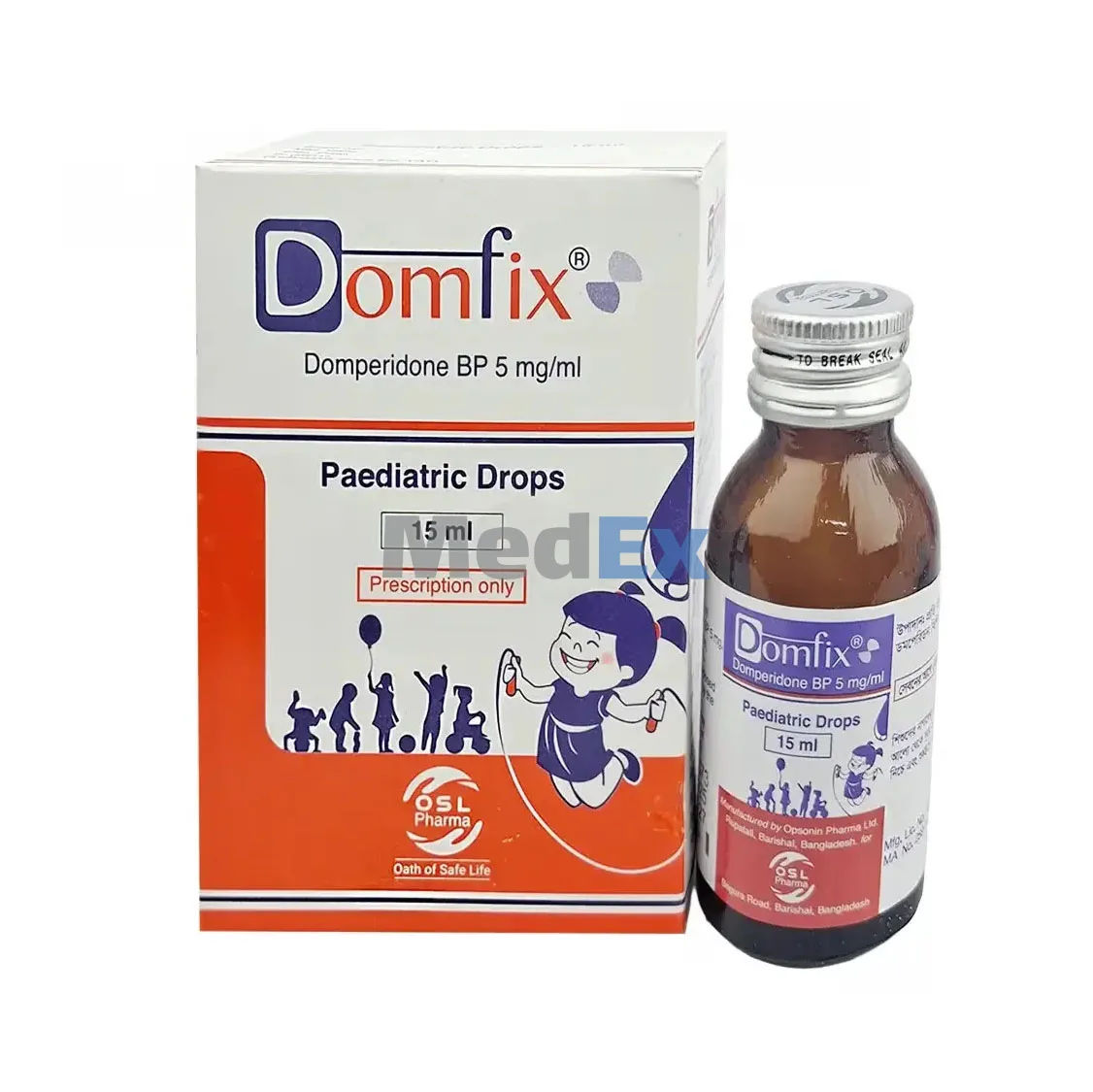
Domfix
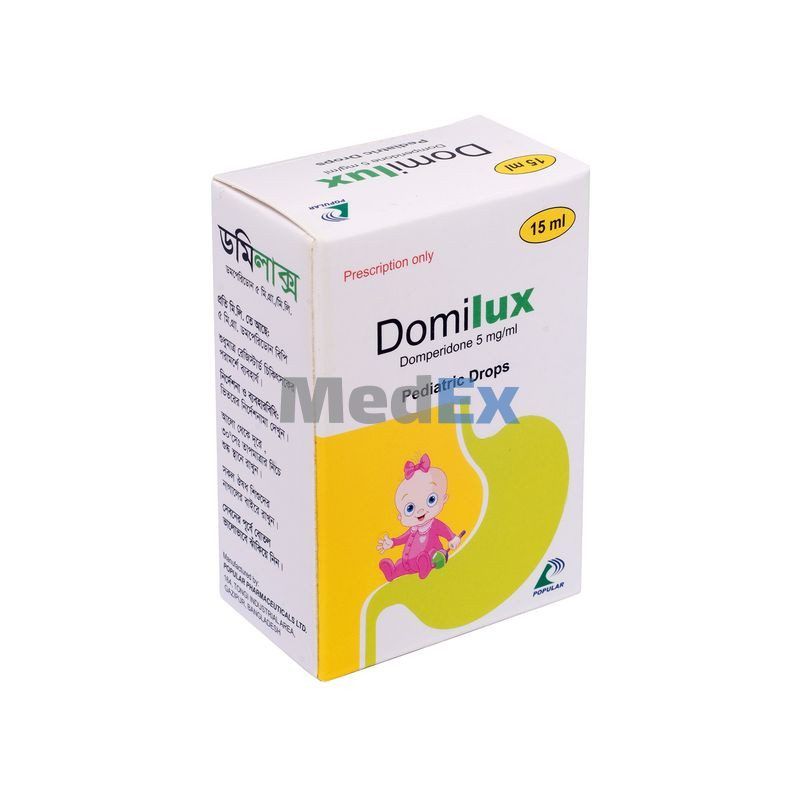
Domilux
Domin
Dominol
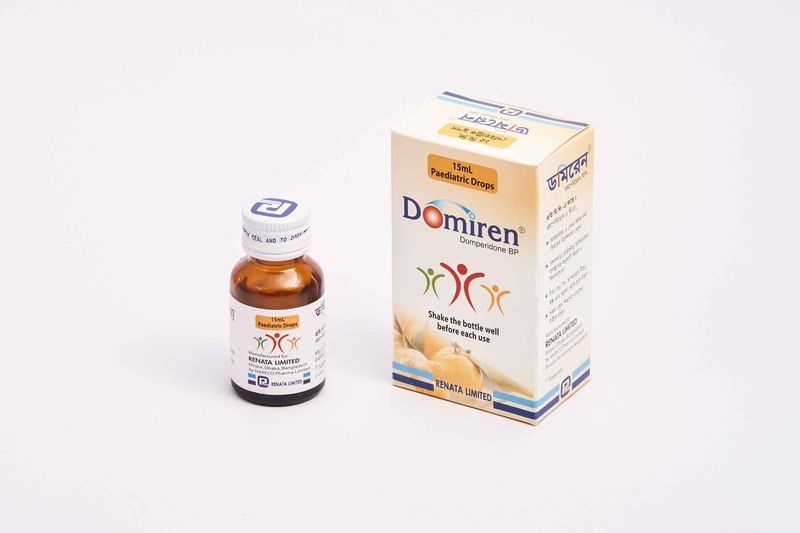
Domiren
Don-A
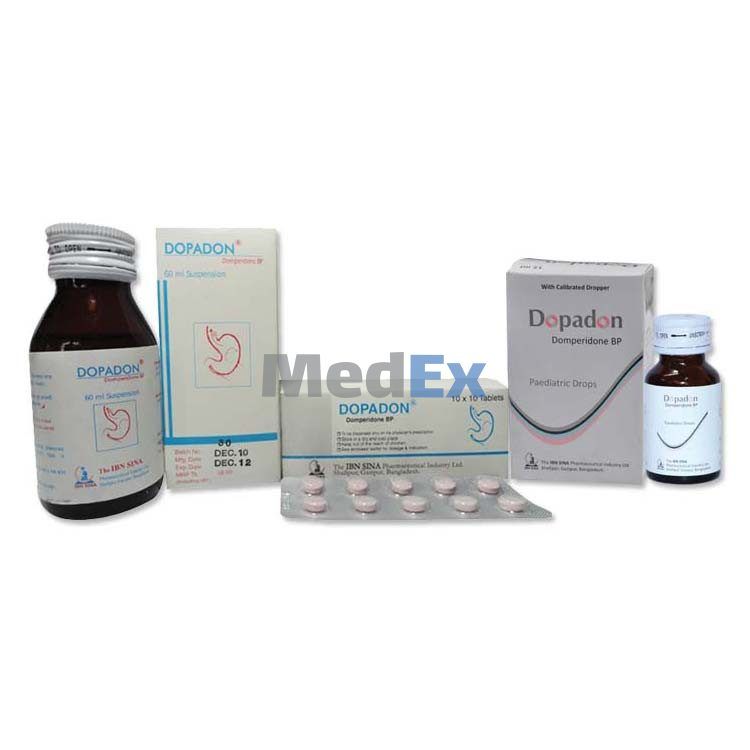
Dopadon
Doridon

Esogut
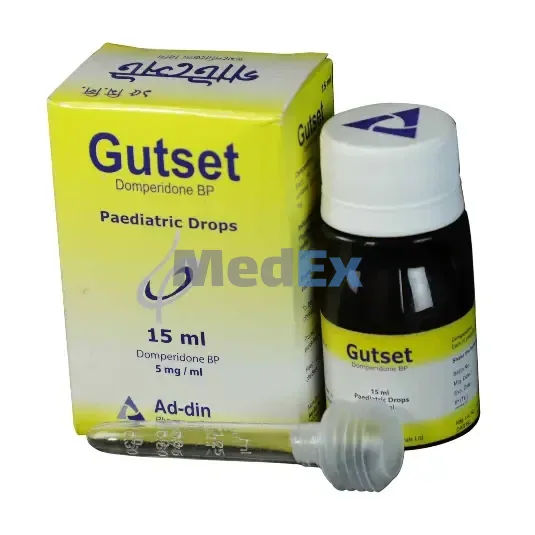
Gutset

Myodon
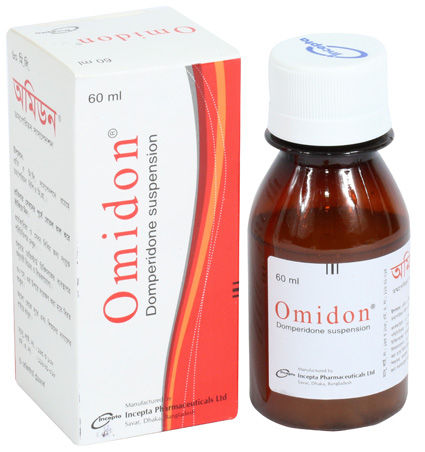
Omidon
Vomitop
Xepadon
Motigut
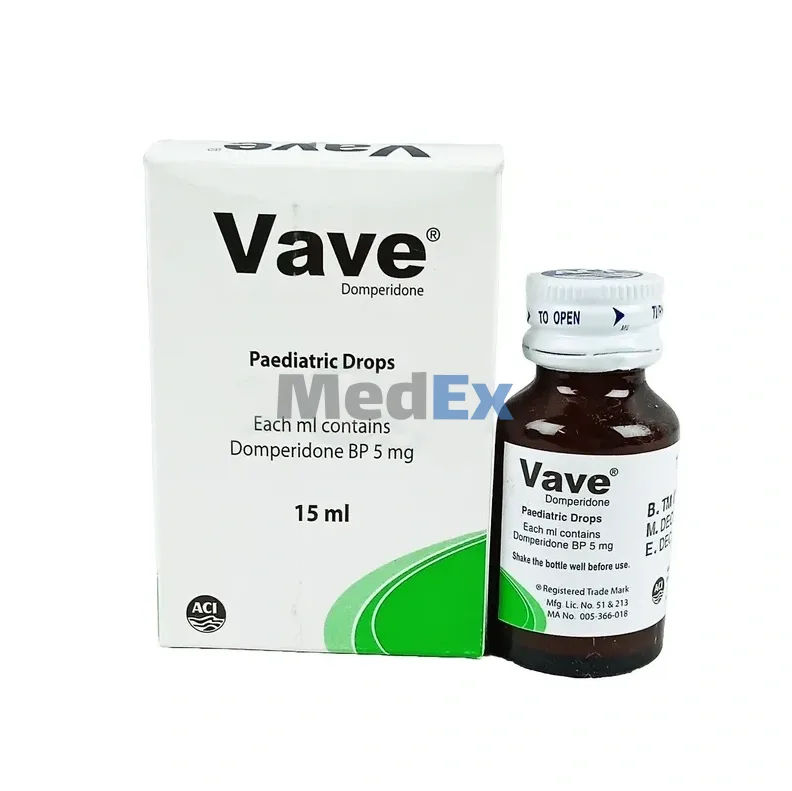
Vave
Apedom
Dominat
P-Don
Adegut
Atidon
Bedom
Beridom
DP-Done
Dedom
Dompa-S
Domperon
Domsil
Domstal
Gidonic
Loridon
Motil
Motiper
Omid
Perigut
Virdon
Vomino
Motigen
Adorex
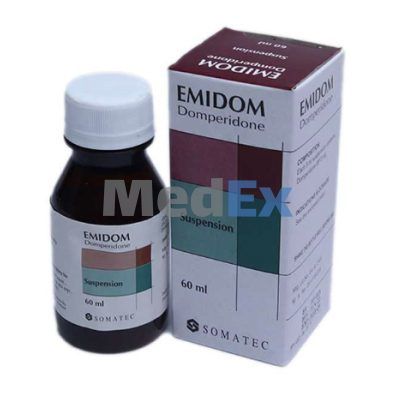
Emidom
Sandom
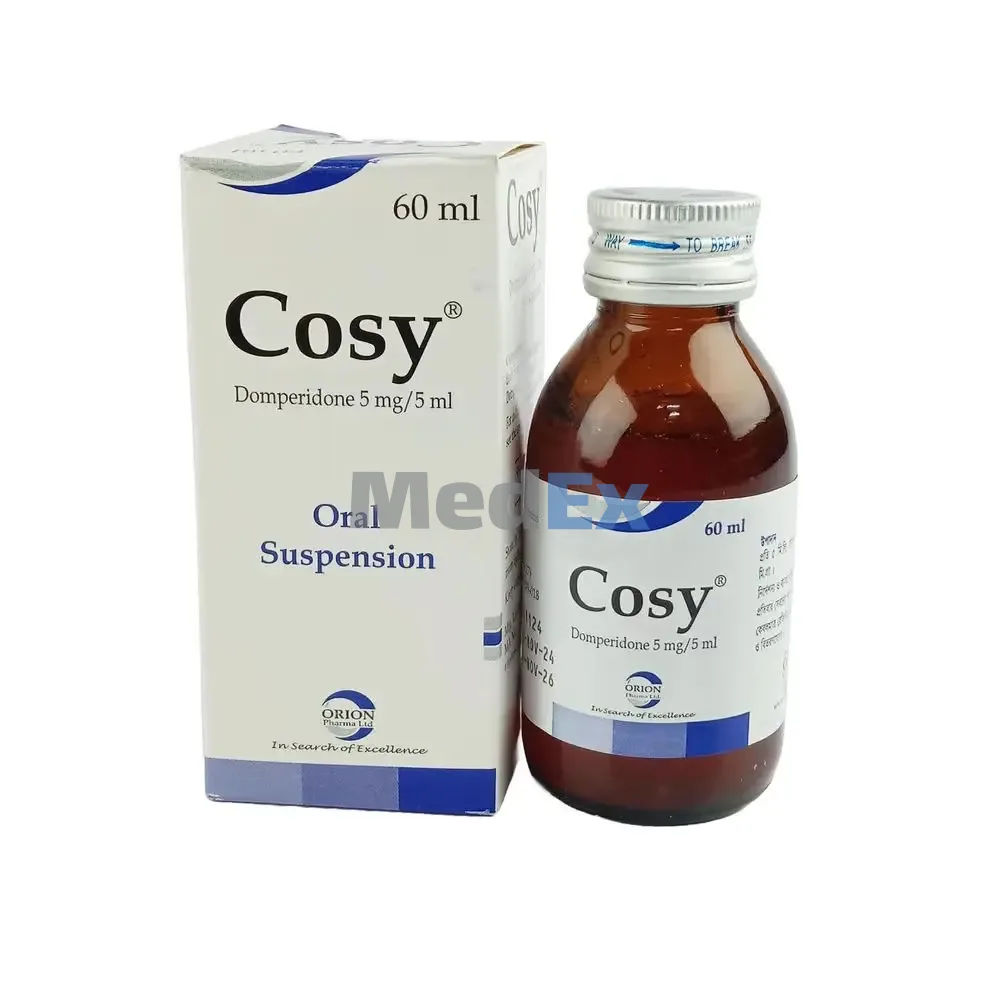
Cosy
Doperon
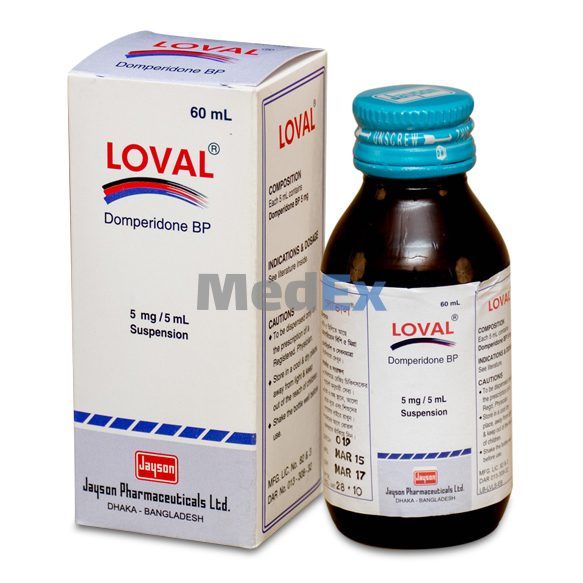
Loval
Domp
Dudon
Gidora
Edone
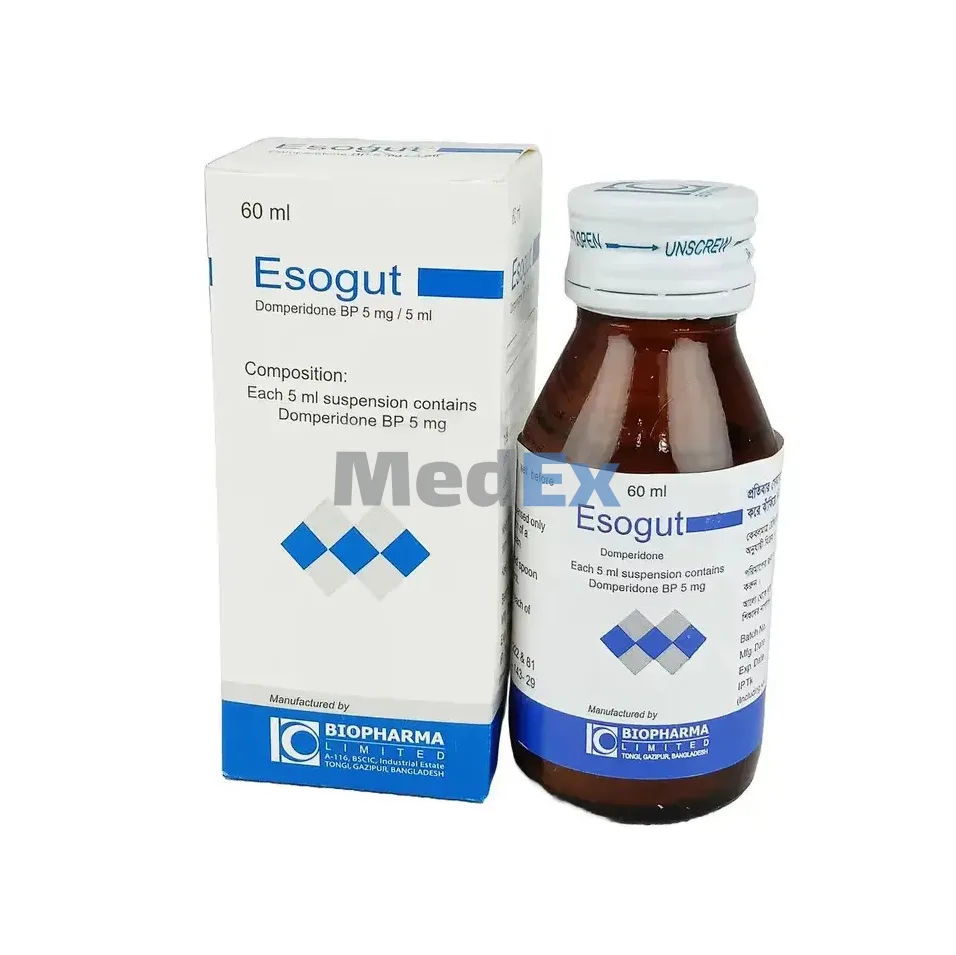
Esogut
Motiwin
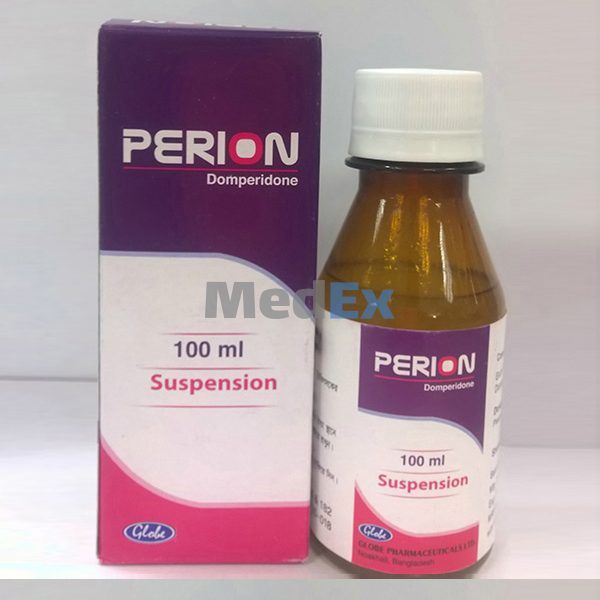
Perion
Anet
Apuldon
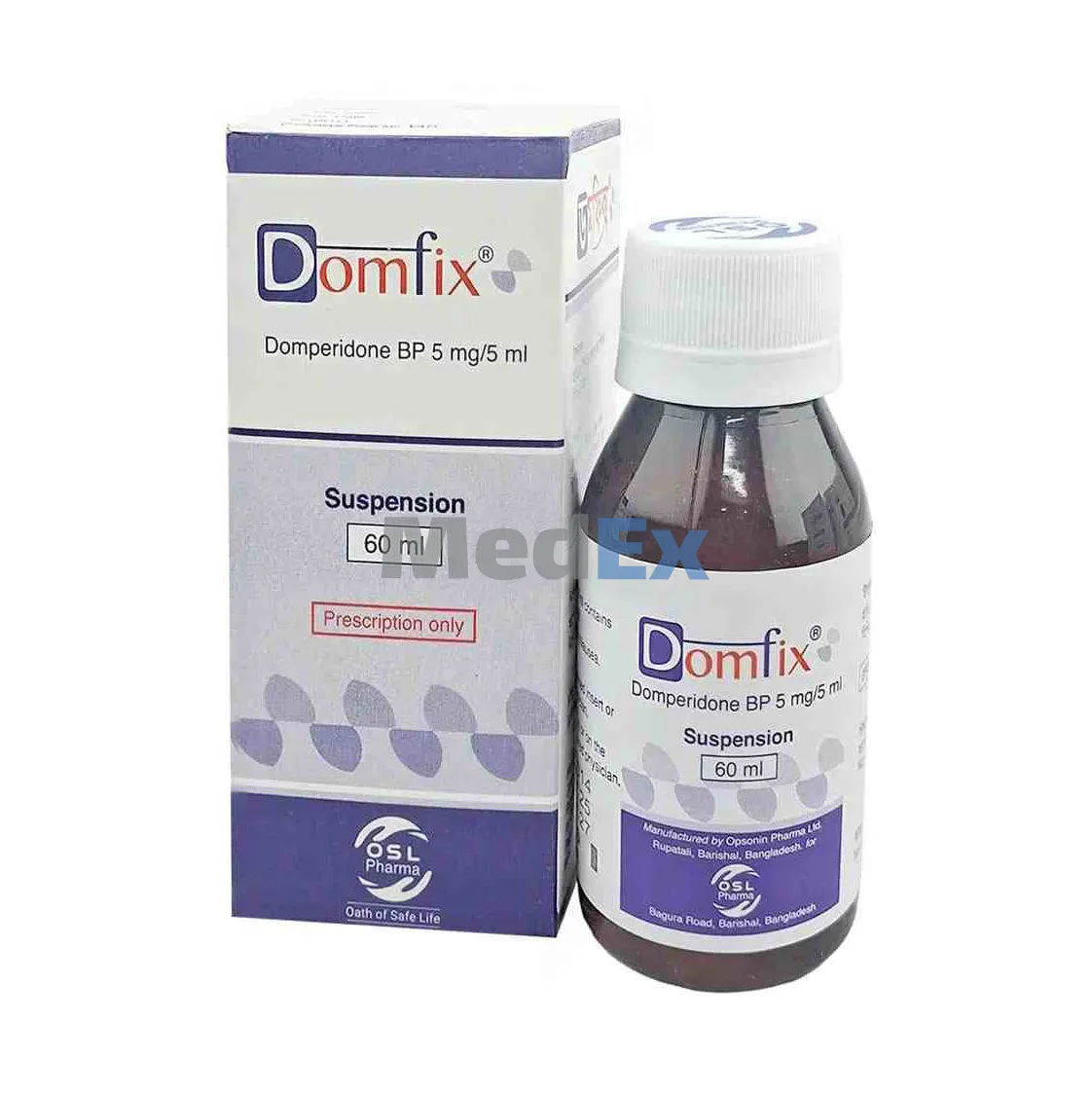
Domfix
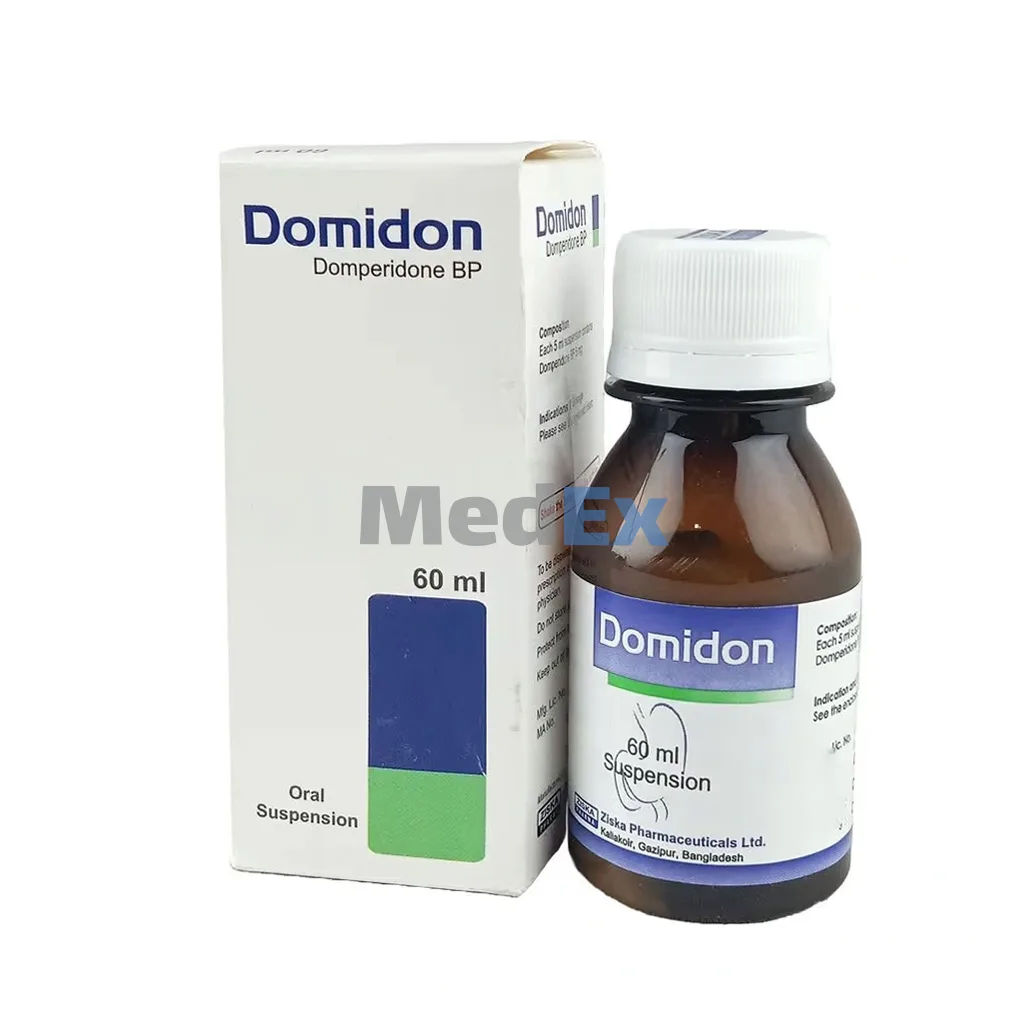
Domidon
Domin
Dominaaf
Dominol
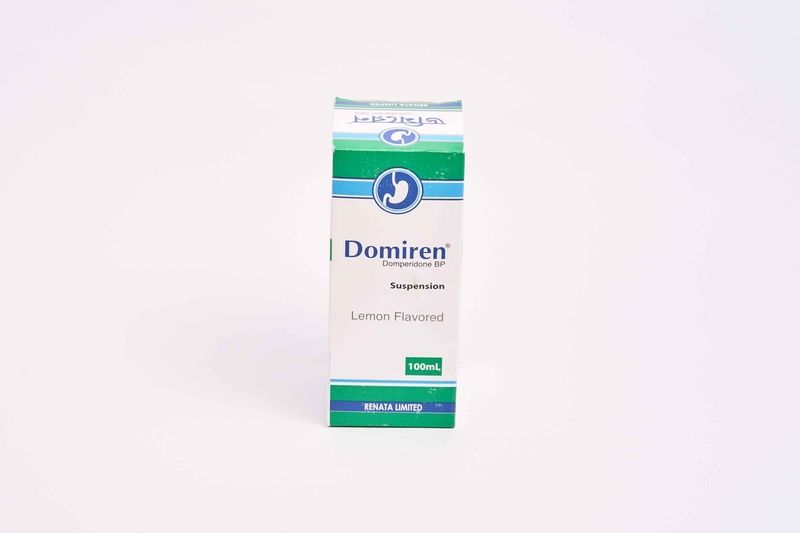
Domiren
Dopagut
Motilium
Peri
Peristal
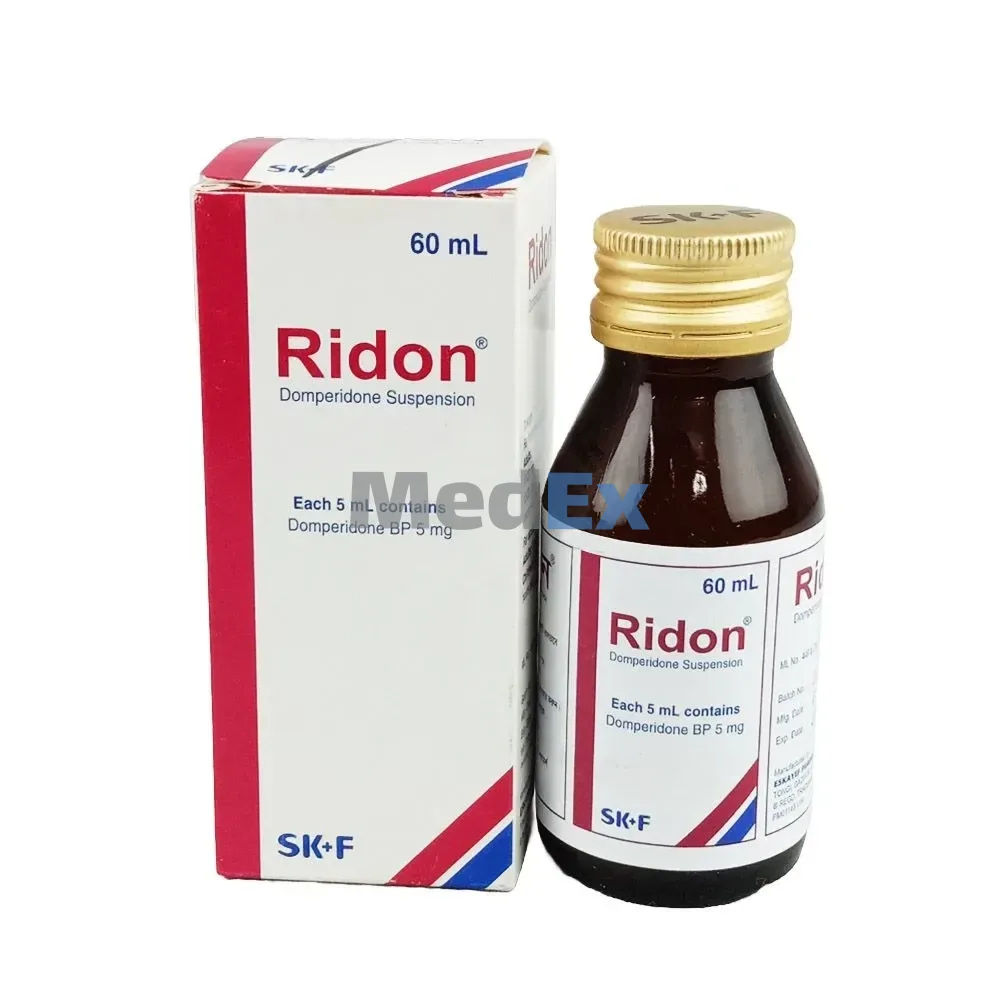
Ridon
Vomitop
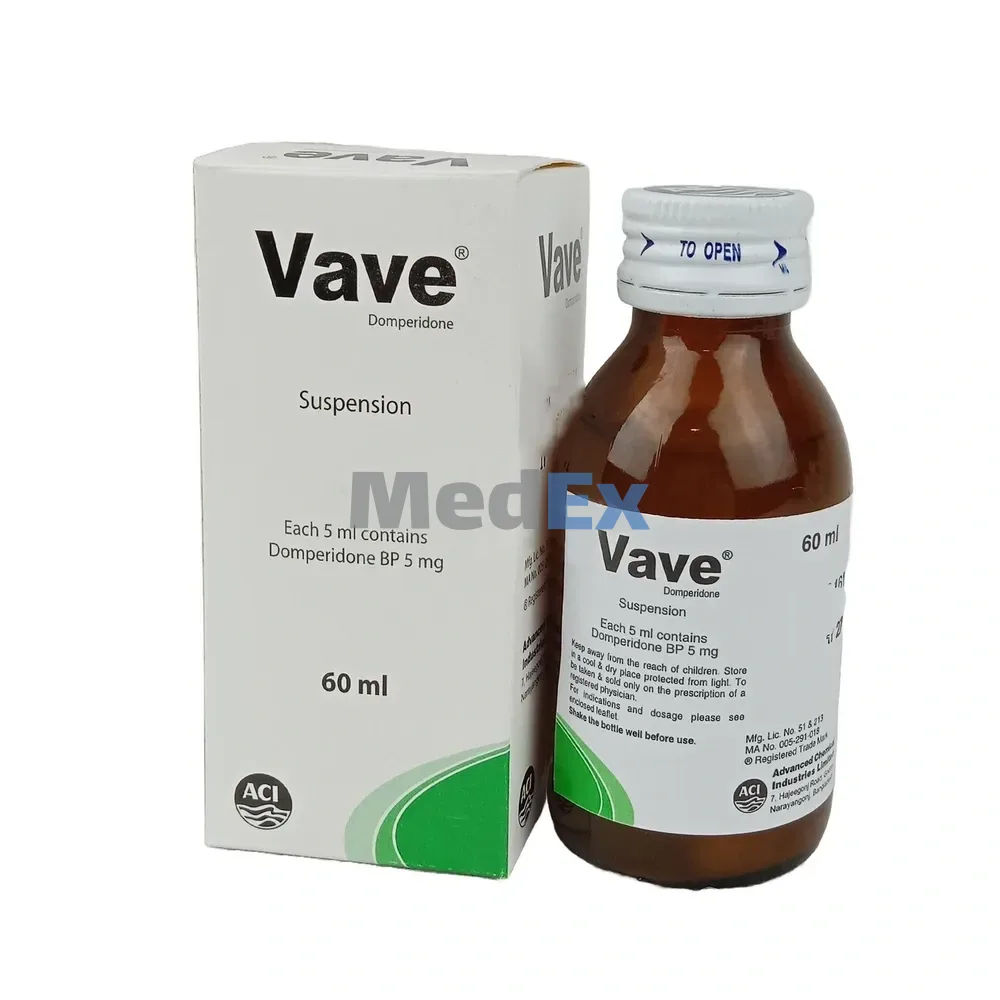
Vave
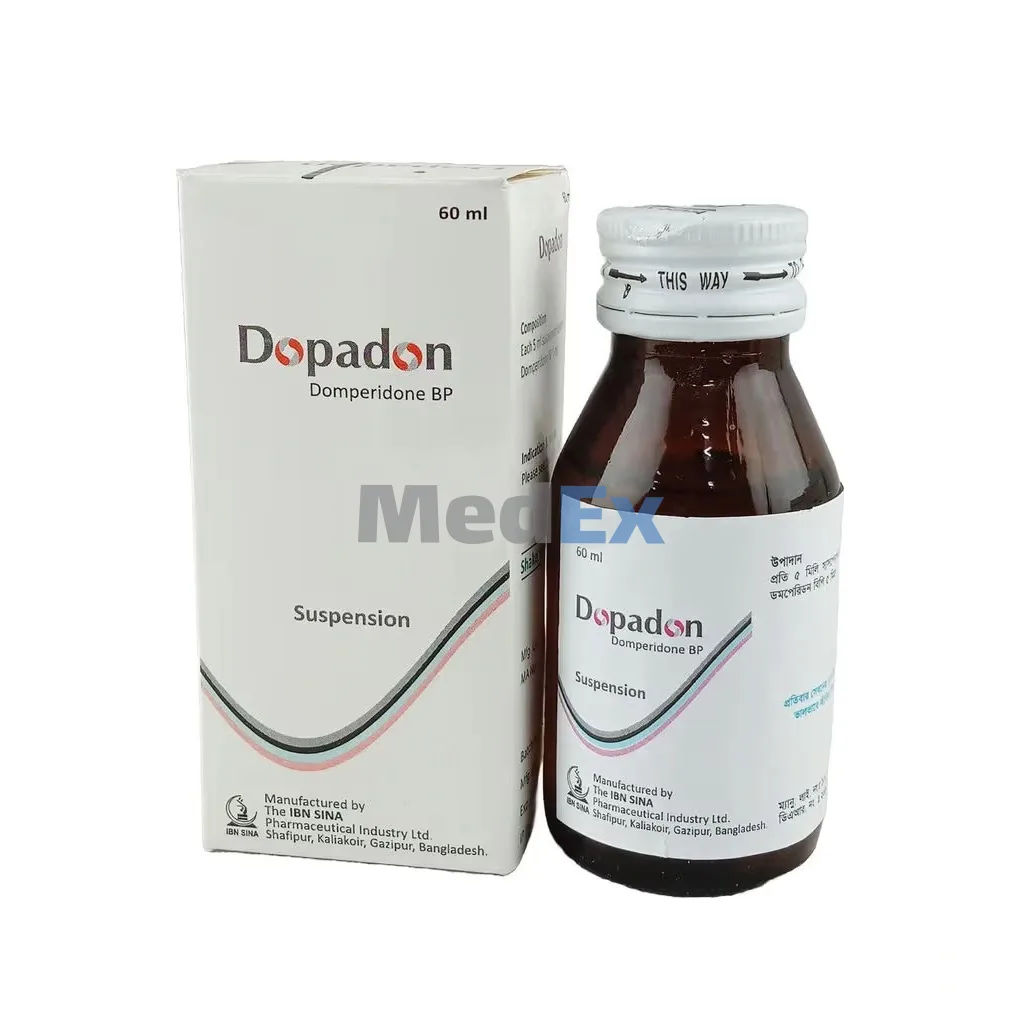
Dopadon
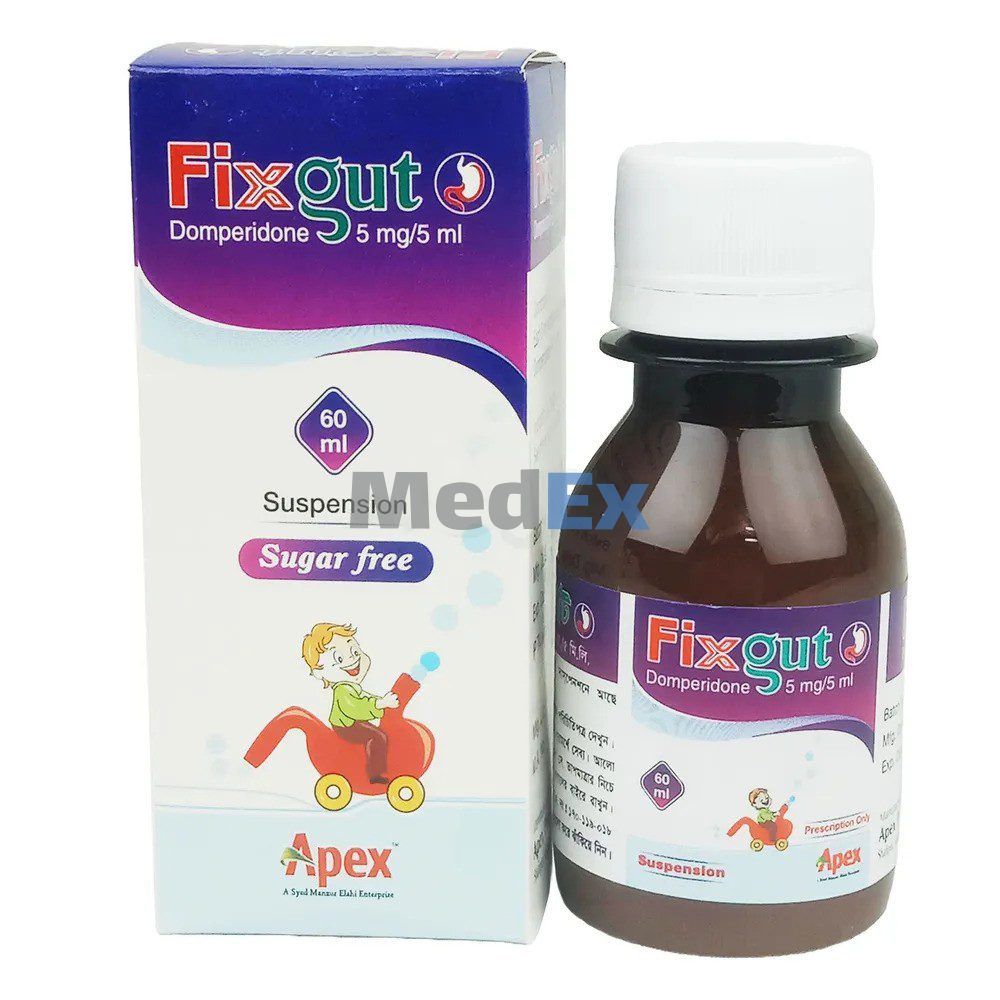
Fixgut
Apidone
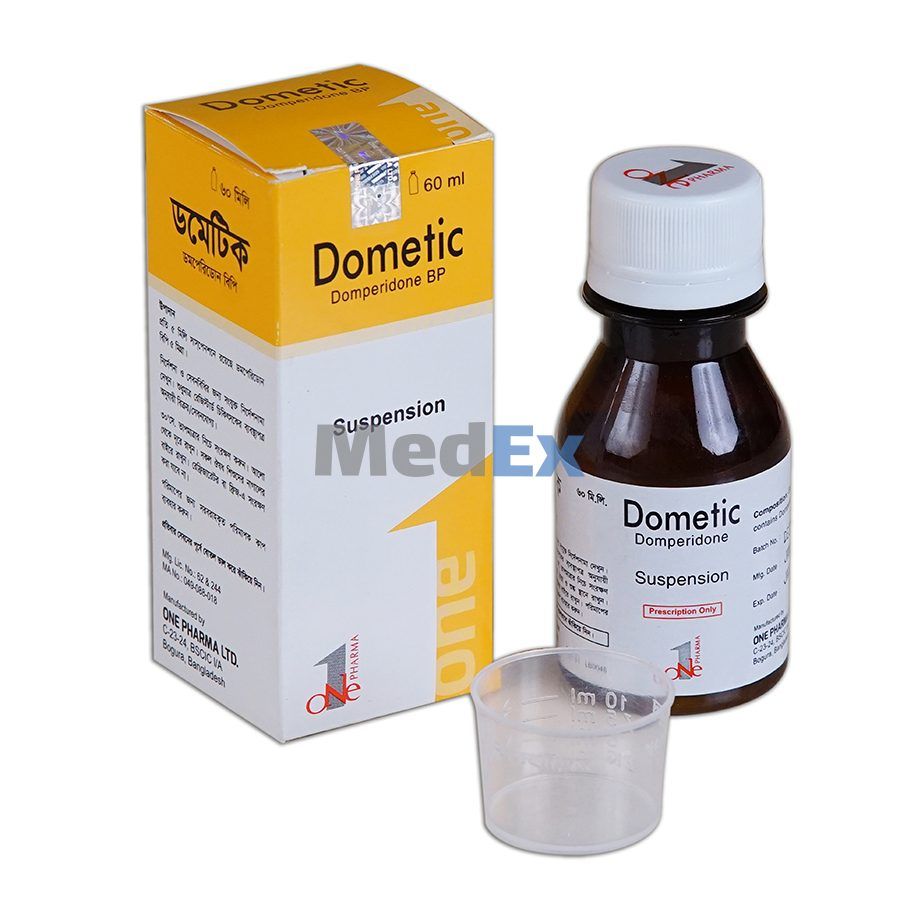
Dometic
Merin
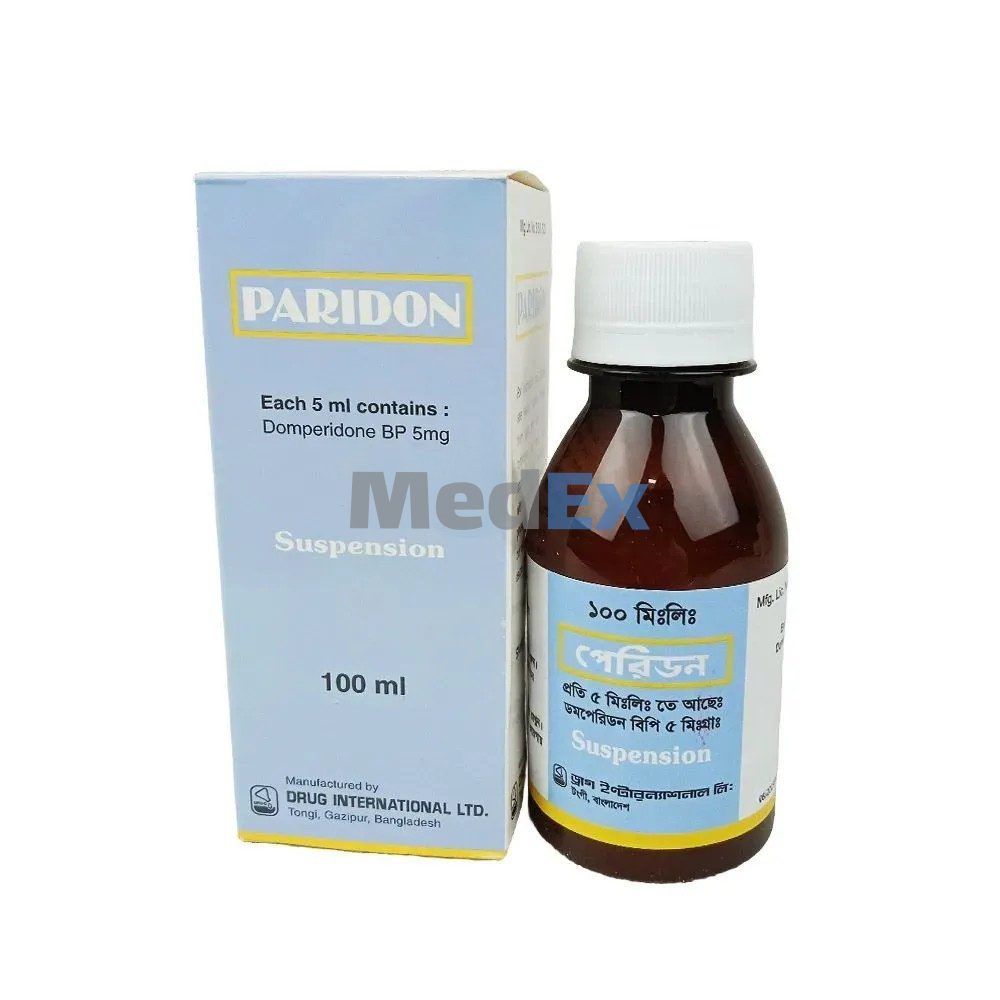
Paridon
Avomit
Benidon
Domaid
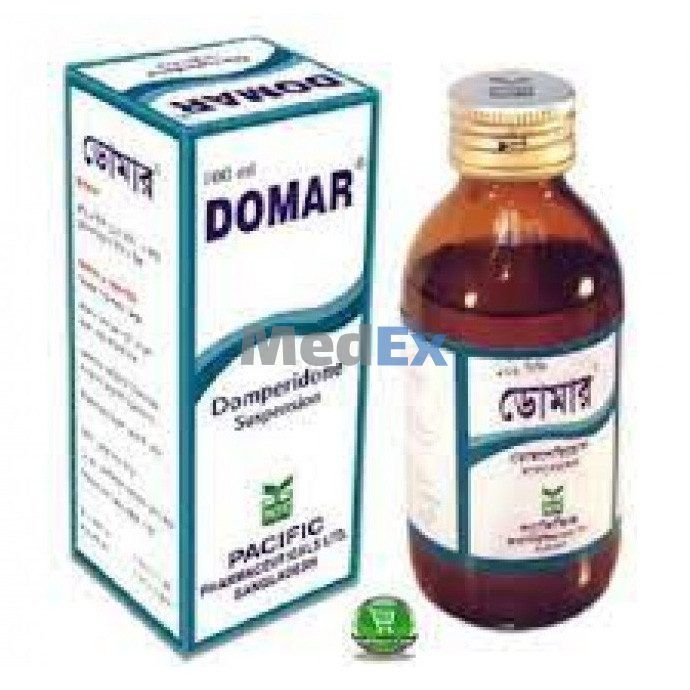
Domar
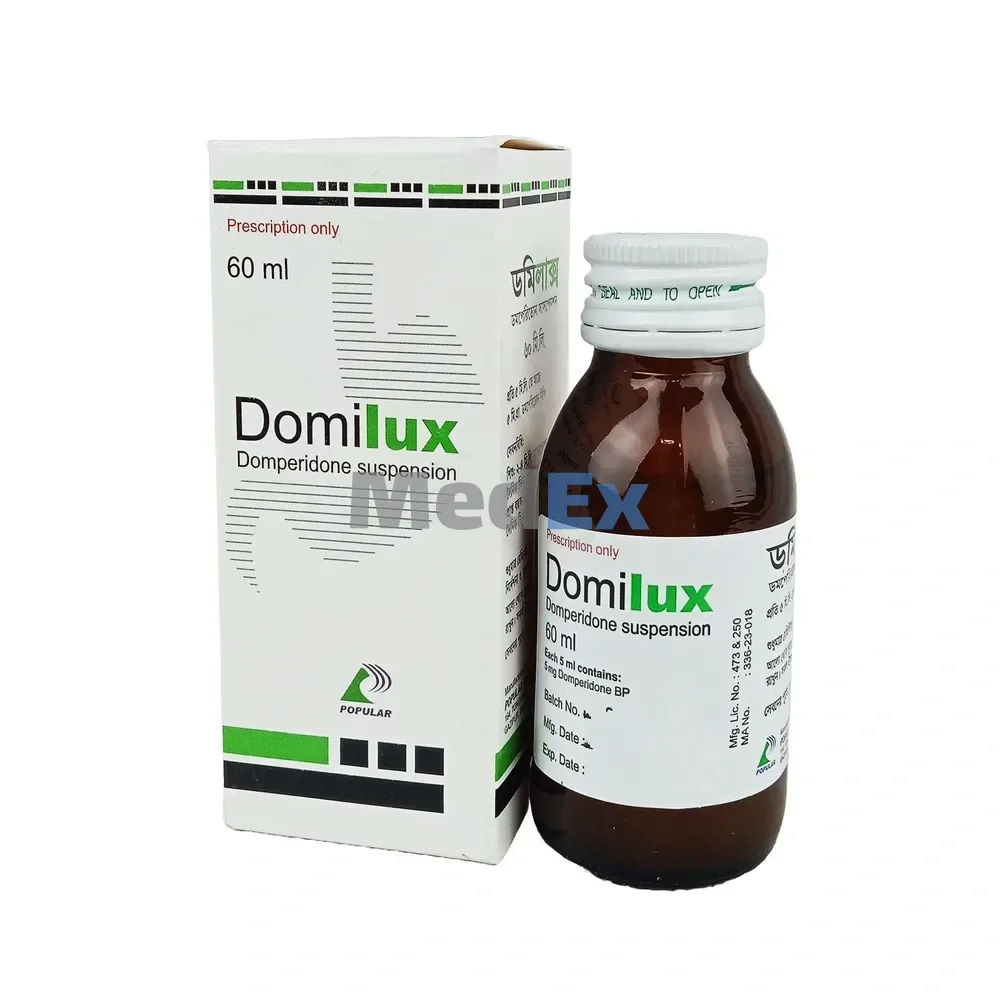
Domilux
Don-A
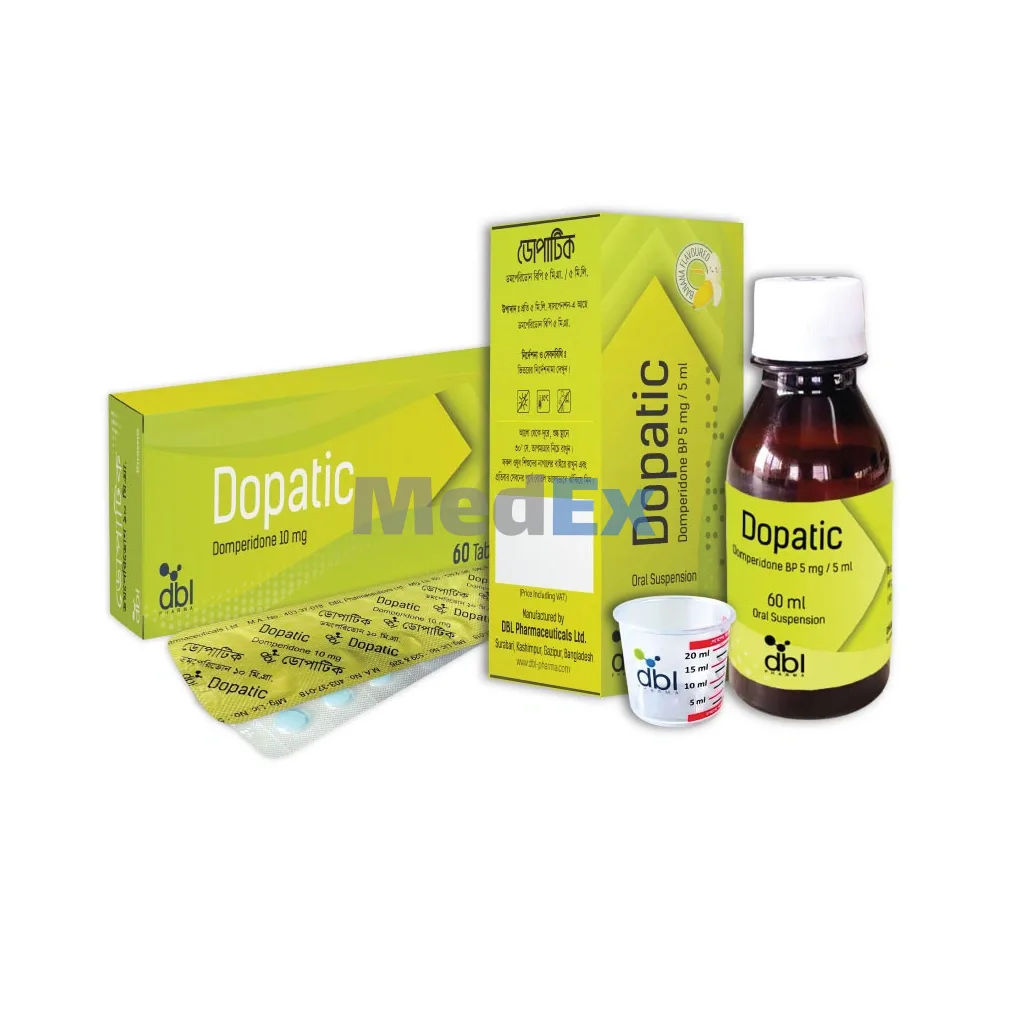
Dopatic
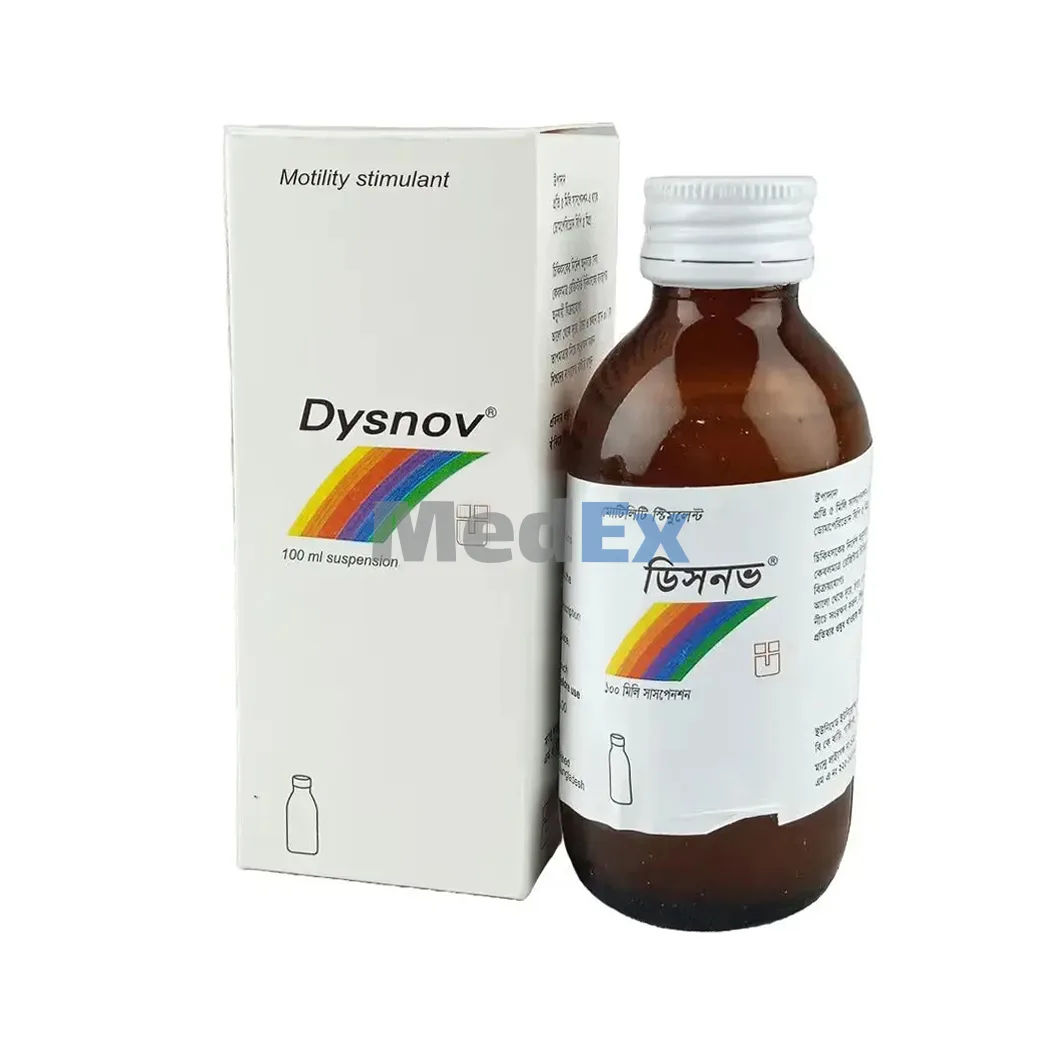
Dysnov
Egut
Motigut
Motilex
Noburn
Normogut
Omidon
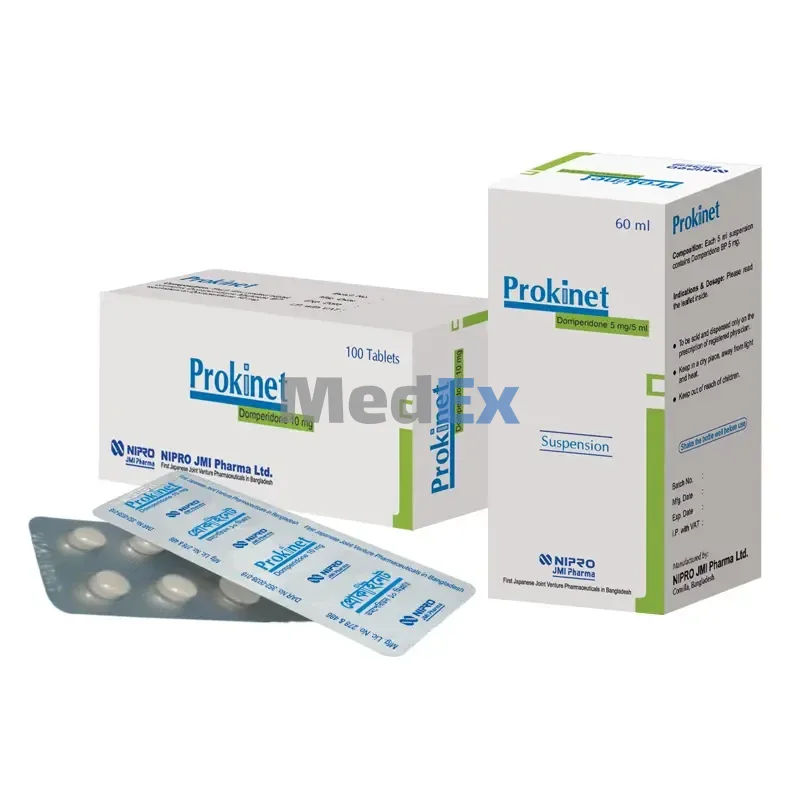
Prokinet
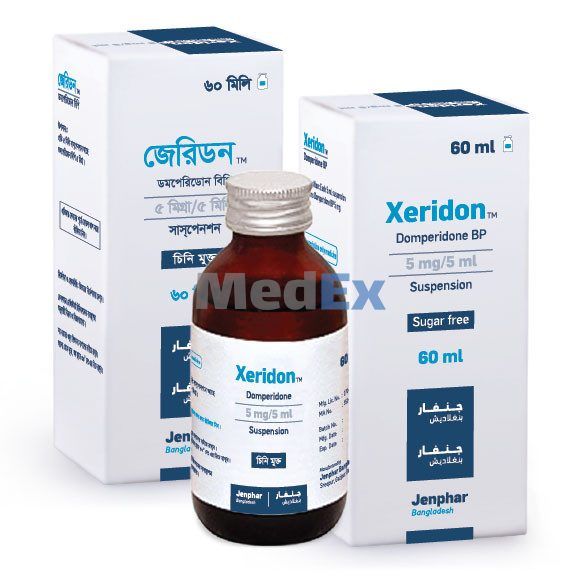
Xeridon
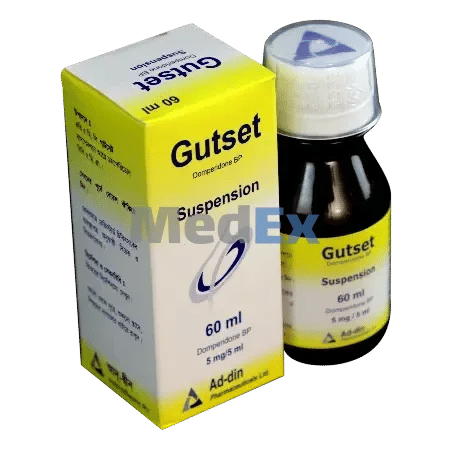
Gutset
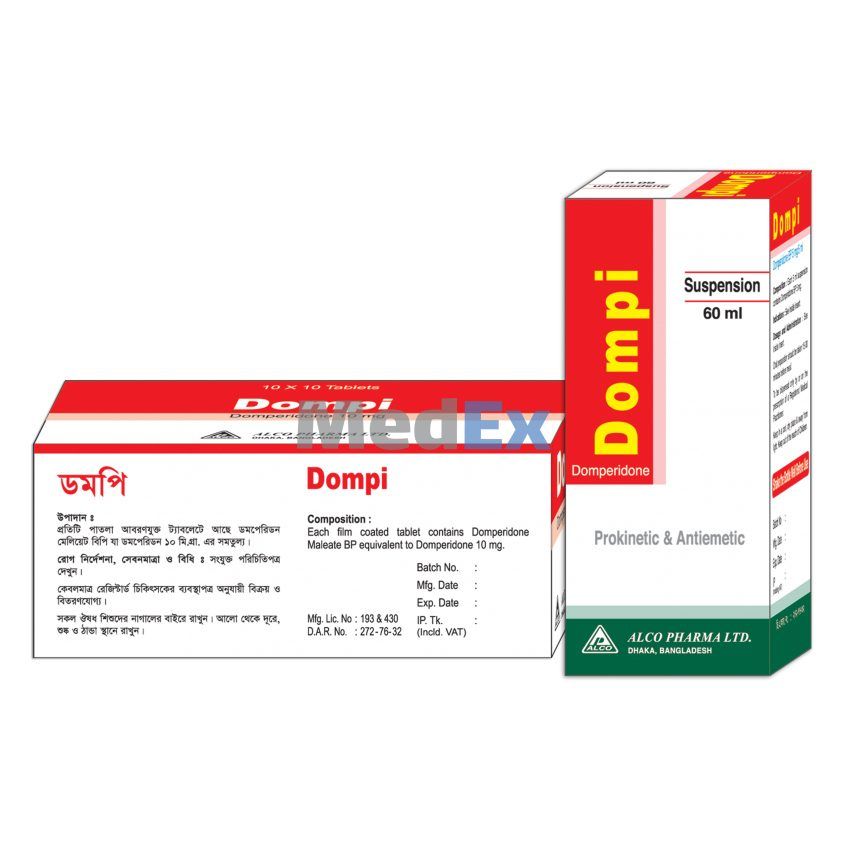
Dompi
Deflux
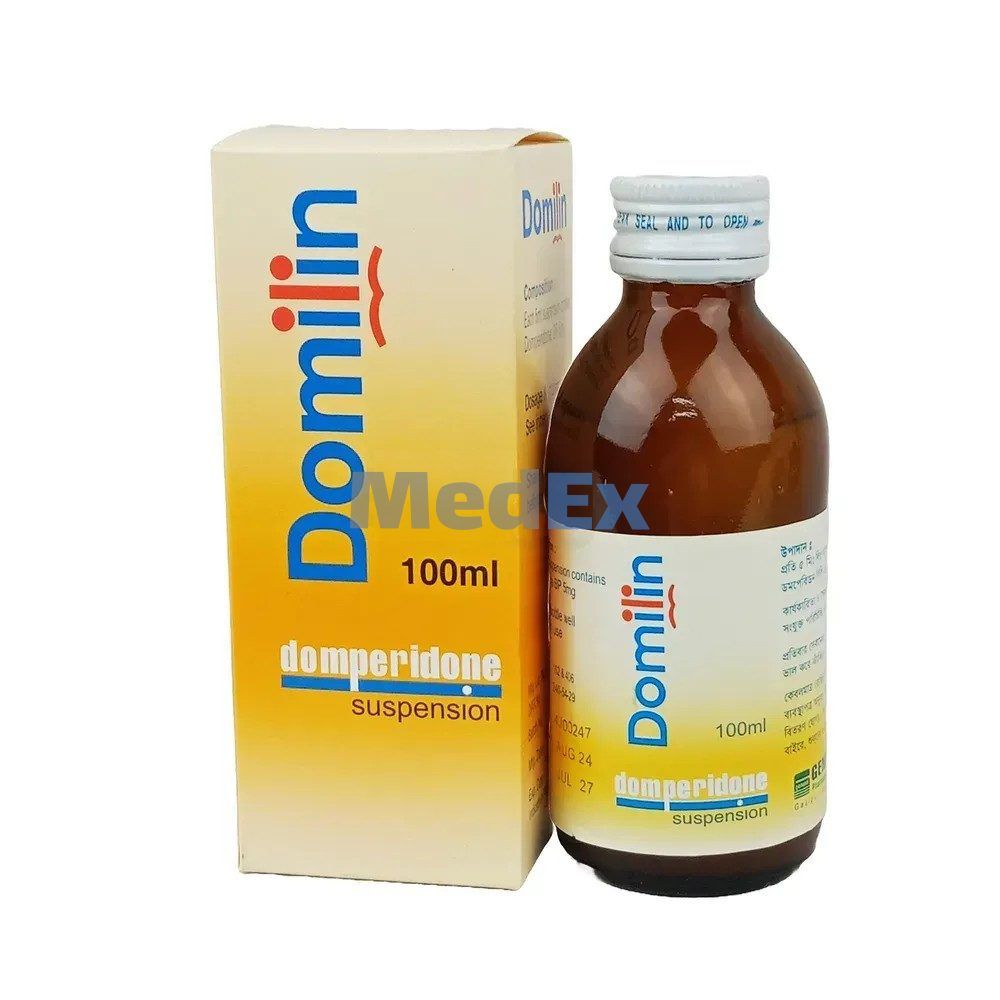
Domilin
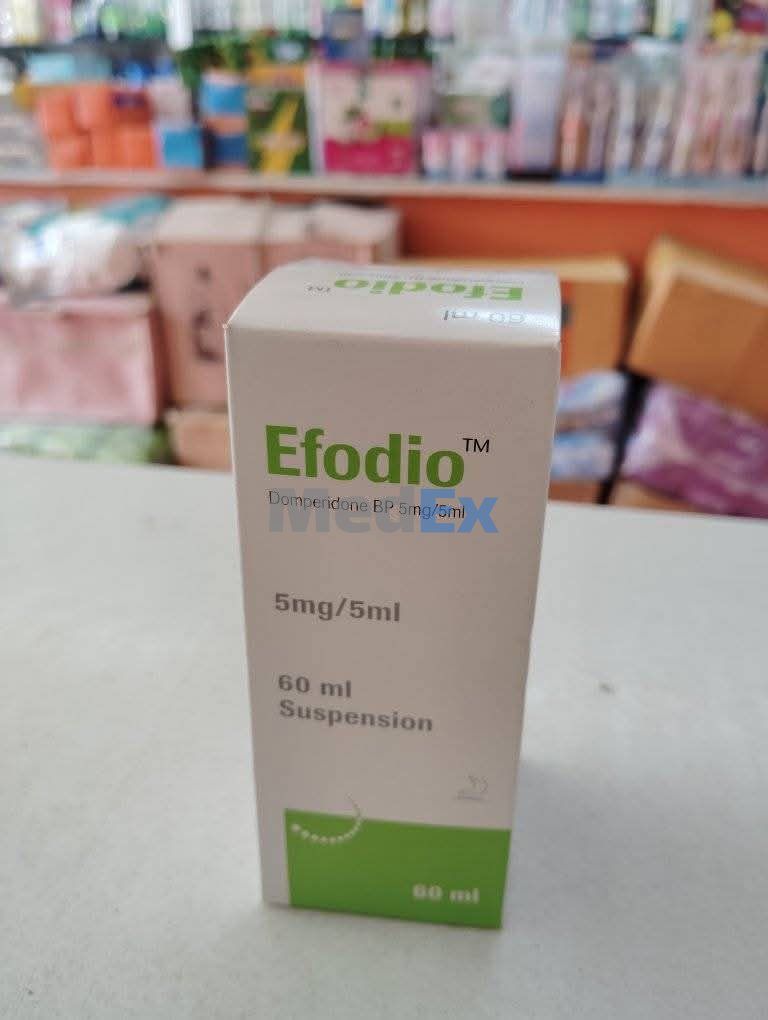
Efodio
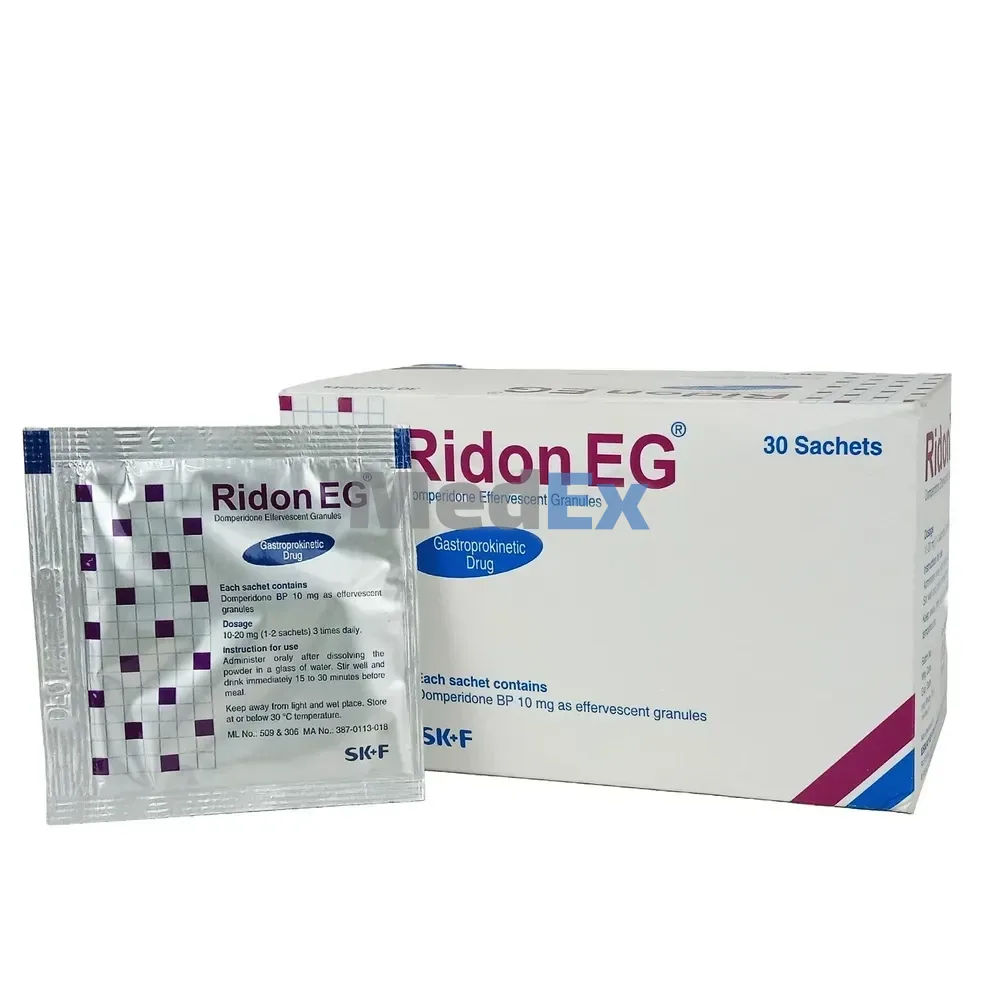
Ridon EG
📖 Official Clinical Monograph
DGDA Approved Prescribing GuidelinesAdegut is indicated in-
Dyspeptic symptom complex
, often associated with delayed gastric emptying, gastroesophageal reflux and esophagitis:
Epigastric sense of fullness, feeling of abdominal distension, upper abdominal pain
Eructation, flatulence, early satiety
Nausea and vomiting
Heartburn with or without regurgitations of gastric contents in the mouth
Non-ulcer dyspepsia
Acute nausea and vomiting
of the functional, organic, infectious, dietetic origin or induced by radiotherapy or drug therapy or induced in migraine.
Parkinson's disease
: In dopamine-agonist induced nausea and vomiting.
Radiological studies
: Speeding barium transit in follow-through radiological studies.
Domperidone should be taken 15-30 minutes before meals and, if necessary, before retiring.
The usual recommended oral dose of Domperidone is as follows:
Adults
: 10-20 mg (1-2 tablet or 10-20 ml suspension), every 6-8 hours daily. The maximum dose of Domperidone is 80 mg daily.
Children
: 2-4 ml suspension/10 kg body weight or 0.4-0.8 ml paediatric drops/10 kg body weight, every 6-8 hours daily.
In dyspeptic symptom:
Adults
: 10-20 mg (1-2 tablet or 10-20 ml suspension), every 6-8 hours daily.
Children
: 0.2-0.4 mg/kg (2-4 ml suspension/10 kg or 0.4-0.8 ml paediatric drops/10 kg) body weight, every 6-8 hours daily.
In acute and sub-acute conditions (mainly in acute nausea and vomiting):
Adults
: 20 mg (2 tablets or 20 ml suspension), every 6-8 hours daily
Children
: 0.2-0.4 mg/kg (2-4 ml suspension/10 kg or 0.4-0.8 ml paediatric drops/10 kg) body weight, every 6-8 hours daily. (In acute nausea and vomiting maximum period of treatment is 12 weeks).
By rectum in suppositories:
Adults (including elderly)
: 30-60 mg every 4-8 hours.
Children
: The maximum daily dose rectally in children's is 30 mg for those weighting 10 to 25 kg. The dose may be divided throughout day if necessary.
The maximum period of treatment is 12 weeks.
Domperidone is contraindicated to patients having known hypersensitivity to this drug and in the case of neonates. Domperidone should not be used whenever gastrointestinal stimulation might be dangerous i.e., gastrointestinal hemorrhage, mechanical obstruction or perforation. Also contraindicated in patients with prolactin releasing pituitary tumor (prolactinoma).
Side-effects are rare; exceptionally some transient intestinal cramps have been reported. Extrapyramidal phenomena are rare in young children and exceptional in adults: they reverse spontaneously and completely as soon as the treatment is stopped. As the pituitary gland is located outside the blood-brain barrier, domperidone may induce an increase in the plasma prolactin level. In rare case this hyperprolactinaemia may give rise to neuroendocrinological phenomena such as galactorrhoea and gynaecomastia. When the blood-brain barrier is immature (as in infants) or impaired, the possible occurrence of neurological side-effects cannot be totally excluded. Rare allergic reactions, such as rash and urticaria, have also been reported.
Adegut should be used with absolute caution in the case of children because there may be an increased risk of extra-pyramidal reactions in young children because of an incompletely developed blood-brain barrier. Since domperidone is highly metabolized in liver, it should be used with caution in patient with hepatic impairment.
Domperidone is a dopamine antagonist that principally blocks the dopamine receptors located in the ChemoreceptorTrigger Zone (CTZ) and stomach. Its gastroprokinetic action is based on its blocking effect of dopamine receptors that have an influence on the motility of the gastrointestinal tract. Due to its weak penetration across the blood-brain barrier, Domperidone has almost no effect on the dopaminergic receptors in the brain, therefore, excluding psychotropic and neurologic side effects. Domperidone restores normal motility and tone of the upper gastrointestinal tract, facilitates gastric emptying, enhances antral and duodenal peristalsis and regulates contraction of the pylorus. Domperidone also increases esophageal peristalsis and lower esophageal sphincter pressure, and thus prevents regurgitation of gastric content.