Dextrose
💊 Brand Formulations & Prices
21 brands sorted by unit price
Dextrose
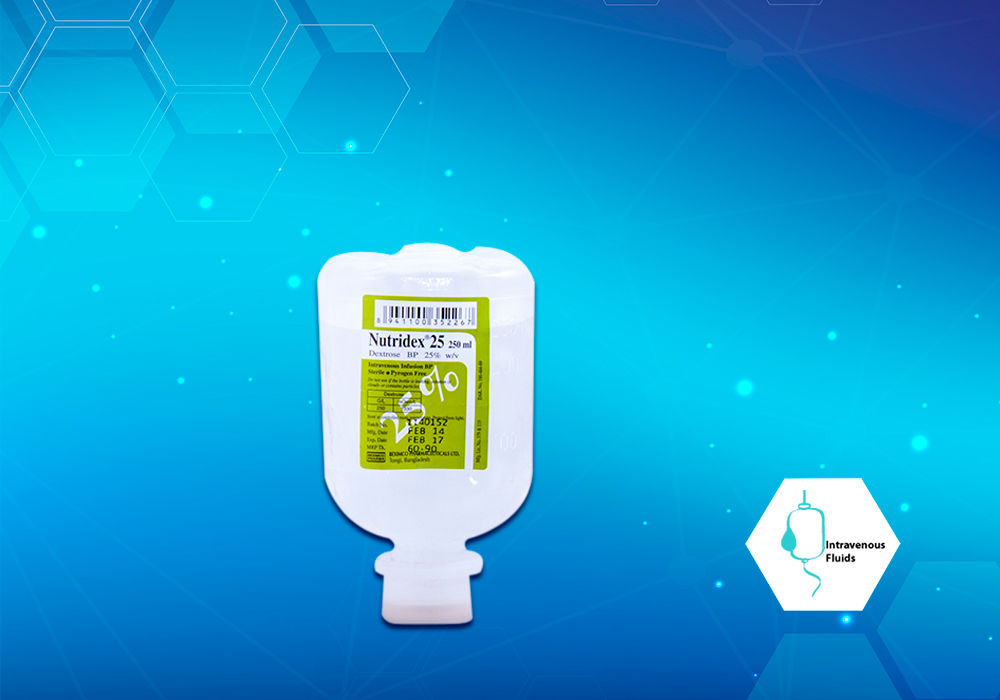
Nutridex
G-Dextrose
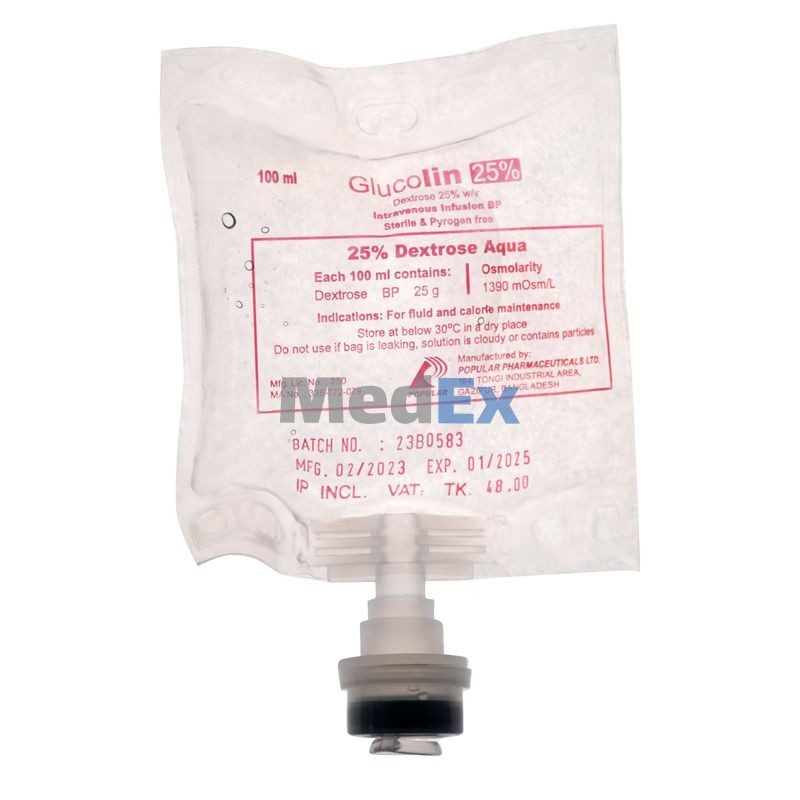
Glucolin
Dextropac
Libott
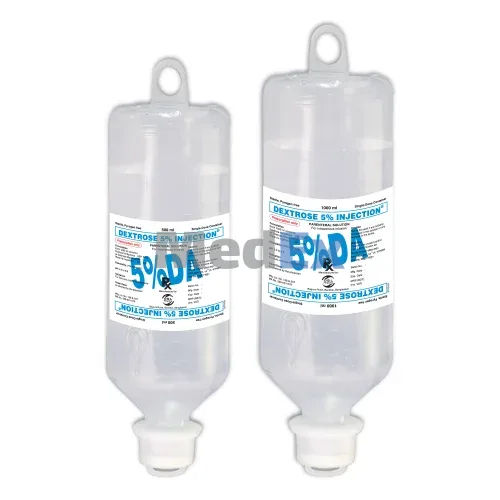
Dextrose
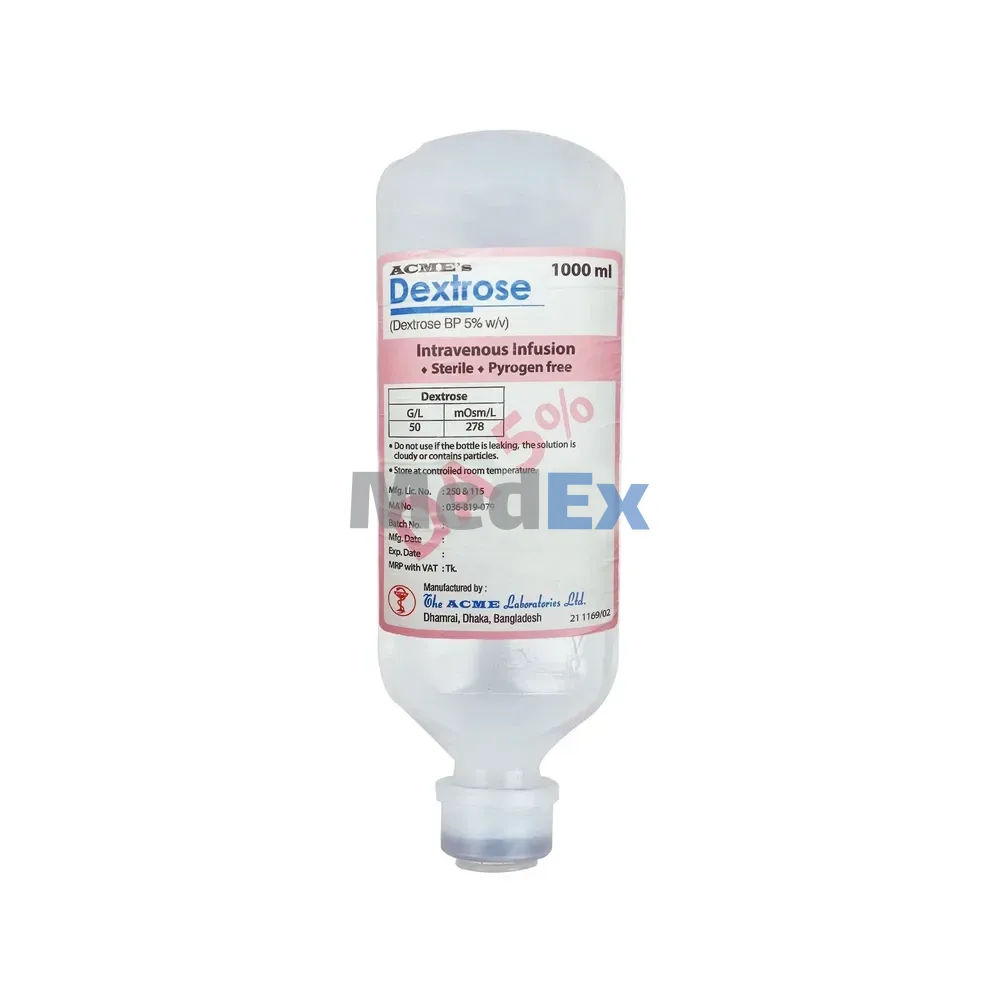
Acme's Dextrose
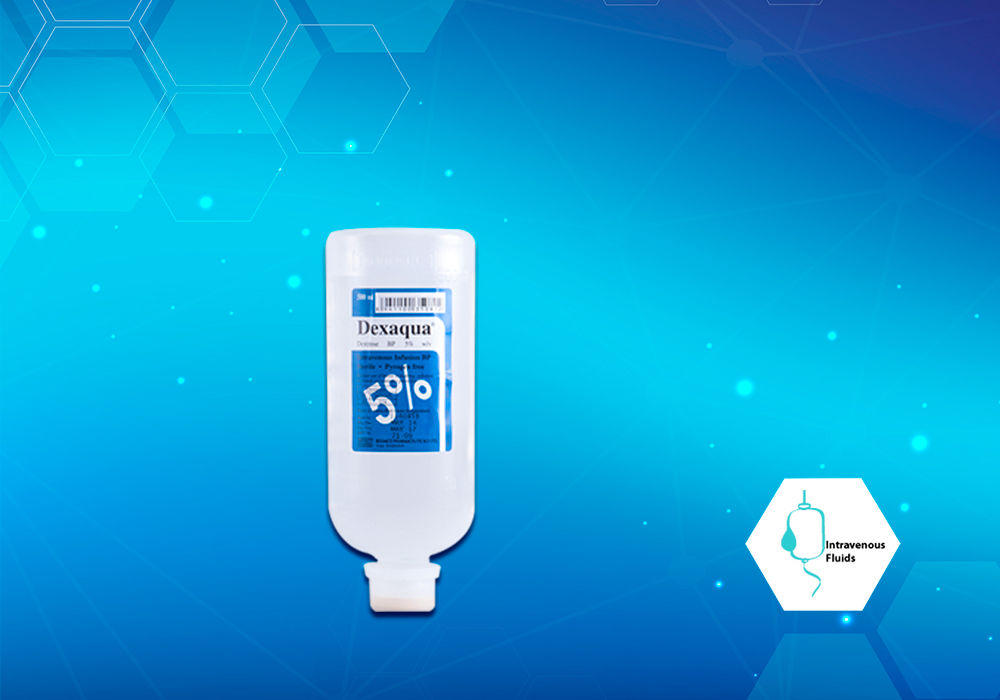
Dexaqua
Dextropac
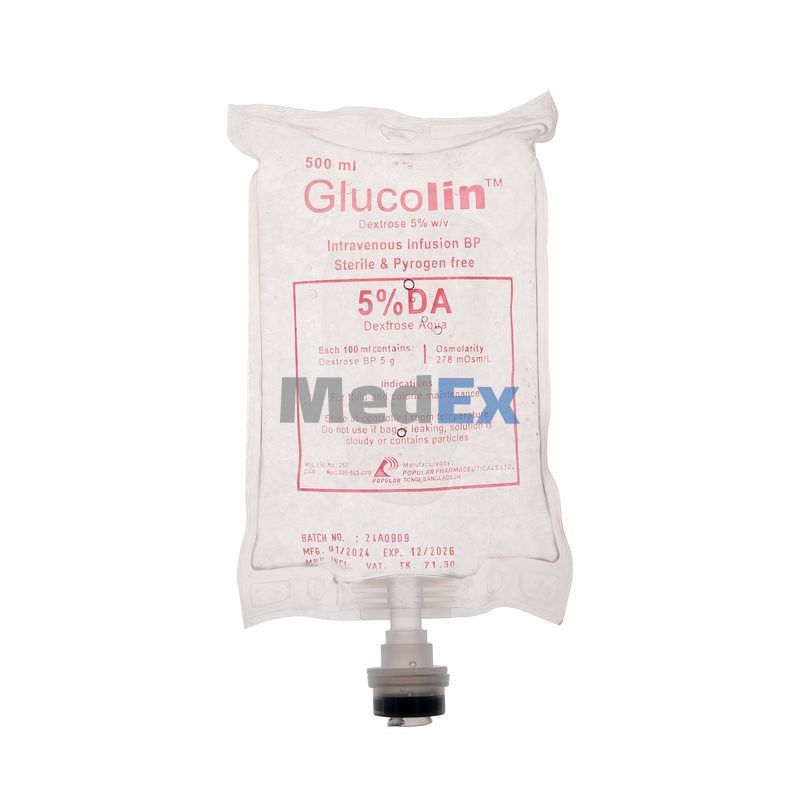
Glucolin
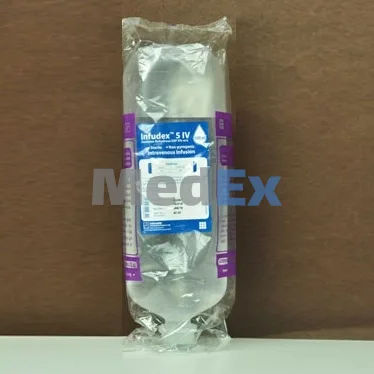
Infudex
Libott
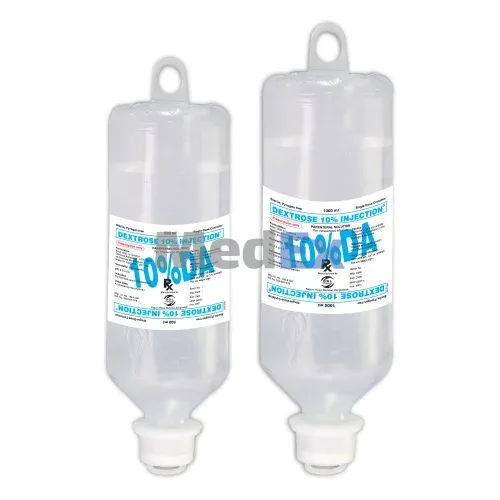
Dextrose
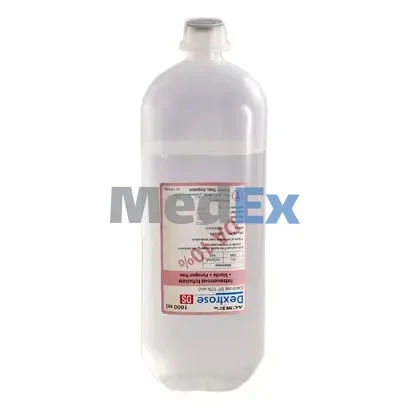
Acme's Dextrose DS
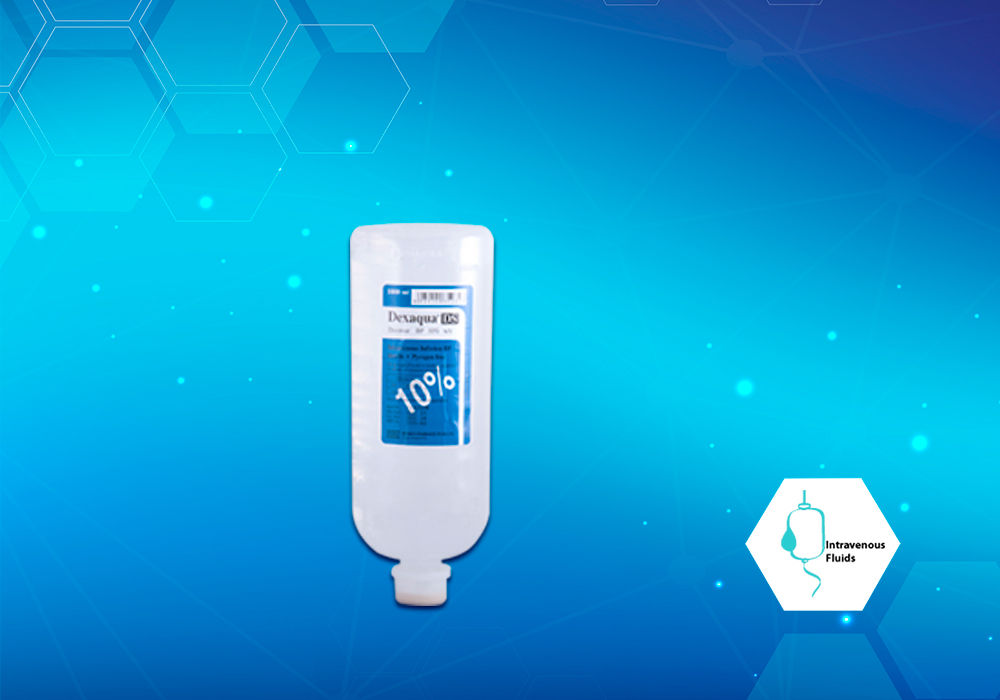
Dexaqua DS
Dextropac
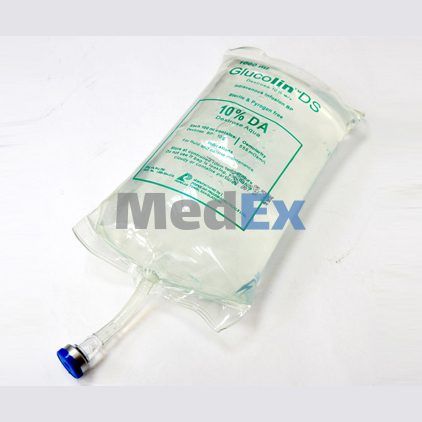
Glucolin DS
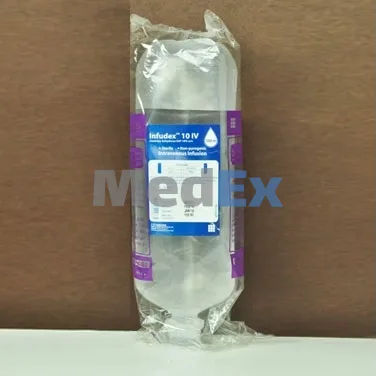
Infudex
Libott
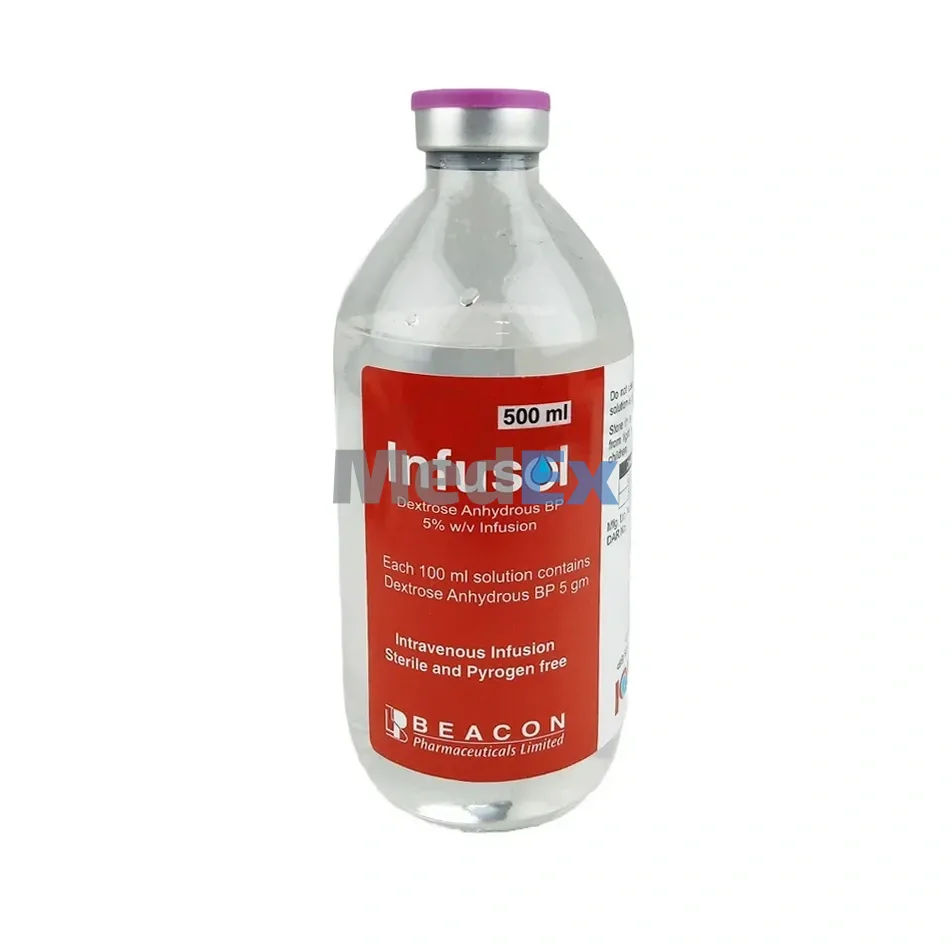
Infusol
📖 Official Clinical Monograph
DGDA Approved Prescribing GuidelinesThis is administered in the treatment of carbohydrate and fluid depletions. It is mainly used to replace water deficiency and should be given alone when there is no significant loss of electrolytes. Water depletion (dehydration) tends to occur when these losses are not matched by a comparable intake
... Read more
This is administered in the treatment of carbohydrate and fluid depletions. It is mainly used to replace water deficiency and should be given alone when there is no significant loss of electrolytes. Water depletion (dehydration) tends to occur when these losses are not matched by a comparable intake, as for example may occur in coma or dysphagia or in the aged person who may not drink water in sufficient amount on their own initiative. It provides a readily metabolizable nutrient. One litre of 5% solution provides about 170 calories. Glucose solutions are also given in regimens with calcium bicarbonate, and insulin for the emergency management of hyperkalaemia. They are also given, after correction of hyperglycaemia, during treatment of diabetic ketoacidosis, when they must be accompanied by continuing insulin infusion. Acme's Acme's Dextrose also may act as a suitable vehicle for the slow intravenous infusion of numerous drugs.
Do not take this medicine and tell your doctor if: You should not use this medication if you are allergic to dextrose. Before using dextrose 5% in water, tell your doctor if you have diabetes, breathing problems, an electrolyte imbalance, kidney or liver disease, a food or drug allergy, or if you receive regular blood transfusions.
severe burning, pain, or swelling around the IV needle;
warmth, redness, oozing, or bleeding where the IV was placed;
fever, ongoing cough;
high blood sugar, headache, trouble concentrating, memory problems, weakness, feeling unsteady, hallucinations, fainting, seizure, shallow breathing or breathing that stops;
low potassium or anxiety, sweating, pale skin, severe shortness of breath, wheezing, pain, fast or uneven heart rate.
Serum glucose concentration should be carefully monitored. Concurrent use of insulin may be needed in case of diabetic patients. Acme's Acme's Dextrose solution should not be mixed with whole blood as haemolysis and clumping may occur. Infusion of fluid should be immediately discontinued if rigor arises for any reasons during the process. Do not use if the solution is cloudy, contains particles, or after expiry date.
Take special care with Acme's Acme's Dextrose. Check with your doctor before taking this medicine if: You should not use this medication if you are allergic to Acme's Acme's Dextrose.
To make sure you can safely use Acme's Acme's Dextrose 5% in water, tell your doctor if you have any of these other conditions:
diabetes;
breathing problems;
an electrolyte imbalance (such as low levels of potassium in your blood);
kidney or liver disease;
any allergy to foods or medicines; or
if you receive regular blood transfusions.
Dextrose is a form of glucose (sugar). Dextrose 5% in water is injected into a vein through an IV to replace lost fluids and provide carbohydrates to the body. Dextrose 5% in water is used to treat low blood sugar (hypoglycemia), insulin shock, or dehydration (fluid loss). Dextrose 5% in water is also given for nutritional support to patients who are unable to eat because of illness, injury, or other medical condition.