Deflazacort
💊 Brand Formulations & Prices
68 brands sorted by unit price
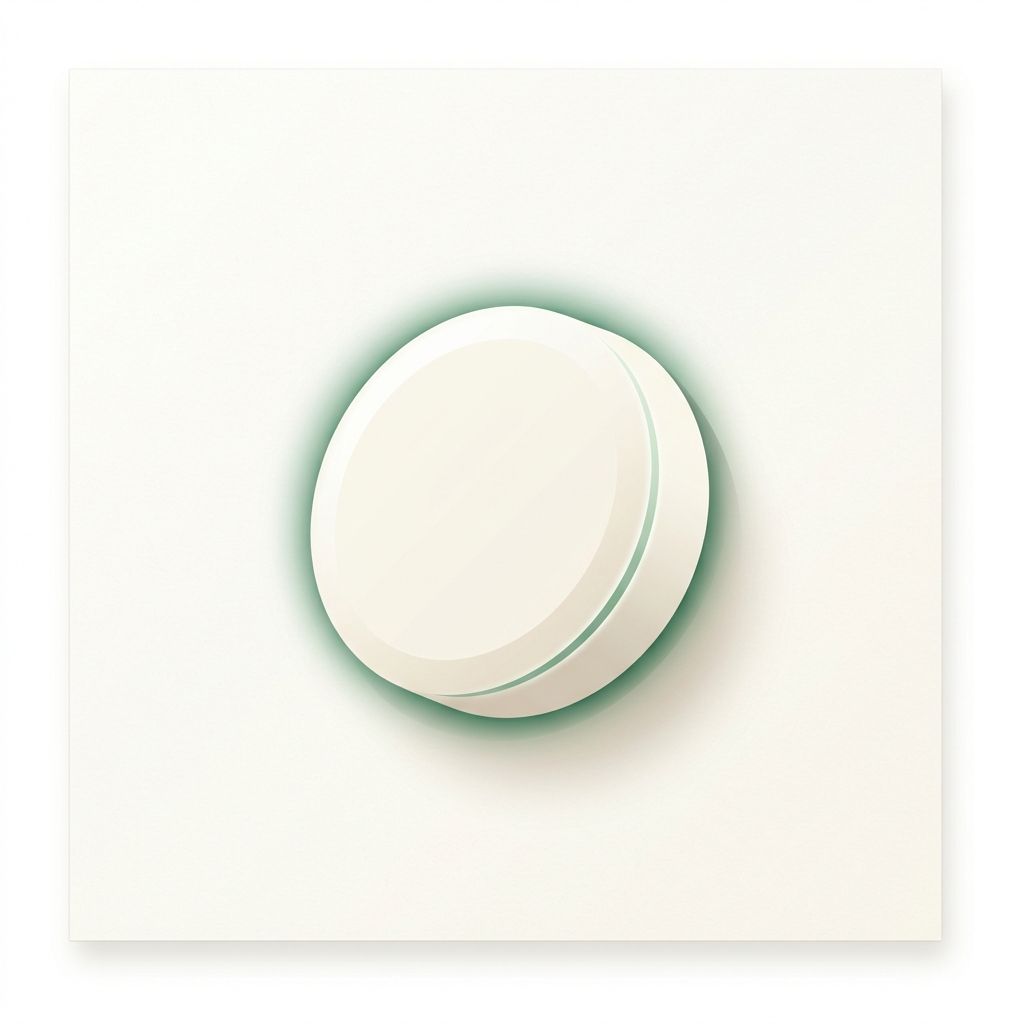
Cordef
Dezert
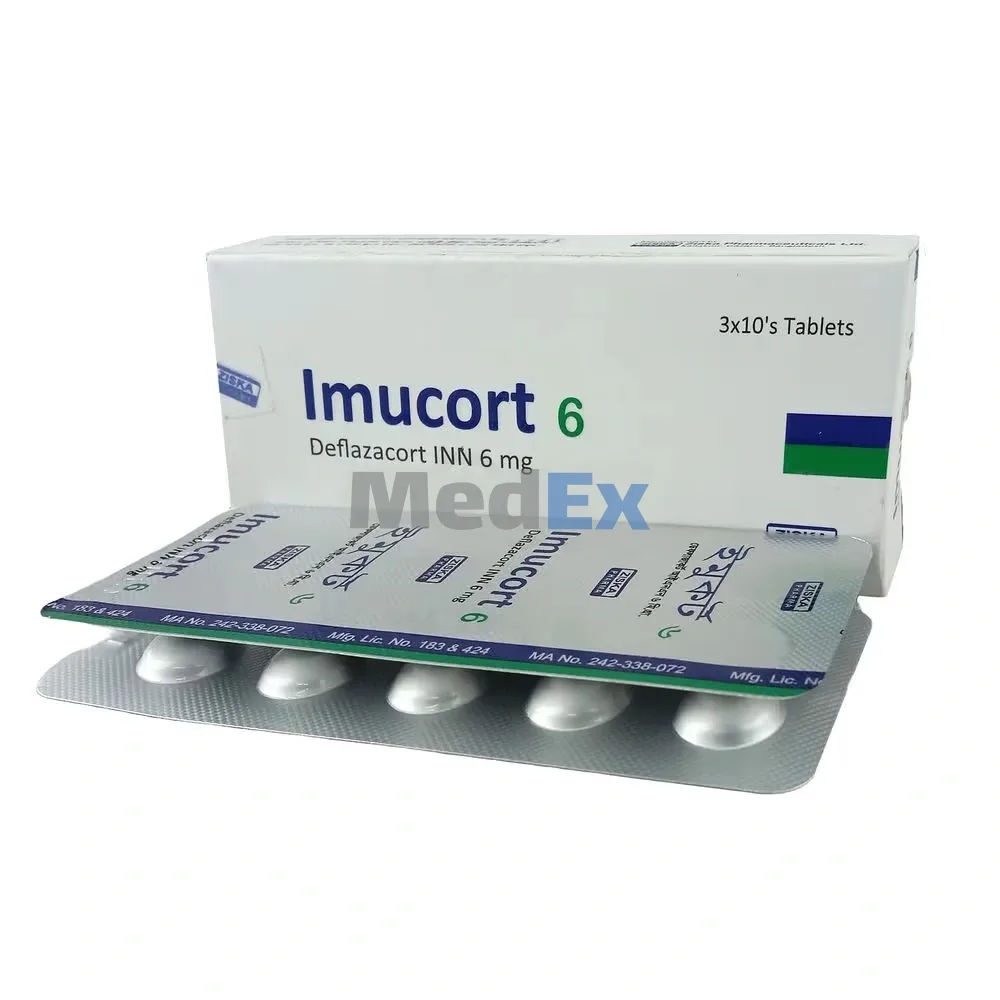
Imucort
Nuvicort
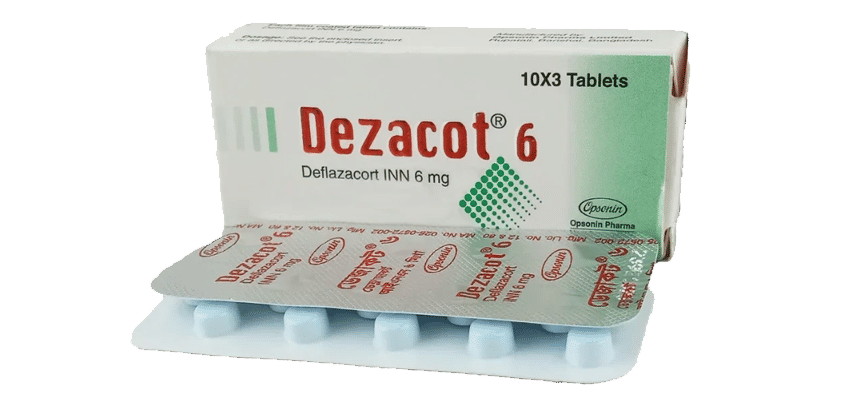
Dezacot
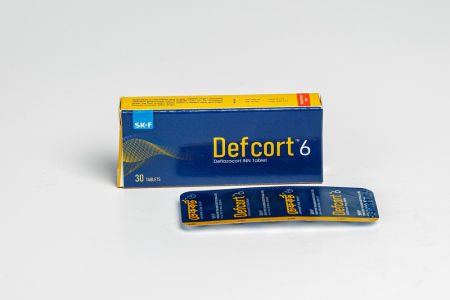
Defcort
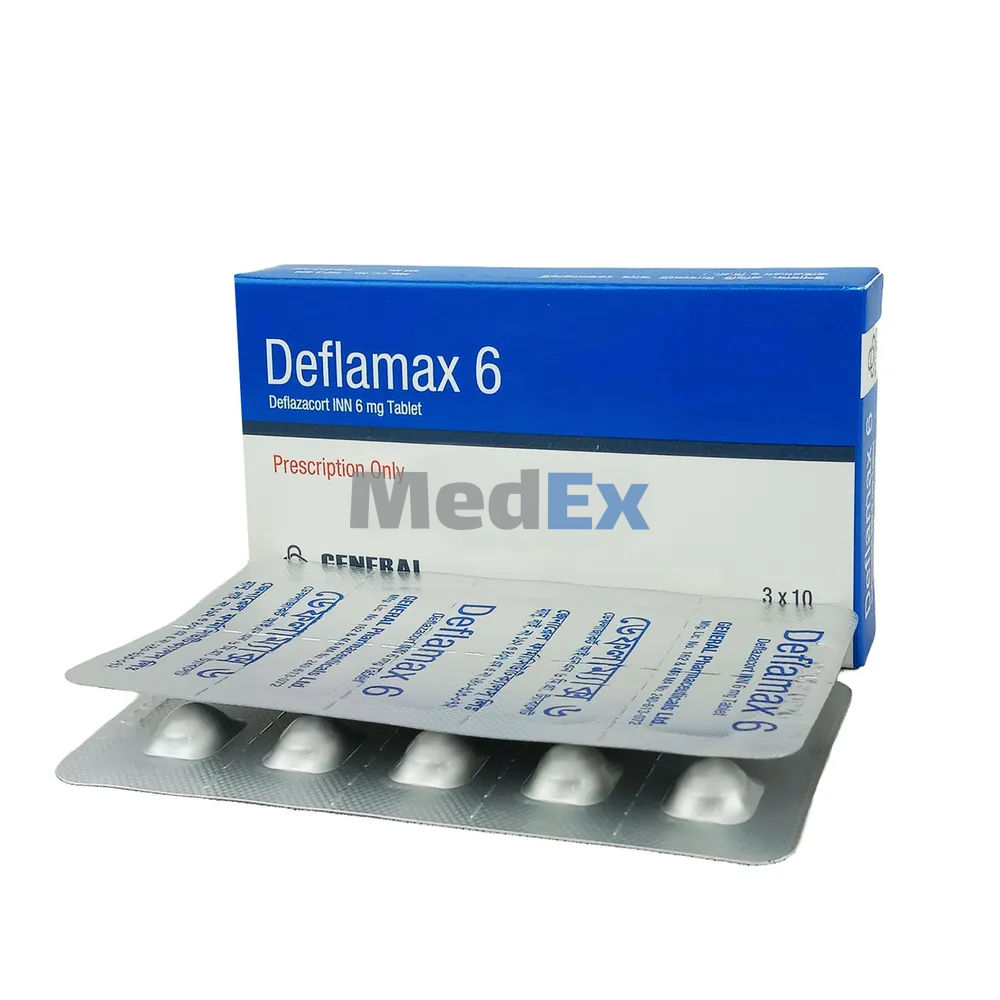
Deflamax
Flacort
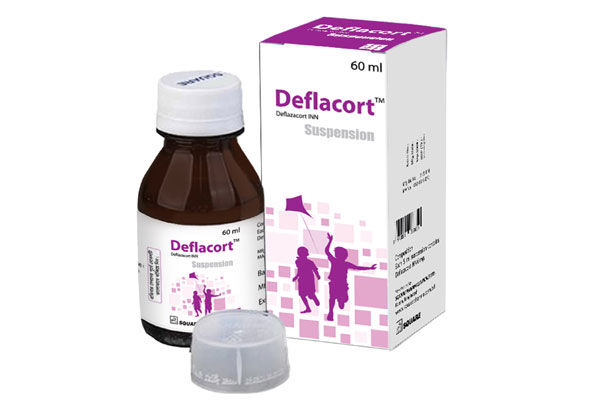
Deflacort
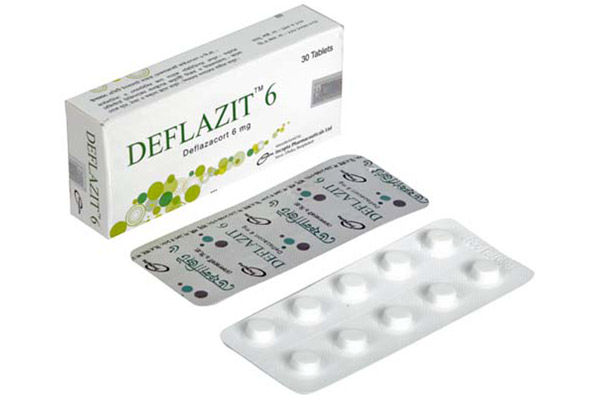
Deflazit
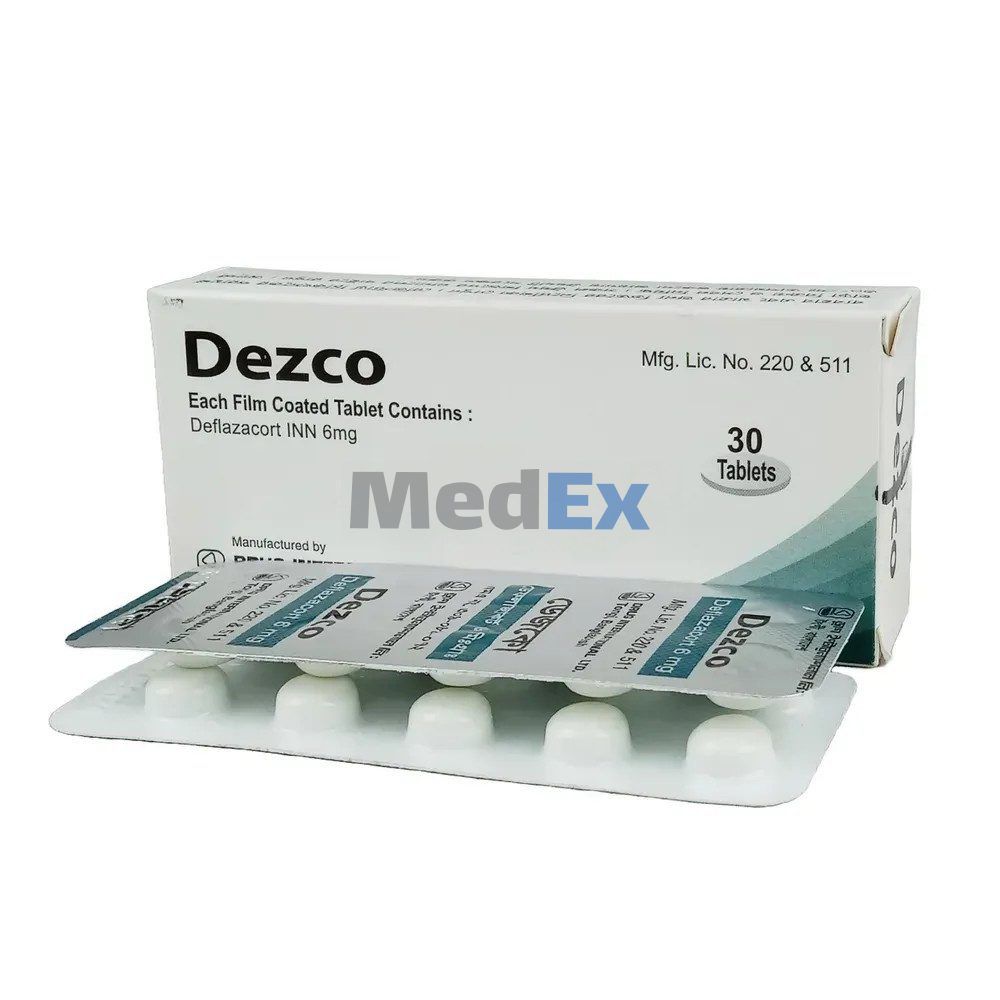
Dezco
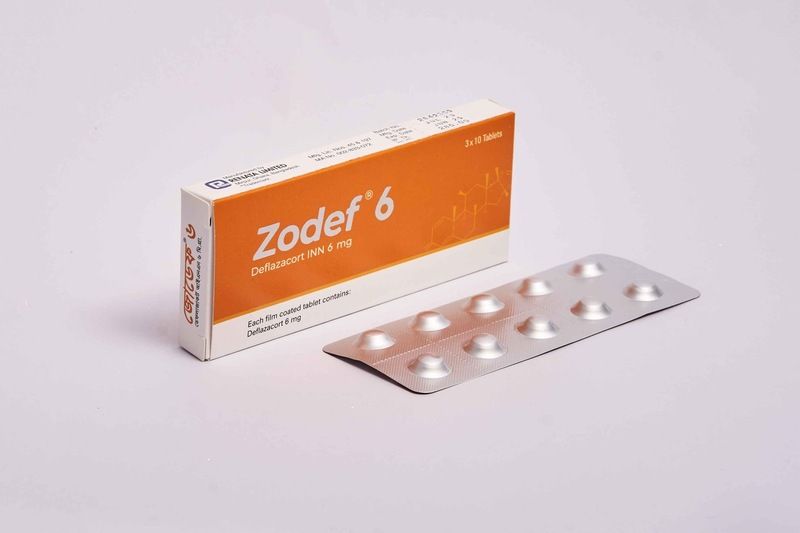
Zodef
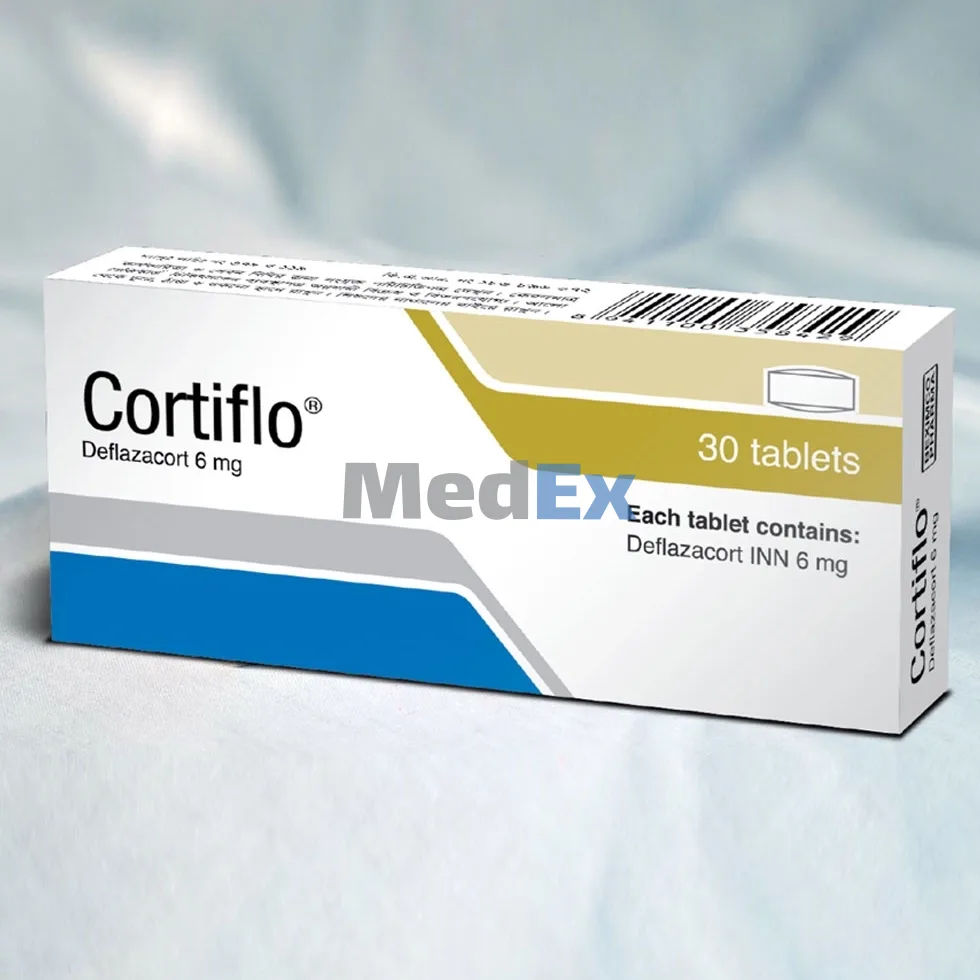
Cortiflo

Cortimax
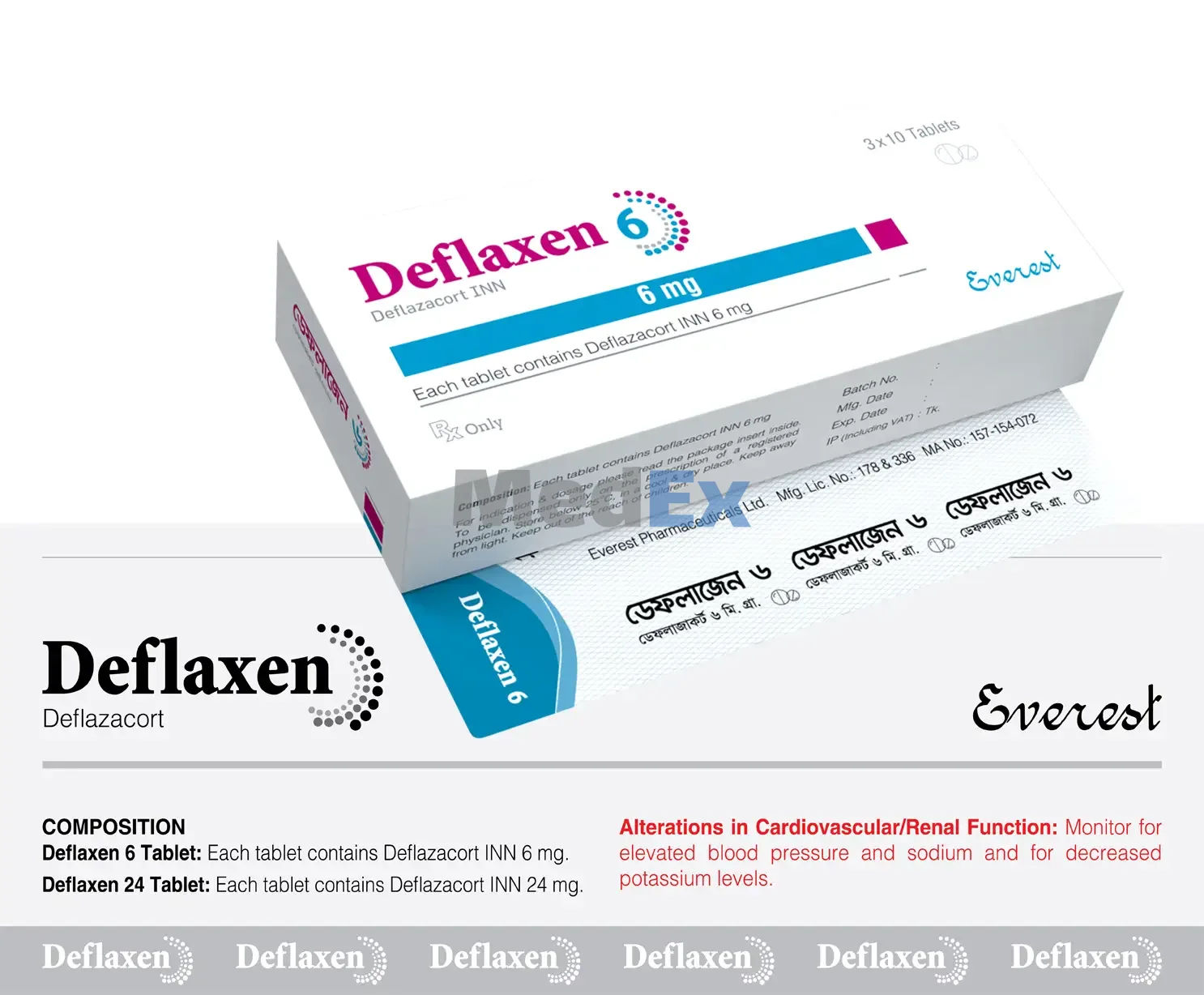
Deflaxen
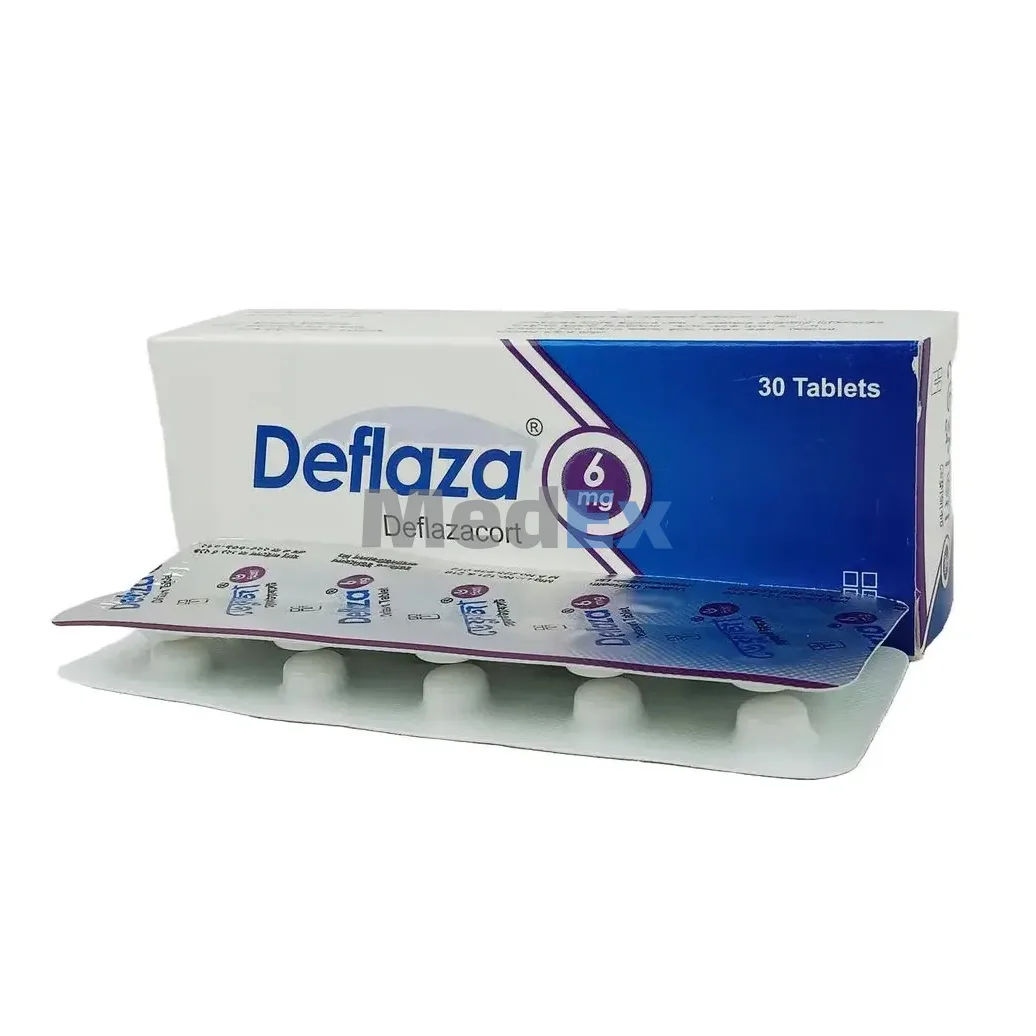
Deflaza
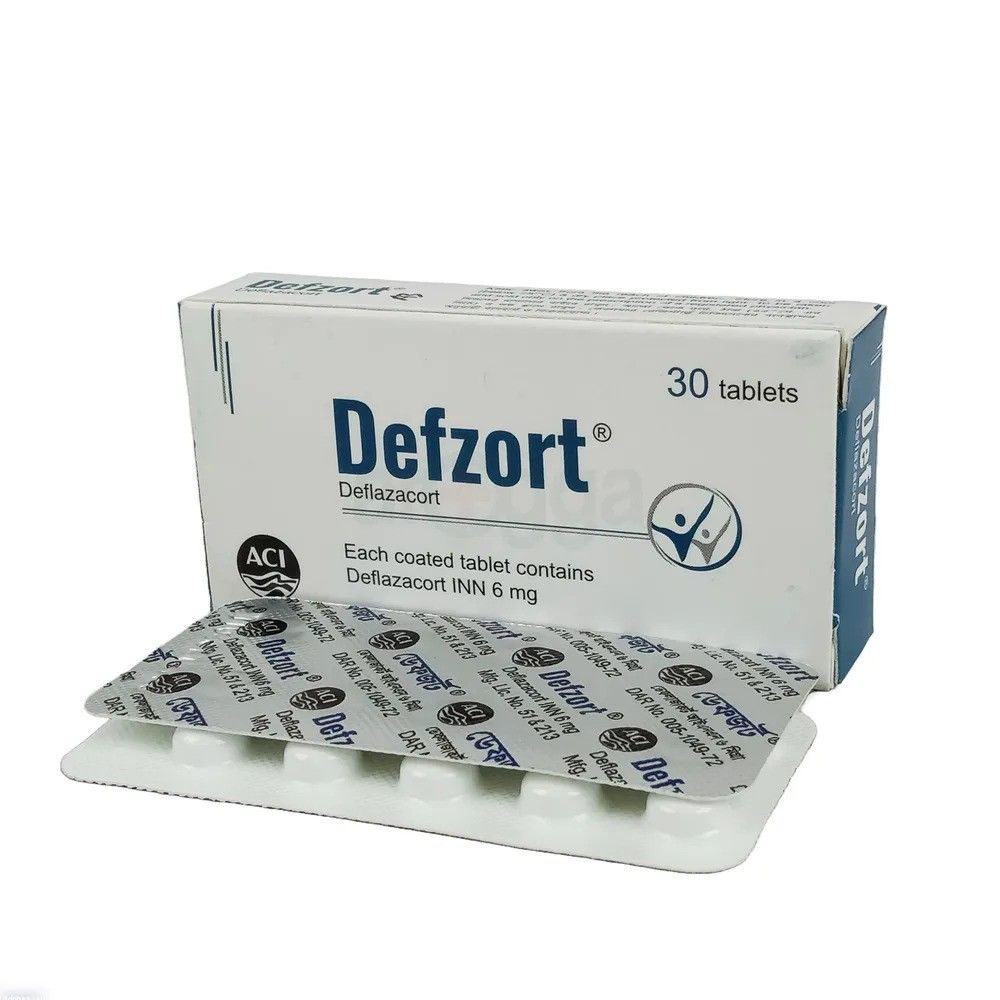
Defzort
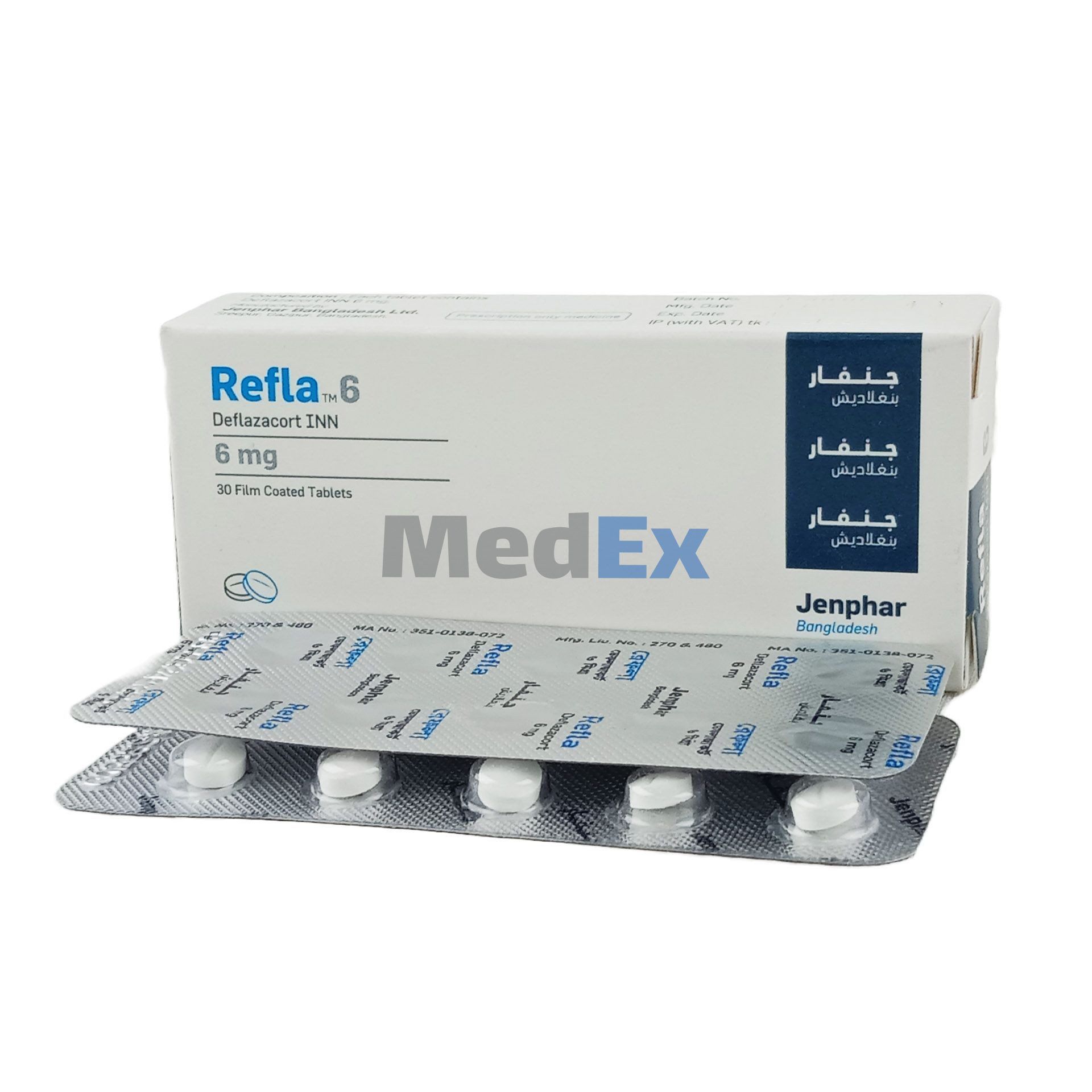
Refla
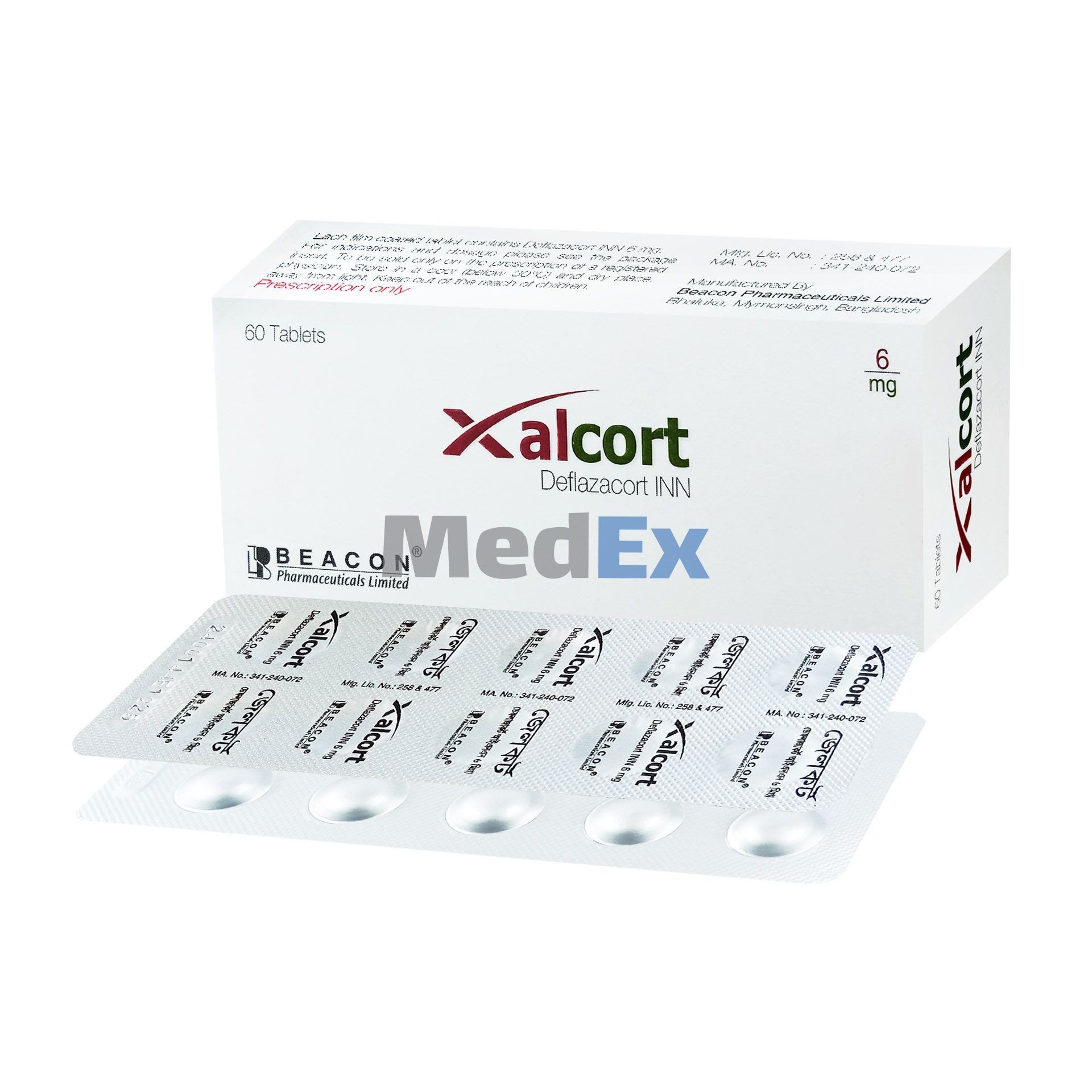
Xalcort
Zacort
Defcort
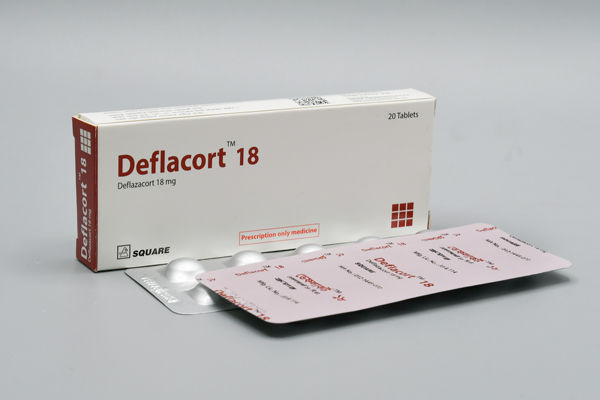
Deflacort
Deflazit
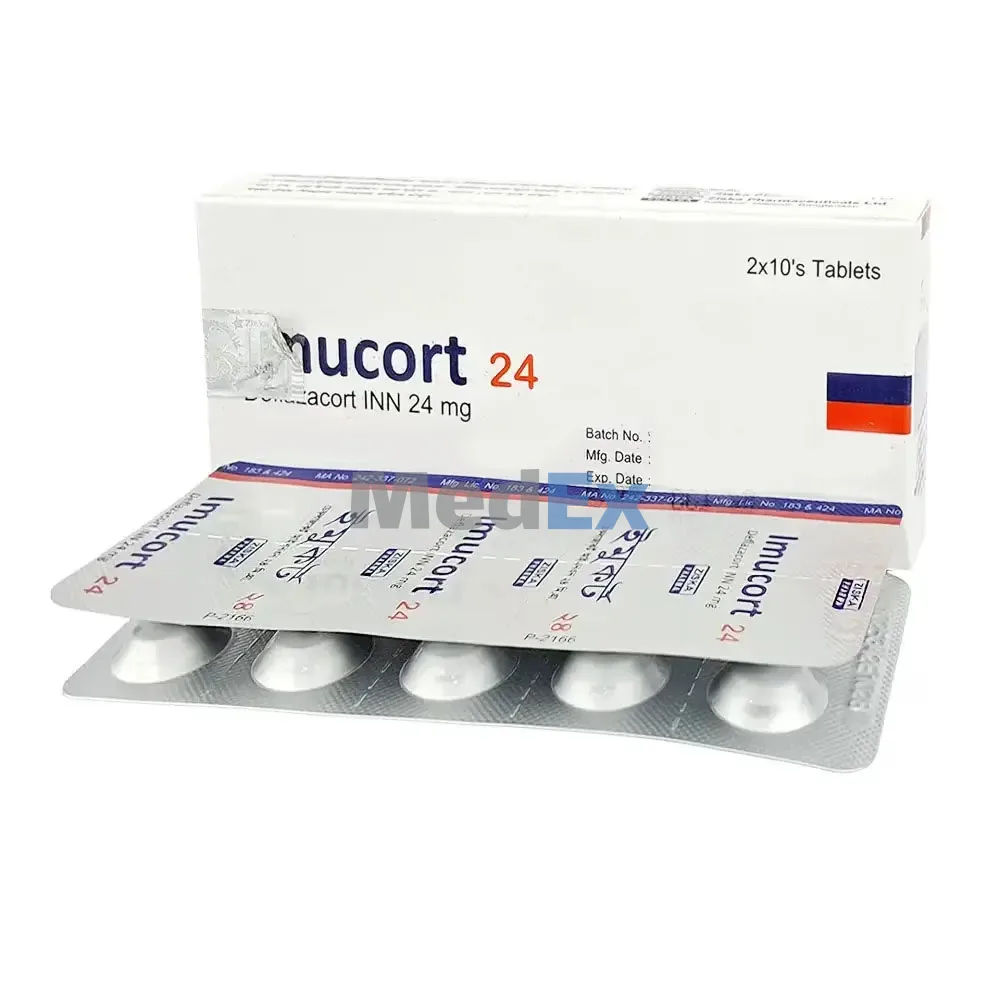
Imucort
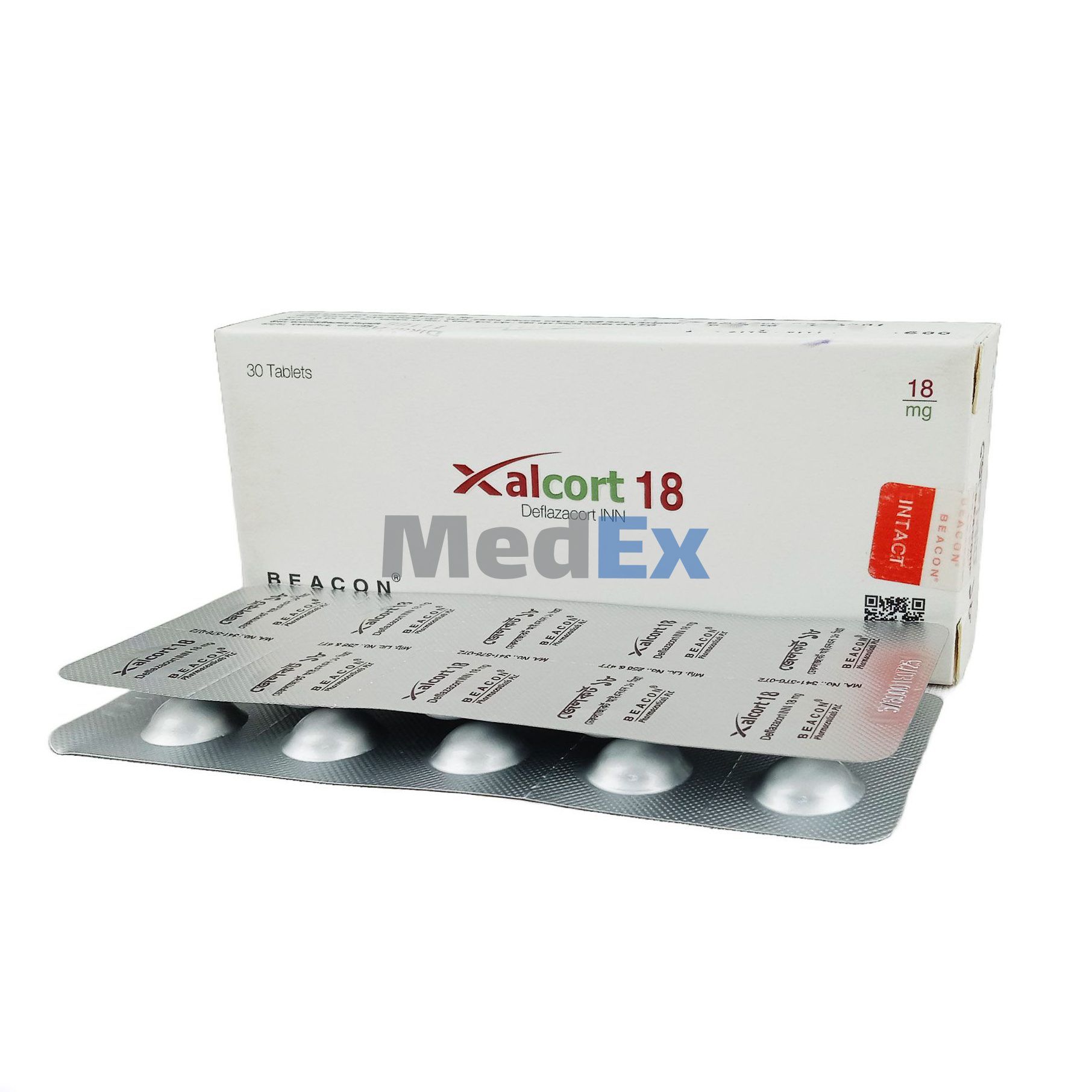
Xalcort
Zodef
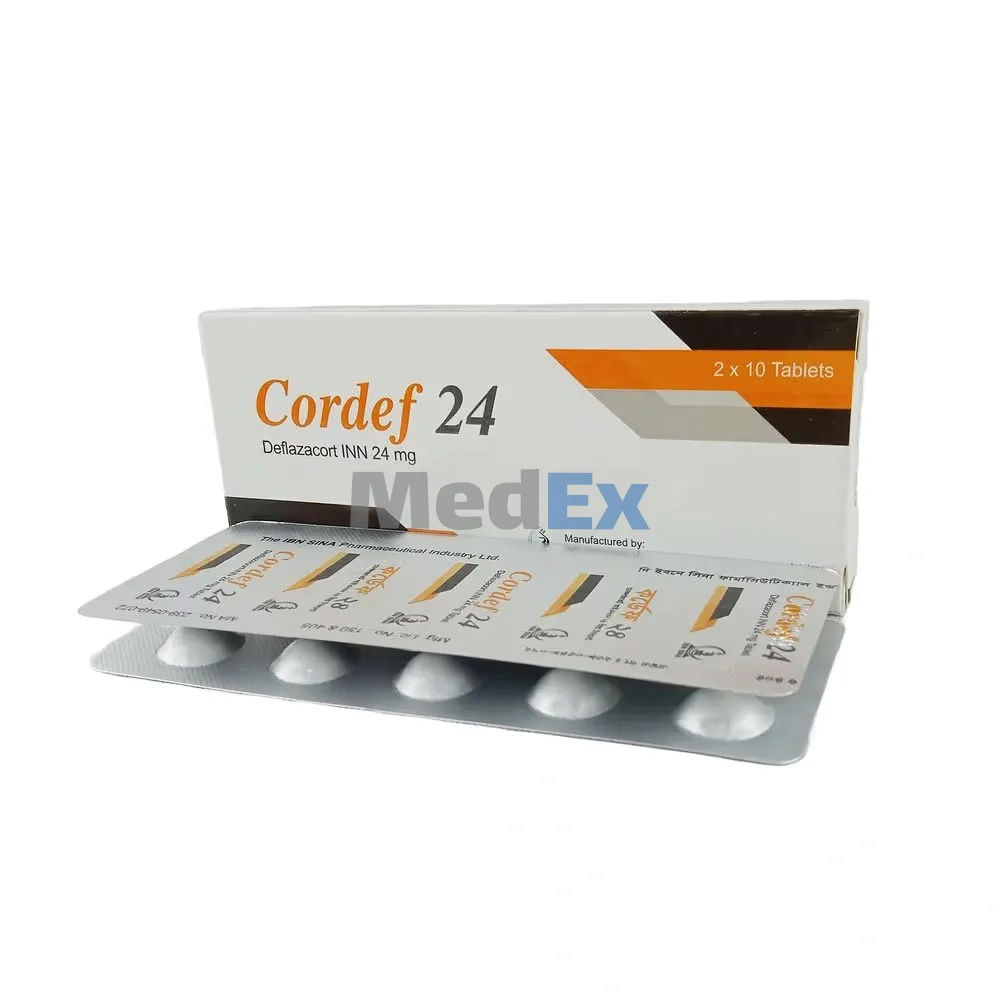
Cordef
Cortiflo
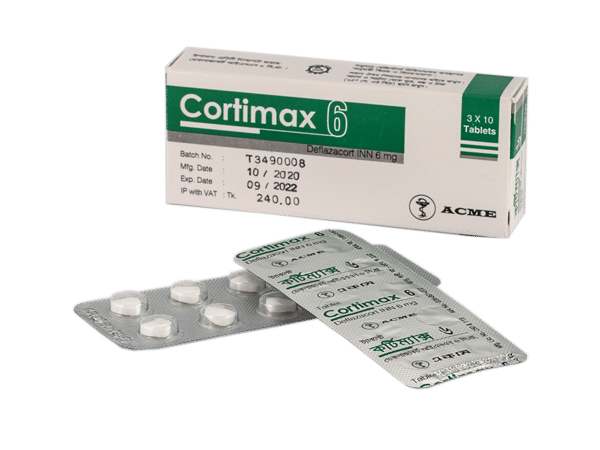
Cortimax
Defcort
Deflacort
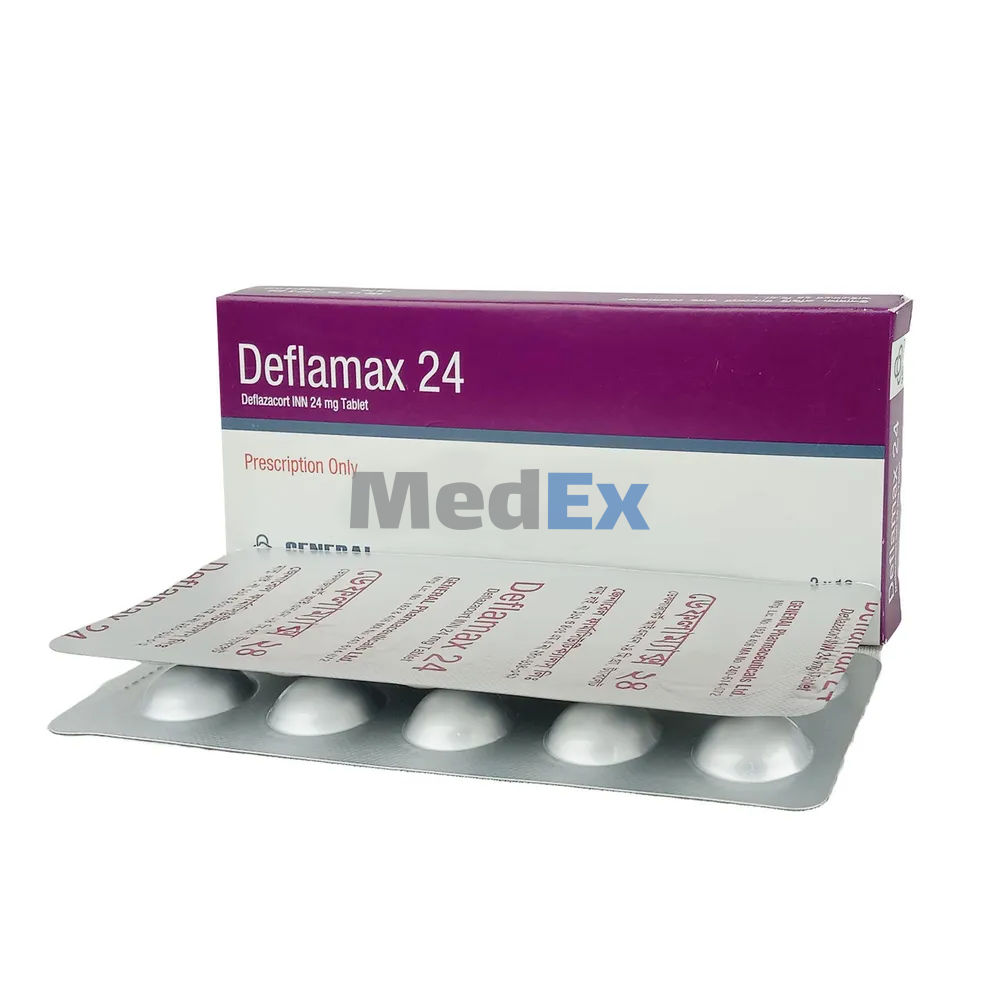
Deflamax
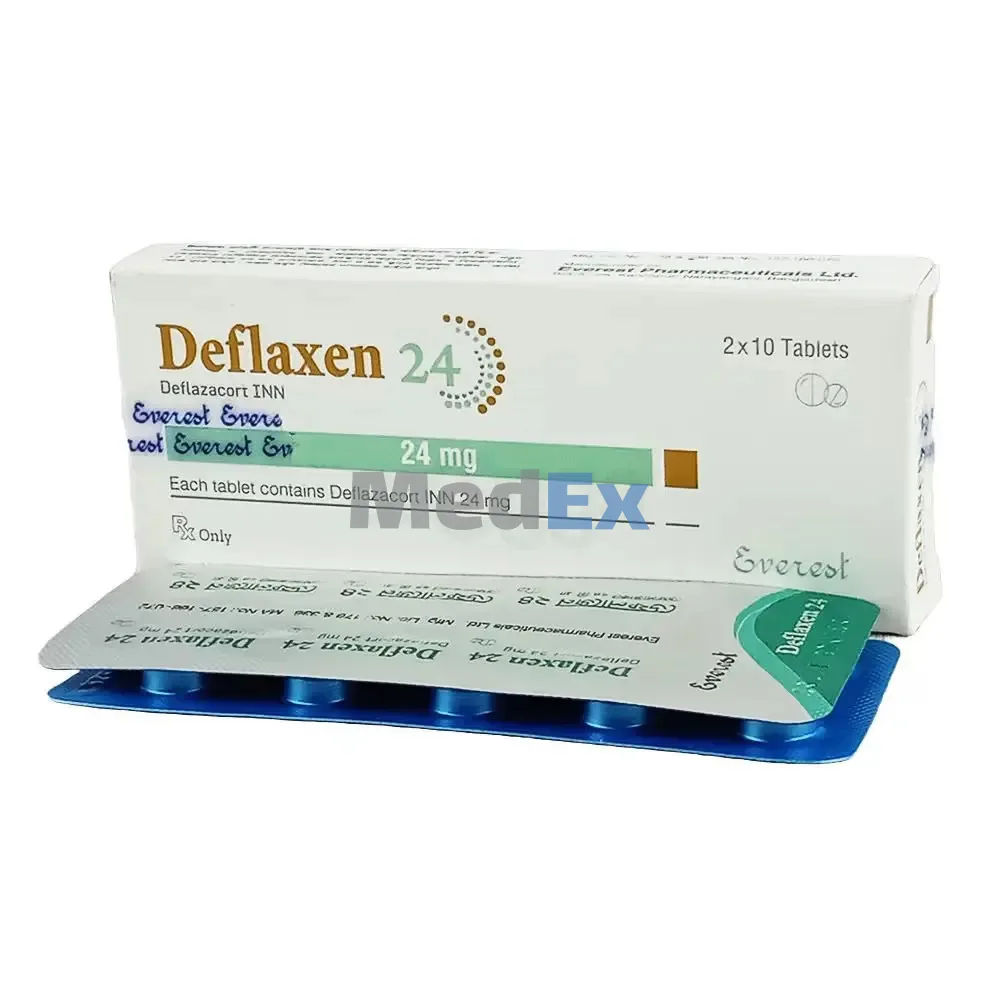
Deflaxen
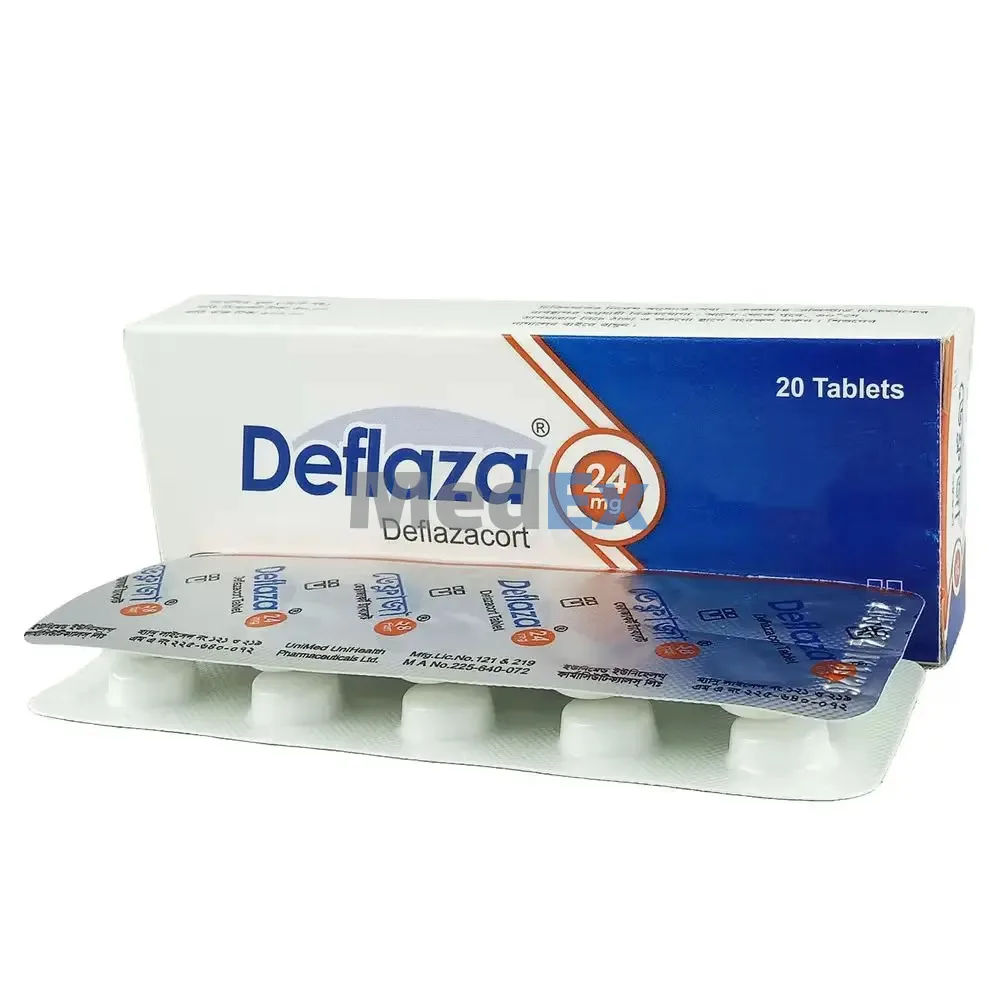
Deflaza
Deflazit
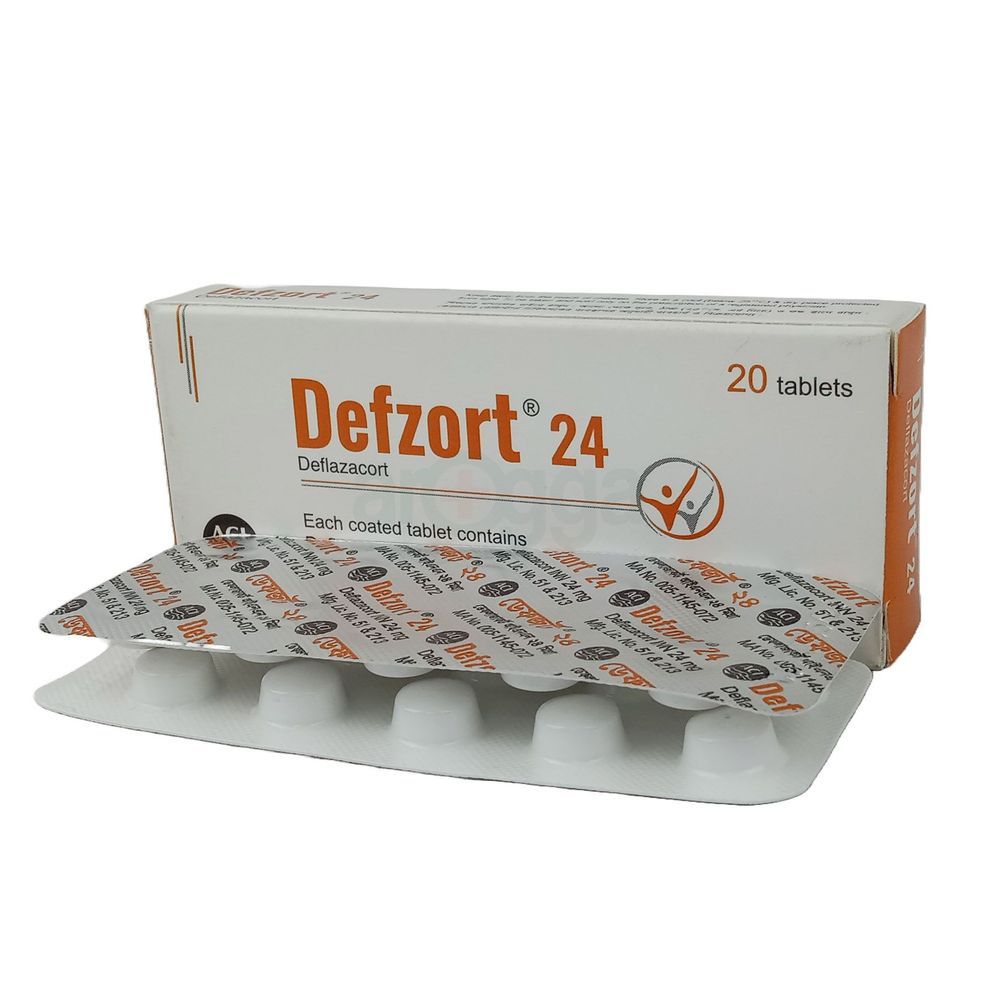
Defzort
Dezacot
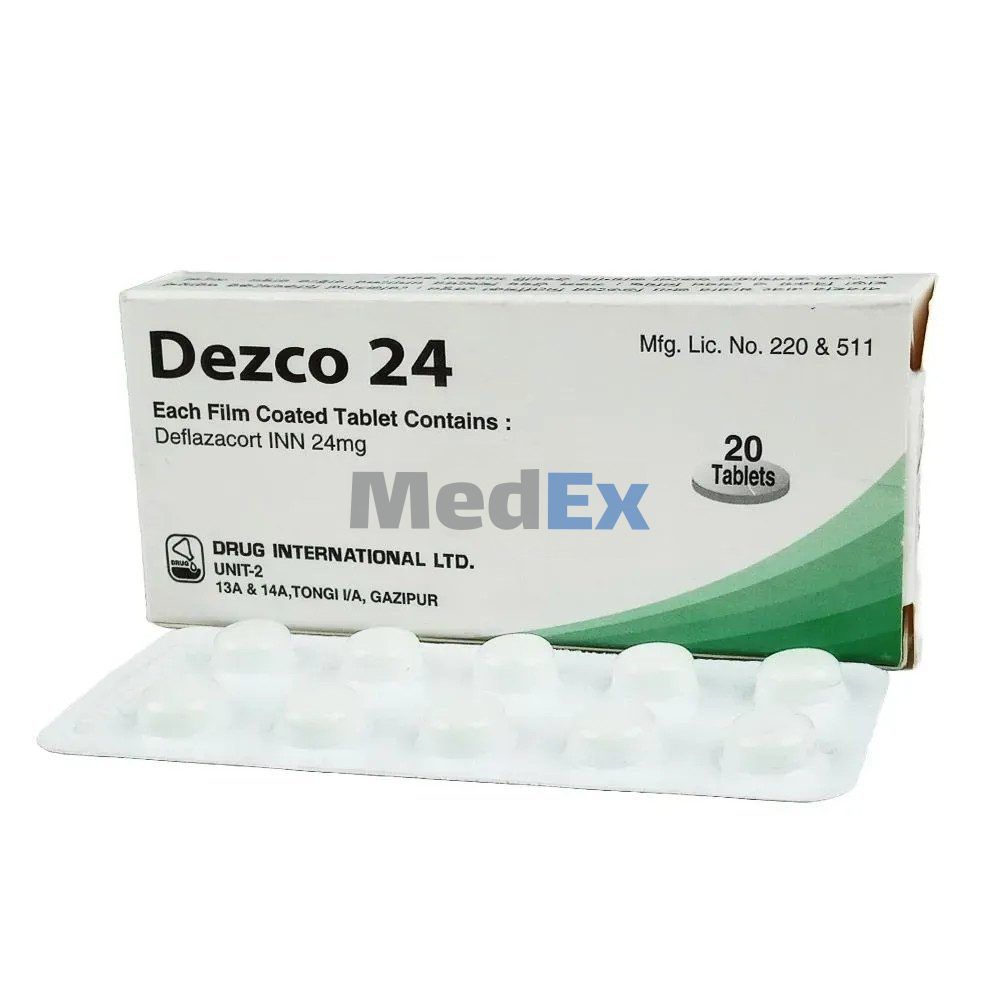
Dezco

Flacort
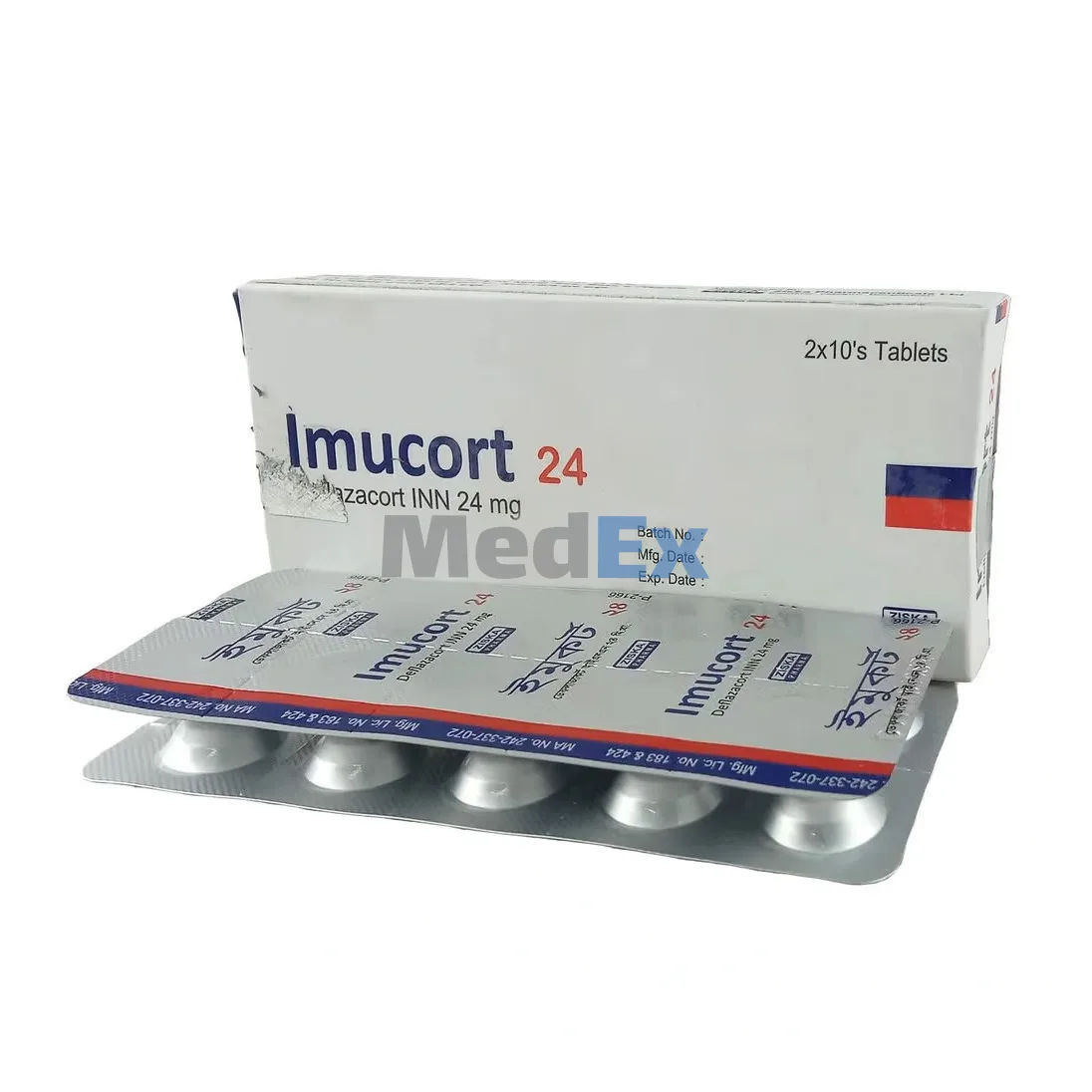
Imucort
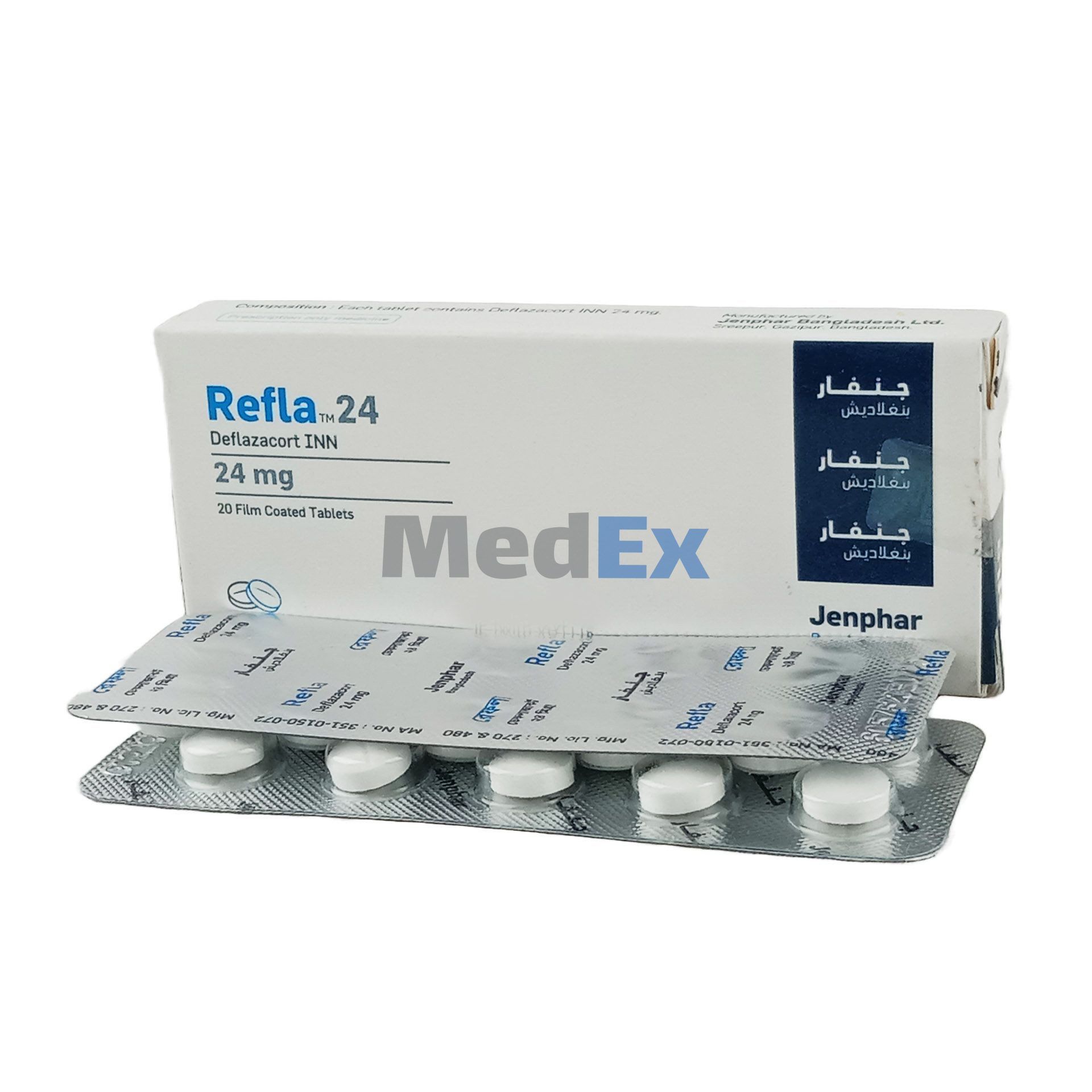
Refla
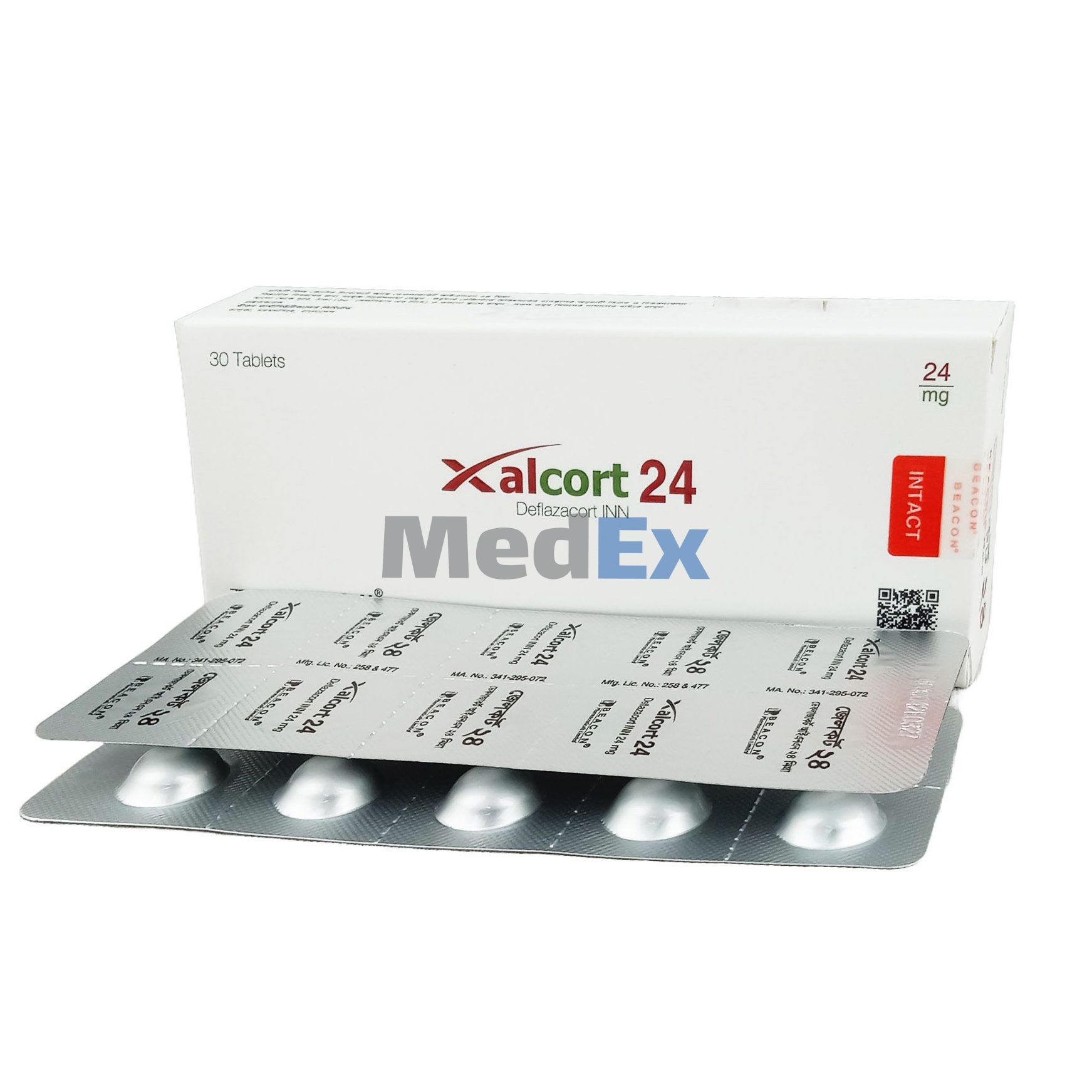
Xalcort
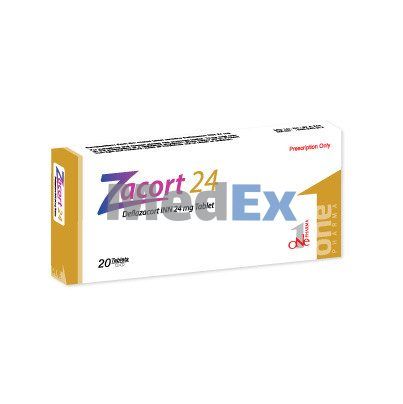
Zacort
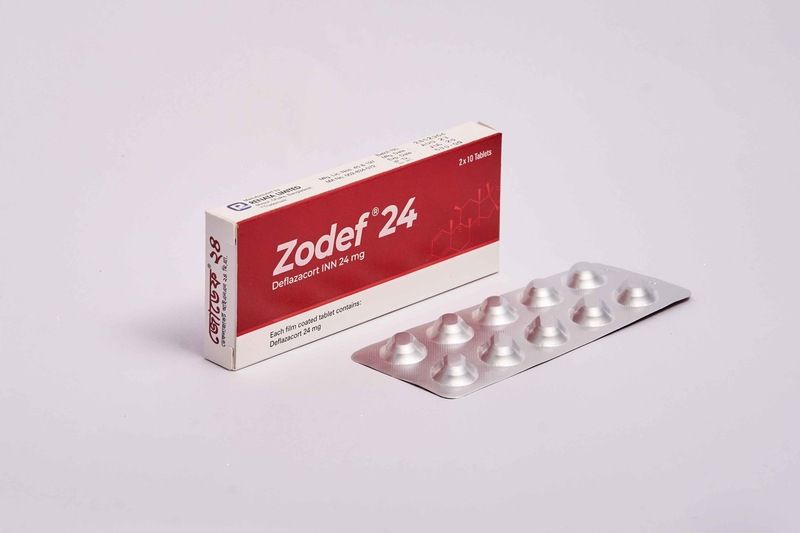
Zodef
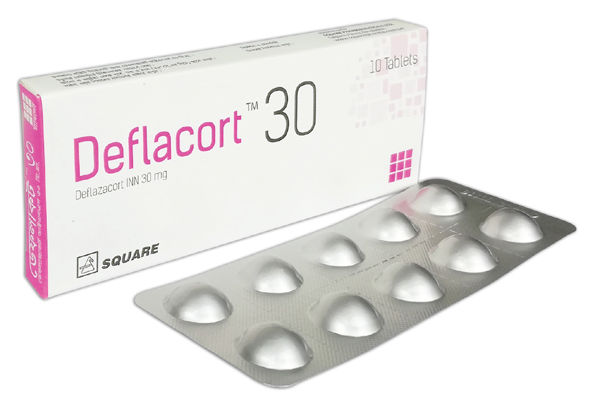
Deflacort
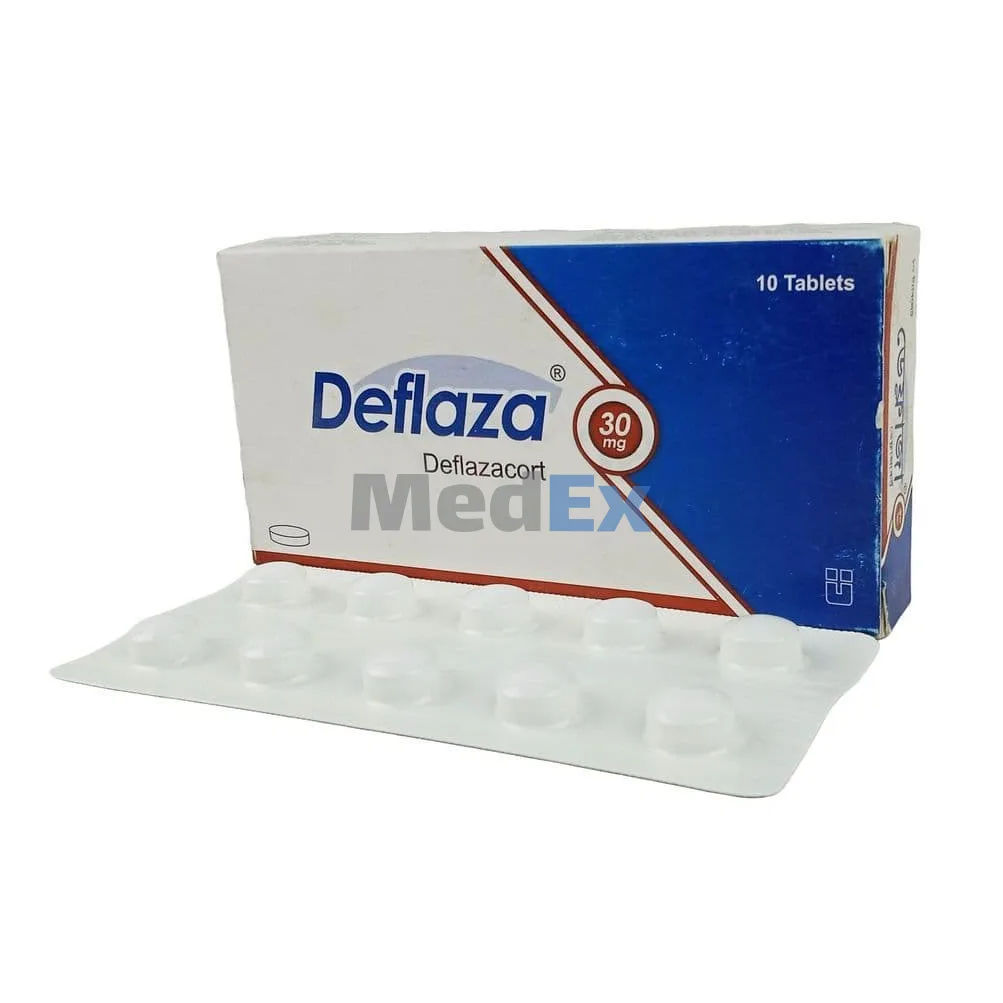
Deflaza
Deflazit
Dezacot
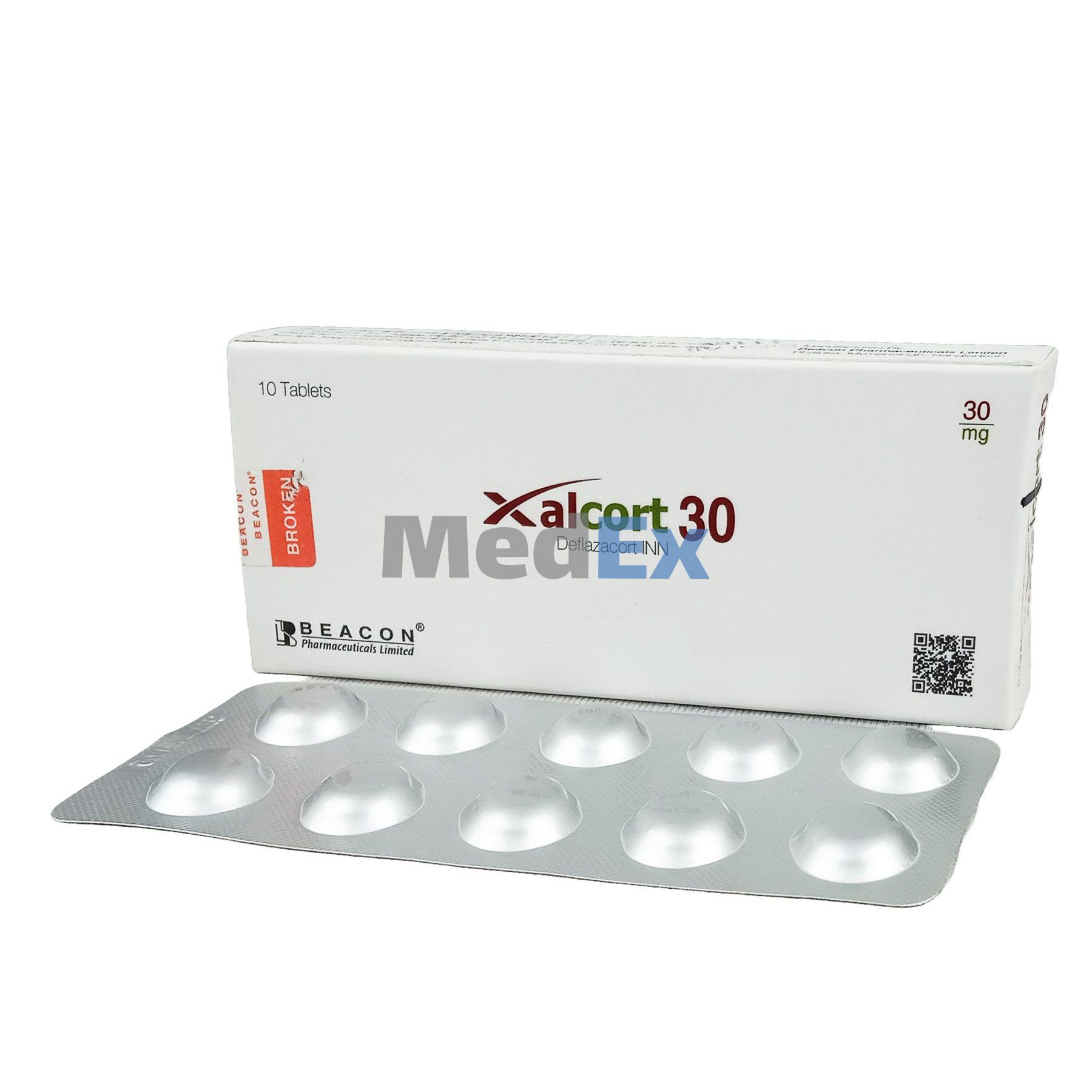
Xalcort
Zacort
Zodef
Deflazit
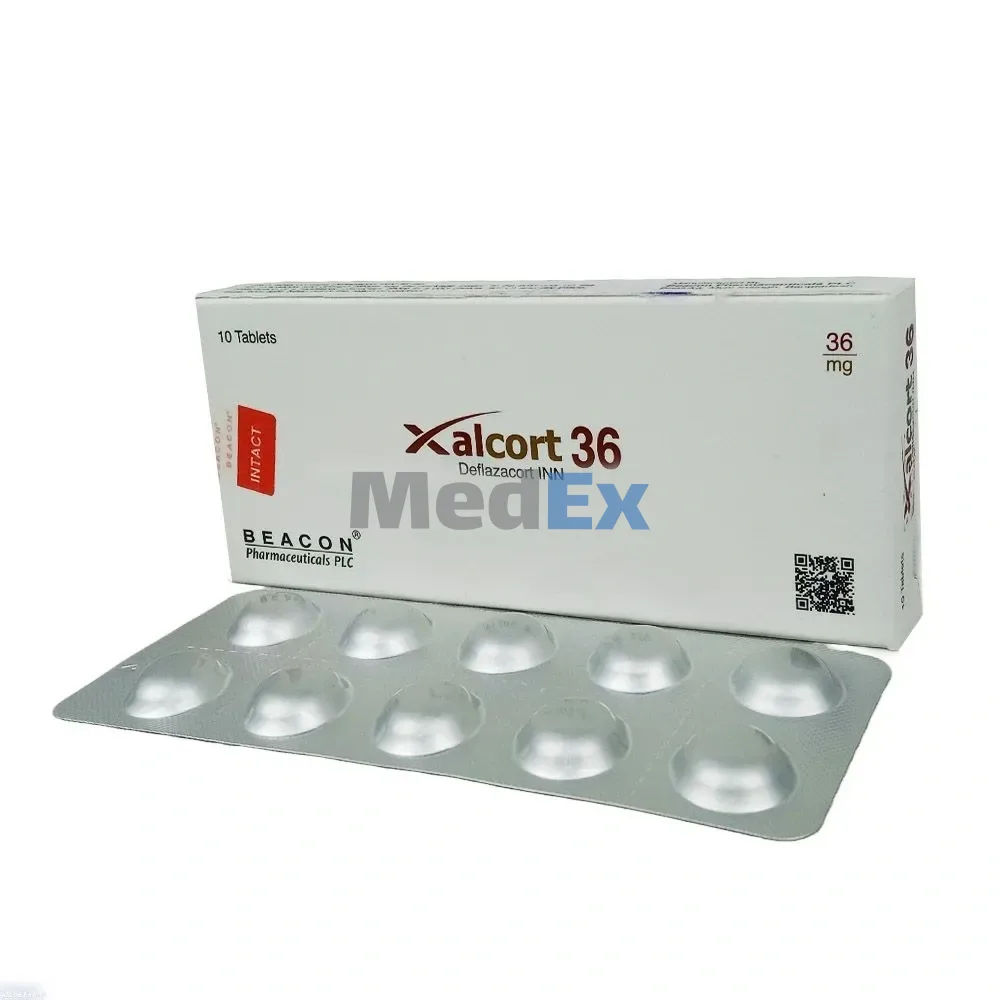
Xalcort
Zodef
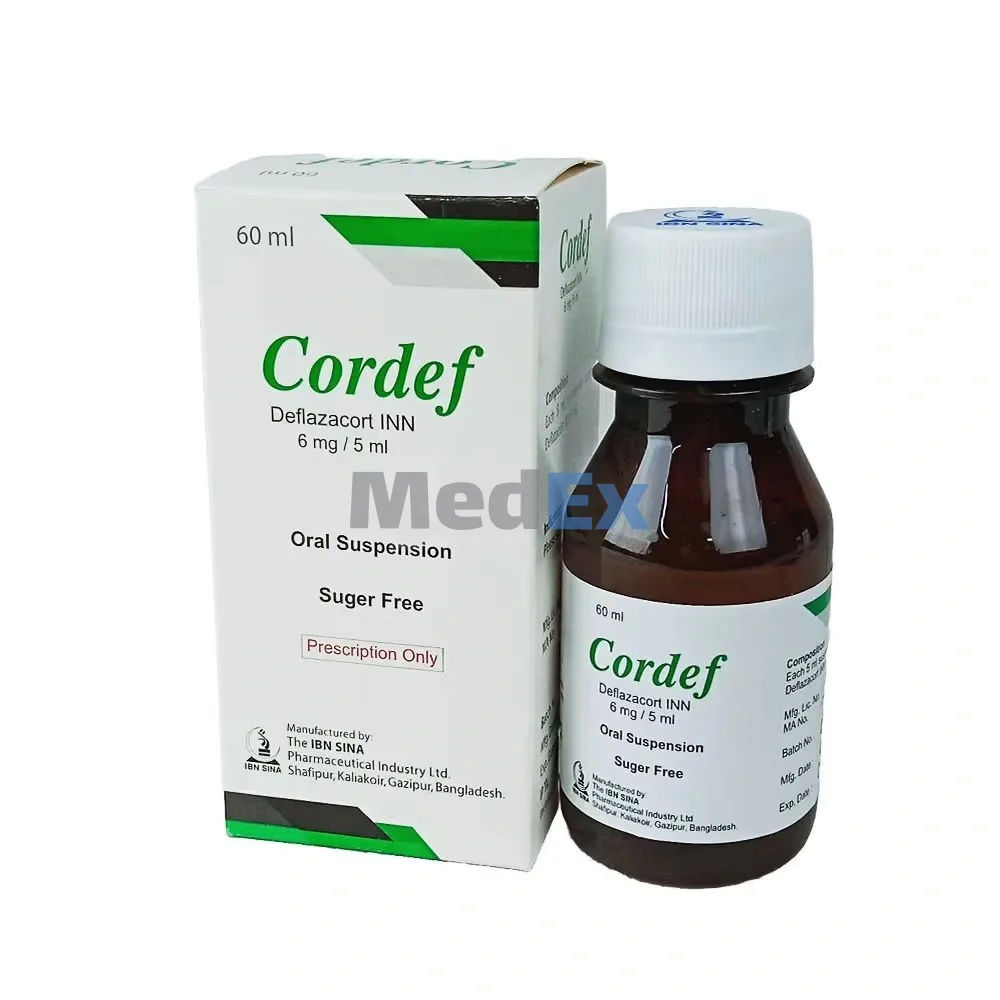
Cordef
Cortimax
Defcort
Deflacort
Deflaxen
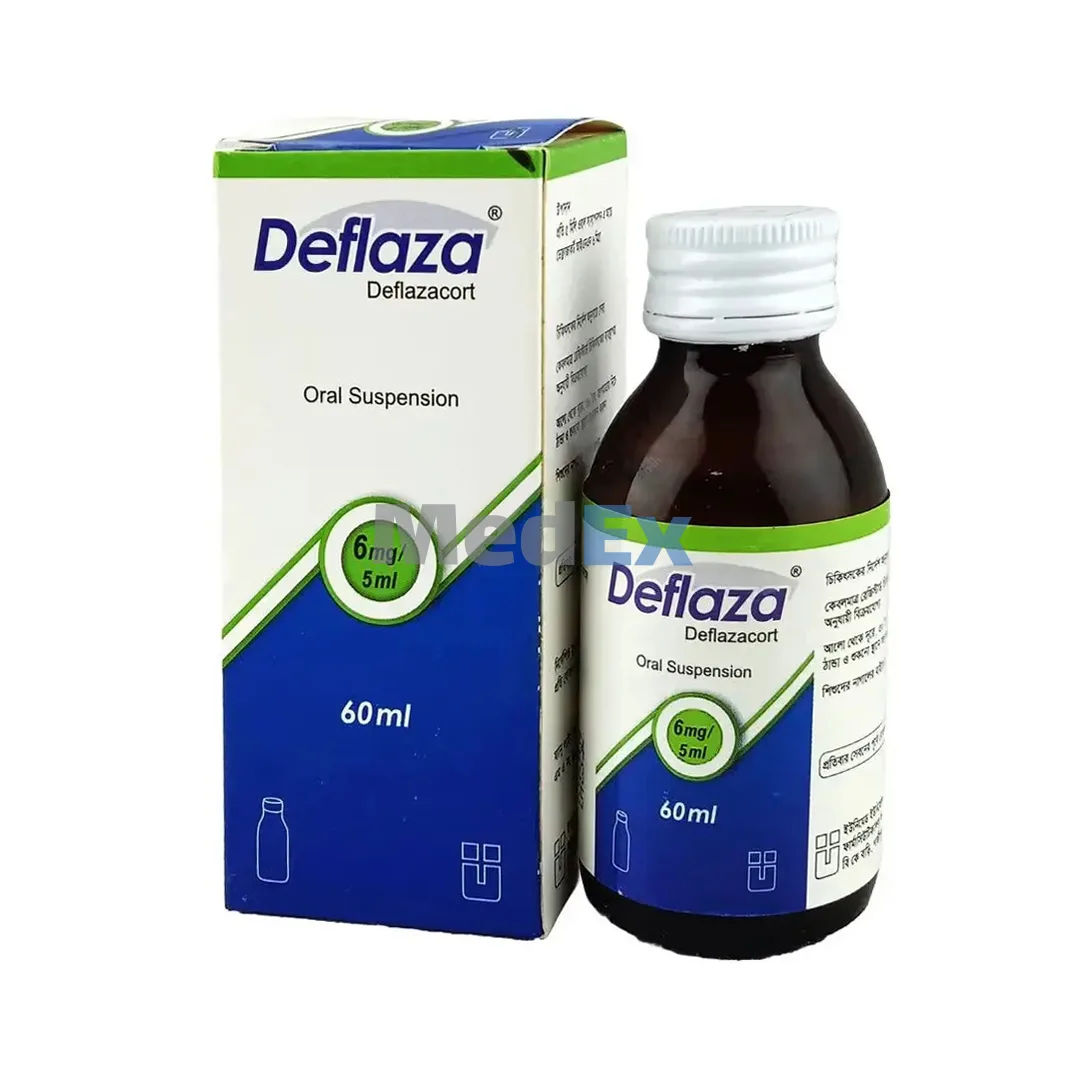
Deflaza
Deflazit
Dezacot
Flacort
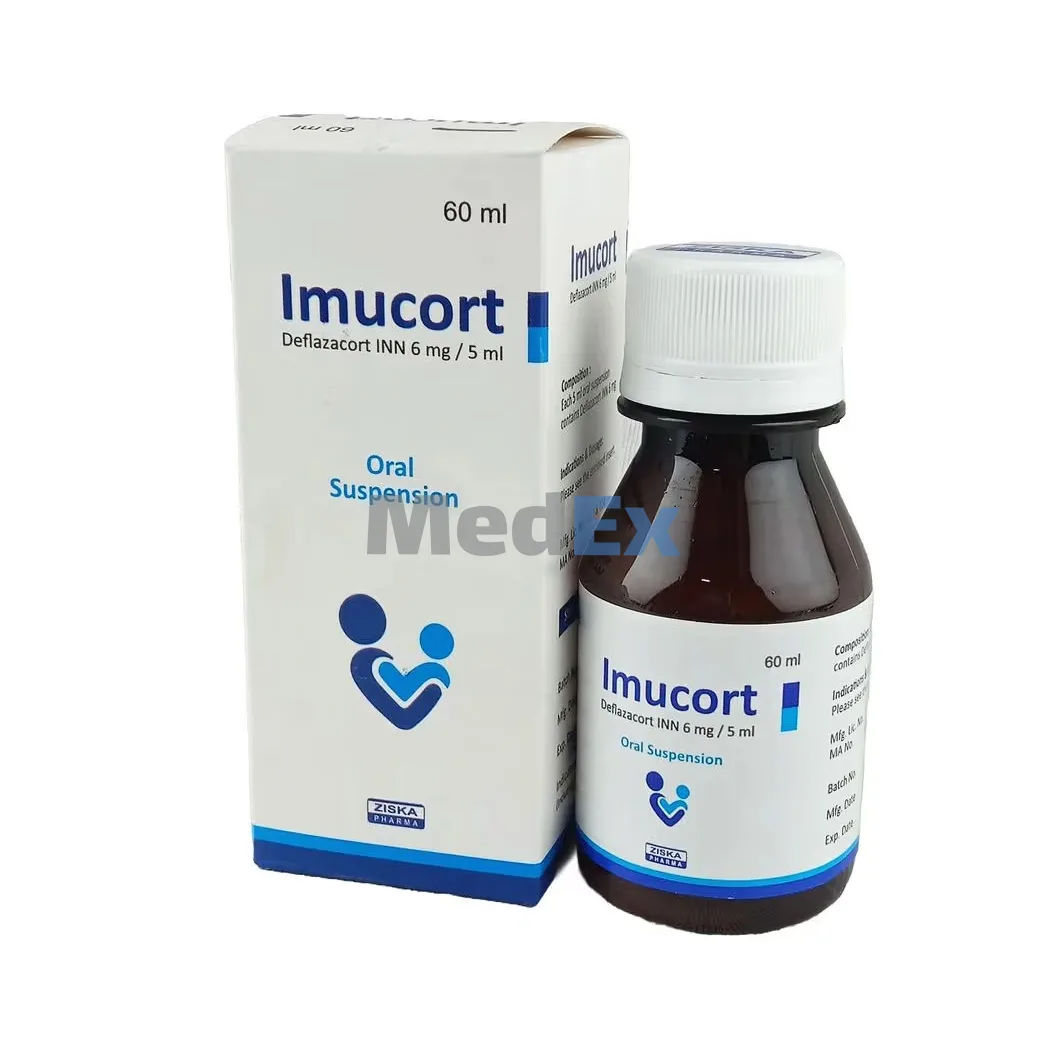
Imucort
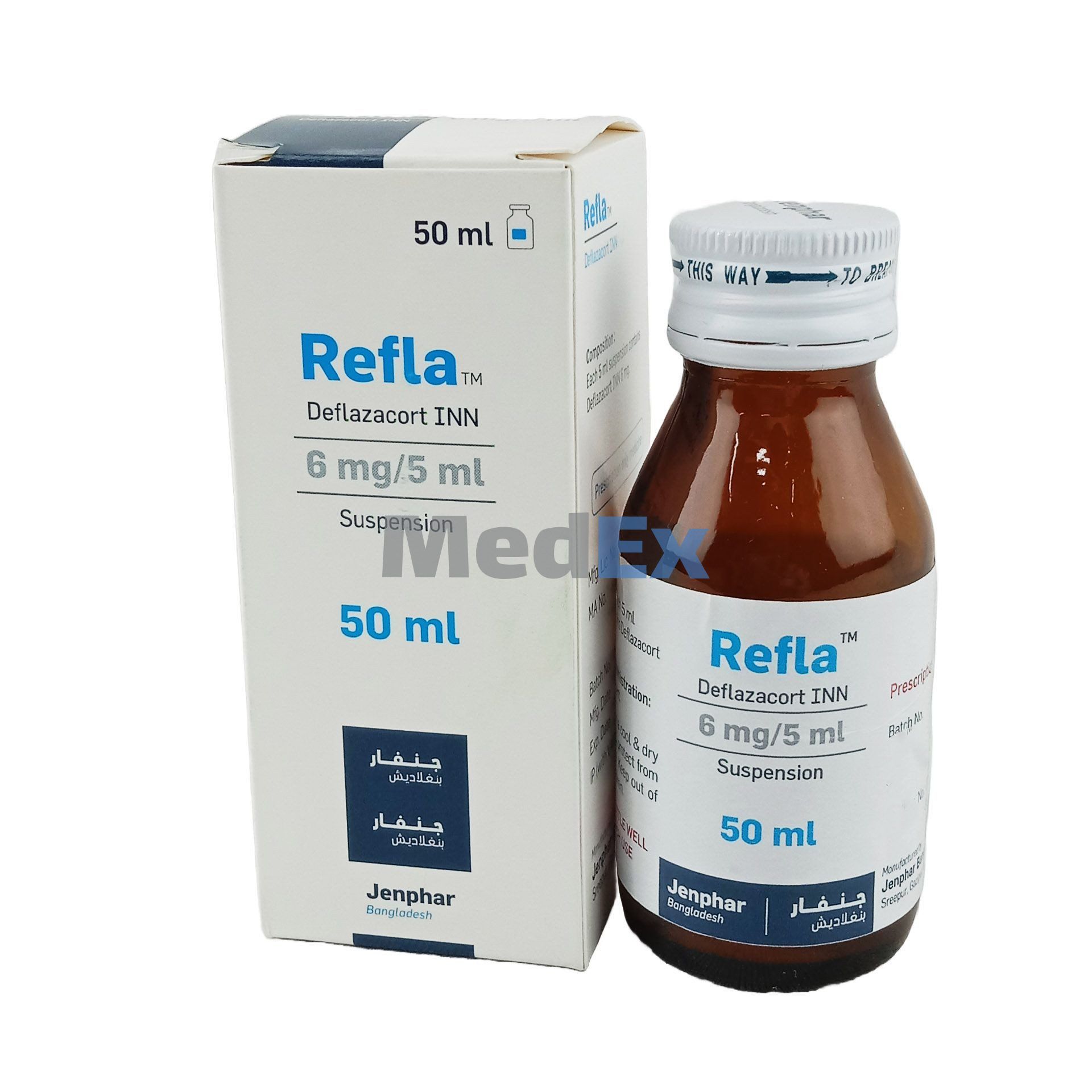
Refla
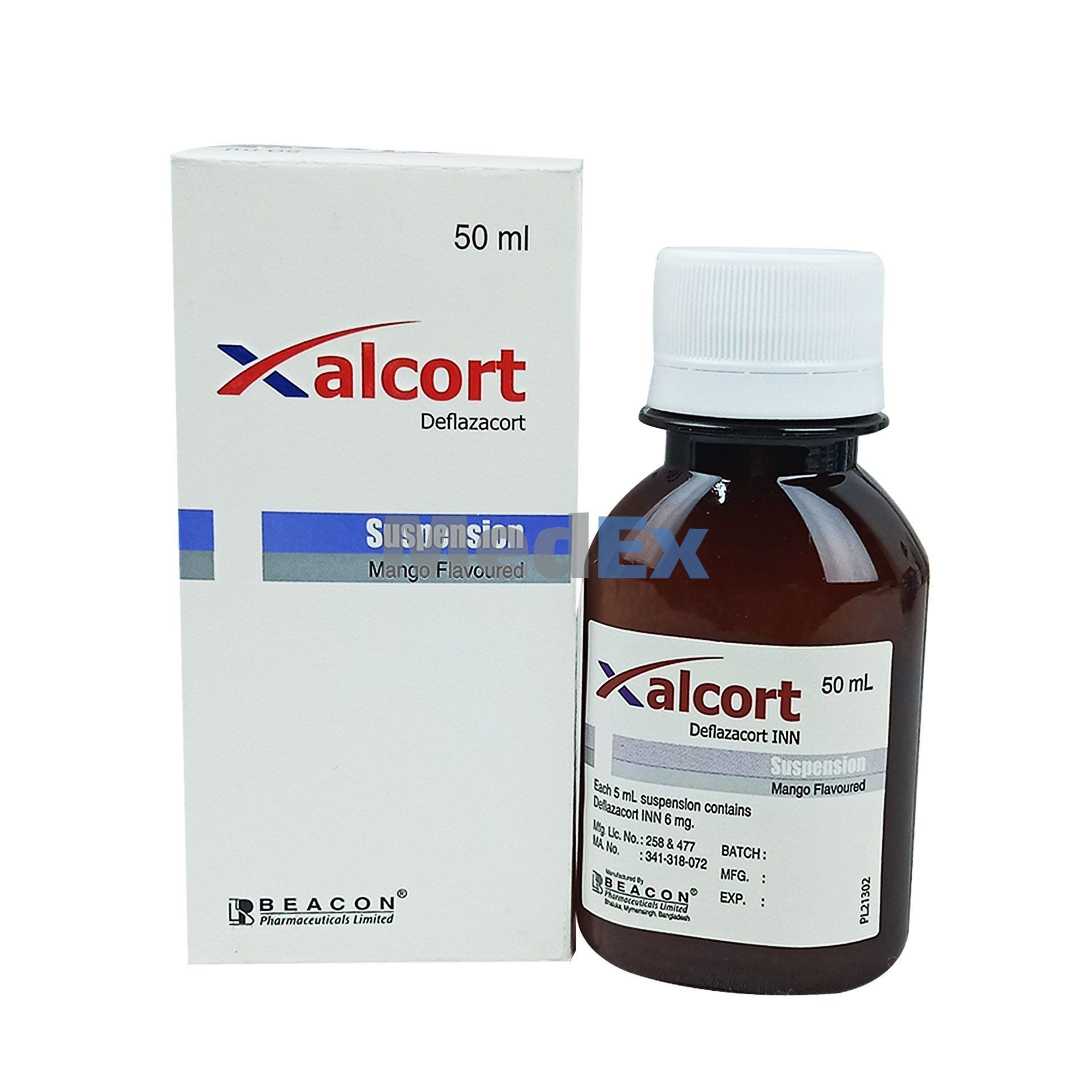
Xalcort
Zacort
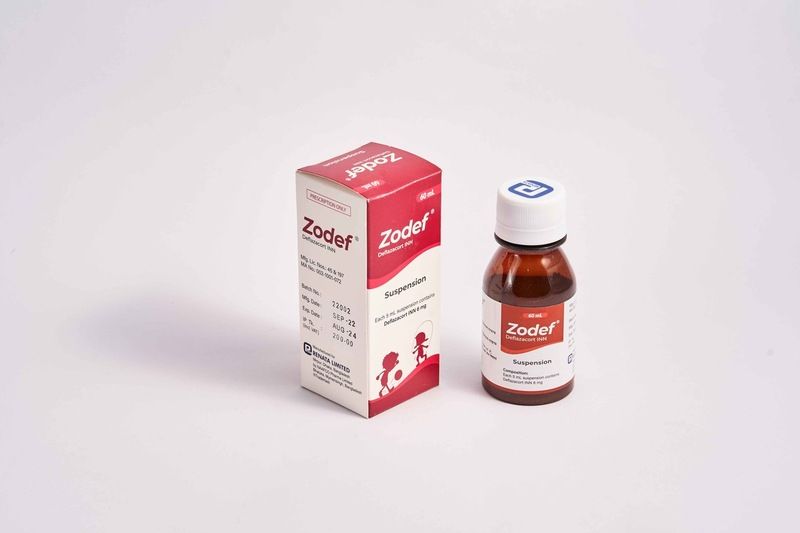
Zodef
📖 Official Clinical Monograph
DGDA Approved Prescribing GuidelinesCordef is indicated in-
Anaphylaxis, asthma, severe hypersensitivity reactions
Rheumatoid arthritis, juvenile chronic arthritis, polymyalgia rheumatica
Systemic lupus erythematosus, dermatomyositis, mixed connective tissue disease (other than systemic sclerosis), polyartritis nodosa, sarcoidosis
... Read more
Cordef is indicated in-
Anaphylaxis, asthma, severe hypersensitivity reactions
Rheumatoid arthritis, juvenile chronic arthritis, polymyalgia rheumatica
Systemic lupus erythematosus, dermatomyositis, mixed connective tissue disease (other than systemic sclerosis), polyartritis nodosa, sarcoidosis
Pemphigus, bullous pemphigoid, pyoderma gangrenosum
Minimal change nephrotic syndrome, acute interstitial nephritis
Rheumatic carditis
Ulcerative colitis, Crohn's disease
Uveitis, optic neuritis
Autoimmune haemolytic anaemia, idiopathic thrombocytopenic purpura
Acute and lymphatic leukaemia, malignant lymphoma, multiple myeloma
Immune suppression in transplantation
Adults
-
For acute disorders
: Up to 120 mg/day Deflazacort may need to be given initially. Maintenance doses in most conditions are within the range of 3-18 mg/day.
Rheumatoid arthritis
: The maintenance dose is usually within the range of 3-18 mg/day. The smallest effective dose should be used and increased if necessary.
Bronchial asthma
: In the treatment of an acute attack, high doses of 48-72 mg/day may be needed depending on severity and gradually reduced once the attack has been controlled. For maintenance in chronic asthma, doses should be titrated to the lowest dose that controls symptoms.
Other conditions
: The dose of Deflazacort depends on clinical need titrated to the lowest effective dose for maintenance. Starting doses may be estimated on the basis of ratio of 5 mg prednisone or prednisolone to 6 mg.
Children
: There has been limited exposure of children to Deflazacort in clinical trials. In children, the indications for glucocorticoids arethe same as for adults, but it is important that the lowest effective dosage is used. Alternate day administration may be appropriate. Doses of Deflazacort usually lie in the range 0.25-1.5 mg/kg/day.
The following ranges provide general guidance:
Juvenile chronic arthritis
: The usual maintenance dose is between 0.25-1.0 mg/kg/day.
Nephrotic syndrome
: Initial dose of usually 1.5 mg/kg/day followed by down titration according to clinical need.
Bronchial asthma
: On the basis of the potency ratio, the initial dose should be between 0.25-1.0 mg/kg on alternate days.
Deflazacort withdrawal
: In patients who have received more than physiological doses of systemic corticosteroids (approximately 9 mg per day or equivalent) for greater than 3 weeks, withdrawal should not be abrupt. How dose reduction should be carried out depends largely on whether the disease is likely to relapse as the dose of systemic corticosteroids is reduced.
Hypersensitivity to or any of the ingredients. Patients receiving live virus immunization.
GI disturbances, musculoskeletal, endocrine, neuropsychiatric, ophthalmic, fluid and electrolyte disturbances; susceptible to infection, impaired healing, hypersensitivity, skin atrophy, striae, telangiectasia, acne, myocardial rupture following recent Ml, thromboembolism.
The following clinical conditions require special caution and frequent patient monitoring is necessary-
Cardiac disease or congestive heart failure (except in the presence of active rheumatic carditis), hypertension, thromboembolic disorders. Glucocorticoids can cause salt and water retention and increased excretion of potassium. Dietary salt restriction and potassium supplementation may be necessary.
Gastritis or oesophagitis, diverticulitis, ulcerative colitis if there is the probability of impending perforation, abscess or pyogenic infections, fresh intestinal anastomosis, active or latent peptic ulcer.
Diabetes mellitus or family history, osteoporosis, myasthenia gravis, renal insufficiency.
Emotional instability or psychotic tendency, epilepsy.
Previous corticosteroid-induced myopathy.
Liver failure.
Hypothyroidism and cirrhosis, which may increase the glucocorticoid effect.
Ocular herpes simplex because of possible corneal perforation.
Deflazacort provides anti-inflammatory action by inhibiting Phospholipase A2 enzyme which is responsible for prostaglandin synthesis. Besides Deflazacort decreases the release of certain chemicals that are important in the immune system. By decreasing the release of these chemicals Deflazacort provides immunosuppressive action.