Clindamycin
💊 Brand Formulations & Prices
71 brands sorted by unit price
Asiclin

Cinamycin
Climed
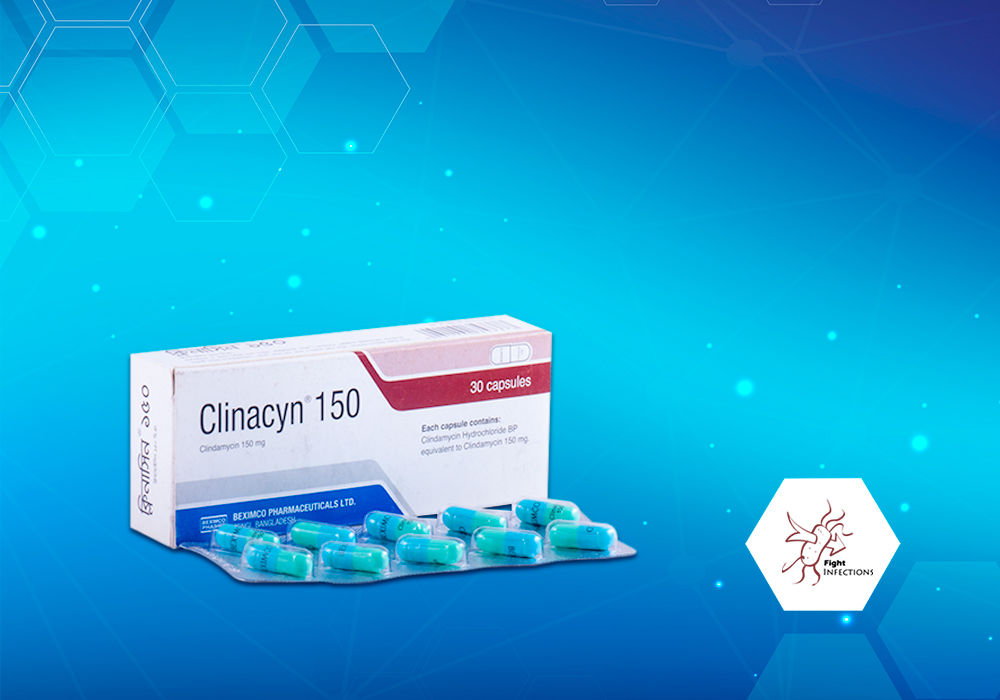
Clinacyn
Clincin
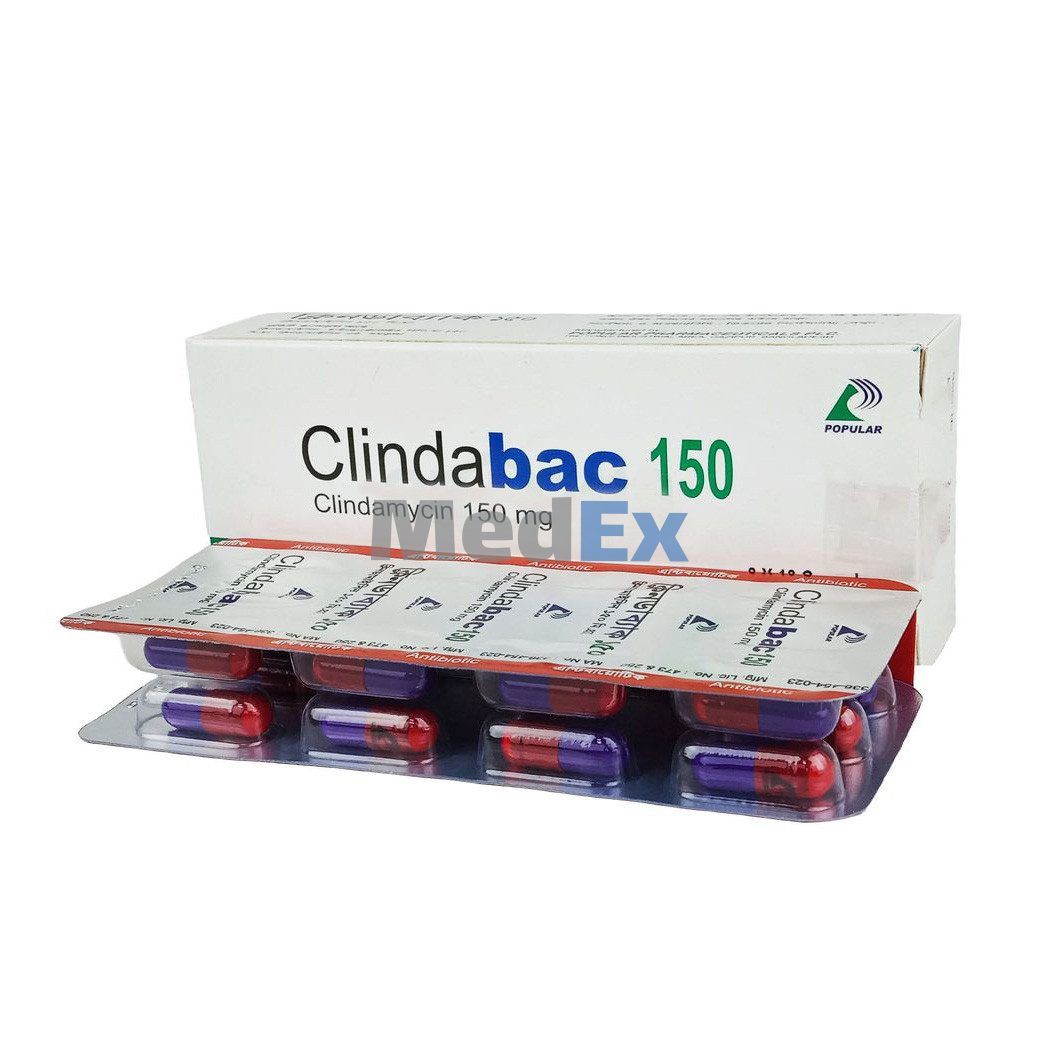
Clindabac
Clindaben
Clindacap
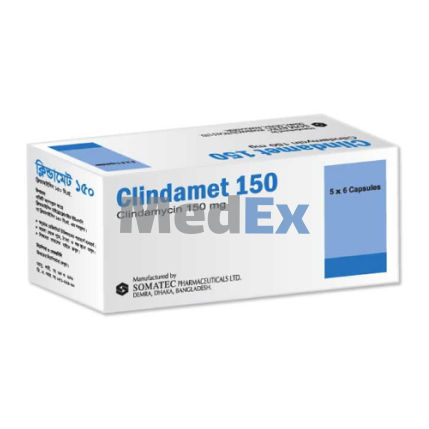
Clindamet
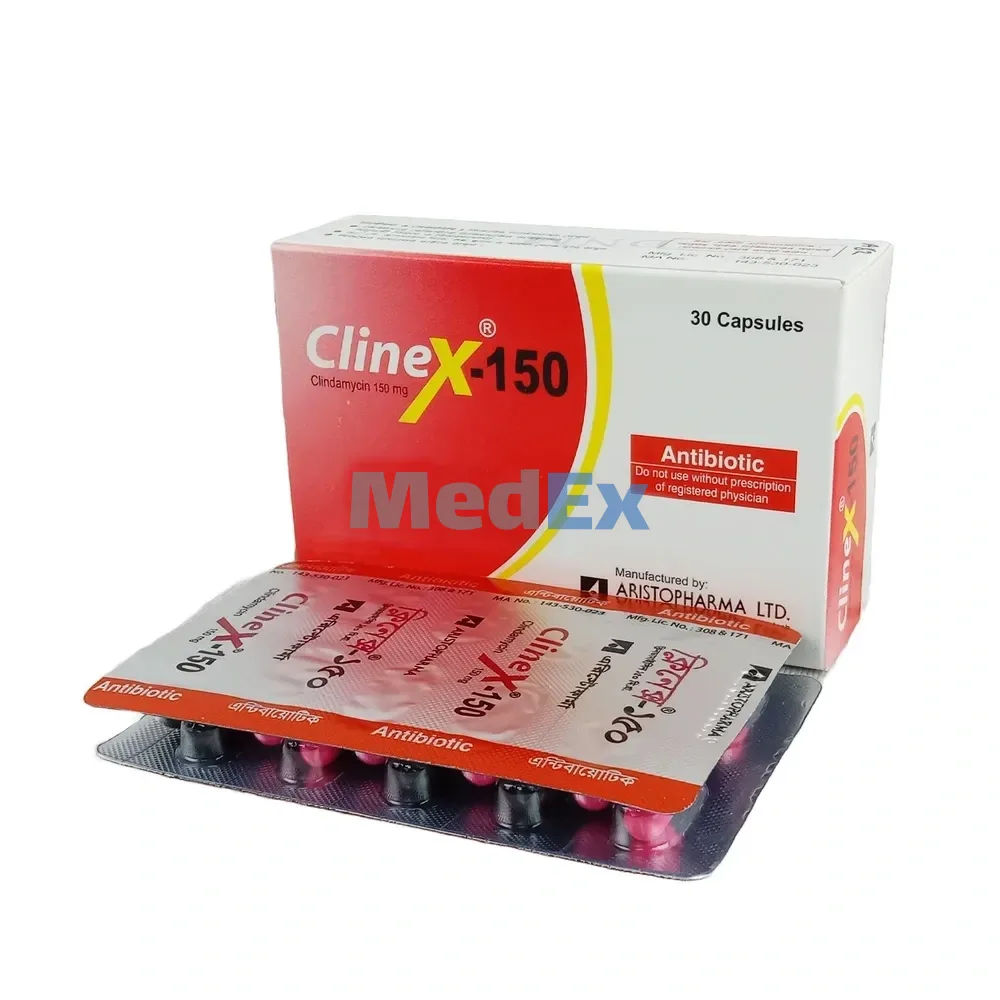
Clinex
Endamycin
Maxclin
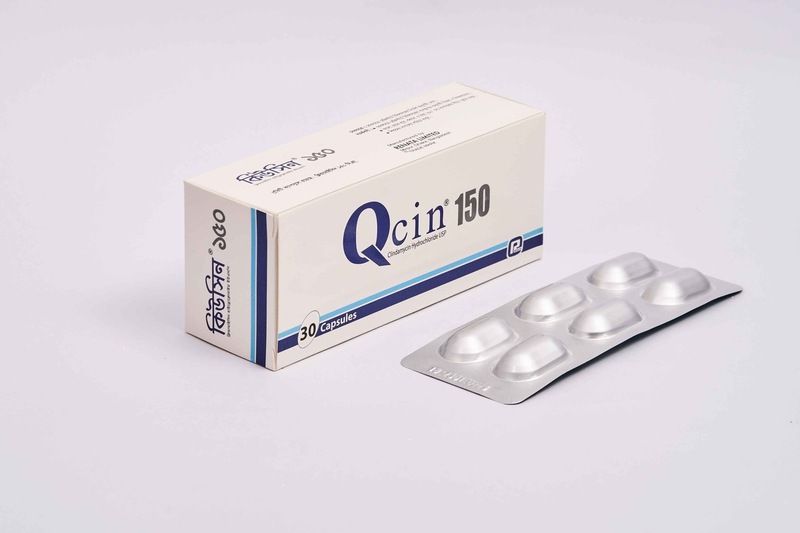
Qcin
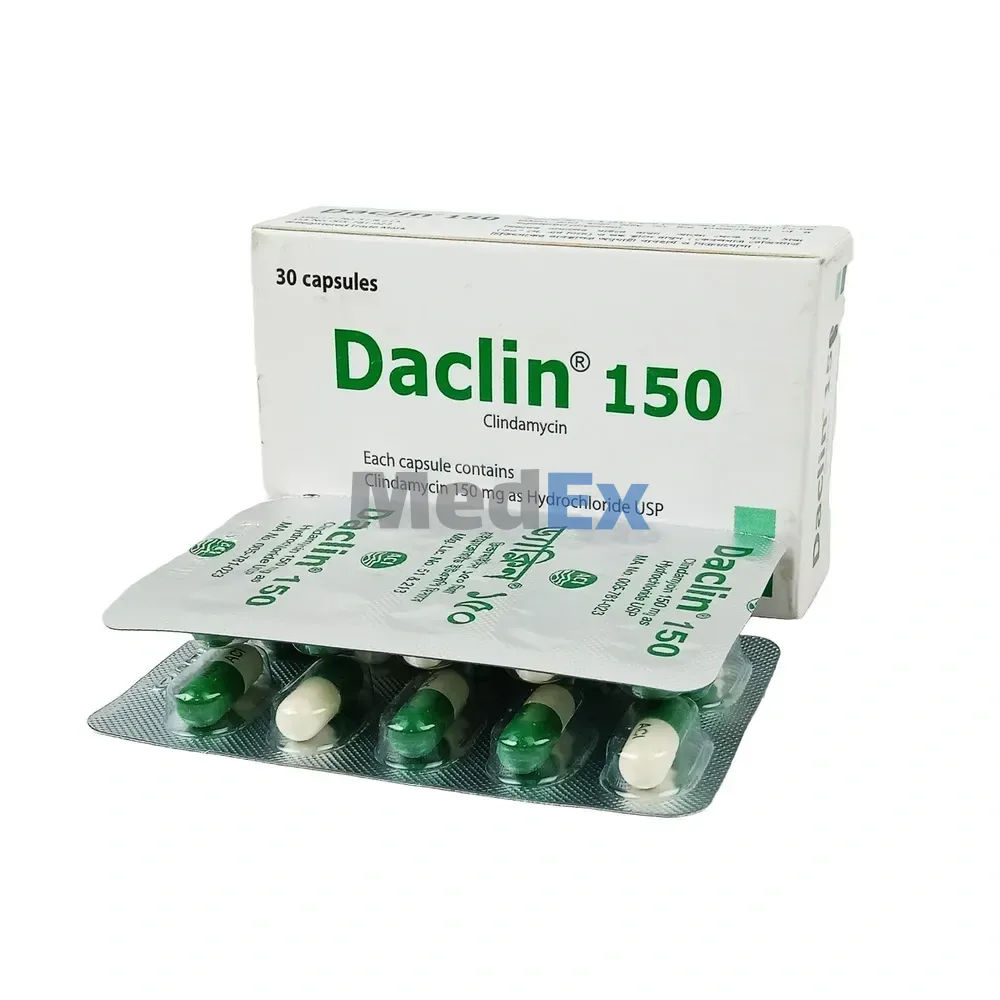
Daclin
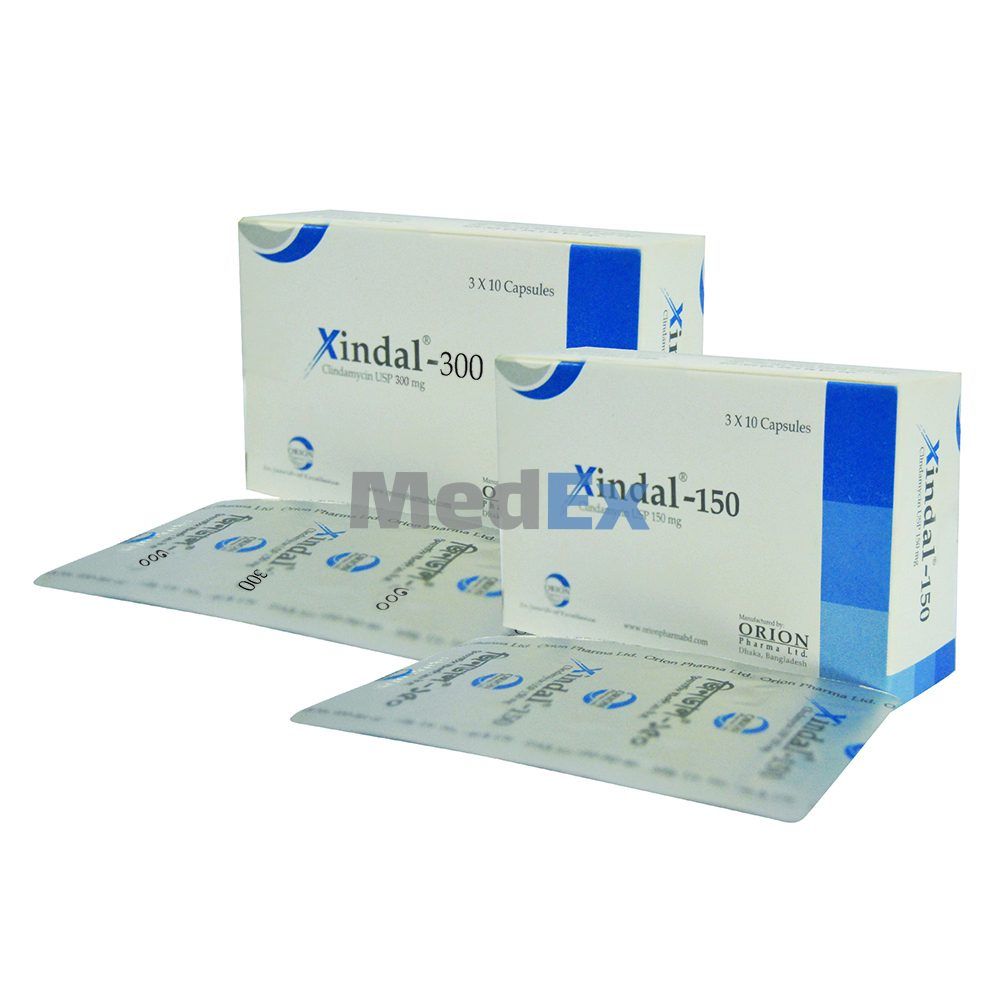
Xindal
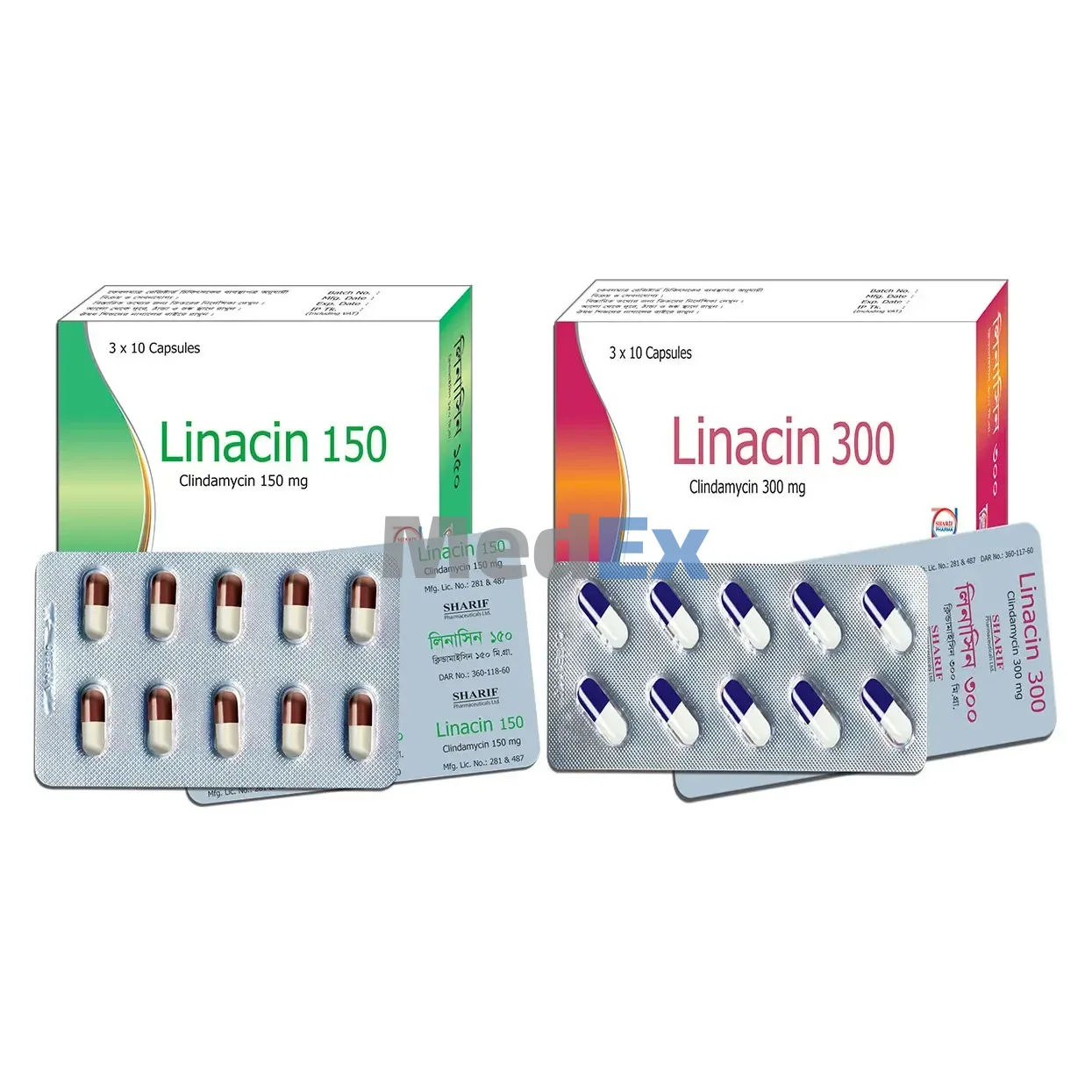
Linacin

Lincocin
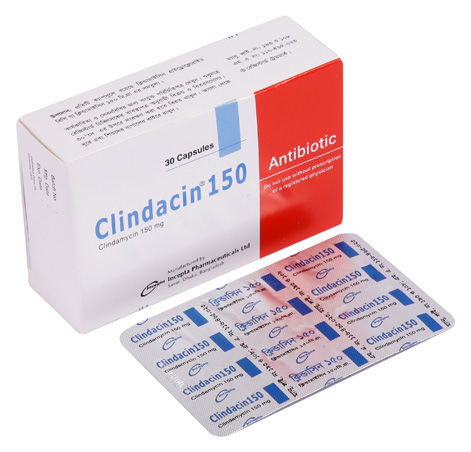
Clindacin
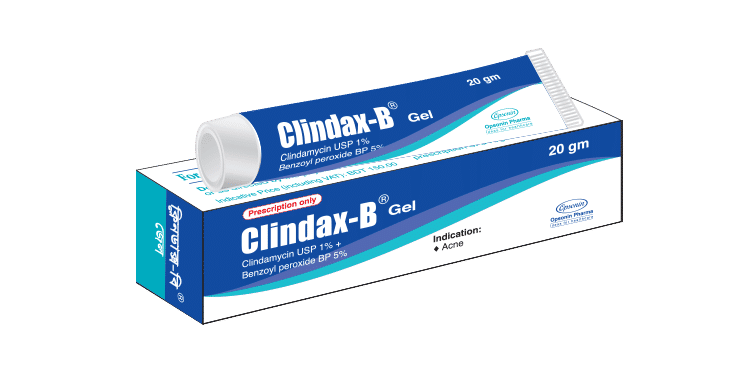
Clindax
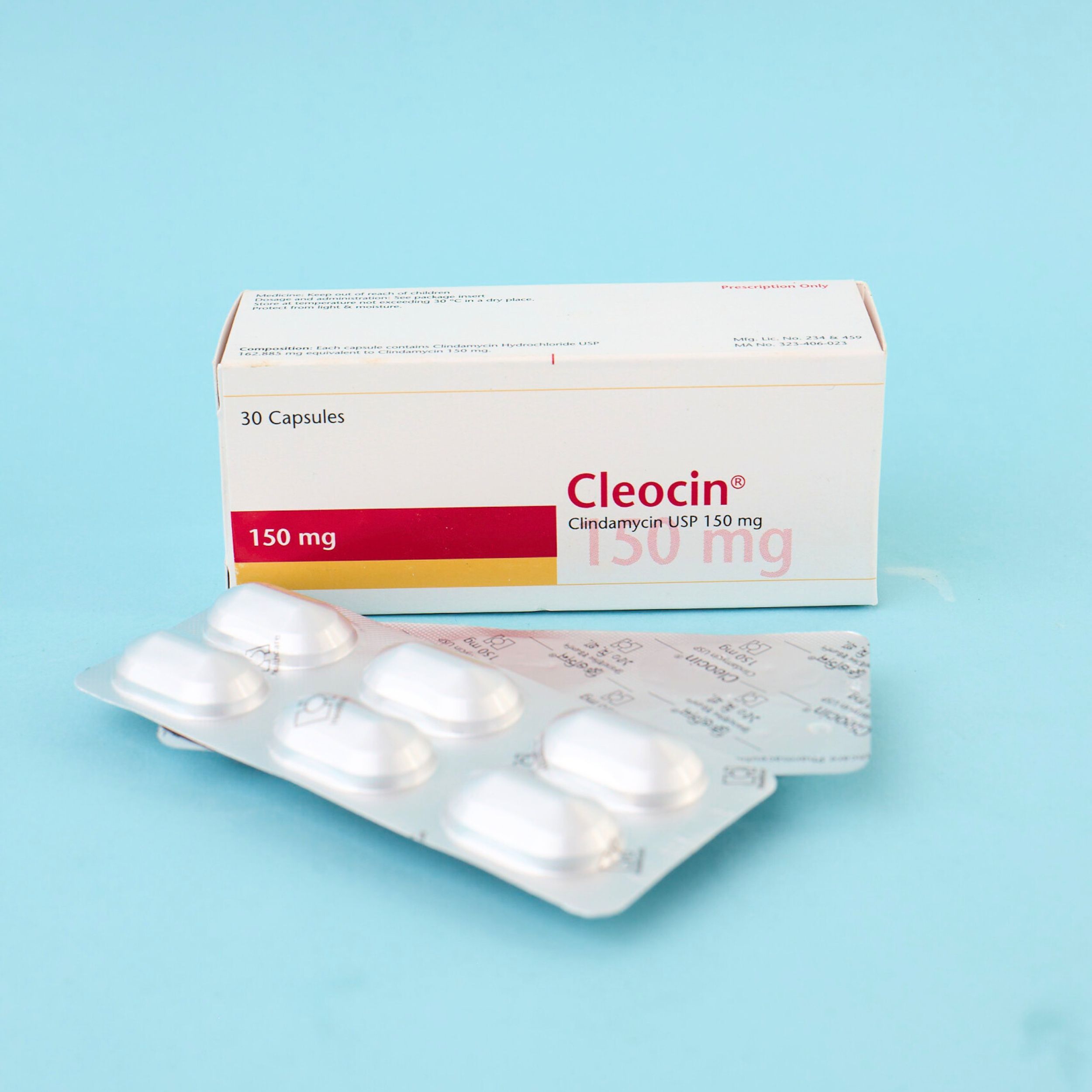
Cleocin
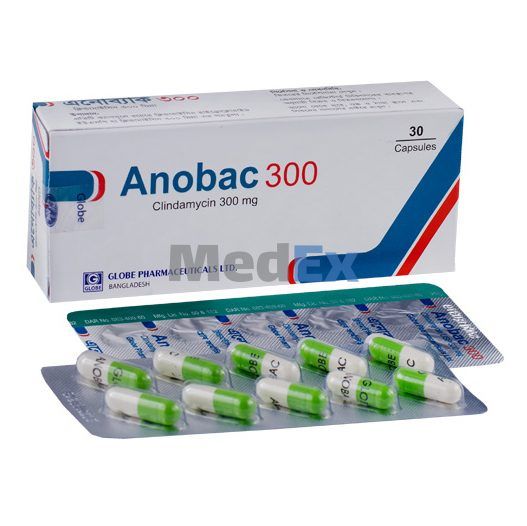
Anobac
Asiclin
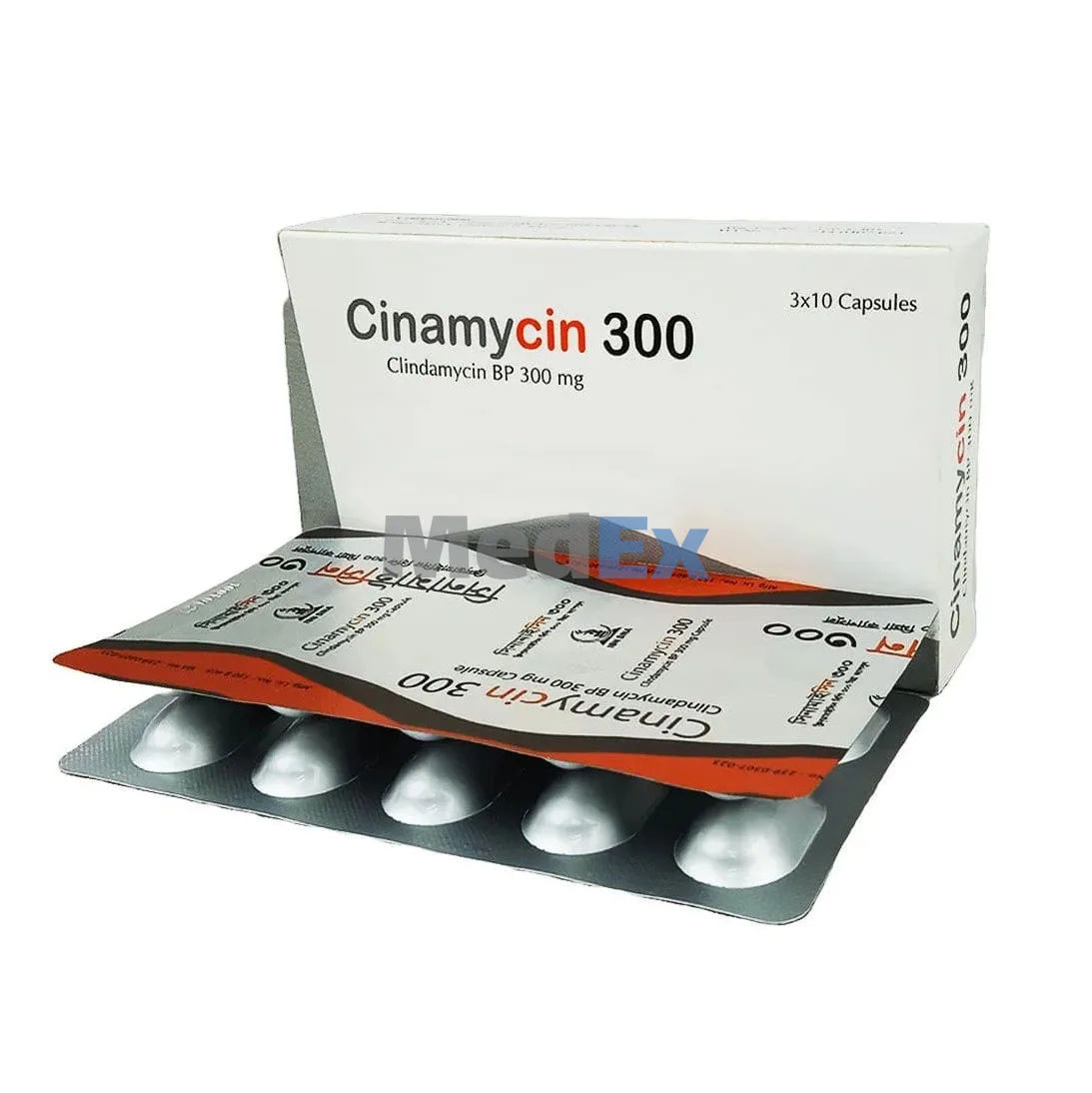
Cinamycin
Cleomycin
Climed
Clinacyn
Clinda-TIMS
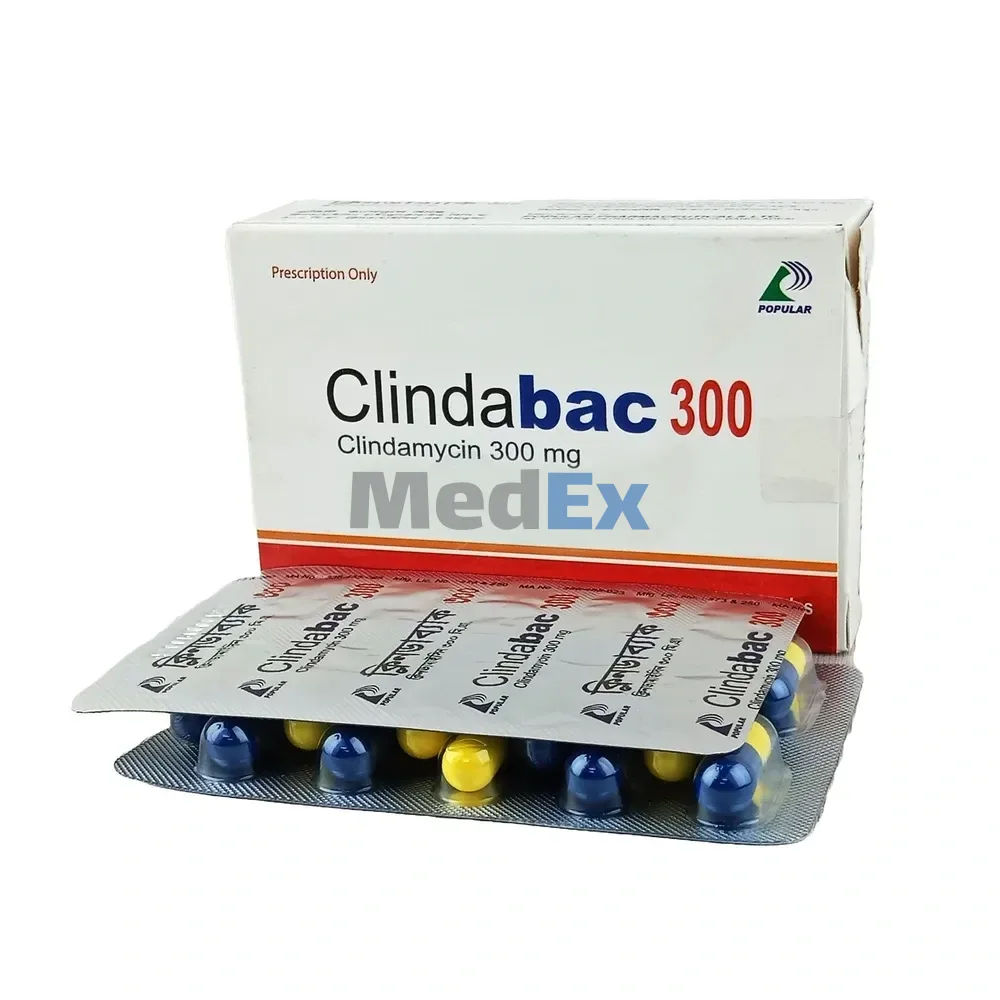
Clindabac
Clindaben
Clindacap
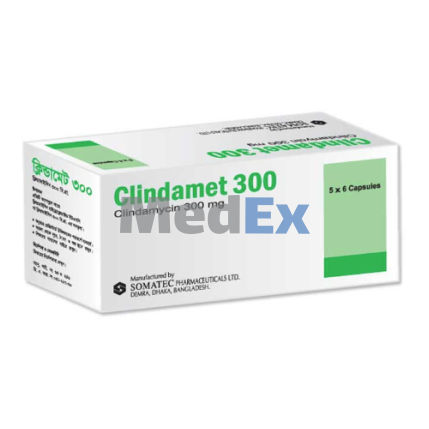
Clindamet
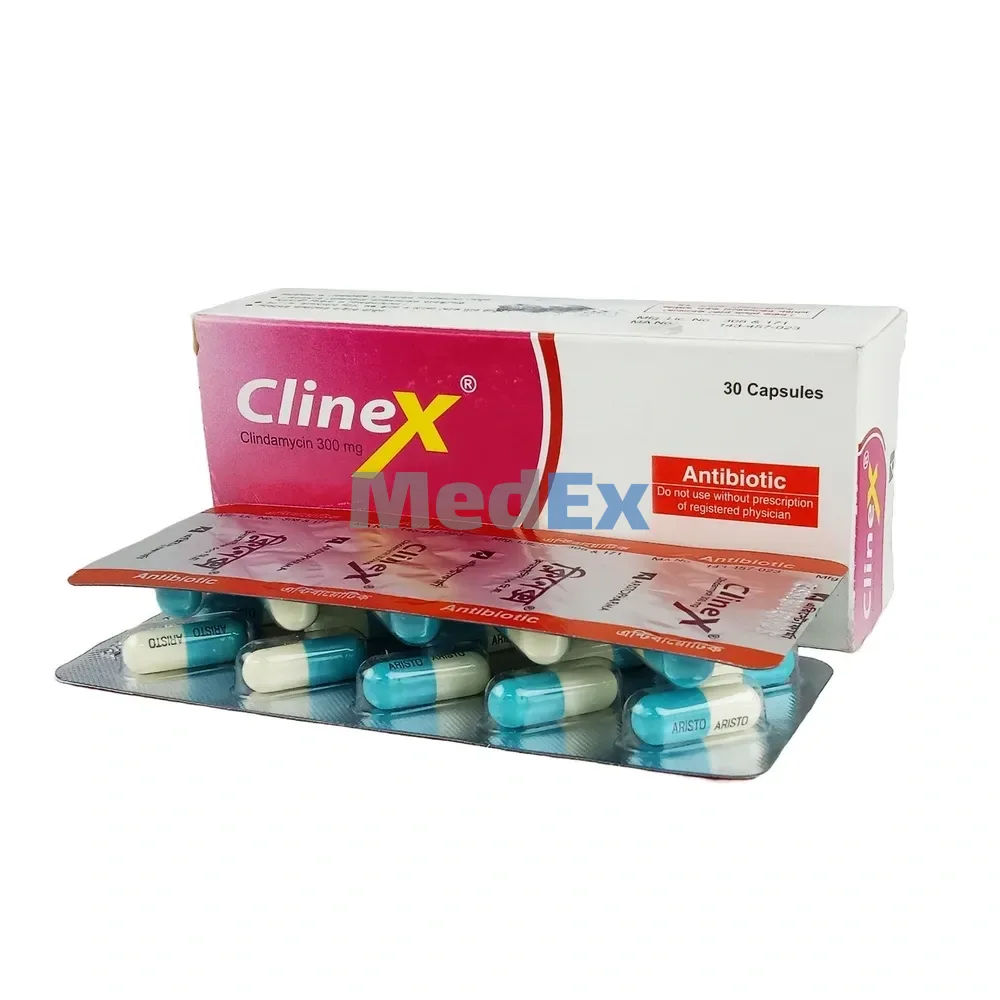
Clinex
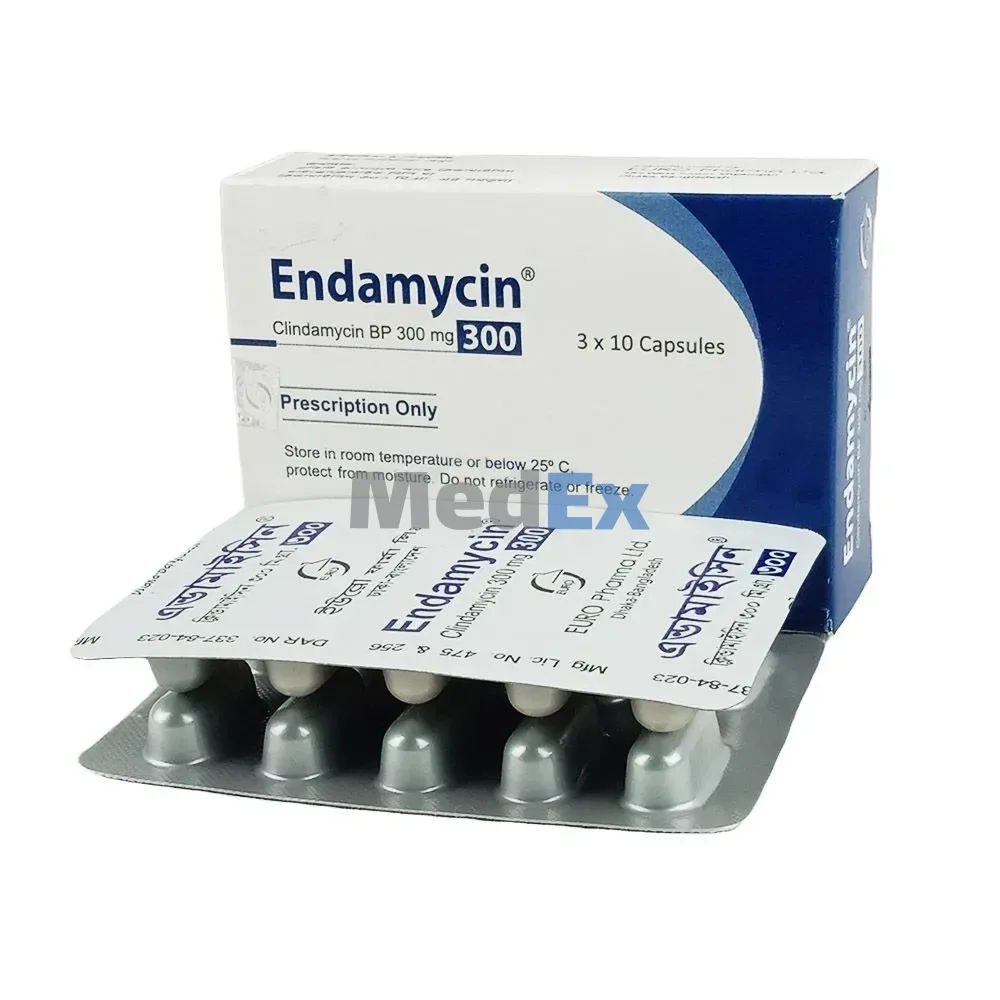
Endamycin
Lindamax
Maxclin
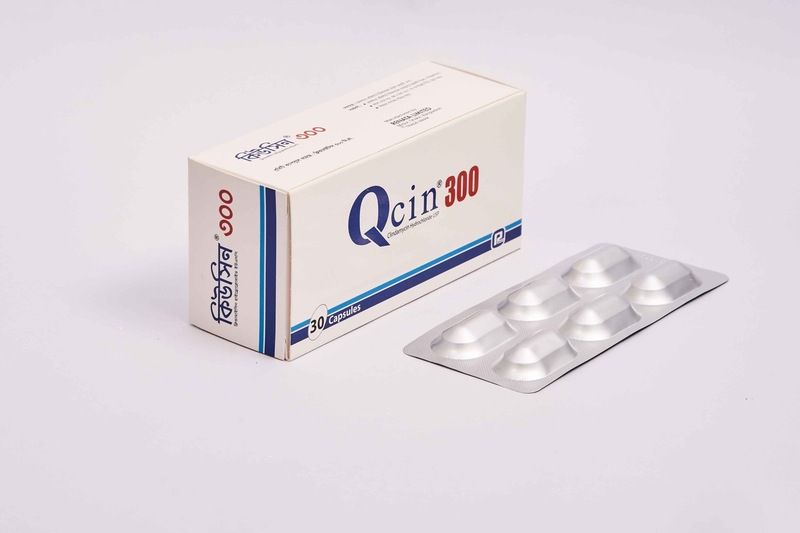
Qcin
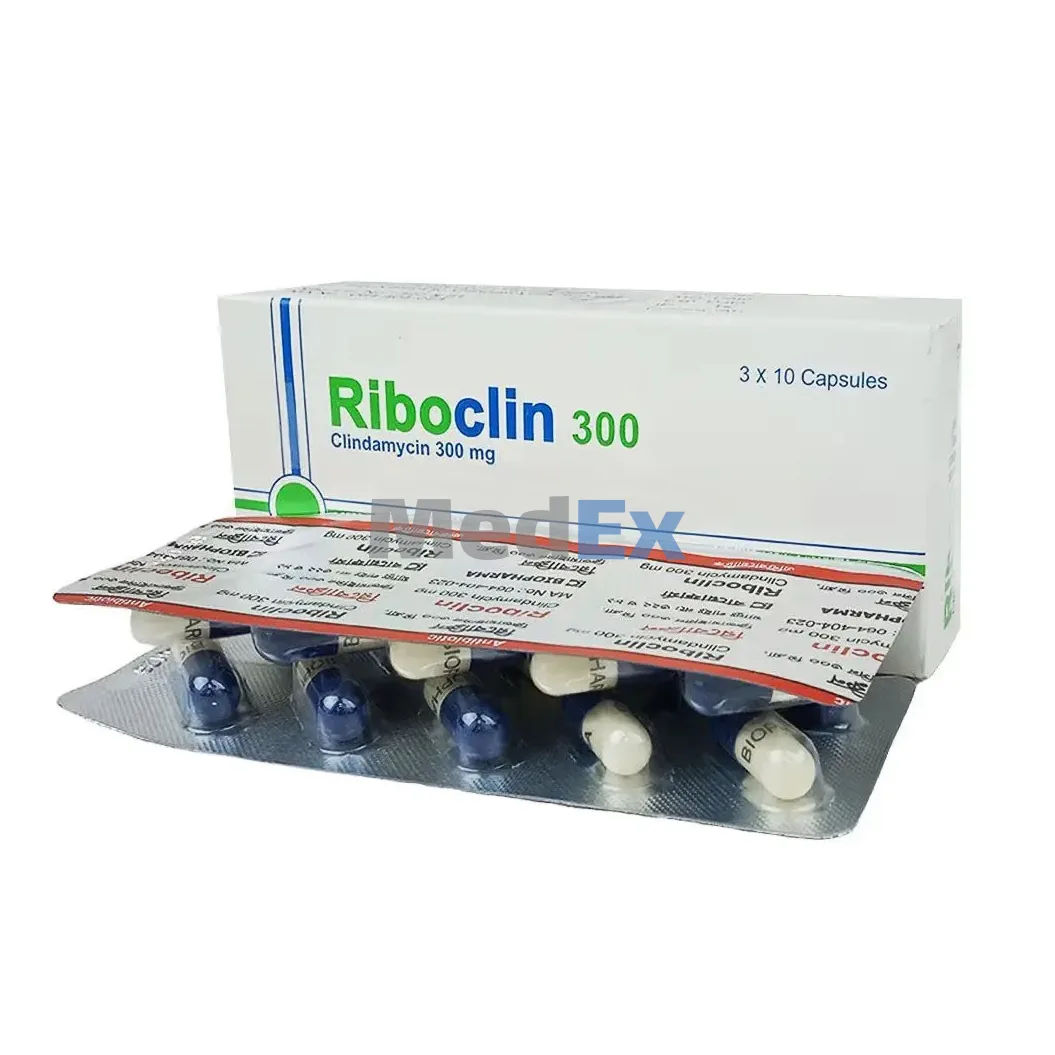
Riboclin
Xioclin
Cleodin
Clincin
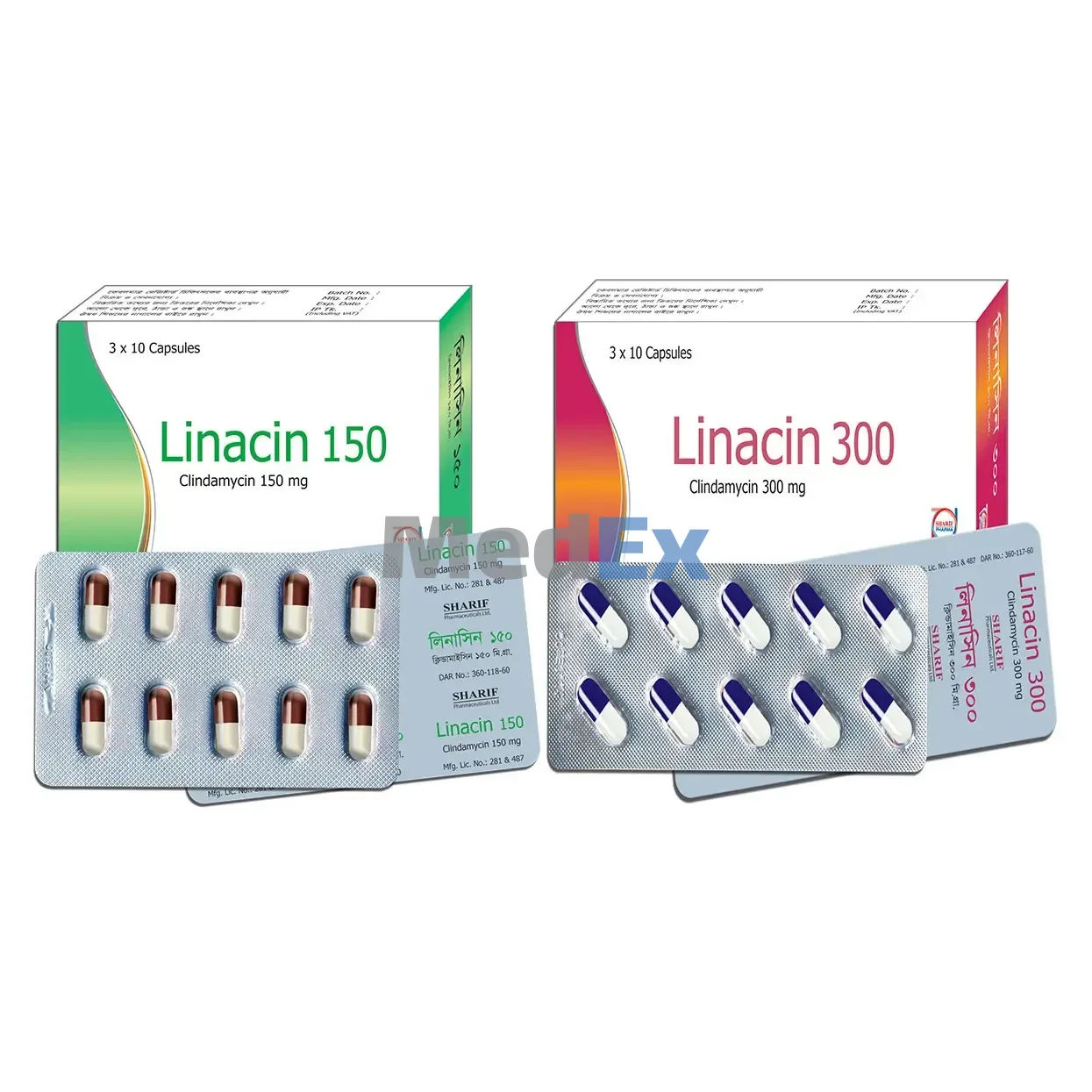
Linacin
Lincocin
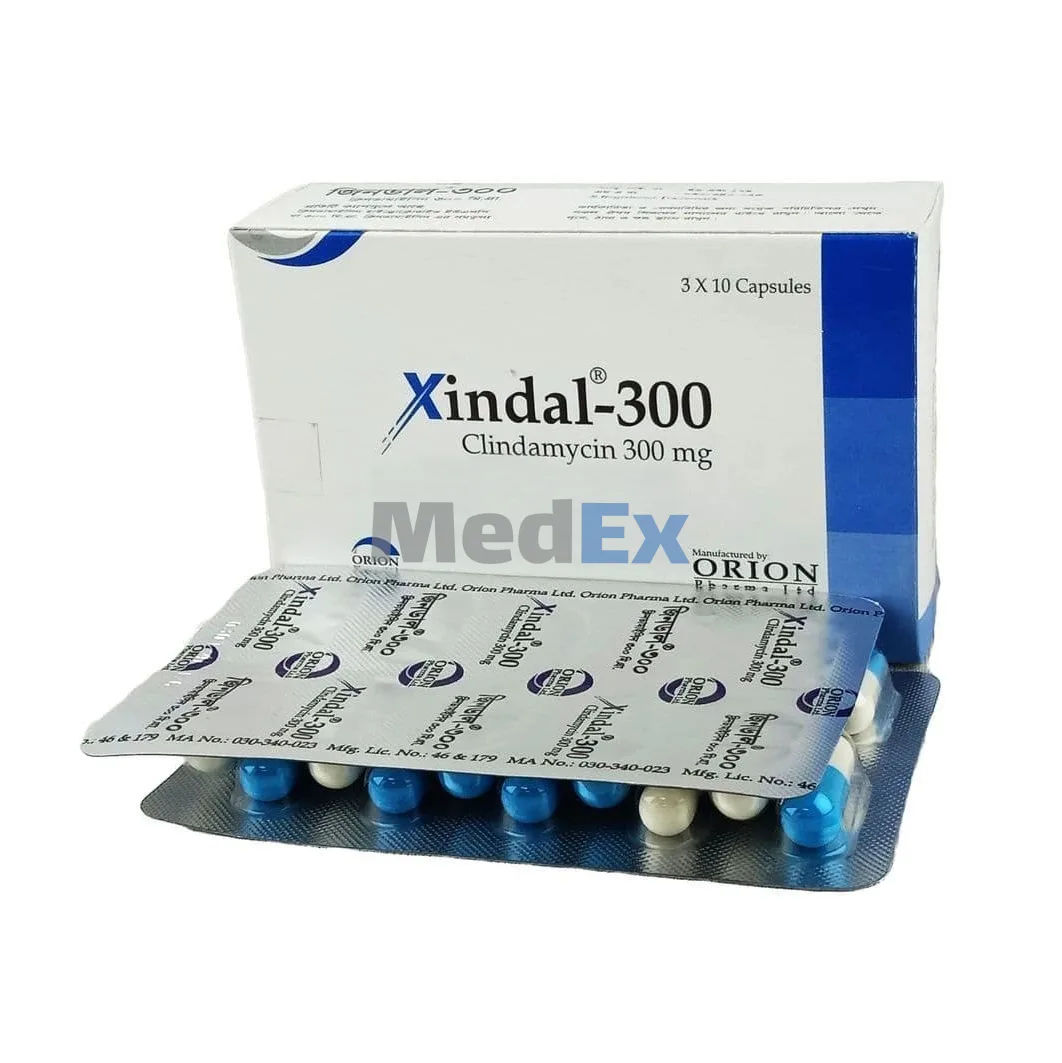
Xindal
Clindaver
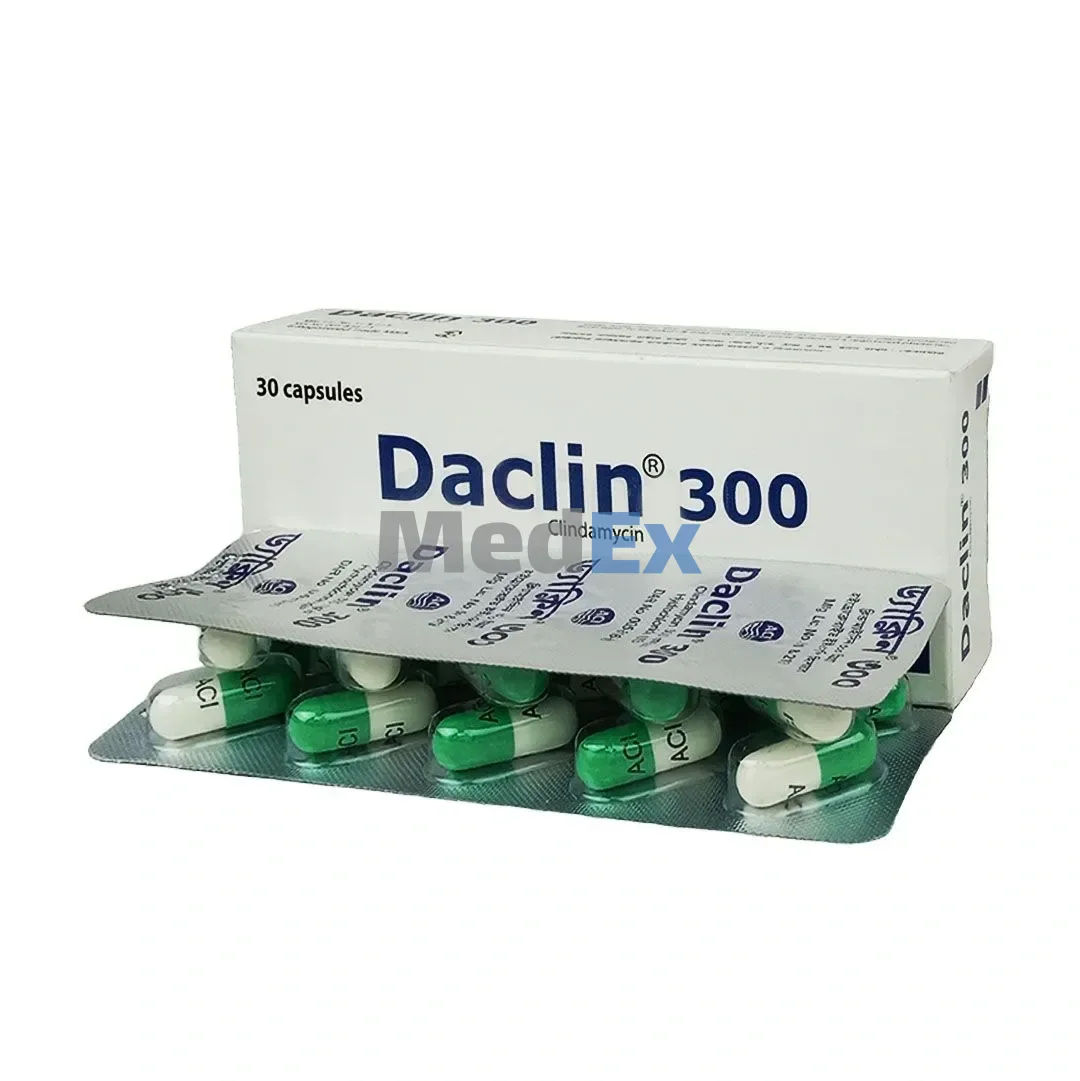
Daclin
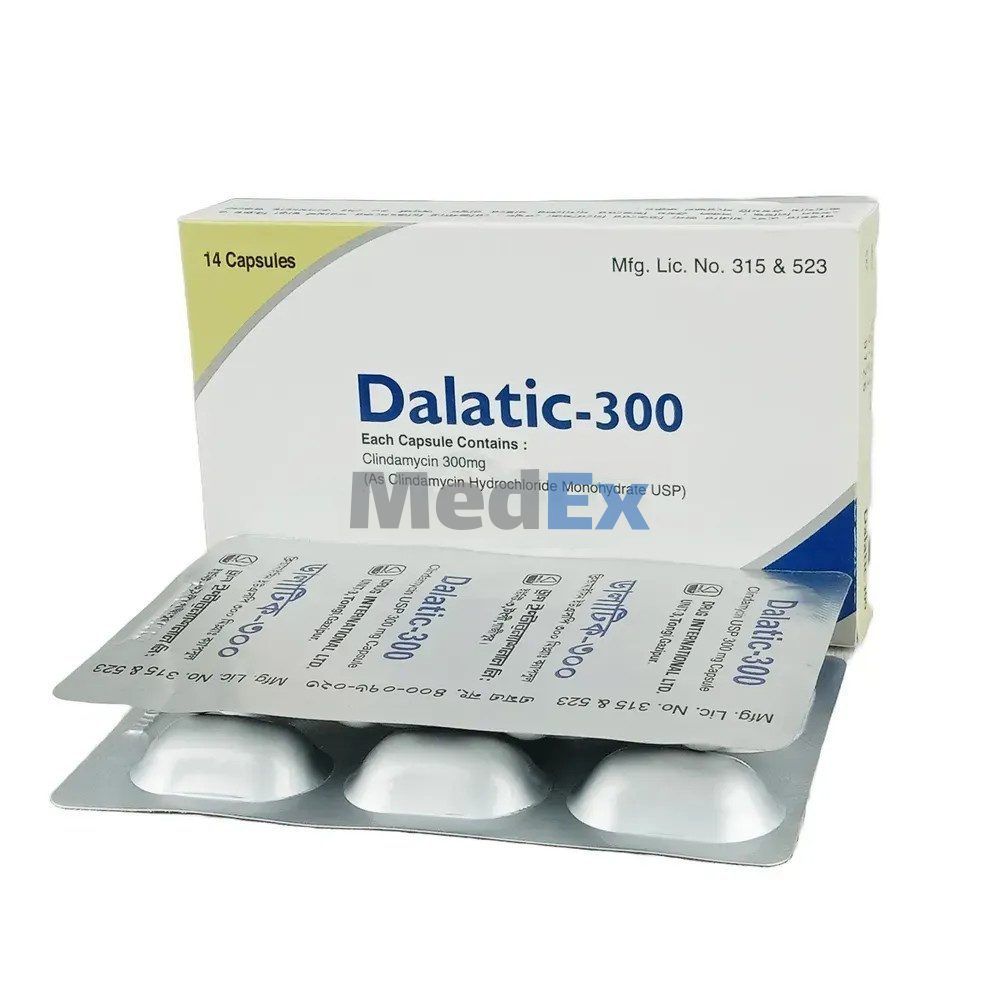
Dalatic
Cleocin
Clindax
Climycin
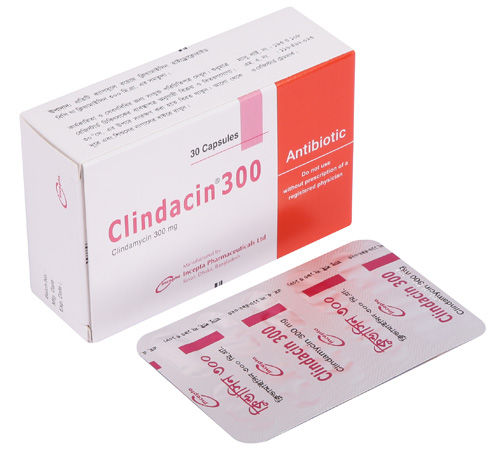
Clindacin
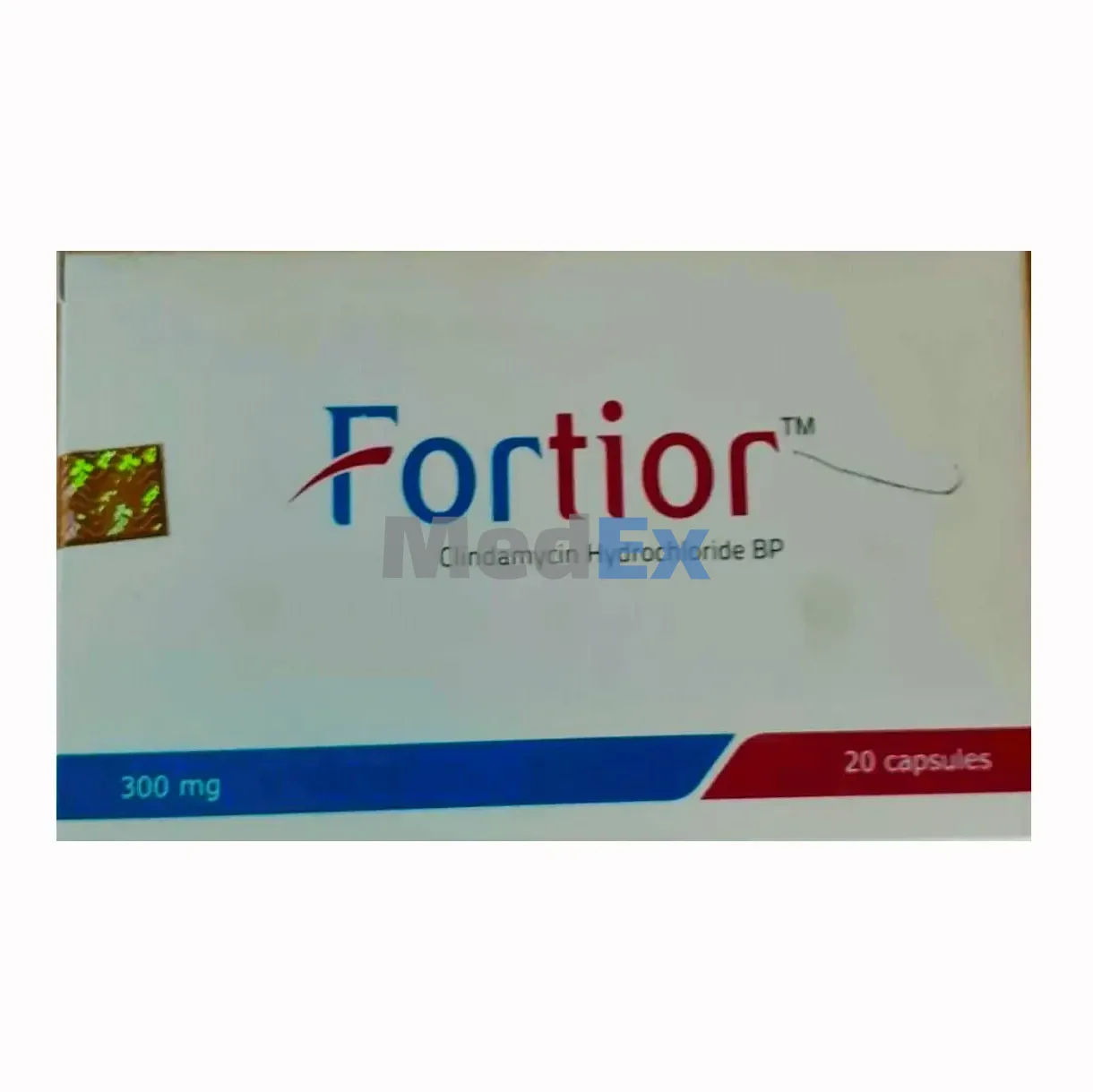
Fortior
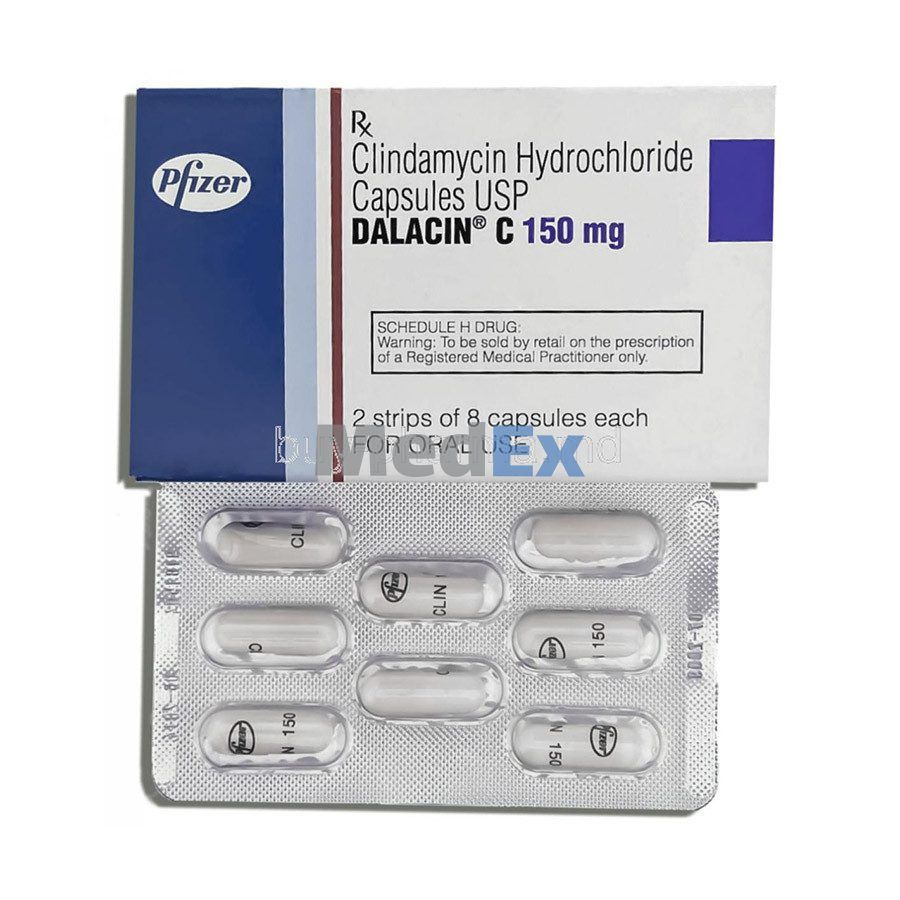
Dalacin C
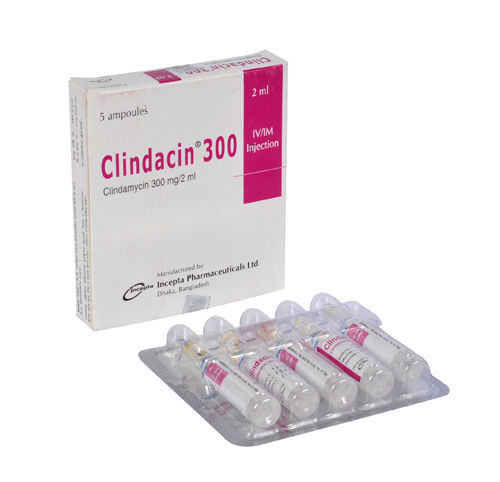
Clindacin
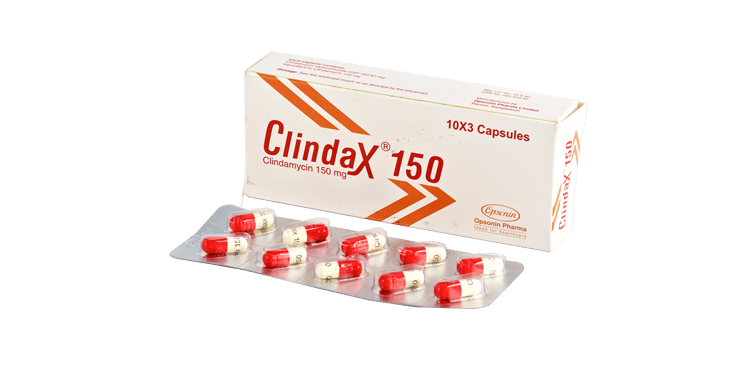
Clindax
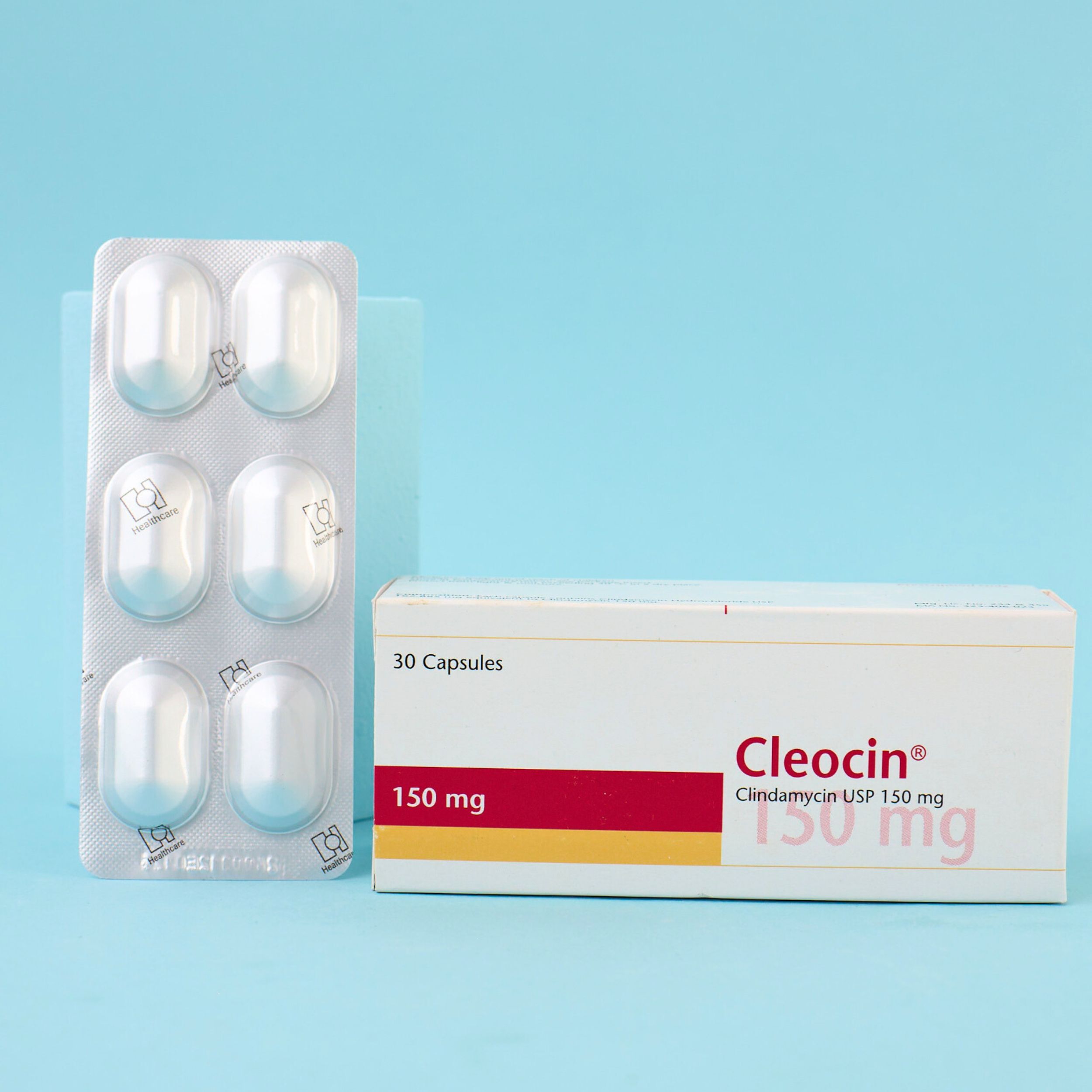
Cleocin
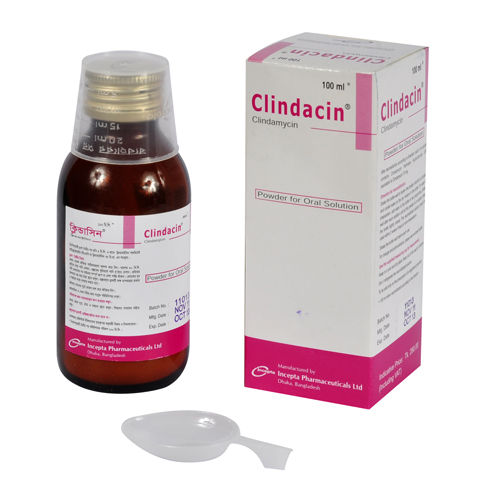
Clindacin
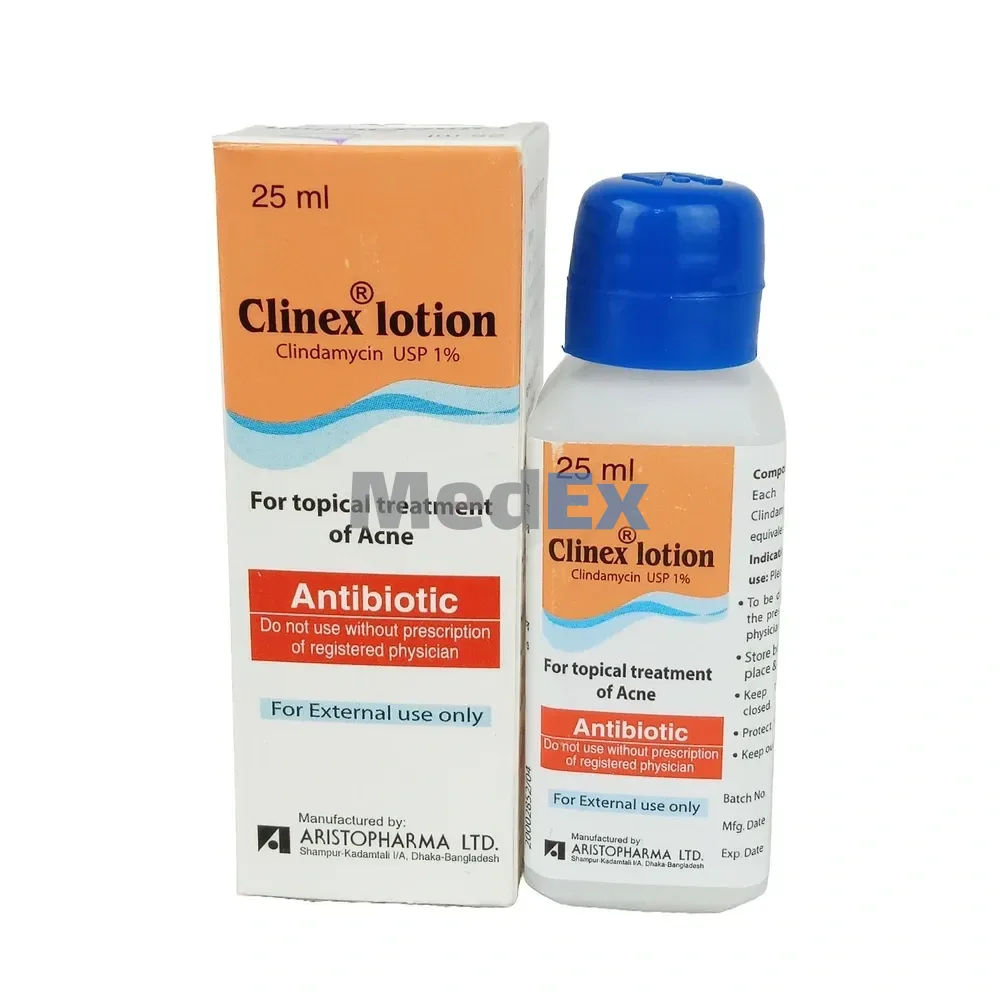
Clinex
Lindamax
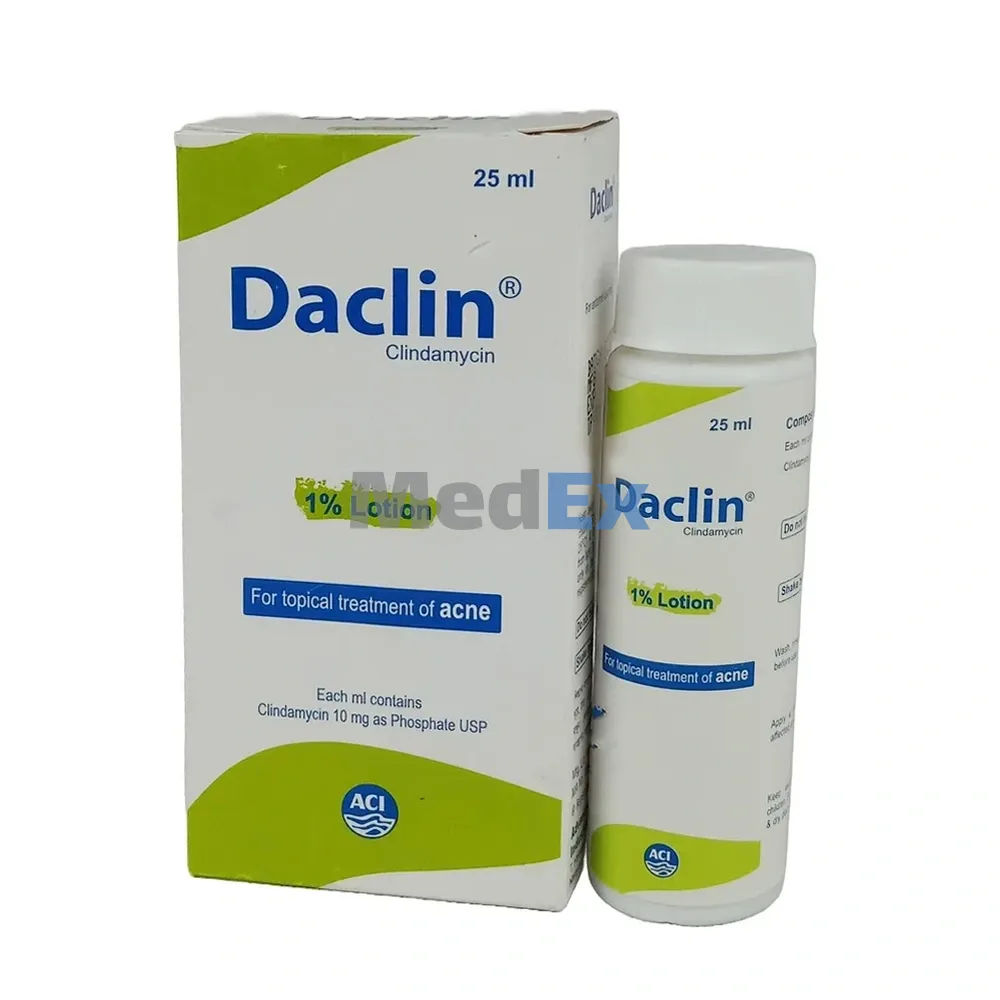
Daclin
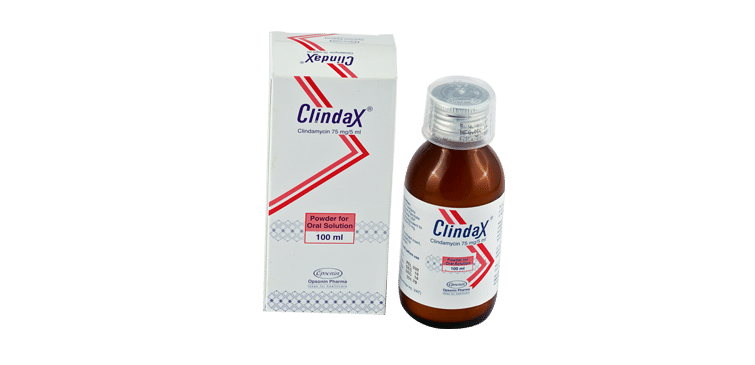
Clindax
Asiclin
Cinamycin
Clindacin
Clindax
Dalatic
Dalatic
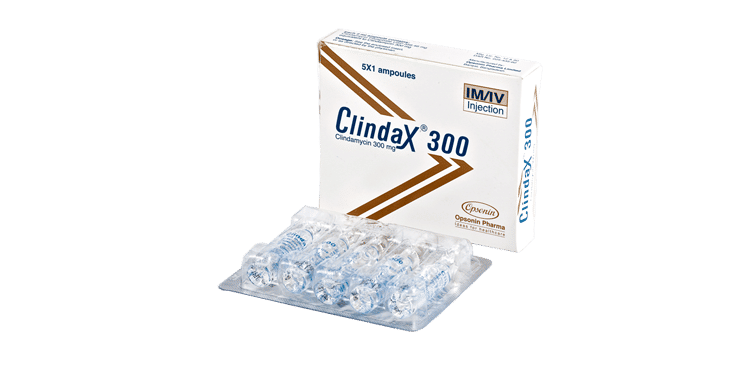
Clindax
Clindacin

Cinamycin
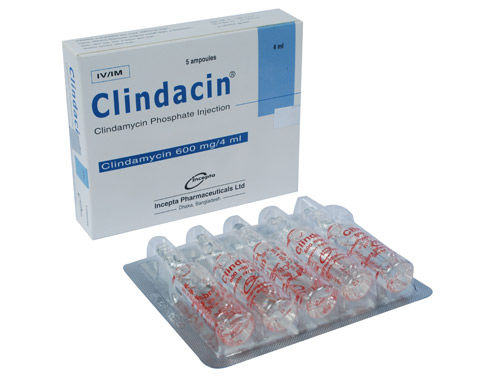
Clindacin
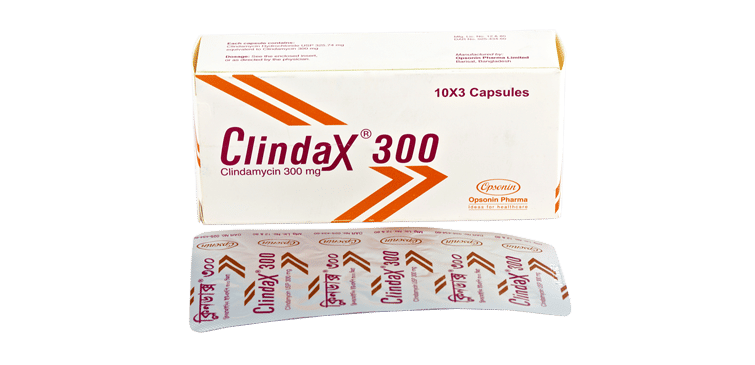
Clindax
📖 Official Clinical Monograph
DGDA Approved Prescribing GuidelinesAnobac has been shown to be effective in the treatment of the following infections when caused by susceptible anaerobic bacteria or susceptible strains of gram positive bacteria such as Streptococci, Staphylococci and Pneumococci; Upper respiratory infections, Lower respiratory infections, Skin
... Read more
Anobac has been shown to be effective in the treatment of the following infections when caused by susceptible anaerobic bacteria or susceptible strains of gram positive bacteria such as Streptococci, Staphylococci and Pneumococci; Upper respiratory infections, Lower respiratory infections, Skin and soft tissue infections, Bone and joint infections, Pelvic infections, Intra-abdominal infections, Septicemia and endocarditis, Dental infections. As an alternative therapy when used in combination with quinine or amodiaquine for the treatment of multi-drug resistant Plasmodium falciporum infection.
Dosage of Clindamycin Capsule
:
Serious Infections: 150 mg-300 mg every six hours.
More severe infections: 300 mg-450 mg every six hours.
To avoid the possibility of oesophageal irritation, Clindacin capsules should be taken with a full glass of water.
Several researches has found that Clindamycin 300 mg capsule provides plasma concentration over MIC
90
for more than 12 hours. This finding supports the twice-daily dosing of Clindacin 300 mg capsule, particularly in SSTIs & RTIs. However, in case of bone & joint infections, diabetic foot infections dose of Clindamycin should be 300 mg capsule 3-4 times daily.
Dosage of Clindamycin Powder for oral solution
:
Serious infections: 8-12 mg/kg/day divided into 3 or 4 equal doses.
Severe infections: 13-16 mg/kg/day divided into 3 or 4 equal doses.
More severe infections: 17-25 mg/kg/day divided into 3 or 4 equal doses.
In pediatric patients weighing 10 kg or less, 1/2 teaspoon (37.5 mg) three times a day should be considered the minimum recommended dose.
Dosage of Clindamycin IV/IM Injection
:
Adults-
Serious infections due to aerobic gram-positive cocci and the more susceptible anaerobes: 600-1200 mg/day in 2- 4 equal doses.
More severe infections: 1200-2700 mg/day in 2-4 equal doses.
For more serious infections: these doses may have to be increased. In life-threatening situations due to either aerobes or anaerobes, these doses may be increased.
Doses of as much as 4800 mg daily have been given intravenously to adults. Single intramuscular injections of greater than 600 mg are not recommended.
Neonates (less than 1 month): 15 to 20 mg/kg/day in 3 to 4 equal doses. The lower effective dosage may be adequate for small prematures.
Pediatric patients (1 month of age to 16 years):
20 to 40 mg/kg/day in 3 or 4 equal doses. The higher doses would be used for more severe infections.
Parenteral therapy may be changed to Capsules (clindamycin hydrochloride) when the condition warrants and at the discretion of the physician.
In cases of (3-hemolytic streptococcal infections, treatment should be continued for at least 10 days.
Clindamycin is contraindicated in patients previously found to be sensitive to clindamycin or any of the ingredients of this medicine.
The adverse effects have been reported with the use of Anobac are- abdominal pain, oesophagitis and oesophagial ulcer, nausea, vomiting and diarrhoea, pruritus, skin rashes, urticaria.
Anobac should be prescribed with caution in individuals with a history of gastrointestinal disease, particularly colitis.