 Oshud
OshudCilnidipine
 Calcium-channel blockers
Brands & Prices (39)
📋 Indications & Uses Dosage & Administration⚠️ Contraindications⚡ Side Effects & Adverse Reactions🛡️ Warnings & Precautions🔬 Pharmacology & Mechanism
Calcium-channel blockers
Brands & Prices (39)
📋 Indications & Uses Dosage & Administration⚠️ Contraindications⚡ Side Effects & Adverse Reactions🛡️ Warnings & Precautions🔬 Pharmacology & Mechanism
Brand Formulations & Prices
39 brands sorted by unit price
Cildocal

Cilmedip
Cildocal
Cilny

Bidip
Cilmedip

Cardocal

Cilma

Cilnior

Cilnipin

Cilnivas
Cilny
Cinekar
Darven

Duocard
LNC
Mydipin

Nexovas
Bidip
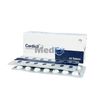
Cardicil

Cildip
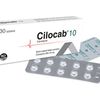
Cilocab
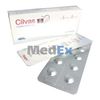
Cilvas
Cardocal
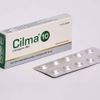
Cilma

Cilnical

Cilnior
Cilnipin
Cilnivas
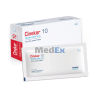
Cinekar
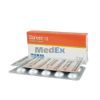
Darven
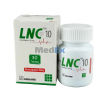
LNC
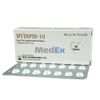
Mydipin
Nexovas
Cardicil
Cildip
Cilocab
Cilvas
Duocard
📖 Official Clinical Monograph
DGDA Approved Prescribing GuidelinesBidip is indicated for the management of hypertension for end-organ protection. It is reported to be useful in elderly patients and in those with diabetes and albuminuria. Bidip has been increasingly used in patients with chronic kidney disease
Hypertension is the term used to
... Read more
Bidip is indicated for the management of hypertension for end-organ protection. It is reported to be useful in elderly patients and in those with diabetes and albuminuria. Bidip has been increasingly used in patients with chronic kidney disease
Hypertension is the term used to describe the presence of high blood pressure. The blood pressure is generated by the force of the blood pumped from the heart against the blood vessels. Thus hypertension is caused when there is too much pressure on the blood vessels and this effect can damage the blood vessel.
Dosage & AdministrationAdults
: 5-10 mg once daily after breakfast. Maximum dose: 20 mg once daily.
Pediatric use
: The safety of Cilnidipine in pediatric patients has not been established.
Elderly use
: Since the elderly may be more susceptible to hypotension, therapy should be initiated with the lowest possible dose (5 mg).
Cilnidipine is contraindicated in patients with known sensitivity to Cilnidipine or any of the excipients or patients having cardiogenic shock, recent MI or acute unstable angina and severe aortic stenosis.
The most common side effects of Bidip are: Dizziness; flushing; headache; hypotension; peripheral oedema; palpitations; GI disturbances; increased micturition frequency; lethargy; eye pain; depression.
Bidip should be administered with care in the following patients: patients with serious hepatic dysfunction, patients with a history of serious adverse reactions to calcium antagonists. During the discontinuation, the dosage should be gradually decreased under close observation.
Cilnidipine is a dihydropyridine calcium-channel blocker. Cilnidipine binds to the dihydropy-ridine binding sites of the L-type voltage dependent calcium channel and inhibits Ca
2+
influx across the cell membranes of vascular smooth muscle cells via this channel, consequently vascular smooth muscle is relaxed, causing vasodilation. Cilnidipine inhibits Ca
2+
influx via N-type voltage dependent calcium channels in the sympathetic nerve cell membrane. The inhibition of Ca
2+
influx via N-type voltage dependent calcium channel was observed over a similar range of drug concentrations to those inhibiting L-type voltage dependent Ca
2+
channels. Consequently, release of norepinephrine from sympathetic nerve terminals would be inhibited. Cilnidipine is considered to suppress the reflex increase in heart rate after blood pressure reduction.