 BD Medi
Cefpodoxime Proxetil
 Third generation cephalosporins
Brands & Prices (99)
📋 Indications & Uses Dosage & Administration⚠️ Contraindications⚡ Side Effects & Adverse Reactions🛡️ Warnings & Precautions🔬 Pharmacology & Mechanism
Brand Formulations & Prices
99 brands sorted by unit price

Cefipod

Rovantin

Ximeprox

Ceforan
Cepdoxim

Epoxim

Zedoxim
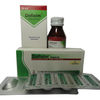
Dofixim
Cefodim
Cefodox
Cefpod
Starin
Sefox
Cefdox
Cefipod
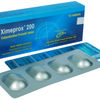
Ximeprox
Rovantin
Cepdoxim

Ceforan
Epoxim
Cefdox
Cefodim
E-Pod
Starin
Victorin
Ximocef

Zedoxim
Cepoxid
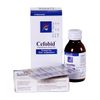
Cefobid

Cefipod
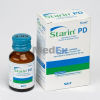
Starin PD
Toraxim

Vercef
Ximeprox

Zedoxim
Victorin
Xepodox
Neoprox
Trucef
Pedicef
CP
Vanprox
Cefdox
Rovantin
Taxetil
Ceforan

Cefomin

Emiprox

Cepdoxim
Cefodim
Cefodox
Sudoxim
Ximocef-40
Zedoxim
E-Pod
Cefipod
Cefobid
Cefokid
Cefoprox
Dxproxil
Epoxim
Podoxi
Sefox
Starin
Supoxim
Toraxim
Vercef

Ximeprox
Xpotil
Podo
Victorin
Xepodox
Neoprox

Trucef
CP
Vanprox
Pedicef
Rovantin
Cefdox
Desbac

Taxetil
Cepoxid

Dofixim

Kidcef

Roxetil
Starin DS
Ximocef
Emiprox DS
Cefipod DS
Cefokid DS
Cefoprox DS

Ceforan DS
Taxetil DS
Vercef DS
Ximeprox DS
Rovantin DS

Trucef DS
Cefdox DS
Pedicef DS
📖 Official Clinical Monograph
DGDA Approved Prescribing GuidelinesCefdox is indicated for the treatment of infections caused by susceptible microorganism, listed below:
Acute otitis media caused by Streptococcus pneumoniae, Streptococcus pyogenes, Haemophilus influenza, Moraxella catarrhalis (including beta-lactamase producing strains).
Pharyngitis/tonsillitis caused by Streptococcus pyogenes.
... Read more
Cefdox is indicated for the treatment of infections caused by susceptible microorganism, listed below:
Acute otitis media caused by Streptococcus pneumoniae, Streptococcus pyogenes, Haemophilus influenza, Moraxella catarrhalis (including beta-lactamase producing strains).
Pharyngitis/tonsillitis caused by Streptococcus pyogenes.
Acute maxillary sinusitis caused by Haemophilus influenzae (including beta-lactamase producing strains), Streptococcus pneumoniae and Moraxella catarrhalis.
Community acquired pneumonia caused by S. pneumoniae or H. influenza (including beta-lactamase-producing strains).
Acute bacterial exacerbation of chronic bronchitis caused by S. pneumoniae, H. influenzae (non-beta-lactamase-producing strains only), or M. catarrhalis.
Skin and skin structure infections caused by Staphylococcus aureus, Streptococcus pyogenes.
Uncomplicated urinary tract infections caused by E. coli, Klebsiella pneumoniae, Proteus mirabilis or Staphylococcus saprophyticus.
Uncomplicated gonorrhea caused by Neisseria gonorrhoeae (including penicillinase-producing strains).
Rectal gonococcal infections in women due to Neisseria gonorrhoeae (including penicillinase-producing strains).
Dosage & AdministrationAdults and Adolescents (13 years and older)-
Pharyngitis/tonsillitis: 100 mg 12 hourly, 5 to 10 days
Acute maxillary sinusitis: 200 mg 12 hourly, 10 day
Community-acquired pneumonia: 200 mg 12 hourly, 14 days
Acute bacterial exacerbations of chronic bronchitis: 200 mg 12 hourly, 10 days
Skin and skin structure: 400 mg 12 hourly, 7 to 14 days
Uncomplicated urinary tract infection: 100 mg 12 hourly, 7 days
Uncomplicated gonorrhea: single dose of 200 mg
Rectal gonococcal infections in women: single dose of 200 mg
Infants and Pediatric Patients (2 months to 12 years)-
Acute otitis media: 5 mg/kg body weight 12 hourly, 5 days
Pharyngitis /tonsillitis: 5 mg/kg body weight 12 hourly, 5 to 10 days
Acute maxillary sinusitis: 5 mg/kg body weight 12 hourly, 10 days
Patients with renal dysfunction
: For patients with severe renal impairment (creatinine clearance <30ml/min) the dosing intervals should be increased to 24 hourly.
Patients with liver cirrhosis
: Cefpodoxime Proxetil pharmacokinetics in cirrhotic patients are similar to those in healthy subjects. Dose adjustment is not necessary in this population.
Cefpodoxime Proxetil is contraindicated in patients with a known allergy to Cefpodoxime or to the cephalosporin group of antibiotics.
Cefdox has very few side effects. The side effects include diarrhea, nausea, skin & vaginal fungal infection, abdominal pain, headache, chest pain, myalgia, dyspepsia, dizziness, vertigo, cough etc. In children incidence of fungal skin rash is more than adults.
In patients with transient or persistent reduction in urinary output due to renal insufficiency, the total daily dose of Cefdox should be reduced. Cefdox, like other cephalosporins, should be administered with caution to patients receiving concurrent treatment with potent diuretics. As with other broad spectrum antibiotics, prolonged use of Cefdox may result in overgrowth of non-susceptible organisms. Repeated evaluation of the patient’s condition is essential.
Cefpodoxime is an oral 3rd generation cephalosporin, which has good stability to beta lactamases and activity against Gram negative and Gram positive bacteria. It is indicated for the treatment of infections either before the infecting organism has been identified. It is a prodrug its active metabolite is Cefpodoxime. Approximately 29 to 33% of Cefpodoxime excreted unchanged in the urine in 12 hours.
Cefpodoxime is indicated for the treatment of patients infected with susceptible strains of microorganisms which include a wide range of gram-positive & gram-negative bacteria. As it is highly stable in presence of β-lactamase enzyme, so it is more effective against gram-positive bacteria than other 3rd generation oral cephalosporins. The susceptible organisms include gram-positive bacteria eg. S. aureus (including penicillinase producing strains), S. saprophyticus, S. pneumoniae, S. pyogenes, S. agalactiae, P. magnus and gram-negative bacteria eg. E. coli, K. pneumoniae, H. influenzae (including β-lactamase producer & Ampicillin resistant strains), M. catarrhalis, N. gonorrhoeae (including penicillinase producing strains), P. mirabilis, C. diversus, H. parainfluenzae, K. oxytoca, P. vulgaris, P. rettgeri.