 Oshud
OshudCefixime Trihydrate
 Third generation cephalosporins
Brands & Prices (390)
📋 Indications & Uses Dosage & Administration⚠️ Contraindications⚡ Side Effects & Adverse Reactions🛡️ Warnings & Precautions🔬 Pharmacology & Mechanism
Third generation cephalosporins
Brands & Prices (390)
📋 Indications & Uses Dosage & Administration⚠️ Contraindications⚡ Side Effects & Adverse Reactions🛡️ Warnings & Precautions🔬 Pharmacology & Mechanism
Brand Formulations & Prices
390 brands sorted by unit price

G-Cefixime
Ceferon
Hyxim
Masil
Suffix
Zenicef
Cefocef
Tricef
Xylocef

3RD Cef
Cef-Plus
3-Geocef
Adexim
Amucef
Bioxim
Cefesta
Cefivic
Cemaxi
Cemix-3
Erafix
Gen-3
Globexim
Keor
Novacef
Rescure
Sonexim
Trixim
Unifix
Xifim
Kefim
Fixim
Afixime
Microcef
Suprax
Cosmoxim
Cefiget

Cefim-3
G-Cefixime

Saver
3-C
Aegis

Afix
Alfixim
Bactazim

Bestcef
C-3
Cebex
Cefimax
Cefix

Cefixim
Cefmix
Ceftem
D-Fix
Duracef
Elexime

Emixef
Emixef
Excef
Fixotim
Neofexim
Neofix

Odacef
Ofex

Orcef

Orcef
Polyxim
Prex-3

Prexim
Profix
Supraxim
Tdcef
Tdcef
Tinfix
Trifix
Tyfax
Verixim
Ceftid
Infa-3

Sanfix
Setic
Cefinaaf
Orgaxim

Antima
Cefadyl
Ceficap
Cefixic
Ceftid
Cosgen-3

Denvar
Fixpro
Kuracef

Prioxim
Roxim

T-Cef

Texit

Tgocef
Triocef
Truso
Unibac
Velofix
Vixim
Ngcef
Afix
Cef-3
Cefim-3
Cefiwell
Cefixime-A
Cephoral
Erafix
Exiben

Fix-A

Fixbac
G-Fix
Onefix
Orfix

Starcef

Tocef

Triocim
Zemicef
Cefocef DS
3-C
Cefadyl
Cosmoxim
Cefiget
3RD Cef
Aegis
Afix
Afixime
Alfixim
Amucef
Bactazim
C-3
Cefivic
Cefix
Cefmix
Ceftem
D-Fix

Emixef
Emixef
Evofix
Fixotim
Keor DS
Ofex

Orcef
Polyxim
Prex-3
Prexim
Sanfix
Suprax DS
Tdcef
Tdcef

Tgocef
Tinfix
Trixim
Tyfax DS
Verixim
Bioxim
Cefim-3 DS
Antima
Infa-3

Saver

Orcef

Bestcef
Ceftid
Rofixim
Cebex
Ceficap
Cefimax
Cefinaaf
Cefixic
Cefixim
Ceftid
Duracef
Excef
Exiben
Fixpro
Kuracef
Odacef
Orgaxim

Prioxim
Roxim

T-Cef

Texit
Trifix
Unibac
Velofix
Vixim
Kefim
Setic
Ngcef
Afix
Cef-3 DS
Cefim-3 DS
Cephoral
Cosgen-3
Denvar
Fix-A DS
Fixbac
G-Fix
Microcef

Onefix
Starcef

Tocef
Triocim
Truso

Zemicef

Cefixime-A
Evofix
Rofixim
Truso PD
Roxim

Cefesta

Cefiget

Onefix PD
Bestcef
Unibac
Afixime
Cefim-3
Cefixim
Ceftid
Cephoral
Denvar
Duracef
Emixef
Fixbac

Orcef

Texit Junior
Zemicef
Cef-3
Fix-A
T-Cef
Cemaxi
Erafix
Globexim
Prexim
Bioxim
Prex-3
3RD Cef
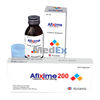
Afixime
Ceferon
Cefixim
Emixef

Saver
Kefim
Bestcef
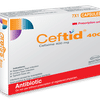
Ceftid
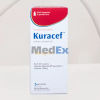
Kuracef
Microcef
Odacef

Onefix
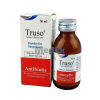
Truso

T-Cef

Orcef
G-Cefixime
Ngcef
Cef-3
Cefim-3
Cephoral

Denvar
Duracef
Exiben

Prioxim
Roxim

Tgocef
Triocef

Zemicef

Fix-A

Tocef
Adexim
Elexime
Keor
Suffix
Unifix
Xifim
Zenicef
Sonexim
Tricef
Xylocef
Rescure
Cebex
Cef-Plus
3-Geocef
Cefimax
Cefocef
Fixotim
Gen-3
Neofix
3-C

Afix DS
Alfixim
Bactazim
C-3
Cefmix
Cemix-3
D-Fix
Fixim
Hyxim
Novacef
Polyxim
Profix
Suprax
Verixim
Amucef
Infa-3

Cefadyl
Cefivic
Ceftem
Neofexim
Orgaxim
Supraxim
Trixim
Cefiget

Ceficap
Cefix
Cefixime-A
Cosgen-3
Duracef Max

Fixpro
Ofex
Sanfix
Setic
Tdcef
Tinfix

Trifix
Triocim
Tyfax

Velofix

Antima
Excef
Cefixic
Cefix DS
Ceftid QS
Afix
Cefiwell
G-Fix
Starcef

Texit

Unibac
Denvar DS
Bestcef Max
Cef-3 Max
Emixef Max
Fix-A Max
Fixbac
Orfix DS

Zemicef Max
Bestcef Forte
Bioxim DS
Cefinaaf
Cefixim DS
Evofix
Onefix DS

Orcef DS
Rofixim
Sanfix DS
Truso DS
Cefadyl DS
Cefivic DS
Ceftem-DS
Microcef DS
Ofex DS
Prexim DS
Tdcef DS
Trifix DS
Unibac QS

T-Cef DS
Ngcef DS
Cefim-3 DS
Duracef DS
Emixef DS

Fix-A DS
Fixbac DS
Fixpro DS
Odacef DS
Polyxim DS
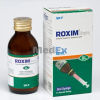
Roxim XL

Tgocef DS
Tocef DS
Triocim DS
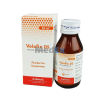
Velofix DS
Ceftid DS
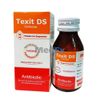
Texit DS

Zemicef DS
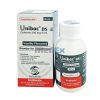
Unibac DS
Cef-3 Forte
Cefiwell
Starcef DS

Prioxim DS

Cephoral DS
Rofixim-DS
📖 Official Clinical Monograph
DGDA Approved Prescribing Guidelines3-C is an orally active cephalosporin antibiotic which has marked in-vitro bactericidal activity against a wide variety of Gram-positive and Gram-negative organism. It is indicated for the treatment of the following acute infections when caused by susceptible microorganisms.
Upper Respiratory Tract Infections (URTI)
: e.g. otitis media; and other URTI where the causative organism is known or suspected to be resistant to other commonly used antibiotics, or where treatment failure may carry significant risk. Lower Respiratory Tract Infections-e.g. bronchitis.
Urinary Tract Infections
: e.g. cystitis, cystourethritis, pyelonephritis. Clinical efficacy has been demonstrated in infections caused by commonly occurring pathogens including Streptococcus pneumonia, Streptococcus pyogenes, Escherichia coli, Proteus mirabilis, Klebsiella species, Haemophilus influenzae (beta-lactamase positive and negative), Moraxella catarrhalis (beta-lactamase positive and negative) and Enterobacter species. 3-C is highly stable in the presence of beta-lactamase enzymes.
Dosage & AdministrationAbsorption of Cefixime is not significantly modified by the presence of food. The usual course of treatment is 7 days. This may be continued for up to 14 days if required.
Adults and children over 10 years
: The recommended adult dosage is 200-400 mg daily according to the severity of the infection, given either as a single dose or in two divided doses.
Elderly
: Elderly patients may be given the same dose as recommended for adults. Renal function should be assessed and dosage should be adjusted in severe renal impairment.
Children
: The recommended dosage for children is 8 mg/kg/day administered as a single dose or in two divided doses. As a general guide for prescribing in children the following daily doses in terms of volume of suspension are suggested:
6 months up to 1 year: 3.75 ml daily
Children 1-4 years: 5 ml daily
Children 5-10 years: 10 ml daily
In typhoid
: the recommended children dose is 5 mg/kg body weight twice daily for 10-14 days.
Children weighing more than 50 kg or older than 10 years
: Should be treated with the recommended adult dose 200-400 mg daily depending on the severity of infection.
Children aged less than 6 months
: The safety and efficacy of Cefixime has not been established in children aged less than 6 months.
Dosage in Renal Impairment
: Cefixime may be administered in the presence of impaired renal function. Normal dose and schedule may be given in patients with creatinine clearances of 20 ml/min or greater. In patients whose creatinine clearance is less than 20 ml/min, it is recommended that a dose of 200 mg once daily should not be exceeded. The dose and regimen for patients who are maintained on chronic ambulatory peritoneal dialysis or haemodialysis should follow the same recommendation as that for patients with creatinine clearances of less than 20 ml/min.
Patients with known hypersensitivity to cephalosporin antibiotics.
3-C is generally well tolerated. The majority of adverse reactions observed in clinical trials were mild and self limiting in nature. Gastrointestinal disturbances: The most frequent side-effects seen with 3-C are diarrhoea and stool changes; diarrhoea has been more commonly associated with higher doses. Other gastrointestinal side-effects seen less frequently are nausea, abdominal pain, dyspepsia, vomiting and flatulence. Pseudomembraneous colitis has been reported. Central nervous system: headache and dizziness. Hypersensitivity reactions: allergies in the form of rash, pruritis, urticaria, drug fever and arthralgia have been observed. These reactions usually subsided upon discontinuation of therapy. Hematological and clinical chemistry: thrombocytopenia, leukopenia and eosinophilia have been reported. These reactions were infrequent and reversible. Mild transient change in liver and renal function tests have been observed. Miscellaneous: other possible reactions include genital pruritis and vaginitis.
3-C should be given with caution to patients who have shown hypersensitivity to other drugs. Cephalosporin should be given with caution to penicillin-sensitive patients, as there is some evidence of partial cross-allergenicity between the penicillins and the cephalosporins. Patients have had severe reactions (including anaphylaxis) to both classes of drugs. If an allergic effect occurs with 3-C, the drug should be discontinued and the patient treated with appropriate agents if necessary. 3-C should be administered with caution in patients with markedly impaired renal function. Treatment with broad spectrum antibiotics alters the normal flora of the colon and may permit overgrowth of clostridia. Studies indicate that a toxin produced by Clostridium difficile is a primary cause of antibiotic-associated diarrhoea. Use in pregnancy and lactation: There are no adequate and well-controlled studies in pregnant women. 3-C should therefore not be used in pregnancy or in nursing mothers unless considered essential by the physician.
Cefixime is a third generation semisynthetic cephalosporin antibiotic for oral administration. It is bactericidal against a broad spectrum of gram positive and gram negative bacteria at easily achievable plasma concentrations. It kills bacteria by interfering in the synthesis of bacterial cell wall. It is highly stable in the presence of Beta-lactamase enzyme. As a result, many organisms resistant to penicillins and some cephalsporins due to the presence of beta-lactamases, may be susceptible to Cefixime. Absorption of it is about 40% to 50% whether administered with or without food.