 Oshud
OshudBromfenac Sodium
 Ophthalmic Non-Steroid drugs
Brands & Prices (23)
📋 Indications & Uses Dosage & Administration⚠️ Contraindications⚡ Side Effects & Adverse Reactions🛡️ Warnings & Precautions🔬 Pharmacology & Mechanism
Ophthalmic Non-Steroid drugs
Brands & Prices (23)
📋 Indications & Uses Dosage & Administration⚠️ Contraindications⚡ Side Effects & Adverse Reactions🛡️ Warnings & Precautions🔬 Pharmacology & Mechanism
Brand Formulations & Prices
23 brands sorted by unit price

Bromnac
Ocubrom

Romfen S
Rotarac LS
Xirom
Fenasol
Xirofen
BFC
Bfenac
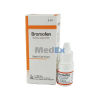
Bromofen
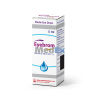
Eyebrom
Eyefen
Inarom
Optifen
Re-Fenac
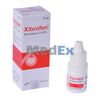
Xibrofen
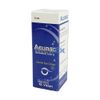
Acunac
Bromnac
BSH
Catalan

Relye
Rotarac
Romfen
📖 Official Clinical Monograph
DGDA Approved Prescribing GuidelinesAcunac ophthalmic solution is indicated for the treatment of postoperative inflammation and reduction of ocular pain in patients who have undergone cataract extraction.
Dosage & AdministrationFor the treatment of postoperative inflammation in patients who have undergone cataract extraction, one drop of ophthalmic solution should be applied to the affected eye(s) once daily beginning 1 day prior to cataract surgery, continued on the day of surgery, and through the first 14 days of the postoperative period.
Bromfenac ophthalmic solution is contraindicated in patients with known hypersensitivity to any ingredients of the formulation.
The most commonly reported adverse experiences include: abnormal sensation in eye, conjunctival hyperemia, eye irritation (including burning/stinging), eye pain, eye pruritus, eye redness, headache, and iritis.
All topical NSAIDs may slow or delay healing. Topical corticosteroids are also known to slow or delay healing. Concomitant use of topical NSAIDs and topical steroids may increase the potential for healing problems. It is recommended that Acunac ophthalmic solution be used with caution in patients with known bleeding tendencies or who are receiving other medications which may prolong bleeding time
Bromfenac is a nonsteroidal anti-inflammatory drug (NSAID) that has anti-inflammatory activity. The mechanism of its action is thought to be due to its ability to block prostaglandin synthesis by inhibiting cyclooxygenase 1 and 2. Prostaglandins have been shown to be mediators of certain kinds of intraocular inflammation. In studies performed in animal eyes, prostaglandins have been shown to produce disruption of the blood-aqueous humor barrier, vasodilatation, increased vascular permeability, leukocytosis, and increased intraocular pressure.