Brivaracetam
💊 Brand Formulations & Prices
16 brands sorted by unit price
Brevipil
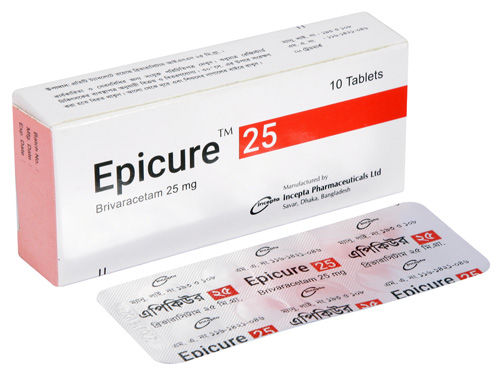
Epicure
Bivara

Bricet

Briva

Brevipil
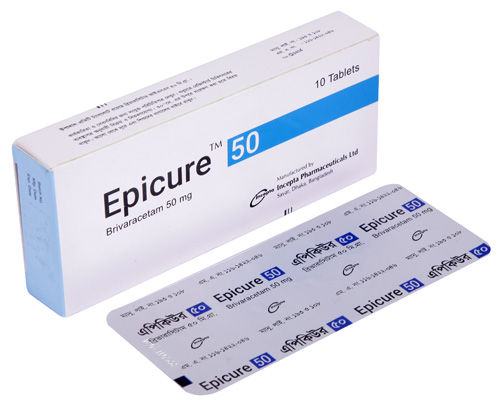
Epicure
Bivara
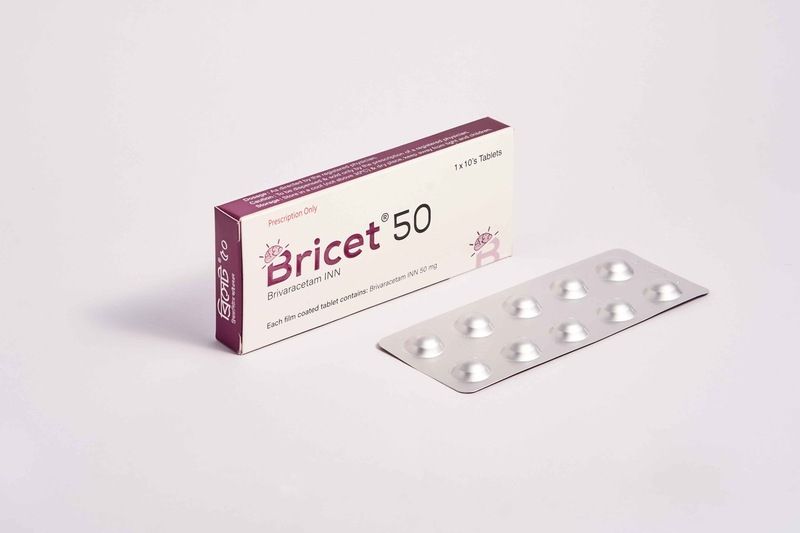
Bricet
Briva
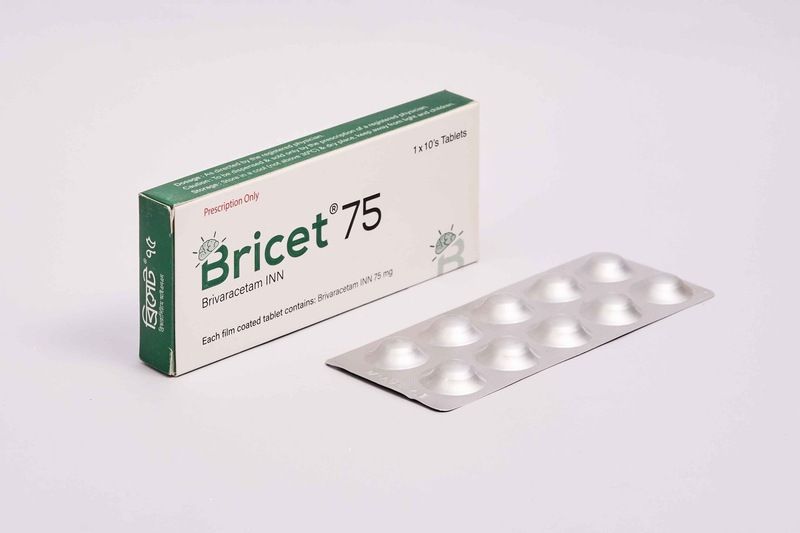
Bricet
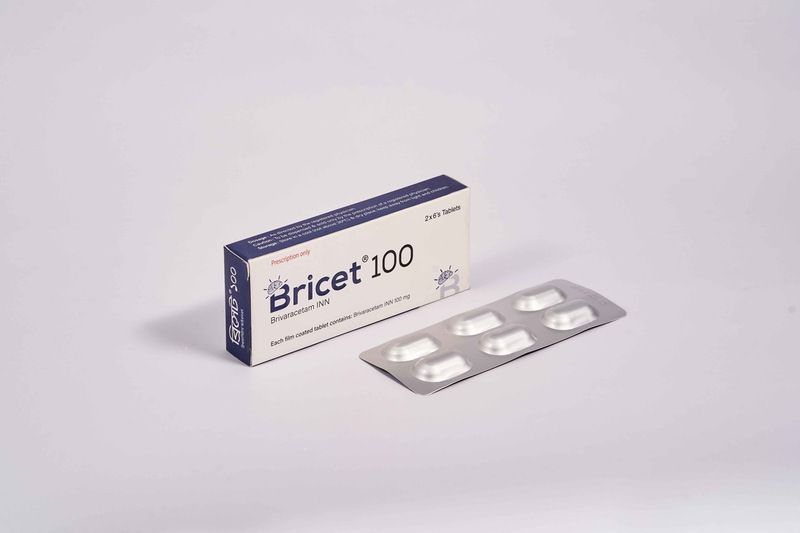
Bricet
Epicure
Epicure

Bivara
Briva
📖 Official Clinical Monograph
DGDA Approved Prescribing GuidelinesBivara is indicated for the treatment of partial onset seizures in patients 1 month of age and older.
Brivaracetam is contraindicated in patients with known hypersensitivity to brivaracetam or any other components of this product.
The most common side effects are nausea/vomiting, constipation, somnolence and sedation, dizziness, fatigue, cerebellar coordination and balance disturbances and irritability.
Antiepileptic drugs (AEDs), including Bivara, increase the risk of suicidal thoughts or behavior. Patients treated with any AED should be monitored for the emergence or worsening of depression, suicidal thoughts or behavior and/or any unusual changes in mood or behavior. Bivara causes somnolence, fatigue, dizziness and disturbance in coordination. Patients should be monitored for these signs and symptoms and advised not to drive or operate machinery. Bivara causes psychiatric adverse reactions which included both non-psychotic symptoms (irritability, anxiety, nervousness, aggression, belligerence, anger, agitation, restlessness, depression, depressed mood, tearfulness, apathy, mood swings, psychomotor hyperactivity, abnormal behavior and adjustment disorder) and psychotic symptoms (psychotic disorder along with hallucination, paranoia, acute psychosis and psychotic behavior). As with most antiepileptic drugs, Bivara should generally be withdrawn gradually because of the risk of increased seizure frequency and status epilepticus.
This is a preparation of Brivaracetam which is an anticonvulsant. The precise mechanism by which Brivaracetam exerts its anticonvulsant activity is not known. Brivaracetam displays a high and selective affinity for synaptic vesicle protein 2A (SV2A) in the brain which may contribute to the anticonvulsant effect.