Bicalutamide
💊 Brand Formulations & Prices
5 brands sorted by unit price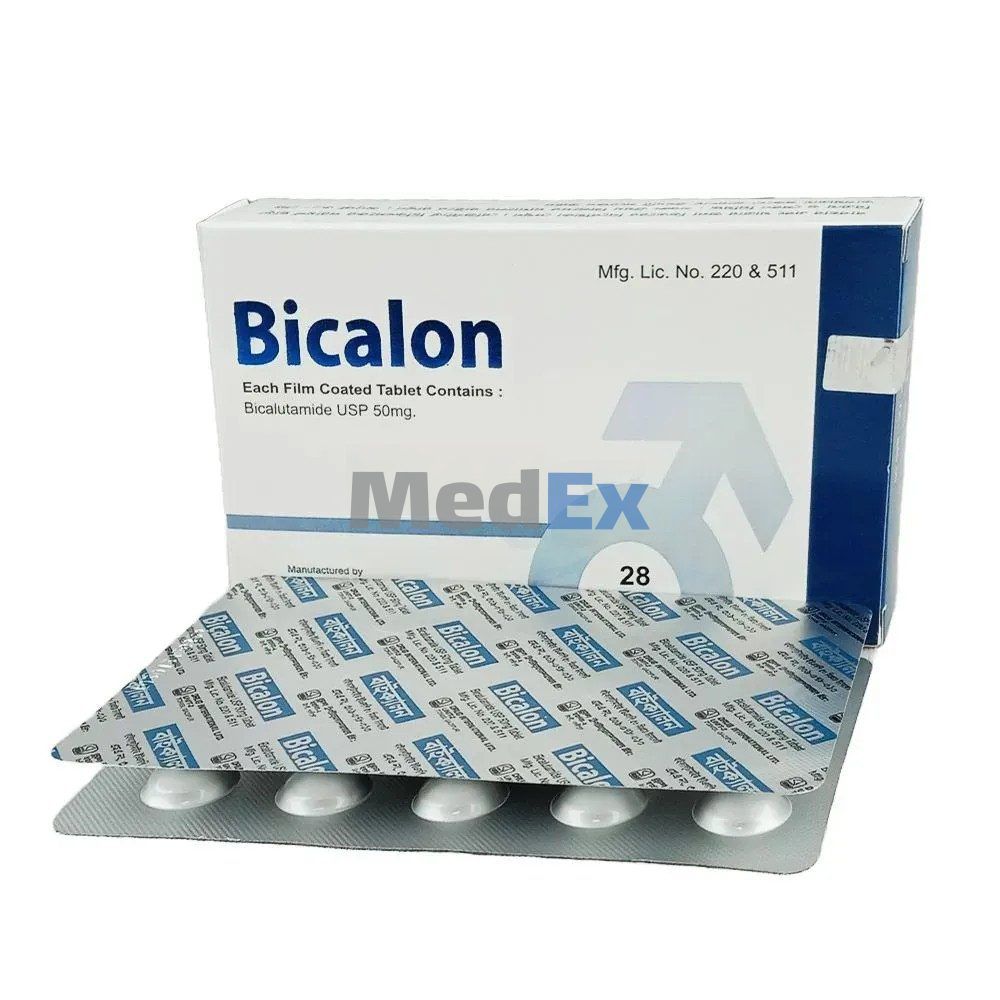
Bicalon
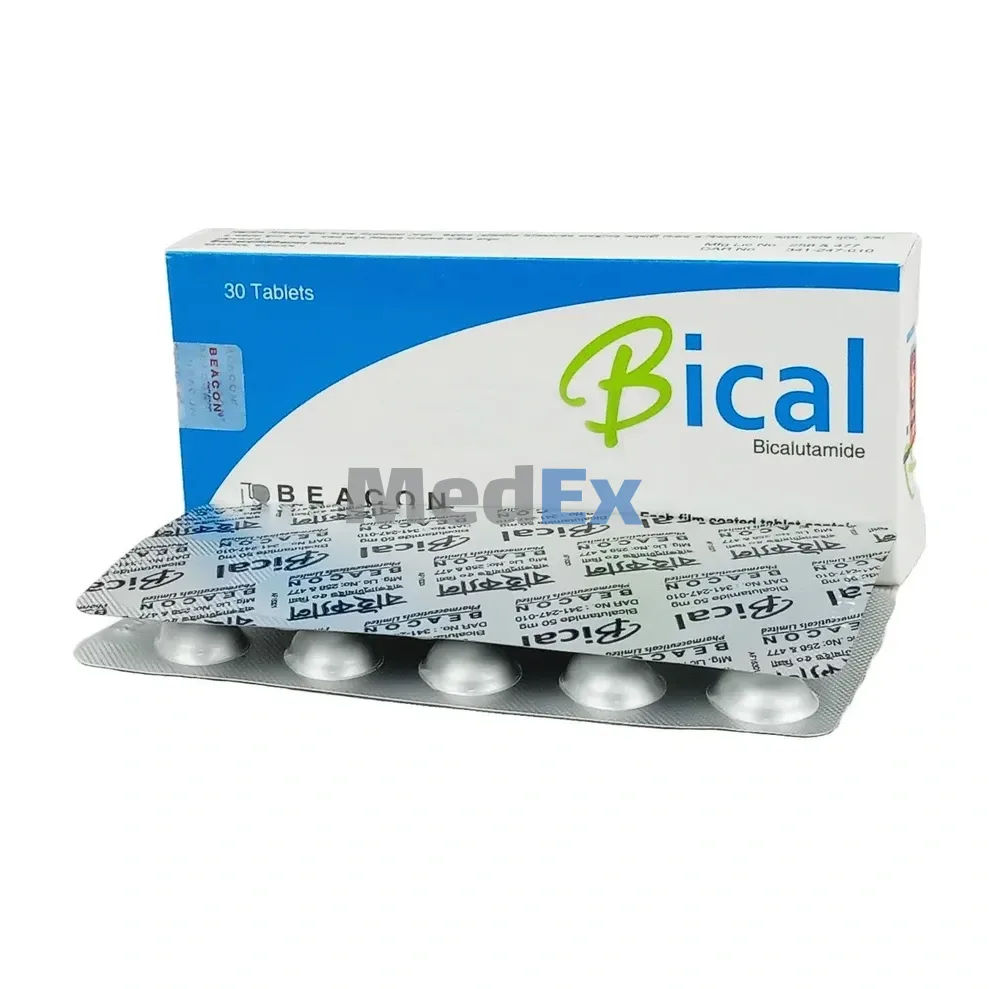
Bical
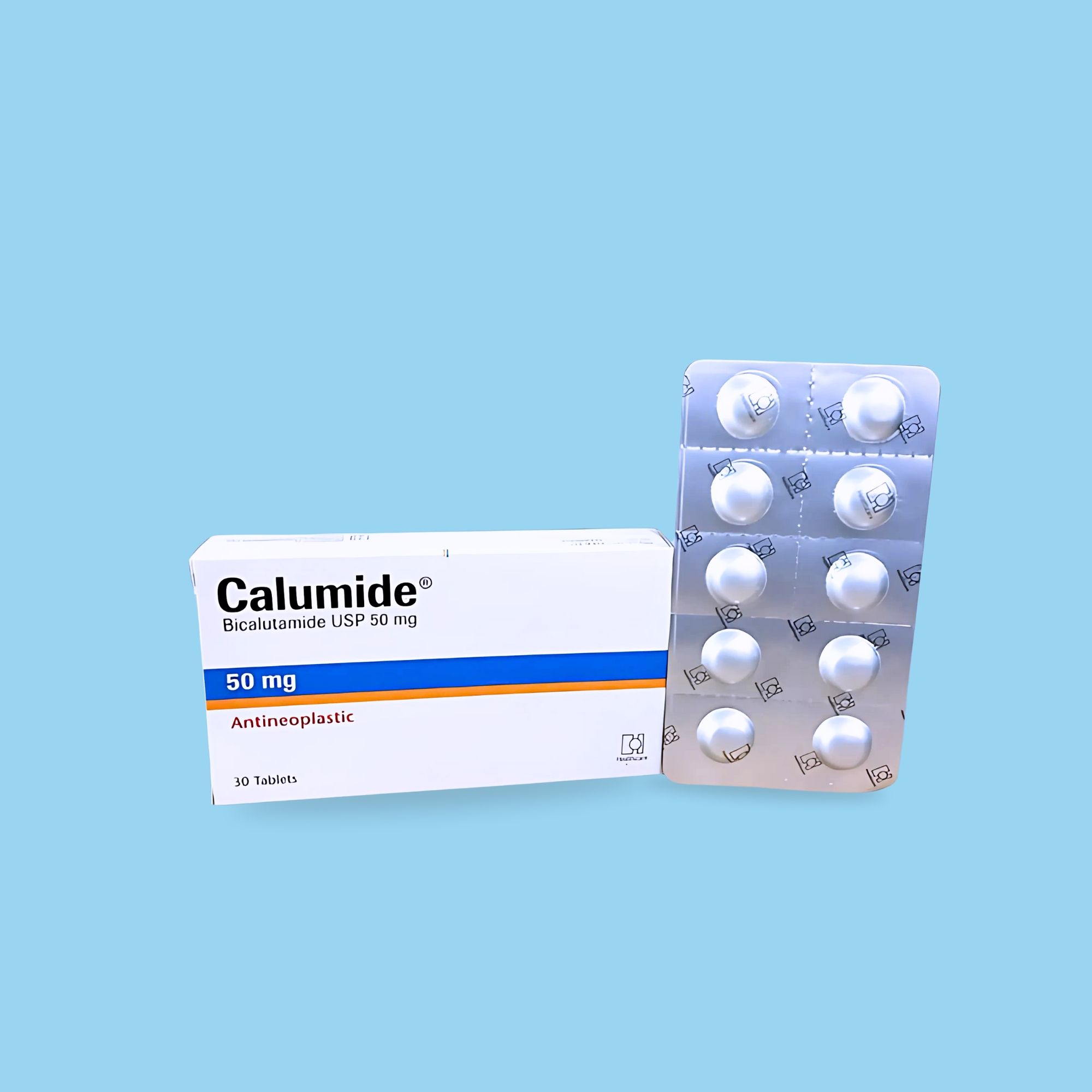
Calumide
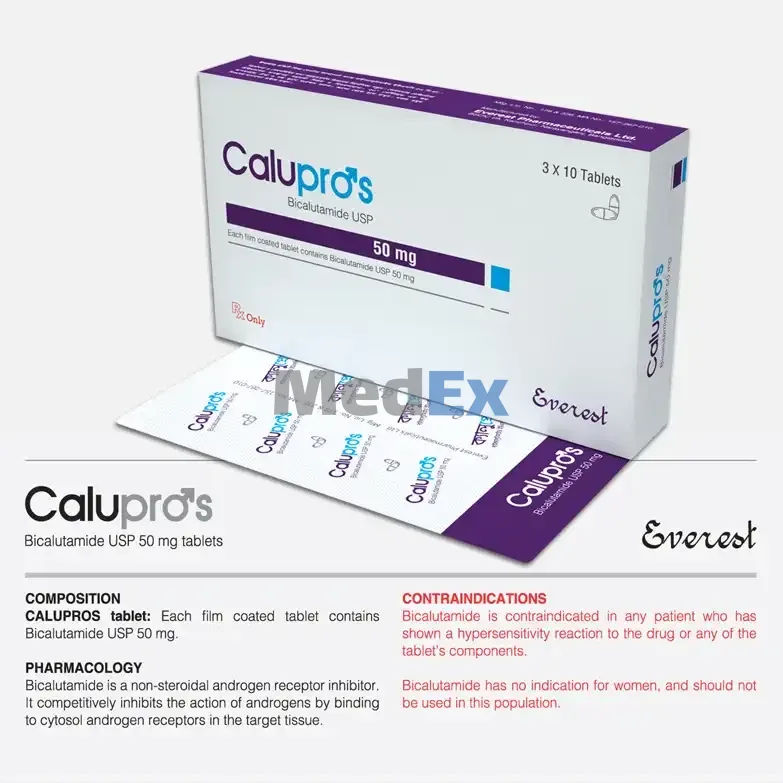
Calupros

Casodex
📖 Official Clinical Monograph
DGDA Approved Prescribing GuidelinesBical is indicated for use in combination therapy with a luteinizing hormone-releasing hormone (LHRH) analog for the treatment of Stage D2 metastatic carcinoma of the prostate.
The recommended dose for Bicalutamide therapy in combination with an LHRH analog is one 50 mg tablet once daily (morning or evening), with or without food.
Pediatric Use
: The safety and effectiveness of Bicalutamide in pediatric patients have not been established.
Hepatic Impairment
: Bicalutamide is extensively metabolized by the liver. It should be used with caution in patients with moderate-to-severe hepatic impairment.
Bicalutamide is contraindicated in any patient who has shown a hypersensitivity reaction to the drug or any of the tablet’s components. Bicalutamide has no indication for women, and should not be used in this population.
Adverse reactions that occurred in more than 10% of patients receiving Bical plus an LHRH-A were: hot flashes, pain (including general, back, pelvic and abdominal), asthenia, constipation, infection, nausea, peripheral edema, dyspnea, diarrhea, hematuria, nocturia, and anemia.
Hemorrhage with concomitant use of Coumarin Anticoagulant. Closely monitor the Prothrombin Time (PT) and International Normalized Ratio (INR), and adjust the anticoagulant dose as needed
Gynecomastia and breast pain have been reported during treatment with Bical 150 mg when used as a single agent as it cause a reduction in glucose tolerance in males
Consideration should be given to monitoring blood glucose in patients receiving Bical in combination with LHRH agonists
Monitoring Prostate Specific Antigen (PSA) is recommended. Evaluate for clinical progression if PSA increases
Bicalutamide is a non-steroidal androgen receptor inhibitor. It competitively inhibits the action of androgens by binding to cytosol androgen receptors in the target tissue. Prostatic carcinoma is known to be androgen sensitive and responds to treatment that counteracts the effect of androgen and/or removes the source of androgen.