Baclofen
💊 Brand Formulations & Prices
102 brands sorted by unit price
Axant
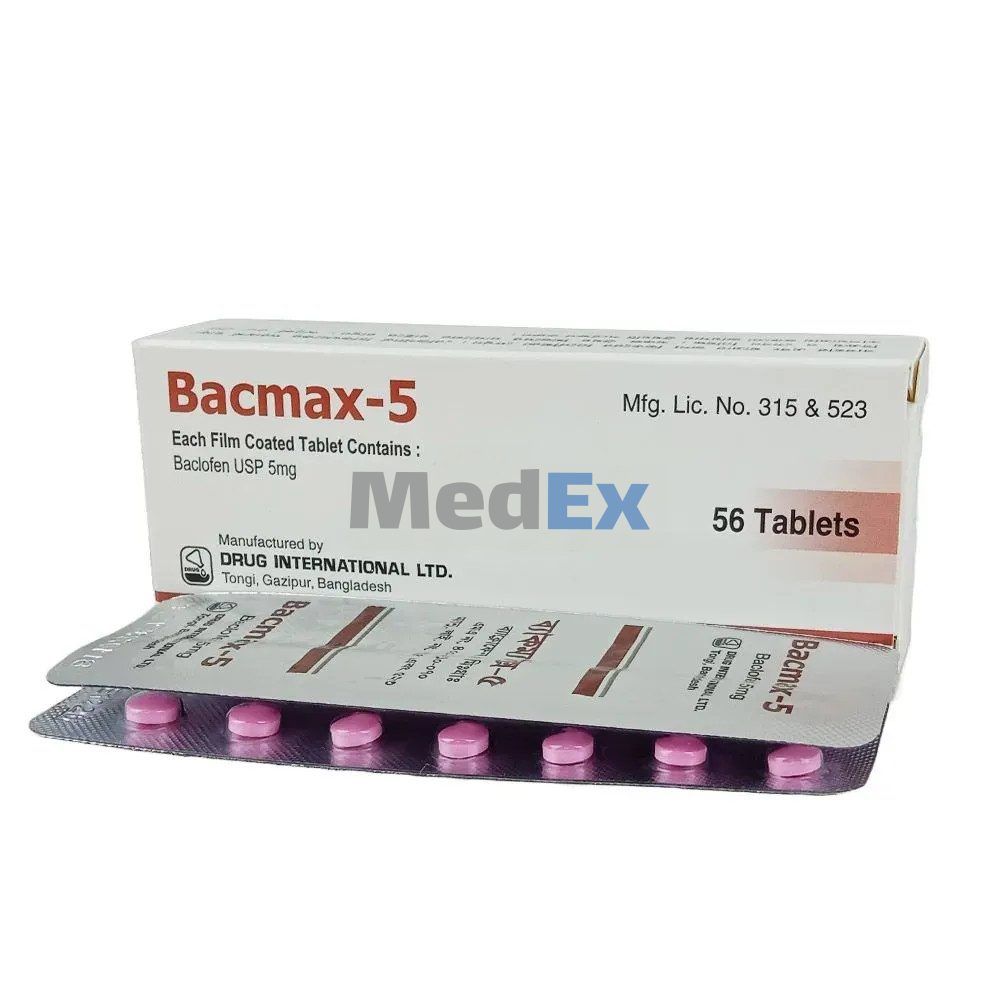
Bacmax
Bfen
Movibac
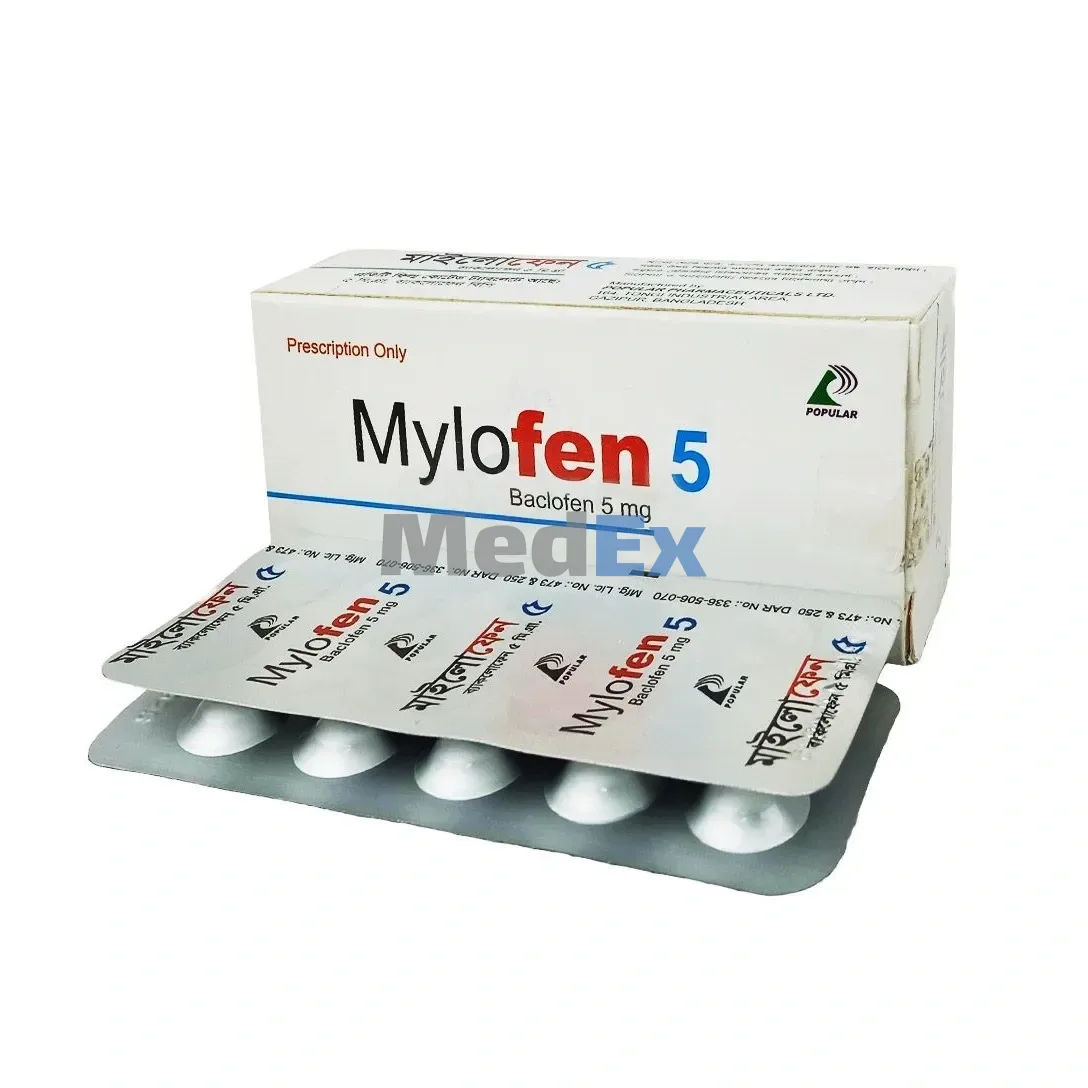
Mylofen
Spaflex
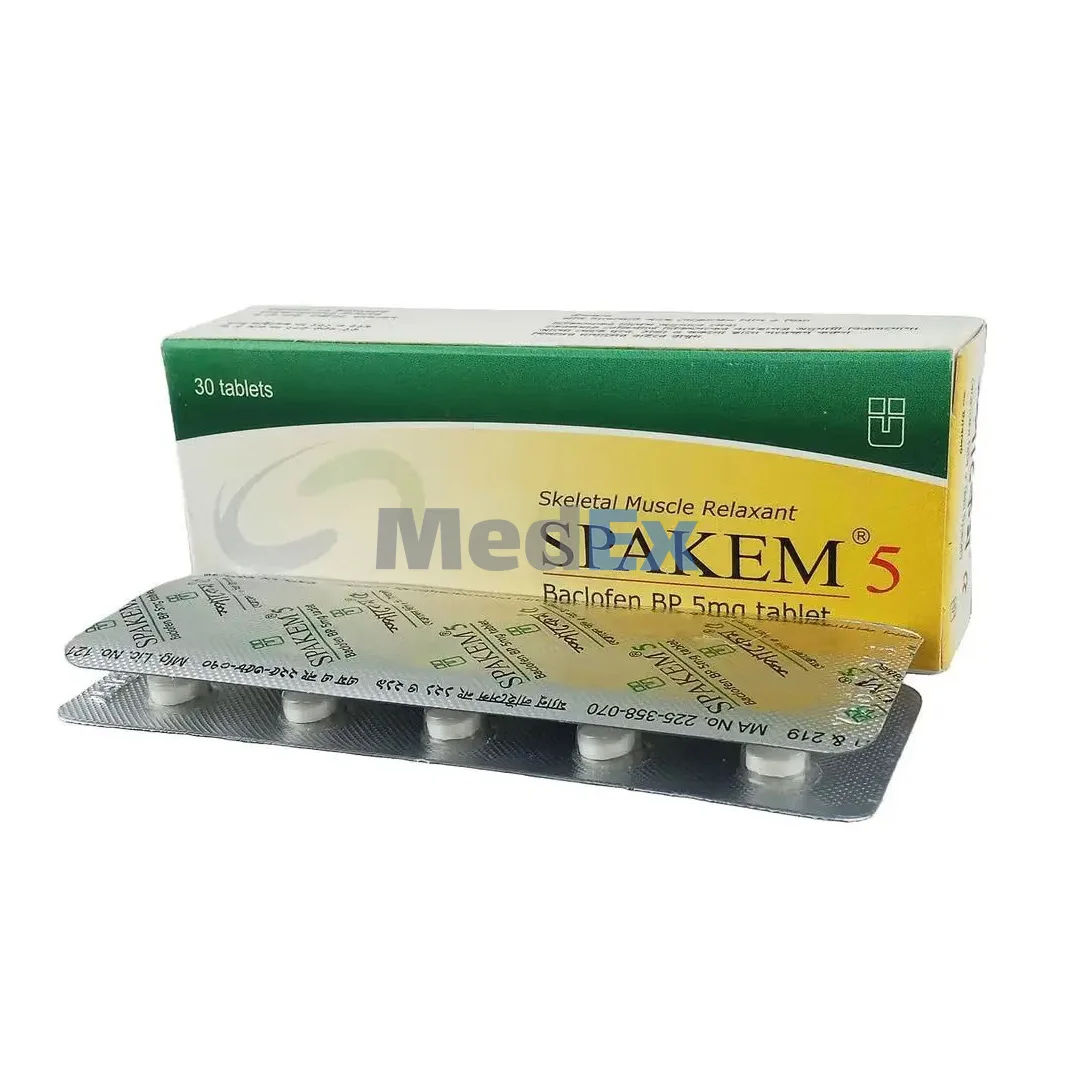
Spakem
Starbac
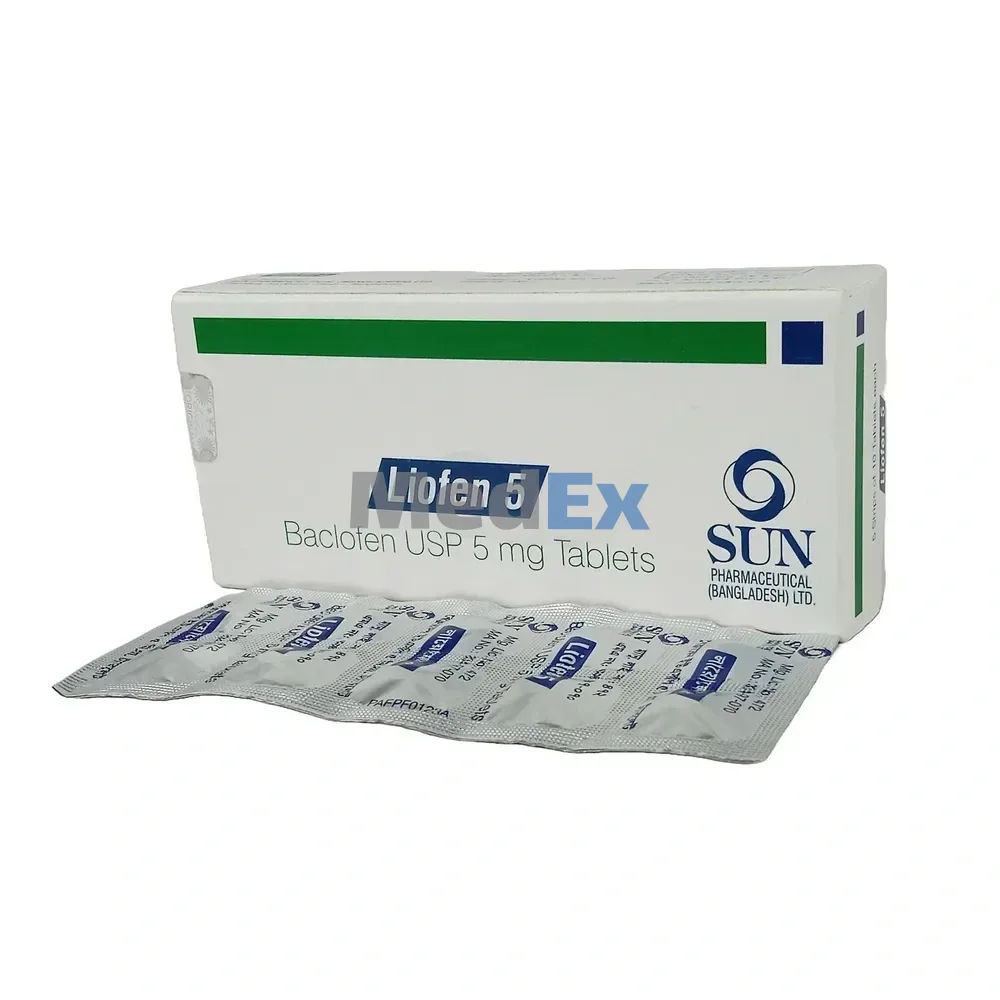
Liofen
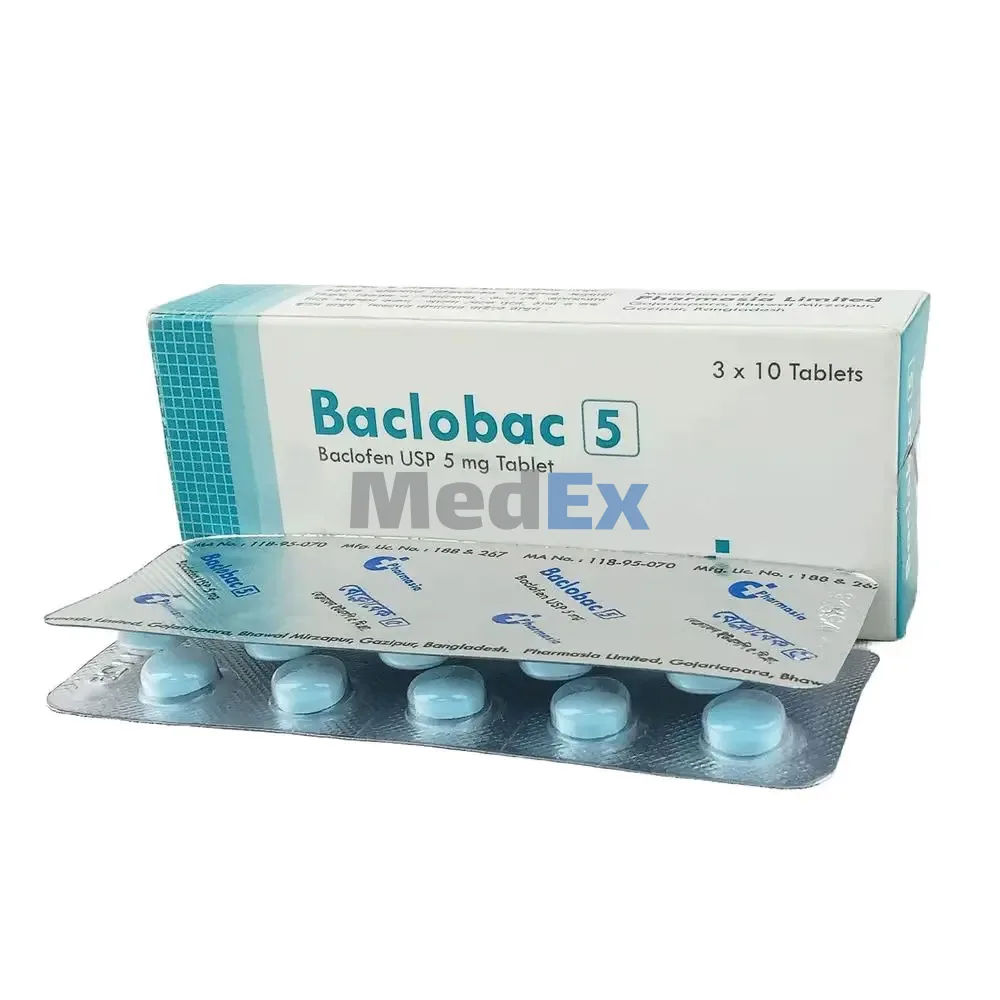
Baclobac
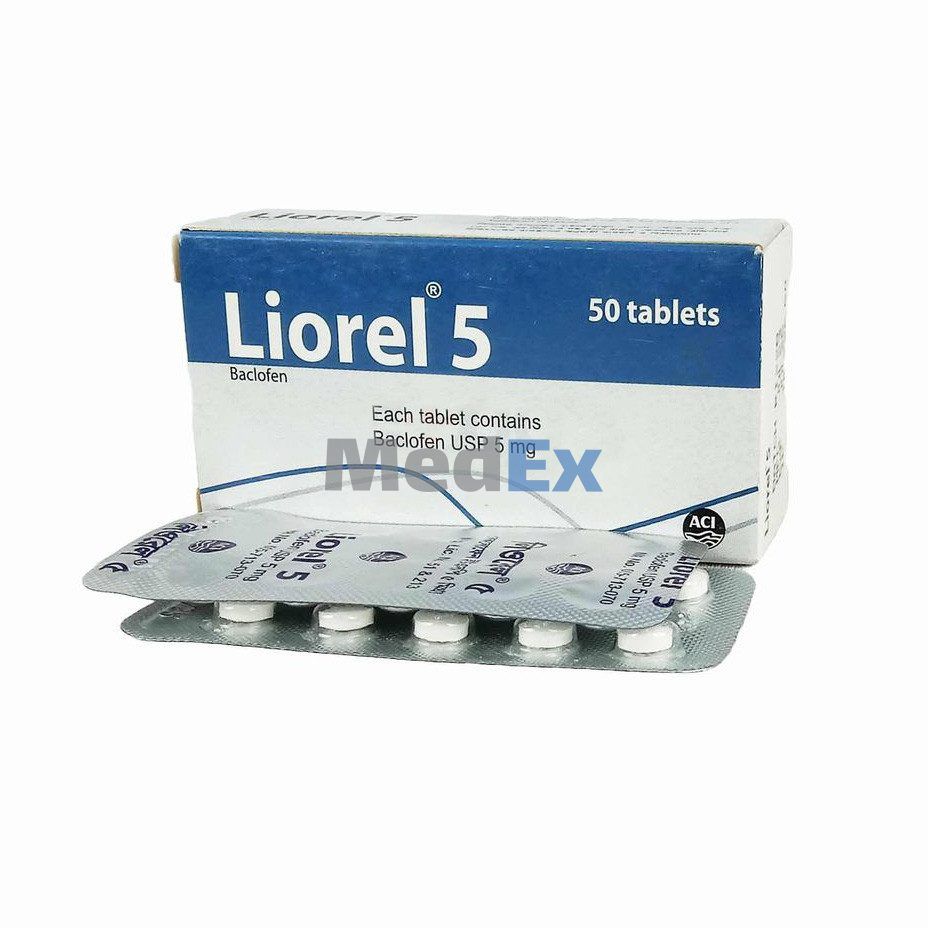
Liorel
Baclof
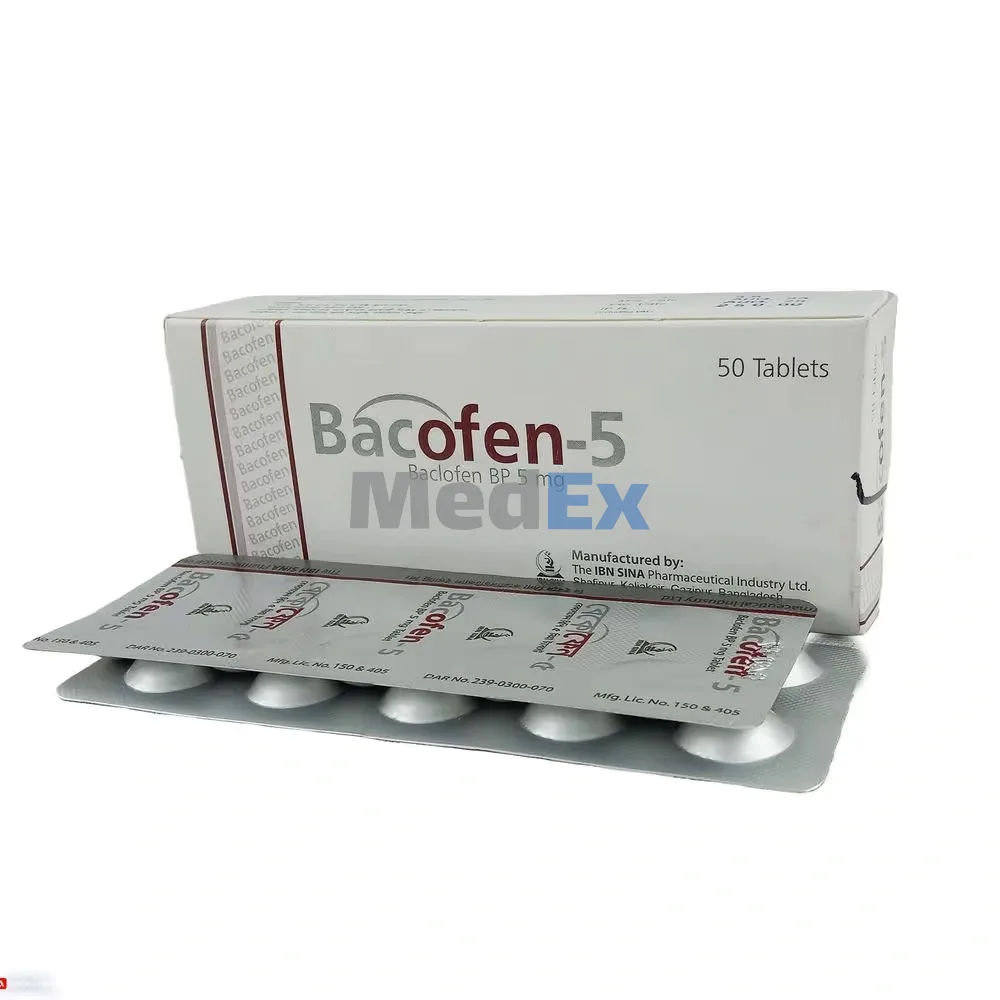
Bacofen
Felo
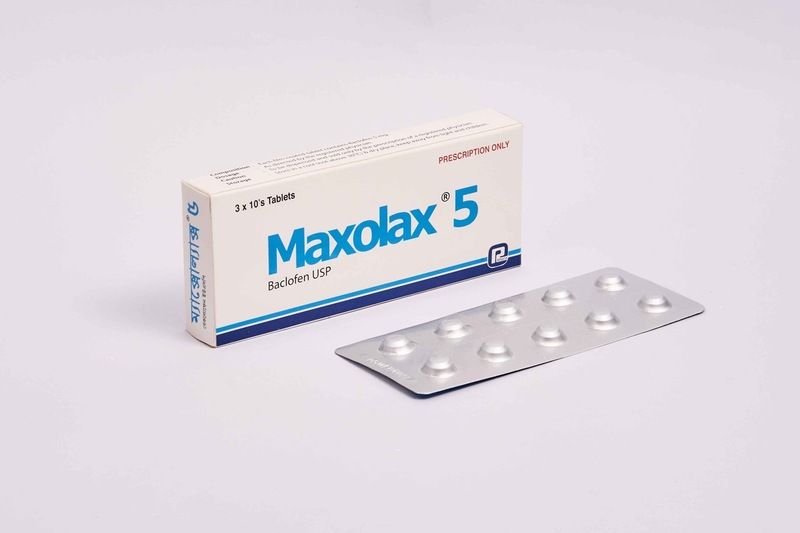
Maxolax
Bacaid
Backtone
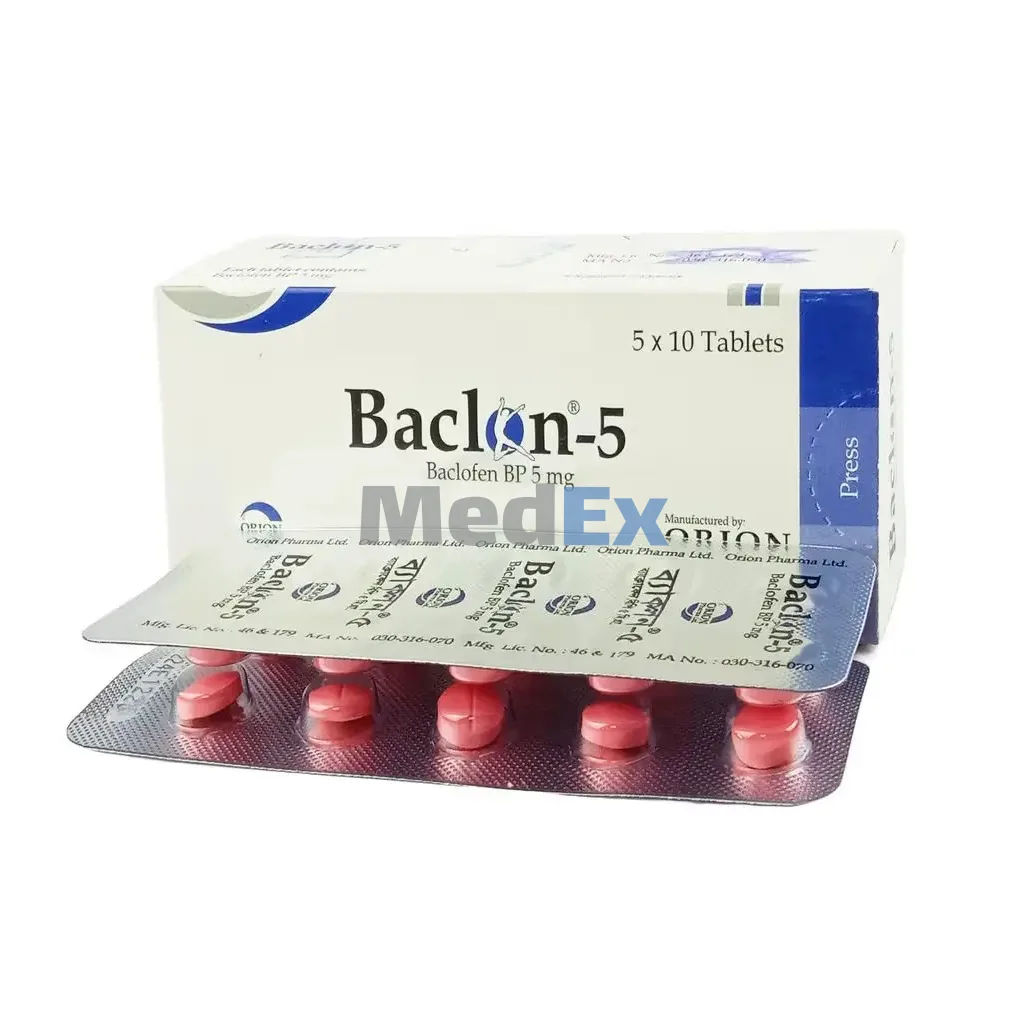
Baclon

Beclovan
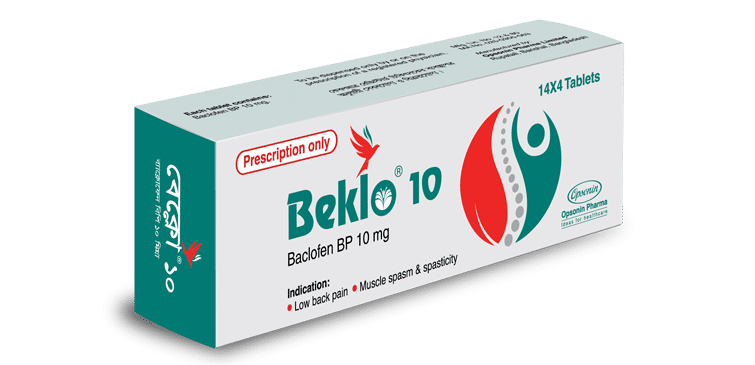
Beklo
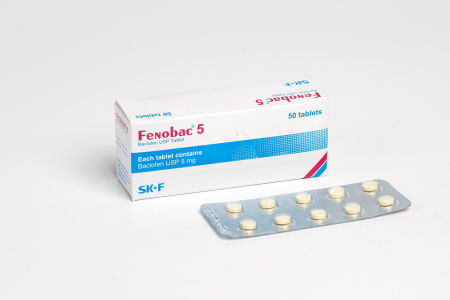
Fenobac
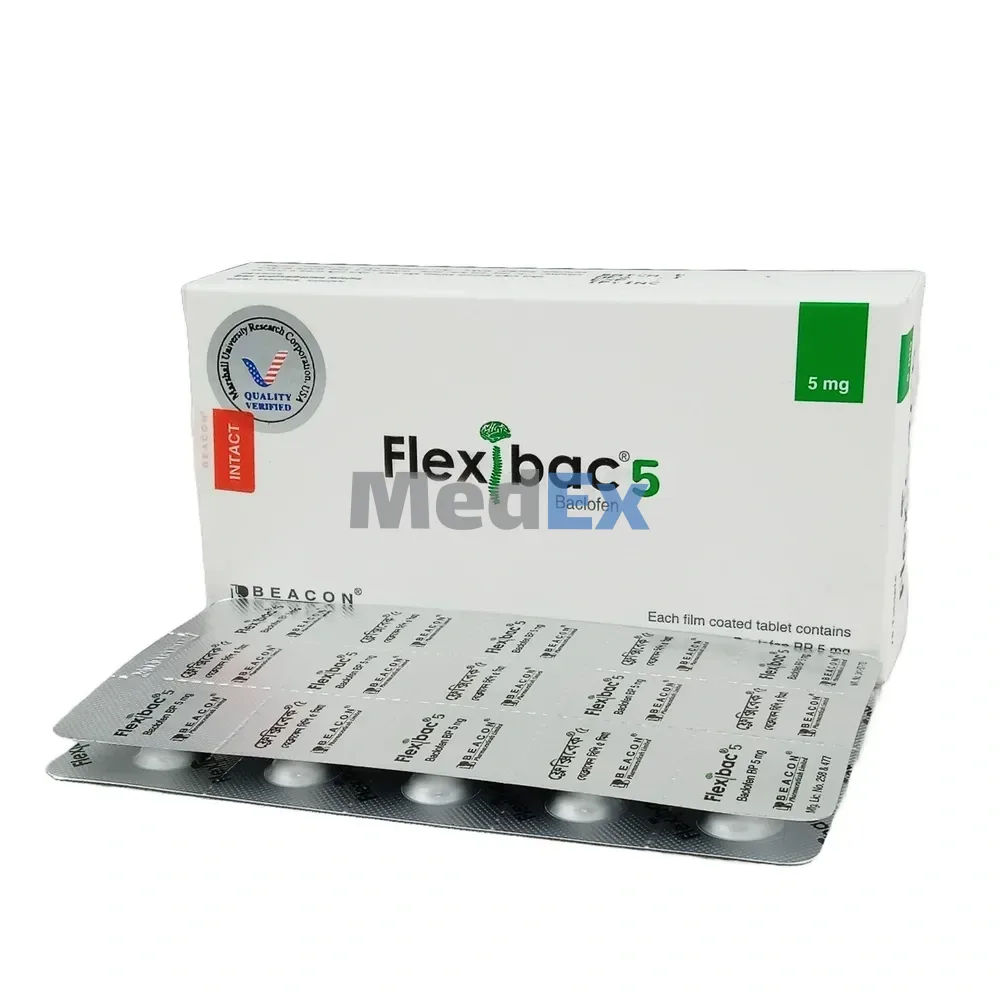
Flexibac
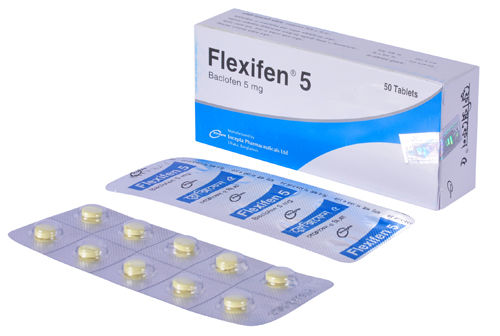
Flexifen
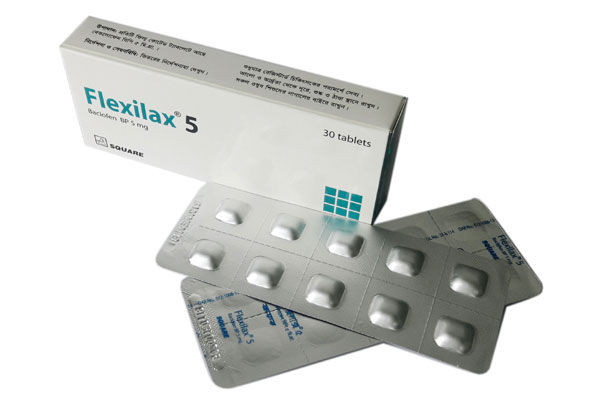
Flexilax
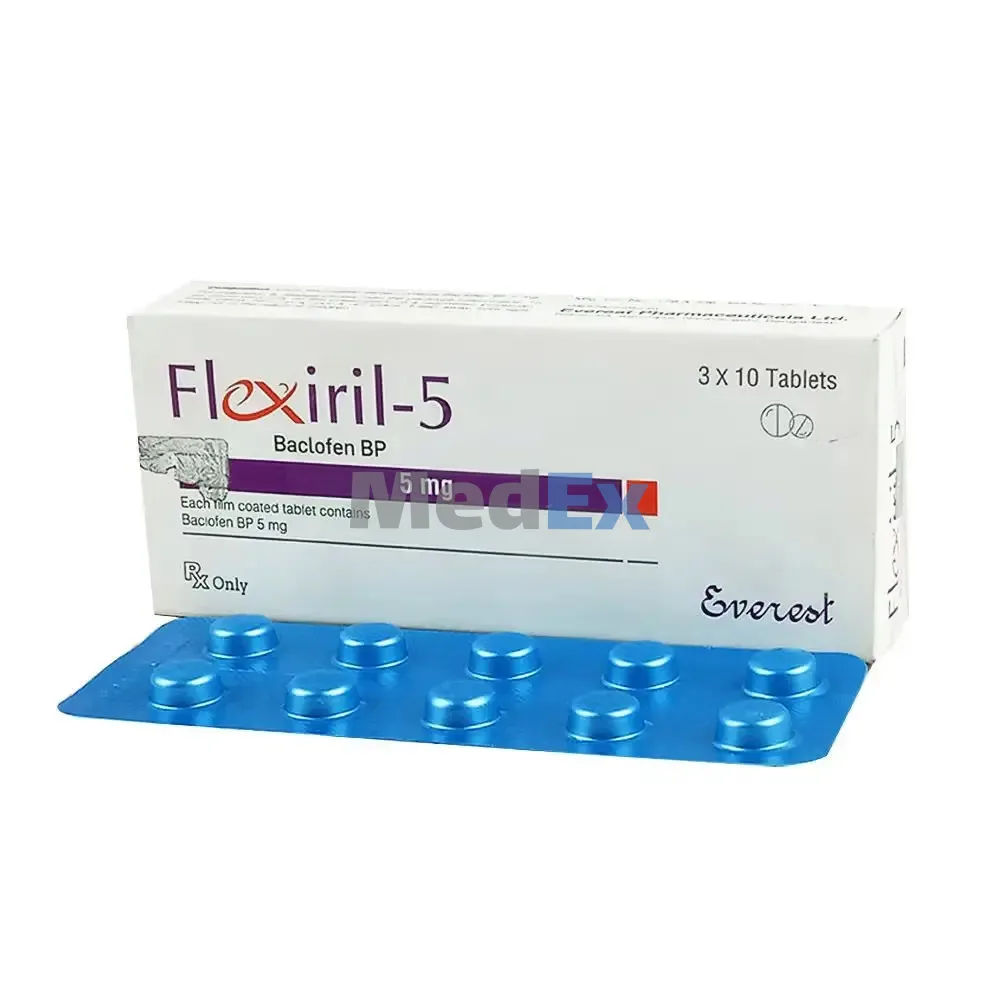
Flexiril
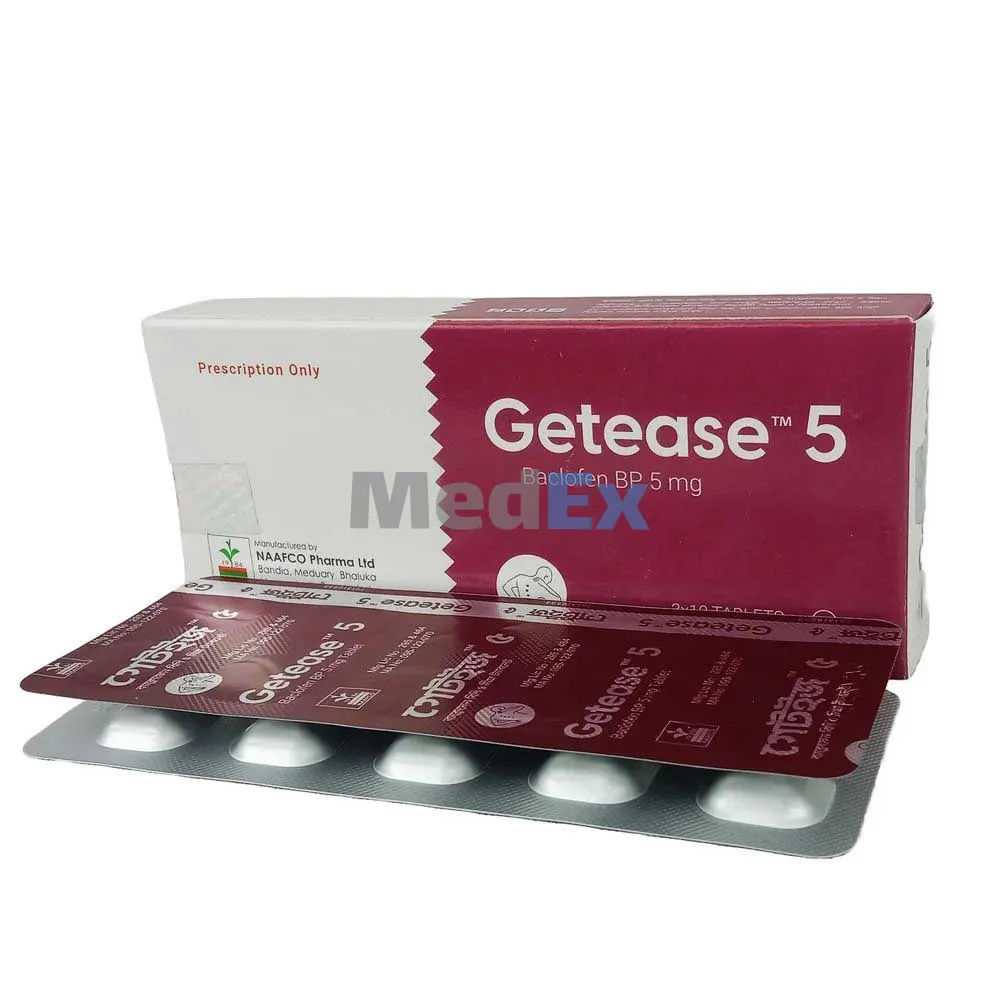
Getease
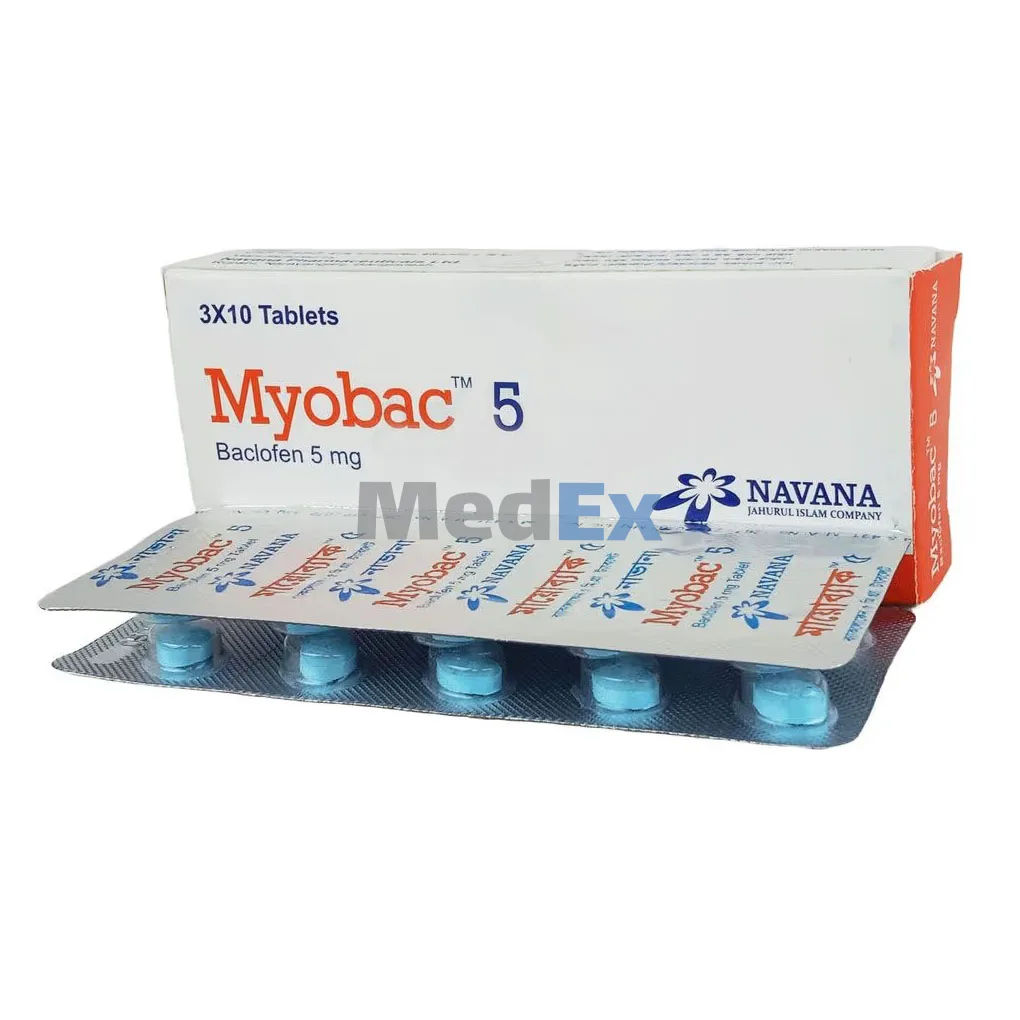
Myobac
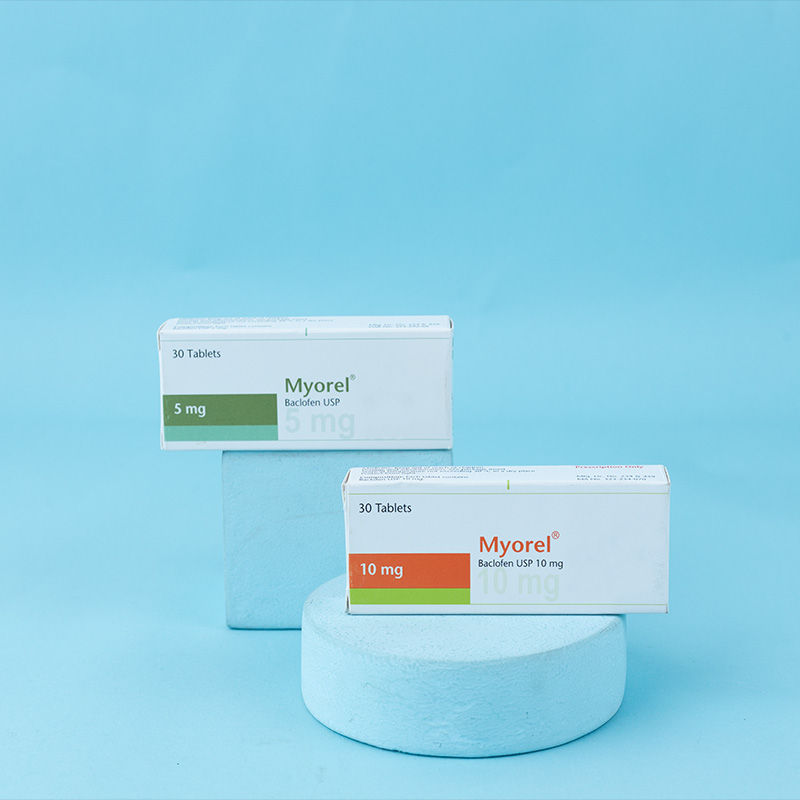
Myorel
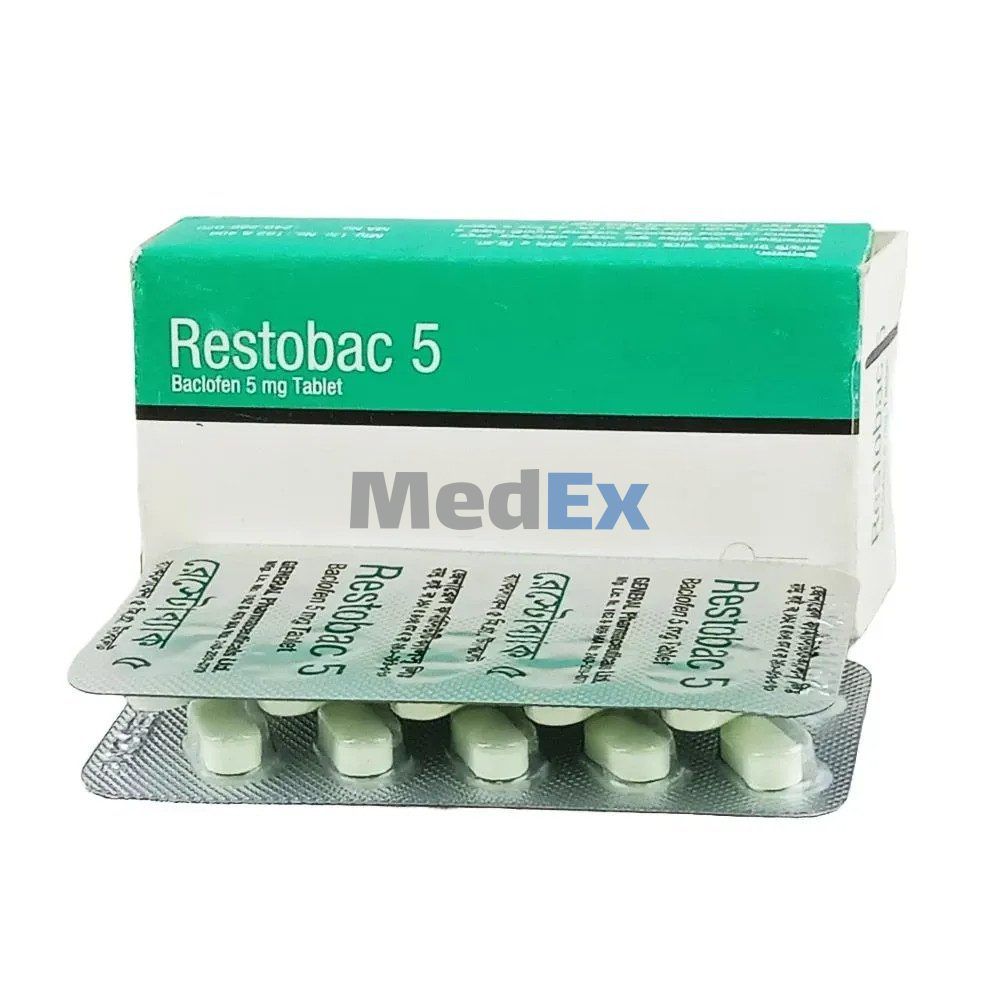
Restobac
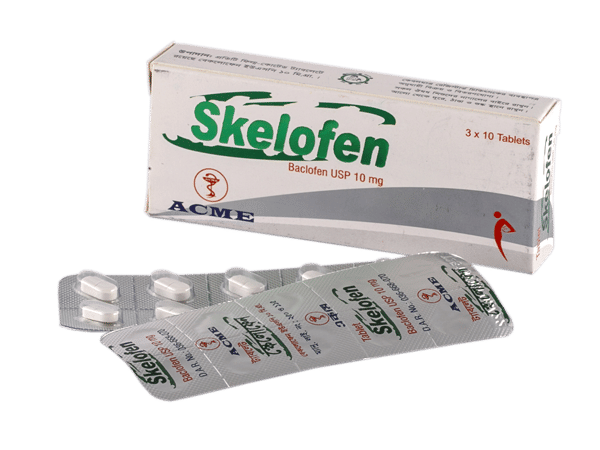
Skelofen
Baclomark
Baclofen
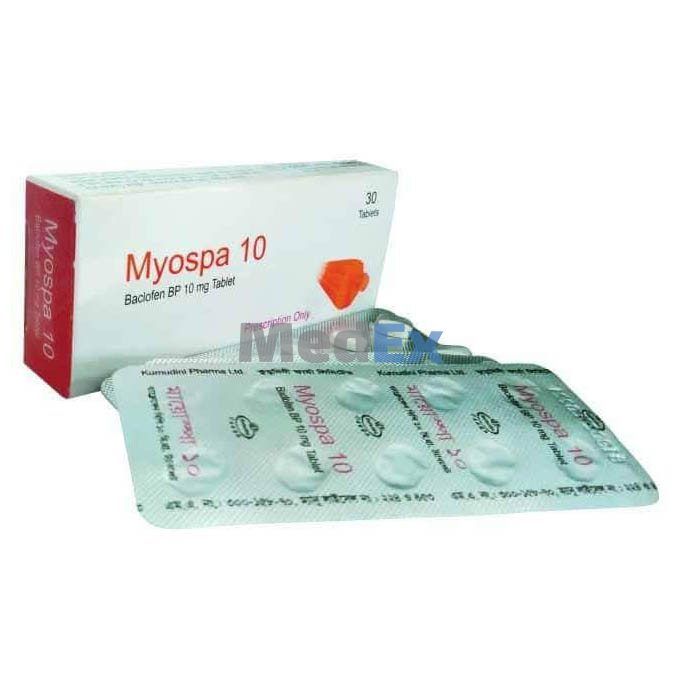
Myospa
Movibac
Albafen
Axant
Bacben
Baclax
Baclium
Bacloflex
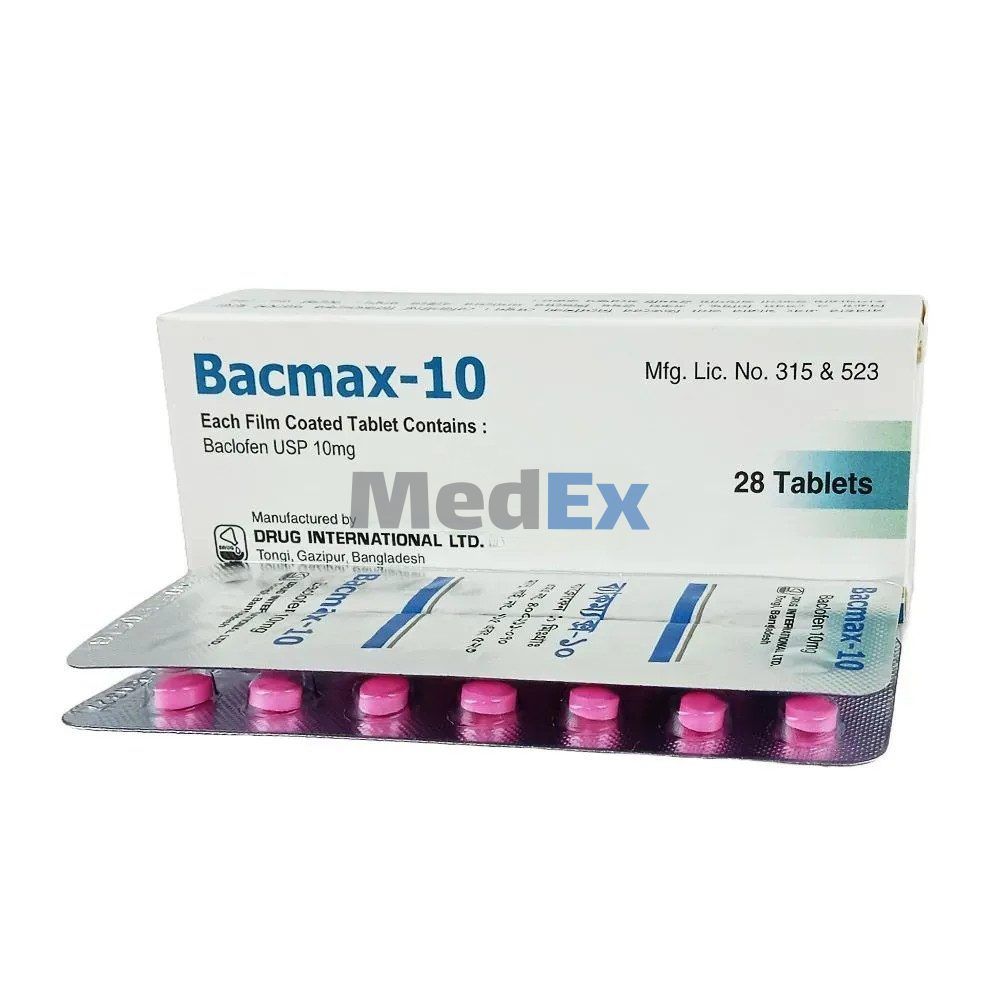
Bacmax
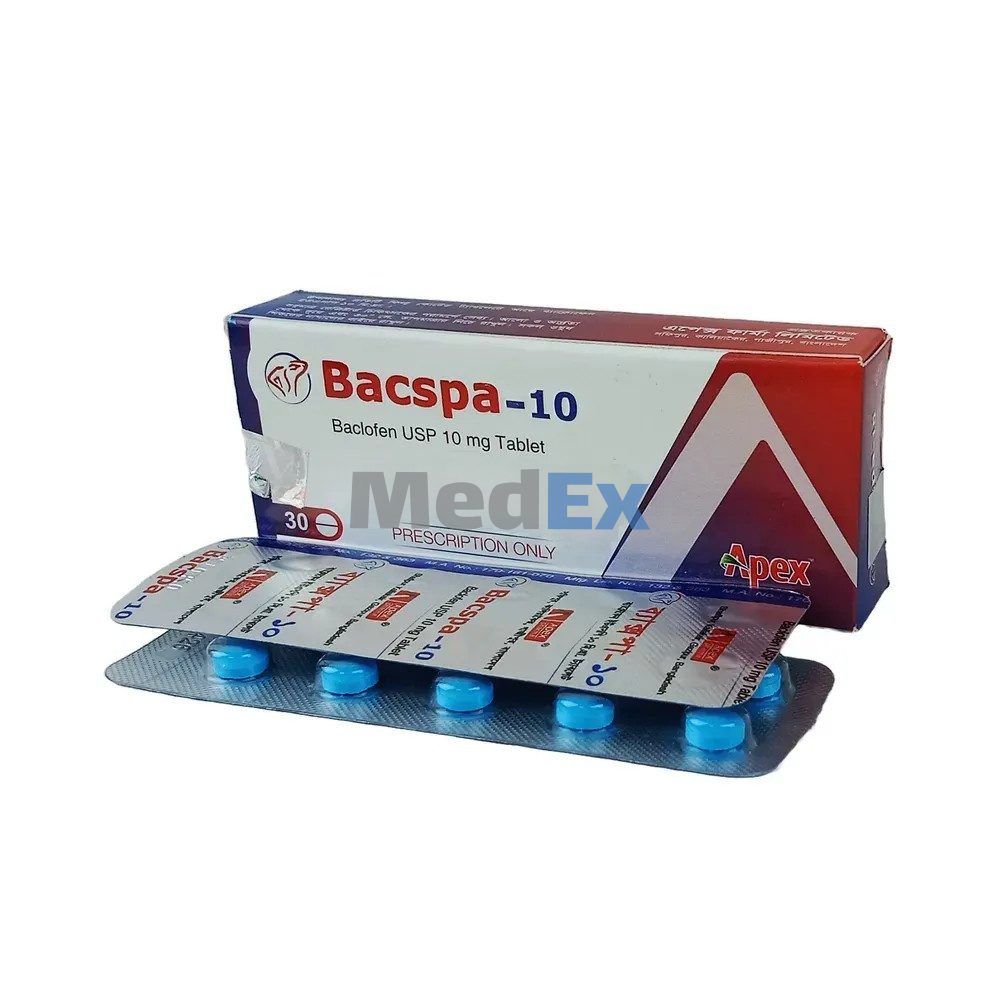
Bacspa
Balo
Beclovan
Bfen
Easybak
Felo
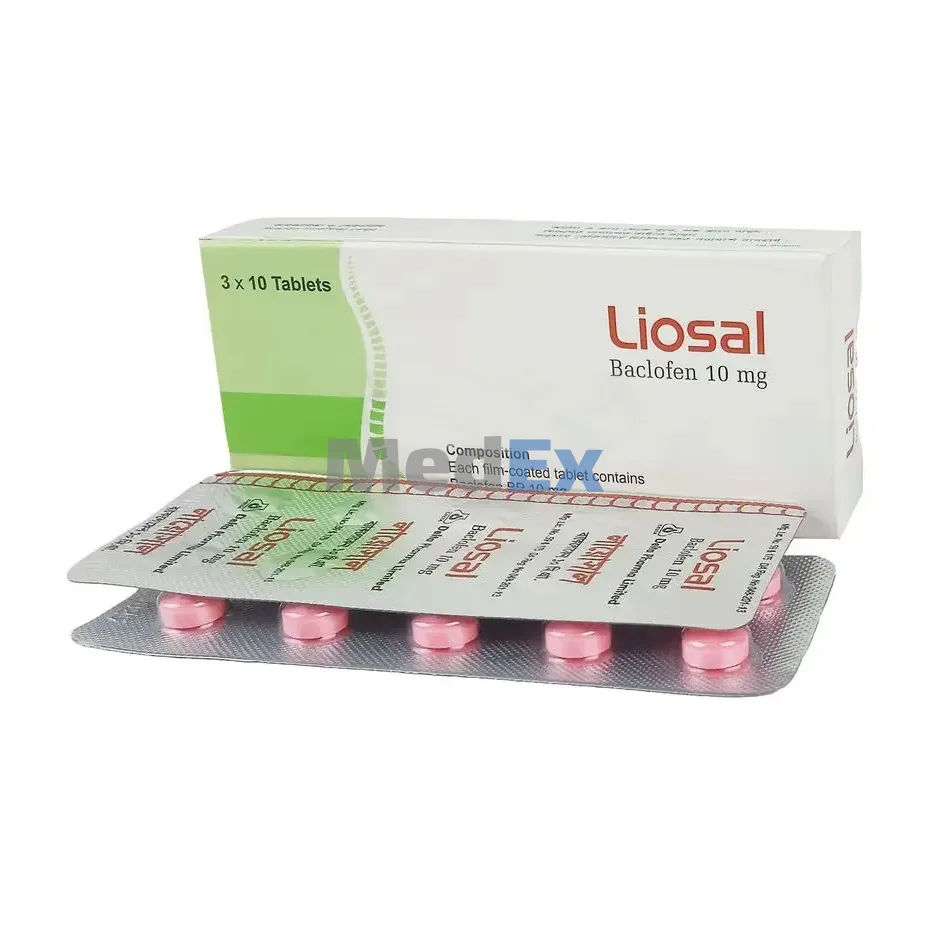
Liosal
Lirosal
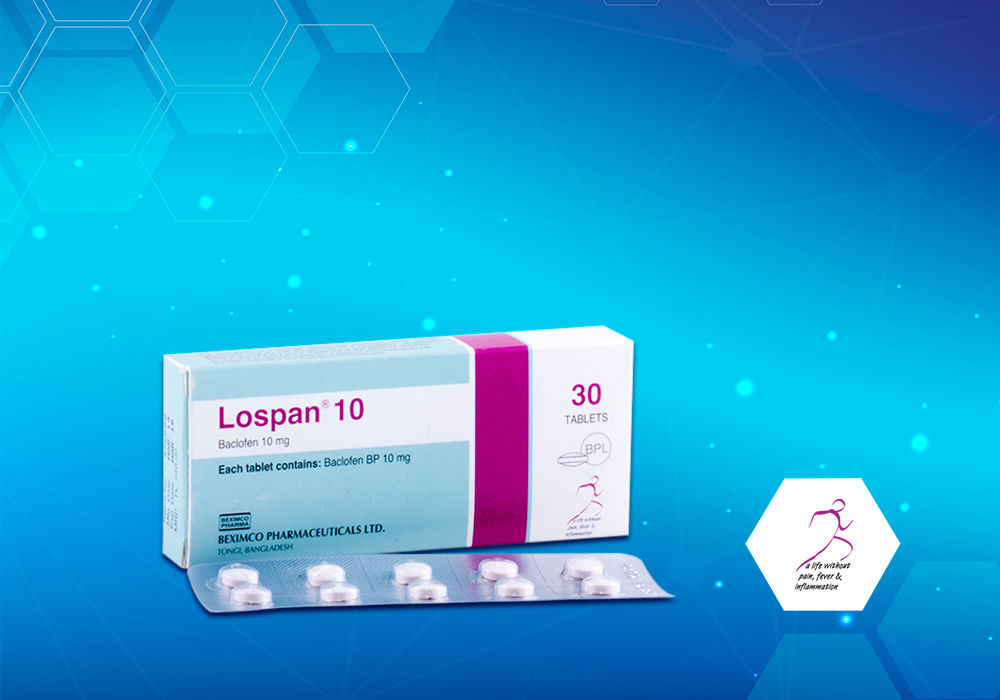
Lospan
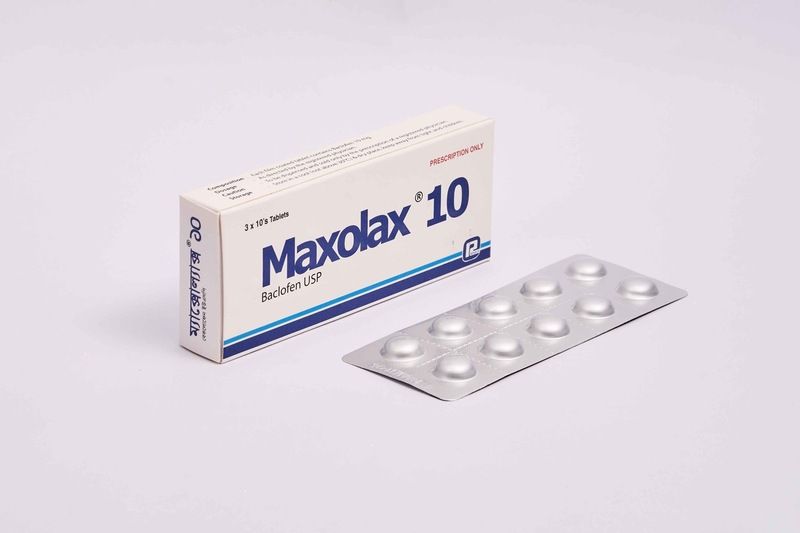
Maxolax
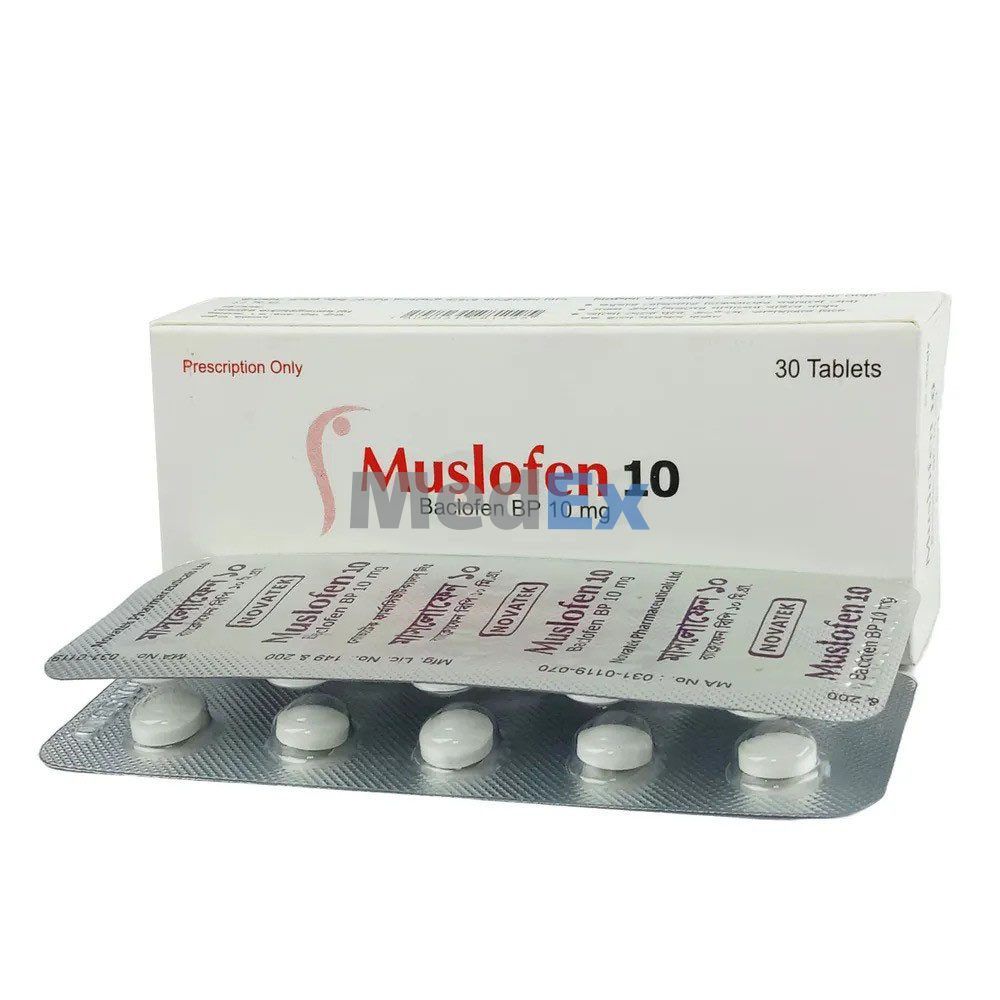
Muslofen
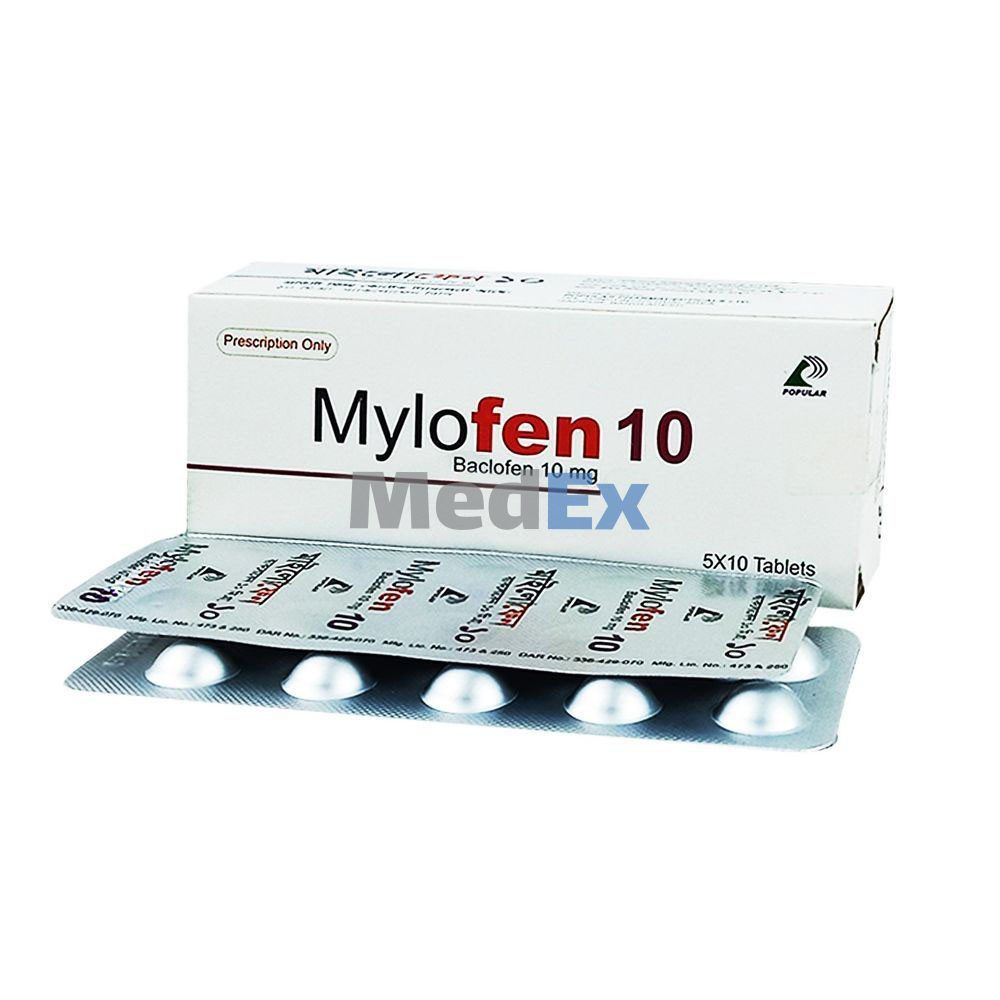
Mylofen

Reflexen
Relmas
Rembac
Spaflex
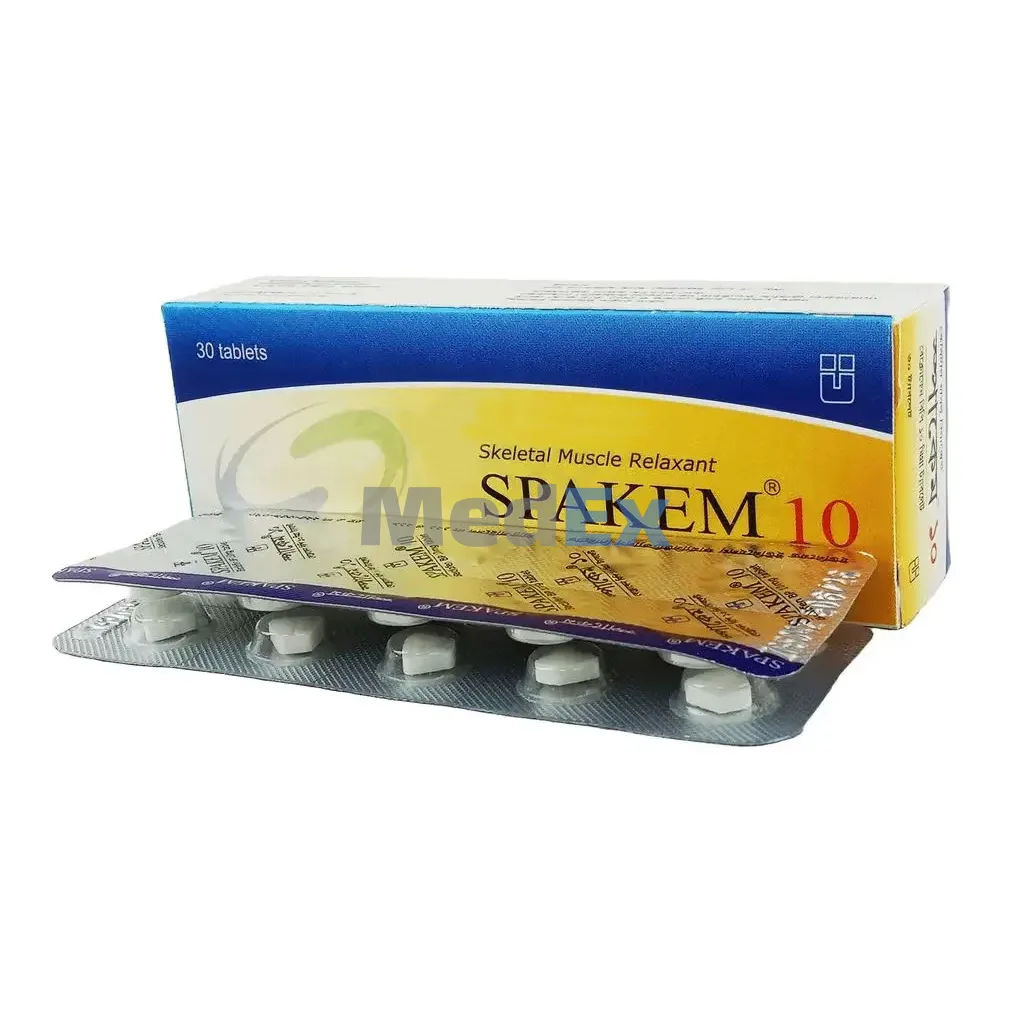
Spakem
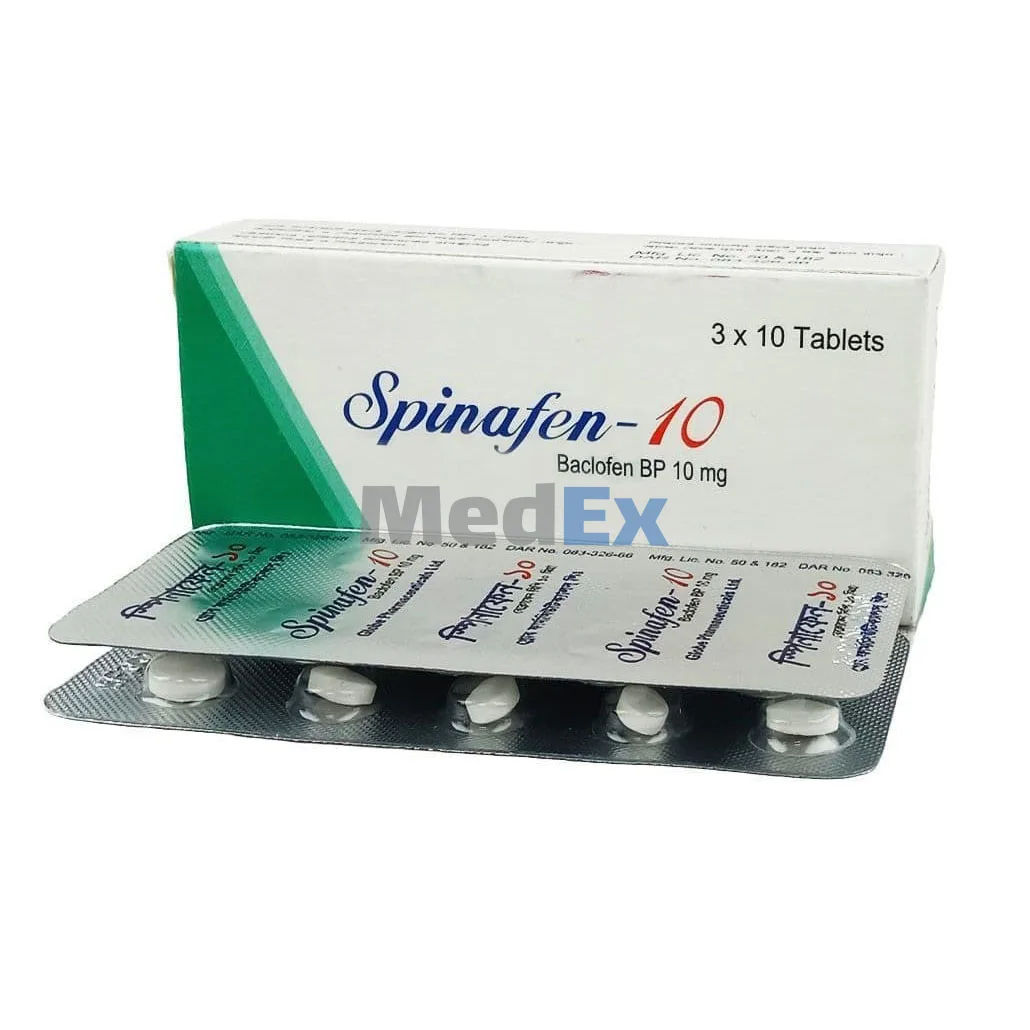
Spinafen
Spinolex
Starbac
Xanbac
Zerolent
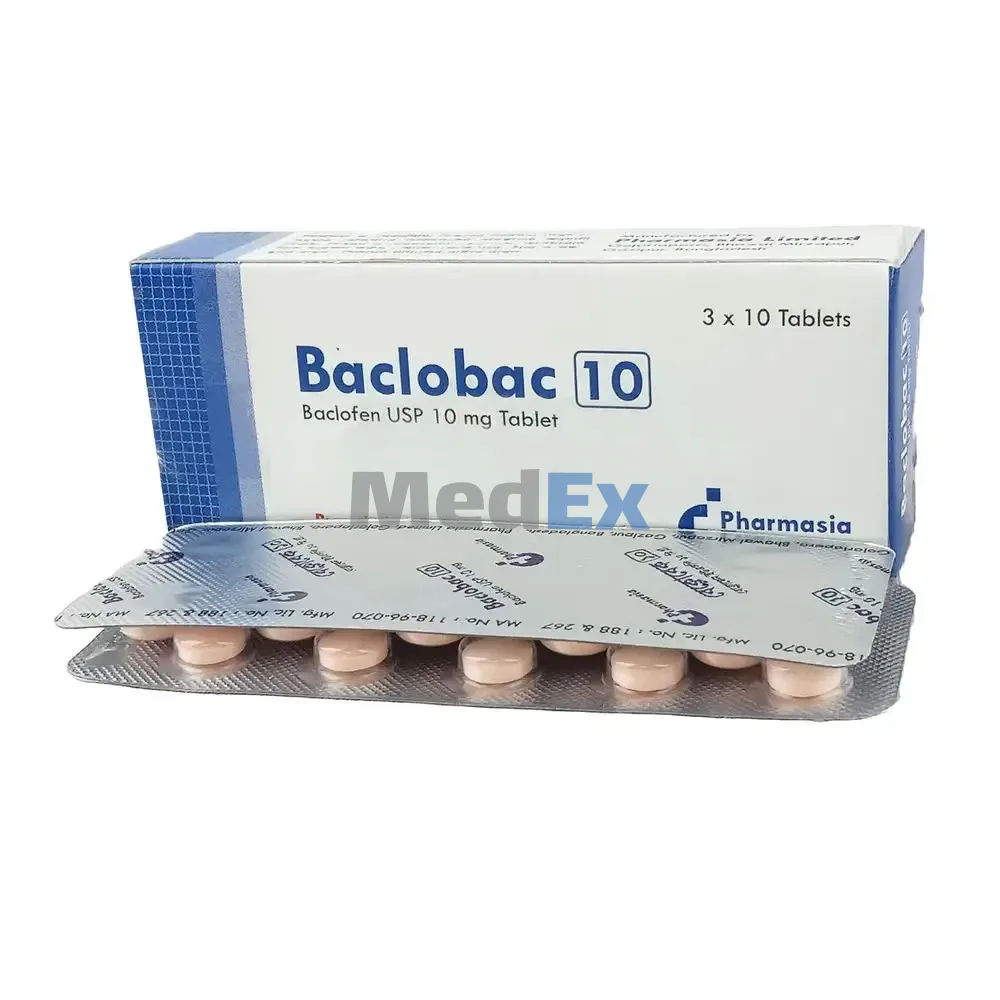
Baclobac
Baclodol
Bactab
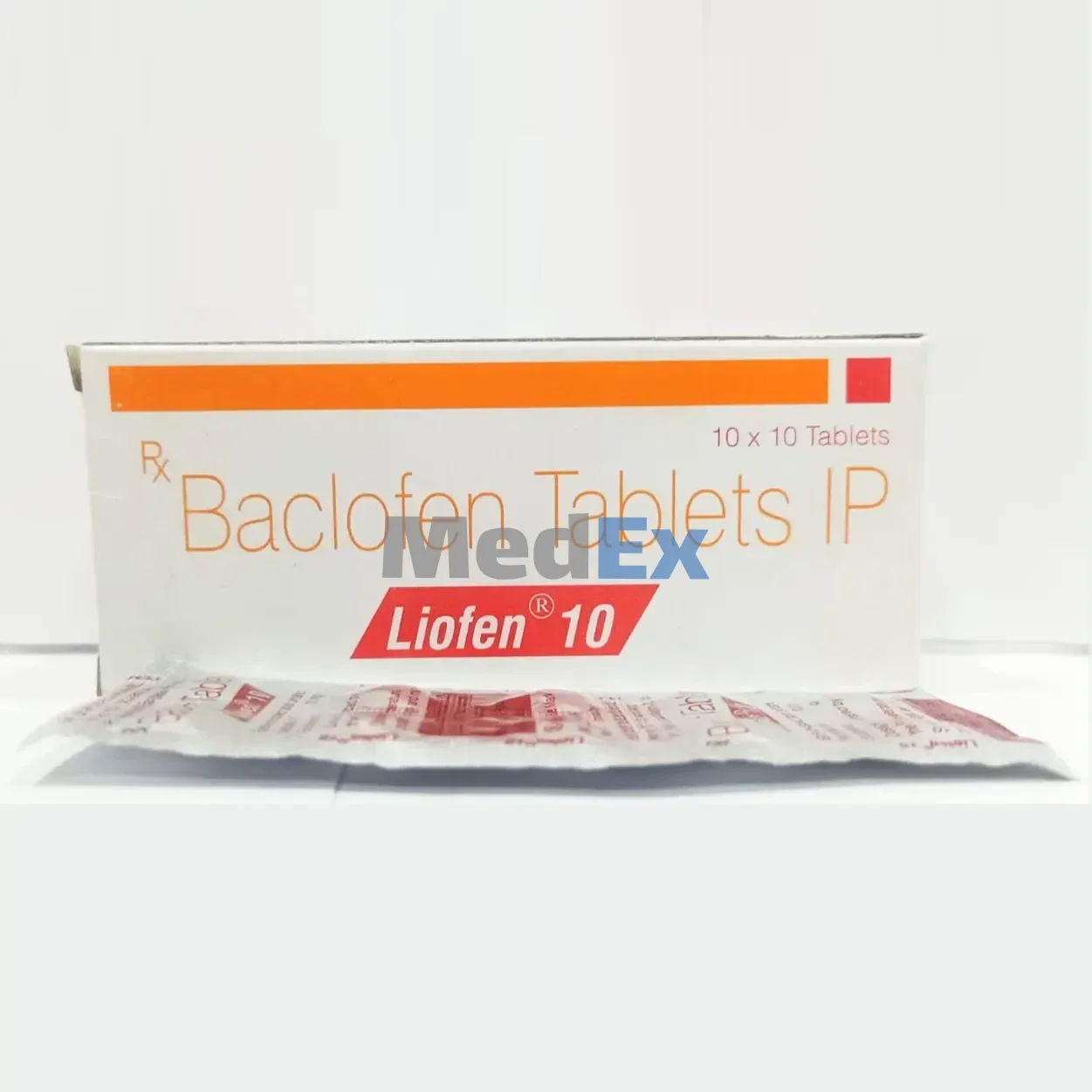
Liofen
SMR
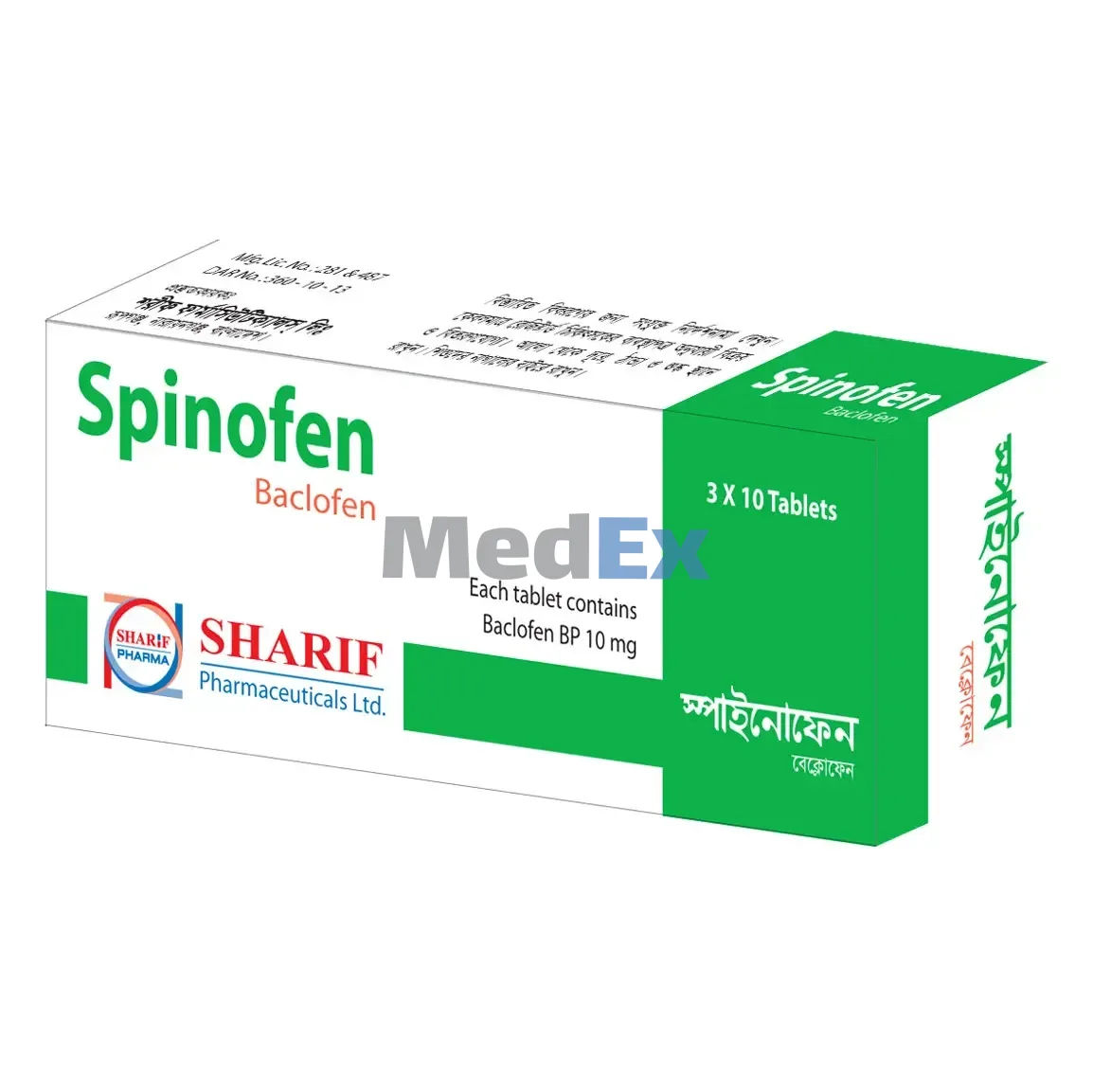
Spinofen
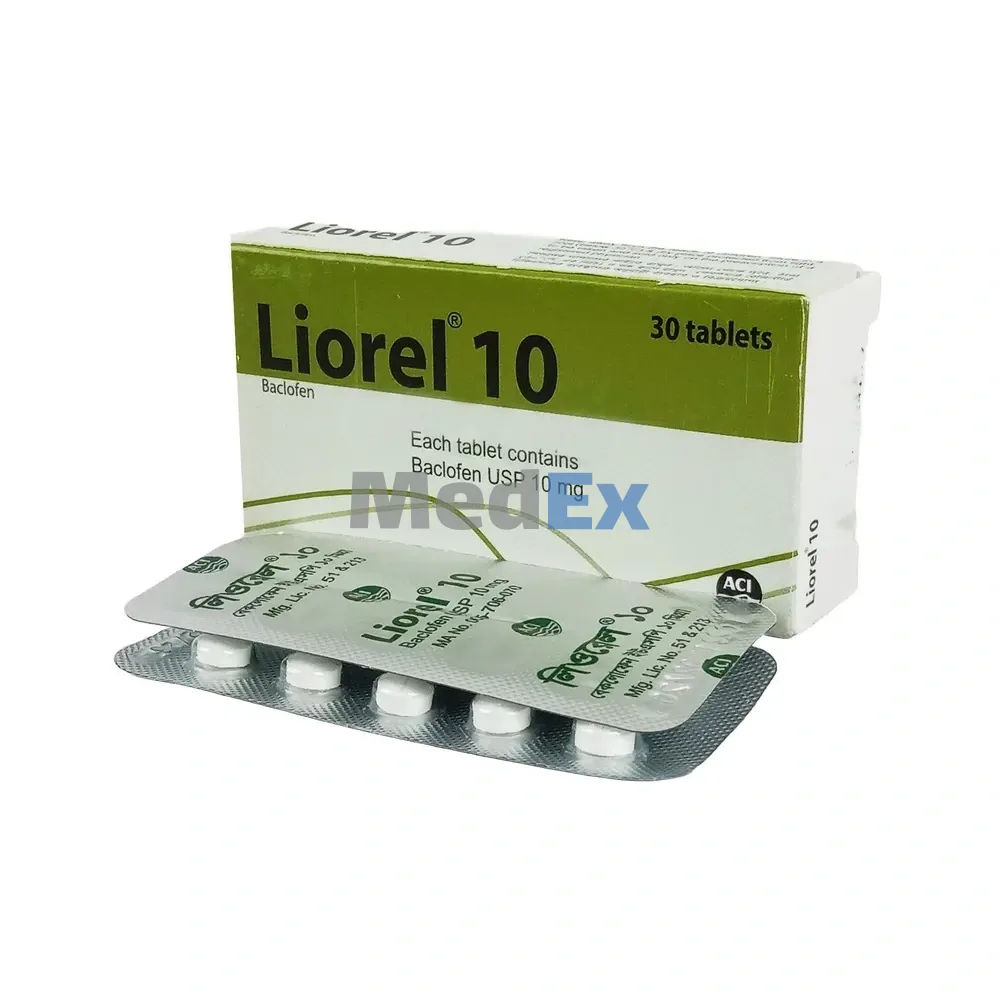
Liorel
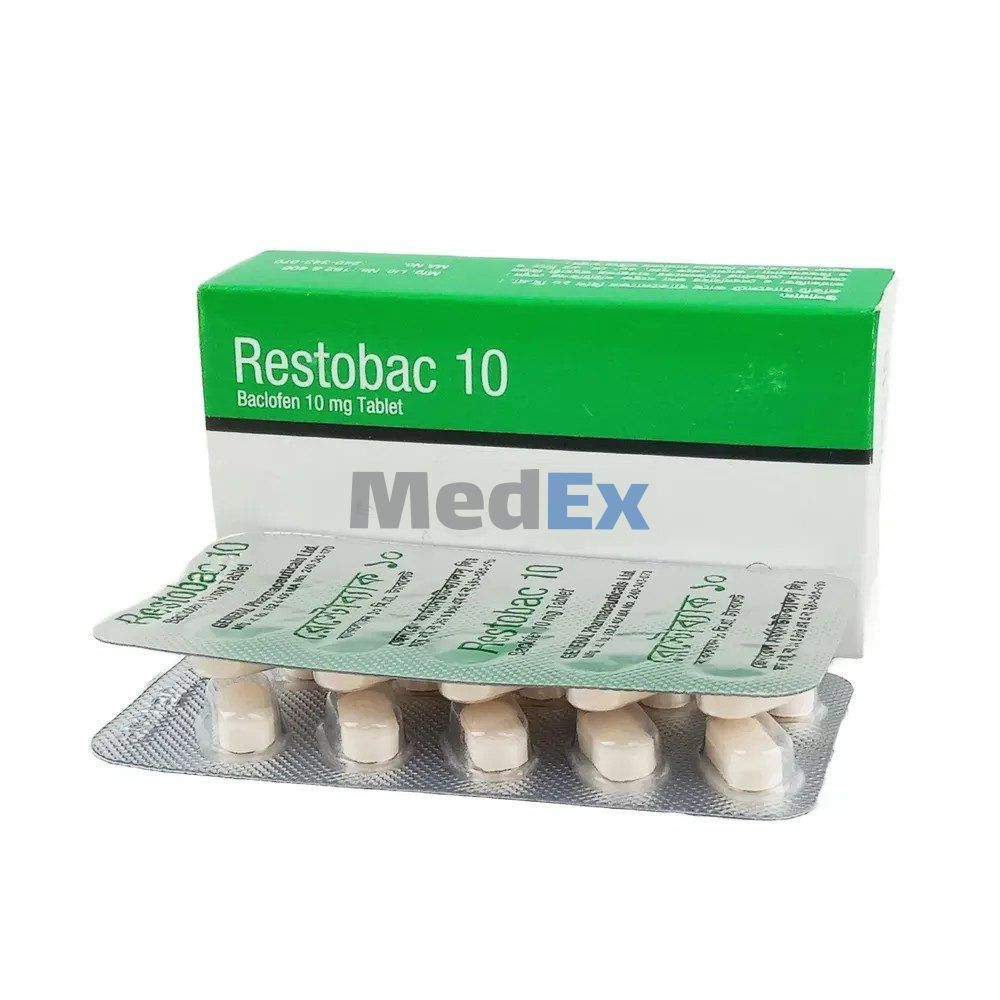
Restobac
Baclosic
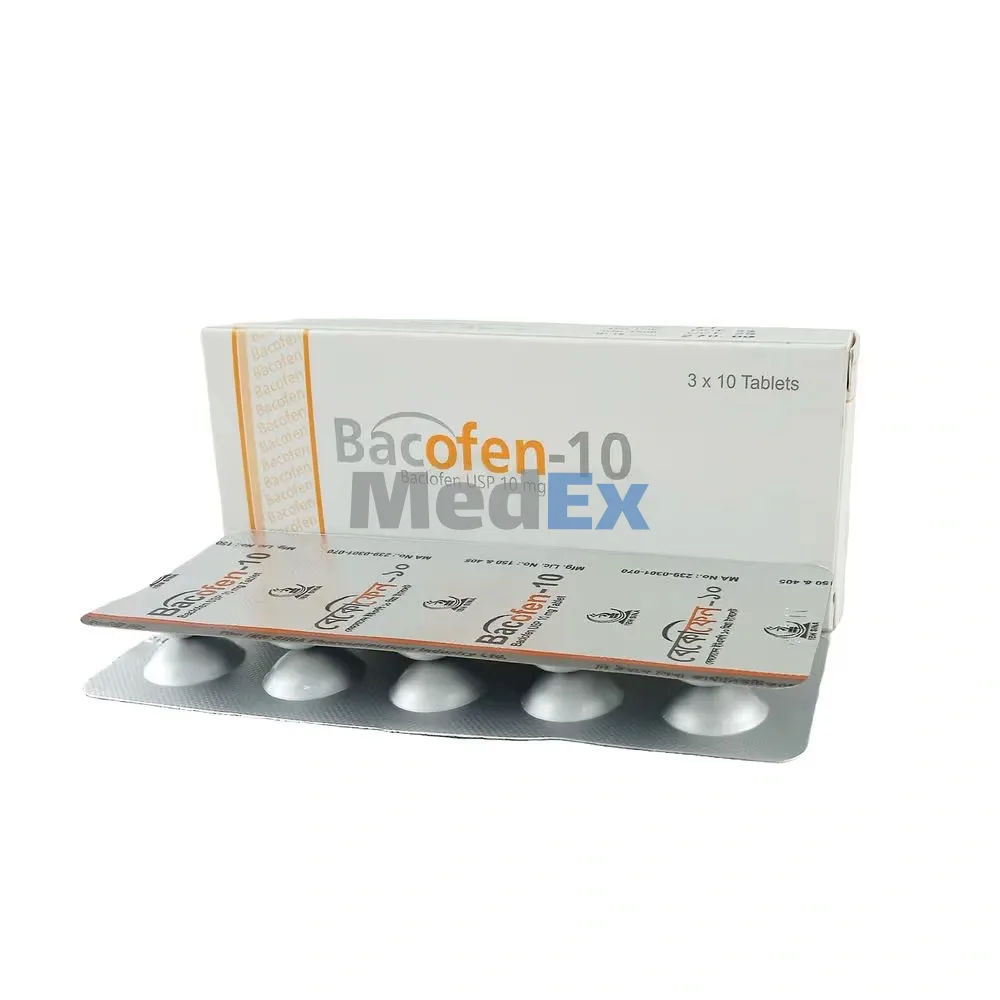
Bacofen
Skelofen
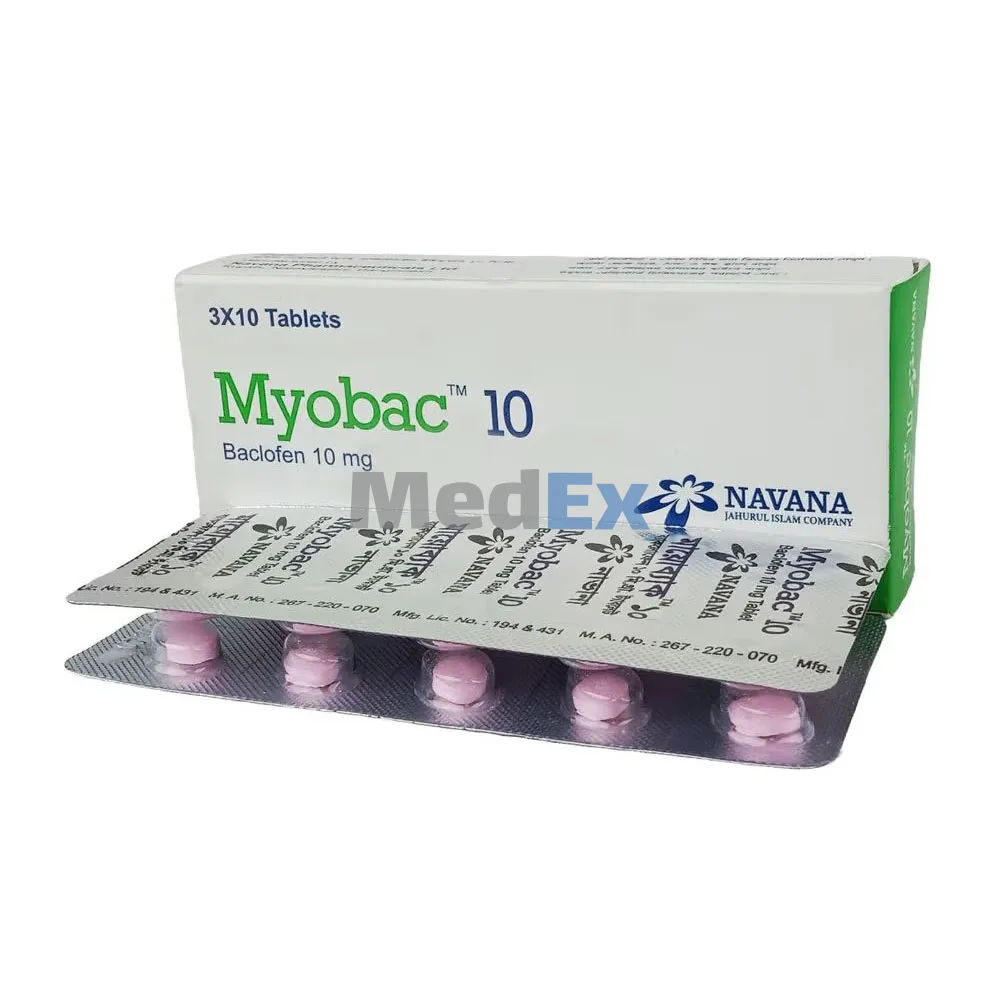
Myobac
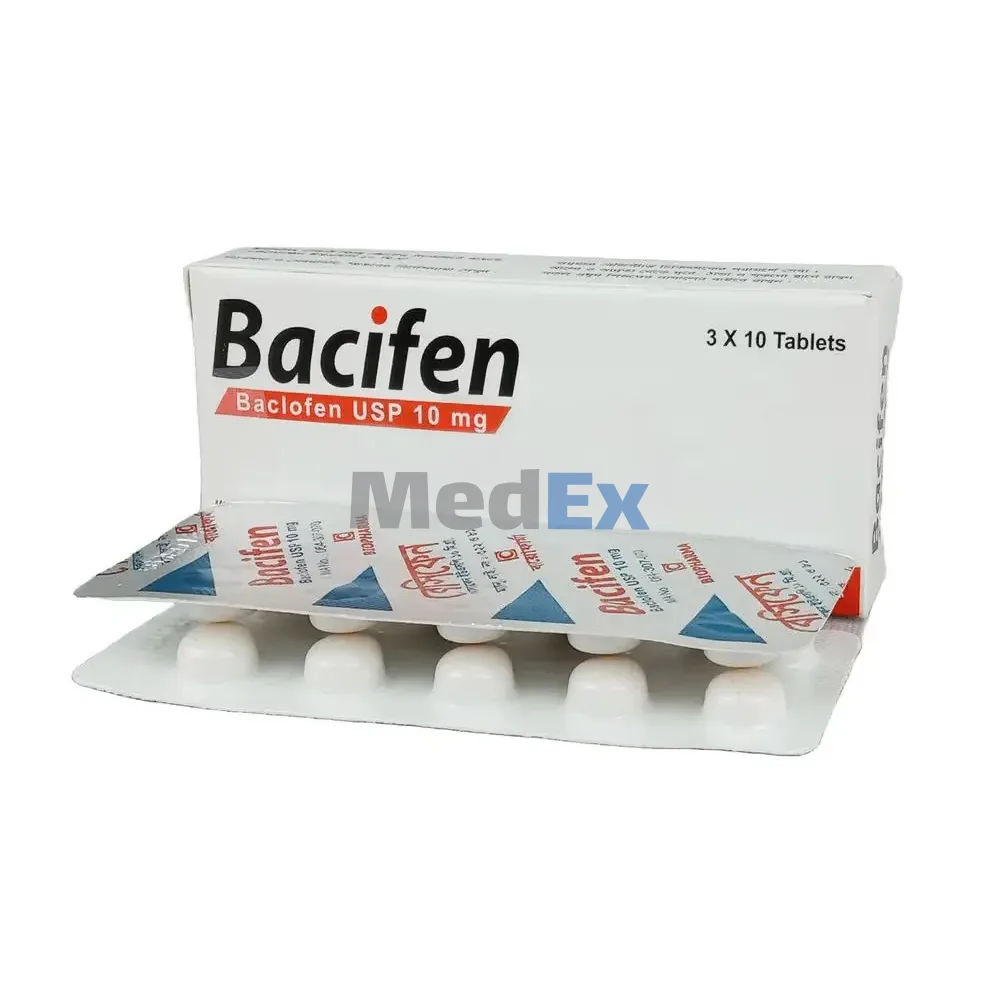
Bacifen
Baclof
Myorel
Spinax
Baclomax
Beklo
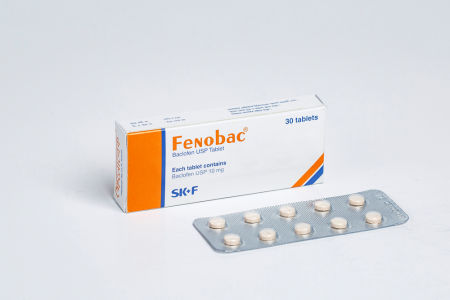
Fenobac
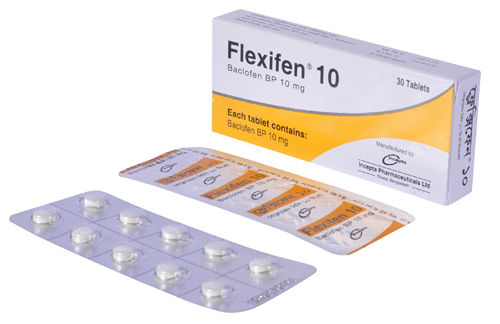
Flexifen
Flexilax
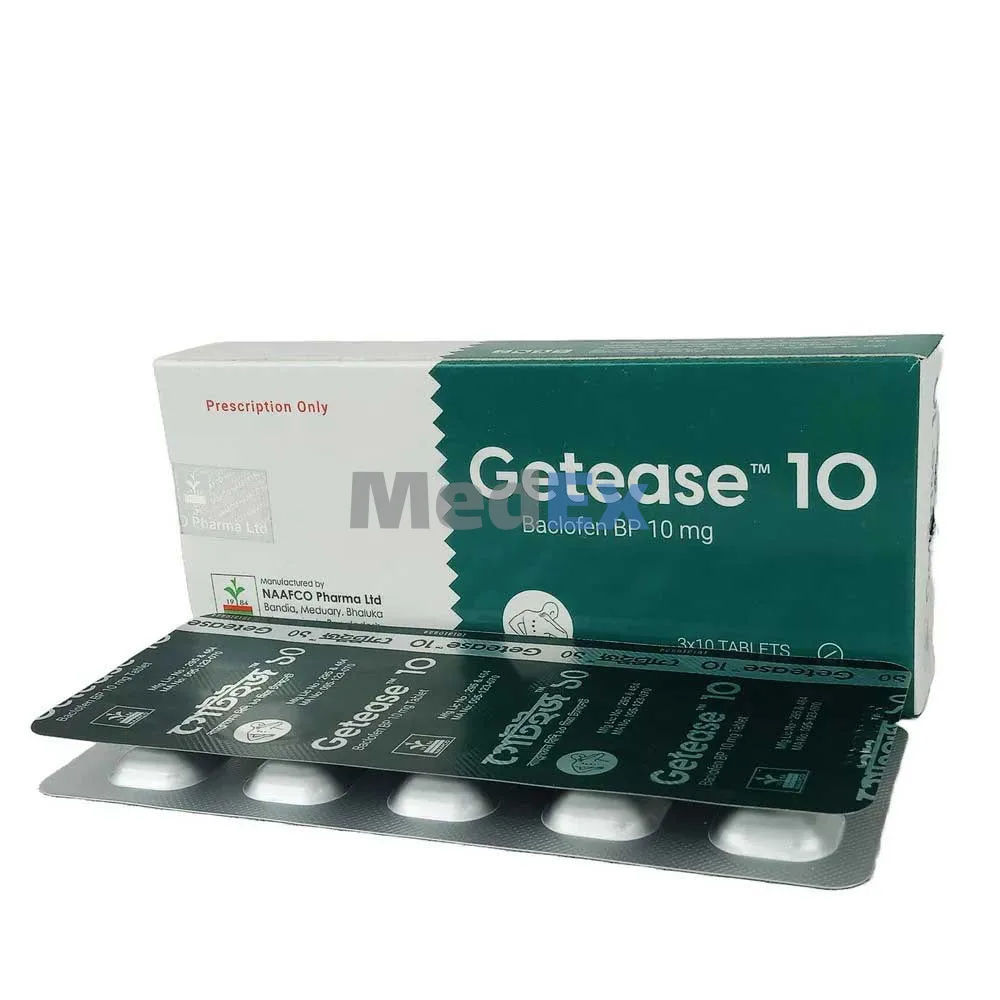
Getease
Laxifen
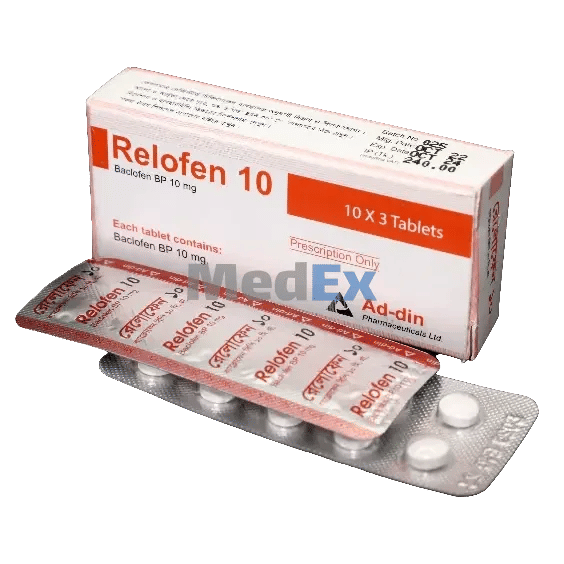
Relofen
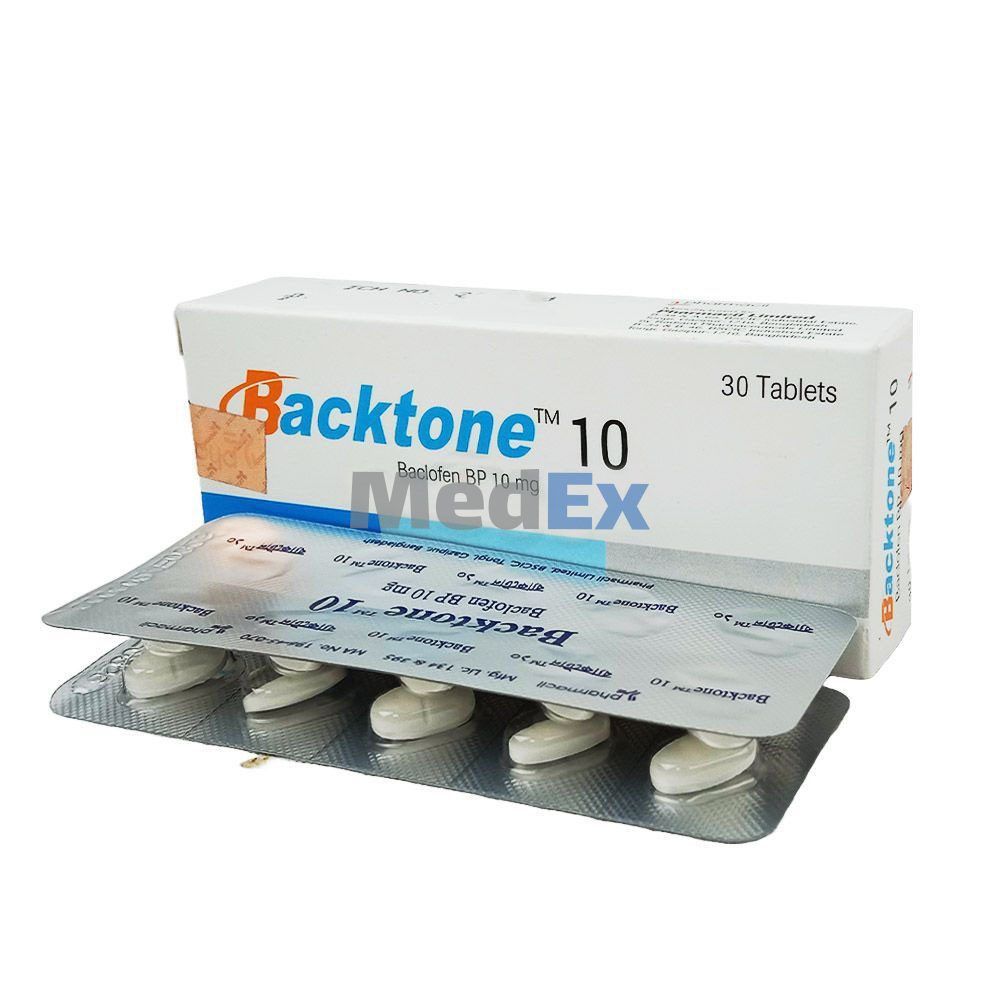
Backtone
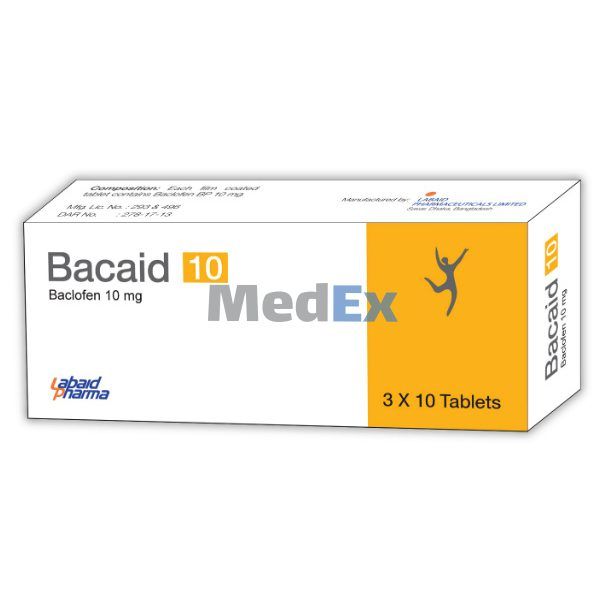
Bacaid
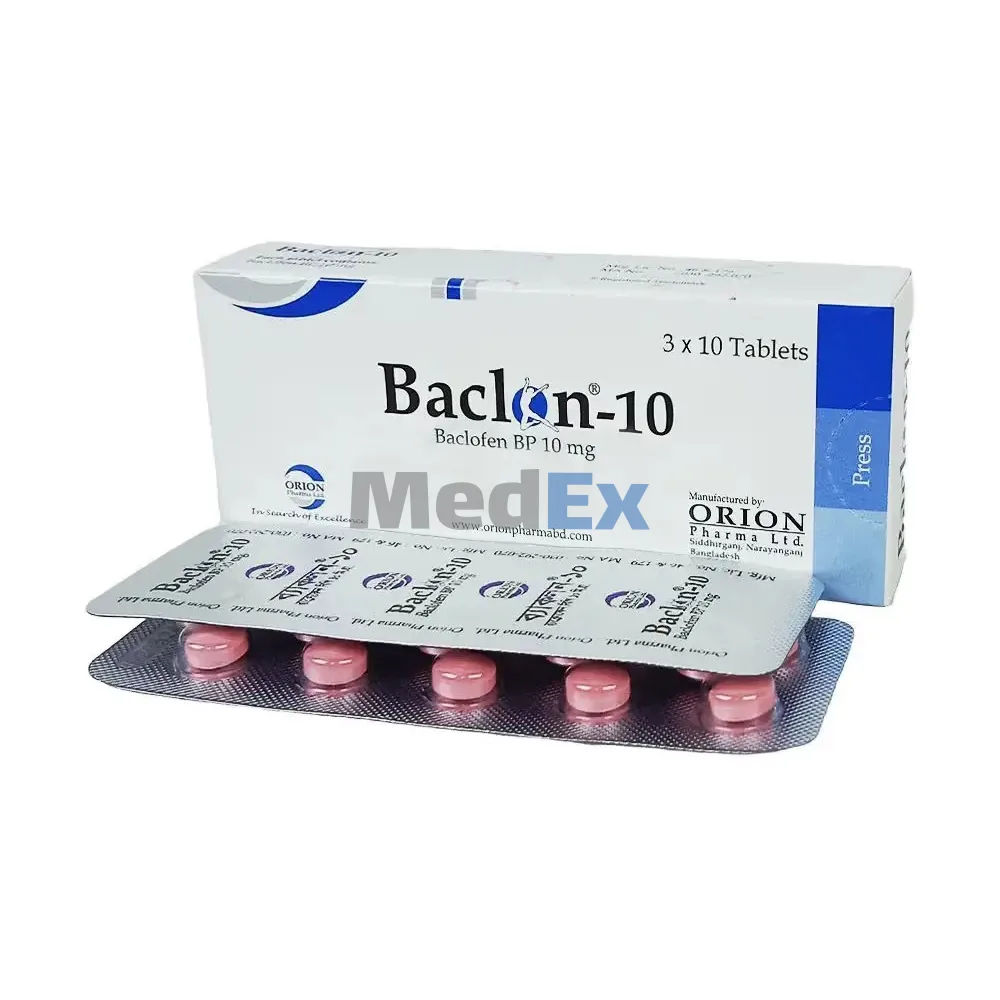
Baclon
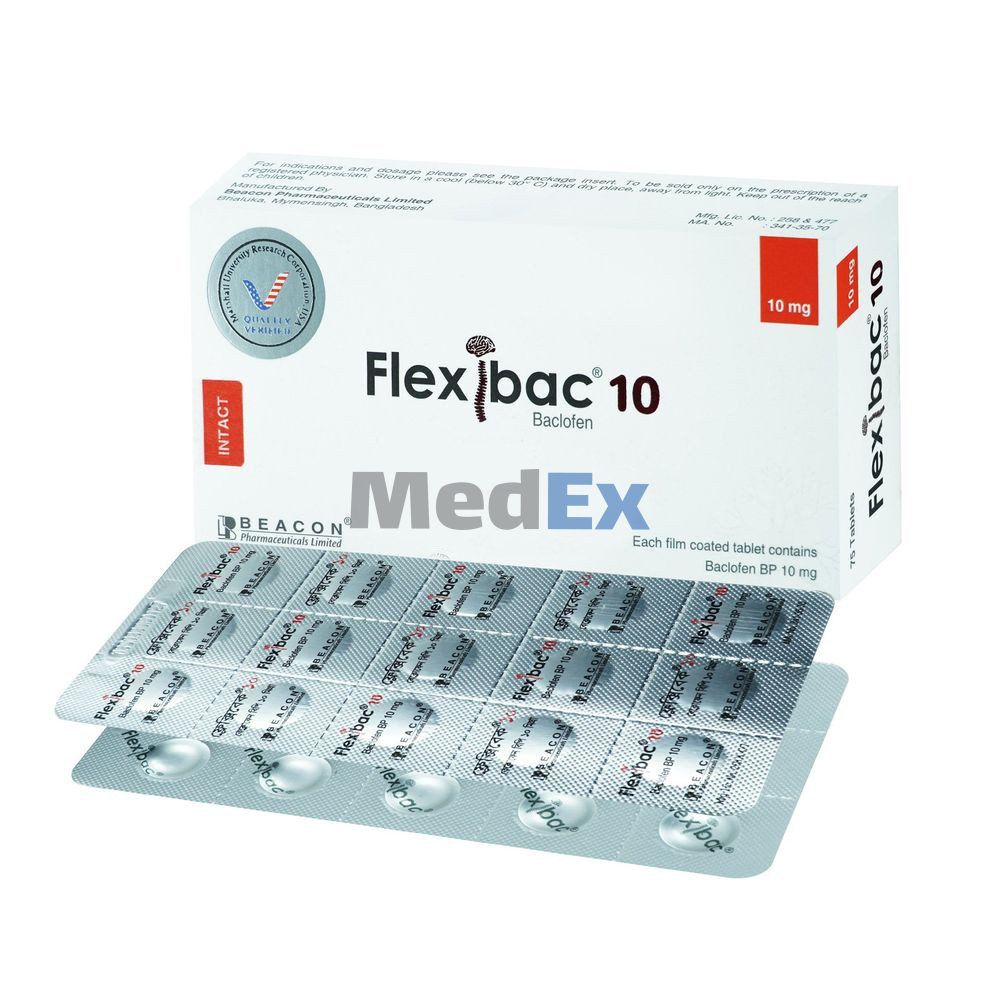
Flexibac
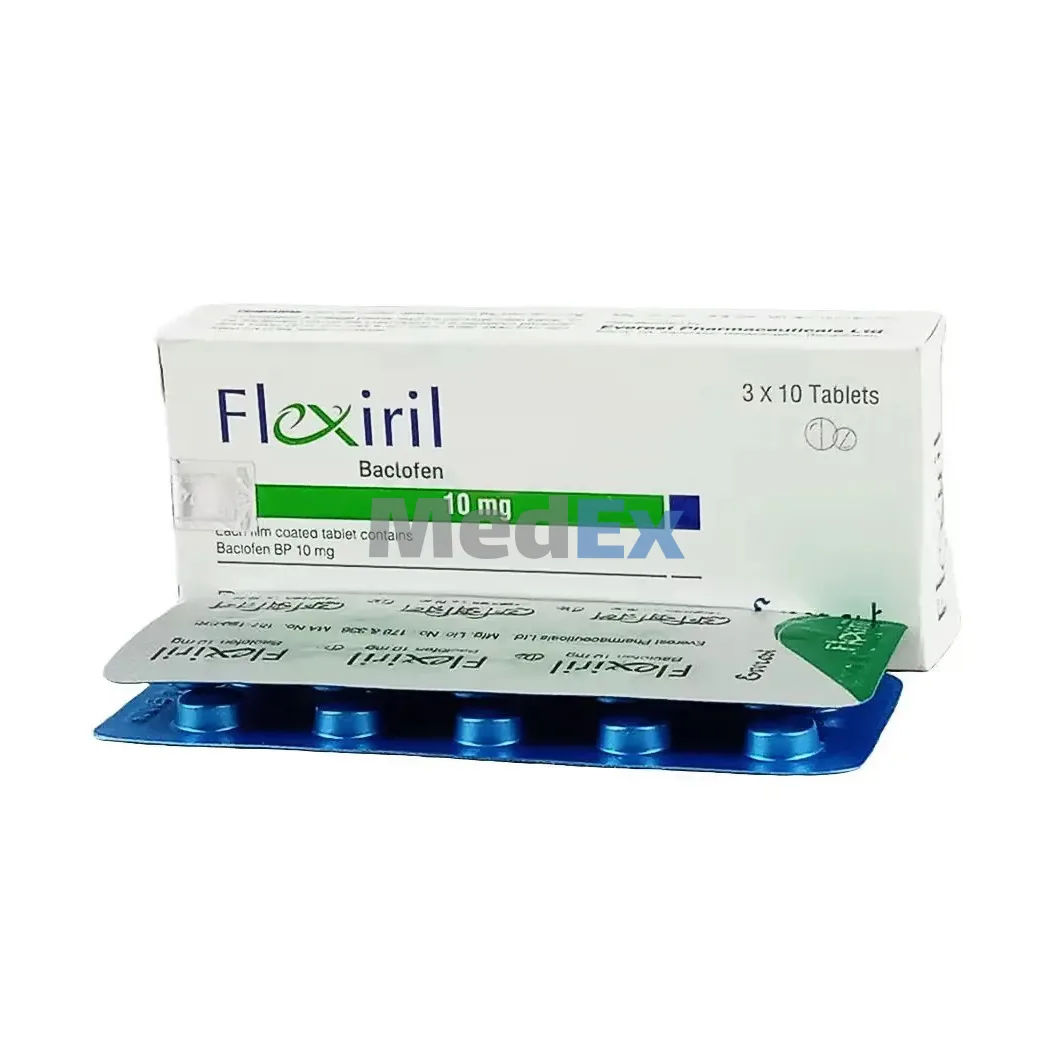
Flexiril
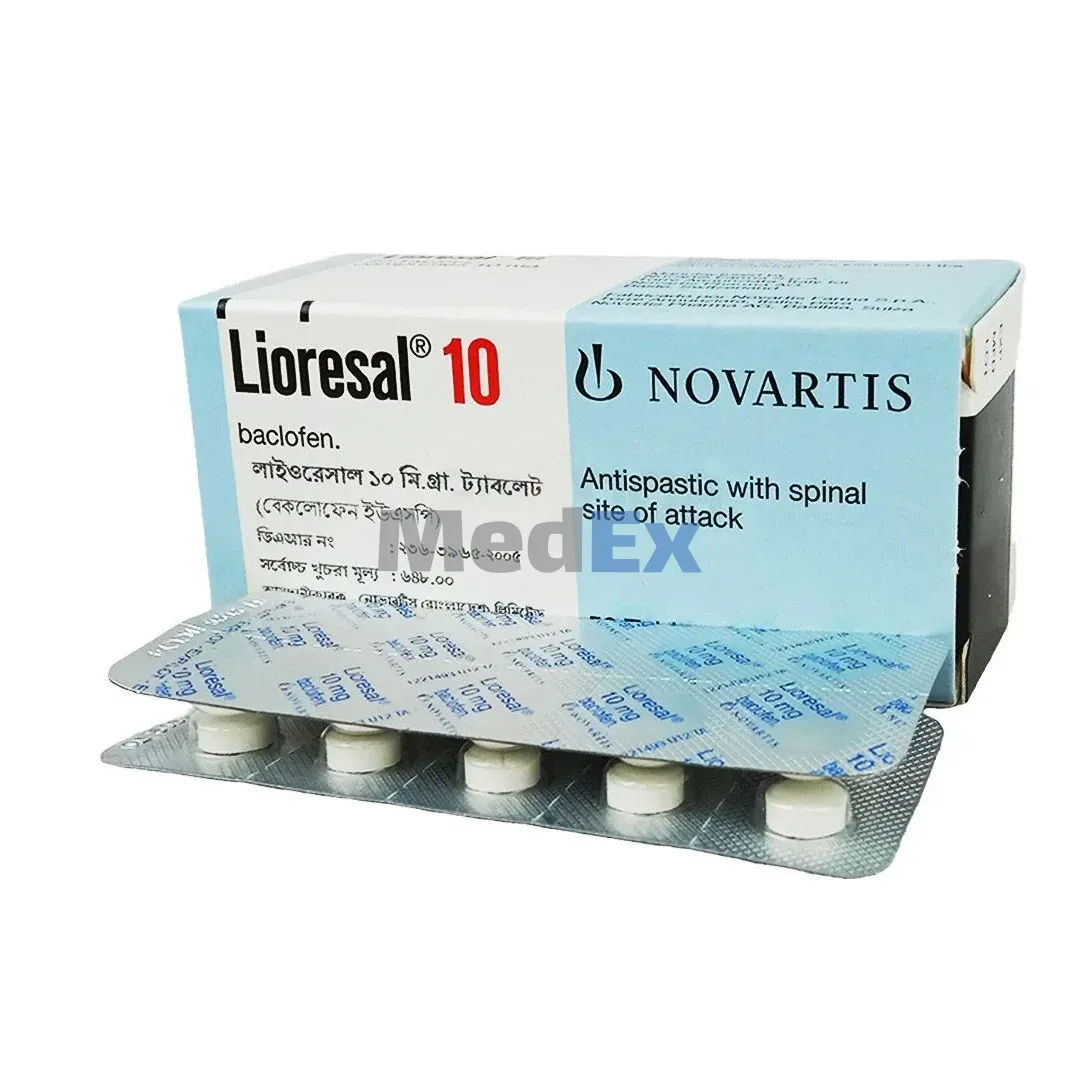
Lioresal
Lospan
Myorel
Restobac
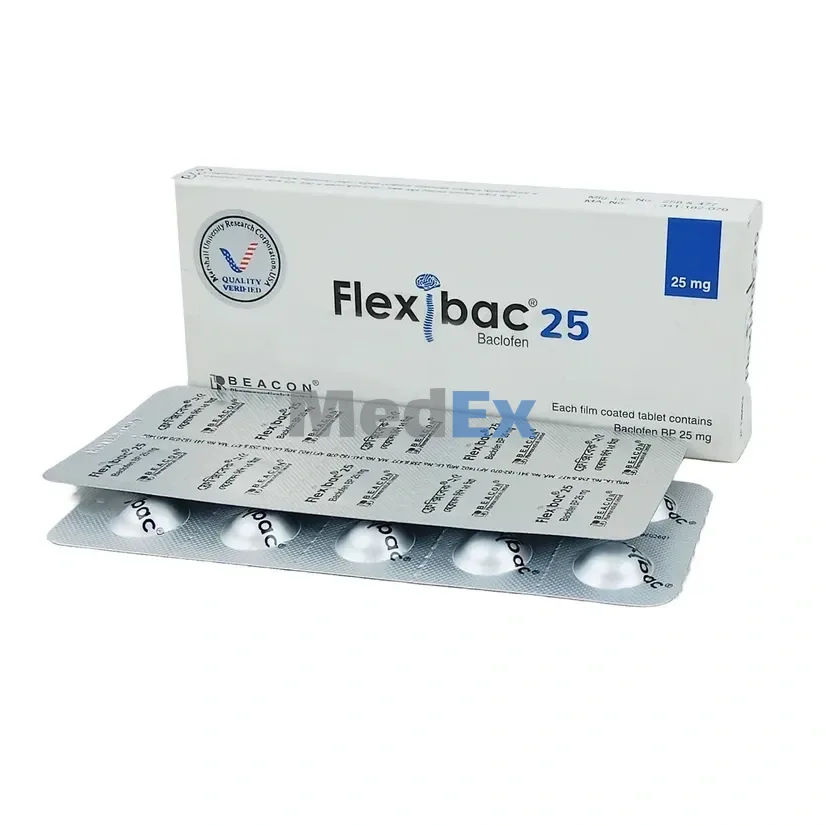
Flexibac

Reflexen
Beklo
Beklo
Fenobac
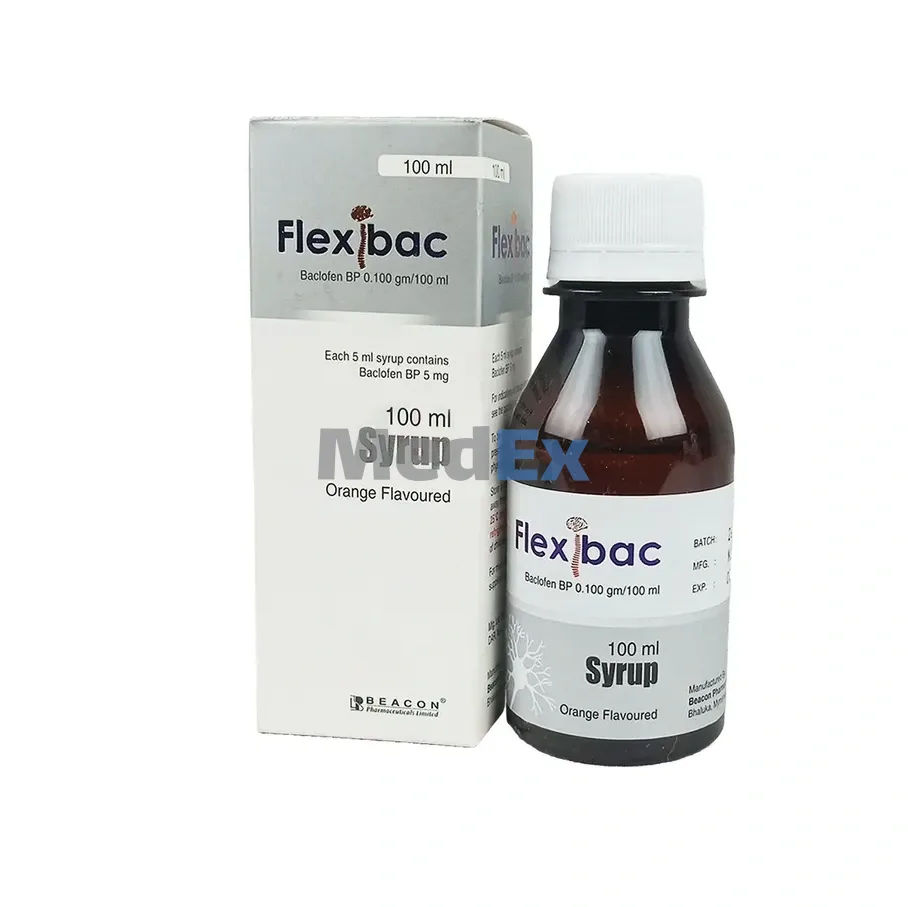
Flexibac
📖 Official Clinical Monograph
DGDA Approved Prescribing GuidelinesAlbafen is indicated in-
spasticity resulting from multiple sclerosis
flexor spasms and concomitant pain, clonus and muscular rigidity
skeletal muscle spasm resulting from rheumatic disorders
spinal cord injuries and other spinal cord diseases
cerebrovascular accidents or neoplastic or degenerative brain disease
Adult & children over 10 years
: 5 mg 3 times daily, preferably with or after food, gradually increased; max. 100 mg daily.
Children <10 years
: Treatment is usually started with 2.5 mg (2.5 ml) given 4 times daily then raised according to requirement. Daily maintenance dose-
12 month-2 years: 10-20 mg (10-20 ml)
2 years-6 years: 20-30 mg (20-30 ml)
6 years-10 years: 30-60 mg (30-60 ml)
Baclofen is contraindicated in patients with hypersensitivity to any component of this product.
The most common adverse reactions associated with Albafen are transient drowsiness, daytime sedation, dizziness, weakness and fatigue.
Central Nervous System
: Headache (<10%), insomnia (<10%), and rarely, euphoria, excitement, depression, confusion, hallucinations, paraesthesia, nightmares, muscle pain, tinnitus, slurred speech, co-ordination disorder, tremor, rigidity, dystonia, ataxia, blurred vision, nystagmus, strabismus, miosis, mydriasis, diplopia, dysarthria, epileptic seizures, respiratory depression.
Cardiovascular:
Hypotension (<10%), rare instances of dyspnoea, palpitation, chest pain, syncope.
Gastrointestinal
: Nausea (approximately 10%), constipation (<10%) and rarely, dry mouth, anorexia, taste disorder, abdominal pain, vomiting, diarrhoea and positive test for occult blood in stool.
Genitourinary
: Urinary frequency (<10%) and rarely, enuresis, urinary retention, dysuria, impotence, inability to ejaculate, nocturia, haematuria.
Other
: Instances of rash, pruritus, ankle oedema, excessive perspiration, weight gain, nasal congestion, visual disturbances, hepatic function disorders and paradoxical increase in spasticity. Muscular hypotonia of a degree sufficient to make walking or movement difficult may occur but is usually relieved by readjusting the dosage. For this purpose, the daytime dosage may be reduced and the evening dosage increased.
Lower doses (approximately 5 mg per day) should be used for patients with impaired renal function or those undergoing chronic haemodialysis.
Patients suffering not only from spasticity but also from psychotic disorders, schizophrenia, depressive or manic disorders or confusional states should be treated cautiously and closely monitored as exacerbations of these disorders may occur.
In patients with epilepsy and muscle spasticity, Albafen may be used under appropriate supervision and provided that adequate anticonvulsive therapy is continued. Lowering of the convulsion threshold may occur and seizures have been reported after the cessation of Albafen therapy or with overdose.
Albafen should be used with caution in patients with or with a history of peptic ulcers, cerebrovascular diseases, or hepatic, renal or respiratory failure.
Careful monitoring of respiratory and cardiovascular function is essential especially in patients with cardiopulmonary disease and respiratory muscle weakness.
During treatment with Albafen, neurogenic disturbances affecting emptying of the bladder may improve. However in patients with preexisting sphincter hypertonia, acute retention of urine may occur. Albafen should be used with caution in these circumstances.
Albafen has not significantly benefited patients with stroke. These patients have also shown poor tolerance to the medicine.
Appropriate laboratory tests should be performed periodically in patients with hepatic diseases or diabetes mellitus to ensure that no medicine induced changes in these underlying diseases have occurred.
Baclofen inhibits both monosynaptic and polysynaptic reflexes at the spinal level by stimulating the GABA
B
receptors, which inhibits the release of glutamate and aspartate. It may also act at intraspinal sites producing CNS depression. Baclofen also exerts an antinociceptive effect.