 Oshud
OshudAzithromycin Dihydrate
 Macrolides
Brands & Prices (295)
📋 Indications & Uses⚠️ Contraindications⚡ Side Effects & Adverse Reactions🛡️ Warnings & Precautions🔬 Pharmacology & Mechanism
Macrolides
Brands & Prices (295)
📋 Indications & Uses⚠️ Contraindications⚡ Side Effects & Adverse Reactions🛡️ Warnings & Precautions🔬 Pharmacology & Mechanism
Brand Formulations & Prices
295 brands sorted by unit price
Azithrogen

Macrozith
Myzid
Thromax
Amzith
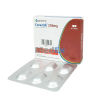
Curazith
Orgazith
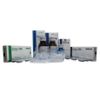
Zinex
Zithro
Asizith
Azithromycin
Adiz
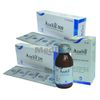
Azalid

Azicin
Azicin
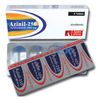
Azinil
Azithrocin
Maclid

Maczith

Romycin
Thoraz
Tridosil

Zithrin

Zithrin
Zithrox
Verizith

Azin
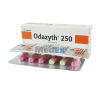
Odazyth

Zimax
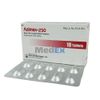
Azimex
Ranzith
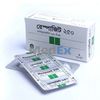
Respazit
Zithrolex
Ezith
AM

AZ
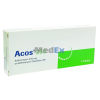
Acos
Apozyth
Azebac
Azi S
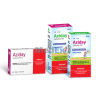
Aziday
Azimete
Azirex
Azithral
Azitor
Azitra
Azix
Azmin
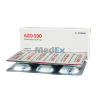
Azo

Azyth
BP-Z
BP-Z
Cpzith
Demacro
Fizyth
G-Azithromycin
Hyzith
Indozith
Indozith
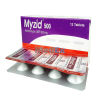
Myzid
N Zith
Odazin
Parazith
Penalox
Premier's Azithromycin
Prizyth
Ribozith

Rozith
Tabrex
Virzith
ZOM
Zenicin
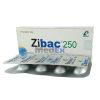
Zibac
Phagocin
Azee
Zithro
Mazith
Azitac
Soto
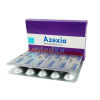
Azexia
Aziget
Macrozith
Abacten
Asizith
Avalon
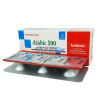
Azaltic
Azi Mx
Azibact
Azilit
Azimon
Azitel
Azithrocin

Azithromax
Aziwell
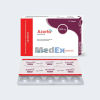
Azorta
Azosil
Ezith
Ilozin
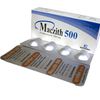
Maczith
Neozith
Novazith
Orgazith
Rema-Zith
Romac
SB-Azit
Telide
Thoraz
Thromax

Tridosil
Zinex
Zita
Zithracin
Zycin
Zylomax
Amzith
Azasite
Azirox
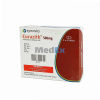
Curazith
Verizith
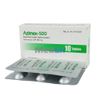
Azimex
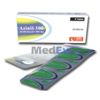
Azinil
Azithromycin
Azyben
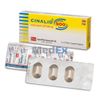
Cinalid
Macazi
Makzit
Odazyth
Raicin
Respazit
Romycin
Zemycin

Zimax
Zithrin
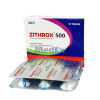
Zithrox
Zitrex
Azithron
Azithin
Ranzith
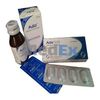
Adiz
Arizith
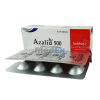
Azalid
Azicin
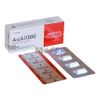
Azikil
Azithro
Azomac
Maclid
Macrobac
Salzith
Truzith
Vinzam
Zibac
Zixin
Zunami
Azro
Favozyth

Odaz
Rozith

Simpli-3
Thiza
AZ
Accuzith
Azilab
Azin
Azinaaf
Azisol
Xevlin
Acos

Azyth
Razithro
Cinalid

Novazith
Zenicin
Azitac
Prizyth
Telide

Asizime
Azee
Azi Mx
Aziget
Azilit
Azimete
Azitel
Azithin
Azithral
Azithrocin
Azithromax
Azix
Azmin
Azosil
Azro
BP-Z
Demacro
Favozyth
Hyzith
Indozith
Neozith
Rema-Zith
Thiza
Tridosil
Ezith
Curazith
Macrobac
Phagocin
Ranzith
Zinex
Zita
Azalid
Odazyth
Zithro
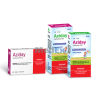
Aziday
Azimon
Azinaaf
Azinil
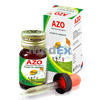
Azo
Azyben
Maclid
Romycin
Thromax
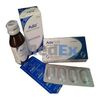
Adiz
Asizith
Azaltic
Azexia
Azimex
Azithro
Ilozin
Macrozith
Orgazith
Penalox

Rozith
Zibac
Zimax

Zithrin
Zycin

Azin
Azasite
Azi S

Azicin
Azikil
Azirox
Odaz
Respazit
Thoraz
Vinzam
Virzith
Zithrox
Zitrex
Zixin
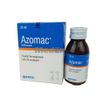
Azomac
Azinil
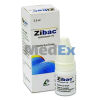
Zibac
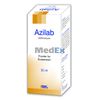
Azilab
Ribozith
Romycin
Verizith

Azyth
Azicin
Azithromycin
Zita
Cpzith
AM
Abacten
Amzith
Apozyth
Asizime
Azibact
Azithrogen
Salzith
Soto
Truzith
Zithracin
Mazith
Avalon
Azitor
Medzith
Makzit
Macazi
Maczith
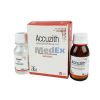
Accuzith
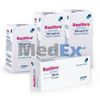
Razithro
Zemycin
Azithron
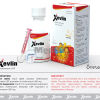
Xevlin
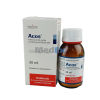
Acos
AZ
Simpli-3
Asizime
Azicin
Azithrocin
Rozith
Tridosil
Zithrin
Simpli-3
Zimax
Zibac
Soto
📖 Official Clinical Monograph
DGDA Approved Prescribing GuidelinesAbacten is indicated for infections (caused by susceptible organisms) in lower respiratory tract infections including bronchitis and pneumonia, in upper respiratory tract infections including sinusitis and pharyngitis/tonsillitis, in otitis media, and in skin and soft tissue infections. In sexually transmitted diseases in men and women, Abacten is indicated in the treatment of non-gonococcal urethritis and cervicitis due to Chlamydia trachomatis.
Azithromycin Dihydrate is contraindicated in patients hypersensitive to Azithromycin or any other macrolide antibiotic. Co-administration of ergot derivatives and Azithromycin is contraindicated. Azithromycin is contraindicated in patients with hepatic diseases.
Abacten is well tolerated with a low incidence of side-effects. Most side-effects observed were mild to moderate in severity. The majority of side-effects were gastrointestinal in origin with nauseas, abdominal discomfort (pain/cramps), vomiting, flatulence, diarrhoea and loose stools being occasionally observed. Allergic reactions such as rash or photosensitivity have occurred and there have also been rare reports of serious hypersensitivity reactions. Reversible elevations in liver transaminases have been seen with a frequency similar to the comparative macrolides and penicillins used in clinical trials. Rarely, cases of cholestatic jaundice have been observed. Transient mild reductions in neutrofil counts have occasionally been observed in clinical trials, although a causal relationship to azithromycin has not been established. Hearing impairment: In investigational studies where higher doses were used for prolonged periods of time, reversible hearing impairment was seen in some patients.
As with erythromycin and other macrolides, rare serious allergic reactions, including angioneurotic oedema and anaphylaxis, has been reported. Some of these reactions with azithromycin have resulted in recurrent symptoms and required a long period of observation and treatment.
Azithromycin is acid-stable and can therefore be taken orally with no need of protection from gastric acids. It is readily absorbed; its absorption is greater on an empty stomach. Time to peak concentration in adults is 2.1 to 3.2 hours for oral dosage forms. Due to the high concentration in phagocytes, azithromycin is actively transported to the site of infection. During active phagocytosis, large concentrations of azithromycin are released. The concentration of azithromycin in the tissues can be over 50 times higher than in plasma. This is due to ion trapping and the high lipid solubility.
Azithromycin's half-life allows a large single dose to be administered and yet maintain bacteriostatic levels in the infected tissue for several days. Following a single 500 mg dose, plasma concentrations of azithromycin declined in a polyphasic pattern with a mean apparent plasma clearance of 630 mL/min and a terminal elimination half life of 68 hours. The prolonged terminal half-life is thought to be due to extensive uptake and subsequent release of drug from tissues. Biliary excretion of azithromycin, predominantly unchanged, is a major route of elimination. Over the course of a week, approximately 6% of the administered dose appears as unchanged drug in urine.
Microbiology: Azithromycin acts by binding to the 50S ribosomal subunit of susceptible microorganisms and, thus, interfering with microbial protein synthesis. Nucleic acid synthesis is not affected. Azithromycin has been shown to be active against most isolates of the following microorganisms, both in vitro and in clinical infections:
Aerobic and facultative gram-positive microorganisms
: Staphylococcus aureus, Streptococcus agalactiae, Streptococcus pneumoniae, Streptococcus pyogenes
Aerobic and facultative gram-negative microorganisms
: Haemophilus ducreyi, Haemophilus influenzae, Moraxella catarrhalis, Neisseria gonorrhoeae
Other microorganisms
: Chlamydia pneumoniae, Chlamydia trachomatis , Mycoplasma pneumoniae , Betalactamase production should have no effect on azithromycin activity.
Aerobic and facultative gram-positive microorganisms
: Streptococci (Groups C,F,G), Viridans group streptococci
Aerobic and facultative gram-negative microorganisms
: Bordetella pertussis, Legionella pneumophila
Anaerobic microorganisms
: Peptostreptococcus species, Prevotella bivia